
Podcast
Law Enforcement Talk: True Crime and Trauma Stories
Hosted by John "Jay" Wiley, Bleav · EN
True Crime with a twist. By and from those that have been there. Crime stories from those that investigated crimes and caught criminals. Also victims of crimes tell about their experience. Plus trauma stories, by those that have been through it. Often crime based, but not always, people talk about the trauma, how it impacted them and how they built their lives after. Law Enforcement Talk: True Crime and Trauma Stories Radio Show and
It is a True Crime Show, a Law Enforcement Officer Show and a Human Interest show all in one. Get a glimpse of life behind the badge, investigations of true crimes, violence they encounter and experience. Law enforcement officers, first responders, military veterans, victims of crime and their families tell their stories of the trauma they experienced mostly regarding True Crime incidents. They also talk about how they built their new lives they wanted afterwards. While many people think the show is about Law Enforcement Training, or Law Enforcement specific topis, it is not, think of True Crime Podcasts with a twist.
The Law Enforcement Talk Show goes to radio first. Therefore it is required that I use a clock for the length of segments. You've probably seen on television news interviews that they have a hard break. It's the same with radio. The stations have to be able to program in their commercials, news, weather, traffic reports etc. These are called avails, they are NOT Optional. Every guest knows about and is informed of the length of the segments and that I will interrupt them if needed to go to the break. The interviews are recorded and the guests know that the segments must be in a certain length and it is required and they get to tell their stories to millions of people for free.
The bi-weekly podcast version of the syndicated Law Enforcement Talk Radio Show, with numerous affiliate US Radio Stations, broadcasting once a week to millions of people.
The show host, John "Jay" Wiley, is a radio DJ and Retired Baltimore Police Sergeant. The show started as a podcast, before being recruited by terrestrial AM-FM radio stations and has been in continuous operation since March of 2017. You can reach him at jay@letradio.com.
Background song Hurricane used by permission from the band Dark Horse Flyer, get more information about them and their music on their website.
You can follow us and connect on social media, if you are in the Clubhouse Drop In Audio App make sure you follow our club LET Radio and Podcast. You can also find and follow the host of the show John J Wiley on the Clubhouse Drop In Audio Chat program.
Be sure to check out our website.
Like and follow our facebook page. Our Twitter account. Also on Instagram.
137episodes
Episodes
Newest firstAll episodes

The Interview and Investigating Serial Violent Crimes
Jul 500:39:59Summary readyThe Interview and Investigating Serial Violent Crimes: Canada Police. Behind the Badge: How One Canadian Police Leader Interviewed Serial Child Predators, Murderers, and Faced the Hidden Trauma of Investigating Canada's Most Horrific Crimes. The Law Enforcement Talk Radio Show and Podcast social media like their Facebook , Instagram , LinkedIn , Medium and other social media platforms. Every day, millions of people consume true crime stories on Facebook, Instagram, YouTube, streaming television, and major News websites. Podcasts dominate the charts on Apple Podcasts and Spotify, while documentaries about serial killers and violent offenders attract enormous audiences around the world. The Podcast is available for free on the Law Enforcement Talk Radio Show and Podcast website, also on Apple Podcasts, Spotify, YouTube, iHeartradio and most major podcast platforms. #LawEnforcementTalk #Free #Podcast #Radio People are fascinated by criminal investigations. Supporting articles about this and much more from Law Enforcement Talk Radio Show and Podcast in platforms like Medium , Blogspot and Linkedin. They want to know how detectives solve impossible cases. They want to understand what motivates serial offenders. They wonder what it feels like to sit across the table from someone capable of unimaginable violence. What most people never consider is the person asking the questions. The investigator. The police officer. The detective whose job requires entering the darkest corners of humanity, not once, but repeatedly over an entire career. The Interview and Investigating Serial Violent Crimes: Canada Police. The episode is available across major platforms including their website, Apple Podcasts, Spotify, YouTube, with highlights shared across their Facebook, Instagram, and LinkedIn profiles. For retired Canadian police executive Jenn Hyland, that wasn't entertainment. It was her life. In this compelling Podcast Audio Interview, Hyland takes listeners behind the interrogation room door to reveal the emotional, psychological, and professional realities of investigating serial violent criminals, interviewing child predators, and leading major criminal investigations throughout Canada. Her remarkable policing career spans three major law enforcement organizations and some of the country's most difficult criminal investigations. Along the way she learned that solving crimes is only part of the story. Available for free on the Law Enforcement Talk Radio Show and Podcast website, also on Apple Podcasts, Spotify, Youtube and most major Podcast networks. Living with what investigators witness is often the greater challenge. A Career Built on Service Jenn Hyland began her policing career with the New Westminster Police Department in British Columbia. New Westminster is one of the oldest cities in western Canada and once served as the largest community on British Columbia's mainland before Vancouver experienced explosive growth. Like many young officers, she started learning the fundamentals of policing. Every call was different. Domestic disputes. Traffic collisions. Mental health emergencies. Violent assaults. Missing children. Deaths. Every shift brought uncertainty. Those early experiences laid the groundwork for a career that would eventually place her among Canada's most respected investigative leaders. The Podcast is available for free on the Law Enforcement Talk Radio Show and Podcast website, also on Apple Podcasts, Spotify, YouTube, iHeartradio and most major podcast platforms. Joining the Royal Canadian Mounted Police Hyland later joined the Royal Canadian Mounted Police (RCMP), one of the world's most recognizable law enforcement organizations. Known internationally as the Mounties, the RCMP provides federal policing throughout Canada while also serving many provinces, municipalities, Indigenous communities, airports, and specialized investigative units. The Interview and Investigating Serial Violent Crimes: Canada Police. The Law Enforcement Talk Radio Show and Podcast continues bringing listeners real conversations from the front lines of crime, policing, trauma, survival, and healing. The organization handles responsibilities that extend far beyond traditional policing. Its officers investigate organized crime, terrorism, border security, financial crime, cybercrime, international investigations, and violent criminal offenses spanning multiple jurisdictions. Working within the RCMP exposed Hyland to increasingly complex criminal investigations. She developed specialized interviewing skills that eventually made her one of Canada's leading investigators in serious violent crime. The Art of the Interview Television often portrays police interviews as dramatic confrontations where detectives yell at suspects until they confess. Reality couldn't be more different. Professional interviewers spend countless hours preparing before a suspect ever enters the room. They study evidence. Analyze timelines. Review witness statements. Understand behavioral patterns. Develop strategies. Prepare follow-up questions. Plan for deception. Every interview begins long before the recorder is turned on. Success often depends on patience rather than intimidation. Listening rather than talking. Understanding psychology instead of relying on pressure. Hyland explains that every interview is unique because every person brings a different personality, background, motivation, and emotional state into the room. Listen to this powerful episode of the Law Enforcement Talk Radio Show and Podcast, available on Facebook, Instagram, YouTube, Apple Podcasts, Spotify, LinkedIn, and all most major podcast platforms. The investigator's job is to discover the truth, not simply obtain a confession. Hunting a Serial Child Predator One investigation would remain unforgettable. A serial child rapist. The offender had preyed upon dozens of children over an extended period. Cases involving crimes against children are among the most emotionally devastating assignments in law enforcement. Every interview with a victim carries enormous responsibility. Investigators must obtain critical evidence while minimizing additional trauma to survivors. At the same time, they must prepare for the eventual interview with the offender. For Hyland and her investigative team, that meant understanding the offender's behaviors, identifying patterns, corroborating evidence, and patiently assembling a case capable of surviving intense courtroom scrutiny. The Interview and Investigating Serial Violent Crimes: Canada Police. The episode is available across major platforms including their website, Apple Podcasts, Spotify, YouTube, with highlights shared across their Facebook, Instagram, and LinkedIn profiles. The work demanded extraordinary attention to detail. One overlooked fact could jeopardize justice for every victim. One successful interview could help provide answers for dozens of families. Looking Evil in the Eye Investigators rarely describe suspects as monsters. That may surprise many people. Professional investigators know the danger of allowing emotion to interfere with objectivity. Instead, they focus on facts. Evidence. Behavior. Statements. Contradictions. Even when interviewing someone responsible for horrific crimes, investigators must remain composed. Their professionalism often becomes their greatest investigative tool. Hyland explains that understanding criminal behavior does not mean sympathizing with criminals. It means learning how they think in order to expose deception and uncover the truth. The Investigation That Hit Closest to Home Perhaps no investigation challenged Hyland more than interviewing a mother accused of murdering her own child. Available for free on the Law Enforcement Talk Radio Show and Podcast website, also on Apple Podcasts, Spotify, Youtube and most major Podcast networks. By that point in her life, Hyland was raising children herself. The emotional weight became impossible to ignore. Police officers are trained to remain objective. But they are also parents. Spouses. Children. Neighbors. Human beings. Walking into an interview room knowing the victim was a child while looking across the table at the child's own mother creates emotional conflicts few careers ever demand. The Podcast is available for free on the Law Enforcement Talk Radio Show and Podcast website, also on Apple Podcasts, Spotify, YouTube, iHeartr...
Summary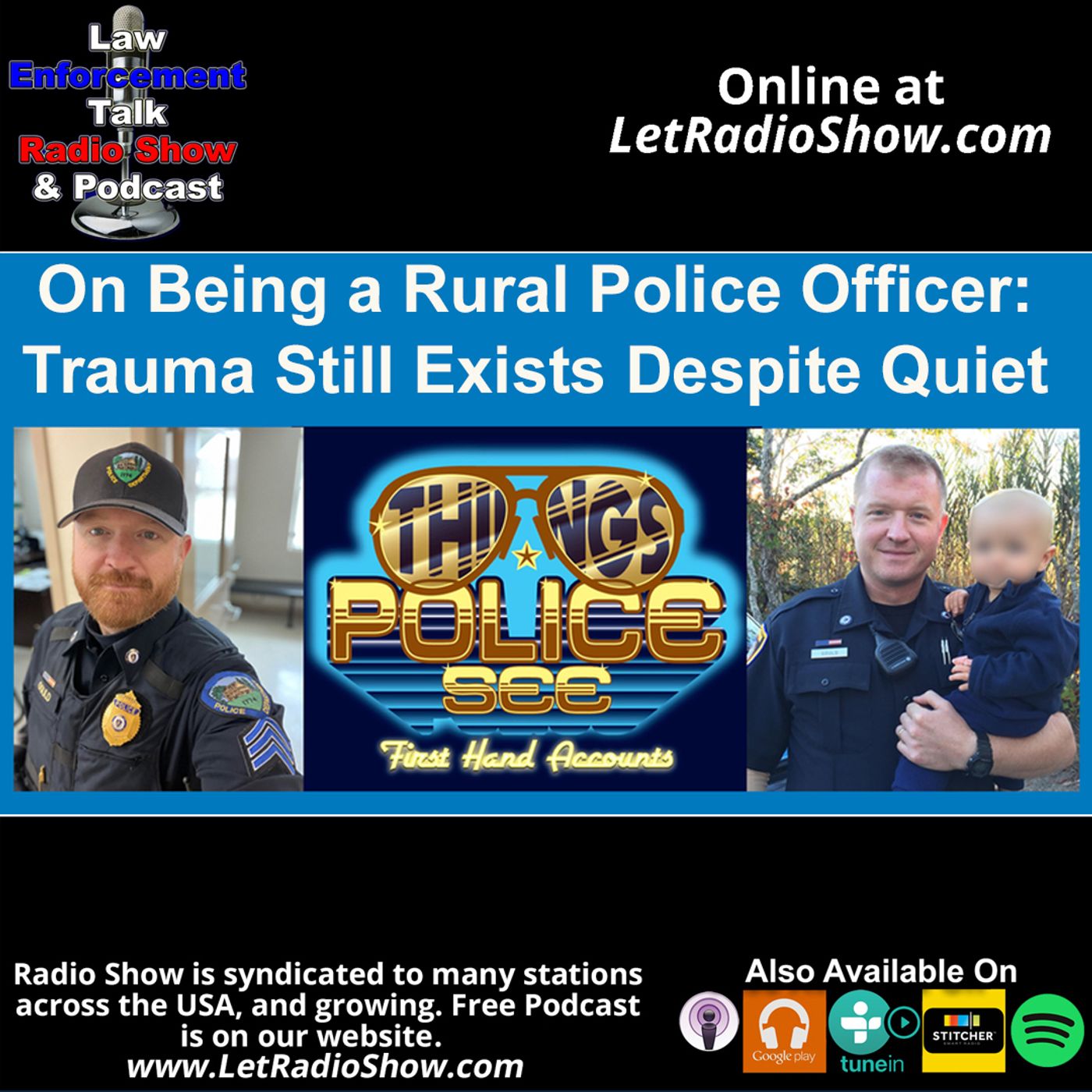
On Being a Rural Police Officer
Jul 100:37:37Summary readyOn Being a Rural Police Officer: Trauma Still Exists Despite the Quiet Small-Town Life. Special Episode. Death and Injury, the Things Police See, and Why Rural Officers Carry Invisible Scars. The Podcast is available for free on the Law Enforcement Talk Radio Show and Podcast website, also on Apple Podcasts, Spotify, YouTube, iHeartradio and most major podcast platforms. #LawEnforcementTalk #Free #Podcast #Radio When most people picture a rural police officer, they often imagine something straight out of a Norman Rockwell painting. Neighbors know each other's names. Kids ride bicycles through quiet neighborhoods. The local police officer waves to residents while walking Main Street. The Law Enforcement Talk Radio Show and Podcast social media like their Facebook , Instagram , LinkedIn , Medium and other social media platforms. It seems like the perfect example of community policing. But behind that peaceful image lies a reality few people ever see. Death. Serious injury. Family tragedies. Suicides. Fatal crashes. Child abuse. Domestic violence. The things police officers see don't disappear simply because the town is small. On Being a Rural Police Officer: Trauma Still Exists Despite the Quiet Small-Town Life. Supporting articles about this and much more from Law Enforcement Talk Radio Show and Podcast in platforms like Medium , Blogspot and Linkedin. Those memories follow them home. Community Policing Doesn't Eliminate Trauma Police Sergeant Steven Gould serves with a smaller New England police agency where community policing remains a daily priority. Officers know many of the people they serve personally. They coach youth sports, attend local events, and often respond to calls involving neighbors they've known for years. That close connection makes the rewards of policing even greater. It also makes the tragedies far more personal. "When something terrible happens," Gould explains, "it's often someone you know." Unlike officers in large metropolitan departments who may never encounter the same victims again, rural officers frequently continue seeing grieving families, injured victims, and traumatized children long after the emergency has ended. The episode is available across major platforms including their website, Apple Podcasts, Spotify, YouTube, with highlights shared across their Facebook, Instagram, and LinkedIn profiles. The emotional weight doesn't simply disappear when the shift ends. The Myth That Rural Police Have It Easy Many assume officers working in smaller communities experience less stress because they respond to fewer violent crimes than officers in major cities. On Being a Rural Police Officer: Trauma Still Exists Despite the Quiet Small-Town Life. The reality is very different. Even if calls come less frequently, the emotional impact can be just as devastating. One horrific crash. One murdered victim. One child death. One suicide. Those incidents become part of an officer's memory forever. Trauma does not measure population size. It measures human experience. Leaving Police Work... Then Coming Back Steven Gould understands the profession from another perspective as well. After years working as both a natural resource officer and municipal police officer, he and his family decided to make a dramatic change. In 2016 they packed everything they owned into an RV, rented out their home, and drove across America toward California. After arriving in Los Angeles, Gould accepted a civilian position as a background investigator with the Los Angeles Police Department. Available for free on the Law Enforcement Talk Radio Show and Podcast website, also on Apple Podcasts, Spotify, Youtube and most major Podcast networks. It was supposed to be a new chapter. Instead, it reminded him why policing had become part of who he was. The Conversations That Changed Everything While working for the LAPD, Gould spent countless lunch breaks listening to veteran officers tell unbelievable stories. Some were hilarious. Others were heartbreaking. Many were terrifying. The conversations revealed something the public rarely gets to hear. Police officers witness extraordinary events every single day that never make the evening news. The emotional burden stays with them long after the headlines disappear. Those conversations inspired Gould to create a platform where officers could tell their stories honestly and without censorship. On Being a Rural Police Officer: Trauma Still Exists Despite the Quiet Small-Town Life. The Podcast is available for free on the Law Enforcement Talk Radio Show and Podcast website, also on Apple Podcasts, Spotify, YouTube, iHeartradio and most major podcast platforms. "I wanted people outside of law enforcement to hear what police officers actually deal with every day," Gould says. "If they heard these real stories, they'd better understand and appreciate what these men and women do." The Things Police See Stay Forever Whether serving in Los Angeles or a quiet New England town, certain experiences never leave an officer. Fatal accidents. Violent assaults. Child victims. Domestic abuse. Mental health crises. Officer deaths. Critical injuries. These are the things police see that most citizens thankfully never will. Yet officers often carry those memories silently for decades. Many never seek help. Many believe they simply have to push forward. Increasingly, departments recognize that mental health deserves the same attention as physical safety. The badge protects the body. It cannot protect the mind. Why These Stories Matter Every police officer has stories that reveal courage, heartbreak, compassion, and resilience. Whether they patrol a city of millions or a town of just a few thousand residents, trauma remains part of the profession. Understanding those experiences helps bridge the gap between law enforcement and the communities they serve. The Law Enforcement Talk Radio Show and Podcast continues bringing listeners real conversations from the front lines of crime, policing, trauma, survival, and healing. Behind every uniform is a human being carrying memories most of us will never experience. Listen to Steven Gould's Story Steven Gould shares his remarkable journey from rural policing to the LAPD, why he returned to law enforcement, the realities of community policing, and the emotional impact of the life-and-death situations officers face, even in America's smallest towns. On Being a Rural Police Officer: Trauma Still Exists Despite the Quiet Small-Town Life. Listen to this powerful episode of the Law Enforcement Talk Radio Show and Podcast, available on Facebook, Instagram, YouTube, Apple Podcasts, Spotify, LinkedIn, and all most major podcast platforms. His story offers an honest look at rural policing, the invisible weight of trauma, and the sacrifices officers make every day, whether they're protecting a bustling city or a quiet small town. Get the Free Clubhouse App, it is Drop In Social Audio. Think of it as your own talk radio show on your phone, and best of all it is free. Be sure to look for me and follow me, that’s John J Wiley or @letradioshow you can do all that here. The Law Enforcement Talk Radio Show and Podcast social media like their Facebook , Instagram , LinkedIn , Medium and other social media platforms. You can contact John J. “Jay” Wiley by email at Jay@letradio.com , or learn more about him on their website . Find a wide variety of great podcasts online at The Podcast Zone Facebook Page , look for the one with the bright green logo. Be sure to check out our website . Be sure to follow us on X , Instagram , Facebook, Pinterest, Linkedin and other social media platforms for the latest episodes and news. Learn and get access to money saving tips and how to increase your net worth at <a href="http://www.LetSavings.c...
Summary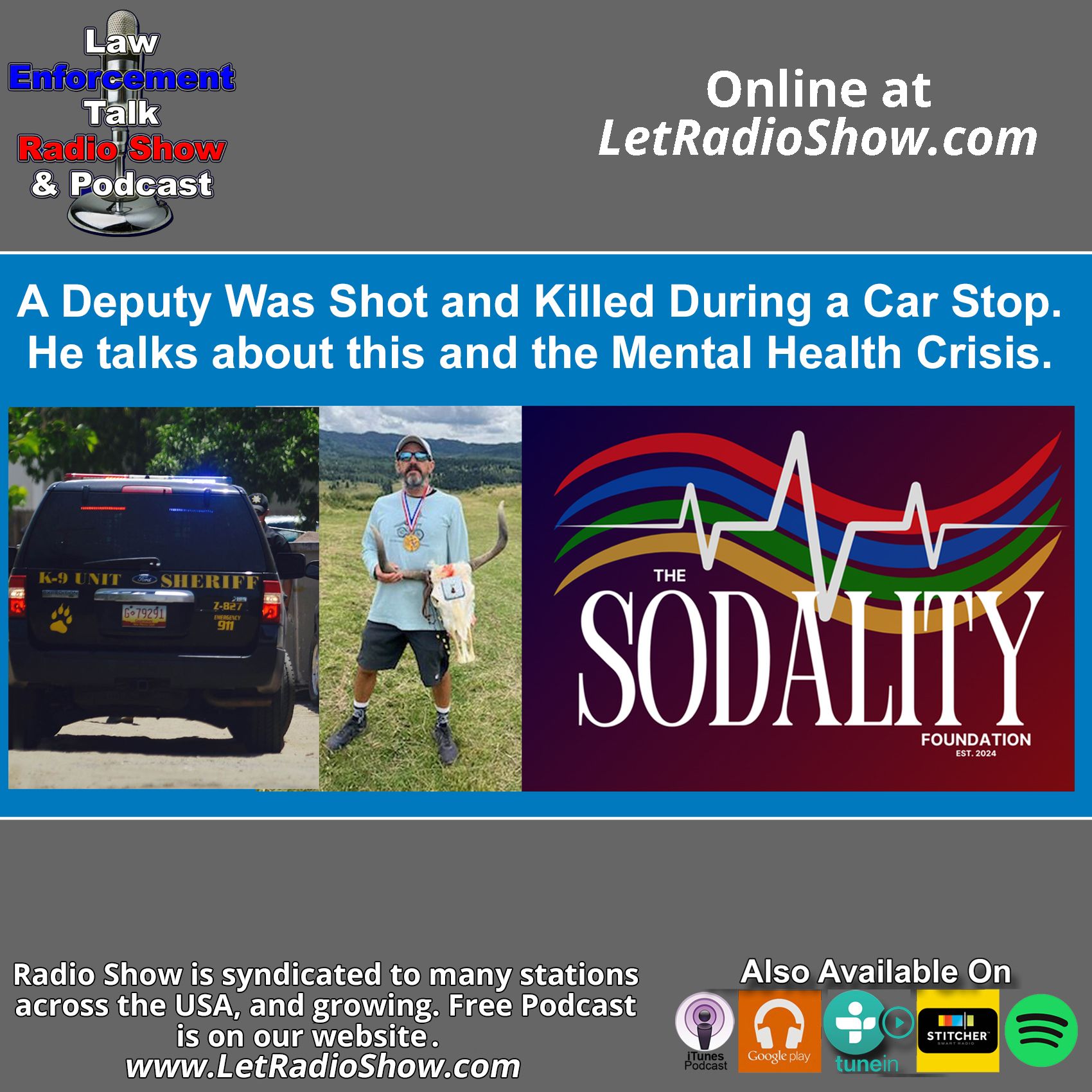
A Deputy Was Shot and Killed
Jun 2800:40:21Summary readyA Deputy Was Shot and Killed During a Car Stop. He talks about this and the Mental Health Crisis in Law Enforcement. The Hidden Cost of Losing One of Your Own and the Mental Health Crisis in Law Enforcement. A Deputy was Shot and Killed during A Car Stop. Those words instantly capture attention, but they rarely tell the entire story. The Law Enforcement Talk Radio Show and Podcast social media like their Facebook , Instagram , LinkedIn , Medium and other social media platforms. The headlines focus on the fallen deputy. The criminal investigation follows. Eventually, the suspect is caught, prosecuted, and sentenced. The Podcast is available for free on the Law Enforcement Talk Radio Show and Podcast website, also on Apple Podcasts, Spotify, YouTube, iHeartradio and most major podcast platforms. #LawEnforcementTalk #Free #Podcast #Radio Then the news cameras leave. What often goes untold is what happens to the officers, supervisors, families, and entire law enforcement agency left behind. Supporting articles about this and much more from Law Enforcement Talk Radio Show and Podcast in platforms like Medium , Blogspot and Linkedin. For retired Bernalillo County Sheriff's Lieutenant Van Eldridge, that painful reality became part of his life forever when one of his deputies, Deputy Sheriff James McGrane, was murdered during what appeared to be a routine traffic stop. Years later, Eldridge shares not only what happened that tragic night but also how the experience shaped his understanding of trauma, resilience, and the urgent need to improve mental health resources for first responders. His emotional conversation is featured on the Law Enforcement Talk Radio Show and Podcast, available on their website, on Apple Podcasts, Spotify, YouTube, iHeartradio, Facebook, Instagram, LinkedIn, X, and most major podcast platforms worldwide. A Deputy Was Shot and Killed During a Car Stop. He talks about this and the Mental Health Crisis in Law Enforcement. The episode is available across major platforms including their website, Apple Podcasts, Spotify, YouTube, with highlights shared across their Facebook, Instagram, and LinkedIn profiles. When Routine Turns Deadly Every deputy begins a shift understanding that danger can appear without warning. Most traffic stops end with a warning, a citation, or an arrest. Occasionally, however, they become something far more devastating. Shortly after midnight on March 22, 2006, Deputy Sheriff James McGrane stopped a white pickup truck on Highway 337 in New Mexico. At approximately 12:46 a.m., he calmly radioed dispatch with the details of the stop. Nothing in his voice suggested anything unusual. Nothing indicated that within moments he would lose his life. Unknown to Deputy McGrane, the driver had allegedly been involved in an unsolved 2005 murder and was determined not to return to prison. As Deputy McGrane approached the driver's window, the suspect opened fire. The deputy was struck twice. He never had the opportunity to defend himself. Within minutes, nearby witnesses dialed 911 after hearing two gunshots echo through the quiet night and watching a white pickup speed away from the scene. A Deputy Was Shot and Killed During a Car Stop. He talks about this and the Mental Health Crisis in Law Enforcement. Available for free on the Law Enforcement Talk Radio Show and Podcast website, also on Apple Podcasts, Spotify, Youtube and most major Podcast networks. Emergency responders rushed to help. There was nothing they could do. Deputy James McGrane died where he had stopped the vehicle. The Supervisor's Nightmare For Sergeant Van Eldridge, the phone call changed everything. One of his deputies had been murdered. Every law enforcement supervisor knows the possibility exists. No one is ever prepared for it to become reality. A supervisor's responsibility instantly shifts from overseeing patrol operations to managing unimaginable grief. There are deputies in shock. Family members who need answers. Investigators arriving. Media gathering. Community members searching for information. Officers struggling to process what has happened. Yet the supervisor is expected to remain calm, make sound decisions, and lead everyone through one of the darkest days in the agency's history. The Podcast is available for free on the Law Enforcement Talk Radio Show and Podcast website, also on Apple Podcasts, Spotify, YouTube, iHeartradio and most major podcast platforms. Those moments become permanently etched into memory. Van explains that while people often remember the fallen officer, they seldom recognize the emotional burden carried by the partners and supervisors who must continue serving while grieving themselves. A Deputy Was Shot and Killed During a Car Stop. He talks about this and the Mental Health Crisis in Law Enforcement. The Law Enforcement Talk Radio Show and Podcast continues bringing listeners real conversations from the front lines of crime, policing, trauma, survival, and healing. Justice Took Years The suspect fled following the murder. For weeks, investigators worked tirelessly to locate him. Eventually, authorities tracked him to Juarez, Mexico, where he was apprehended on April 3, 2006, and returned to the United States. The criminal case moved through the courts over several years. On June 4, 2010, the suspect was convicted of murdering Deputy McGrane, tampering with evidence, and being a convicted felon in possession of a firearm. He received a prison sentence totaling 43½ years. Justice did not stop there. On August 4, 2012, the same individual was convicted of the unrelated 2005 homicide that investigators believe motivated him to kill Deputy McGrane during the traffic stop. The complete interview is available as a Free Podcast on Facebook, Instagram, YouTube, Apple Podcasts, Spotify, LinkedIn, and major podcast platforms. He received an additional 28-year sentence, to begin after completing his first sentence. While the convictions provided accountability, they could never restore what had been taken. Remembering Deputy James McGrane Deputy McGrane had devoted his life to public service. Before joining the Bernalillo County Sheriff's Department, he served with the New Mexico State Police and later with the United States Postal Inspection Service. A Deputy Was Shot and Killed During a Car Stop. He talks about this and the Mental Health Crisis in Law Enforcement. Listeners can hear the complete interview on Facebook, Instagram, YouTube, Apple Podcasts, Spotify, iHeartRadio, and other major Podcast, Radio, News, and Media platforms. He had accumulated more than a decade of law enforcement experience before joining the Sheriff's Office, where he served for three years. Friends and fellow deputies remember him as a dedicated professional committed to protecting his community. He left behind his wife, parents, sister, coworkers, and countless friends. His sacrifice serves as a sobering reminder that no traffic stop is ever truly routine. Trauma Doesn't End After the Funeral For many outside law enforcement, healing begins after the funeral. For first responders, that is often when the hardest part starts. Returning to the same patrol car. Driving the same roads. Answering the same radio calls. Making another traffic stop. Each event can trigger painful memories. Van Eldridge explains that traumatic incidents like the murder of Deputy McGrane leave lasting emotional impacts that extend far beyond the individual officers directly involved. Families carry the burden. Children notice changes. Marriages feel the strain. Entire agencies experience a shift in morale. Communities mourn alongside the officers sworn to protect them. These invisible injuries frequently become cumulative, building over years of responding to shootings, fatal crashes, child abuse cases, suicides, domestic violence calls, and line-of-duty deaths. The podcast is available on Facebook, Instagram, YouTube, Apple Podcasts, Spotify, LinkedIn, and other major podcast platforms. Without proper support, many first responders struggle with PTSD, anxiety, depression, substance abuse, chronic stress, and burnout. A Deputy Was Shot and Killed During a Car Stop. He talks about this and the Mental Health Crisis in Law Enforcement. Changing the Conversation About Mental Health Rather than allowing tragedy to define him, Van Eldridge chose to become part of the solution. Today he serves as Director of The Sodality Foundation, a nonprofit charity dedicated to improving mental health support for New Mexico's first responders. The foundation was created after community leaders...
Summary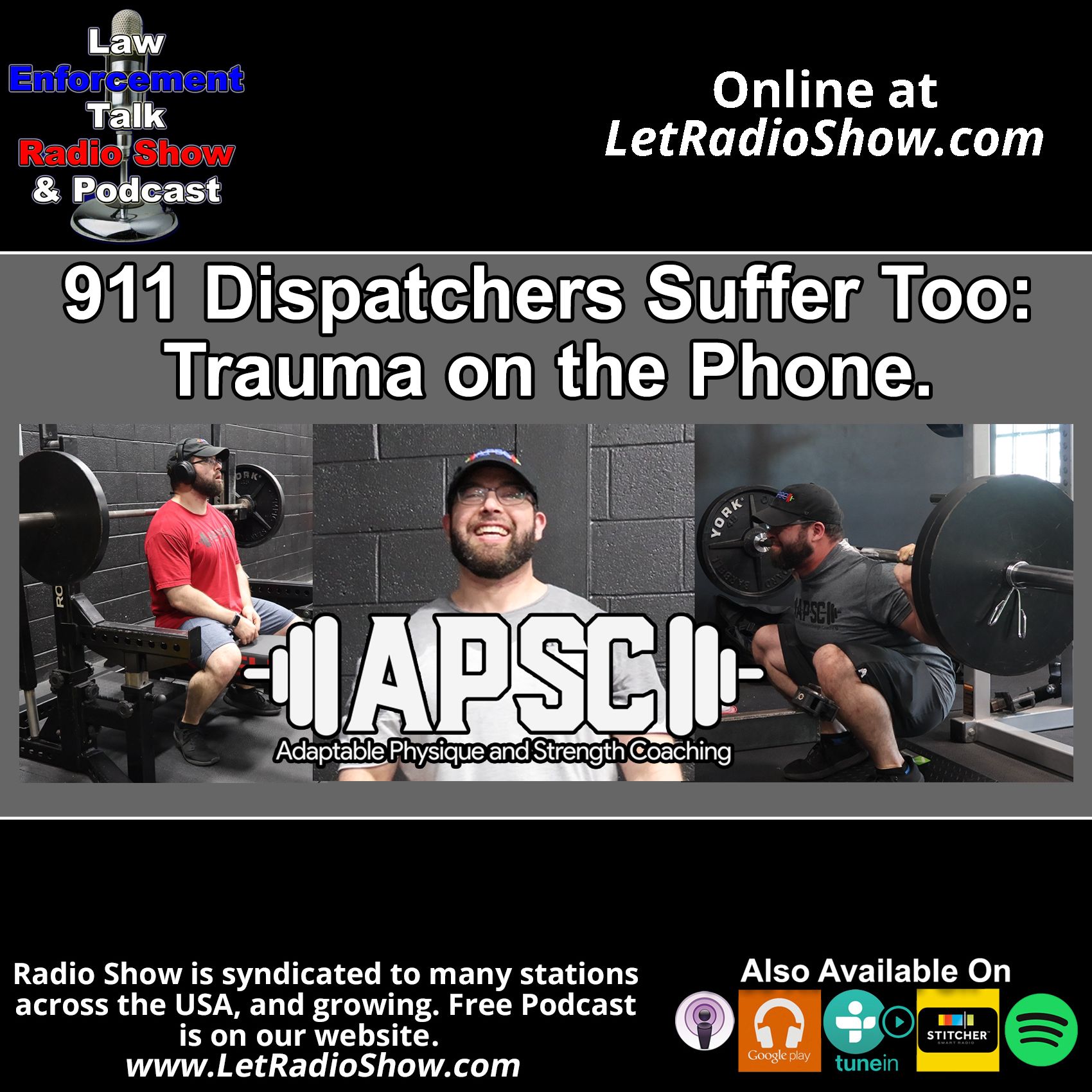
911 Dispatchers Suffer Too: Trauma on the Phone
Jun 2400:40:10Summary ready911 Dispatchers Suffer Too: Trauma on the Phone. Behind Every Emergency Call Is Someone Carrying the Weight of Another Person's Worst Day. When most people think of first responders, they picture police officers racing toward danger, firefighters battling flames, or paramedics fighting to save lives. The episode is available to listen to Free. The Podcast is available for free on the Law Enforcement Talk Radio Show and Podcast website, also on Apple Podcasts, Spotify, YouTube, iHeartradio and most major podcast platforms. #LawEnforcementTalk #Free #Podcast #Radio But there is another group of heroes who experience unimaginable tragedy every day without ever leaving their chairs. The Law Enforcement Talk Radio Show and Podcast social media like their Facebook , Instagram , LinkedIn , Medium and other social media platforms. 911 Dispatchers Suffer Too. Their battlefield isn't on the streets. Supporting articles about this and much more from Law Enforcement Talk Radio Show and Podcast in platforms like Medium , Blogspot and Linkedin. It's Trauma on The Phone. Every scream... Every desperate plea... Every child crying... Every gunshot... Every final breath... It all comes through a headset. 911 Dispatchers Suffer Too: Trauma on the Phone. On the latest episode of the Law Enforcement Talk Radio Show and Podcast, host John Jay Wiley welcomes Alex LeFever, a veteran 911 dispatcher who shares what many dispatchers have silently carried for years. The episode is available across major platforms including their website, Apple Podcasts, Spotify, YouTube, with highlights shared across their Facebook, Instagram, and LinkedIn profiles. His story reminds listeners that emotional scars don't require physical danger. Sometimes the deepest wounds are heard, not seen. The Calls That Never Leave Alex worked as a 911 dispatcher in both Arkansas and Pennsylvania. Like many emergency telecommunicators, thousands of calls blended together over time. But a few never disappeared. One involved a three-week-old baby. Another involved a woman trapped in a violent domestic abuse situation, who shot her attacker. Alex listened helplessly as the assault unfolded over the phone. Those voices never truly left him. "There are calls you never forget," Alex explains. "They stay with you long after your shift ends." Unlike police officers or firefighters who eventually arrive at a scene and begin resolving the crisis, dispatchers often experience something mental health experts call truncated trauma. 911 Dispatchers Suffer Too: Trauma on the Phone. Available for free on the Law Enforcement Talk Radio Show and Podcast website, also on Apple Podcasts, Spotify, Youtube and most major Podcast networks. They hear the terror. They imagine the scene. Then the phone disconnects. Most never learn how the story ended. Their minds are left to fill in the blanks. 911 Dispatchers Are Often the First First Responders Whether dispatchers are officially recognized as first responders depends largely on where they work. Many states, including California, Washington, and Delaware, have passed laws officially recognizing emergency dispatchers as first responders. Federal classifications have historically categorized them as administrative employees rather than protective service professionals. 911 Dispatchers Suffer Too: Trauma on the Phone. The Podcast is available for free on the Law Enforcement Talk Radio Show and Podcast website, also on Apple Podcasts, Spotify, YouTube, iHeartradio and most major podcast platforms. That distinction has sparked ongoing bipartisan efforts in Congress to update federal classifications through legislation such as the 9-1-1 SAVES Act and the Enhancing First Response Act. Regardless of job titles, dispatchers perform life-saving work every day. They calm panicked callers. Guide CPR. Provide emergency childbirth instructions. Coordinate police, fire, and EMS responses. Gather critical intelligence. Save lives. Long before emergency vehicles arrive, dispatchers are already working to keep victims alive. "They're often the first voice people hear during the worst moment of their lives." Trauma on The Phone Is Real Mental health professionals increasingly recognize that dispatchers experience extraordinarily high rates of Secondary Traumatic Stress (STS) and Post-Traumatic Stress Disorder (PTSD). The Law Enforcement Talk Radio Show and Podcast continues bringing listeners real conversations from the front lines of crime, policing, trauma, survival, and healing. Unlike field responders, dispatchers experience trauma through sound alone. The human brain reacts as if it is physically present. Adrenaline surges. Heart rate increases. Stress hormones flood the body. Yet dispatchers must remain calm. Professional. Focused. They cannot panic. They cannot cry. They simply answer the next call. Hour after hour. Day after day. Over time, that emotional weight accumulates. Symptoms may include: • Reliving disturbing calls • Hearing callers' voices long after work • Difficulty concentrating • Hyper-vigilance • Emotional numbness • Burnout • Insomnia • High blood pressure • Chronic stress Many dispatchers suffer silently because few people understand what their job truly involves. 911 Dispatchers Suffer Too: Trauma on the Phone. The complete interview is available as a Free Podcast on Facebook, Instagram, YouTube, Apple Podcasts, Spotify, LinkedIn, and major podcast platforms. Healing Doesn't Always Come Easy For Alex, recovery became intentional. He found one powerful outlet inside the gym. Weight training became more than exercise. It became therapy. "Training should enhance your life, not consume it," Alex says. His fitness journey actually began at just ten years old. By age seventeen, he had already set four International Powerlifting Association world records in the 198-pound class, including a remarkable 490-pound deadlift that stood for years. Today his philosophy is much different. Rather than chasing perfection, Alex helps people create sustainable health around real life. 911 Dispatchers Suffer Too: Trauma on the Phone. Listeners can hear the complete interview on Facebook, Instagram, YouTube, Apple Podcasts, Spotify, iHeartRadio, and other major Podcast, Radio, News, and Media platforms. "Life still needs to happen," he says. "Cake at birthday parties. Family dinners. Saturday morning French toast." Instead of unrealistic fitness expectations, Alex teaches balance. He specializes in helping first responders, shift workers, and everyday people overcome obstacles traditional fitness programs often ignore. Irregular schedules. Old injuries. Chronic stress. Sleep disruption. Mental fatigue. His coaching adapts to reality instead of demanding perfection. Supporting the People Behind the Headset Mental health experts continue emphasizing that dispatchers need the same support systems increasingly available to police officers, firefighters, and paramedics. The podcast is available on Facebook, Instagram, YouTube, Apple Podcasts, Spotify, LinkedIn, and other major podcast platforms. Peer support. Critical incident debriefings. Professional counseling. Trauma education. Preventative mental health training. Organizations dedicated to dispatcher wellness continue advocating for stronger mental health resources while many states are expanding PTSD workers' compensation protections for emergency telecommunicators. 911 Dispatchers Suffer Too: Trauma on the Phone. Recognizing dispatcher trauma isn't simply about changing job titles. It's about acknowledging invisible injuries before they become life-changing ones. A Story Every First Responder Should Hear Alex LeFever's conversation offers an honest look inside one of public safety's least understood professions. Listen to the full story on the Free Podcast, available on the Law Enforcement Talk Radio Show and Podcast Website, on Facebook, Instagram, YouTube, Apple, Spotify, and more. His story is about resilience. Trauma. Recovery. Fitness. Mental health. And recognizing that heroes aren't always the ones wearing body armor. Sometimes they're wearing a headset. Sometimes they're the calm voice who answers when someone dials three simple numbers. <...
Summary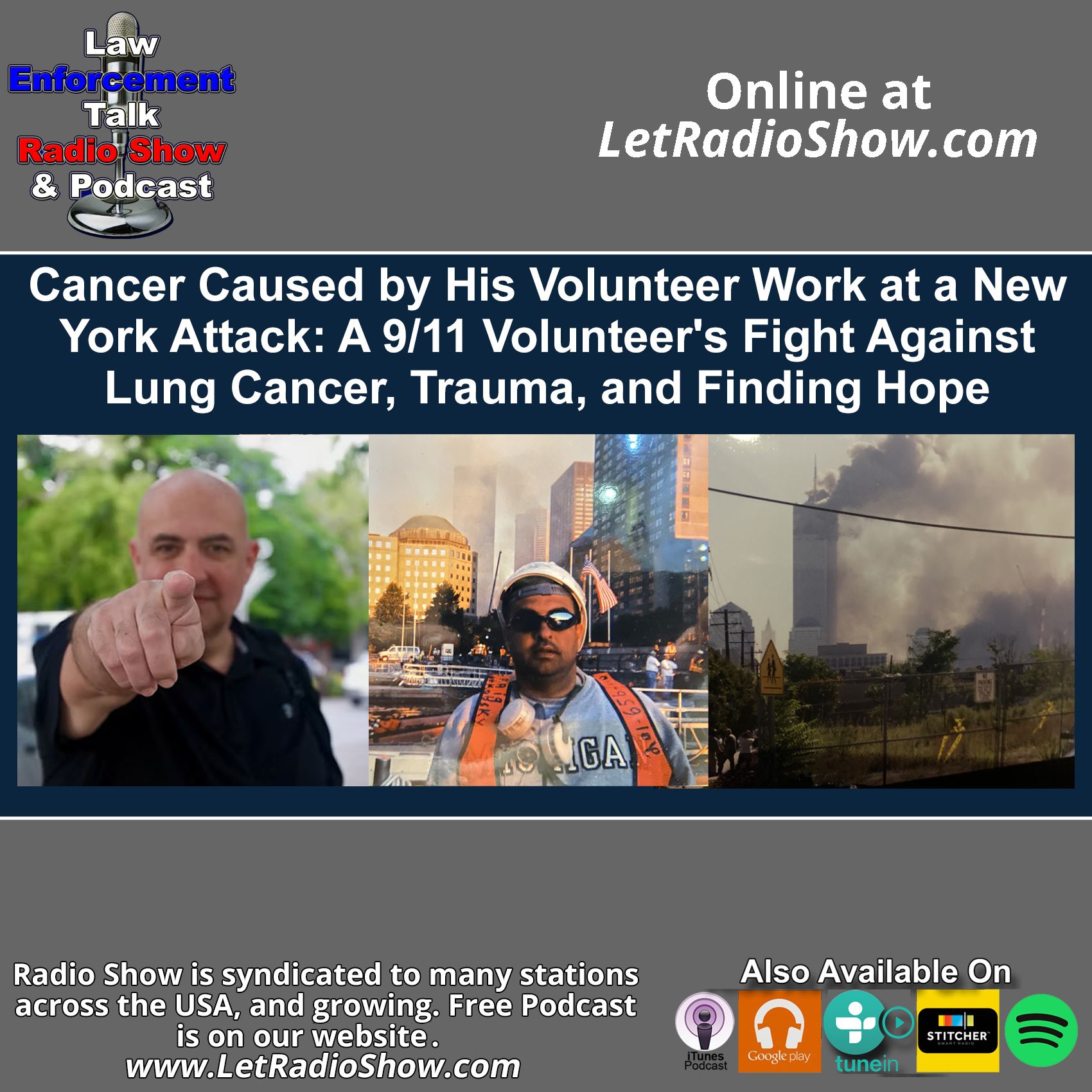
Cancer Caused by His Volunteer Work
Jun 2100:39:11Summary readyCancer Caused by His Volunteer Work at a New York Attack: A 9/11 Volunteer's Fight Against Lung Cancer, Trauma, and Finding Hope. Those words summarize a journey that began with selfless service and evolved into a decades-long battle for survival. Twenty-five years after volunteering at Ground Zero following the September 11 terrorist attacks, Craig Sotkovsky continues fighting a different enemy, an aggressive form of lung cancer linked to toxic exposure at the World Trade Center. The Law Enforcement Talk Radio Show and Podcast social media like their Facebook , Instagram , LinkedIn , Medium and other social media platforms. His remarkable story is featured on the Law Enforcement Talk Radio Show and Podcast website, available on Apple Podcasts, Spotify, and shared across Facebook, Instagram, LinkedIn, X, and other major News and podcast platforms. The episode is available to listen to Free. The Podcast is available for free on the Law Enforcement Talk Radio Show and Podcast website, also on Apple Podcasts, Spotify, YouTube, iHeartradio and most major podcast platforms. #LawEnforcementTalk #Free #Podcast #Radio One Decision Changed Everything On September 11, 2001, Craig Sotkovsky watched history unfold from his home in Jersey City, New Jersey. Supporting articles about this and much more from Law Enforcement Talk Radio Show and Podcast in platforms like Medium , Blogspot and Linkedin. Like millions of Americans, he watched in disbelief as the Twin Towers collapsed after terrorists hijacked commercial airliners and carried out one of the deadliest attacks in U.S. history. But unlike most Americans, Craig didn't remain a spectator. A skilled carpenter and mason, he volunteered to help. He joined the bucket brigade at Ground Zero and spent two of the first five days working in the debris field following the collapse of the World Trade Center. Cancer Caused by His Volunteer Work at a New York Attack: A 9/11 Volunteer's Fight Against Lung Cancer, Trauma, and Finding Hope. The episode is available across major platforms including their website, Apple Podcasts, Spotify, YouTube, with highlights shared across their Facebook, Instagram, and LinkedIn profiles. At the time, he believed he was simply helping his country. He had no idea the toxic dust surrounding him would follow him for the rest of his life. "Twenty-five years ago, I answered a call for help." The Hidden Cost of Being a Volunteer Ground Zero contained a dangerous mixture of pulverized concrete, asbestos, glass fibers, lead, fuel residue, and countless other hazardous materials released when the towers collapsed. Available for free on the Law Enforcement Talk Radio Show and Podcast website, also on Apple Podcasts, Spotify, Youtube and most major Podcast networks. Years later, Craig received devastating news. He had developed a rare and aggressive lung cancer connected to his exposure at the World Trade Center. The diagnosis transformed every part of his life. He underwent multiple cancer surgeries. He endured physical pain, emotional trauma, and overwhelming financial hardship. The illness eventually cost him nearly everything. "Cancer changed everything." More Than a Medical Battle Craig explains that surviving cancer became more than simply recovering from surgery. It became a complete rebuilding of his identity. He describes losing financial security, emotional stability, and the life he once knew. The Podcast is available for free on the Law Enforcement Talk Radio Show and Podcast website, also on Apple Podcasts, Spotify, YouTube, iHeartradio and most major podcast platforms. Yet amid tremendous hardship, he discovered something unexpected. Purpose. "Growth can come from pain." That philosophy became the foundation for what Craig now calls "Gro-Win Through Pain," a message encouraging others to find strength through life's darkest moments. Cancer Caused by His Volunteer Work at a New York Attack: A 9/11 Volunteer's Fight Against Lung Cancer, Trauma, and Finding Hope. Trauma Doesn't Always End When the Crisis Is Over Many people associate September 11 with the horrific events of that single morning. Craig reminds listeners that for thousands of responders, recovery workers, and volunteers, the disaster never truly ended. For many, the effects emerged years later through chronic illness, cancer, respiratory disease, and lasting emotional trauma. The Law Enforcement Talk Radio Show and Podcast continues bringing listeners real conversations from the front lines of crime, policing, trauma, survival, and healing. His story highlights the reality that some of the greatest wounds are invisible for years. Research Continues to Show Elevated Cancer Risks Craig's experience reflects what researchers have documented for years. Studies examining World Trade Center responders have found elevated rates of several cancers among those exposed to Ground Zero dust. One study published in JAMA followed more than 12,000 World Trade Center responders. Researchers found that participants reporting heavier exposure experienced nearly three times the incidence of lung cancer compared with responders reporting minimal exposure, even after accounting for smoking history and other demographic factors. Cancer Caused by His Volunteer Work at a New York Attack: A 9/11 Volunteer's Fight Against Lung Cancer, Trauma, and Finding Hope. The complete interview is available as a Free Podcast on Facebook, Instagram, YouTube, Apple Podcasts, Spotify, LinkedIn, and major podcast platforms. While every individual's medical history is unique, Craig's diagnosis illustrates the very real health consequences many volunteers and first responders continue to face decades later. A Mission Across America As the 25th anniversary of September 11 approaches, Craig is preparing for another mission. He plans to travel across America in an RV to honor those who lost their lives, recognize responders and volunteers still living with the consequences of that day, and share stories of resilience, perseverance, and hope. His journey is no longer defined by cancer. It is defined by purpose. An Inspiring Conversation On the Law Enforcement Talk Radio Show and Podcast, Craig Sotkovsky shares the emotional details of witnessing the attacks, volunteering at Ground Zero, developing lung cancer, enduring repeated surgeries, and learning how to move forward despite overwhelming adversity. Cancer Caused by His Volunteer Work at a New York Attack: A 9/11 Volunteer's Fight Against Lung Cancer, Trauma, and Finding Hope. Listeners can hear the complete interview on Facebook, Instagram, YouTube, Apple Podcasts, Spotify, iHeartRadio, and other major Podcast, Radio, News, and Media platforms. His story serves as a reminder that true courage often continues long after the cameras disappear. Sometimes the greatest heroes are those who quietly keep fighting years after the world has moved on. Listen Free Today Hear Craig Sotkovsky's incredible story on the Law Enforcement Talk Radio Show and Podcast. The episode is available Free on the Law Enforcement Talk Radio Show and Podcast website, also on Apple Podcasts, Spotify, and is promoted across Facebook, Instagram, LinkedIn, X, and other major podcast and News platforms. Cancer Caused by His Volunteer Work at a New York Attack: A 9/11 Volunteer's Fight Against Lung Cancer, Trauma, and Finding Hope. This powerful conversation explores sacrifice, resilience, recovery, and the lasting impact of trauma from one of America's darkest days. The podcast is available on Facebook, Instagram, YouTube, Apple Podcasts, Spotify, LinkedIn, and other major podcast platforms. If Craig's story inspires you, please share this article so more people understand the sacrifices made not only on September 11, but for decades afterward. Listen to the full story on the Free Podcast, available on the Law Enforcement Talk Radio Show and Podcast Website, on Facebook, Instagram, YouTube, Apple, Spotify, and more. Be sure to follow us on X , Instagram , Facebook, Pinterest, Linkedin and other social media platforms for the latest episodes and news. Learn and get access to money saving tips and how to increase your net worth at www.LetSavings.com Listen to this powerful #Free Podcast episode featuring Marci Hopkins on Facebook, Instagram, Youtube, Apple Podcasts, Spotify, and major Podcast platforms nationwide. Download the Free Ebook about ways and tips to improve your health. You can get the ebook for free at <a href="http://www....
Summary
He Was Wrongfully Accused of One of the Worst Crimes
Jun 1700:40:09Summary readyHe Was Wrongfully Accused of One of the Worst Crimes. A Father's Nightmare: False Allegations, Jail Time, and a Lifetime of Consequences. Imagine being accused of one of society's most hated crimes, sexual assault against your own child, only to discover that proving your innocence may take years, cost hundreds of thousands of dollars, and permanently destroy your family. The Podcast is available for free on the Law Enforcement Talk Radio Show and Podcast website, also on Apple Podcasts, Spotify, YouTube, iHeartradio and most major podcast platforms. #LawEnforcementTalk #Free #Podcast #Radio That nightmare became reality for Dean Tong. And he is a guest on our show talking about it. The Law Enforcement Talk Radio Show and Podcast social media like their Facebook , Instagram , LinkedIn , Medium and other social media platforms. Today, Tong is a nationally recognized forensic trial expert, author, and advocate for parents caught in high-conflict child custody disputes. But decades ago, he found himself at the center of a devastating accusation that changed his life forever. Supporting articles about this and much more from Law Enforcement Talk Radio Show and Podcast in platforms like Medium , Blogspot and Linkedin. His powerful story is featured on the Law Enforcement Talk Radio Show and Podcast, available on Facebook, Instagram, YouTube, Apple Podcasts, Spotify, LinkedIn, and other major platforms. The Accusation That Changed Everything In 1985, during a bitter custody battle with his estranged wife, Tong was accused of sexually abusing his three-year-old daughter. "The accusation alone was enough to destroy my life," Tong explains. Authorities arrested him and charged him with capital sexual battery. He was immediately prohibited from seeing his children and was incarcerated for two weeks without bail. Although he was eventually granted bail, the damage had already begun. He Was Wrongfully Accused of One of the Worst Crimes. The episode is available across major platforms including their website, Apple Podcasts, Spotify, YouTube, with highlights shared across their Facebook, Instagram, and LinkedIn profiles. For the next 14 months, Tong lived under the weight of allegations that carried the potential for life-altering consequences. Then something remarkable happened. The criminal charges were dropped. No prosecution followed. No conviction occurred. Ultimately, authorities found there was insufficient evidence to support the allegations. Yet the nightmare was far from over. Cleared, But Not Free Many people assume that when charges are dropped, life returns to normal. Tong says nothing could be further from the truth. "Even after the charges were dropped, I spent years trying to clear my name," he recalls. Over the next decade, he fought through lawsuits, custody battles, expert evaluations, and court proceedings. He estimates spending more than $120,000 on eight attorneys and seven psychiatrists. Available for free on the Law Enforcement Talk Radio Show and Podcast website, also on Apple Podcasts, Spotify, Youtube and most major Podcast networks. While he fought to rebuild his reputation, his children continued living with their mother. The emotional cost proved even greater. Today, Tong says he has no relationship with the daughter whose allegations sparked the case. That is by her choice. He Was Wrongfully Accused of One of the Worst Crimes. "That relationship was lost forever," he says. The Complex Reality of Child Abuse Allegations Tong is careful to emphasize that child abuse and sexual assault are very real crimes that deserve serious investigation and prosecution. At the same time, he believes the legal system must recognize the existence of false allegations and flawed investigative practices. The Podcast is available for free on the Law Enforcement Talk Radio Show and Podcast website, also on Apple Podcasts, Spotify, YouTube, iHeartradio and most major podcast platforms. Research over several decades has shown that false allegations do occur, particularly in contentious divorce and child custody disputes. Studies conducted between the late 1980s and mid-1990s found varying rates of false allegations, with estimates ranging from approximately 6% to 35%, depending on how researchers defined and measured false reports. Experts have noted that most allegations determined to be false did not originate with children themselves but were often introduced by adults involved in family conflicts. "Young children can be highly impressionable," Tong explains. "The way questions are asked can influence responses." He points to court findings and research that highlight concerns about suggestive interviewing techniques, particularly when very young children are involved. When Investigations Go Wrong One of the most controversial aspects of Tong's experience involves what psychologists call confirmation bias. Once investigators become convinced that abuse occurred, they may unintentionally focus on evidence that supports their belief while overlooking information that points in another direction. The Law Enforcement Talk Radio Show and Podcast continues bringing listeners real conversations from the front lines of crime, policing, trauma, survival, and healing. Tong believes this phenomenon played a major role in his case. "Sometimes the accusation becomes the evidence," he says. He argues that objective forensic interviewing and evidence-based investigations are essential safeguards for both children and accused individuals. Turning Personal Tragedy Into Professional Purpose Rather than allowing the experience to define him, Tong transformed it into a lifelong mission. He earned a Master of Science degree in Psychology and the Law, specializing in child forensic studies. Over the past three decades, he has become a nationally certified child forensic interviewer, forensic consultant, and expert witness. Tong has testified more than 65 times in courts across 19 states and has been recognized as an expert witness in criminal, family, juvenile, and administrative proceedings. He Was Wrongfully Accused of One of the Worst Crimes. The complete interview is available as a Free Podcast on Facebook, Instagram, YouTube, Apple Podcasts, Spotify, LinkedIn, and major podcast platforms. His work has helped parents facing allegations navigate some of the most challenging legal battles imaginable. He is also the author of three books, including Elusive Innocence: Survival Guide for the Falsely Accused. "Nobody should have to go through what I experienced," Tong says. National Media Recognition Tong's expertise has drawn attention from major national media outlets over the years. His work and commentary have appeared in: ABC Prime Time Live Dateline CNN Nancy Grace Court TV CBS 48 Hours Dr. Phil The Washington Post Rolling Stone Christian Science Monitor Today, he continues assisting families across the country and providing guidance through social media platforms, including Facebook. A Story That Raises Difficult Questions The discussion surrounding child abuse allegations is often emotionally charged, and understandably so. Protecting children remains the highest priority. Yet Tong's story raises important questions about due process, investigative practices, forensic interviewing, and the long-term consequences of allegations that are later determined to be unsupported. He Was Wrongfully Accused of One of the Worst Crimes. Listeners can hear the complete interview on Facebook, Instagram, YouTube, Apple Podcasts, Spotify, iHeartRadio, and other major Podcast, Radio, News, and Media platforms. His experience serves as a reminder that every allegation deserves a thorough, professional, and evidence-based investigation. As Tong continues to advocate for fairness within the legal system, he remains committed to helping others avoid the devastating consequences he endured. "Truth matters," he says. "And every person deserves the opportunity to be heard." Listen to the Full Interview Dean Tong shares his extraordinary journey, discusses false allegations, child custody battles, forensic interviewing, and the lasting impact of being wrongfully accused on the Law Enforcement Talk Radio Show and Podcast. The podcast is available on Facebook, Instagram, YouTube, Apple Podcasts, Spotify, LinkedIn, and other major podcast platforms. His story is difficult to hear, impossible to forget, and certain to spark important conversa...
Summary
She Was Raped in Hollywood. Then Sailboat Trials at Sea
Jun 1400:40:15Summary readyShe Was Raped in Hollywood. Then Sailboat Trials at Sea, the Book, and the Movie. How One Woman Turned Trauma, Survival, and Heartbreak Into a Story of Reinvention. Life rarely follows the script people imagine. The Law Enforcement Talk Radio Show and Podcast social media like their Facebook , Instagram , LinkedIn , Medium and other social media platforms. For Angela Harger Thompson is our guest. What began as a promising life in Southern California became a journey marked by trauma, survival, adventure, heartbreak, and ultimately transformation. Her story now reaches audiences through a book, a documentary movie, social media, and appearances on Podcast and Radio platforms across the country. The Podcast is available for free on the Law Enforcement Talk Radio Show and Podcast website, also on Apple Podcasts, Spotify, YouTube, iHeartradio and most major podcast platforms. #LawEnforcementTalk #Free #Podcast #Radio Today, Angela speaks openly about a devastating sexual assault that altered the course of her life and the extraordinary experiences that followed. Supporting articles about this and much more from Law Enforcement Talk Radio Show and Podcast in platforms like Medium , Blogspot and Linkedin. Her story is one of resilience, truth-telling, and finding purpose after unimaginable pain. She Was Raped in Hollywood Before the sailboat adventures, before the documentary film, and before writing her memoir, Angela endured a traumatic experience that would leave lasting emotional scars. She says she was drugged and sexually assaulted by someone she knew. The show is inspiring audiences through the Law Enforcement Talk Radio Show and Podcast Facebook, Instagram, YouTube, Apple, Spotify, iHeartradio and and many Podcast platforms. Like millions of women across America, Angela found herself confronting the painful reality of sexual violence. According to national studies, millions of women in the United States have experienced sexual assault while intoxicated, drugged, or otherwise incapacitated. In many cases, perpetrators use alcohol or drugs to make victims vulnerable, confused, unable to resist, or unable to remember what happened. She Was Raped in Hollywood. Then Sailboat Trials at Sea, the Book, and the Movie. "The hardest part wasn't just surviving it," Angela has explained. "It was learning how to live afterward." The emotional impact followed her for years. The betrayal, loss of trust, and trauma shaped many of the decisions that came next in her life. An Invitation That Changed Everything As she struggled to rebuild, a friend offered what seemed like an incredible opportunity. The episode is available across major platforms including their website, Apple Podcasts, Spotify, YouTube, with highlights shared across their Facebook, Instagram, and LinkedIn profiles. A sailboat voyage across the Pacific Ocean. It sounded like adventure. It sounded like freedom. It sounded like a chance to start over. Angela accepted. What she couldn't know was that the journey would soon become one of the most challenging experiences of her life. She Was Raped in Hollywood. Then Sailboat Trials at Sea, the Book, and the Movie. Available for free on the Law Enforcement Talk Radio Show and Podcast website, also on Apple Podcasts, Spotify, Youtube and most major Podcast networks. The Sailboat Trials at Sea In March 2020, Angela boarded a sailboat in Panama alongside five crew members and one beloved sea dog. The plan was simple: cross the Pacific Ocean and explore some of the world's most beautiful destinations. Then the world changed. Just one week into the voyage, news arrived through satellite communications. COVID-19 had become a global pandemic. Borders were closing. Governments were implementing restrictions. Ports were refusing entry. Entire nations were shutting down. Suddenly, the crew found themselves isolated in the middle of the Pacific Ocean with no clear destination and no certainty about what awaited them. She Was Raped in Hollywood. Then Sailboat Trials at Sea, the Book, and the Movie. The Podcast is available for free on the Law Enforcement Talk Radio Show and Podcast website, also on Apple Podcasts, Spotify, YouTube, iHeartradio and most major podcast platforms. "It felt like the world disappeared overnight," Angela recalled. As the pandemic spread, tensions aboard the vessel increased. Relationships became strained. What had begun as a dream adventure gradually evolved into a test of endurance, trust, and survival. The relationship with her sailing companion deteriorated, creating additional emotional challenges while trapped thousands of miles from shore. The experience would later become the foundation for a documentary film. The Movie: Quarantine at Sea Angela eventually transformed her extraordinary experience into a documentary movie titled Quarantine at Sea. The Law Enforcement Talk Radio Show and Podcast continues bringing listeners real conversations from the front lines of crime, policing, trauma, survival, and healing. The film follows the crew's journey as they navigate the uncertainty of a world suddenly consumed by fear and restrictions. Facing closed borders, changing government regulations, and limited options for safe harbor, the sailors were forced to make difficult decisions while isolated at sea. She Was Raped in Hollywood. Then Sailboat Trials at Sea, the Book, and the Movie. The documentary resonated with audiences because it captured something universal. Everyone remembers where they were when the world shut down. Very few experienced it from the middle of the Pacific Ocean. "People think it's a sailing story," Angela said. "But it's really a story about uncertainty, resilience, and what happens when everything you thought was stable suddenly disappears." The complete interview is available as a Free Podcast on Facebook, Instagram, YouTube, Apple Podcasts, Spotify, LinkedIn, and major podcast platforms. The Book: Worst Tits Ever Angela's story didn't end with the documentary. She expanded her experiences into a deeply personal memoir titled Worst Tits Ever. Released in 2026, the book chronicles her journey through trauma, heartbreak, faith, survival, loss, and personal reinvention. The memoir explores not only her experience stranded at sea during COVID-19 but also the emotional battles that shaped her long before stepping aboard the sailboat. Blending humor with vulnerability, the book offers readers an unfiltered look at how one woman confronted adversity and found strength in unexpected places. She Was Raped in Hollywood. Then Sailboat Trials at Sea, the Book, and the Movie. "It isn't just about survival," she explained. "It's about learning who you are when everything familiar is stripped away." Hear her story on: Apple Podcasts Spotify YouTube Facebook Instagram The memoir is available in print, digital, and audiobook formats. Helping Others Tell Their Stories Following the success of her documentary and memoir, Angela discovered a new mission. Helping others tell their own stories. Through her Storytell Initiative Course, she teaches aspiring writers, speakers, and creators how to transform personal experiences into meaningful artistic works. Whether through books, documentaries, films, speaking engagements, or digital content, her goal is to help people find their voice. Listeners can hear the complete interview on Facebook, Instagram, YouTube, Apple Podcasts, Spotify, iHeartRadio, and other major Podcast, Radio, News, and Media platforms. "Everyone has a story," she says. "Many people just need help discovering how to tell it." Her work focuses on authenticity, healing, and connection. She believes stories have the power to change lives. Her own journey serves as proof. Life After Trauma Today, Angela lives in Southern California with her husband. She enjoys acting, studying improv, rollerblading, hiking, and exploring the California coast. Her life looks very different from the one she imagined years ago. Yet every chapter, including the painful ones, helped shape the person she became. From surviving sexual assault to navigating the uncertainty of the pandemic at sea, Angela's story demonstrates the remarkable resilience of the human spirit. She Was Raped in Hollywood. Then Sailboat Trials at Sea, the Book, and the Movie. It is a story that continues to inspire audiences through Facebook, Instagram, YouTube, Apple Podcasts, Spotify, LinkedIn, and other Podcast and social media platforms....
Summary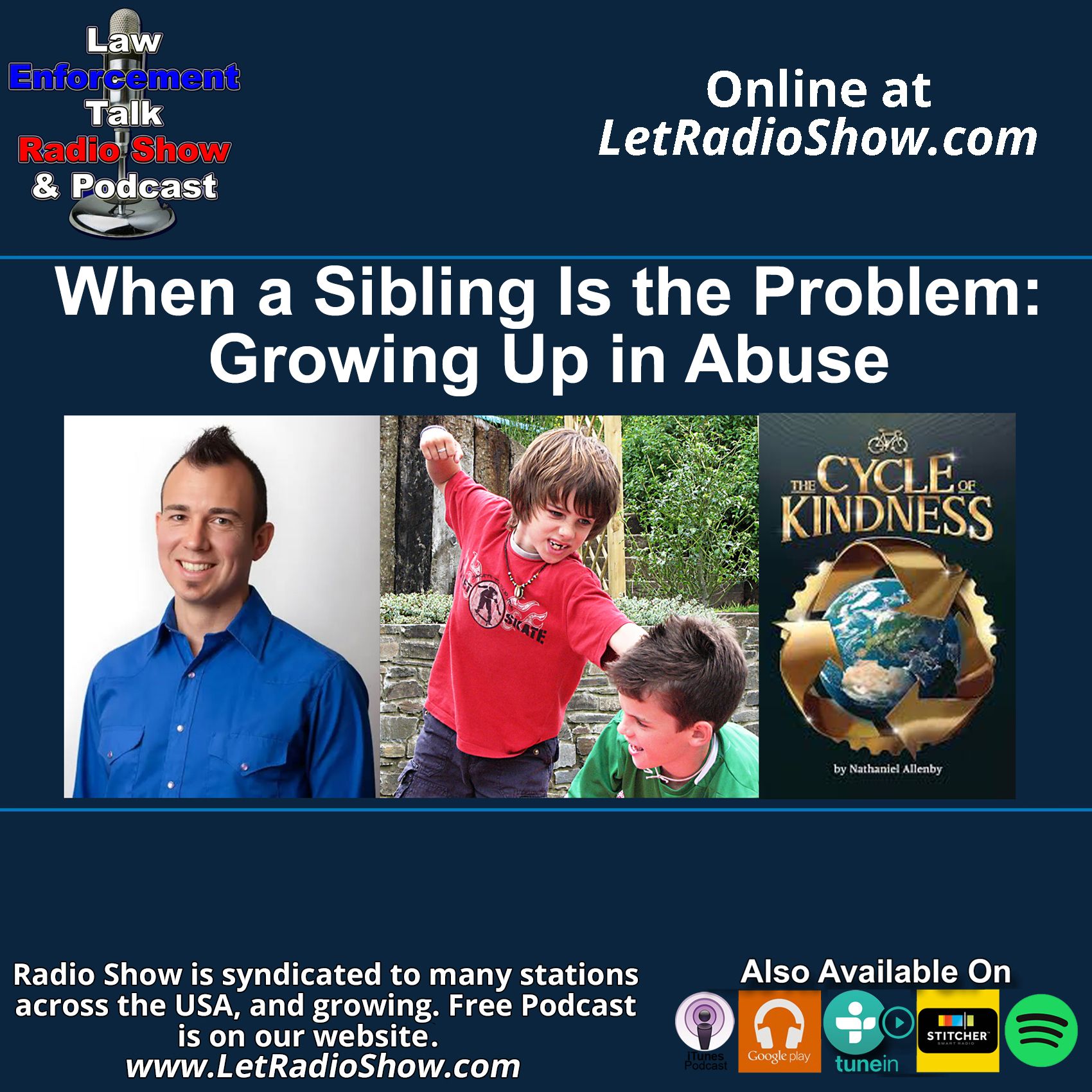
When a Sibling Is the Problem: Growing Up in Abuse.
Jun 1000:39:39Summary readyWhen a Sibling Is the Problem: Growing Up in Abuse, Surviving Trauma, and Breaking the Cycle. From Childhood Abuse to Adult Freedom: Nathaniel Allenby's Extraordinary Journey. When people think about childhood abuse, they often imagine abusive parents or neglectful caregivers. What many don't realize is that one of the most common forms of family violence comes from an unexpected source: a sibling. The Podcast is available for free on the Law Enforcement Talk Radio Show and Podcast website, also on Apple Podcasts, Spotify, YouTube, iHeartradio and most major podcast platforms. #Free #Podcast #Radio For Nathaniel Allenby, the abuse began at home and followed him throughout much of his life. What started as mental, physical, and emotional abuse from a sibling eventually spilled over into his experiences at school and continued to impact him well into adulthood. The Law Enforcement Talk Radio Show and Podcast social media like their Facebook , Instagram , LinkedIn , Medium and other social media platforms. Today, Allenby is an author, entrepreneur, adventurer, and entertainer. But his journey to becoming an independent and free adult was anything but easy. Supporting articles about this and much more from Law Enforcement Talk Radio Show and Podcast in platforms like Medium , Blogspot and Linkedin. On a recent episode of the Law Enforcement Talk Radio Show and Podcast, Allenby shared his remarkable story of survival, healing, and personal transformation. When a Sibling Is the Problem: Growing Up in Abuse, Surviving Trauma, and Breaking the Cycle. The Hidden Reality of Sibling Abuse "Sibling abuse completely changed my life," Allenby explained. Many families dismiss aggressive behavior between brothers and sisters as normal childhood rivalry. However, experts increasingly recognize that sibling abuse is a serious issue that can have lifelong consequences. The show is inspiring audiences through the Law Enforcement Talk Radio Show and Podcast Facebook, Instagram, YouTube, Apple, Spotify, iHeartradio and and many Podcast platforms. Research suggests sibling abuse is one of the most common forms of family violence in the United States, affecting millions of children every year. Unlike ordinary disagreements, abuse involves a significant imbalance of power and repeated harmful behavior. Examples include: Physical violence such as hitting, kicking, or punching Psychological abuse including intimidation, humiliation, and threats Sexual coercion or unwanted sexual behavior Emotional manipulation designed to control another sibling Unfortunately, many victims suffer in silence because family members often view the behavior as simply "kids being kids." How Childhood Trauma Carries Into Adult Life The effects of sibling abuse rarely disappear when childhood ends. When a Sibling Is the Problem: Growing Up in Abuse, Surviving Trauma, and Breaking the Cycle. For Allenby, the emotional wounds followed him into school and eventually into adulthood. The episode is available across major platforms including their website, Apple Podcasts, Spotify, YouTube, with highlights shared across their Facebook, Instagram, and LinkedIn profiles. Mental health professionals have found strong links between childhood abuse and adult struggles with anxiety, depression, low self-esteem, complex trauma, and relationship difficulties. "Growing up in abuse affects how you see yourself and how you see the world," Allenby said. Like many survivors, he found himself carrying emotional scars that shaped his decisions, confidence, and ability to trust others. Yet his story was far from over. Mugged in London at Age 22 At twenty-two years old, Allenby found himself facing another traumatic experience. While traveling in London, he was mugged and left in shock. For many people, such an event would reinforce fears and distrust already created by years of abuse. Instead, it became one more chapter in a larger story of resilience. Rather than allowing trauma to define him, Allenby began searching for a different path forward. Available for free on the Law Enforcement Talk Radio Show and Podcast website, also on Apple Podcasts, Spotify, Youtube and most major Podcast networks. When a Sibling Is the Problem: Growing Up in Abuse, Surviving Trauma, and Breaking the Cycle. A Bicycle, a Friend, and a Life-Changing Opportunity Sometimes life changes because one person believes in you. Allenby's turning point came when his close friend Dan made an unusual offer. He offered Allenby a one-way ticket to Europe and promised him a bicycle upon arrival. What followed became the foundation for a journey that would transform his life. Together, the two friends traveled thousands of miles across Europe, often with little money, uncertain where they would sleep or find their next meal. "It wasn't just a trip," Allenby explained. "It became a journey of self-discovery." The Cycle of Kindness Those experiences eventually inspired Allenby's acclaimed book, The Cycle of Kindness. The book chronicles a ten-month adventure that covered approximately 7,500 miles through Europe, including Germany, the Pyrenees Mountains, and numerous remote locations. The Podcast is available for free on the Law Enforcement Talk Radio Show and Podcast website, also on Apple Podcasts, Spotify, YouTube, iHeartradio and most major podcast platforms. When a Sibling Is the Problem: Growing Up in Abuse, Surviving Trauma, and Breaking the Cycle. Along the way, Allenby encountered incredible generosity from strangers. His story includes: Being robbed in London Dumpster diving for survival Sneaking into castles Participating in climate activism Enduring freezing temperatures while cycling across mountains Living off the grid and outside traditional consumer culture What began as an adventure became something much deeper. "The journey restored my faith in humanity," Allenby said. Using journal entries from the expedition, the book offers an intimate look at overcoming adversity while discovering kindness in unexpected places. The Law Enforcement Talk Radio Show and Podcast continues bringing listeners real conversations from the front lines of crime, policing, trauma, survival, and healing. Breaking the Cycle The title The Cycle of Kindness carries special meaning. For someone who grew up surrounded by abuse, Allenby discovered that cycles do not have to continue forever. When a Sibling Is the Problem: Growing Up in Abuse, Surviving Trauma, and Breaking the Cycle. The cycle of violence, fear, and trauma can be broken. It can be replaced by compassion, resilience, and growth. His experiences demonstrate that even people who have endured significant childhood trauma can create fulfilling and meaningful adult lives. The bicycle journey became the beginning of something much larger. Over the next six years, Allenby would pedal more than 28,000 miles through ten countries and thirty states, continuing his quest for adventure, personal growth, and connection. More Than a Survivor Today, Nathaniel Allenby is known for much more than his past struggles. He is an entrepreneur, performer, adventurer, and one of the driving forces behind Cirque Quirk, a San Diego-based entertainment and adventure company. The complete interview is available as a Free Podcast on Facebook, Instagram, YouTube, Apple Podcasts, Spotify, LinkedIn, and major podcast platforms. When a Sibling Is the Problem: Growing Up in Abuse, Surviving Trauma, and Breaking the Cycle. His story serves as a powerful reminder that trauma does not have to determine a person's future. While abuse may shape part of someone's story, it does not have to define the ending. Listen to the Full Podcast Episode Nathaniel Allenby's incredible journey from childhood abuse to international adventure is featured on the Law Enforcement Talk Radio Show and Podcast. Hear his story on: Apple Podcasts Spotify YouTube Facebook Instagram This powerful Podcast episode explores sibling abuse, childhood trauma, mental health, personal growth, resilience, and the extraordinary lessons learned during a life-changing journey around the world. For anyone seeking hope, inspiration, or a better understanding of how childhood experiences shape adult life, Allenby's story offers a powerful message: "The cycle can be broken. Healing is possible. And sometimes the greatest adventures begin when everything seems lost." Listeners can hear the complete interview on Facebook, Instagram, YouTube, Apple Podcasts, Spotify, iHeartRadio, an...
Summary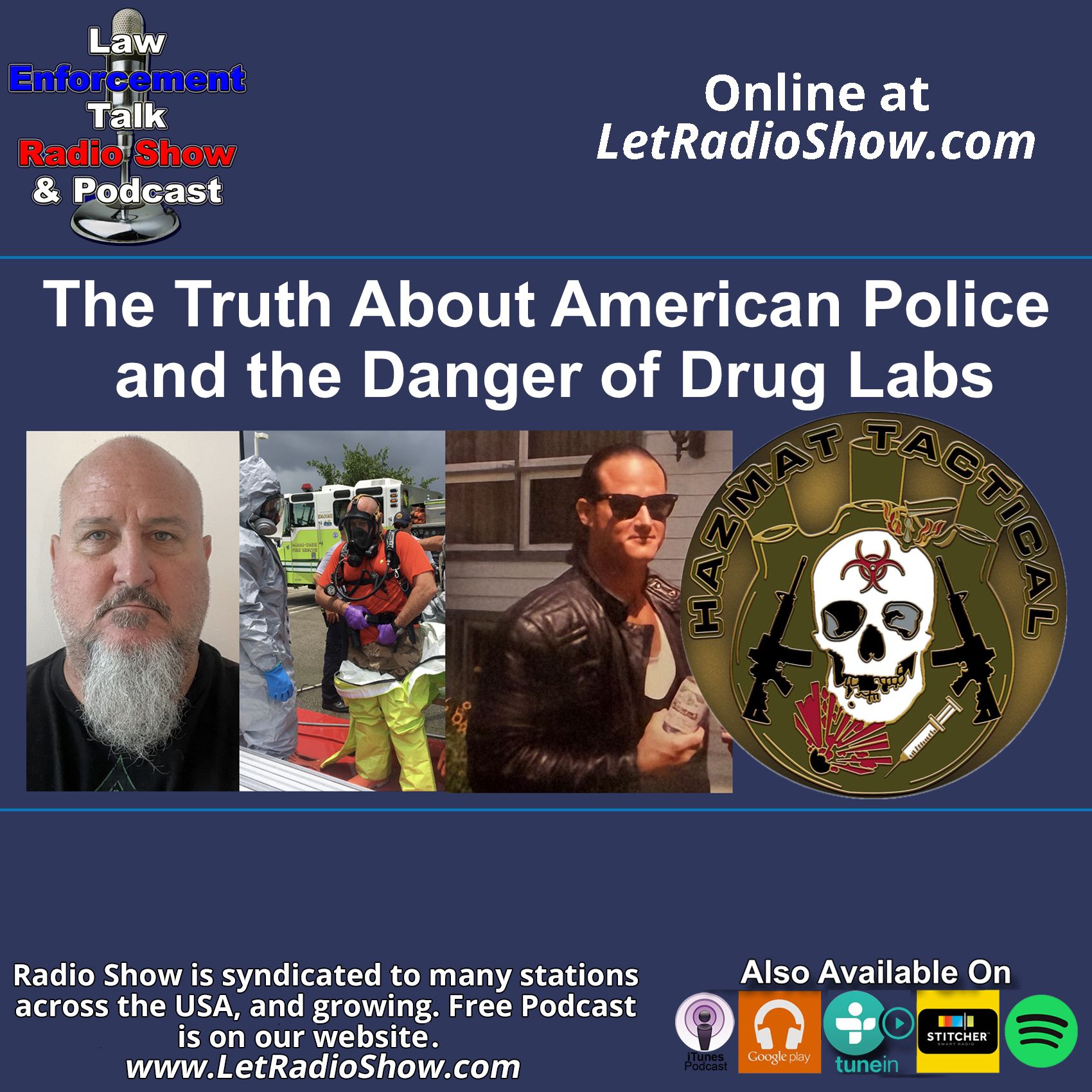
The Truth About American Police and the Danger of Drug Labs
Jun 700:39:25Summary readyThe Truth About American Police and the Danger of Drug Labs: He Shares What Most People Never See. The Truth about American Police is often far different from what appears in headlines, television dramas, or social media debates. Behind every badge are men and women who routinely face violence, uncertainty, and life-threatening situations that most citizens never experience. The Law Enforcement Talk Radio Show and Podcast social media like their Facebook , Instagram , LinkedIn , Medium and other social media platforms. In a powerful episode of the Law Enforcement Talk Radio Show and Podcast, retired DEA agent, former Omaha Police Department officer, and military veteran Charles Noonan pulls back the curtain on the realities of policing, the murder of a fellow officer, and the growing danger posed by modern illegal drug labs. The Podcast is available for free on the Law Enforcement Talk Radio Show and Podcast website, also on Apple Podcasts, Spotify, YouTube, iHeartradio and most major podcast platforms. #Free #Podcast #Radio The episode is available on Facebook, Instagram, YouTube, Apple Podcasts, Spotify, LinkedIn, and other major platforms as a Free Podcast. The Murder of Omaha Police Officer Jimmy Wilson Before joining the Drug Enforcement Administration, Charles Noonan served with the Omaha Police Department alongside Officer Jimmy Wilson. The Truth About American Police and the Danger of Drug Labs: He Shares What Most People Never See. Supporting articles about this and much more from Law Enforcement Talk Radio Show and Podcast in platforms like Medium , Blogspot and Linkedin. Wilson was more than a coworker. He was a close friend. On a tragic evening, Officer Wilson conducted what appeared to be a routine traffic stop involving a van displaying fictitious license plates. At approximately 8:00 p.m., he radioed his location and approached the vehicle. Moments later, the situation turned deadly. Two members of an eight-person gang exited the van and opened fire with an AK-47 rifle and a 9mm semi-automatic pistol. Officer Wilson was killed while still seated in his patrol vehicle, his seatbelt fastened and his microphone still in his hand. The suspects ranged in age from 14 to 20 years old. One gang member, affiliated with the Bloods street gang, was later convicted of First Degree Murder. Evidence showed he had told fellow gang members that he was "not going back to jail" before opening fire. He was sentenced to life imprisonment along with additional prison time for firearm charges. The Truth About American Police and the Danger of Drug Labs: He Shares What Most People Never See. The show is inspiring audiences through the Law Enforcement Talk Radio Show and Podcast Facebook, Instagram, YouTube, Apple, Spotify, iHeartradio and and many Podcast platforms. Officer Wilson had served with the Omaha Police Department for only 16 months. He was survived by his fiancée and parents. Policing ran deep in his family, as both his father and grandfather had also served with the department. For Noonan, the loss remains a stark reminder of the risks officers face every day. The Truth About American Police Stories like Jimmy Wilson's illustrate a reality many people never see. Most police officers begin every shift knowing they may encounter armed criminals, violent offenders, or dangerous situations with little warning. What appears to be a simple traffic stop can become a deadly encounter within seconds. Noonan explains that officer survival often comes down to preparation, awareness, and training. Yet even the most experienced officers can find themselves facing circumstances beyond their control. His decades in law enforcement provided firsthand insight into the sacrifices officers and their families make throughout their careers. The Truth About American Police and the Danger of Drug Labs: He Shares What Most People Never See. The episode is available across major platforms including their website, Apple Podcasts, Spotify, YouTube, with highlights shared across their Facebook, Instagram, and LinkedIn profiles. From Street Cop to DEA Expert Following his service with the Omaha Police Department, Noonan transitioned to the Drug Enforcement Administration, where he became an expert in clandestine drug laboratories and hazardous drug environments. Over the years, he investigated some of the most dangerous illegal drug operations in the United States and abroad. What surprised many people was where some of these labs were found. During the podcast, Noonan discusses two separate drug lab investigations that took place inside luxury condominiums in South Florida. The locations challenged common assumptions that illegal drug labs only exist in remote rural areas or abandoned buildings. In reality, dangerous criminal operations can be hidden in upscale neighborhoods, apartment complexes, and residential communities. The Modern Danger of Drug Labs The nature of illegal drug manufacturing has changed dramatically over the past decade. Traditional methamphetamine laboratories have declined, but the threat has evolved into something potentially even more dangerous. The Truth About American Police and the Danger of Drug Labs: He Shares What Most People Never See. Available for free on the Law Enforcement Talk Radio Show and Podcast website, also on Apple Podcasts, Spotify, Youtube and most major Podcast networks. Today's criminal organizations increasingly focus on synthetic drugs such as fentanyl and counterfeit prescription pills. Rather than operating large chemical labs, many criminal groups now utilize pill-pressing operations that transform fentanyl and other substances into fake medications that closely resemble legitimate pharmaceutical products. These operations create enormous risks for both law enforcement and the public. According to Noonan, many modern drug labs involve: Fentanyl production and packaging Counterfeit pill manufacturing Industrial pill pressing operations Toxic chemical storage Hazardous waste contamination Explosive chemical reactions Even microscopic amounts of fentanyl can create significant exposure concerns for first responders. Why Drug Labs Are So Dangerous The danger extends far beyond the criminals operating these facilities. Drug labs often contain volatile chemicals capable of causing explosions, fires, and long-term contamination. First responders entering these environments must be prepared for chemical exposure, toxic fumes, and unknown substances. The Truth About American Police and the Danger of Drug Labs: He Shares What Most People Never See. The Podcast is available for free on the Law Enforcement Talk Radio Show and Podcast website, also on Apple Podcasts, Spotify, YouTube, iHeartradio and most major podcast platforms. Noonan has spent years training officers and emergency personnel to recognize and safely respond to these threats. Many people are surprised to learn that drug labs frequently exist in ordinary neighborhoods. Warning signs may include: Blacked-out windows Strong chemical odors Unusual foot or vehicle traffic Excessive security measures Frequent short-term visitors Chemical containers or waste materials Authorities advise residents never to investigate suspected drug labs themselves. Instead, they should immediately contact local law enforcement or federal authorities. A Career Dedicated to Training and Officer Safety With 37 years of military and law enforcement experience, Charles Noonan has become a respected trainer throughout the United States and internationally. He has worked undercover in five countries and provides instruction in both English and Spanish. His training expertise includes: Chemical and Biological Hazard Operations Fentanyl Response and Awareness Terrorism and Narco-Terrorism Investigations Undercover Operations Management Officer Survival Strategies Active Shooter Response Criminal Intelligence Gathering Cryptocurrency and Dark Web Investigations Ballistic Shield Operations Interview and Interrogation Techniques Vehicle Arrest and Containment Operations Law Enforcement Leadership and Ethics Through his work with HazMat Tactical Solutions International and the University of Miami Gordon Center, Noonan continues helping prepare officers for the evolving threats facing law enforcement. The Truth About American Police and the Danger of Drug Labs: He Shares What Most People Never See. The Law Enforcement Talk Radio Show and Podcast continues bringing listeners real conversations from the front lines of crime, policing, trauma, survival, and healing. Liste...
Summary
3 Traffic Arrests Hid a Lifetime of Childhood Trauma
Jun 300:40:11Summary ready3 Traffic Arrests Hid a Lifetime of Childhood Trauma: Her Powerful Journey from Abuse and Addiction to Sobriety and Success. How Childhood Trauma, PTSD, and Alcohol Addiction Nearly Destroyed Her Life Before She Found Healing, Purpose, and Recovery. When most people read an arrest report, they see facts. The Podcast is available for free on the Law Enforcement Talk Radio Show and Podcast website, also on Apple Podcasts, Spotify, YouTube, iHeartradio and most major podcast platforms. #Free #Podcast #Radio Three DUI arrests. Alcohol abuse. Traffic stops. Court appearances. Fines. Probation. Another person making bad choices. The Law Enforcement Talk Radio Show and Podcast social media like their Facebook , Instagram , LinkedIn , Medium and other social media platforms. What they don't see is the story behind those choices. They don't see the frightened child growing up in an abusive home. They don't see the trauma buried beneath years of alcohol abuse. They don't see the emotional wounds that never healed. Supporting articles about this and much more from Law Enforcement Talk Radio Show and Podcast in platforms like Medium , Blogspot and Linkedin. For Marci Hopkins, three DUI arrests were not the beginning of her story. They were symptoms of a much deeper struggle that started decades earlier. Today, Hopkins is an award-winning television host, bestselling author, podcast host, motivational speaker, transformational coach, and mental health advocate. But long before she became an inspiration to thousands of women, she was a young girl trying to survive unimaginable trauma. During her appearance on the Law Enforcement Talk Radio Show and Podcast, Hopkins shared the painful experiences that shaped her life and the extraordinary journey that led her to more than nine years of sobriety. 3 Traffic Arrests Hid a Lifetime of Childhood Trauma: Her Powerful Journey from Abuse and Addiction to Sobriety and Success. The show is inspiring audiences through the Law Enforcement Talk Radio Show and Podcast Facebook, Instagram, YouTube, Apple, Spotify, iHeartradio and and many Podcast platforms. "People often judge the behavior they can see," Hopkins said. "What they don't see is the pain underneath it." Growing Up in Fear Hopkins describes her childhood as chaotic, unpredictable, and frightening. Her mother struggled with severe alcoholism, creating a home environment that was unstable and often unsafe. As a young child, Hopkins endured physical abuse that eventually led to her being moved into the care of her grandparents. For many children, home is where they feel protected. For Hopkins, home became a place associated with fear. "I learned very early that I couldn't trust the people who were supposed to protect me," she explained. Unfortunately, the trauma did not end there. When Hopkins was twelve years old, her mother remarried. The new husband would eventually groom and sexually abuse her, adding another layer of devastating trauma to an already difficult childhood. The episode is available across major platforms including their website, Apple Podcasts, Spotify, YouTube, with highlights shared across their Facebook, Instagram, and LinkedIn profiles. Experts say childhood sexual abuse can have lifelong consequences. Victims often experience anxiety, depression, post-traumatic stress disorder (PTSD), substance abuse disorders, relationship difficulties, low self-esteem, and chronic emotional distress. 3 Traffic Arrests Hid a Lifetime of Childhood Trauma: Her Powerful Journey from Abuse and Addiction to Sobriety and Success. According to mental health professionals, childhood trauma changes how the brain responds to stress, fear, and emotional pain. Many survivors spend years attempting to escape emotions they do not know how to process. For Hopkins, that escape became alcohol. When Alcohol Became a Coping Mechanism What started as drinking eventually became dependence. Like many survivors of childhood trauma, Hopkins discovered that alcohol temporarily quieted the emotional pain she carried every day. "It made everything stop for a little while," she said. "The fear, the memories, the anxiety, it all seemed to disappear when I drank." Available for free on the Law Enforcement Talk Radio Show and Podcast website, also on Apple Podcasts, Spotify, Youtube and most major Podcast networks. But only temporarily. Mental health experts refer to this behavior as self-medication. Individuals struggling with unresolved trauma often use alcohol, drugs, gambling, food, or other unhealthy coping mechanisms to numb emotional pain. The relief may feel immediate, but the consequences eventually become devastating. Research consistently shows a strong connection between childhood trauma and alcohol use disorder. The greater the severity of abuse or neglect during childhood, the greater the likelihood of developing addiction later in life. The Podcast is available for free on the Law Enforcement Talk Radio Show and Podcast website, also on Apple Podcasts, Spotify, YouTube, iHeartradio and most major podcast platforms. Hopkins became trapped in that cycle. The trauma created pain. Alcohol temporarily numbed the pain. The alcohol created new problems. Those problems created even more pain. And the cycle continued. Three DUI Arrests and a Life Spinning Out of Control As her drinking intensified, Hopkins found herself facing increasing legal and personal consequences. Three separate DUI arrests became defining moments in her life. Each arrest represented another sign that things were getting worse. Yet even then, the underlying trauma remained largely unaddressed. From the outside, it looked like someone making reckless choices. From the inside, it was someone desperately trying to survive. "The drinking wasn't really the problem," Hopkins explained. "The drinking was how I was trying to deal with the problem." 3 Traffic Arrests Hid a Lifetime of Childhood Trauma: Her Powerful Journey from Abuse and Addiction to Sobriety and Success. The Law Enforcement Talk Radio Show and Podcast continues bringing listeners real conversations from the front lines of crime, policing, trauma, survival, and healing. This distinction is critical. Law enforcement officers across America encounter similar situations every day. They respond to impaired drivers, domestic disturbances, overdoses, public intoxication incidents, and other calls involving individuals struggling with addiction. While criminal behavior must be addressed, many officers recognize that addiction is often connected to something much deeper. Trauma. Mental illness. Abuse. Neglect. Loss. Hopkins' story serves as a reminder that many people entering the criminal justice system are carrying emotional wounds that existed long before their first arrest. The Breaking Point For years, Hopkins continued down a destructive path. The alcohol temporarily masked the pain but never solved it. Eventually, she reached a point where she could no longer continue living that way. Like many people in recovery, she experienced what is often called "rock bottom." The exact moment may look different for everyone. For some, it's losing a job. For others, it's losing a relationship. For Hopkins, it was realizing that no amount of alcohol could heal what she had been running from her entire life. "I finally understood that I had to face the trauma if I wanted to change my future," she said. That realization changed everything. The Road to Sobriety and Healing Recovery did not happen overnight. It required honesty, courage, accountability, and professional support. Rather than focusing solely on quitting alcohol, Hopkins began addressing the childhood trauma that had fueled her addiction for decades. 3 Traffic Arrests Hid a Lifetime of Childhood Trauma: Her Powerful Journey from Abuse and Addiction to Sobriety and Success. The Podcast is available for free on the Law Enforcement Talk Radio Show and Podcast website, also on Apple Podcasts, Spotify, YouTube, iHeartradio and most major podcast platforms. Experts emphasize that lasting recovery often requires treating both addiction and trauma simultaneously. Trauma-informed care recognizes that many addictive behaviors originate as survival mechanisms. For Hopkins, healing involved confronting painful memories, rebuilding self-worth, and learning healthier ways to cope with life's challenges. The process was difficult. But it worked. Today, she has maintained more than nine years of sobriety.</...
Summary