
Podcast
LCM Sermons
Hosted by Life Changing Ministries · EN
Called to Change One Life at a Time!
52episodes
Episodes
Newest firstAll episodes

I.D.
1w ago01:49:48Tap to summarizeThis sermon teaches that every believer has a specific ground assigned by God, and their spiritual identity is tied to remaining faithful to that ground. Using the examples of Issachar and Dan, it shows how embracing a difficult calling produces strength, discernment, and unity, while abandoning one’s God‑given territory leads to compromise and spiritual decline. The message urges the church to resist distraction, reject the search for easier paths, and stand firm together in the work God has entrusted to them.
Transcribe →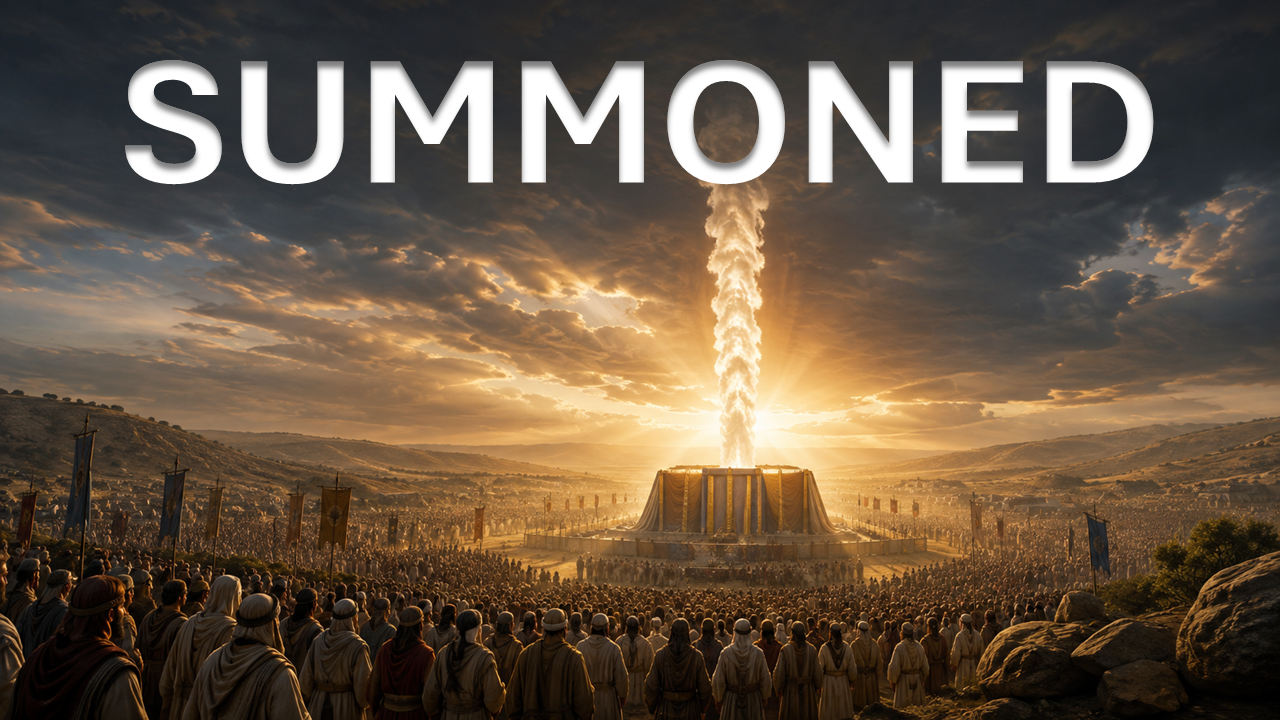
Summoned
2w ago01:01:54Tap to summarizeThe core of the message is that when God summons His people, He is calling them into His presence so they can be steadied, aligned, and strengthened for the work ahead. In His presence, every man and woman receives clarity for their personal assignment while also being knit together as one house that carries each other’s burdens. As each person stands where God has placed them, the church becomes unified, resilient, and able to overcome both internal pressures and external battles because its strength flows from abiding in Him.
Transcribe →
Expecting
3w ago01:43:25Tap to summarizeAs the people of God, we are called to live with a steady expectation in the middle of long, painful waits, holding both the coin and the card as symbols of the battle between the fool that must die and the bride God is forming. We were taught that the 1943 coin represents the real lies and Nabal traits that feel true in the moment, while the 1948 coin represents the unrealized truth and Abigail nature God is bringing to completion. Through suffering, endurance, and hope, we learn that waiting is not wasted time but the workshop where God deposits His own character into us, preparing spouses, children, ministries, and futures we cannot yet see. The sermon urges us to make the daily exchange, give back what belongs to the enemy, lay hold of what God has promised, and help one another labor until every promise is delivered.
Transcribe →True Lies and Unrealized Truths
4w ago01:12:41Tap to summarizeCalled to Change One Life at a Time!
Transcribe →
Real Lies and Unrealized Truths
4w ago01:12:41Tap to summarizeThe heart of this sermon is that God’s people are constantly choosing between the real lies that seem true in the moment and the unrealized truths God has spoken over our lives. We walk through seasons that look like “1943 coins” such as shame, failure, fear, and discouragement, yet God has already minted a “1948 coin” of promise, identity, and future glory. This message calls us to cling to God’s inscription rather than the enemy’s, to see ourselves and one another not by present shortcomings but by the truth God is bringing to completion. As Abraham and Peter demonstrate, God judges His people according to what He has declared they will become, and we are invited to do the same for our brothers and sisters as we help one another hold fast to the unrealized truth.
Transcribe →
1948
Jul 1201:27:28Tap to summarizeWe are reminded that God’s covenant endures beyond every dark chapter, just as Israel’s story moved from the despair of 1943 to the miracle of 1948. The sermon uses the two coins. The ghetto coin and the first Israeli coin. To show that what looks like the end is never the end for God’s people. Just as Caleb, Othniel, and Acsah held onto God’s promises and acted with bold faith, we too must steward our inheritance, confront the “1943 coins” in our lives, and keep asking, dreaming, and fighting for what God has already written. Though opposition gathers at the borders, the Son of David secures the final victory, and every act of faith becomes ground for His glory. We, like Israel, are called to dream again, to invest in the promises God has spoken, and to trust that the “1948” He has prepared will come with joy, abundance, and fulfillment for all who remain faithful.
Transcribe →
Custom Agents
Jul 501:17:43Tap to summarizeIn this sermon, we are reminded that God Himself is our inheritance, already placed in our hands, just as Israel stood in the land promised to their fathers. The message calls us to be a generation that not only receives the promise but possesses it through daily obedience, holy routines, and faithful customs. Using Caleb’s enduring strength and the steady patterns of men like Daniel, Ezra, and Job, the sermon teaches that our victories are born from consistent, covenant‑driven habits, meeting with God daily, sacrificing weekly, working heartily, and advancing others. As we cultivate these rhythms, we eliminate the “remainder” still left in our lives and expand the territory entrusted to us. In short, we are urged to live as God’s customs agents, faithfully stewarding our inheritance so that the next generation receives more than we were given.
Transcribe →
Protect The Investment
Jul 301:22:00Tap to summarizeThe sermon calls us to protect the investment God has made in us . Not merely the sacrifices, labor, or years already poured out, but the future harvest those investments were meant to produce. Through Leviticus 19’s pattern of planting, waiting, consecrating, and finally reaping, the message urges us to guard our spiritual lives, our families, our ministries, and our prophetic calling with the same seriousness as someone protecting a costly resource that will multiply far beyond its initial value. We are reminded to stay alert for the Master’s return, keep investing, preserve what shaped previous generations, avoid manipulating what God reveals, hold tightly yet with open hands, guard the Word, revisit our first love, and remain small and grateful. Ultimately, the heart of the sermon is this: God has invested everything in us through Christ, and we must steward that investment faithfully so the harvest He intends can come forth.
Transcribe →
Decades
Jun 2801:25:42Tap to summarizeThis sermon teaches that the long stretch of time between God’s promise and its fulfillment (what Scripture often reveals as decades) is not a curse, delay, or punishment, but a God‑given gift that forms, strengthens, and prepares His people. Using Caleb as the model, the message shows how wholehearted devotion, daily obedience, and unwavering proximity to God enable a believer to walk through long seasons without losing zeal, hope, or identity. Instead of despairing over distance, the sermon calls us to see the decades as fertile ground: years filled with preparation, battles, victories, service to others, generational influence, personal transformation, and hidden revelations that revive the soul. In the end, the decades do not diminish the promise. They make the believer ready for it. Therefore, we are invited to repent joyfully, embrace the journey ahead with expectancy, and celebrate the beauty God builds in us over time.
Transcribe →
Point Men
Jun 2101:21:35Tap to summarizeWe are Point Men. Courageously going before those entrusted to us, carrying vision, confronting danger, and choosing sacrifice so others may live and flourish. Like Joshua and Caleb, we lead with unwavering faith, refusing comfort and stepping into hard places so that future generations inherit something far greater than ease. We remember we are shaped by those who went before us and now stand as strength for those behind us, teaching through both obedience and repentance that God is enough. With Christ as our ultimate Point Man who has already secured the victory, we move forward boldly, inspired to claim what He has promised and to lead our families into a legacy of faith, courage, and unshakable hope.
Transcribe →