
Podcast
Lean HealthTech
Hosted by Taryn Shipley · EN
Industry professionals discuss the latest trends and topics in healthcare. Artificial intelligence, value based care, government regulations, legal matters, leadership, culture, and more.
Visit www.LeanHealthTech.com for information on consultative services.
10episodes
Episodes
Newest firstAll episodes

Included Health - The Doctor in the Family
Aug 11, 202500:31:16Tap to summarizeVP of Included Health Dr. Ankoor Shah talks about how employers can increase healthy days and addresses the following topics: -What if people had access to healthcare 24/7? -What if everyone had a doctor in their "family" to advocate for them? -What if we use AI not only to enhance a fee for service machine, but to actually provide higher quality care? -What if patients had a single point of contact for all healthcare matters - scheduling, medical questions, billing?What if "what if" could be "what is?"
Transcribe →
Indigo - Using AI to Simplify Medical Malpractice Insurance
Jul 30, 202500:29:22Tap to summarizeCEO Jared Kaplan joins us to discuss Indigo - the world's first medical malpractice insurance platform that leverages AI. With just an NPI number, weighted data points indicate risk factor and provide a pricing estimate in minutes, not days. Listen to learn more about the technology behind the company and trends in the medical malpractice space.
Transcribe →
You're Wasting Money - Reducing Supply Chain Revenue Leakage
Aug 13, 202400:21:19Tap to summarizeTiya LaCroix, the SVP of Healthcare Innovation and Growth at Impensa, discusses how CostCloud analytics can identify opportunities to reduce fraud, waste, and abuse related to supply chain spend. She also talks about handling recalls, contract negotiation, and how blockchain can be used as a distributed ledger to ensure transparency in how tax payer healthcare dollars are spent.
Transcribe →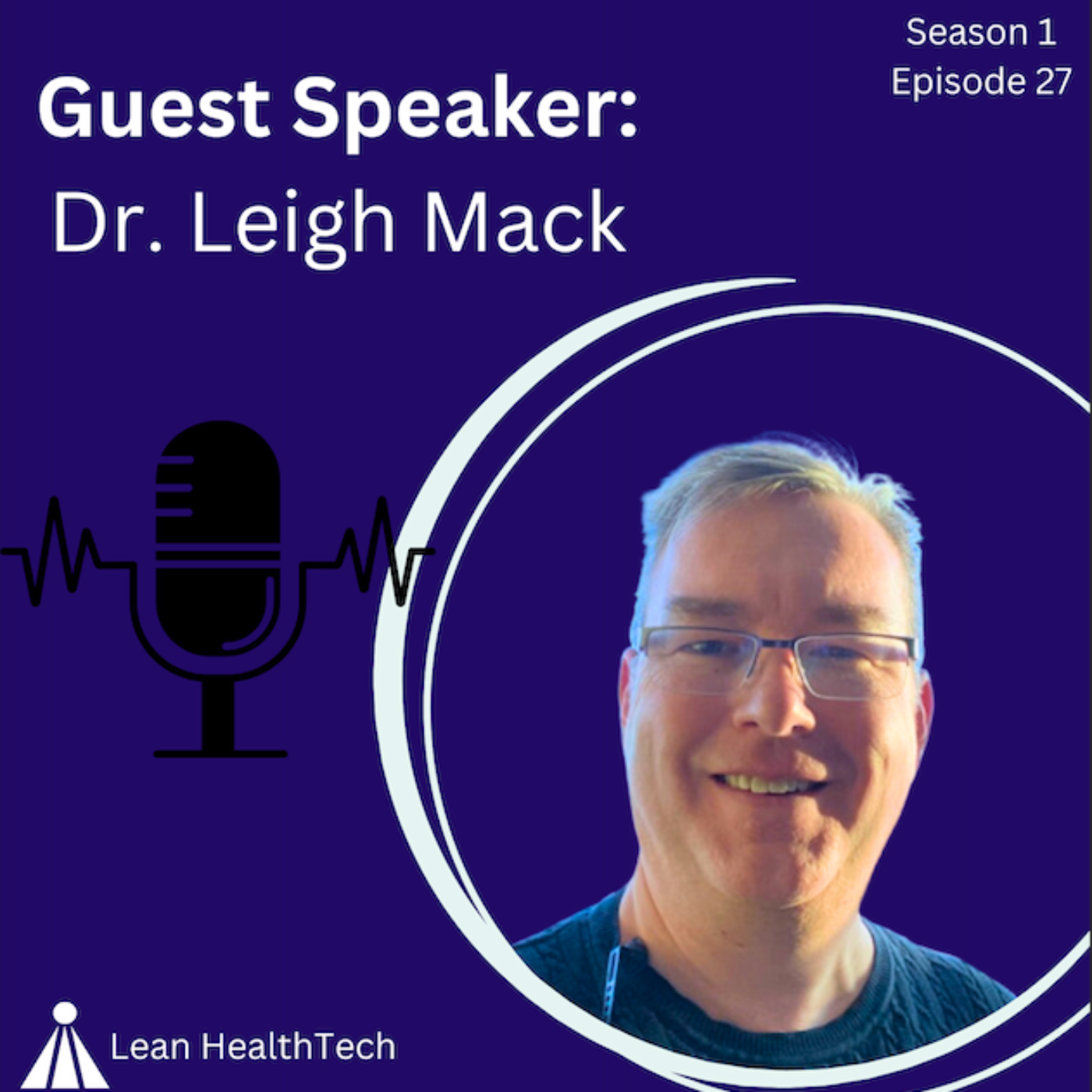
Let's get Technical - What's Next for AI?
Aug 6, 202400:34:00Tap to summarizeDr. Leigh Mack, managing partner of Med-Roc, a healthcare AI company, talks about how AI is becoming a force multiplier, its operational tempo, swarm intelligence, quantum computing, surveillance, electricity consumption, healthcare's parallels with fintech, the AI arms race, healthcare's new role for prompt scientists, and how organizations can stay up to date with AI.
Transcribe →
Next Level Analytics - How Arcadia Raises the Bar for Healthcare Data
Jul 31, 202400:27:56Tap to summarizeArcadia's CEO, Michael Meucci, acknowledges the broken aspects of the US healthcare system and how we can leverage data to reduce strain on finances, staffing, consumer preferences, coordinating transitions of care, and VBC all while enabling data liquidity. He addresses the benefits to HL7 and FHIR increasing trust in interoperability, how AI can enhance data processes, and why Epic and Arcadia are complementary data solutions.
Transcribe →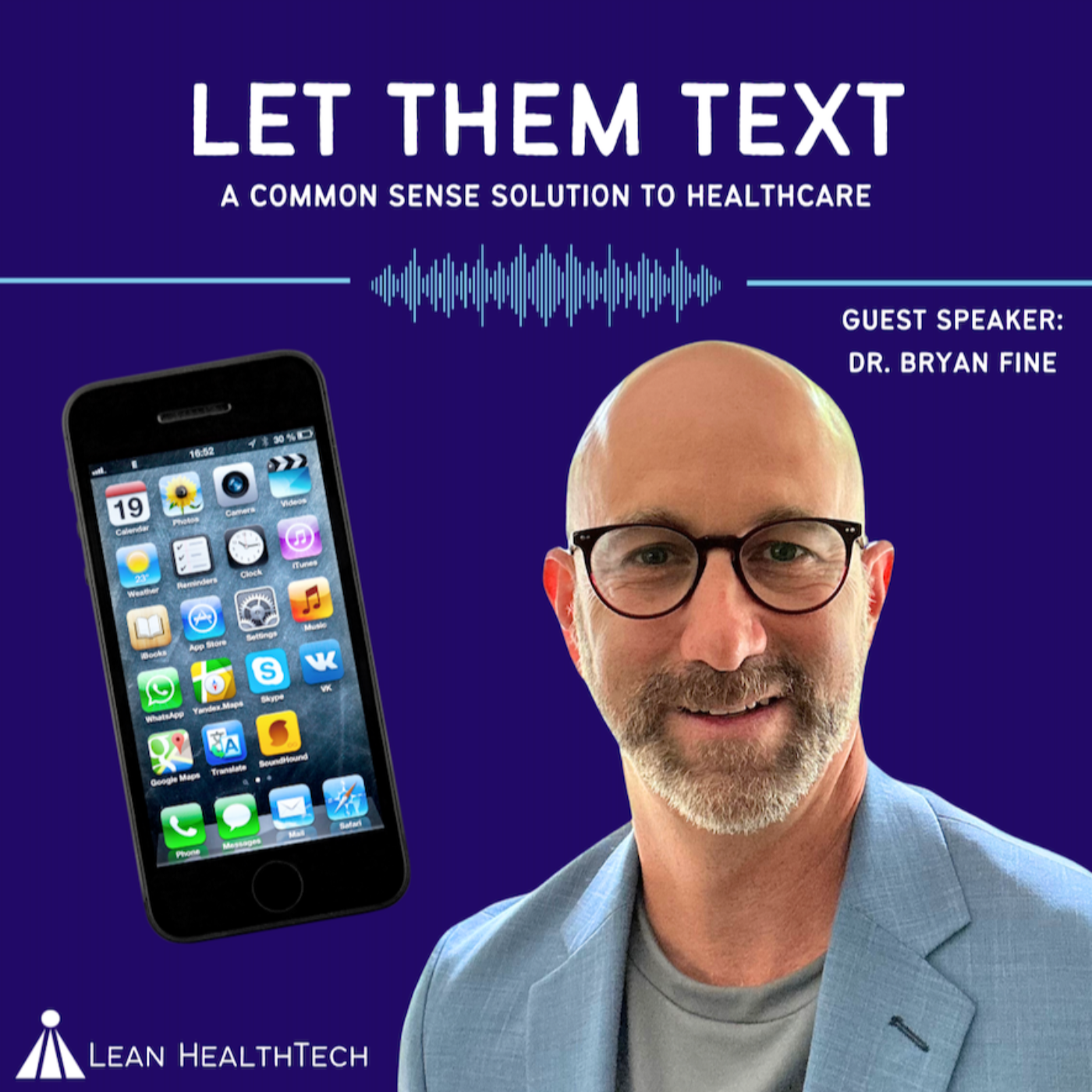
Let Them Text - A Common Sense Solution for Healthcare
Jul 23, 202400:23:24Tap to summarizeFounder of Percentric, Dr. Bryan Fine, talks about the technology behind a secure texting platform integrated with an EMR to let patients text their providers. We discuss businesses offering in-house doctors as an employee benefit to decrease absenteeism and how not having to deal with traditional healthcare system barriers provides an increased sense of job satisfaction. Tune in to learn about common sense, human solutions in healthcare.
Transcribe →
Navigating Career Pivots in Healthcare
Jul 10, 202400:17:18Tap to summarizeInsights from a Clinician-Turned-HealthTech Executive on how clinicians can expand their impact in non-traditional spaces. We'll discuss motivations, challenges, and key lessons learned during transition. This episode offers practical advice and inspiration for healthcare professionals looking to explore new career paths beyond traditional clinical roles, highlighting the opportunities and growth in the health technology sector.
Transcribe →
Relax and Take a Deep Breath - Pulmonary Chronic Condition Detection and Management
Jun 26, 202400:20:58Tap to summarizeCo-founder and CEO of Flex Together, Emily Mischel, and COO at Pulmonary Services Consultants, Andrew Escobar, discuss the massive gap in detection and management of pulmonary chronic conditions. If your organization practices value based care, don't forget about these millions of patients (and millions of dollars) most organizations leave on the table.
Transcribe →
A Radiologist's Best Friend - How Sirona Leverages AI for Imaging
May 28, 202400:19:35Tap to summarizeFounder and CEO of Sirona Medical, Cameron Andrews, joins us to discuss how AI can increase efficiencies in medical imaging. He also addresses why healthcare IT needs to be rearchitected from the ground up to fully achieve AI's potential in healthcare.
Transcribe →
Putting the Pieces Together - Artificial Intelligence Ushering in the Golden Age of Medicine
Apr 9, 202400:41:42Tap to summarizeFounder and CEO of Pieces, Dr. Ruben Amarasingham, discusses the technical intricacies of using AI in healthcare. He talks about using multiple LLMs simultaneously to take advantage of each model's unique strengths and as a fail-safe. He addresses how generative AI and predictive models can be integrated so all physicians become coders of their own custom predictive model. He explains adversarial injection simulation, how to leverage AI to reduce LOS, and shares why he predicts we're entering the "golden age" of medicine.
Transcribe →