← Let's Get Dressed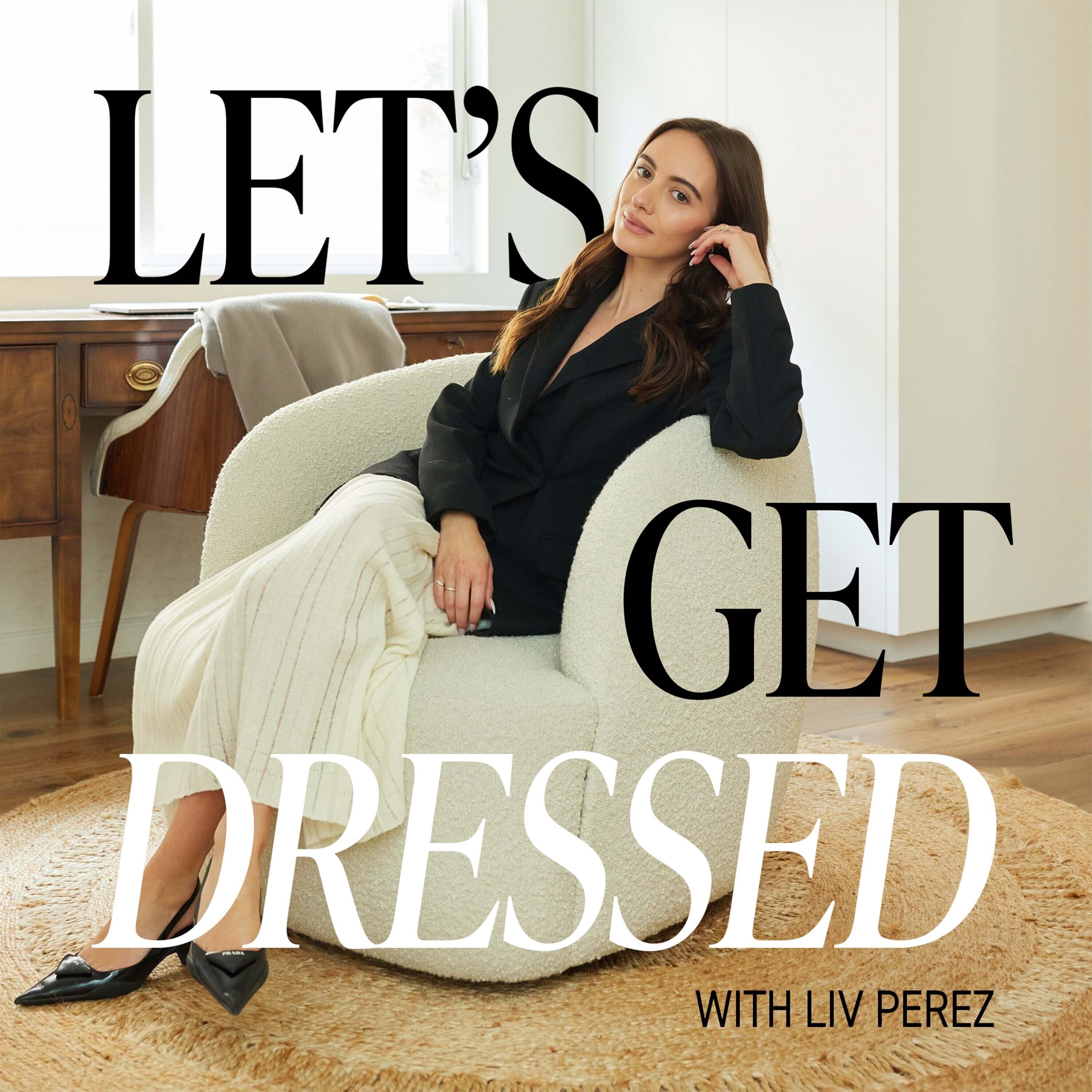
Loading summary
Transcript147 lines
- [00:01]
A
Audible's Romance collection has something to satisfy every side of you when it comes to what kind of romance you're into. You don't have to choose just one fancy a dalliance with a duke or maybe a steamy billionaire. You could find a book boyfriend in the city and another one tearing it up on the hockey field. And if nothing on this earth satisfies, you can always find love in another realm. Discover modern rom coms from authors like Lily Chu and Ali Hazelwood, the latest romantasy series from Sarah J. Maas and Rebecca Yarros, plus Regency favorites like Bridgerton and Outlander, and of course, all the really steamy stuff. Your first great love story is free when you sign up for a free 30 day trial at audible.com wondery that's audible.com wondery did I put the clothes in the dryer?
- [00:45]
B
I hope they don't think I was sleeping. I need to be awake. I got my brain shut just asleep already.
- [00:56]
A
When your racing thoughts keep you up at night, it's tough to let go and get the rest you need. Better sleep can help. You might have heard of white or brown noise, but there's a whole rainbow of color noises and they can help you calm your mind, reduce stress and sleep better. Like the green noise you're listening to now. With the Better Sleep app you can discover more color noises and over 200 soothing sounds, guided meditations and bedtime stories. High quality rest is vital to your mental well being and physical health. Calm your restless mind, conquer your day and sleep better at night. Download Better Sleep from the App Store or Google Play and start a seven day trial today because when you sleep better, you feel better.
- [01:46]
B
Hey everyone, welcome back to another episode of let's Get Dressed. It's your host, Liv Perez. I hope you're all having a great start to your week. I just got back from New York Fashion Week. So such a fun week. So many good shows, so many good trends which I can't wait to talk to you guys about at a later date. But today we are talking about one of my highlights of the trip which was getting to attend my first Kalmier show. It was beautiful and I was really honored to be able to sit down with its designer Daniela Kalmeier shortly after the show. Daniella has been building her brand for over a decade now and it feels like she is truly having a major moment. She has two gorgeous stores in New York now. She was just nominated for CFDA's Women's Wear of the Year award. Zoe Kravitz just wore a custom Kalmier mini, and she was one of the most talked about shows at New York Fashion Week. In today's episode, we talk about how she has built Kalmier piece by piece over the past decade, starting with less than $7,000 and growing into one of New York's buzziest labels. That's defining a new era of luxury in the industry. We also talk about what it is like producing in New York, being an independent brand, and how an intentional patient path has been really successful for her. If you have not seen her new collection, I highly recommend going to Vogue Runway right now or going on her Instagram and checking it out. We do talk about it at the top of this episode, so consider it required viewing before you dive into the episode. And if you love the brand, make sure you go shoot them a follow on Instagram as well. Let's go get dressed with Daniella Kellmeier. Welcome to the pod.
- [03:17]
A
Thank you.
- [03:18]
B
Getting to witness your show yesterday was pretty magical.
- [03:21]
A
Thank you.
- [03:22]
B
And thank you for making the time during what I know is probably a chaotic week for you.
- [03:27]
A
Definitely. But it's like, I think it's like, the best time to do it is, like, right after, like, we need to start pre fall, like yesterday.
- [03:35]
B
It's also fresh and the feelings are all still there.
- [03:37]
A
Yes. Better than, like, when I've, like, already blacked it all out.
- [03:41]
B
Yes. Do you black out during the show?
- [03:43]
A
Fully.
- [03:44]
B
Fully.
- [03:44]
A
That little, like, run I did at the end and waved at everyone. I don't know who I'm waving at.
- [03:48]
B
It was very special. It was very sweet.
- [03:51]
A
Yeah.
- [03:51]
B
How are you feeling?
- [03:53]
A
I feel good. I just told you this, but my alarm went off this morning and I was like, it's the day of the show today, so I think it's just been running through my head so much. We had that music on loop for the last week and a half. So it's just inside of my head and I'm stuck in the loop of this show a little bit. But it's such a serene show and it was such a surreal moment that, yeah, it feels like a little bit of, like a fantasy to be stuck in in that loop.
- [04:24]
B
I have to tell you, I love that song. On the Nature of Daylight. My favorite movie is Arrival, and that was the score to Arrival. And every time it plays, I get the chills. Why did you choose that song?
- [04:36]
A
Actually, some of my best friends and I had gone to see a contemporary ballet like a year ago. Cool. And I mean, the whole show, the show was Amazing. But this one particular piece was, like, so hauntingly beautiful. Like, jaw dropping. And that song came on, and we were all gripping each other in our seats, and Austin, who also photographs all of our work, pulled out her phone and Shazam'd it. And it's just been on our playlist ever since. And when we were with when Richard Sears, who's this amazing composer out of Paris, was offering to live record the track for us, I wanted to find an example of the direction we wanted to go in. And that came up, and I was like, this is the perfect collection for that.
- [05:25]
B
I get chills every time I hear that song. Have you seen Arrival?
- [05:27]
A
Yes. Love it. Love Arrival.
- [05:29]
B
Yeah. Weirdly. Why is it my favorite movie?
- [05:33]
A
It's a really beautiful movie, and also, I think we love a good, could be real dystopian future movie. It's funny that you brought up the movie, because I always associate it with the ballet. But every time we start this process over and I'm trying to find a track or an inspiration for a track, I go to Hans Zimmer or some kind of movie score because I do want my shows to feel really cinematic and theatrical. That's the world I come from. And I think it's amazing when you've got a pounding track and it's so fun and the models are racing down the Runway, but that's not the experience I want to give my guests. And so making it so powerful, where the music is sort of vibrating into your chest and you are fully entranced and sucked into the moment of these.
- [06:21]
B
11 minutes, there was such a very distinct choice in the speed and the cadence of the show. The models were walking very slow, almost like they were gliding. And the music. Talk to me a little bit about the inspiration for the show. I know you mentioned the soundscape a little bit, but there are so many elements that come together for a show location soundscape collection. What were you looking at when you first started thinking about it?
- [06:47]
A
I think all of those things were super connect. They're always super connected. For our shows. This one in particular, we knew we wanted it to be a little bit bigger of a guest count, and it was obviously a bigger moment. We wanted to still keep it intimate. Like, that is very much our brand. We had opportunities to go into, like, a large warehouse space and have, like, double the guests that we had last season, but that's not for me, I think, at least not for now. I want people to, like, feel the clothes, like, almost as close as, like, they would be touching them or on the Runway, we were pretty close.
- [07:23]
B
I loved that part of it. That intimacy was palpable.
- [07:26]
A
So. So I think that was, like, part of how we chose the venue. That was part of how we chose the music. I wanted it to be theatrical. I wanted it to feel intimate. And that model walk is also part of it. We worked with the models during their casting. We worked with the models backstage and at the rehearsal to make sure, you know, they got the pace right. And it was also very tently paced because we kind of designed the show and the tracks in three acts. But then at the very end, right before they all went out, I said, you know, remember the pacing. Remember gliding. It's very elegant. It's strong. You know, think you're walking into a boardroom and everyone is becoming silent. But I also said to them, my team and I worked on this for over six months, and we love this collection, and we love this work. So let's savor it. Let's not rush to make it be over.
- [08:21]
B
That, to me, feels so poignant, because you go to these shows. It's really fun to be in a show setting when the music is pounding and the models are going, and there's that strut, and you're kind of bobbing your head, and you're in that moment. But I really loved being able to actually savor your collection yesterday.
- [08:37]
A
Thank you.
- [08:38]
B
The model's walking down slowly. The music, I felt like I was fully taking it in and experiencing it the way that you wanted us to experience it.
- [08:44]
A
Definitely. I think it's, like, easy to get into that, sort of like, this is what a Runway is supposed to be, and it can be fast, and it can be thumping, and you kind of get excited by, like, oh, that's a model doing a model walk. But that's not what my clothes are about. You know, everything could look good in a picture. But how do you feel in the clothes? And so I think experiencing the Runway in a way where, like, you really savor the clothes. You really see the details. You really are, like, enjoying, like, what that whole look is. And it's not a flash like a camera, like an Instagram. Like, that's not the Kalmire woman. Like, she is. She's offline more than she's online. Like, she's living her real life in our clothes.
- [09:29]
B
Impossibly chic, just like so many of the people in your front row. I saw Sandra oh and nearly capsized.
- [09:35]
A
I bowed to her.
- [09:37]
B
So my husband and I just started Grey's Anatomy for the first time.
- [09:39]
A
Oh, no. I've watched every season it took.
- [09:42]
B
I'm not someone who will go up to a celebrity. I almost did yesterday. I was about to go up to her and be like, I'm on season two. I just started. I love you. I was so.
- [09:53]
A
I love her. And she's just like, what a graceful woman.
- [09:57]
B
She glided into the room just like your models did. I was like, there's a theme here. I need to walk a little slower.
- [10:01]
A
Yes, she was very gracious and graceful.
- [10:04]
B
There were so many styling moments to your show yesterday that really stuck out to me that I felt like were so wearable, but very intentional. There was that one gray suit with the double sweater around the waist, which I loved. A lot of great scarves, which you were wearing when you came out for your bow as well. Talk to me a little bit about those choices in this collection, and then also where the inspiration for the collection came from.
- [10:27]
A
Well, we work with an amazing stylist who also happens to be one of my very dear friends, Kaitlin Burke. And it's just a very collaborative experience, you know, from top to bottom, no pun intended. But she really. She really wants to sort of, like, be experimental and try new things, but never in a way that feels, like, gimmicky. And that's, you know, similar to the way that we design. I always want to come up with a fresh idea and something that feels like it could be in your wardrobe, but it's not. And it always just comes back to, like, would the Kalmire woman wear it this way? And I think that the double. The double shirt tied. You know, we had such an unintentional viral moment with our layered T shirts, and it was kind of a nod to that we had. Actually. I loved that suit, and I love that fabric. You see that fabric again in the frayed skirt, which I'm, like, crazy about.
- [11:24]
B
The white one and the gray one.
- [11:26]
A
The white one and the gray one and the gray one. The gray one, it's actually, like, so beautiful. Cause the. I'm gonna get technical here, but the weave and the weft one is black and one is white. So when they fray, like, one side of it frayed white, and one side of it frayed black. And it was just, like, such a perfect, almost accidental color blocking that happened. But that suit is really beautiful. The fabric is, like. It's almost like heavy, lineny, tweed, drapey fabric. And I knew I wanted to do, like, a denim. Like a mock denim kind of styling. And we tried it, like, four different ways. We tried it like really layered and then it felt too preppy for this collection. We tried it with the scarf and it felt like a little bit too uptight for the collection. And then that model Veronica walked in and she tried on the outfit and she was just like so hot and so surfer y and beachy. And we were like, okay, it's actually nothing underneath but like she took her shirts off, her layered shirts that she probably wore layered, and she tied them both around her waist so all really.
- [12:27]
B
Natural and what the Kalmire woman would wear already, which I love. It all comes from those places of authenticity, for sure.
- [12:34]
A
I mean, people ask me all the time, like, what is your inspiration? And it's never like some dramatic like reading. It's. I love to walk around the city. I love to watch how people wear their clothes. I'm so intimately obsessed with my customer and my. And my clientele. And if I feel like, well, I designed this to be like this, but she keeps wearing it like this. So why am I not leaning into that?
- [13:00]
B
Right?
- [13:01]
A
Even like, you know, six plus years ago, we had kind of like a blow up moment with our three piece suit, but everyone was buying our vest separately and wearing it with jeans. And I was like, okay, maybe it's just about the vest.
- [13:13]
B
I want to go back into how you first got your start and what got you into design because I've loved your work for so long and yesterday just seeing such a. You have such a beautiful perspective on resort wear and making it not resort wear, which I like. Like, I feel like resort wear doesn't really get the love it deserves. I'm. I'm a bi coastal lady. I wear. I'm in LA and New York. And for me, like resort wear is kind of my everyday. And I always have hated that it's segmented into like this is just resort. And yesterday was just such a prime example of how comfort. But fashion and truly loving fashion, whether it's the frayed edges or the double sweater, those moments can come together really beautifully. And so I'd love to hear from you. What were those early beginnings? Like, how did you get into design?
- [14:05]
A
Well, okay, you bring up two things.
- [14:07]
B
I'm bringing up so many different things. Let's start with resort wear.
- [14:11]
A
I actually do. I want to touch on that because you. I'm gonna see if I can follow this thread line because it's really important what you said. First of all, you being bi. Coastal. I'm such a, like New York girly. And so I was very binary when I used to design the collections like, this is spring, summer, and this is winter. And my winter collections were very heavy, and my spring collections were very summery. And it really wasn't until, like, six plus plus years ago when we started opening stores, and I myself was, like, keeping clothes in my closet and wearing my own clothes, and we were producing on a larger scale that I was like, we're not putting these things away. We're like. We're wearing them in layers. Like, okay, it's 65 degrees outside now. I want to be able to wear the same sweater that I wear with a coat in the winter, but just, like, wear it with a pair of shorts or a skirt. So. So I think designing into a collection that has, like, a little bit of something for everybody, because the Kalmire woman is also so complex and has such a wide range of ages and lifestyles and demographic that has also really informed my design. And I think, like, with the resort wear. Yeah, I think it has a lot to do with the fact that it's. We don't, like, traditionally, like, put away our summer clothes anymore and take out our winter clothes or vice versa. Resort is a particularly funny collection because it delivers, like, around the holidays, but then people go away to, like, summery places, so you kind of want a little bit of something for everything. And that used to be, like, the hardest season for me to design for because I was like, what is it?
- [15:56]
B
Right?
- [15:57]
A
And now I'm like, oh, it's everything. It's just, like, good clothes. Yes, it's just good clothes that you never want to put away and, like, you could wear in, like, gritty new New York City streets. And then you can, like, pack the same things to Cabo. And that's so Kalmire. Like, that is so why I started the brand is I saw my friends. There you go. I found my thread line. I saw my friends, like, being, like, cool and edgy and wearing, like, ripped jeans and, like, their dad's shirts, like, when we were hanging out and going out, and then they'd be in a yellow halter neck sundress to a, like, wedding in October. And I'm like, you're so confused. You just, like, you don't have. We don't have, like, the parts to put them together to make the right meal for you here. So that is always. What I come back to is, like, would my friends wear it? Would my people wear it? Does this make you feel like you're you, or is it making you feel like you're in costume or you're trying to be somebody else. Because there's nothing worse than feeling like uncomfortable in your own skin or your own clothes.
- [17:06]
B
I'm thinking about a, like frayed Bottega skirt that I have in my closet that's knit that I just actually wore in Cabo. And I wore that with a tank there, but I cannot wait to wear it in the winter with knee high boots and a black coat.
- [17:18]
A
There you go.
- [17:19]
B
And I just don't think that that was the way of thinking in fashion even 10 years ago.
- [17:24]
A
Well, I also think that it's not just about the seasons, it's also about occasions. And that's really what I think about a lot. Going back to, like, my seeing my friends dress, like, very confused. So many of my friends are like boss bitches. Like, they are, they are bossy, they are leaders, they are CEOs, they're CMOs. And so they're like wearing like a fitted suit to work. And then the way that they dress when we hang out is like completely different. And then the way that they dress when they have like a formal occasion is like completely different.
- [17:57]
B
I'm wondering, do you think that your friends are still confused? The yellow dress example, like, do you think that's still confusing or have we just maybe caught up to the idea that it's just more practical to dress with not the idea of season in mind?
- [18:10]
A
I think both. Like, I, I remember somebody telling me once, like, you make dresses for people who hate wearing dresses. And I can't really put my finger on what that is exactly, other than like maybe my own innate sense of style and identity and like not designing for the male gaze. And like, I, I can't wait to wear that frayed skirt. But like, it has attitude, you know, it doesn't have. It's not like sexy, but it's sensual.
- [18:40]
B
I want to get into that male gaze a little bit because it's so interesting to me. And I can see it through your design. I think, and this is my personal experience, I never really wear a mini dress. The dresses that I have in my closet are often long. Maybe there's an open back moment. I'm not someone that goes for maybe that typical idea of a dress. Which is why every time I see one of your dresses, I'm like, oh, like that white dress that you had, that with the long open back drape fully covered up in the front. That is something that I would gravitate towards every single day. And you've spoken about being a queer woman and designing for women with women in mind, knowing what we love knowing how we want to dress. Talk to me a little bit about how that experience has been for you, designing without the male gaze in mind at all.
- [19:28]
A
It's funny you brought up that white dress, because I actually designed it in black to wear to my brother's wedding. Because. Because I wanted to wear a dress. I'm in suits all the time, and so I wanted to be in a dress, but I was like, what is the dress? To my own brother's wedding? And it felt like. And I was officiating, so I was like, I want it to feel, like, a little bit. Like it has stature, but also, like, kind of dramatic. So I came up with that dress, and then we decided to have, like, a cute little, like, mock bridal moment at the end, and we showed it in white, and, of course, people loved it. The top, great dress.
- [20:09]
B
Just a PSA for anybody who's looking for dresses right now. That is the dress.
- [20:14]
A
Somebody got married in it.
- [20:15]
B
And then recently, I have to see.
- [20:17]
A
And they wore, like, diamonds down the. Like, a long string of diamonds down the back. It was so, so stunning.
- [20:22]
B
My heart is skipping beats like that. That's how it should be worn.
- [20:25]
A
The top version of that, like, became our best seller, the Naya.
- [20:28]
B
I mean, I've seen that in every color.
- [20:30]
A
All.
- [20:30]
B
Not just at your show yesterday, but I've seen it all throughout Fashion Week. That turquoise blue is stunning.
- [20:36]
A
Thank you.
- [20:37]
B
It's such a good piece.
- [20:38]
A
Thank you. But I. It's really. It's not about, like, without the male gaze, because I'm a queer woman. I'm a queer woman. The brand is designed by a queer woman. It's not a queer brand. You know, my customers are not, like, queer. They're not, like, trying to exude queer. But, like, there is something to be said about the experience of, like, coming into yourself, experiencing, you know, any form of, like, oppression or, like, conservative views that you sort of, like, outgrow or, you know, find yourself through. And I just. I want. I so just, like, want women to feel like themselves. I think I'm so inspired by the people around me. I'm my. My friends, my, you know, my muses. I was raised by strong matriarchs. I mean, my. My mom was at the show yesterday, and when we were walking out of the show after, like, everyone was packing up, she said, you, grandmother would just be covelling right now. She was, like, so fashionable and loved fashion, and we used to sit in her apartment in Riverdale and sew, and she cared a lot about, like, how she looked and how she looked to others. But I still, I don't think it was about like male gaze. It was like about elegance. It was about how you are perceived. And I think queerness does have a lot to do with how you are perceived. But it's also, you know, designing clothes and thinking about like women's bodies. I know that I like lived many years feeling like uncomfortable, not understanding how to dress myself, not how understanding how I'm supposed to dress for other people, male or otherwise, fashion or otherwise, versus like how I wanted to feel. And it was like very emotional. Like I was an up and coming, like designer. I was an aspiring designer and I dressed terribly because I was so confused. Like I never thought I'd make a mini dress. And then we made one. I actually designed that dress to be layered over, like something long. Like when I first designed that dress, I envisioned it over like a white, like a long white button down. And it was like almost meant to be like an accessory. But I think that too like people wear it like with such ownership. It's not about like this is like the shortest skirt I could possibly wear to be as sexy as possible. It's about bodily autonomy and like feeling just like cool, like you just try just zipped up this little thing and like that's it. That's all you need. This is all I need. This is a whole outfit.
- [23:27]
B
I had lunch with Elise Walker after your show yesterday who told me that you have the best cut blazer in the game. She raved about your blazer for 20 minutes minimum.
- [23:37]
A
Wow.
- [23:38]
B
Said it was the best one in her closet. Her future daughter in law has it and wears it all the time. Was showing me pictures of it. That's your spokeswoman for Elise is the og? Yeah.
- [23:48]
A
Really? She was one of the first multi brand, multi location stores that like really, really believed in the brand and picked it up at scale. Her team is amazing. I trust them and their buys and their clienteling. And Elise is like such a perfect example of the kind of partnerships that we love because it was like part of why I opened my own stores was I hated that there had become this giant separation between designer product and customer and nobody was being educated in the product and how to wear it. I long for the old school department store days where you worked with the personal shopper and they knew you by name and they walked you through this store and they styled you and that still exists. And it's so romantic. I mean, I'm such a, I'm such a romantic when it comes to these things, it does still exist. And Elise is a great example. Like, she owns the company, and she's there in the stores, and she knows the product, and her team is there in the stores, and they know everybody's names, and that's how you build a strong business.
- [25:02]
B
I love that you just said that you're aligned on it, feeling romantic, because I think a lot of elements of your brand feel really romantic and nostalgic to me. You know, you're made in New York. 70% of your garments are made here. Third Runway show. You've really gone at it your own way, and it's an interesting time to be doing that when there's a lot of conversation around New York Fashion Week. Are New York designers showing on the calendar? All of these things? Can you talk to us a little bit about what that experience is? Growing a brand at the scale and success level that you have and not conforming to what, you know, you're quote, unquote, supposed to do as a New York brand?
- [25:38]
A
I think we're still not doing it the way you're supposed to. There's nothing about my brand that's kind of followed the rules. I started it without money and was like, well, this will be enough.
- [25:48]
B
Didn't you start it with what, three or $4,000?
- [25:51]
A
Yeah, like less than $7,000. But it's kind of fun. This is like, it's a real old school brand. You watch documentaries about someone like Diane von Furstenberg. Granted, she was married to a prince, but she hawked those dresses, like, one at a time. And for me, it was the same thing. It's like, you know, one vest at a time, one tie, shirt at a time. And the profit from that bought the inventory for this. And, you know, the sales from this, like, we opened one store, the sales from that store, we opened our next store. And it's like such an old school way of doing business, but it's, like, real. At least I know that, like, my. My brand and my product and my sales and my business are real. I think people should do what's right for them. You know, if. If you want to grow into, like, a large scale business and you want to start it with funding, like, that's what's right for you. What was right for me was to stay close to the product, stay close to the business I have, I'm to be, like, totally transparent. Like, I'm very intimidated by the idea of it growing too big, too fast. And, like, I really love it. Like, I love this Product. I love the. This is maybe gonna be the wrong word for it, but I love that I've built something that has gained me access to things and people and opportunities that I love. Like, I am in rooms now because of the product that I made that I designed for the people that I love. And I don't wanna lose that just because I grow it too quickly. But I think that, like, what's right for somebody else might not be right for me. I'm really happy to be contributing to, like, the New York fashion industry in my own way. I think me doing it my way is part of what's made me stand out. And I think someone like Rachel Scott doing it her way is what's made her stand out. I think someone like Ralph Lauren is a perfect example of someone who, like, he did it his way, you know.
- [28:00]
B
Like, specifically jazz hands.
- [28:01]
A
Specifically jazz hands. I actually finally just watched the documentary that, like, came out in 2019.
- [28:07]
B
Very Ralph.
- [28:08]
A
Very Ralph.
- [28:08]
B
One of my favorite films of all time.
- [28:09]
A
Can't believe I never watched it before. But ironically watched it the weekend before the nomination. And I was, like, in for the.
- [28:17]
B
Weekend before your nomination?
- [28:18]
A
Before our nomination.
- [28:20]
B
Your CFGA nomination.
- [28:21]
A
That's right. And I was, like, in full hysterics, crying, and my girlfriend was like, why are you crying? And I was like, I don't know.
- [28:29]
B
I just.
- [28:30]
A
First of all, I connected to and related to so much. And I think obviously, like, in fashion, we grew up knowing about Ralph Lauren and knowing all about the business. I didn't realize until I watched the documentary how much it's just a business built on all the things he loves.
- [28:49]
B
Yep.
- [28:50]
A
Like, whether it's, like, western, Montana, ranch sheet, ranch house, or just rent free in my mind forever, or, like, a white dinner jacket. Like, you know, what are their names? The Rat Pack.
- [29:07]
B
Oh, yes.
- [29:07]
A
Yeah. Rat Pack style. Like, but you just see his whole.
- [29:10]
B
You see his whole life. His wife is so, like, in my mind, like, ever present in that brand.
- [29:14]
A
Everything about what they highlighted in that documentary I related to. He is so in love with his family. He designed a brand based on just, like, the things he loves. He's like a theater nerd. Like, he's a cinema nerd, and I'm a theater nerd. And he wanted to, like, make product that could live in people's closets in, like, a very regular way, but feel theatrical the way that he presented them. So a must watch all of that. Plus plus, plus, like, years of, like, creating, building his own legend. I just, like, really related to that.
- [29:51]
B
Congratulations. On your nomination, by the way.
- [29:53]
A
Thank you.
- [29:54]
B
I'm very excited for you and it's unbelievably deserved.
- [29:57]
A
Thank you.
- [29:58]
B
I just read, I'm sure you read too that article in the business of fashion about a new wave of luxury brands. And that article was, you know, I just, I'd just done this big clean out in my closet at the beginning of August, got rid of half of it, was ready to invest in new, amazing everyday things. And that article actually highlighted a lot of brands that I went to to refill my closet. You were mentioned toteme twp and they called this, this class, the new wave of luxury. And I'd be curious to hear what you think about that.
- [30:30]
A
It's a funny one for me to answer because everything that we're kind of like being recognized for now is exactly what we started the brand about 13 years ago. And it hasn't changed my, you know, we've kind of like expanded our categories and our price point a little bit. But our positioning has always been this aesthetically, like price point wise. The way that we think about retail. It's always been this like, even since I was like 24 years old and decided I was gonna like start working on building my own business. And I think it's awesome that there are more brands in that space. For me, my background being in luxury and design, seeing people like my grandmother who was so elegant, always, always, always so elegant, I just like really wanted to make product that was quality. Being like a 20 something year old kid who loved fashion and would look at those price points and be like, I'll never be able to afford that.
- [31:41]
B
Now more than ever.
- [31:43]
A
And I was like, why, why should the things that I can afford not look like things I want to wear? And that's why I started this. So I think that there, that space has expanded. Now there are more designers who are designing in that space. I think it's twofold. I think people, I think customers are more educated. They've changed the, they've changed the sort of like demographic of how people shop. And that gap is closing a little bit. There was like such a divide between like contemporary shoppers and luxury shoppers and I think that they're just more educated now. I think aesthetic has changed. I think the way that people shop has changed. You know, it goes back to us talking about like not shopping for seasons. I think that really affects it. When you're like just layering into the portfolio of your own wardrobe, then what price point do you want to shop at? What aesthetic do you want to shop at? I think women have changed. You know, we're not wearing just like, theory suits to the office and then like, Philip Lim dresses when we're going out. And then like, that was.
- [32:51]
B
You just. You basically just described me in my 20s.
- [32:53]
A
That's it.
- [32:54]
B
In one sentence.
- [32:55]
A
But that's what was. That's like. That was like the Barney's Co Op heyday that I started my brand during, where I was like, there has to be something else.
- [33:04]
B
When you said contemporary, the only thing I thought of was Barney's. And I feel like that genre to me.
- [33:09]
A
But Barney's Co Op specifically because there was like, I loved luxury, but there was like a Barneys Co Op on the Upper west side where I used to live. And I used to go in there and, like, browse all the time. And I'd be like, I don't want any of this. Why?
- [33:24]
B
Wouldn't even know.
- [33:24]
A
Why can't I even just get a white button down that doesn't have, like a frill or like a diamante button?
- [33:30]
B
Yes. I wouldn't even know what that meant now if I was in a department store and saw contemporary.
- [33:34]
A
Yeah. I remember going to see a buyer years ago and kind of explaining my positioning and how important it was for me to have at the time, everything being accessible under a thousand dollars. Obviously, for a number of different reasons, that has changed a little bit. But coming back to accessibility is always a cornerstone of my brand. But I remember this buyer saying, like, we don't know where to put you. You know, aesthetically, like, this is something that, like, would be on this floor of this department store, but price point wise, like, we'd have to put you here, but nobody shops like this, so you should consider raising your prices. And that felt so against what I wanted to do and why I started the brand. We could be more expensive. Our quality is, like, impeccable. Impeccable. And that is, like, number one priority.
- [34:33]
B
I think the biggest thing in the world, whether you are shopping at the Gap or you're shopping at Kalmier, the biggest thing I always look for is construction. It can be at any place, price range. But for me, if it fits my body, well, that's everything to me.
- [34:49]
A
Thank you. Well, that's, you know, you just, like, connected all the dots right there. Like, talk about the way that we design. It's not about, like, male gaze or not male gaze. We're like, we're giving men too much credit, actually. It's like, about, how do you feel in the Clothes and construction is part of that. For fabric is part of that. Fit is part of that. Like, even a tailored suit, like, you don't want to feel like you can't sit down or you can't move or bend down. Like, this was years ago. Somebody told me I had made a custom white suit for someone for one of the events of her wedding. And then she wore it in pieces all the time. She'd wear the pants with a sweater or wear the jacket with jeans. And she wrote to me to say I was holding my two year old antiques, spilled spaghetti sauce on the pants and I've ruined the pants. And I was like, no, you made the pants. I said, like, knowing that you're, you're living your life and like, the best, most beautiful moments of your life in my clothes means I did something right.
- [35:49]
B
You've had the brand for over 10 years. You've had even hearing these anecdotes over time that have made the brand what it is. I'm sure a lot of people listening right now would love to hear your advice on sticking it out, you know, riding through the waves of having a brand for 10 years. Obviously you just got nominated for a CFDA for women's wear. And I think there's so much grind to all the successful brands and people that we see today. It doesn't happen overnight. Can you talk to me a little bit about the evolution, the sticky moments, and how you've persevered through 10 years to get to this point now where it really feels like the brand is resonating now more than ever.
- [36:28]
A
Thank you. I'm like a cat with nine lives.
- [36:31]
B
Amen. Amen.
- [36:33]
A
This brand has, like, had so many ups and downs. I think really, like, the up, up, up started after I opened my first store. Before that, like, there were so many moments, even right before opening that store that I thought, like, we weren't gonna make it. So as far as, like, keep going and, like, keep grinding, that, like, really depends on where, where you're at. Like, I was willing to keep going and, like, look for quarters inside my couch so that I could buy dumplings for a dollar and 25 cents so that I could keep doing this. That's not for everybody. And I knew that I wanted to do it. And honestly, it was like, moments that, like, weren't even in the press or didn't really count for the bigger picture. Like, I would do a random trunk show in St. Louis and all of these women would eat up the clothes and be like, I need more of this. And I'd be like, well, somebody likes it, so I must be doing this right. And maybe there just aren't enough eyes on the brand. And I'd do a little, like, pop up on the Upper east side, like, in somebody's apartment. And there'd be all kinds of brands there, and people would be like, why can't I? Why have I never known about this? And that kept me going. So I think that's one of them. Like, you have to wanna grind. It's like living in New York. Like, it's not for everybody. And that's okay. There's nothing wrong with you if you don't wanna live in New York. But I love the grind. Like, it gives me energy and it makes me feel like, okay, yes, that worked. Like, what's next? And even just, like, those little moments with customers, like, okay, it's working. How do we do more of that? How do we multiply that? And that really happened when we opened the first store. But I think also, like, building a successful brand, you know, going back to the example of Ralph Lauren, like, people look at other brands all the time and they say, like, what's working for them? I have to do that. You have to just, like, build something that's based on what you love or that you're an expert at. But this brand, like, really, really started working when I stopped trying to please other people. I stopped trying to, like, kind of, like, shift and alter the brand and the product and our price point and everything to make it work for buyers who didn't really, like, love and support it. And I just was like, okay, I'm gonna do this for me. And I think opening my own store allowed me to create a space for it. And when I first opened that store was when things started really growing. And people would ask me all the time, what do you think changed? Like, you're blowing up. That was then when people used to say, you're blowing up. Now people really say, you're blowing up. Which I hate, because it's been 14 years of slowly, slowly blowing up. I remember saying to someone who asked me then, sometimes when your world gets smaller, it gets bigger. Like, I built these four walls for the store, and that was it. I could, like, fill into it. Anything that happens outside of these four walls, it doesn't matter. Cause if I'm, like, successful within this framework, like, that's good enough. And I think the last few years have felt like that. It's like, I can't believe I thought that was great. Now this is even better. And like, every success we've had because I don't have investors to answer to, I don't have a board that I'm accounting for. Every one of our successes, every one of our press moments, every sale, every single transaction that goes through is a sale that we didn't have yesterday.
- [40:10]
B
Can we talk about Zoe Kravitz in the pink dress? Yeah, that was custom. How did that come to be? The pink felt so uniquely her. How did that happen?
- [40:20]
A
Well, I have a really good PR team.
- [40:23]
B
You're like, the PR girlies did it.
- [40:25]
A
They did it. We manifested it. Zoe was, like, having a hot moment. Obviously. Her stylist Danielle is, like, amazing. Everyone she dresses becomes, like, a knit girl or, like, is already a knit girl and becomes, like, a fashion girl. But she was definitely all eyes on Zooey. And, yeah, we just manifested it that obviously, pre. Pre Eloise mini dress. I don't know what we would have put someone as tiny as Zoe in, but it worked out really, really, really perfectly. And we had had so many crazy press moments with that dress. Like, of all the things that we make, we've had so many amazing press moments. Shailene Woodley wore it on the red carpet. Like, everybody loves that dress. So I think, you know, to have, like, such a hot moment with Zooey, it had to be custom. And it's just funny. We've had, like, two really major pink moments. One was the Barbie red carpet with Kate McKinnon. And now. And now this. And I don't own a thing, a single thing that's pink. But we love Barbie. It was so, like, rocker pink and not like. And not Barbie pink that it had to be her who wore that.
- [41:45]
B
It was so, so, so good. You mentioned earlier in New York, things that are inspiring you. What's inspiring you out in the city right now? What are you excited about?
- [41:54]
A
I'm desperate to get back to live theater. Like, it's. I've been in my grind. No time to spare. No night without either a late night in the office or an event that I have to go to. I want to get back to theater. I want to go see people dance and move and sing again. I want to go see a play. I'm desperate. I want to get back into museums. It's not really like, oh, I went to this art exhibit, and I saw this one painting, and that's gonna inspire the color story of our next collection. It's more like just the act of living in New York and how much there is to do and be inspired by and Just, like, wake you back up. It's like. It's like, gives you a little extra buzz, you know? Like, you go see an amazing show, and, like, you are buzzing the next day. You're telling everyone you have to see this show. I'm excited to get back to doing things that are outside of what I've had to do and make some choices about doing some things that I want to do.
- [42:56]
B
I know you worked at McQueen before you started your own brand. I actually went and saw the McQueen off Broadway play that is in town right now. I saw it on Saturday night.
- [43:05]
A
I didn't even know about it.
- [43:06]
B
Yeah. Did you watch Bridgerton?
- [43:08]
A
Yeah, of course.
- [43:08]
B
Okay, great. So Luke Newton, who is the star of the third season, plays McQueen, shaved his head. Wow.
- [43:14]
A
Hot.
- [43:15]
B
Incredibly. And he was really great. It's off Broadway, so the production value is not something that you would expect to see on Broadway. And it's kind of just a light overview of his life.
- [43:27]
A
It's funny that you bring up McQueen, actually, because I think, going back to what you said about doing it my way, he's such a great example. He did become one of the biggest designers in the world, but he was enfant terrible, you know? Like, he was. He. Like, he did it his way, you know? And I think that there's something that I'm feeling now about the way that we're having this, like, really crazy, exciting moment, being, like, kind of, like, so under the radar for so long, and then all of a sudden, we're nominated for, you know, Women's Wear Designer of the Year. It does feel a little bit like that. It feels like McQueen in the 90s, like, just doing it your way and, like, so, like, sewing the clothes and, like, you know, being so involved in the production, you just. You never know. I mean, it's still. It's still art at the end of the day. Like, I don't like calling fashion art because it's different. Like, it's commerce and it's product. And I think for some people, it might be like art, but this is craft.
- [44:36]
B
I think we should end on doing it your way. I love that.
- [44:39]
A
Play me out.
- [44:41]
B
We're doing it our way, guys.
- [44:42]
A
Yes.
- [44:42]
B
Thank you so much for being here.
- [44:44]
A
Thank you so much.
- [44:45]
B
It truly was an honor to talk to you during your fashion week, and thank you so much for having me at your beautiful show. I loved being there, and it will be something I'll think about and remember for a long time. It.
- [45:26]
A
And now a next level moment from ATT business. Say you've sent out a gigantic shipment of pillows and they need to be there in time for International Sleep Day. You've got at and T5G so you're fully confident, but the vendor isn't responding and International Sleep Day is tomorrow. Luckily, AT&T5G lets you deal with any issues with ease, so the pillows will get delivered and everyone can sleep soundly, especially you. ATT 5G requires a compatible plan and device coverage not available everywhere. Learn more@att.com 5G Network.