
Podcast
Life Kit: Health
Hosted by NPR · EN
Taking care of yourself shouldn't be complicated. We talk to the experts for practical advice to live a long and healthy life, based on science. Updated every time Life Kit posts an episode on health and wellness.
Want another life hack? Try Life Kit+. Your subscription supports the show and unlocks an exclusive sponsor-free feed. Learn more at plus.npr.org/lifekit
Want another life hack? Try Life Kit+. Your subscription supports the show and unlocks an exclusive sponsor-free feed. Learn more at plus.npr.org/lifekit
28episodes
Episodes
Newest firstAll episodes

Don't stop exercising just because you're pregnant
4d ago00:29:39Tap to summarizeMany people pause physical activity during pregnancy -- but research shows that exercising while pregnant is good for your health and your baby's health. If you're unsure which kinds of exercise are on the table, fear not. Life Kit reporter Andee Tagle takes you through the workout guidance for each trimester and how you can physically prepare for your due date.Follow us on Instagram: @nprlifekitSign up for our newsletter here.Have an episode idea or feedback you want to share? Email us at lifekit@npr.orgSupport the show and listen to it sponsor-free by signing up for Life Kit+ at plus.npr.org/lifekitSee pcm.adswizz.com for information about our collection and use of personal data for sponsorship and to manage your podcast sponsorship preferences.NPR Privacy Policy
Transcribe →
Free yourself from 'information overload'
1w ago00:23:46Tap to summarizeDo you check your phone to set a reminder, then get sidetracked by every targeted social media ad? Or plan to spend your day in focus mode only to be derailed by your TV? We encounter dozens of screens everyday, each of them with an abundance of information calling for our attention. But there is a way to set better boundaries with your tech. This episode, Manoush Zomorodi, host of NPR's TED Radio Hour and author of Body Electric, explains how to free yourself from "information overload."Follow us on Instagram: @nprlifekitSign up for our newsletter here.Have an episode idea or feedback you want to share? Email us at lifekit@npr.orgSupport the show and listen to it sponsor-free by signing up for Life Kit+ at plus.npr.org/lifekitSee pcm.adswizz.com for information about our collection and use of personal data for sponsorship and to manage your podcast sponsorship preferences.NPR Privacy Policy
Transcribe →
What to do when you're too upset to think straight
2w ago00:22:42Tap to summarizeStressed, anxious, or angry? Distress tolerance tools — from dunking your head in a bowl of ice water to imagining yourself in a calm setting — can help. In this episode, clinical psychologist Shireen Rizvi shares dialectical behavior therapy skills from the recent book she co-authored, Real Skills for Real Life. These physical and mental exercises can help you care for yourself, so you can think more clearly, problem solve and make it through life's painful and frustrating moments.Follow us on Instagram: @nprlifekitSign up for our newsletter here.Have an episode idea or feedback you want to share? Email us at lifekit@npr.orgSupport the show and listen to it sponsor-free by signing up for Life Kit+ at plus.npr.org/lifekitSee pcm.adswizz.com for information about our collection and use of personal data for sponsorship and to manage your podcast sponsorship preferences.NPR Privacy Policy
Transcribe →
Before you fibermaxx, know these tips
3w ago00:14:42Tap to summarizeFiber is a dietary superhero. It lowers cholesterol, helps regulate blood sugar levels and keeps your hunger in check. But chances are, you're not getting enough of it. NPR health correspondent (and fiber fanatic) Maria Godoy shares easy ways to up your fiber intake. Plus, the science of what fiber does in your body and how having more in your diet could help you. This episode was originally published Sept. 19, 2023.Follow us on Instagram: @nprlifekitSign up for our newsletter here.Have an episode idea or feedback you want to share? Email us at lifekit@npr.orgSupport the show and listen to it sponsor-free by signing up for Life Kit+ at plus.npr.org/lifekitSee pcm.adswizz.com for information about our collection and use of personal data for sponsorship and to manage your podcast sponsorship preferences.NPR Privacy Policy
Transcribe →
Want to get pregnant? There’s more to it than you think
4w ago00:26:11Tap to summarizeWhether you’re ready to become pregnant today or thinking about the future, there’s a lot to learn about your fertility. In this episode, a reproductive endocrinologist and a reproductive psychiatrist walk through the basic factors that contribute to your ability to get pregnant — and explain the best ways to get your timing right.Sign up for Life Kit's skin care newsletter.Follow us on Instagram: @nprlifekitSign up for our newsletter here.Have an episode idea or feedback you want to share? Email us at lifekit@npr.orgSupport the show and listen to it sponsor-free by signing up for Life Kit+ at plus.npr.org/lifekitSee pcm.adswizz.com for information about our collection and use of personal data for sponsorship and to manage your podcast sponsorship preferences.NPR Privacy Policy
Transcribe →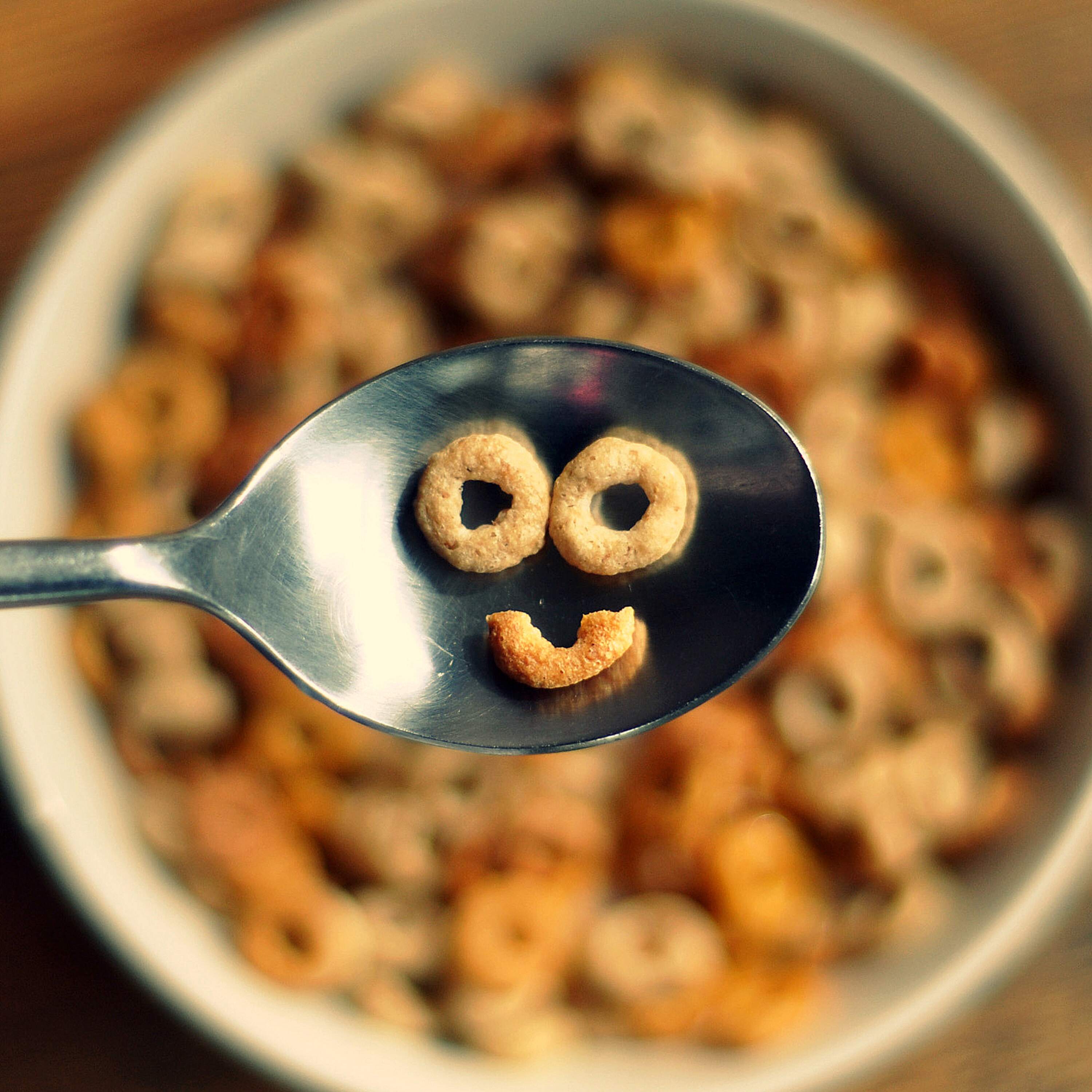
Scarfing down your food? How to be intentional about meals
Jul 600:17:05Tap to summarizeEating more deliberately can help you make better choices about nourishing your body, says Lilian Cheung, a mindful eating lecturer at Harvard. She shares how to enjoy meals while paying attention. This episode originally published Sept. 11, 2023.Follow us on Instagram: @nprlifekitSign up for our newsletter here.Have an episode idea or feedback you want to share? Email us at lifekit@npr.orgSupport the show and listen to it sponsor-free by signing up for Life Kit+ at plus.npr.org/lifekitSee pcm.adswizz.com for information about our collection and use of personal data for sponsorship and to manage your podcast sponsorship preferences.NPR Privacy Policy
Transcribe →
Should I take a probiotic? And other gut questions, answered
Jun 2200:13:08Tap to summarizeResearch shows that our gut microbiome -- the trillions of microbes that populate our intestines -- isn't just involved in digestion. It's intimately linked to our immune systems, mental health, cognition and more. If you want to improve the health of your gut microbiome, there are specific best practices that can help. This episode, NPR health correspondent Will Stone shares tips on probiotic supplements, microbiome tests, and the most important factor -- your diet.Follow us on Instagram: @nprlifekitSign up for Life Kit's skincare newsletter: http://npr.org/skincareHave an episode idea or feedback you want to share? Email us at lifekit@npr.orgSupport the show and listen to it sponsor-free by signing up for Life Kit+ at plus.npr.org/lifekitSaccharomyces boulardii CNCM I-745 and Lactobacillus rhamnosus GG are two examples of probiotic strains that have considerable evidence from randomized controlled trials. Saccharomyces boulardii CNCM I-745 for travelers' diarrhea and antibiotic-associated diarrhea and Lactobacillus rhamnosus GG for antibiotic-associated diarrhea for children and adults, and also for upper respiratory tract infections.See pcm.adswizz.com for information about our collection and use of personal data for sponsorship and to manage your podcast sponsorship preferences.NPR Privacy Policy
Transcribe →
Stop overthinking skin care. What's essential and what's hype
Jun 1500:14:07Tap to summarizeThe list of skin care products being sold as “essential” can feel endless. What do all those serums, creams, acids and toners actually do — and do you need them? In this episode of Life Kit, host Marielle Segarra talks to health journalist Kelle Walsh, who just wrote a newsletter series for us on this topic.Sign up for Life Kit's skin care newsletter. Follow us on Instagram: @nprlifekitSign up for our weekly newsletter here.Have an episode idea or feedback you want to share? Email us at lifekit@npr.orgSupport the show and listen to it sponsor-free by signing up for Life Kit+ at plus.npr.org/lifekitSee pcm.adswizz.com for information about our collection and use of personal data for sponsorship and to manage your podcast sponsorship preferences.NPR Privacy Policy
Transcribe →
How to have a safe, healthy summer
Jun 800:17:58Tap to summarizeTips to help you thrive this season. We've got tips on how to effectively apply mosquito repellent (you need more than you think!), prevent tick bites, the safest place to position your grill, and keep everyone safe while swimming. Plus, advice on making a crave-worthy salad.Follow us on Instagram: @nprlifekitSign up for our newsletter here.Have an episode idea or feedback you want to share? Email us at lifekit@npr.orgSupport the show and listen to it sponsor-free by signing up for Life Kit+ at plus.npr.org/lifekitSee pcm.adswizz.com for information about our collection and use of personal data for sponsorship and to manage your podcast sponsorship preferences.NPR Privacy Policy
Transcribe →
5 simple ways to minimize stress
Jun 400:17:04Tap to summarizeNeed a break? Dr. Aditi Nerurkar, author of The 5 Resets, offers quick, easy ways to minimize stress in your daily life — no lavish vacations or big life changes necessary. This episode originally aired Feb. 6, 2024.Follow us on Instagram: @nprlifekitSign up for our newsletter here.Have an episode idea or feedback you want to share? Email us at lifekit@npr.orgSupport the show and listen to it sponsor-free by signing up for Life Kit+ at plus.npr.org/lifekitSee pcm.adswizz.com for information about our collection and use of personal data for sponsorship and to manage your podcast sponsorship preferences.NPR Privacy Policy
Transcribe →