
Podcast
Living a Culture of Life
Hosted by Human Life International · EN
Struggling to navigate today’s culture as a pro-life Christian or Catholic? Living a Culture of Life, the official podcast of Human Life International, equips you with truth, clarity, and practical guidance to defend life, strengthen your family, and live your faith boldly.
New episodes every Thursday tackle today’s most urgent life issues—from abortion, the abortion pill, IVF, contraception, and euthanasia, to gender ideology, same-sex attraction, pornography, and the global depopulation agenda.
On this podcast, you’ll find:
- Expert analysis from pro-life leaders, doctors, bioethicists, and Catholic thinkers
- Firsthand stories from abortion survivors, former Planned Parenthood employees, detransitioners, and those seeking healing
- Catholic teaching on marriage, sexuality, Natural Family Planning (NFP), and family life
- Breaking pro-life news, public policy updates, and global cultural trends
- Practical tips for pro-life activism, Catholic parenting, dating, and building a Culture of Life in your community
Whether you're looking for answers about abortion, Catholic bioethics, contraception, IVF, or how to respond to modern cultural challenges, this podcast will help you think clearly, speak confidently, and act courageously.
Subscribe now to stay informed on pro-life news, Catholic teaching, and life issues impacting families worldwide.
Follow us for more pro-life content:
Instagram: Instagram: @cultureoflife_podcast
X (Twitter): @cultureoflife_p
Join the movement. Live the Culture of Life.
41episodes
Episodes
Newest firstAll episodes
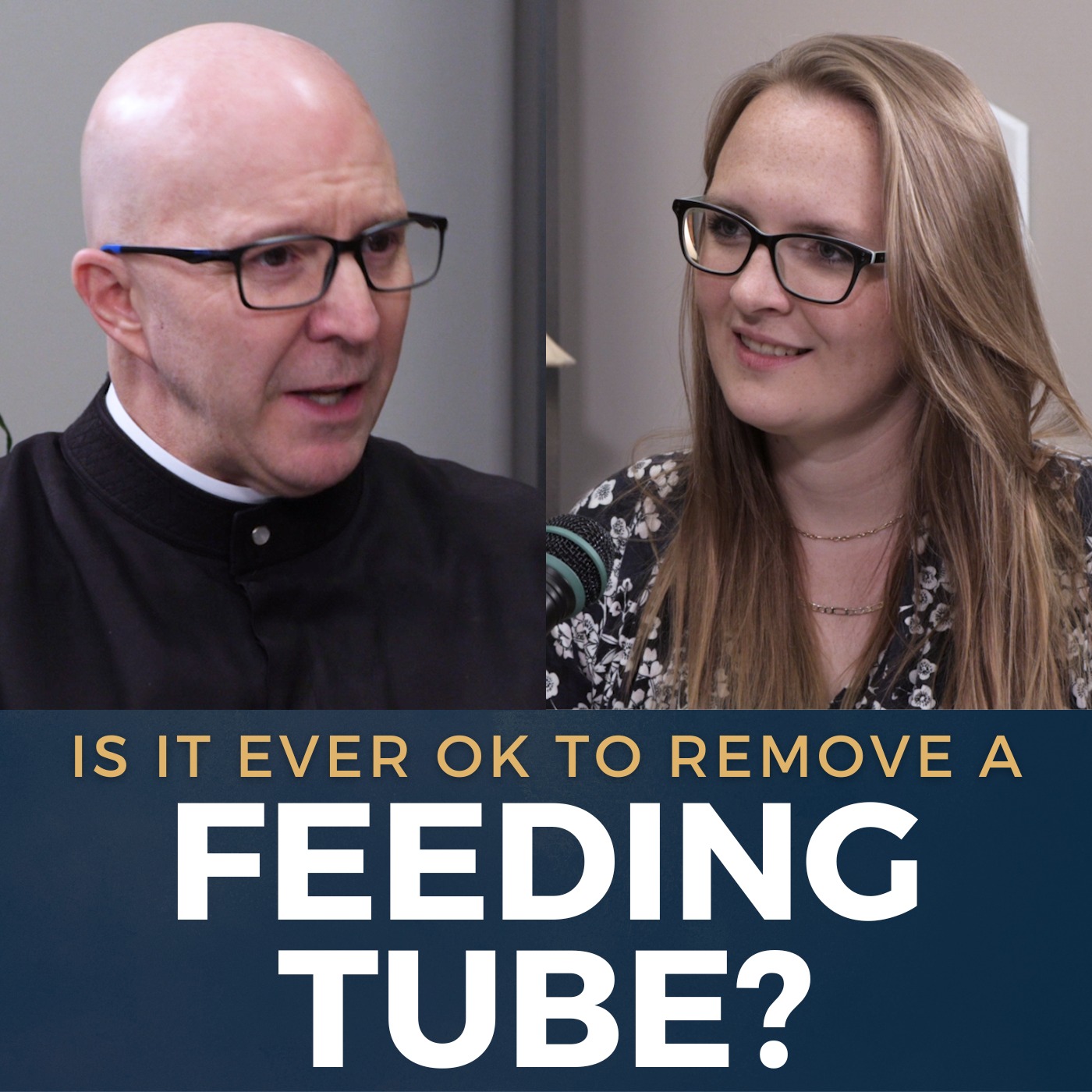
What Guides Catholic End-of-Life Decisions? A Foundation for Every Family (Ep. 1)
2d ago01:06:22Tap to summarizeMany faithful Catholics will eventually face end-of-life decisions, whether for a parent, a spouse, or themselves. Before we get into specific questions like feeding tubes, ventilators, and advance directives, this conversation lays the foundation: what principles actually guide Catholic end-of-life care?In this episode, Human Life International President Fr. Shenan Boquet walks through the Church's foundational principles for making ethical medical decisions — drawing from Catholic bioethics, the Catechism, and the Ethical and Religious Directives for Catholic Health Care Services.Fr. Boquet explains:The Church's approach to caring for the sick and elderly at the end of lifeWhy every human life possesses inherent dignityWhy the Church rejects euthanasia and assisted suicideOrdinary (proportionate) vs. extraordinary (disproportionate) medical treatmentHospice vs. palliative careComfort care, pain management, food and hydrationHow Catholic families should think about difficult medical decisionsWhy caring for the dying is a work of mercyThis episode is the first in a special series inspired by more than 200 questions submitted by listeners about Catholic end-of-life care. Future episodes will go deeper on feeding tubes, ventilators, advance directives, anointing of the sick, hospice selection, and other real-life situations facing Catholic families. Download HLI's Free E-book on Catholic End-of-Life Care: End of Life Decisions | Human Life InternationalEthical and Religious Directives for Catholic Health Care Services, 7th Edition: ERDs-7th-ed-Approved_2025-11-12.pdf🔔 Subscribe for the full end-of-life series and more Catholic teaching on life and family.
Transcribe →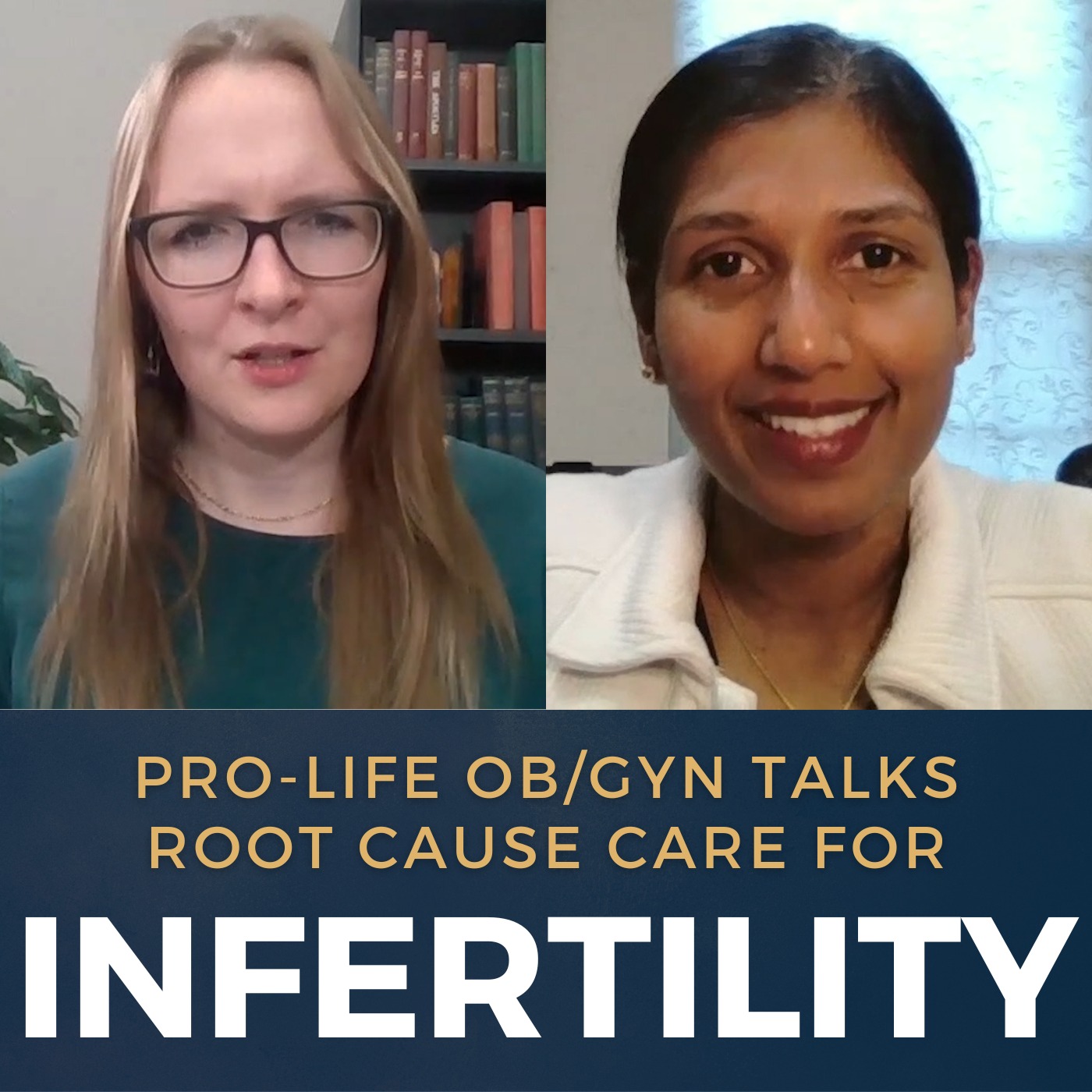
IVF Is Not Ethical—And It Doesn't Cure Underlying Fertility Issues | Dr. Monique Ruberu
1w ago00:45:42Tap to summarizeIVF is not ethically acceptable—and it doesn't actually treat the underlying causes of infertility.In this episode, pro-life OB-GYN Dr. Monique Ruberu explains ethical issues with in vitro fertilization, how the procedure works, and how root-cause fertility care offers a different path that heals underlying conditions.What are couples told—and not told—before beginning IVF? Dr. Ruberu walks through ovarian stimulation, egg retrieval, embryo creation, embryo freezing, and embryo transfer. She explains the physical and ethical concerns surrounding IVF, including the treatment of human embryos as part of a laboratory process.The conversation also examines:Why IVF is not an ethical treatment for infertilityWhy IVF bypasses rather than investigates the underlying causes of infertilityWhy “unexplained infertility” deserves deeper investigationThe connection between hormonal birth control and fertility careWhat medical students and OB-GYNs are taught—and not taught—about the menstrual cycleFertility red flags women may be told are normalWhat menstrual cycles can reveal about reproductive healthHow NaProTechnology and restorative reproductive medicine approach infertilityHow couples can pursue root-cause fertility care without IVFHow Catholics can explain the ethical concerns surrounding IVF with both truth and compassionDr. Monique Ruberu is a board-certified pro-life OB-GYN specializing in restorative reproductive medicine and NaProTechnology. Through Natural Women's Health, she helps women identify and treat the underlying causes of hormonal disorders and infertility while respecting both women's health and the dignity of human life.If this episode helped you understand Catholic teaching on IVF, infertility, or fertility treatment more clearly, like, subscribe, and share it with someone who is trying to conceive or wants to understand the ethical issues with IVF.This episode is for educational purposes and is not a substitute for individualized medical care. Speak with a qualified healthcare professional about your own health.Dr. Monique Ruberu's Website: Healthcare | Natural Women's Health | Pennsylvania
Transcribe →
Christian Hope Through Infertility: Grief, Prayer, Marriage & God's Presence
2w ago00:56:32Tap to summarizeInfertility can leave couples grieving a child they longed to welcome, questioning God in prayer, and struggling to carry the pain together in marriage. This episode explores the spiritual and relational side of infertility—and the Christian hope that can sustain couples through grief, waiting, loss, and unanswered questions.In this conversation, Dr. Marie Meaney shares her experience of infertility, miscarriage, and secondary infertility, including the long process of mourning children she never had.Dr. Marie Meaney discusses:Why infertility can feel like silent grief—and why mourning mattersAnger at God, guilt, feeling punished, and unanswered prayerHow to bring pain honestly to God while learning to receive grace for todayWhy husbands and wives may process infertility differentlyHow couples can communicate, avoid blame, and support one anotherThe spiritual and relational impact of miscarriage and secondary infertilityWhat friends and family should—and should not—say to couples experiencing infertilityHow parishes can offer real support, including compassionate pastoral careThe Catholic Church’s teaching on the immorality of in vitro fertilization (IVF) and the dignity of the child and the marital actRestorative reproductive medicine, including NaProTechnology and the Creighton ModelSpiritual fruitfulness in suffering and the witness of infertile couplesPractical resources including Springs in the Desert, the Surrender Novena, Catholic counseling, and pilgrimagesThis episode is for couples experiencing infertility, those grieving miscarriage or secondary infertility, and friends, family members, priests, and parishes seeking to accompany them with compassion and truth.Dr. Marie Meaney is the author of "When Expecting Doesn’t Happen: Turning Infertility into a Journey of Hope," which explores the spiritual, emotional, and relational challenges of infertility from a Catholic perspective.If this conversation encouraged you, like this video, subscribe to Human Life International, and share it with someone who needs hope today.Get Dr. Marie Meaney's book here: When Expecting Doesn't Happen: Turning Infertility into a Journey of Hope - St. Paul CenterHLI Articles for Individuals with Infertility:8 Comforting Bible Verses for Infertility5 Infertility Support Groups for CatholicsCatholic Teaching on Infertility Treatments
Transcribe →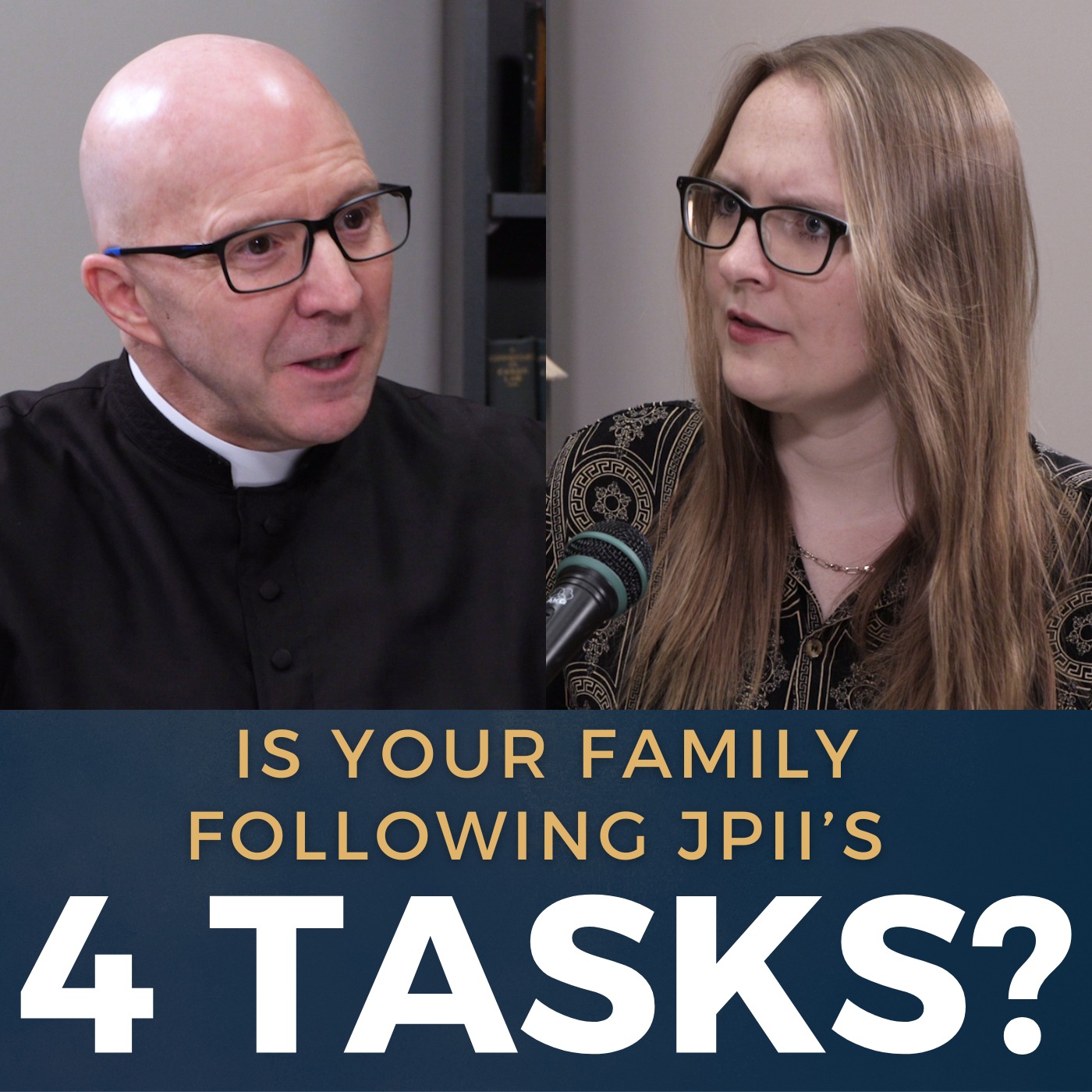
Familiaris Consortio: Will John Paul II's Vision Guide Pope Leo XIV's Marriage Synod?
3w ago00:57:47Tap to summarizePope Leo XIV has called a new Synod on Marriage and Family — and the key to understanding it starts with Familiaris consortio, St. John Paul II's landmark apostolic exhortation on Catholic marriage and family life.In this episode, Fr. Shenan J. Boquet joins us to unpack this foundational Catholic teaching document and explain why its vision for the Catholic family is more urgent today than ever. Written after the 1980 Synod on the Family, Familiaris consortio directly addresses today's most pressing challenges — declining marriage rates, contraception, divorce, abortion, IVF, parental rights, and the growing pressures on Catholic family life.The conversation also explores why Pope Leo XIV has called a new Synod on Marriage and Family, how apostolic exhortations differ from encyclicals, what a Synod of Bishops actually does, and why Familiaris consortio may provide the theological foundation for the Church's future teaching on marriage and family.Whether you've never heard of Familiaris consortio or are deepening your understanding of John Paul II's vision for the family, this episode offers an accessible and faithful introduction to one of the Church's most important documents.In this episode you'll learn:What an apostolic exhortation is — and how it differs from an encyclicalWhat a Synod of Bishops actually doesWhy St. John Paul II wrote Familiaris consortioThe four tasks of the Christian familyWhy parents are the primary educators of their childrenHow the family serves as the foundation of societyWhy these teachings remain relevant over forty years laterWhat Catholics can expect from Pope Leo XIV's upcoming Synod on Marriage and FamilyIf this episode helped you better understand the Church's teaching on Catholic marriage and family, like this video, subscribe, and share it with a faithful Catholic who needs to hear it.Full Text of Familiaris consortio: Familiaris Consortio (November 22, 1981)#FamiliarisConsortio #PopeLeoXIV #CatholicMarriage #CatholicFamily #JohnPaulII #Synod #CatholicTeaching #VaticanNews #CatholicChurch #Marriage #Family #Theology
Transcribe →
America at 250: The Untold Stories of Catholic Heroes Who Helped Build the Nation
Jul 201:04:47Tap to summarizeAs America's 250 celebrations begin, most people can name Washington, Jefferson, and Franklin — but almost no one knows the Catholics who helped build this nation.From Charles Carroll (the only Catholic signer of the Declaration of Independence) to saints like Mother Cabrini and St. Katharine Drexel who founded America's first hospitals and schools — the Catholic contribution to America is the history no one is telling.In this special anniversary episode, Fr. Shenan Boquet, President of Human Life International, joins us to recover these forgotten heroes — and challenge Catholics to carry that legacy into the next 250 years.In this episode, you'll discover:What St. Thomas Aquinas teaches about the virtue of patriotismCharles Carroll: the only Catholic signer of the Declaration of IndependenceBishop John Carroll: the man who established the Catholic Church in AmericaHow St. Katharine Drexel, St. Frances Xavier Cabrini, and St. Elizabeth Ann Seton built the institutions that educated and healed a nationServant of God Sister Blandina Segale: the nun who confronted Billy the Kid and won his respect through charityFanny Allen: the daughter of Ethan Allen who had a mystical conversion and became New England's first Catholic nunSt. Damien of Molokai, St. Marianne Cope and Servant of God Joseph Dutton— who embraced a leper colony in Hawaii when no one else wouldVenerable Rose Hawthorne: Nathaniel Hawthorne's daughter who walked through a broken marriage into religious life — and became a servant of the dying poorVenerable Fulton Sheen and the model of bold, unapologetic Catholic witness in the public squareWhat faithful Catholics are called to do in the next 250 yearsLearn more about Human Life International's mission to defend life and the family worldwide: https://www.hli.orgFeatured Catholic Figures: Bishop John CarrollCharles Carroll of CarrolltonDaniel CarrollThomas FitzsimmonsCommodore John BarryColonel John FitzgeraldSt. Elizabeth Ann SetonSt. Katharine DrexelSt. Frances Xavier CabriniSt. John NeumannSt. Junípero SerraSt. Isaac JoguesSt. Kateri TekakwithaVenerable Rose HawthorneVenerable Fulton SheenFanny AllenFurther Information on Featured Figures:America's Catholic Patriots | USCCBEight Ways that St. Elizabeth Ann Seton (and her Shrine) Played a Role in American History - Seton ShrineRevolutionary War Hero Ethan Allen’s Daughter Became a Nun After an Apparition of St. Joseph| National Catholic RegisterRose Hawthorne's Remarkable Life Story in the Spotlight as Sainthood Cause Advances - Archdiocese of New YorkDE SMET, PIERRE-JEAN (1801-1873) | Encyclopedia of the Great PlainsThe Nun Who Took on Billy the KidThe incredible life of Joseph Dutton, a servant to the saints and souls of HawaiiSr. Blandina Segale, Part 1: The Fastest Nun in the WestSr. Blandina Segale Pt 2: The Sisters Segale of Cincinnati and the Santa Maria Institute
Transcribe →
Theology of the Body and Humanae Vitae: St. John Paul II's Blueprint for Catholic Marriage (Part 3)
Jun 2501:02:39Tap to summarizeHow does Pope St. John Paul II's Theology of the Body help us understand marriage, family life, fertility, and the enduring wisdom of Humanae Vitae?In this final episode of Human Life International's Theology of the Body series, Adolfo Castañeda explains how St. John Paul II's Theology of the Body forms the definitive Catholic defense of Humanae Vitae — and why these two teachings together are the most complete roadmap for faithful Catholic marriage and family life available today.Drawing from Scripture, St. John Paul II's catechesis, and the Church's unbroken tradition, Adolfo unpacks:The Theology of the Body and the Sacrament of MarriageEphesians 5: Christ's Love for the Church as the Model of MarriageMarriage as a Visible Sign of God's GraceMutual Submission, Headship, and Authentic Conjugal LoveThe Song of Songs and the Book of TobitMarriage as a Path to HolinessHumanae Vitae and the Theology of the Body — their essential connectionNatural Family Planning (NFP) and Responsible ParenthoodContraception, the Birth Control Pill, and Catholic TeachingThe Family as the Foundation of a Culture of LifeAdolfo also explains why St. John Paul II saw the Theology of the Body as a profound response to Humanae Vitae — and how Familiaris Consortio extends that vision into concrete guidance for Catholic family life today.Whether you're preparing for your Catholic wedding, exploring natural family planning, studying the Theology of the Body, or defending Catholic teaching on contraception and family life in secular conversations — this episode is for you.📖 Documents referenced in this episode:— Humanae Vitae (Pope Paul VI, 1968)— Familiaris Consortio (St. John Paul II, 1981)— Theology of the Body (St. John Paul II, 1979–1984)— Ephesians 5 | Song of Songs | Book of TobitHuman Life International is a Catholic pro-life missionary organization. Visit HLI.org for resources on Humanae Vitae, natural family planning, Catholic marriage, and building a culture of life.Subscribe to Living a Culture of Life for more on Catholic marriage, pro-life issues, Catholic family life, and natural family planning.Learn more: Human Life International | Pro-life. Catholic. Global.Episode 1: Theology of the Body Explained: God's Original Plan for Man and Woman (Part 1) | Human Life InternationalEpisode 2: Theology of the Body (Part 2): Love, Lust & the Resurrection of the BodyHLI Articles on TOB: Theology of the Body: An Intro | Human Life InternationalLiving the Culture of Life
Transcribe →
Theology of the Body: Love, Lust & the Resurrection of the Body (Part 2)
Jun 1800:54:19Tap to summarizeIn this second installment of our Theology of the Body series, Adolfo Castañeda continues exploring the teachings of Pope St. John Paul II by unpacking Cycles 2, 3, and 4 of Theology of the Body.We discuss the meaning of purity of heart, Christ's teaching on adultery of the heart, the impact of lust and pornography on authentic love, and how original sin distorts human relationships. We also examine John Paul II's profound reflections on the resurrection of the body, our eternal destiny in heaven, and the role of Christian celibacy and virginity for the Kingdom of God.Whether you are new to Theology of the Body or seeking a deeper understanding of Catholic teaching on sexuality, marriage, vocation, and human dignity, this episode offers a rich introduction to some of John Paul II's most transformative insights.In This Episode:What Jesus meant by "adultery in the heart" (Matthew 5:27–28)Purity of heart and authentic loveThe effects of lust and pornography on relationshipsMarriage as covenant versus contractThe resurrection of the body and eternal lifeWhy marriage does not continue in heavenThe meaning of Christian celibacy and virginityMarriage and celibacy as complementary vocationsThe dignity of the human person in St. John Paul II's Theology of the BodyThis is Episode 2 in our three-part exploration of Pope St. John Paul II's Theology of the Body. In the next episode, we'll examine marriage, fertility, family life, and the Church's teaching on welcoming children.If you enjoyed this conversation, be sure to like, subscribe, and share it with others interested in Catholic theology, marriage, vocation, and Christian discipleship.Learn more: Human Life International | Pro-life. Catholic. Global.Episode 1: Theology of the Body Explained: God's Original Plan for Man and Woman (Part 1) | Human Life InternationalHLI Articles on TOB: Theology of the Body: An Intro | Human Life International
Transcribe →
Theology of the Body Explained: God's Original Plan for Man and Woman (Part 1)
Jun 1100:54:12Tap to summarizeWhat was God's original plan for man and woman — before sin changed everything? In Part 1 of this series, Human Life International's Adolfo Castañeda breaks open St. John Paul II's Theology of the Body (TOB) and reveals the Church's most profound answer to the Sexual Revolution.In this episode, you'll discover:• What God intended "in the beginning" — original innocence, original unity, and original solitude• Why the human body itself reveals God's plan for men and women• How original sin distorted human relationships — and what that means for us today• Why Theology of the Body is the Church's transformative response to modern confusion about marriage and sexuality• How this teaching serves as a roadmap to holiness for every vocationAdolfo Castañeda is the Director of Hispanic Education for Human Life International. Over this 3-part series, he walks through all six cycles of St. John Paul II's Theology of the Body: from purity of heart and the resurrection of the body, to celibacy for the Kingdom, Christian marriage, and love and fertility.Whether you're new to Catholic teaching or deepening your faith, this series will transform your understanding of human dignity, sexuality, and what it truly means to love as God loves.🔔 Subscribe so you don't miss Parts 2 and 3!About Human Life International: Human Life International is a Catholic pro-life missionary organization dedicated to building a world that values every human life and the family. Learn more: Human Life International | Pro-life. Catholic. Global.HLI Articles on TOB: Theology of the Body: An Intro | Human Life InternationalLiving the Culture of Life
Transcribe →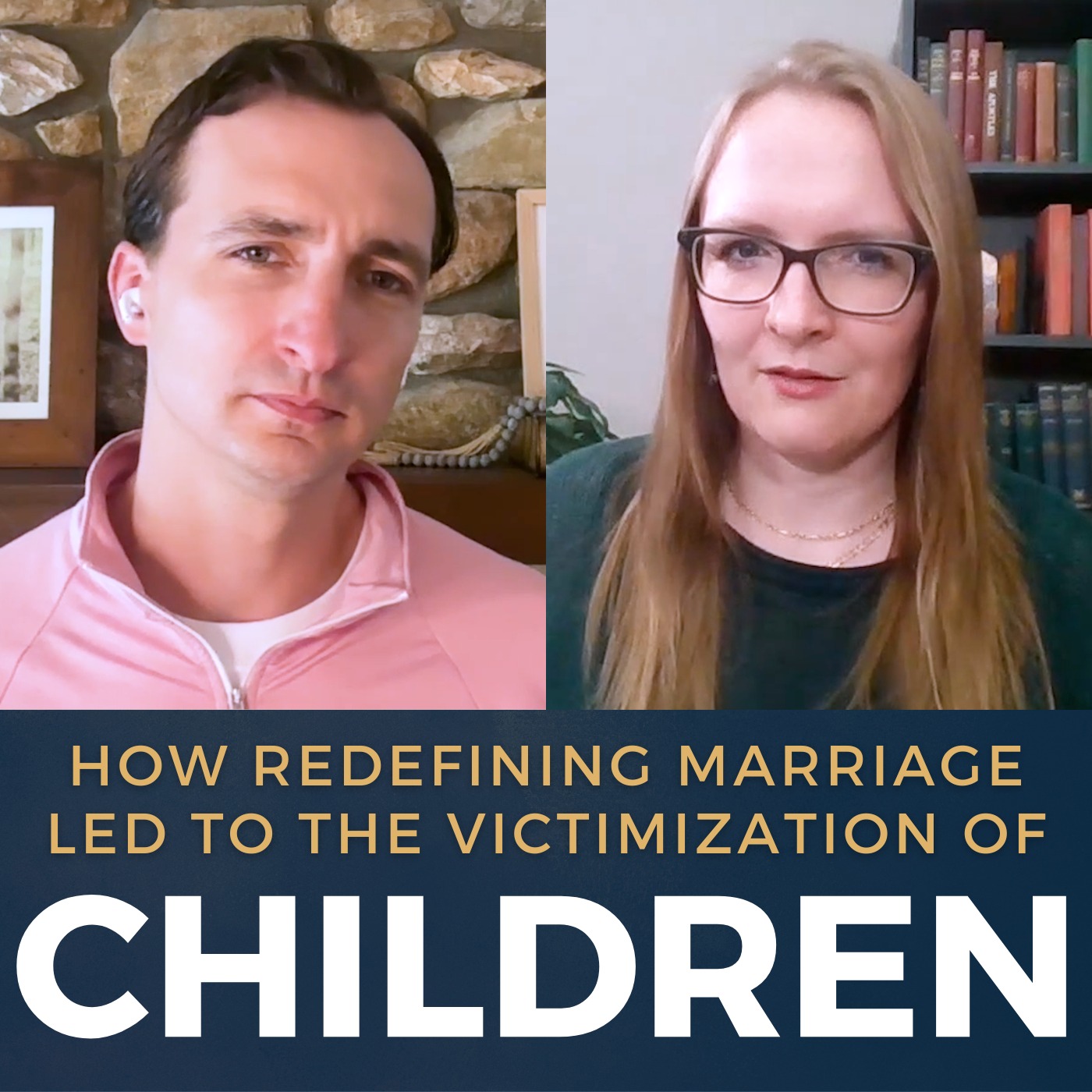
Can Obergefell Be Overturned? Josh Wood (Them Before Us) on Marriage, Parenthood & Child Rights
Jun 400:46:23Tap to summarizeWhat if the Supreme Court's 2015 Obergefell v. Hodges decision could be reversed — and why should every Christian and pro-life advocate care? Josh Wood, Executive Director of Them Before Us, joins us to explain why children's rights must be at the center of every marriage and family debate.In this episode, Josh introduces the Greater Than Campaign — a growing movement to revisit the legal redefinition of marriage and its downstream effects on parenthood, IVF, surrogacy, and donor conception.You'll discover:Why legally redefining marriage led to redefining parenthoodHow the Obergefell v. Hodges ruling opened the door to IVF, surrogacy, and donor conception as legal normsWhat the research says about child outcomes when children are separated from their biological mother and fatherHow to engage these issues using reason, evidence, and public policy — not just religious argumentsWhat the Greater Than Campaign is doing to protect children's rights at the legal and cultural levelThem Before Us is a global children's rights organization that approaches marriage, family structure, and reproductive technology through the lens of what's best for children — not adult desires. Their work complements the pro-life mission by defending the child's right to know and be raised by their biological parents whenever possible.📌 Resources Mentioned:🔗 Them Before Us: Them Before Us🔗 The Greater Than Campaign: About Us - Greater Than🔗 Them Before Us on Substack: Them Before Us | SubstackNote: This episode focuses on the child-rights and public-policy implications of marriage, parenthood, IVF, surrogacy, and family structure. Josh Wood speaks from the perspective of Them Before Us, a children's rights organization. Human Life International fully affirms the Catholic Church's teaching that marriage is the lifelong union of one man and one woman ordered toward the good of the spouses and the procreation and education of children. This conversation is intended to explore an additional child-centered and natural-law framework that can help Christians engage these issues in a secular culture.💬 What do you think? Can Obergefell be overturned — and should it be? Drop your thoughts in the comments.📢 Share this with someone who cares about marriage, family, and the rights of children.Living the Culture of Life
Transcribe →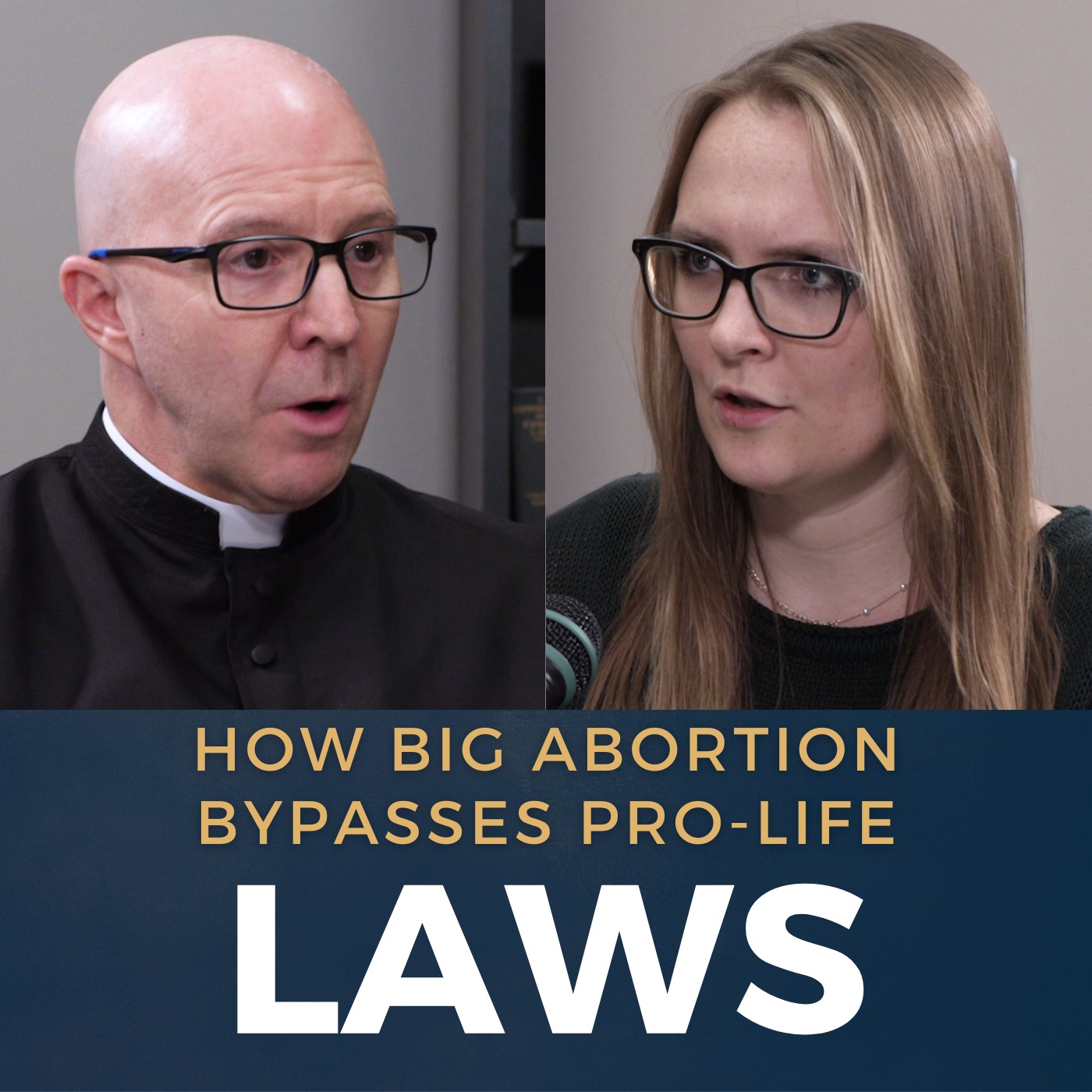
The Abortion Pill Crisis: How Mail-Order Mifepristone Is Undermining Pro-Life Laws
May 2800:54:51Tap to summarizeAbortion pills are now being mailed directly into pro-life states — and the dangers to women's health are being ignored. In this episode, Fr. Shenan Boquet breaks down the abortion pill crisis threatening to undo pro-life victories after Roe v. Wade.Fr. Boquet explains how mail-order mifepristone and telemedicine abortions are bypassing pro-life laws, the serious risks of RU-486 (mifepristone) and misoprostol, and what the Supreme Court's ruling on abortion pill distribution means for the future of the pro-life movement.Topics covered:How mail-order abortion pills are crossing state lines into pro-life statesThe Supreme Court abortion pill case explainedLouisiana vs. FDA and the future of abortion lawMifepristone and misoprostol: dangers and lack of FDA oversightAbortion pill side effects and women's health risksEctopic pregnancy complications and abortion trafficking concernsInformed consent failures and telemedicine abortion loopholesThe Comstock Act and abortion pill mailing lawsAbortion pill reversal — the treatment giving women a second chanceThe spiritual battle and the future of the pro-life movementFr. Boquet also reflects on why prayer, action, and informed advocacy matter more than ever — and why the fight for life is far from over.👍 If this episode moved you, please LIKE, SUBSCRIBE, and SHARE to help build a culture of life.Abortion Pill Reversal Helpline: 1-877-558-0333Fr. Boquet's Spirit & Life Article: Unmasking the Silent Horror: Chemical Abortion | Human Life InternationalLiving the Culture of Life
Transcribe →