← Living The Red Life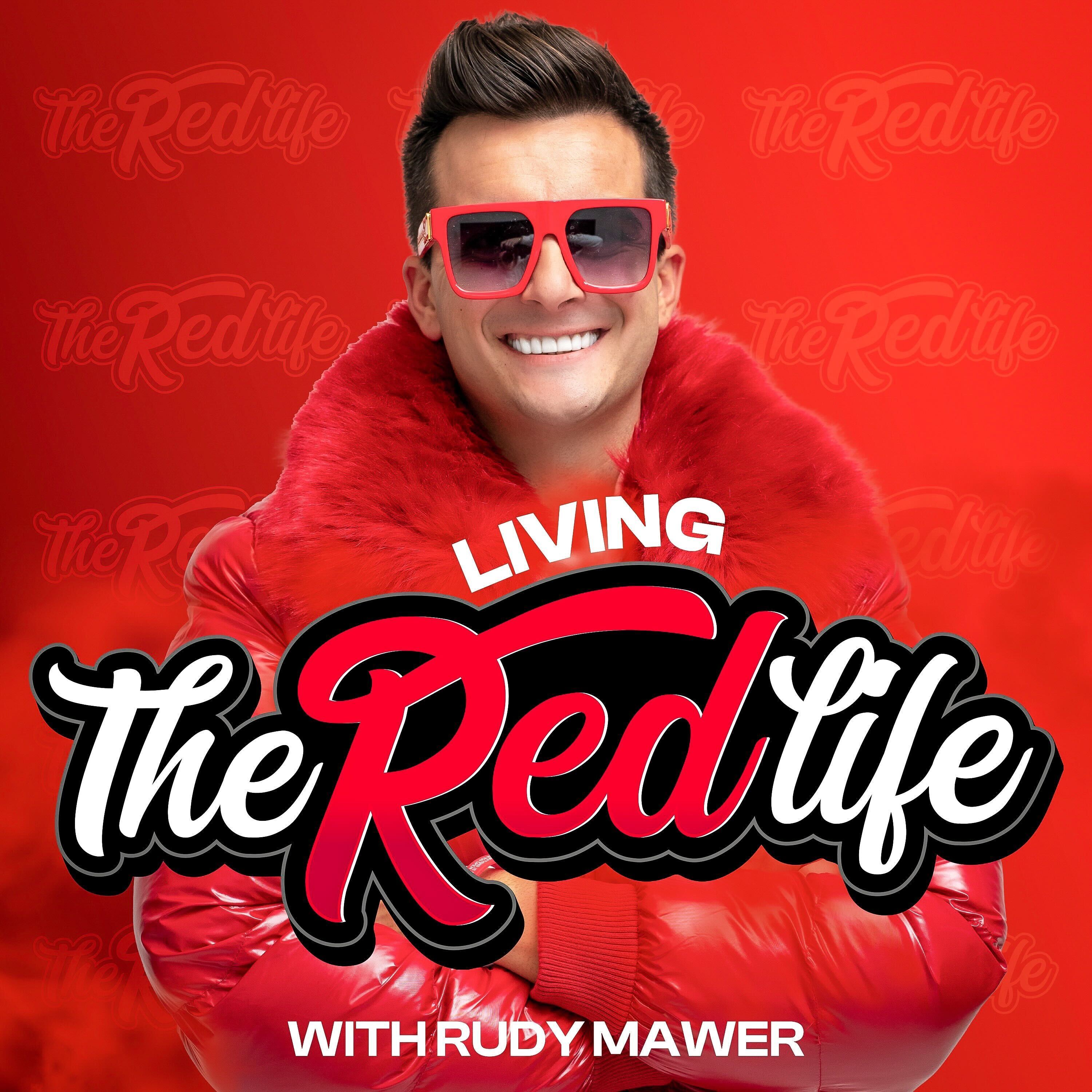
Loading summary
Transcript46 lines
- [00:00]
A
So Rudy, you were able to make your first million at a young age. What advice do you have for other entrepreneurs out there?
- [00:07]
B
Yeah, I think what helped me like make that much money so quickly, you know, in my 20s, was the ability to market. Right. Like I meet brand owners now that have been doing it 20 years. They don't know marketing, they don't know sales. And it's like you can't outsource that. Right. It's like outsourcing your own health. You can't. You kind of go to the gym and you got to, you know, look after yourself. And it's the same in your business. You've got to master marketing. That's digital advertising, social media, email marketing, all those key things because you can have a great product. If you don't market it, no one will see it.
- [00:38]
A
So where do you think people should start marketing wise, if they're just getting started?
- [00:43]
B
My name is Rudy Moore, host of Living the Red Life podcast and I'm here to change the way you see your life in your earpiece every single week. If you're ready to start living the red life, ditch the blue pill, take the red pill, join me in wonderland and change your life life.
- [00:57]
A
So you're a really good example of someone who's built a following and built your business online and you've been able to transition it into something more. Take us back. How did you start really building up a following?
- [01:09]
B
Sure, yeah. I mean I, I saw influencers with millions of followers making a lot of money. So I was like, I want to do that too. Like I want to help people and influence people. So really I, I, I found a niche, I started posting and I just learned to break the mold a little savings, a little more controversial or you know, create these crazy office spaces and backdrop. So I think standing out and finding your niche is something that I teach and really helped me start.
- [01:37]
A
Okay, amazing. So you started building this following and monetizing through like the traditional influencer, even though you're more of like an entrepreneur marketer. And then what sort of made you want to transition into where you are today? So first a little bit about where you are today.
- [01:50]
B
Sure.
- [01:51]
A
How that transition kind of.
- [01:52]
B
Yeah, I mean present day we have 110 employees, three divisions. So we have an entertainment TV, a movie division, we have a celebrity division where we build brands with celebrities and then we have a business education division. So we have over 50,000 students and live events around the world. We've hosted live virtual events with over 50,000 people and we teach Business, entrepreneurship and marketing. So there are three divisions, you know, Inc. 5000, one of the fastest growing companies in America, and yeah, done a lot and doing a lot of great stuff. And it's all centered around helping people make their lives better or their business better.
- [02:28]
A
You were able to transition from creating a brand, right, like being a brand online to now movie shows, being executive producer. What was that sort of transition?
- [02:38]
B
I think as an entrepreneur, like, I always challenge myself and looking for something new. And I've always been visual, I've always been creative, even as a kid doing art. And I love to create stuff and I've always loved TV and movies. But, you know, I think there's a lack of entertainment in stuff I'm interested in, which is like money, business, motivation, like being the best version of yourself. So I saw this gap in the market and as a true entrepreneur, I said, let me go fill it. Yeah.
- [03:05]
A
So what is your advice for people? Because you have a lot of those influencer types and they're looking to kind of jump to the next level like you are, but haven't been able to get there. So what's sort of your advice?
- [03:15]
B
Influencers have changed a lot over the years. I mean, I think the first five or ten years they would make a lot of money selling other people's products. Now they've realized, hey, it's better to create my own products. And, you know, I work, you know, two of my friends and clients are two of the biggest YouTubers on the planet. Over 20 million followers each and same thing again. They used to sell the other people's stuff. Now they've created their own brands and I've helped them. And one of them is a business partner where we do it together. So I think it's just realizing your audience wants your stuff, not someone else's, and they've learn that.
- [03:46]
A
So is that where you think the transition and change of ideas are from selling someone else's for like one check as opposed to building a feature and a legacy with your brand?
- [03:57]
B
Yeah, definitely. And there's two reasons for that. Reason number one is over. Like, audiences learn, right? And markets learn. So over the years, the audiences started to learn, hey, maybe this influencer wasn't so ecstatic about this product and they just got paid. So the return was less right for the brand and the influencer. And secondly, the influencer learned, hey, I'm getting five grand to do this post. The company is making 50 grand from selling the products. Let's just make my own products and I'll make the 50 grand and have a brand that has equity and an enterprise value.
- [04:30]
A
So you've really zoned in on the entertainment space. So like movies, TV shows, you said that was an interesting passion of yours. But where are you kind of with it today and where. What do you think the future is there?
- [04:42]
B
You know. Yeah, I mean I started, you know, on that road or path a few years ago, have my own show on Amazon prime that I partnered with a separate studio that are also, you know, had a similar vision called Sonic Gods. We created a show called 60 Day Hustle. We just filmed season two. And then on my own side, you know, we're creating four or five shows this year and a couple of movies. They're all more educational based, like documentary based or six part miniseries educational and then movies that are iconic pieces of history or biopics on famous people and how they got there in their story or movies that have underlying key messages to make people's lives better.
- [05:26]
A
So where do you go from here? You've already accomplished so much. What's kind of like the next step that you're thinking of?
- [05:31]
B
Yeah, well, I mean this entertainment side, so news. So like, you know, I really want to grow, you know, our network and our studio to become, you know, I mean, I always use this analogy. When you think of food, you think of the Food Network. Right. Geography, Nat Geo. Right. Sport, ESPN. I want people to think of us in five or 10 years of like business, money, making your life better and they come and watch our content.
- [05:56]
A
Okay, cool. So very basic. I know it's hard to generalize, but any sort of tips that come to mind for people in terms of starting their own brand and transitioning it into like a legacy that you're building?
- [06:08]
B
Yeah, yeah. I mean now is the best time ever to start your own business and brand. And I think Covid showed that like so many people went online and it's easier than ever before to start products, to launch products with AI, you know, to create websites, landing pages, emails. So go ahead and dive in and learn and realize your first product or brand won't be your last. It's going to be a sandbox and then learn to create something that's unique to you. Right. Like people resonate with you as a person. And the interlink between brand and personal brand is like this now. It's so locked together that create something that you really love and are passionate about and your followers can become passionate about too.
- [06:49]
A
Yeah. So going back a little bit, we talked a little bit about how you started. But tell us A little bit about your starting story and how you got to where you are today.
- [06:57]
B
Well, I started in England, a small town called Leicester. No money, parents weren't wealthy, but I was always entrepreneurial. Selling in school, I got banned from selling in school and then I got into real estate. As soon as I was 18, 19, I bought my first house and bought a bunch of real estate. Had an online training fitness business because my parents were semi pro or pro athletes. So I grew up in the sport world and then I just kept growing from there and I knew America was the place for entrepreneurship so I moved here 23, 24, grew a fitness business to 8 million and then I grew a marketing agency to even bigger than that. And then you know, fast forward to today we have our three divisions and enterprise.
- [07:41]
A
Amazing. So what I guess kind of summing everything up, where do you see the state of branding marketing? Online influencers, let's say 10 years.
- [07:52]
B
Yeah, I mean, I mean AI is going to play so much into the next five or 10 years of growing businesses and brands and influencers learning how to integrate with it. Because you know, I have 100, 110 staff, you don't need that many these days. You know, you can do so much which is AI and maybe one or two. So that's great, that's easier to start. But I do think because I will automate so much that actually that personal touch and that uniqueness of you as an individual and what your brand stand for will become even more important because it's the only thing that will separate everyone out there.
- [08:27]
A
We see personality driven content now, but it seems like even as AI becomes more prevalent, it's prevalent. We see personality driven content now but it seems as AI becomes even more prevalent, that's going to become even more important.
- [08:41]
B
Yeah, definitely. And I think, you know, finding those unique angles and standing out, you know, like the, I hate to say it to everyone but I'm like the biggest influencers and the social media people, they're very extreme and like most people fail because they're so scared of what other people think. But you go look at like the Jake and Logan Paul of the world and people like that, they've become so viral and successful because they don't care what anyone thinks about them. And so you do have to get out your comfort zone too because it's so hard to fight for attention online. It's very rare to get someone captivated and then follow you for many years. So whatever you can do to really stand out and be unique is so Important.
- [09:24]
A
Yeah. And you kind of have your whole thing going, the red. I wanted to match you. So tell us, how did you kind of find your personality online?
- [09:33]
B
Well, I realized because I had worked with a lot of influencers and been into social media since it started. I started to see the writing on the walls 10 years ago and then I saw, you know, going well, how can I separate myself? What can I, you know, use to create my own little brand? And I went with red and my marketing firm because they say don't use red in marketing and business because it means warning. Whereas what I teach is how to send out how to get attention and how to be different. And red was my favorite color as a kid. And then I said I'm going to, I've always done the opposite of what everyone says. So we created this red brand out there and you know, it just got more and more popular and great feedback and now the all the offices are red, the staff wear red and everyone knows me as the red guy.
- [10:18]
A
So Rudy, you were able to make your first million at a young age. What advice do you have for other entrepreneurs out there?
- [10:24]
B
Yeah, I mean what helped me like make that much money so quickly, you know, in my 20s was the ability to market. Right. Like I meet brand owners now that have been doing it 20 years. They don't know marketing, they don't know sales and it's like you can't outsource that. Right. It's like outsourcing your own health. You can't. You got to go to the gym and you got to, you know, look after yourself and it's the same in your business. You've got a master marketing, that's digital advertising, social media, email marketing, all those key things because you can have a great product. If you don't market it, no one will see it.
- [10:55]
A
So where do you think people should start marketing wise if they're just getting started?
- [10:59]
B
Yeah, I mean social media, it's free, it's easy, you can post, you don't have to be a perfectionist. You know, you just got to get content out there. And again like going to the gym, you got to get your reps and just do it every day and find something unique that people want to learn or follow or listen to and just keep doing it. Yeah.
- [11:16]
A
And you think really showing your personality, being personality driven is, is where it's going to be at for the next.
- [11:21]
B
Yeah, yeah. Personality based and uniqueness. Right. Like, I mean there's so the problem because social media is so easy to start. There's so much of it. So if you just do it like everyone else, you won't stand out. So like, don't be afraid. You've got to. I always teach people, I'm like, your post should kind of like make you a little nervous. That's when you know it's going to.
- [11:39]
A
Be a good post, make a little bit uncomfortable. So it's like, I guess that's a big challenge for a lot of people these days. Everyone's online, there's a lot of noise. So figuring out what's authentic, show you what's your niche and stand out that way.
- [11:51]
B
And it's a big challenge because from a child, we all care so much about other people's opinion. One reason I'm successful is I don't care about other people's opinion. So it lets me be whoever I want to be, say whatever I want to say, and do things that most people would say are stupid or unreasonable or don't make sense, you know, and you go look at all the top business owners in the world. They don't care. They have their dreams and goals and they just chase it. So that would be my kind of like wisdom piece of advice for people is get yourself out there, don't care about what other people say, and just go, do you.
- [12:22]
A
You obviously have a lot of success, but every, every business owner has faced roadblocks and challenges. What do you think some of your biggest were? Or maybe your one biggest challenge and how do you overcome.
- [12:34]
B
Yeah, they're never ending. And I always teach people they're going to get bigger. Not, you know, not, not. You just get more equipped and more seasoned at handling them. We've had employees steal hundreds of thousands of dollars. You know, we've had websites hacked, you name it. Like, you know, I've had all the stories happen to me and I'll have plenty more happen to me, sadly. But I always teach businesses like boxing. Don't get in a boxing ring and think you're not going to get punched if you go. If you become a boxer, you can get hit in the face a lot. If you start a business, you're going to get hit in the face a lot too.
- [13:04]
A
So talking about the future with AI, what do you think? We talked about being personality driven, but how do you think AI is really going to change what you're doing in the. And are you integrating it yet?
- [13:15]
B
Yeah, we were one of the first to actually integrate AI and we actually train entrepreneurs on how to do that from third business, the education side. So we've already trained over 150,000 small business owners how to use AI in their business. It's very powerful. I kind of knew that this was going to be big because we're very tech orientated as a company anyway. So literally as it came out we were already using it. Yeah, it's massive. It's massive for small businesses too because it allows like you know, the solo entrepreneur to do things that people with 10 or 20 or 30 employees could only do before.
- [13:50]
A
Like what, what do you think are the biggest things that.
- [13:52]
B
Yeah, I think every business owner should be using it for content creation, for design, for can help with sales and lead generation. Admin. There's so much you can use it for admin and then more complex, you know, if you have a tech team actually building AI integrations and automations, it's pretty crazy what you can do.
- [14:14]
A
It's amazing. And do you think the technology will just become more and more advanced and continue to completely revolutionize how we do business?
- [14:23]
B
Yeah, I see AI like right now it's like when the phone came out, right when the phone, mobile phone came out, you had a Nokia phone, right? And you could play Snake, you could text and you could, you could ring people and that was it. And we all back then thought it was probably crazy and now look at what we can do on an iPhone. ICAI like the Nokia phone, you know, when it first came out, what, 25 years ago? So imagine it. And I don't think it's going to take 20 years to get to the iPhone level because AI is more self adapting and self evolving than any other technology. Sam.