Loading summary
Transcript29 lines
- [00:00]
A
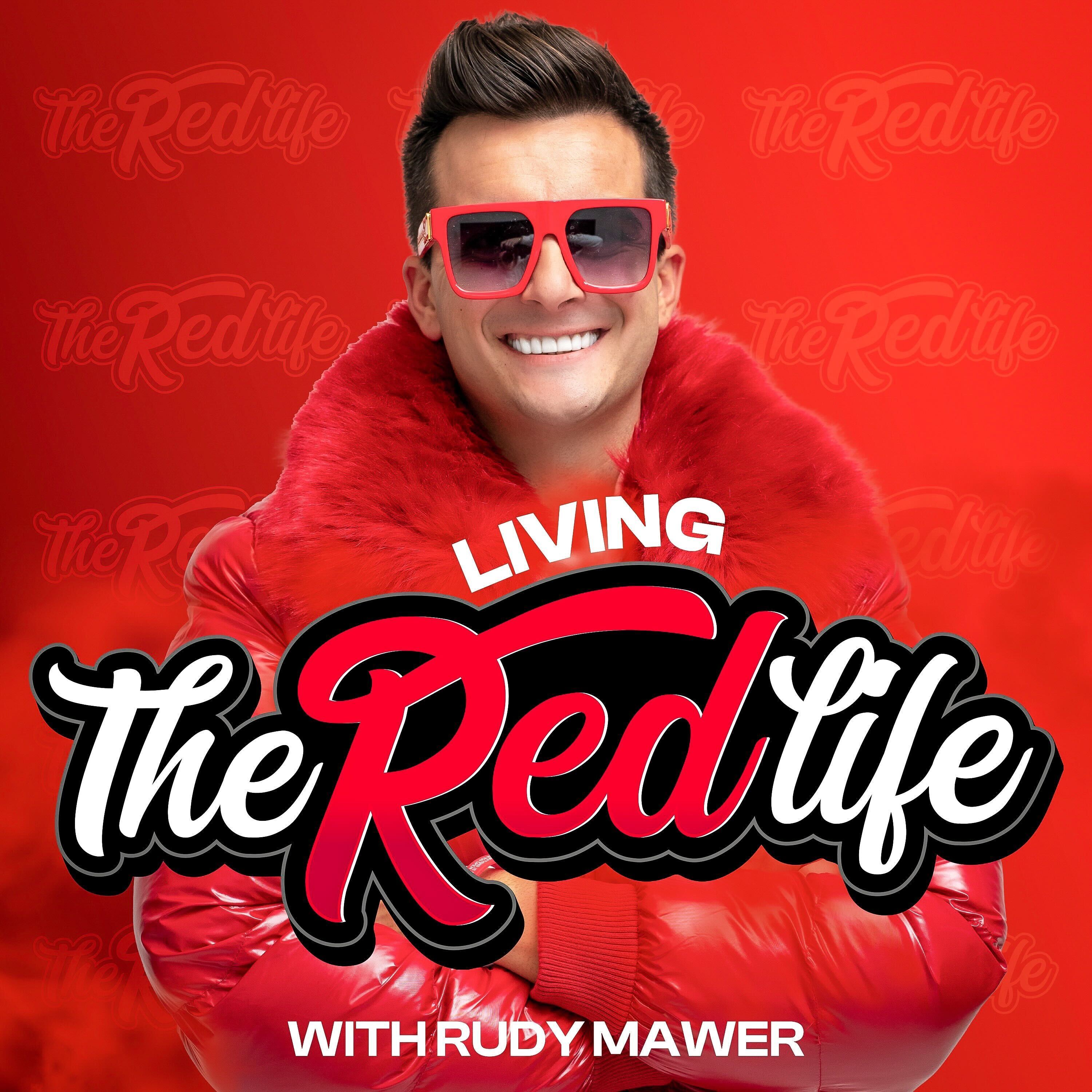
My name is Rudy Moore, host of Living the Red Life podcast, and I'm here to change the way you see your life in your earpiece every single week. If you're ready to start living the red life, ditch the blue pill, Take the red pill. Join me in wonderland and change your life. Hello and welcome back to another episode of Living the Red Life. Joining me today is Polly and she's got a pretty exciting story to tell and an amazing business. She's an inventor and what I'm really fascinated to talk about today is the products she's invented have helped impact over a million children's lives and many more million to come. We're going to dive into her business, how she's done that and then, you know, talk a bit about how she's built the businesses. And one particular thing that's really important that I want to dive into today, which is the who, not how that you can apply and really grow your business with this model. Right. So welcome to the show.
- [00:50]
B
Thank you, thank you for having me.
- [00:52]
A
So a million people, pretty. A million children, pretty crazy impressive. Let's go through that. For everyone that doesn't know who you are, how did you help a million children?
- [01:02]
B
So I invented a product called the ledgie liner and it's a rolling ink stamp that prints handwriting lines. So it's just a little simple stamp that you put on paper and it rolls out handwriting lines so kids can practice more consistently. So the we, the way that we think we've helped over a million children is because we've sold thousands of products to teachers, homeschool moms, other school based occupational therapists and they're now using those in their classrooms. And in every classroom there's 20 or 30 children and so they've been able to utilize the stamps to improve their handwriting.
- [01:33]
A
And what, what got you into, you know, I love the entrepreneur story, right? Like what got you into this? It's pretty random product.
- [01:42]
B
Yeah. So I'm an occupational therapist and I work in the schools with children. I've always had an entrepreneur spirit back in the day when I was younger, babysitting and doing different activities, crafts and things that I would sell. I did a couple of other small businesses like home party companies and things like that and always tried to be generous with what I did and give back to whatever I did. One business that was really interesting, it was where I did a home party and 100% of anything I made, I gave to a charity and it just was such a feel good because I didn't need the Money. But I wanted to have a purpose, and so kind of always led my business with a purpose. And what exactly is my purpose? And so for this particular business, it's been super fun to see that I can impact so many lives.
- [02:31]
A
Yeah, I mean, that's what great entrepreneurship is. It's obviously, it's building a great brand, great products, making a lot of money, but really, it's like the. The other side that most entrepreneurs are focused on is the impact that that can make. Right. And I think a lot of us create a product because we see a gap in the market, you know, or we go through some sort of problem ourselves and can't find a solution, so we learn how to fix it. So let's talk a little about the business side, too. Just quickly. Obviously, you've sold thousands of copies, been in business a long time, and we're going to talk a little today about the who, not how. So what does that mean to you? And can you define that for people listening?
- [03:09]
B
Yeah, sure. So I think initially, when I first started and I came up with this idea, I was, you know, pushing into a classroom, and I was drawing lines by hand, so I knew there was a problem that needed a solution. And so when I was at a scrapbooking retreat, I thought of, you know, I was practicing stamping with these rolling stamps, and I said, I just need one with my pattern. And so I went to look to buy one, and there wasn't one existed. So contacted the manufacturer and had one made. Well, I started carrying that around everywhere, and the teachers were like, that's incredible. Oh, my gosh, that's amazing. You need to patent that. And so then it was like, okay, wait, maybe there's something to this, and I want to have this product out there. And so as I've been developing more and more products, then I've been able to impact more and more people. And so, but with that comes more and more challenges, Right? So how do I come up with packaging? How do I distribute it? How do I market it? Who is the best person? And I didn't have those skills, so first started out, like, reaching out to people that had that experience and how do I do packaging? How do I do marketing? But then realized as I started becoming more of the best proponent of my product, I'm the best promoter. Then I had to hire somebody to do the other work for me. So as much as I love to be on my design or in my Canva or on my YouTube, it's much better for somebody else that can do that. For me, because my time is worth. What I want to do is promote my product and reach out to make those connections and those business networking.
- [04:41]
A
Yeah. I think far too many entrepreneurs get stuck, right. Doing all the other stuff so they're not promoting the product. Post on the marketing, making big partnerships, deals. Right. Collaborations. I think that's the problem. Like, I think you've got to be able to, you know, find the right people that can do the little things so you can work on the big things.
- [05:01]
B
Yeah.
- [05:01]
A
If someone's listening and they're like, really? That's me, what would you say to them?
- [05:06]
B
Oh, I would say definitely don't penny pinch it. You know, that's what I am so good at problem solving and I am so good at the details with like every little step that was along the way that I wasted time and money. And as much as it was cheaper for me to do it, it probably would have been cheaper for somebody else to do it. So I have a habit trying to do things at a low cost or a low budget. And yet sometimes you just got to take that step and that step in faith and say, I'm going to invest in this because it's investing in my company versus actually spending the money. Like, don't think of it as spending the money on advertising or social media, but you're investing in your future and someone else is probably 100 times better at it than you are.
- [05:50]
A
Love that. And what's a great. I mean, in your experience, I'll add to. But what's a great first hire for a lot of people listening?
- [05:59]
B
So my first hire was my husband, to be all honest. Yeah. Employing your family and having them help you out. But honestly, the first hire I went with was a virtual assistant.
- [06:11]
A
Yeah.
- [06:11]
B
And so I had somebody else doing my YouTube channel and trying to build my YouTube channel. And actually my first was a social media person.
- [06:19]
A
Yeah.
- [06:20]
B
Yeah. Because there's just so many different platforms. I knew Facebook, I knew nothing about Instagram. And so now I'm big on both and I'm a little bit on TikTok and I'm starting to build my YouTube. So, yeah, it's like it's. It's common stages one.
- [06:33]
A
I think what's great too, that, yeah, it's like it's so easy to hire these virtual assistants or virtual social media people. And yeah, they might not be like super crazy good rock stars, but for a grand a month, for a lot of entrepreneurs, even if they just do all the random stuff you're doing in that saved time, you can easily generate the grand a month. Right. 1,000amonth. And then in all your extra free time, you can grow the business. So I'm still fascinated when I meet people that don't have, you know, at least one virtual assistant doing a bunch of little things for them. And let's talk a little more about the who, not how. You know, that. The reason I love that sort of saying right. Is I mean, as entrepreneurs, we fall in the habit of trying to do everything right. And I've learned as I become more successful now, when I want to take on something big, I just go find someone that's like an expert at that. Right. So if I want to start doing licensing, I'll hire a licensing expert if I want to. You know, when I. We expanded our brand into the LATAM market, so South America. And instead of just trying to run ads in South America, we did two things. We partnered with the biggest education software provider out there that had millions of users already, and they flew me out and I spoke at their events. And then I partnered with a. An actually an old client, a friend of mine, that has 8 million followers in that marketplace, and we did some joint products together. And that's a great example of the smart way to do it. You know, the who, right, not the how. Right. How would have been just, you know, how do I run ads and translate it all into Spanish and. Or whatever. I didn't even need to do that because my friend and the company translated it all for me and brought a translator live on the zoom calls and everything. So I think that's a great example of the who, not how sort of philosophy. Yeah, what. What for you now, where you're at, what's the next sort of big steps for you that you're working on in the business?
- [08:34]
B
Yeah. So I have found that one of the best ways to promote my product is in person, a vendor event or a conference and sponsoring a conference or buying a vendor booth. And so what I've seen with that is other solo entrepreneurs, people that have started their business and they have a product, but they don't have a business. And one of the lessons I learned along the way was I was listening to Shark Tank and they had one of their product pitches on there, and the shark said, you don't have a business, you have a product. And that really stuck with me because I know I have a product, but I really wanted a business. I wanted something that was tangible, there was more to it. And so I started. Started looking into what that meant and looking at bringing Value to not just selling a stamp, but that I have lesson plans, I have worksheets, I have training videos, I have more to go with the business that has been adding value. So because of that I have grown to a certain level and certainly investing in myself to try to take that next step. But I run into a lot of entrepreneurs that are in my same boat that just have a product and so I'm trying to teach them as well. Hey, this is what I learned on the way. Let me help you shortcut that. Let's skip this and let me tell you my experience. And so through doing that I found more networking opportunities and that there is a desire out there for like a mastermind group. And so we've decided to maybe look into doing this mastermind group where I have a Facebook group of my customers that follow me and my community, but I now have an entrepreneurs Facebook group that have just that product and has something to do with OT or education and being able to bring them together and just provide them with a little bit of tidbits of strategies and tips and tricks and they are just so thankful and it really fills me to help other people and to help fill their knowledge of what they are.
- [10:32]
A
I love that and I want to talk about the part of that. So if someone's listening they're like, yeah, I have a product, not a business. What are some things you tips you have and things you discovered when you were diving down that?
- [10:43]
B
Yeah, so one of the things is your email list. So you know that one day when TikTok went away, right. And all those people that had influence on there, it was gone. Right. But your email list still exists.
- [10:55]
A
Yeah.
- [10:56]
B
And as much as I hate email and it's annoying and I get thousands a day, it's really your asset. It's a business asset. And so how else can you build a business asset? So you can build business through your influencers to build your product brand. But what can I do on their platform? So I have found my audience sits on other people's platform and then I will go and do a free training. And so being able to expand my audience because I'm adding value. I add training videos and I tape record everything that I do and so that lives on my YouTube channel or it lives in my membership area. I've learned that recurring revenue helps to increase the value of your business. So I have a membership program and so I have that monthly recurring revenue that then goes to add value to my business.
- [11:45]
A
Love it. Next question I have for you. We've talked A bit about the business product. We've talked about some lessons, right? And hire and finding the right people to help you go to that next level versus just trying to do it yourself. But I like to ask every entrepreneur on here, like, it's not a straight line to success, right? So what's been one of the biggest challenges or problems you've had to overcome since starting the business?
- [12:09]
B
So I think the biggest problem has been competitors and people that have copied me. So I have a product that I was patent pending on and it went viral on Amazon. I had a kindergarten teacher post about it. It went crazy, it oversold. And I didn't know that I had keep selling until you know when you're out of stock. I didn't know that button was on. And so it kept selling when it was out of stock. And so I'm calling Amazon, like, how do I turn this off? And so they turned it off for me. But then it was, I had all this damage that was done and orders that didn't get filled and orders that got canceled. Some of the customers canceled, some I canceled, some Amazon canceled. And then I had people trashing my business. And they were like, this is a fraud. This isn't real. This is all fake. And it's like, no, I'm a real person. I have a real product. You know, I'm sorry that, you know, I didn't understand Amazon when I started out. And so that little tip right there, I hope can help some other product entrepreneur. But it really was catapulted me to this point where I'm looking on Amazon and someone else had my product. And I was like, that's my product. And so I, I messaged Amazon and I said, they are copying my product. Well, unbeknownst to me, they weren't copying my name. So therefore I couldn't take down their listing. So they were, they had copied my idea, but it was nothing I could fight. And so, you know, I have learned now to fight back with other strategies. So some of those strategies might be where their particular. They have one item that they've copied out of my 19 different products. So where their one item shows up, my whole brand of products show up. And I advertise on bundles because in handwriting, it's more than just a stamp that helps them handwrite. It's a progression. It's a therapeutic approach to taking handwriting from this stage to this stage to the smallest, to your neater handwriting. And so because my stamps allow them to progress through their status and how they're improving their handwriting. So that's where I am different and I'm. I have the knowledge and the expertise behind the product and it's not, not just a stamp that has been copied.
- [14:27]
A
Yeah. Love it. Yeah. I mean, it's. Whether it's an online course, it's a service or it's a product, people are going to copy it. Yeah. So I, I've seen it too many times. So, last question, someone's listening. They want to check out the products, check, learn more about you or contact you. How do they go about doing that?
- [14:44]
B
Yeah. So the best way to follow me on social media, I'm at Legiliner on Instagram and at legi dash liner, that's L E G I L I N E R. And as far as following me on my website, it's ledliner.com I have a YouTube channel and I also have a membership site which is legiliner.net.
- [15:05]
A
Love it. Well, that's a wrap, guys. As always, such an impactful lesson there. And it's so fascinating how one product, you know, can change the lives of a million plus people or in this case, children. That's what we all strive to do as entrepreneurs. And that's why I wanted to, you know, have this feature today and really showcase and highlight that and hopefully you got some good nuggets and marketing business lessons along the way. So go check out the products, of course, and the brand and as always, keep living the red life. I'll see you guys soon.