← Living The Red Life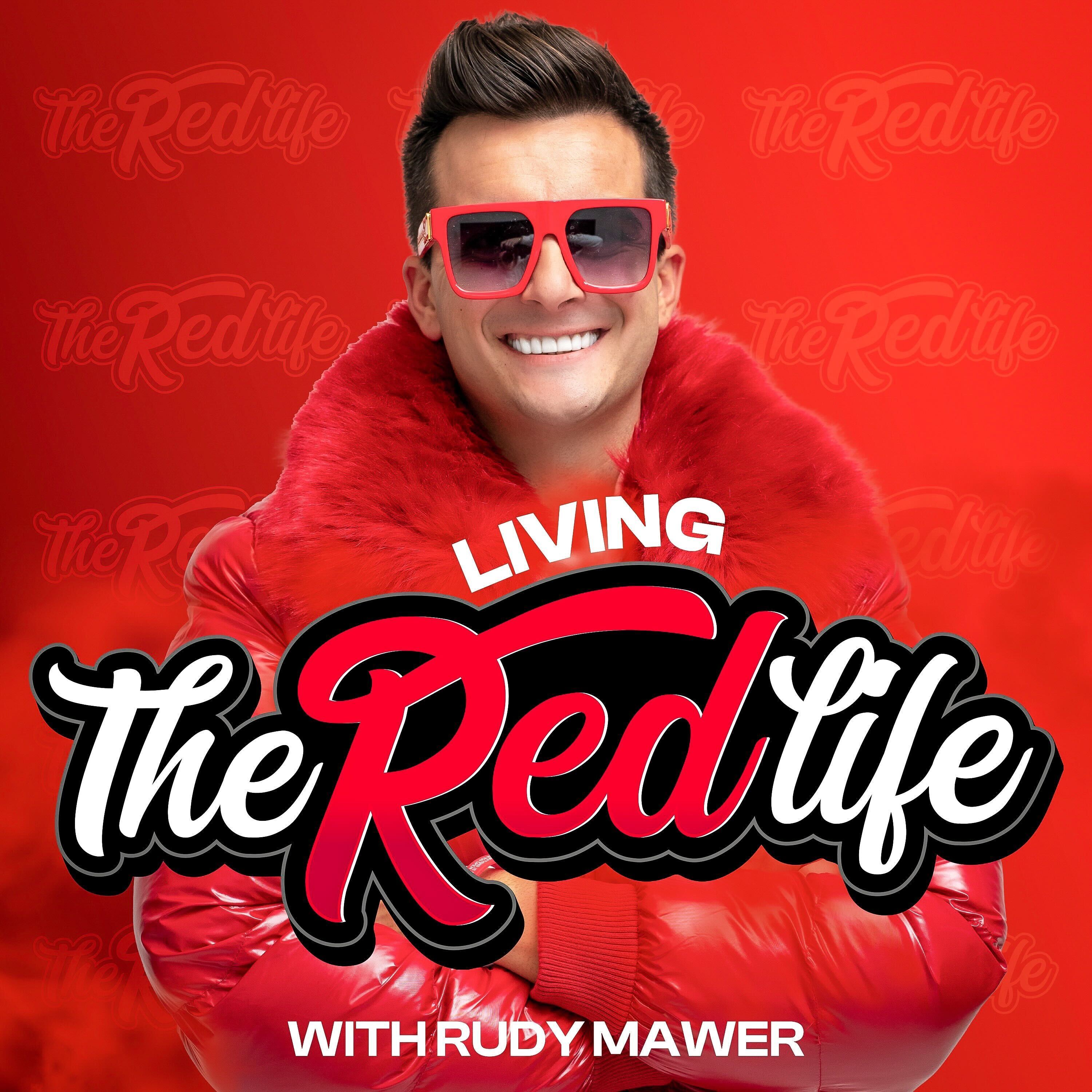
Loading summary
Transcript48 lines
- [00:00]
A
Everyone doesn't have to be exceptional at the best thing.
- [00:03]
B
I say, you know, if you're not good at it, but you've got to then be willing to hire, pay the money and find the good people to do it.
- [00:09]
A
Totally. And I think the other thing that might stop entrepreneurs is what, what you.
- [00:14]
B
Were doing back then now is what the econ playbook is right around content. But back then it was, it was way more unique and, you know, you had much more organic potential too. Right.
- [00:26]
A
I think we've gotten into maybe like a, a smaller sphere of maybe like what community or UGC content looks like where it's very focused, like on the unboxing experience or like something shot in the home where it's like, hey, here's my problem, here's my solution, here's the reason why you should believe me. I think we get into these ruts where it's like, okay, everyone's doing this, we got to do this. Or here's what this company does. So I'm going to do this. I guess the point maybe I would try to leave people with is my.
- [00:53]
B
Name is Rudy Moore, host of Living the Red Life podcast and I'm here to change the way you see your life in your earpiece every single week. If you're a ready to start living the red life, ditch the blue pill, Take the red pill. Join me in wonderland and change your life. Hello and welcome back to another episode of Living the Red Life. Joining me today is Preston. He's a brand product owner, a very successful one, was one of the co founders of a brand you may know called Chubby's. I've definitely owned a few pairs during college and all my college friends were big fans. So excited to dive in and talk about the brand and the entrepreneurial journey. So Preston, welcome to the show.
- [01:30]
A
Rudy, thank you for having me pumped to be here.
- [01:32]
B
Yes. So let's talk about as an intro, like most people probably know the brand, but you guys hit some pretty big benchmarks and achievements. Right. Can you just talk, talk us through how Chubby's has grown right from where it started and some of the big achievements and journey.
- [01:49]
A
Sure, yeah. So started the brand, one of four co founders, started it in late 2011 and went through, I think, all of the journey of highs and lows of building a consumer brand and, and just a small part of the team, but very fortunate that the business went through a great acquisition and was part of an IPO shortly thereafter and is now doing extremely well as a public company. A hundred million plus Run rate, very profitable, still growing. Kind of a testament to building a strong brand.
- [02:19]
B
Yeah. And what I love and reason I wanted you to come on is I like to look at businesses where it's like, hey, we sell socks or bottles of water. Right. Like, I always like to use liquid death as a great example because people think it's hard to sell. And I'm like, no, you just lack creativity. Right. And I think shorts and stuff is a good example of that. There was a lot of, like, when you started brands that sold shorts. Right. So how did Chubby stand out and do so well and hit, like, you know that. That avatar. Right. You did such a great job of, like, hitting the avatar of me and my friends when we were in grad school. Can you just explain that to the audience that don't really know the story behind Chubby's and why it was unique?
- [02:59]
A
Sure. I think the general idea is, how can we be the opposite of what status quo was at the time. Right. Think back 2011. So now what, 14 years ago, there was a very different vibe associated with men's fashion. Right. It was very serious. Too cool for school. You have to look a certain way in order to be the in crowd. And so our idea was, let's just try to be the opposite. Everyone can just be themselves. We had elastic.
- [03:25]
B
That's probably why I liked it because I've always been kind of outrageous and different and.
- [03:30]
A
Right.
- [03:31]
B
You know, obviously you can see the red hair. And everyone knows me for. For this. So it's probably why I was a big, big customer of yours back in the day, too.
- [03:38]
A
Totally. Yeah. I mean, just. Yeah, be yourself. That's great. Stand out. I mean, we did bright colors. Right. They were obviously a shorter short, which was less common at the time. But to your point, still a commodity. I mean, it's just a pair of shorts. Right. So we had to stand out and try to build an association with that commodity product to justify. Right. The price point. So, yeah, it was basically the general idea of, hey, this is kind of like the vibe of a group of friends that is continually growing, that being the customer base. And so everything kind of laddered up to that. Our communication. It was like, we're not a company talking to customers. We're just a friend talking to another friend. Right. Treating you as a friend, like, not some faceless customer, and then just trying to make the best possible content, like in the same way that you might share photos of your weekend with your buddies, trying to replicate the same thing rather than what was normal at the time, right, which is like these highly produced, very expensive, you know, fancy models posing, you know, we just again tried to do the opposite and then just like it was a time where, you know, you could get massive organic reach. So if you're just doing interesting things, you mentioned the creativity, you could just reach a lot of people and get them to care and pay attention. And a lot of the, the basics, I guess that seem a little bit more obvious today, but at the time, you know, a little less obvious. So just tried to like rise above the noise but be consistent to this idea of you don't, you don't have to look a certain way to be sort of included. Like elastic waistband meant if you ate a lot, your, your shorts still fit, right. It's not about like having a six pack waist or whatever like that is. It's just right, you are who you are and then content, right? How can we just create things that are memorable, shareable, right? All of the basics, right. But we can so often forget, you know, when we're trying to hawk products online, right. We become very product offer urgency and we forget like that works maybe in the short term and you still have to do it, but it can't become the overwhelming majority of the things that we're doing. So as much as possible, try to just remain focused on, okay, at the end of the day, we're going to try to put out one piece of content every day that could be in the running is the best piece of content any of our viewers see that day, regardless of who it's from. A brand, a friend, an influencer never did that or it was very hard to do that. Right. But having that as a filter or standard I think is something that might be useful for the audience as like a reframe for like what am I putting out into the world.
- [06:00]
B
Yeah, I love that. And, and I mean, let's talk about the content because yeah, I mean you did such a great job with that. I, I'm like trying to remember back 10 years, but like even 10 years ago when I was buying it and my friends were, it was like you definitely understood the avatar, right? And you created content and images that was relatable to the avatar but then also shareable. You had some really cool, funny content. So can you talk about, you know, maybe one or two highlights or one of your favorite ads you ever made that broke the Internet or did well? Because I know you had some that did very well.
- [06:35]
A
Yeah, there are some that did really well. I mean, I think two things. One, it was about. Maybe less about an individual piece of content, but more about just taking a lot of shots on goal sort of thing. And then the ones that you just. And I think maybe a lot of us who are listening to this podcast have experienced something like this where the thing you just have no idea is going to be the thing all the time. Right. But it's, it's. So it's about being in the arena, right? It's just about constantly doing it and trying to learn. And it was never the one that we spent the most money on. Right. It was never the one that we hoped would be the thing that. That really just kind of like took off. And then even if you try to like reverse engineer it, it, you know, it kind of would work, but not, not really necessarily. So I think the lesson there is just feedback loop, constantly trying things. And I think the second thing was having built an expectation with our audience that they could. I mean, UGC is so obvious now, blah, blah, blah. But at the time, right, it was like, new that people would like, be part of the marketing from a brand, but having built the expectation over years and years and years, we would feature our customers. Like, that was relatively novel at the time, but it ended up being this massive content engine for us. Just organic content coming in. And then people just like, loved being featured, being called out. Right. They felt like a hero. So I think those two things, like, just from a process perspective, really kind of, I don't know, stood out. Not that it was ever perfect. Right. But it was just. Yeah, those are maybe the two takeaways of just like, you know, process and building this expectation, this association over a long, long period of time.
- [08:08]
B
Yeah, I mean, I think it's. It's funny because what, what you were doing back then now is what the Econ playbook is right around content. But back then it was, it was way more uni. You know, you had much more organic potential too. Right. So when you hit. Hit those good notes that it just takes off. And I always teach this. I say, you know, social content's like a dartboard. You just got to throw a lot, a lot of darts. Right. And you know, we've spent 5, 10, 15 grand on an ad, 32nd ad where we're like, oh, this is going to break the Internet and it doesn't. Then this, like, random selfie you shoot, like, goes viral. And it's always frustrating, but it's always the way. So it's great to hear that from you too.
- [08:49]
A
Yeah, yeah, absolutely. And maybe the one nuance from today is like, I think we've gotten into maybe like a smaller sphere of maybe like what community or UGC content looks like, where it's very focused, like on the unboxing experience or like something shot in the home where it's like, hey, here's my problem, here's my solution, here's the reason why you should believe me. Whereas I think there's an opportunity to just from the perspective of cultivating like real community, like treating these people as your friends and then just like fueling the fullest life that they could possibly live. And then the output of that, I think tends to be content that can be difference making, where it can be inflection point making that I think today what I see is most needed is just not enough. Content rises above the noise. Right. And it's because I think we get into these ruts where it's like, okay, everyone's doing this, so we got to do this, or here's what this company does, so I'm going to do this. Whereas I think there's just a broader aperture of what's possible.
- [09:48]
B
Yeah, yeah. And I mean, even again, my memory may serve me wrong, but like, I feel 10 years ago your ads were kind of represented exactly what my college friends would be doing, you know, slamming a beer, jumping off the back of a boat, or jumping in the pool with these brightly colored swim shorts. Right. And that's why it did well, because it was real, like it was real life, you know, just turned into an ad.
- [10:09]
A
Yeah. And I think the other thing is just sort of like treating your customer as an adult, Right. Where they can see, can I say bullshit. Where they can see through the bullshit. Right. Of just bad, bad advertising or advertising that is just like checking the box where we could just like, hey, I know you know what I'm doing. Right. We all know what's going on here. And that kind of treating your customer as an adult or that you have an inside joke with them. I mean, those sorts of filters I think always drove what we were doing to where when you look at something, it's just harder to just blindly scroll by. And not that everything we did did that, but there was just this notion of like on the marginal basis, right. Engendering a deeper connection where it's just like, come on, we're buddies, we're friends, I gotta sell stuff, you want to buy stuff. Just like we're doing something together here. And just, I think that tone that you take, that is behind everything you do can, I think, differentiate you over time?
- [11:03]
B
Yeah, I like that. So let's talk a little about the business side now, right? You had a lot of fun, I'm sure doing this brand with your friends and these cool ads and you know, building this surprisingly hard.
- [11:15]
A
I mean, you know this, you make great content, right. It's hard to make it look like you're having a great time.
- [11:20]
B
That's where I'm. That's where I'm going. Right. And then you know, I built a company over 100 staff and multiple eight figures and there's a lot behind the scenes. Right. You know, someone, someone sues you because you use a pattern you shouldn't have used and you had no clue or whatever. I could give me a couple of the horror stories where you're like, oh my God, this is the end of the world. Everything, you know?
- [11:43]
A
Sure. Well, that your exact example multiple times. Okay. You know, I think. Yeah. People coming at you from a variety of perspectives. Right. I mean just like trying to take the things that you're building and, and you know, they, even, even if you know it's just like a ridiculous thing and it's going to end up being a time suck and you know, there's just.
- [12:04]
B
Most of them are right. Once you get successful, most of them like oh, this B.S. okay.
- [12:10]
A
Yeah, totally. And it does take time and it's just part of it. Right. And. Or they hate. You know. Like I think part of building a brand is that there has to be something that is so clear that it is hatable. Right. And that's okay. You know what I mean? Like I could be wrong but I'm sure there are non zero people who talk shit about the red, you know?
- [12:30]
B
Yeah. And you're like stupid red hair this guy. It's funny because most of my eyeing paying customers, you know, I do corporate consulting. So big multi six figure contracts and consulting deals and a lot of them are like when I first saw you, I thought you were an idiot and then I heard you speak and teach and then I was like, I gotta hire you. You know how it normally goes.
- [12:51]
A
Yeah. So there's that too. Where there's the transition where there has to be something to react to on that first impression and it's okay if they're like not for me. That's, that's good for a couple reasons. Right. There's something that is memorable enough and to react to. Right. Because the opposite is apathy and that's the true enemy. It's not that just I don't want anyone to hate me. It's I just don't want to create something that is in one ear and out the other.
- [13:13]
B
Well, that, that, that's why most brands fail. I think I teach this and most entrepreneurs because we're groomed our whole life to fit in right through childhood, we don't get bullied, all these things. And then it's like actually entrepreneurship's the opposite. Building a brand is you've got to go and be crazy.
- [13:29]
A
Totally. You got to be crazy. You gotta, you gotta, you can't. People, please, across the board, right? You've got your customer and you serve the hell out of them and you make sure that everyone about what you do, but you gotta embrace, embrace the haters and you can't make everyone happy. Which is, yeah, to your point, something we're brought up to optimize around. So there's that. And then the other piece is, I mean, we, we had really tough times, right? I mean about, we had a midlife crisis, so maybe five or six years in where, you know, the Facebook ads weren't working anymore. Our product, you know, we had to shift where we were making our product because the economics no longer made sense. And that was really hard. And so then we had no inventory and all of that stuff. And we ultimately had to. It's very embarrassing and sad, but like had to let go most of our staff or much of our staff. Right. And that was just like a very tough moment because you're like five, six years into a business, haven't had an exit. You know, I haven't really done anything that you can look back on and just be like, what do I have to show for this? And so I had to basically rebuild the business. And you know, those are, those are like the real challenging moments where it's just like, what am I going to stick with this? And very grateful that, you know, the other founders and the whole team stuck with us. Right. And. But there's crazy stuff, man. I mean, I think every day and you know this, you feel like you're going to die. You feel like you're on top of the world, you know, and that's just the joy, right? It's the joy of this whole thing.
- [14:53]
B
Yeah. And I think it's also like most, I think I teach a lot. Most entrepreneurs don't become eight figure plus owners because a lot of them can't actually move out of that startup mode because like becoming a CEO and managing a big company and team is wildly different. And most people don't probably have it in them. From a mindset standpoint or logistical, operational standpoint. Like, you go from like, making these cool shots and cool content to like, working with HR attorneys, finance. Like, you know, I'm sure with E Comm, you all the logistics of getting, you know, hundred, you know, not selling out and restocking and then managing inventory, like, it becomes just talk. I would love for you to talk about, like, how was that shift from like, making these cool designs and content to like, running the business over the years?
- [15:40]
A
Sure. What I would say is like, I guess the point maybe I would try to leave people with is I'm not good at that. And that's okay because a, I had co founders, so if I'm going to recommend anything, it's just like, it's really hard to start a business by yourself. So have, have co founders, like, do it as a team. Even though you're going to own less of the business, it's going to be a bigger pie. And like, I, I think I had a lot of insecurity around the fact that I don't think I made a good transition to like, this tactical executor to this, you know, I don't know what you want to call like, a Jeff Bezos or like this theoretical CEO that we think about. And that's okay, right? Because they're just strength and weaknesses. And it doesn't mean that if you're not able to make this sort of like, epic transition and you act like a business school graduate who knows everything about leadership and blah, blah, blah, and team structure doesn't mean you can't build something that, you know, lasts and that people care about. But it does have to have help to have other people there with you, obviously. And everyone doesn't have to be exceptional at the best thing. And so I think that was one of maybe the biggest takeaways that I, that I got from this. And hopefully that's like a nuanced take or maybe like a counterintuitive take. That and people listening to this, they're like, I don't know if I can make that transition. It's like, it's okay. Just be in your zone of genius and once you get to a stage where, like, it just doesn't make sense for you to, like, learn things that you suck at, it makes more sense to just like, keep doubling and tripling down, I think, on the things that you're like, uniquely gifted to do.
- [17:15]
B
Yeah, yeah, I think I, I totally agree. Like, if I say, you know, if you're not good at it, but you've got to Then be willing to hire, pay the money and find the good people to do it. Right. Like that's the key. Whereas I think a lot of entrepreneurs, they, they get stuck because they want to manage everything and they won't let it go. And it's like, but then if you can't do those things, HR finance, legal operations, you, you've got to let it go. And you know, the whole rule of being a CEO is to hire people smarter than you in those areas, right?
- [17:46]
A
Totally, totally. And I think the other thing that might stop entrepreneurs is I don't, I can't afford x 100,000 a year for this person. But that's the power of equity. And investing into equity, it's not giving away 100% of your business, 50% of your business, day one. Right. But those structures of just like not needing to put out a bunch of cash to get great people to help you build your business, but that people vest into equity over four or five years. Right. I mean, I think that's a huge enabler and helps self select for the people who are in it for the long term. But it does give you access to great talent to help you build something again where you own less of it. But it's a much bigger piece.
- [18:22]
B
Yep, love that.
- [18:23]
A
Good.
- [18:24]
B
So, last few questions I want to ask you in the last few minutes, bit more personal about you as the entrepreneur. Like what, what, what is one or two or three lessons that you could teach your younger self or a younger entrepreneur that you learned through your entrepreneurial journey?
- [18:38]
A
Yeah. So I think one, maybe more high level, which is why do we do this? Right. I mean, I think the, and I hate to be so trite, but like what I learned after the exit was like, it is about the day to day, it is about the journey, it is about getting to work on something that makes people happy. That's different, right. Rather than this theoretical outcome that probably won't happen. We were very blessed that it did. But so just sort of that thing, and that I think is maybe the second thing is like the thing that kills these things is burnout, right. Is giving up, is quitting. Because there's always a way. There are infinite paths to success. Right. So I think the only way that you lose is by stopping. And I think the thing that keeps you from stopping is if we're just so focused on this theoretical, whether it be a dollar amount or something, not that it's bad to have those sorts of goals, but when that's kind of the driver, I think it does increase the probability of burnout rather than the inputs. I'm with people I love doing something I love and I'm making the world better in some way. I think that's an infinite game that you can play forever. And I think the third thing would be tactically like just building a business. I just wish we continued to like in those first five years when we started growing, continue to just like invest in that brand building stuff, that organic content, you know, rather than just getting so focused on like, I gotta sell this product, I gotta hit this month's number, I gotta do that. It's not bad to have that focus, but when it becomes an overwhelming focus, right. It's good in the short term, but it gets really bad. Just trust me, it gets really bad. And so you gotta, it leads to some troubles where if you stay balanced when you're building your brand or building your business. Right. Generate demand and capture command. Sounds obvious, but it's way easier said than done, as you probably know.
- [20:18]
B
Yeah, I mean, it's that balance. Like I'm a big paid ads guy. I've been doing it 12, 15 years and spent hundreds of thousands a day. And it's always like, you know, as you scale, you want to have that CPA number and acquisition number and know your ltv. And to me that's how you scale a business to a massive level, is being able to do that and know those numbers. But then you know, the background behind it, I always teach is the organic and the branding and it all, they, they people, they say, rudy, paid ads or organic. I'm like, it's like saying diet or exercise, you know, they flow so hard together that you can't really do one, you can do one without the other, but you'll get very suboptimal results. So you have to be, have to be building both in the background. And I think that's so important, especially, you know, 10 years ago we didn't really know how this world would look, but now everything's so brand orientated and people are attracted to brands because of who they've become, you know, and what they represent. Right, totally. 100% good. So, last question. Preston, thank you so much. Where if people want to follow along your journey, your new venture, maybe talk about it for the last minute, how do they find you and follow you?
- [21:24]
A
Yeah, totally. So, yeah, the thing I try to bring to the world that might be unique from others is like, how can I actually measure the impact of brand building in a way where you can sort of like justify it to your cfo. So primarily speaking to sort of like digital marketers, digital advertisers, consumer brands primarily, but B2B as well. So if you want to just listen to musings mostly about mistakes that I made throughout building Chubbies or being a part of and witnessing because the other founders were the ones who were doing most of the cool stuff. And the team, of course, Preston Rutherford on LinkedIn and Twitter and then the company that I'm working on right now to try to solve the problem of like this holy grail of measuring brand or top of funnel or awareness building is called marathon data code.
- [22:08]
B
Yeah. I mean it's funny, so many people that have built big brands, they like, you know, want, want to be involved in data companies. Like I took equity in an LTV data tracking software and software tracking because you, you realize how key it is. Right. And how much of a nightmare it is to pull it all together.
- [22:25]
A
Oh my gosh. To pull it off. Oh yeah, yeah, yeah, yeah. No, thank you. But yeah, you're totally right. I mean it's born out of dealing with the pain yourself as an operator and, and realizing this really hasn't been solved.
- [22:37]
B
And we've probably spent tens of thousands of hours on Google Data Studios just doing it ourselves and pulling and every, you know, zapping every in game because it's just, there's nothing.
- [22:48]
A
Yeah, just trying to build that modern data stack, patch it all together, get people to trust the data throughout the organization. I mean you've, you've dealt with this, but yeah, you've got this big problem that you deal with as an operator. If someone else isn't fixing it, you gotta fix it yourself. And so that's what we're stepping out to do. Good.
- [23:03]
B
Well, I'm excited to check that out and follow along your journey. Thank you so much guys. Everyone listening. Hope you enjoyed that, you know, session and really, you know, I think it's the great entrepreneurial journey. Right. Cool idea. Group of friends got together, started this brand and then it became, you know, globally recognized, obviously big exit and success and still has continued success. So great job to you, of course, and your co founders and it's been awesome to see the brand evolve since I moved to America, you know, fresh out from England and one of the first pairs of shorts I think I own here in America. And I've always, I always love Trop, you know, Florida, so I love my palm trees. So you guys catered to me very well. A lot of that over the years. Yes, yes. Actually, actually two of my grad school friends got pineapple and palm tree tattoos. They loved it so much.
- [23:54]
A
Really? I love that. Love. Yeah, yeah. Just live the tropical vacation life.
- [23:58]
B
Exactly. So thank you so much, guys. That's a wrap. As always, keep living the red life, work hard, and I'll see you guys soon. Take care.