Podcast
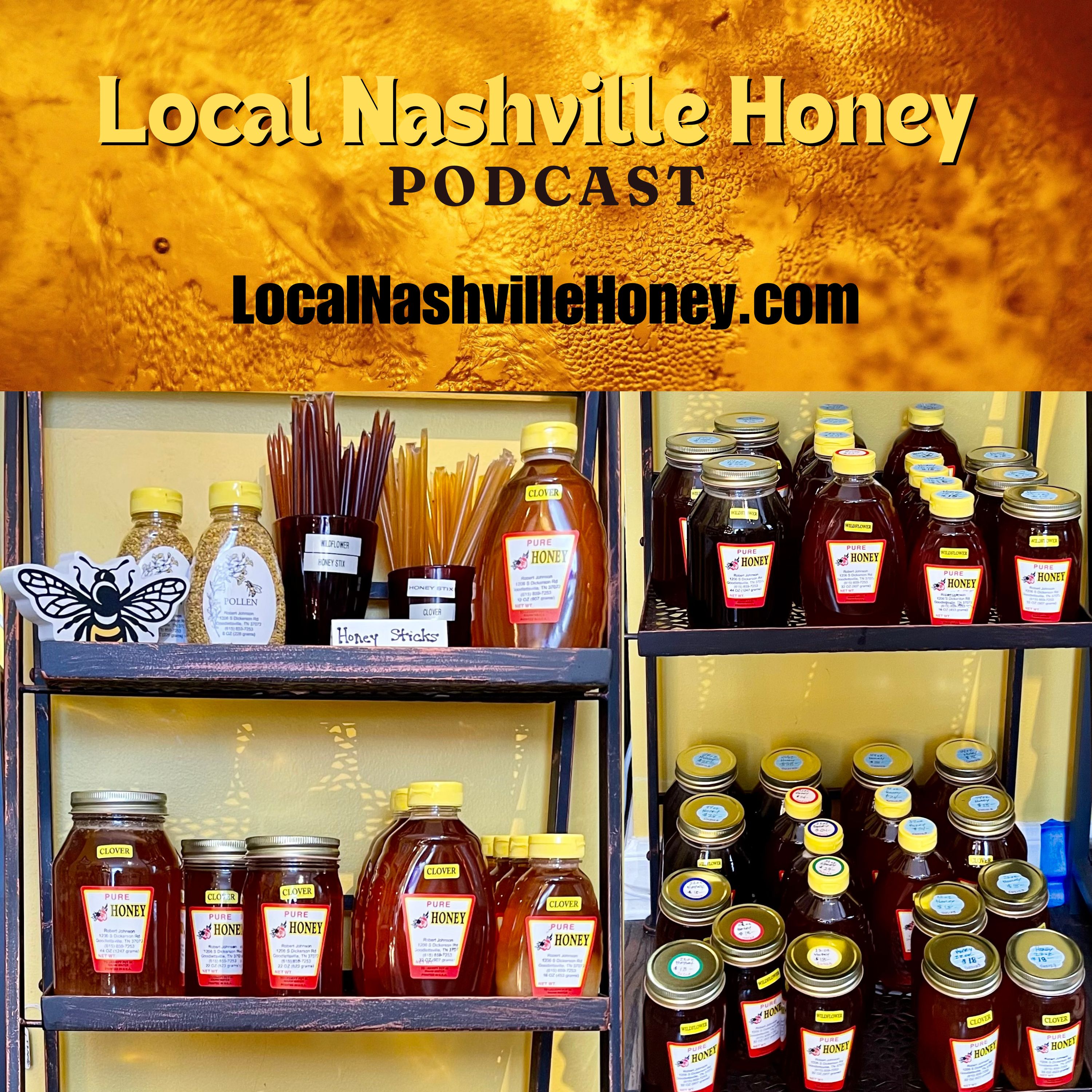
Local Nashville Honey Podcast
Hosted by Susan Stewart · EN
We discuss benefits, types, uses and recipes for Nashville Local Honey
10episodes
Episodes
Newest firstAll episodes
How Nashville Bees Make Wildflower Honey
Feb 26, 202500:04:20Tap to summarizeAlright, y’all, Susan Stewart here, from LocalNashvilleHoney.com, and let me tell you, there’s nothin’ sweeter than a jar of wildflower honey straight from our Nashville hives. Folks ask me all the time, “Susan, how do those busy little bees make that golden goodness?” Well, pull up a chair and let’s have a chat about how our Nashville bees work their magic on our beautiful wildflowers. First off, Nashville is just buzzin’ with wildflowers! We’ve got everything from vibrant purple coneflowers to sunny yellow goldenrods, and those bees, bless their hearts, they know just where to find ’em. When the sun hits those blooms, our ladies – worker bees, mind you – head out on their foraging flights. They’re like tiny, fuzzy delivery drivers, only their cargo is precious nectar. Now, nectar ain’t honey yet. It’s mostly sugar water produced by the flowers to attract pollinators. When a bee lands on a flower, she uses her long tongue, called a proboscis, to slurp up that nectar and store it in a special pouch called a honey stomach. Think of it like a little internal canteen. As she visits flower after flower, her honey stomach fills up. But here’s where the real magic happens. On the flight back to the hive, those bees add enzymes to the nectar. These enzymes start breaking down the complex sugars in the nectar into simpler sugars, like glucose and fructose. It’s like a pre-digestive process, if you will. Once back at the hive, the forager bees pass the nectar off to the house bees. These industrious ladies take over, further processing the nectar. They spread it out in the honeycomb cells, which are those beautiful hexagonal wax structures you see in a hive. This increases the surface area, allowing the water in the nectar to evaporate. Now, Nashville humidity can be a real bear, even for bees! So, they help the evaporation process along by fanning their wings, creating a little breeze within the hive. This reduces the moisture content of the nectar, thickening it and turning it into honey. When the honey reaches the right consistency – about 18% water – the house bees cap the honeycomb cells with a thin layer of beeswax. This seals the honey, preserving it for later. That’s how our bees make wildflower honey, y’all! It’s a labor of love, a testament to their hard work and the bounty of our Nashville landscape. And because our bees are foraging on such a variety of wildflowers, our honey has a unique flavor profile that changes with the seasons. You might taste notes of clover, or maybe a hint of aster, depending on what’s blooming. When you buy a jar of Local Nashville Honey, you’re not just getting a sweet treat. You’re getting a taste of Nashville’s natural beauty, handcrafted by our amazing bees. You’re supporting local beekeepers, and you’re helping to keep our pollinators healthy. And let me tell you, that’s something worth buzzin’ about! So, come on down to LocalNashvilleHoney.com, or find us at your local farmers market, and grab yourself a jar of sunshine. You won’t regret it!
Transcribe →How Nashville’s Bees Craft Clover Honey
Feb 3, 202500:04:21Tap to summarizeHey y’all, Susan Stewart here, owner of Local Nashville Honey, your friendly neighborhood honey store right here in Donelson and Nashville! We get asked all the time how our clover honey gets made, and it’s a question I absolutely love answering. It’s a fascinating process, and it all starts with our amazing Nashville honeybees. Now, you might think all honey is created equal, but that’s just not the case. Just like wine, honey takes on the flavor of the flowers the bees visit. Here in Nashville, we’re blessed with an abundance of beautiful clover fields, and that’s what gives our clover honey its signature light, sweet, and delicate taste. It’s the taste of a Nashville summer! So, how does it go from those pretty white clover blossoms to the golden goodness in our jars? Well, it’s a team effort, let me tell you. Thousands of worker bees, all females, are out there buzzing around, collecting nectar. Think of them as tiny delivery trucks, each one making countless trips back and forth to the hive. When a worker bee finds a patch of clover, she uses her long tongue, called a proboscis, to sip up the nectar. This nectar is stored in a special “honey sac” in her stomach. Back at the hive, she regurgitates the nectar and passes it along to other worker bees. This process is repeated several times, and it’s actually a really important step. During this transfer, enzymes in the bees’ saliva break down the complex sugars in the nectar into simpler sugars, like glucose and fructose. This is what makes honey easier to digest than regular sugar. Once the nectar has been properly processed, the bees deposit it into honeycomb cells. These are the hexagonal wax structures you see inside a beehive. At this point, the honey is still pretty watery. So, the bees fan their wings to create airflow within the hive. This helps evaporate the excess water and thicken the honey. It’s like a tiny bee-powered dehumidifier! When the honey reaches the perfect consistency – usually around 18% moisture – the bees seal the honeycomb cell with a thin layer of beeswax. This is their way of saying, “This honey is ready!” It’s like nature’s perfect little storage container. Now, this is where we come in. Our beekeepers carefully harvest the honeycombs, making sure to leave plenty for the bees to sustain themselves through the winter. We then extract the honey from the combs using a gentle process that doesn’t harm the bees or compromise the quality of the honey. We’re committed to sustainable beekeeping practices, because happy bees make delicious honey! Finally, the honey is filtered to remove any bits of wax or pollen, and then it’s bottled and ready for you to enjoy! From blossom to bottle, it’s a remarkable journey, and we’re so proud to bring you this taste of Nashville. So, next time you’re enjoying a drizzle of our clover honey on your toast, remember the amazing journey it took, from the hardworking bees in our local clover fields to your table. And come on down to Local Nashville Honey in Donelson! We’d love to chat more about bees, honey, and all things sweet. We’ve even got honey tastings! Y’all come see us!
Transcribe →From Flower to Bottle: The Buzz on Local Nashville Honey Production
Jan 14, 202500:04:13Tap to summarizeHere in Nashville, we’re lucky to have a beautiful, diverse landscape that supports a thriving honeybee population. But how exactly do these busy little creatures turn flower nectar into the sweet, golden honey we love? Let’s take a closer look at the fascinating process! Step 1: Foraging for Nectar Honeybees are expert foragers, traveling up to five miles from their hive in search of nectar-rich flowers. In the Nashville area, they’re drawn to a variety of blooms, including: Spring: Clover, wildflowers, fruit tree blossoms Summer: Tulip poplar, sunflowers, honeysuckle Fall: Aster, goldenrod, Japanese knotweed Using their long, straw-like tongues called proboscises, the bees suck up the nectar and store it in a special pouch called a honey sac. Step 2: Back to the Hive Once a bee’s honey sac is full, she returns to the hive. There, she passes the nectar to other worker bees through a process called trophallaxis, or mouth-to-mouth transfer. Step 3: Enzyme Action During trophallaxis, the bees add enzymes to the nectar that break down complex sugars into simpler ones. This makes the nectar more digestible and less prone to spoilage. Step 4: Evaporation Next, the bees spread the nectar throughout the honeycomb, where they fan it with their wings to evaporate excess water. This concentrates the nectar and increases its sugar content. Step 5: Capping the Honeycomb When the honey has reached the desired consistency, the bees seal the honeycomb cells with a thin layer of beeswax. This preserves the honey and keeps it fresh for months or even years. Step 6: Harvesting the Honey Beekeepers carefully remove the honeycomb frames from the hive and extract the honey. We use a special spinning machine called an extractor to gently remove the honey from the comb without damaging it. Step 7: Bottling and Enjoying Finally, the honey is filtered to remove any bits of beeswax or other debris and bottled for your enjoyment! The Flavor of Nashville The unique blend of flowers and plants in the Nashville area gives our local honey a distinct flavor profile. You might notice hints of clover, wildflowers, or even a touch of fruit blossom, depending on the season and the bees’ foraging habits. More Than Just a Sweet Treat Honey is not only delicious but also packed with nutrients and antioxidants. It’s been used for centuries for its medicinal properties, and some people believe that consuming local honey can help alleviate seasonal allergies. Support Your Local Bees By choosing local honey, you’re not only getting a taste of Nashville’s unique terroir but also supporting local beekeepers and the vital role they play in our ecosystem. So next time you’re looking for a sweet treat, reach for a jar of local honey and savor the flavor of our beautiful city!
Transcribe →How to Make Ginger Honey and Its Benefits with Local Nashville Honey
Jan 6, 202500:03:32Tap to summarizeGinger honey is a delicious and healthy treat that has been used for centuries to treat various ailments. It is made by combining ginger, a root with anti-inflammatory properties, with honey, a natural sweetener with antibacterial properties. This combination creates a powerful tonic that can help boost your immune system, soothe digestive issues, and reduce inflammation. Benefits of Ginger Honey Ginger honey has many health benefits, including: Boosting the immune system: Ginger and honey have antibacterial and antiviral properties that can help fight off infections. Soothing digestive issues: Ginger can help to relieve nausea, vomiting, and indigestion. Honey can also help to soothe the digestive tract. Reducing inflammation: Ginger has anti-inflammatory properties that can help to reduce pain and swelling. Relieving pain: Ginger can help to relieve pain from headaches, menstrual cramps, and arthritis. Improving circulation: Ginger can help to improve blood circulation, which can help to prevent heart disease and stroke. How to Make Ginger Honey Making ginger honey is a simple process. Here is a recipe: Ingredients: 1 cup raw honey 1/2 cup fresh ginger root, peeled and grated Instructions: Combine the honey and ginger in a small saucepan. Heat over low heat, stirring constantly, until the honey is melted and the ginger is fragrant. Remove from heat and let cool slightly. Strain the mixture through a cheesecloth-lined strainer into a clean jar. Seal the jar tightly and store in a cool, dark place. Your ginger honey is now ready to enjoy! You can eat it by the spoonful, add it to tea or coffee, or use it in recipes. Tips: Use fresh ginger root for the best flavor. If you don’t have fresh ginger, you can use ground ginger. However, the flavor will not be as strong. You can adjust the amount of ginger to your liking. Store your ginger honey in a cool, dark place. It will last for several months. I encourage you to try making your own ginger honey. It’s a delicious and healthy way to boost your immune system and improve your overall health. About Susan Stewart Susan Stewart is the owner of Local Nashville Honey, a small business that sells local raw honey. She is passionate about honey and its many health benefits. She enjoys sharing her knowledge about honey with others. Please visit Local Nashville Honey to purchase your own ginger honey or other raw honey products. Hi I’m Susan Stewart, owner of Local Nashville Honey, the source for local honey here in Donelson, Hermitage and Nashville Metro Area Local Nashville Honey brings you pure, delicious honey made right here in Music City. Our bees buzz around local gardens and wildflowers, creating a unique flavor you won’t find anywhere else. it’s the perfect way to sweeten up your morning tea, or add a little somethin’ somethin’ to your barbecue glaze. And let me tell you, folks, honey from localnashvillehoney.com ain’t just tasty, it’s good for you too! Full of natural antioxidants and vitamins, it’s a healthy way to satisfy your sweet tooth. So ditch the store-bought stuff and support local beekeepers! Head over to Mill Creek Mercantile or Troll House Cottage and get your jar of sunshine today. Local Nashville Honey – A taste of home, made in Music City. Local Nashville Honey.com Disclaimer: This blog and podcast were generated using Gemini AI, a language model designed to provide informative and engaging content. However, AI models are not perfect, and there may be instances where the information presented is incorrect or incomplete. Please use your own judgment and discretion when evaluating the content.
Transcribe →Gettin’ Fermented with Local Nashville Honey: A Guide to Garlic-Infused Goodness
Jan 2, 202500:04:19Tap to summarizeHowdy, honey lovers! Susan Stewart here, from Local Nashville Honey. Today, we’re gonna dive into the wonderful world of fermented garlic honey. This stuff ain’t just sweet and delicious; it’s packed with health benefits, too. Let’s get started! Why Ferment Garlic in Honey? Now, you might be wonderin’, why ferment garlic in honey? Well, fermenting garlic in honey mellows out garlic’s sharp bite and boosts its natural health properties. Plus, it infuses the honey with a unique, savory flavor that’s downright addictive. Here’s what you’ll need: 1 cup raw, local honey (like the kind we sell right here at Local Nashville Honey!) 1 head of garlic, peeled and cloves separated Instructions: Sterilize your jar: This is important to prevent any unwanted bacteria from growin’ in your honey. You can sterilize a jar by boilin’ it in water for 10 minutes. Peel and prep your garlic: Separate the cloves from the head and peel ’em. You can leave ’em whole or slice ’em in half, dependin’ on how strong you want the flavor. Fill the jar: Place the garlic cloves in your sterilized jar and pour the honey over ’em, makin’ sure all the cloves are completely submerged. Ferment: Seal the jar loosely and let it sit at room temperature for about 2-4 weeks. Turn the jar upside down every day to make sure the garlic is coated in honey. You might see some bubbles formin’ – that’s a good sign! It means the fermentation is happenin’. Enjoy! After a few weeks, your garlic-infused honey is ready to go. Store it in the fridge to slow down the fermentation process and keep it fresh. Health Benefits: This fermented concoction ain’t just tasty; it’s good for you too! Here are a few of the benefits: Immune system booster: Both garlic and honey are known for their immune-boostin’ properties. Fermenting them together creates a powerhouse of antioxidants. Anti-inflammatory: Garlic has natural anti-inflammatory compounds, which can help with conditions like arthritis. Heart health: Garlic can help lower blood pressure and cholesterol levels, keepin’ your ticker tickin’ strong. Digestive aid: Honey can soothe an upset stomach, and garlic is a natural prebiotic, which helps promote healthy gut bacteria. How to Use It: Drizzle it on toast: This is my personal favorite way to enjoy it. The sweet and savory combo is just divine. Add it to salad dressings: It adds a unique flavor dimension to vinaigrettes. Use it as a marinade: It’s great for marinatin’ chicken or pork. Stir it into tea: Add a spoonful to your hot tea for a soothing and flavorful drink. Important Note: When usin’ raw honey, remember that it’s not suitable for children under 1 year old. Well, folks, there you have it! A simple guide to makin’ your own fermented garlic honey. Give it a try and let me know what you think. And don’t forget to stop by Local Nashville Honey for all your honey needs! We’re always happy to help you explore the wonderful world of honey. Hi I’m Susan Stewart, owner of Local Nashville Honey, the source for local honey here in Donelson, Hermitage and Nashville Metro Area Local Nashville Honey brings you pure, delicious honey made right here in Music City. Our bees buzz around local gardens and wildflowers, creating a unique flavor you won’t find anywhere else. it’s the perfect way to sweeten up your morning tea, or add a little somethin’ somethin’ to your barbecue glaze. And let me tell you, folks, honey from localnashvillehoney.com ain’t just tasty, it’s good for you too! Full of natural antioxidants and vitamins, it’s a healthy way to satisfy your sweet tooth. So ditch the store-bought stuff and support local beekeepers! Head over to Mill Creek Mercantile or Troll House Cottage and get your jar of sunshine today. Local Nashville Honey – A taste of home, made in Music City. Local Nashville Honey.com Disclaimer: This blog and podcast were generated using Gemini AI, a language model designed to provide informative and engaging content. However, AI models are not perfect, and there may be instances where the information presented is incorrect or incomplete. Please use your own judgment and discretion when evaluating the content.
Transcribe →Honeylicious Cough Remedies: Variations from Local Nashville Honey
Dec 20, 202400:03:43Tap to summarizeSusan Stewart here and as the owner of Local Nashville Honey, I often get asked about the benefits of honey for coughs. Honey has been used for centuries as a natural cough suppressant. It can help to soothe the throat and reduce inflammation. Honey also has antibacterial properties that can help to fight off infection. There are many different ways to use honey to make a cough remedy. Here are a few of my favorite recipes: Basic Honey Cough Syrup 1/2 cup honey 1/4 cup lemon juice 1/4 cup water Instructions: Combine all ingredients in a saucepan over low heat. Stir until honey is melted and mixture is well combined. Remove from heat and let cool. Store in a sealed container in the refrigerator for up to 2 weeks. To use: Take 1 tablespoon as needed for cough relief. Honey and Ginger Cough Syrup 1/2 cup honey 1/4 cup ginger juice 1/4 cup lemon juice Instructions: Combine all ingredients in a saucepan over low heat. Stir until honey is melted and mixture is well combined. Remove from heat and let cool. Store in a sealed container in the refrigerator for up to 2 weeks. To use: Take 1 tablespoon as needed for cough relief. Honey and Lemon Cough Drops 1/2 cup honey 1/4 cup lemon juice 1/4 teaspoon ground ginger Instructions: Combine all ingredients in a saucepan over low heat. Stir until honey is melted and mixture is well combined. Pour mixture into a candy mold or onto a baking sheet lined with parchment paper. Let cool completely. Store in a sealed container in the refrigerator for up to 2 weeks. To use: Take 1 cough drop as needed for cough relief. These are just a few of the many ways to use honey to make a cough remedy. You can also add other ingredients to your liking, such as cinnamon, cloves, or peppermint extract. Honey is a great natural remedy for coughs, but it is important to note that it is not a cure-all. If your cough is severe or does not improve after a few days, you should see a doctor. I hope these recipes help you to find relief from your cough! Additional tips: Use raw honey, if possible. Raw honey contains more enzymes and antioxidants than processed honey. You can also use honey to make a soothing tea. Simply add a tablespoon of honey to a cup of hot water. Honey is not recommended for children under the age of 1 year old. Hi I’m Susan Stewart, owner of Local Nashville Honey, the source for local honey here in Donelson, Hermitage and Nashville Metro Area Local Nashville Honey brings you pure, delicious honey made right here in Music City. Our bees buzz around local gardens and wildflowers, creating a unique flavor you won’t find anywhere else. it’s the perfect way to sweeten up your morning tea, or add a little somethin’ somethin’ to your barbecue glaze. And let me tell you, folks, honey from localnashvillehoney.com ain’t just tasty, it’s good for you too! Full of natural antioxidants and vitamins, it’s a healthy way to satisfy your sweet tooth. So ditch the store-bought stuff and support local beekeepers! Head over to Mill Creek Mercantile or Troll House Cottage and get your jar of sunshine today. Local Nashville Honey – A taste of home, made in Music City. Local Nashville Honey.com Disclaimer: This blog and podcast were generated using Gemini AI, a language model designed to provide informative and engaging content. However, AI models are not perfect, and there may be instances where the information presented is incorrect or incomplete. Please use your own judgment and discretion when evaluating the content.
Transcribe →Uncovering the Sweet Truth About Local Raw Honey From Nashville
Dec 15, 202400:04:12Tap to summarizeHoney. It’s golden, it’s sweet, and it’s been a beloved staple in kitchens for centuries. But not all honey is created equal. Here at Local Nashville Honey, we’re passionate about sharing the unique benefits of truly local, raw honey – a world apart from the mass-produced stuff you often find on supermarket shelves. What Makes Honey “Local?” Local honey comes from bees that forage within a specific radius, usually 50 miles or less, from the hive. This means the honey reflects the unique floral sources of our region, carrying the flavors of Nashville’s diverse wildflowers, trees, and gardens. When you buy local, you’re tasting the essence of our own backyard! Raw vs. Processed: A Sticky Subject Now, let’s talk about “raw.” Raw honey is as close to the honeycomb as you can get. It’s unheated, unfiltered, and unpasteurized, preserving all the natural goodness that makes honey so special. Commercial honey often undergoes extensive processing. It’s heated and filtered to remove pollen and impurities, creating a clear, smooth liquid that’s shelf-stable for a long time. Unfortunately, this process also strips away many of honey’s beneficial enzymes, antioxidants, and pollen – those elements that contribute to its unique flavor and potential health benefits. Why Choose Local Raw Honey? Flavor Explosion: Each batch of local raw honey has a unique flavor profile that changes with the seasons. You might taste hints of clover, wildflower, or even a touch of basswood – a true reflection of Nashville’s blooming landscape. Allergy Relief: Local raw honey contains pollen from your area. While more research is needed, some people find that consuming local honey can help lessen seasonal allergy symptoms. Think of it as a natural, delicious form of immunotherapy! Nutritional Powerhouse: Raw honey is packed with enzymes, antioxidants, and amino acids. It’s a natural energy booster and can soothe sore throats and coughs. Supporting Local Beekeepers: When you buy local honey, you’re directly supporting beekeepers in your community. These dedicated individuals play a crucial role in maintaining healthy ecosystems and ensuring pollination for our local agriculture. Beyond the Bottle: At Local Nashville Honey, we go beyond just selling honey. We’re committed to educating our community about the importance of bees and sustainable beekeeping practices. We offer workshops, hive tours, and events throughout the year. Stop by and Taste the Difference! We invite you to visit our store, taste the difference for yourself, and discover the liquid gold that our Nashville bees work so hard to create. We’re confident that once you experience the flavor and quality of local raw honey, you’ll never go back to the supermarket bear! Hi I’m Susan Stewart, owner of Local Nashville Honey, the source for local honey here in Donelson, Hermitage and Nashville Metro Area Local Nashville Honey brings you pure, delicious honey made right here in Music City. Our bees buzz around local gardens and wildflowers, creating a unique flavor you won’t find anywhere else. it’s the perfect way to sweeten up your morning tea, or add a little somethin’ somethin’ to your barbecue glaze. And let me tell you, folks, honey from localnashvillehoney.com ain’t just tasty, it’s good for you too! Full of natural antioxidants and vitamins, it’s a healthy way to satisfy your sweet tooth. So ditch the store-bought stuff and support local beekeepers! Head over to Mill Creek Mercantile or Troll House Cottage and get your jar of sunshine today. Local Nashville Honey – A taste of home, made in Music City. Local Nashville Honey.com Disclaimer: This blog and podcast were generated using Gemini AI, a language model designed to provide informative and engaging content. However, AI models are not perfect, and there may be instances where the information presented is incorrect or incomplete. Please use your own judgment and discretion when evaluating the content.
Transcribe →Local Nashville Honey for Little Honeys: When is it Safe for Baby?
Dec 9, 202400:03:41Tap to summarizeAs a store for honey and a parent, I get asked this question a lot: “When can my baby have honey?” At Local Nashville Honey, we’re passionate about sharing the golden goodness of honey, but we’re even more passionate about keeping our little ones safe. So let’s dive into the sticky subject of honey for babies. Why the Wait? Honey is a natural sweetener, packed with antioxidants and potential health benefits. However, it can also contain spores of a bacteria called Clostridium botulinum. These spores are harmless to adults and older children, but they can cause infant botulism in babies under one year old. Infant botulism is a serious illness that affects a baby’s muscles, causing weakness and difficulty breathing. The Magic Age: 1 Year Old The good news is that once your baby celebrates their first birthday, their digestive system is usually mature enough to handle honey safely. So go ahead and share that delicious drizzle! Honey, I’m Home (with a Toddler)! Here are some delightful ways to introduce honey to your little one: A spoonful of sweetness: Offer a small taste of raw honey on its own. The swirl: Swirl honey into plain yogurt or oatmeal. The drizzle: Drizzle honey over fresh fruit or pancakes. The spread: Spread a thin layer of honey on whole-wheat toast. The bake: Bake with honey! It’s a great natural sweetener for muffins, breads, and cookies. Important Notes: Raw vs. Pasteurized: While pasteurization can reduce the risk of botulism spores, it can also destroy some of honey’s beneficial enzymes and antioxidants. At Local Nashville Honey, we recommend raw honey for older children and adults. Moderation is key: Honey is still a sugar, so offer it in moderation as part of a balanced diet. Allergies: Always introduce new foods one at a time and watch for any signs of an allergic reaction. Honey and Your Growing Child As your child grows, honey can be a healthy and delicious part of their diet. It’s a natural source of energy, and it can even soothe coughs and sore throats. So enjoy the sweet taste of honey together, knowing you’re making a safe and wholesome choice. At Local Nashville Honey, we’re always here to answer your questions about honey. Stop by our shop or visit our website to learn more! Hi I’m Susan Stewart, owner of Local Nashville Honey, the source for local honey here in Donelson, Hermitage and Nashville Metro Area Local Nashville Honey brings you pure, delicious honey made right here in Music City. Our bees buzz around local gardens and wildflowers, creating a unique flavor you won’t find anywhere else. it’s the perfect way to sweeten up your morning tea, or add a little somethin’ somethin’ to your barbecue glaze. And let me tell you, folks, honey from localnashvillehoney.com ain’t just tasty, it’s good for you too! Full of natural antioxidants and vitamins, it’s a healthy way to satisfy your sweet tooth. So ditch the store-bought stuff and support local beekeepers! Head over to Mill Creek Mercantile or Troll House Cottage and get your jar of sunshine today. Local Nashville Honey – A taste of home, made in Music City. Local Nashville Honey.com Disclaimer: This blog and podcast were generated using Gemini AI, a language model designed to provide informative and engaging content. However, AI models are not perfect, and there may be instances where the information presented is incorrect or incomplete. Please use your own judgment and discretion when evaluating the content.
Transcribe →Local Honey Crystallization: The Sweet Truth For Nashville
Dec 2, 202400:03:24Tap to summarizeHoney crystallization is a natural process that occurs when glucose, one of the main sugars in honey, separates from the water content and forms crystals. This happens because honey is a supersaturated solution, meaning it contains more sugar than can naturally remain dissolved. Why Does Honey Crystallize? Several factors can contribute to honey crystallization: Temperature: Storing honey at cooler temperatures (below 50°F) can accelerate crystallization. Moisture content: Honey with a higher moisture content is less likely to crystallize than honey with a lower moisture content. Pollen content: Honey with a higher pollen content may crystallize more quickly. Glucose content: Honey with a higher glucose content is more likely to crystallize than honey with a higher fructose content. How to Fix Crystallized Honey Crystallized honey is still perfectly safe to eat. If you prefer your honey in liquid form, you can easily decrystallize it by placing the jar in a bowl of warm water and stirring until the crystals dissolve. You can also place the jar in the microwave for short bursts (10-30 seconds) on low power, stirring in between, until the crystals dissolve. Does Crystallization Mean Honey Has Gone Bad? No, crystallized honey has not gone bad. In fact, crystallization can be a sign of high-quality honey that has not been overheated or over-filtered. Crystallized honey retains all of its flavor and nutritional value. Tips for Preventing Honey Crystallization While crystallization is a natural process, there are a few things you can do to slow it down: Store honey at room temperature: Avoid storing honey in the refrigerator. Choose honey with a lower glucose content: Some types of honey, such as acacia honey, are less likely to crystallize. If your honey does crystallize, don’t worry! Simply follow the steps above to decrystallize it. Enjoy the Sweetness of Honey Honey is a delicious and versatile natural sweetener. Don’t let crystallization deter you from enjoying its many benefits. Hi I’m Susan Stewart, owner of Local Nashville Honey, the source for local honey here in Donelson, Hermitage and Nashville Metro Area Local Nashville Honey brings you pure, delicious honey made right here in Music City. Our bees buzz around local gardens and wildflowers, creating a unique flavor you won’t find anywhere else. it’s the perfect way to sweeten up your morning tea, or add a little somethin’ somethin’ to your barbecue glaze. And let me tell you, folks, honey from localnashvillehoney.com ain’t just tasty, it’s good for you too! Full of natural antioxidants and vitamins, it’s a healthy way to satisfy your sweet tooth. So ditch the store-bought stuff and support local beekeepers! Head over to Mill Creek Mercantile or Troll House Cottage and get your jar of sunshine today. Local Nashville Honey – A taste of home, made in Music City. Local Nashville Honey.com Disclaimer: This blog and podcast were generated using Gemini AI, a language model designed to provide informative and engaging content. However, AI models are not perfect, and there may be instances where the information presented is incorrect or incomplete. Please use your own judgment and discretion when evaluating the content.
Transcribe →Local Nashville Honey: Does it Expire or Go Bad?
Nov 26, 202400:03:30Tap to summarizeLocal Honey: Does it Expire? Honey is a liquid gold that has been enjoyed for centuries. It is a natural sweetener that has many health benefits. Local honey, in particular, is a popular choice for people who are looking for a healthy and delicious way to sweeten their food and drinks. One of the many benefits of local honey is its long shelf life. The Science Behind Honey’s Shelf Life Honey is a supersaturated solution of sugars, which means it has a very low water content. This low water content makes it difficult for bacteria and other microorganisms to grow, which is why honey has such a long shelf life. In addition, honey is slightly acidic, which also helps to prevent spoilage. Factors that Affect Shelf Life While honey has a long shelf life, there are a few factors that can affect how long it lasts: Storage: Honey should be stored in a cool, dry place. It is best to store honey in a tightly sealed container to prevent moisture from getting in. Temperature: Honey can crystallize if it is stored in a cold place. However, this does not mean that the honey has gone bad. It can be reheated to make it liquid again. Moisture: If moisture gets into honey, it can cause it to ferment. This is why it is important to store honey in a tightly sealed container. How to Tell if Honey Has Gone Bad If your honey has an off odor or flavor, or if it has become foamy or bubbly, it has likely gone bad and should be discarded. Tips for Storing Local Honey Here are a few tips for storing your local honey: Store honey in a tightly sealed container. Store honey in a cool, dry place. Do not refrigerate honey. If honey crystallizes, reheat it gently to make it liquid again. With proper storage, local honey can last for many years. So, you can enjoy the delicious taste and health benefits of local honey for a long time to come. I hope this article has helped you to understand the shelf life of local honey. If you have any questions, please feel free to contact us. Sincerely, Susan Stewart Local Nashville Honey Please note: This article is for informational purposes only and should not be considered medical advice. If you have any concerns about the safety of your honey, please consult with a healthcare professional. Hi I’m Susan Stewart, owner of Local Nashville Honey, the source for local honey here in Donelson, Hermitage and Nashville Metro Area Local Nashville Honey brings you pure, delicious honey made right here in Music City. Our bees buzz around local gardens and wildflowers, creating a unique flavor you won’t find anywhere else. it’s the perfect way to sweeten up your morning tea, or add a little somethin’ somethin’ to your barbecue glaze. And let me tell you, folks, honey from localnashvillehoney.com ain’t just tasty, it’s good for you too! Full of natural antioxidants and vitamins, it’s a healthy way to satisfy your sweet tooth. So ditch the store-bought stuff and support local beekeepers! Head over to Mill Creek Mercantile or Troll House Cottage and get your jar of sunshine today. Local Nashville Honey – A taste of home, made in Music City. Local Nashville Honey.com Disclaimer: This blog and podcast were generated using Gemini AI, a language model designed to provide informative and engaging content. However, AI models are not perfect, and there may be instances where the information presented is incorrect or incomplete. Please use your own judgment and discretion when evaluating the content.
Transcribe →