Podcast
The Long History Short Podcast
Hosted by Brian Stahl · EN
Interviews with historians about the background of events happening around the world. Join your host, Brian Stahl.
29episodes
Episodes
Newest firstAll episodes
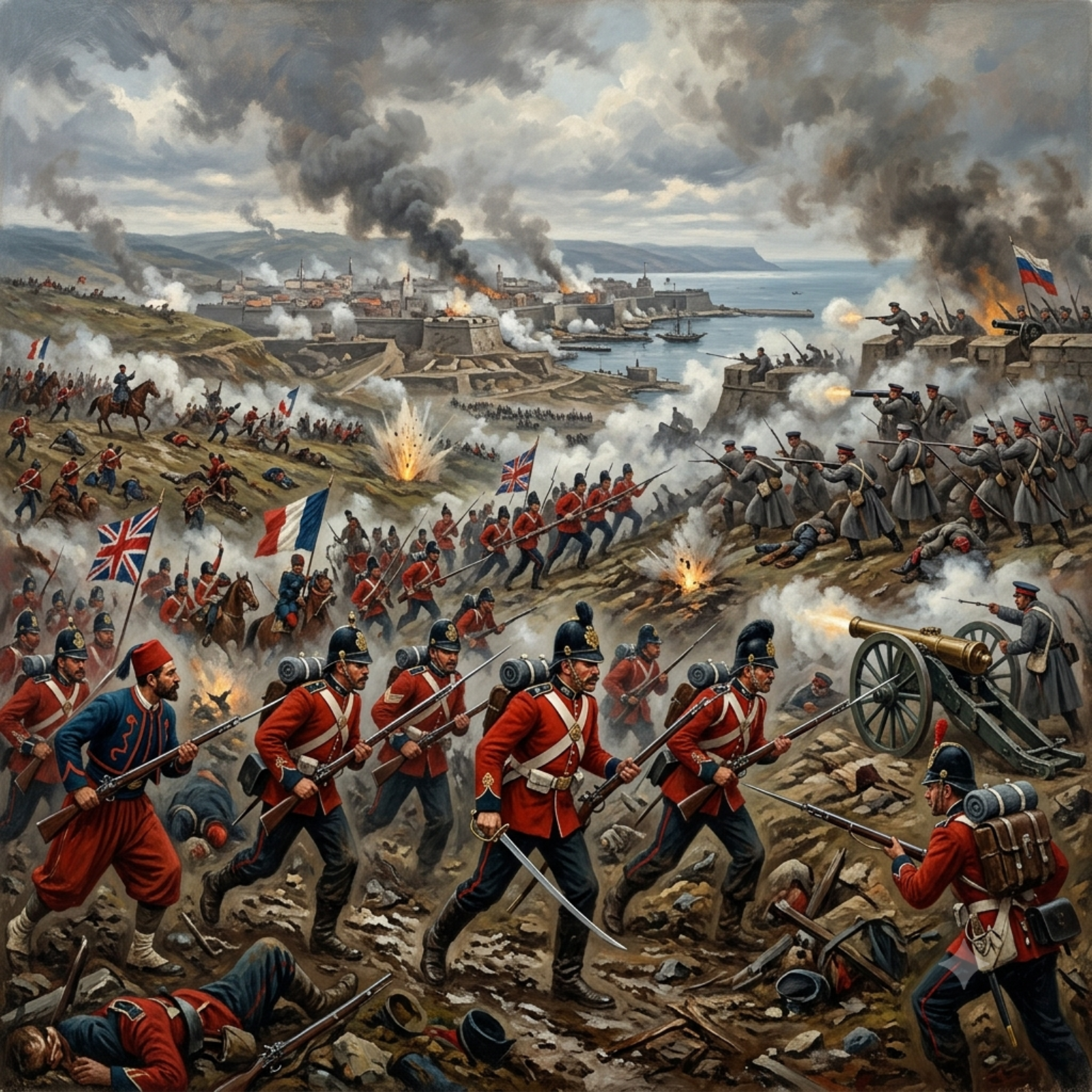
How to End the Conflict in Ukraine: Lessons from the Crimean War, ft. Dr. Andrew Lambert
2w ago00:40:45Tap to summarizeIn today's episode I sat down with Dr. Andrew Lambert, Professor of Naval History at the University of London, King's College. We discussed Ukraine's ongoing campaign against Crimea, the history of the Crimean conflict, including myths about the Light Brigade and the war's end, and the lessons that it has for us today, especially as Russia's economy begins to falter.Dr. Lambert's book on the Crimean War: https://www.amazon.com/Crimean-War-Andrew-Lambert/dp/0367669633An Up-Close Look at the Ukrainian strategy and how the people of Crimea view it: https://www.thetimes.com/world/russia-ukraine-war/article/ukraine-war-crimea-russia-drones-0lgvbtfkxFlorence Nightingale's Role in the Conflict: https://www.nam.ac.uk/explore/florence-nightingale-lady-lamp
Transcribe →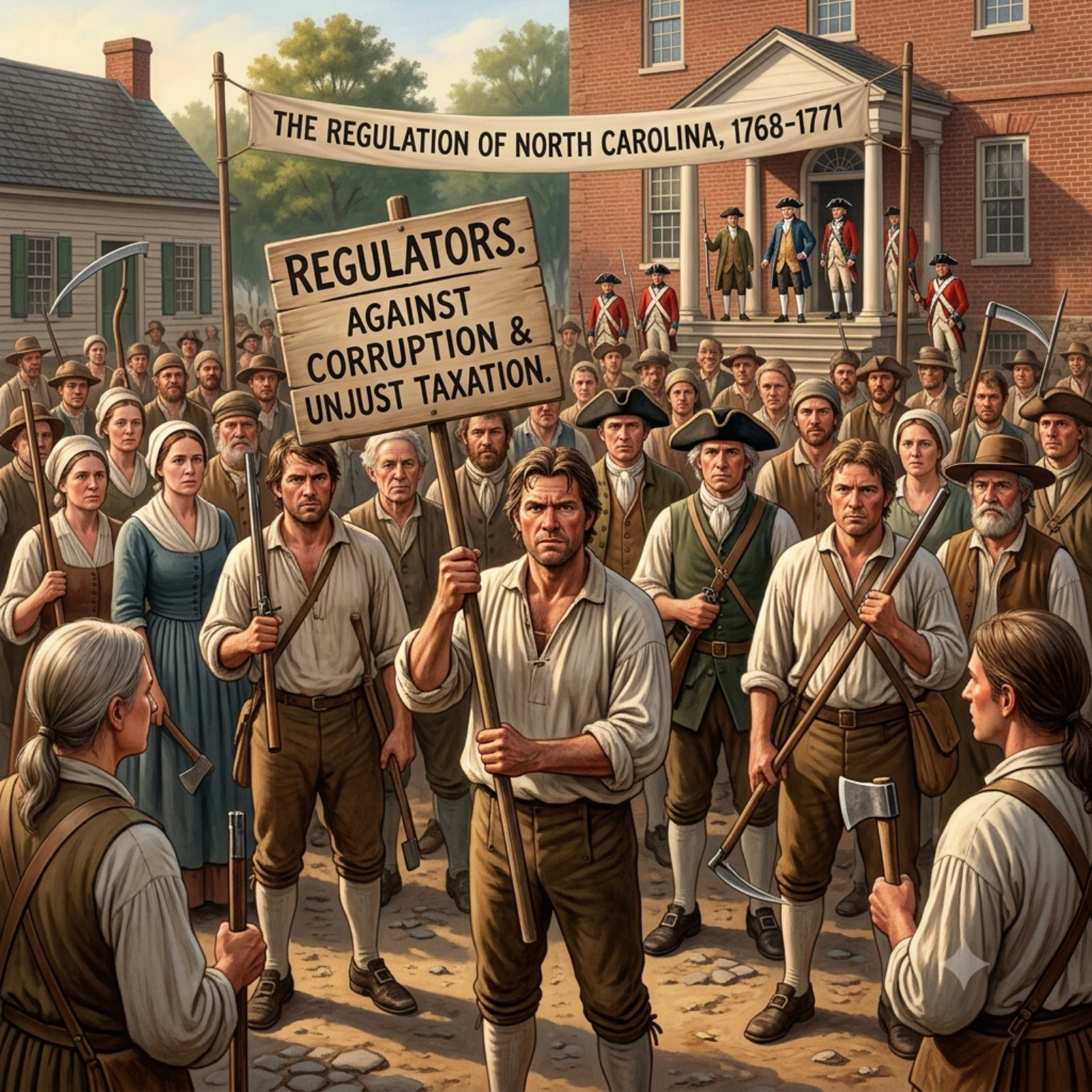
"Fire and Be Damned!" The American Revolution You've Never Heard of
3w ago00:30:45Tap to summarizeJoin historian Nathan Schultz and I as we discuss the little-known history of the Regulator Movement: a protest movement against corrupt British officials in Colonial North Carolina that rhymes with, but doesn't sync nicely, with the American Revolution. Plus at the end you get to hear a little about colonial era cuisine too. Here's the link to the colonial recipe that Nathan mentioned. Just be careful; carbs kill: https://www.tastinghistory.com/recipes/chelseabuns
Transcribe →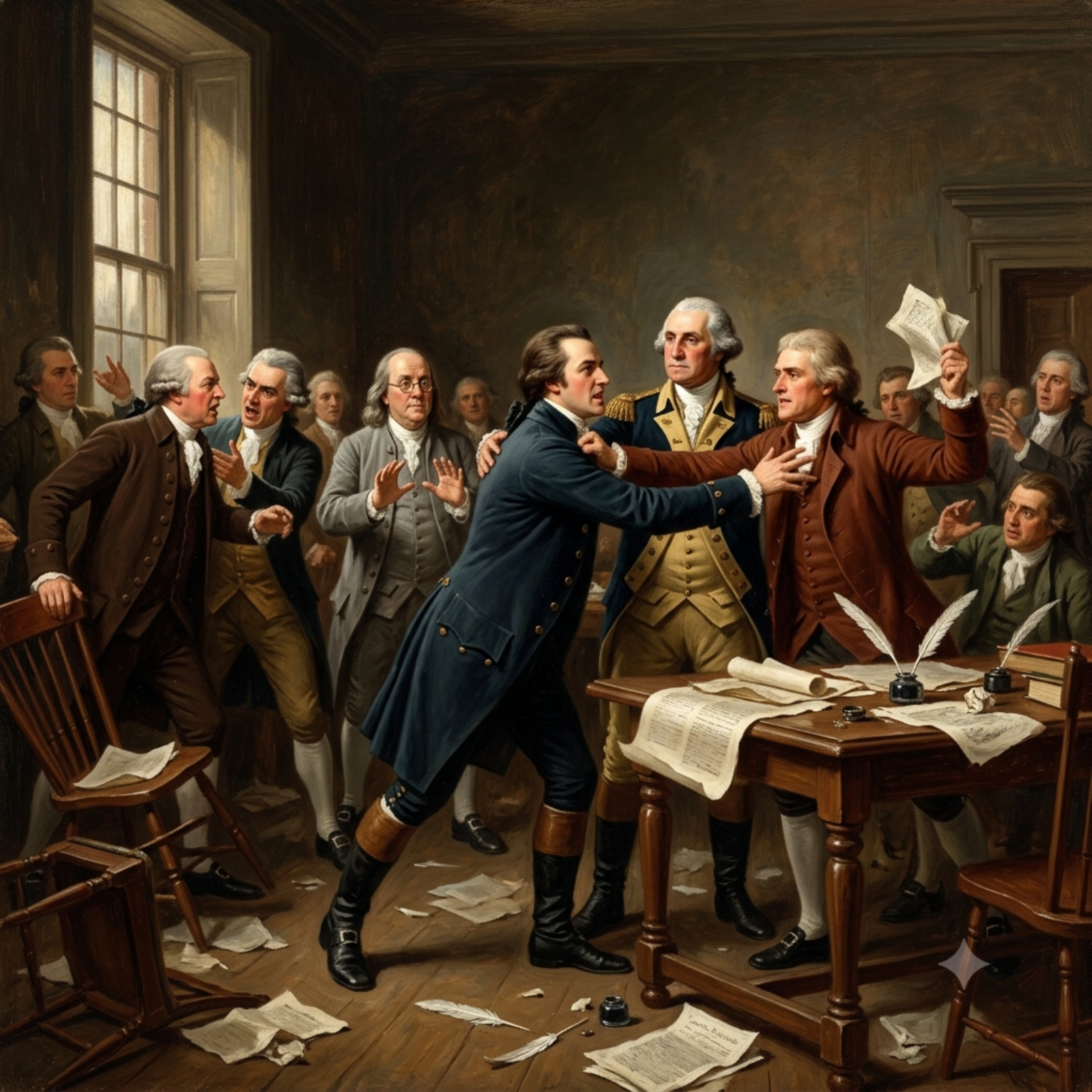
The Founders: Their Disagreements, the Constitution, and America Today, ft. Dr. Theodore Madrid
Jul 400:23:29Tap to summarizeHappy Fourth of July! On this semiquincentennial anniversary of our nation's founding, I sat down with Dr. Theodore Madrid of Hillsdale College. He and I discussed the disagreements that our founders have with each other, the compromises that they made, the ways those arguments spilled into our conversation, and what it all means for us today. For more from Dr. Madrid check out this article: 'Cicero on Our Disengaged Age': https://www.thepublicdiscourse.com/2026/03/100424/ Here's one on some of the battles between Hamilton and Jefferson: https://www.jackmillercenter.org/news/hamilton-jefferson-and-the-american-idea Here's a briefer on originalism: https://www.law.virginia.edu/news/201004/scalia-defends-originalism-best-methodology-judging-law
Transcribe →
What Would the Founders Think Of American Foreign Policy? Ft. Dr. David Hendrickson
Jun 2800:50:49Tap to summarizeWhat did the Founders think about foreign policy? How did their ideas trickle into the Constitution? How did World War I and World War II change American foreign policy, and how did it shift again once the Cold War ended? What would the Founders think of the Iran War and contemporary foreign affairs? Tune into this discussion with Dr. David Hendrickson, author of the Great League of Peace and Power, to find out.
Transcribe →
Will the Israeli War in Lebanon Sink the Iran Deal? Untangling the Acrimony Engulfing the Middle East, ft. Dr. James Gelvin
Jun 2100:42:57Tap to summarizeToday on the Long History Short Podcast, join my discussion with Dr. James Gelvin of UCLA as we discuss the history of Lebanon from the Ottoman Empire to the present day, why Israel and Lebanon have such a tempestuous relationship, and what it all means for the Memorandum of Understanding, and President Trump's attempts to bring the Iran War to a close. For further reading, here's a deep-dive on Lebanese history: https://www.historytoday.com/miscellanies/100-years-greater-lebanon Here's background on Hezbollah: https://www.cfr.org/backgrounders/what-hezbollah A hard-hitting critique of the Memorandum of Understanding: https://www.persuasion.community/p/the-art-of-the-non-deal
Transcribe →
Will Lebanon Crumble? The Past and Future of "The Pearl of the Middle East," ft. Dr. Betty Anderson
Jun 1400:39:55Tap to summarizeWhile President Trump tries to broker an end to the Iran war, a major stumbling block has been Israel's war in Lebanon. The paramilitary group Hezbollah has repeatedly traded blows with Israel, and Iran has insisted that a lasting peace settlement needs to bring that conflict to a close. But more is at stake than the future of the Iran War: population displacements and other spillovers from the conflict have jeopardized the future of Lebanon's existence, with some declaring it a failed state. To understand this conflict and where it may be headed, I sat down with Dr. Betty Anderson of Boston University, professor of Middle Eastern history and expert on Lebanon.
Transcribe →
Hoops: A History, ft. Rick Loayza
Jun 700:43:19Tap to summarizeOn this episode, since the NBA finals are upon us, we are doing something a little different-- talking to Rick Loayza of the Basketball History 101 Podcast. Tune in to hear about the history of the game, the growth of the NBA, and predictions about where the sport is headed.
Transcribe →
Is War Ever Moral? Dr. John Macias on Just War Theory
May 3100:48:13Tap to summarizePhilosopher John Macias of St. Mary Seminary breaks down Just War Theory, and examines the Iran War, the American Revolution, and other conflicts in light of the theory.
Transcribe →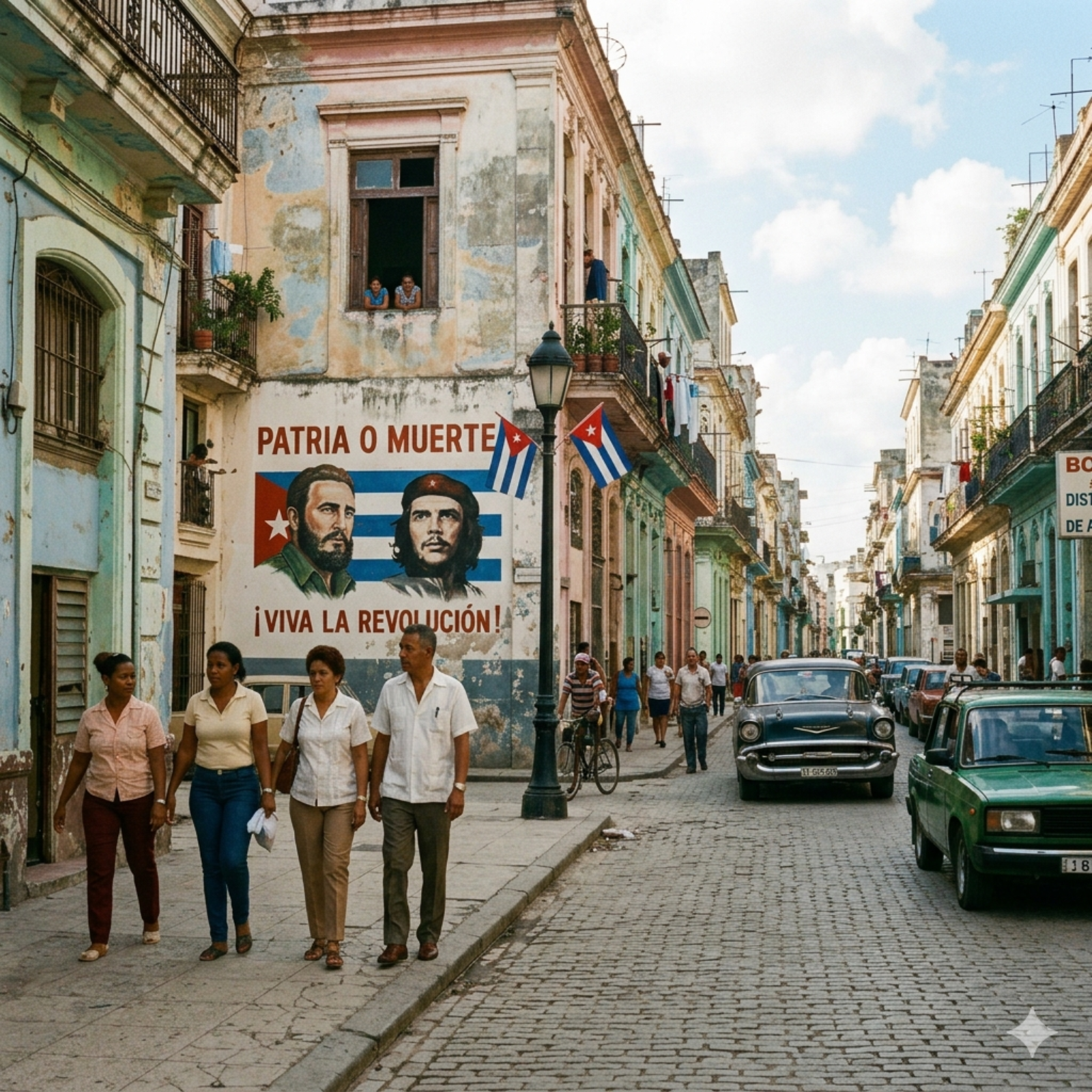
The Cuban Revolution's Final Chapter? ft. Dr. Luis Martinez-Fernandez
May 2400:32:04Tap to summarizeThe Cuban regime may be on the cusp of collapse. To understand the history of this troubled island-nation, and how we got to the current impasse, check out my conversation with Dr. Luis Martinez-Fernandez of the University of Central Florida, author of "Revolutionary Cuba: A History."
Transcribe →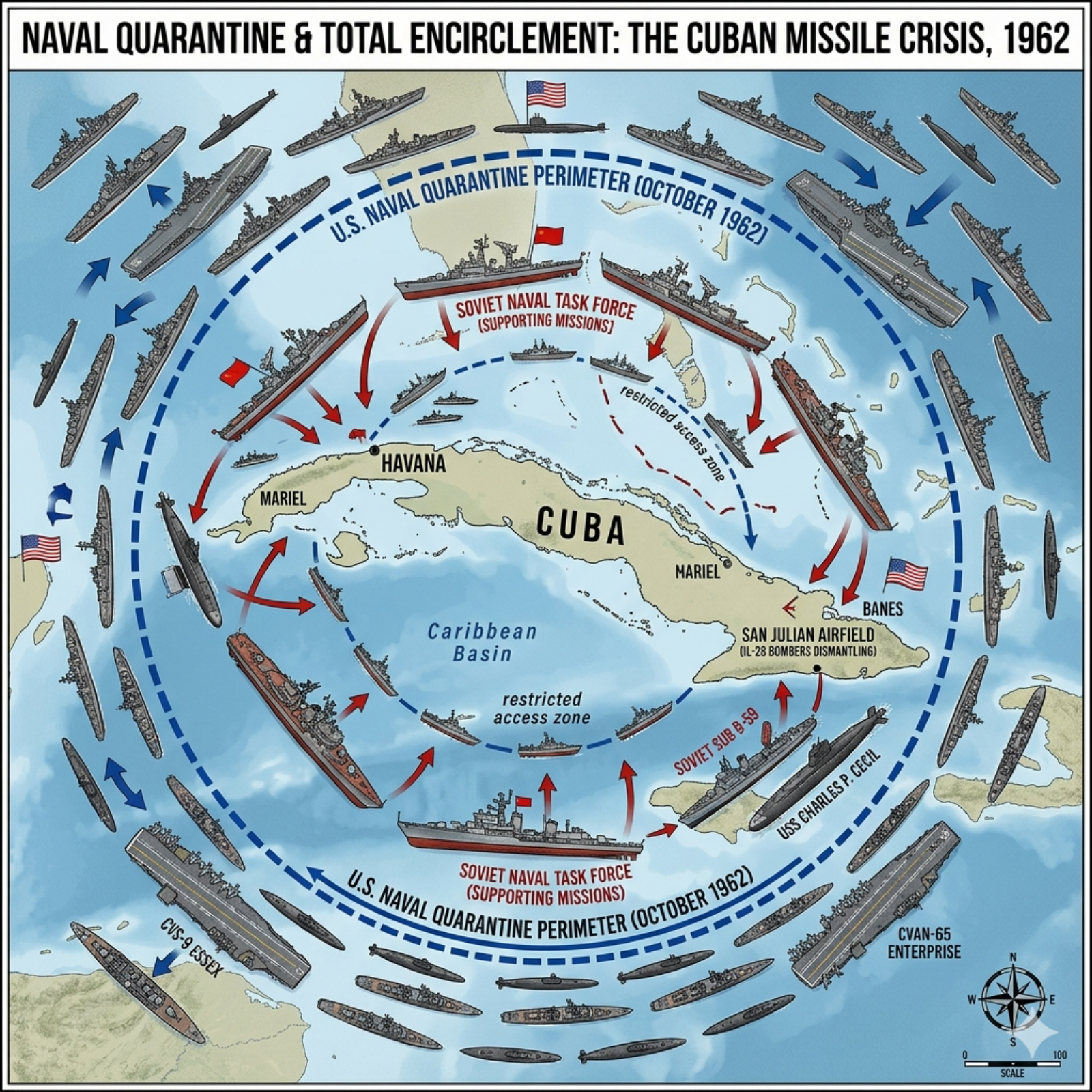
US Hostility Toward Cuba: 200 Years and Going Strong
May 1700:32:10Tap to summarizeTune in for my discussion with Dr. Thomas Zeiler of the University of Colorado, historian of US foreign policy.
Transcribe →