← Love Your Life Show: Personal Growth, Mindset, + Habits for Busy Moms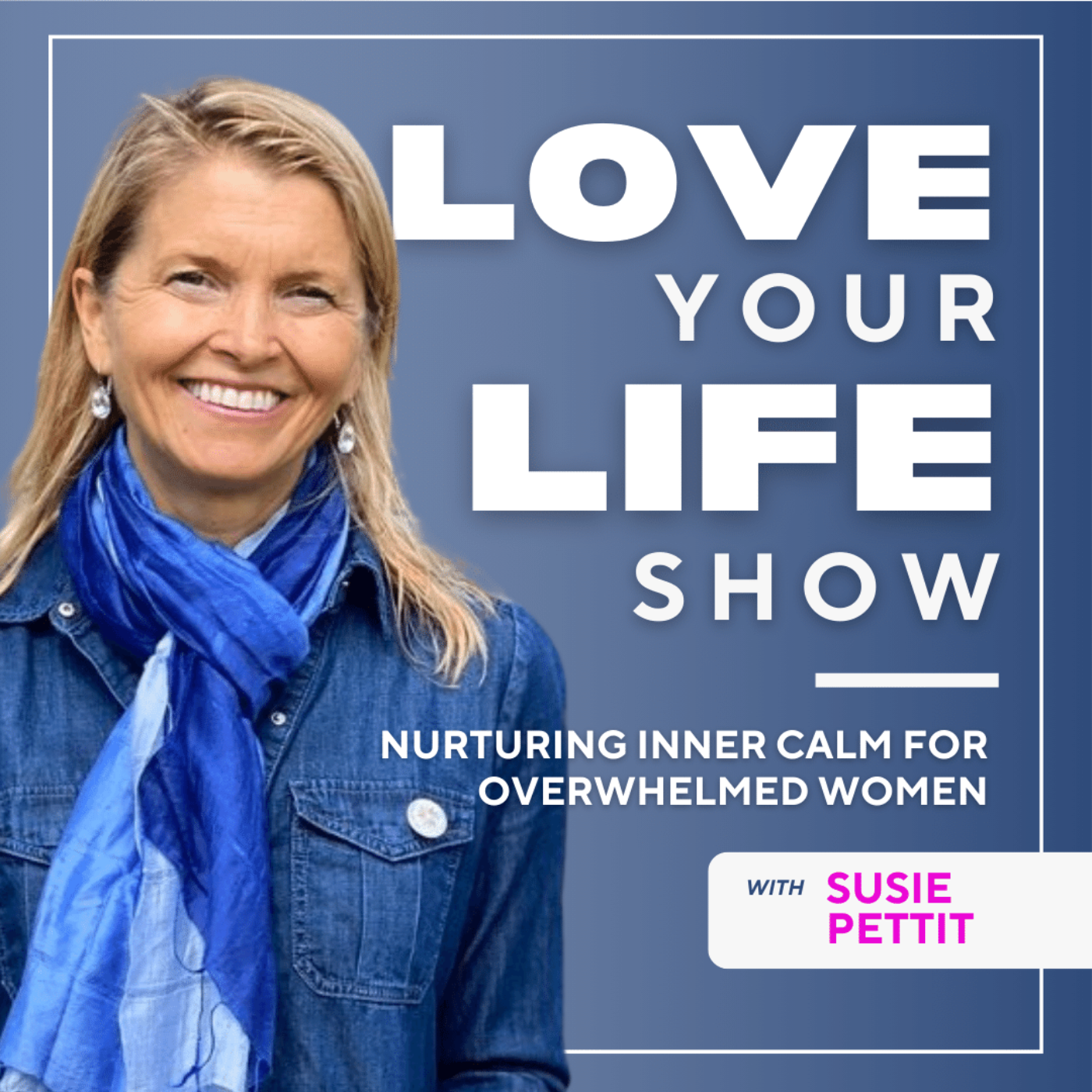
Love Your Life Show: Personal Growth, Mindset, + Habits for Busy Moms
Rewire Your Brain from Negative Thinking
00:30:36
Loading summary
Transcript2 lines
- [00:01]
A
Welcome, welcome, welcome to episode 407 of the Love youe Life Show. Yes, that is 407 episodes. I am Susie Pettit, your certified life relationship and parenting coach. And I'm starting this episode a little differently. I don't know if I've ever started an episode in that way, but 407 episodes in, why not? I want to spice things up. And I was thinking, as I was thinking of preparing this episode and, like, what should I podcast on? And I thought of this thing that I have been doing for years. Actually, now that I'm pausing, it's probably more than a decade now. And I was thinking, I think I've been holding out on the Warriors. Oh, my goodness. Let me teach them this tiny habit that, when practiced, will spice up their lives. Not only their lives, but also the lives of others around them. And I find that it is like I'm almost feeling. I don't know what the word is, but ick that I haven't shared this yet because I feel that it is our responsibility to practice this. I have felt this for a while, and I'm seeing it even more now, certainly with what's happening politically in the world and seeing how much anxiety there is with us adults, but also with our youth and the kids in our lives and in our house that are in our influence. Hey, we matter, warrior. You matter. You may not think you matter, but you matter. And the practice I'm teaching about today might sound simple, but it's actually one of the most important skills you can learn. And learning it and practicing it will not only change how you feel in your life, like you warrior and your own little human skin, but get this, your energy is contagious. And so it will influence the people around you more than any lecture or words on how, you know, soothing, validation, all that sort of stuff. This will make more of a difference than any of that. I find it's almost like a magic spell in how it reduces anxiety, personally for me, and also with the people I'm around. Almost like when I do this and then bring myself in this energy that I'm talking about, it's like I ooze out these, like, invisible vibes that people can't see, but it's absorbed into them in the most magnificent way. And here's what I know as a coach is the thing is, I am. I am doing that. I'm oozing it out, and it is being absorbed by them. So wait, hang with me. Let me explain this, because it isn't as witchy or woo woo as it might sound. Okay, people, and we are doing the opposite of this all day, all around us, okay? Like that person that you saw today when you went out and they're like, have you seen how the prices have gone up? Okay, they just ooze out negativity on you. Or the person that comes in and they've had a cruddy day and they sit down at your dinner table, you can feel that ooze, right? And so what I'm talking about is this warrior skill that so many of us are not practicing with, which is learning to harness our brain to focus on the good. Our brain has a regular habit to focus on the negative. And we're going to learn how in a simple little practice to shift and build the habit of focusing on the good. It is a skill worth building because here is the truth. There will always be something negative going on in your life. There will always be something that your brain can find to worry about. And also the truth. There will always be something good happening in your life. There will always be something that is working that your brain could focus on and feel good about. There will be something you could appreciate, you could feel grateful for, or you could feel calm about. Both exist at the same time. But unfortunately, because of the way our brain is programmed, because of the way many of us Gen Xers have been raised and any of our past childhood experiences, we weren't taught how to operate this supercomputer of our brain and get its negativity bias under control. We spend our time looking for the negative in our past, what we did wrong, how we were wrong, how we screwed people up. We spend our time looking in the present, what's going wrong, what we're currently doing wrong. And we spend our time looking for the negative in the future. What could go wrong? What could we worry about? It doesn't take a rocket scientist to understand that this is why anxiety is on the rise and mental health is declining. We weren't taught this stuff, so we can't model it. And, well, we can't model it. There's no and when left unchecked, our brain runs the show and we experience life as a buzzing blur of negativity and anxiety. It's like a buzz in the background. I feel this. My brain is so programmed because of my past to just look, look, look. What's negative? I got back from that wedding in the States and I noticed it and I had to double down on this practice I'm teaching you where I was like, you know Feeling this like, I guess what I want to say is that we're so uncomfortable sitting and feeling the good. You know, like sitting and feeling the love I have that my son is in this marriage and he's beginning his life and my other sons are in these great places and my family is, you know, all, all the things like feeling that good in my system. We are so programmed to rush out of that and go to the negative and be like oh but wait, but look, hypervigilance. Oh my gosh. And we miss out on so much in our lives. We miss out on that like good feeling, but we also miss out just on like our present moment experience. Because what we direct our brain to look for, it will find. When our brains are set to the habit of looking for bad and what could go wrong, it will find things. It's literally a habit. Remember that episode on Gen X or the ones I've done on hyper Vigilance? We have that annoying tendency many of us have inherited to scan for what is wrong and what could go wrong in the future. It's like, okay, okay, okay brain, like it's good here now, like, but let's look at that, alright? That's learned from our CPTSD or past experiences. And yet I'm coming on here today to tell you of a way to not let that keep ruling your life. To have a future different than your past. If you want it to be different, you have to do something different. And it starts with breaking the habit of hyper vigilance, of breaking the habit of looking for the negative, of thinking of the negative. This is in your control. Your brain is a muscle. Just because it has its little factory settings set in there, you can override. You could download a new software. Okay, sure, you've done things in your past you wish you could have done differently. Guess what? You've also done beautiful, loving, incredible things in the past. Sure, hard things might happen in the future and hardships for people you love. And amazing things will also happen for people, for you in the future and for people that you love. And sure, crud, things are happening in the world right now, in our lives and in our kids lives. If we put our brain to focus on it, it can find things. People could be doing things differently, things could be going differently. And amazing things are also happening right now. You are doing some things really well. Your kids are doing things really well. People are doing things really well. Where are you putting your focus? Since both are true, your future and your current mental state and mental health depends on where you're directing your brain. Our brain is wired to over focus on the negative unless we intentionally guide it otherwise once we break the habit that has been we've been practicing and running over and over on the supercomputer of our brain. That is why I'm coming on here today and that's why I'm teaching this today. And hey, I am so grateful you clicked on this episode like before. Your brain is like, I don't know if you can do this. I just want you to know that the very fact my voice is in your ear right now tells me a lot about you. That you're the type of person who is interested in doing things differently, who is interested in in shining out positivity in the world. You're kind, you think about others, you care about others, you care about the world and you're open minded about your life and what's also going on around you. So please join me in believing that breaking the habit of focusing on the bad and the negative is your civic responsibility, your responsibility as a human. Right now on this planet, we are being called to focus on the light, to bring more light into this world. I want you to feel this not from a place of pressure, but from a place of empowerment, a place of impact, a place of possibility. That the way you walk around in the world matters. The way you think about what's happening in your past, in your present, in your future matters. It influences your family. It does. It influences your friends. Heck, it influences strangers you pass in the grocery store. We all put out an energy emotions or energy in motion. Right now the most prevalent energy is this buzzing, dark, ick, negative energy or things are bad and things are going wrong in the world and also in our lives. Not much has changed. We can think negatively about our like, oh my God, raising teens is hard. And then we look for things that are hard or raising this is bad. And then we look for things that are bad. Let's not contribute to that, okay? Let's learn a different way. Be a warrior. I will teach you how to start doing this in just one minute a day. So first let's think of this. We need to learn. The thing that we need to learn and that we're going to be practicing in this one minute a day is how to feel good on purpose in three different areas of your life. We want to learn to feel good on purpose, to direct our brains with purpose, to feel good about our present, our past and our future. These are the three places your brain hangs out all day. The only Three, actually, you're either thinking of the past, the present, or the future. And let's learn how to get better at managing our brain in these areas so that we change our energy and impact and actually how our life plays out. Now, let's start with the present. We want to get better about thinking about what's going well right now. This will feel irresponsible to your brain. If we say, what's going well now? Or if you go to take a walk and you're just quiet and you're, like, thinking about what's going well, your brain will interrupt. Like, just pay attention to how long you can focus on the good before it says something like, yeah, but what about this? Okay, but what about that? But this might happen. But this is going on. But you did this. Okay? Do you see how it's, like, jumping from, like, the present to the past? The future, let's keep it in the present. It'll also say, don't be delusional. Let your brain bounce. Remember, don't believe every dumb thought your brain says. If you're new to the Love youe Life, School show, whatever this thing is that I'm doing the podcast, the show, and you're not aware of thoughts and how the brain works. Get the podcast. Roadmap smbwell.com roadmap Our brain is thinking 60 to 80,000 thoughts a day. They're simply sentences in our head running through our brain like one of those ticker tapes. It will think sentences that have been programmed in there to think because of our past, because of the people we're around, because of what we watch on the tv, because of what we consume in our phone. Okay. And because of the general habit that most people don't understand, that our brain focuses on the negative. So most people out there, average people, are focusing on the negative and feeling anxious and feeling crap. We are breaking that habit. You're not like most people. Let's not be average. So when your brain objects and tells you that you're being delusional, tells you that you're being irresponsible, let it. Let it yap away in the background like a little toddler back there. That's like. And you're just like, yeah, I know, sweetheart. We're getting in your car seat. Build this muscle so that you don't let it go negative so it's easier. Take back control and ask instead, what's going well today? What feels okay? What does my body feel like when I think about that? Does it feel calm for me, it's often, like, I may not notice a big positive feeling or energy in my body. It's more I notice what's not there. I've had a lot of past experiences and trauma, and so I like my mo. My usual setting was to run around with a tight chest, a buzzing brain, my jaw clenched, my butt clenched. And so when I started practicing this skill of noticing, like, what's okay, what's going well, what isn't hurting, what isn't going wrong, okay, I just would start to notice, oh, my chest is loosening. Oh, my brain isn't buzzing as fast. Oh, I can release my jaw, unclench my butt. There's a neutrality, a calm. I listen up. Beep, beep. Come back to me if your brain has wandered or if you're folding laundry. This is really important. This is part of the practice. We want to think about things that are going well and beep, beep. This is the important part. We want to feel what that feels like in our body. Okay? A lot of coaches and people on social media will be like, say a positive affirmation, like, I'm strong, my body's beautiful, or whatever. Or we'll be like, write your gratitude list. Write 10 things. And they don't work because they're missing this part that they're not instructing you and guiding you and encouraging you to feel what that feels like in your body. When you think of how you feel grateful that you have a warm bed to sleep in, where do you feel that in your body again? Grab that podcast roadmap if this sounds like I'm speaking Chinese to you, but the thought triggers an energy to be released in your body that we call an emotion. When you pause to feel what it feels like in your body, when you're thinking of the positive things that are happening, that's how you form this habit. It's how we form it faster, and it's how we heal. Okay? The emotion is like the magnet. It makes it happen faster. I don't just think it. I don't just think, oh, I'm happy that I have legs that carry me through the day. I feel legit gratitude and warmth in my chest for having legs that I can walk on in the day, which starts to rewire my nervous system and change our negativity baseline. Okay? That's the first part, the present. Now let's look at the past. This is where a lot of us get stuck and how I love helping people with coaching. One or two sessions, we can knock this stuff out. Most people don't use their past a way to support themselves. They use it against themselves. They focus on the negative. They replay moments and think, I should have done this differently. I should have said that better. I should have handled this in another way. And we have guilt and shame and angst. Okay? Part of this is normal. Our brain is programmed to look back, but our brain is programmed to look back and learn. And most of us aren't doing the learning. We're just doing the looking back and the self criticism and the self blaming and the self accusation. So we take this semi useful tendency and we weaponize it. Instead of growing, we stay ruminated in this, like, how much I suck mode. Let's gather evidence. Let's find all the ways I screwed up in my past. Here's a like, spoiler alert. We all screwed up in our past. That's how we learn. And so the two steps that we need to actually learn and make this tendency of our brain helpful. Okay? Our self compassion and growth. First. Self compassion, yes. You could have done it differently. You're a human. Human screw up. Did you intentionally screw up? Like, when you think of that thing that you said to your kid or your partner, were you like, I want to mess them up, I want to screw this up? No. No one, nowhere, anywhere. You were doing the best you could with the capacity you had at the time. When I look back at the things that I regretted as a parent, I was not like, I'm gonna screw up my kid by saying this. No. Which leads to the second thing we can do to make our screw ups in the past helpful because we do screw up. So the first is this compassion and this acceptance of like, yeah, humans screw up, you're human. Stop being a little perfectionist princess and beating yourself up. The second part is growth. What can I learn from this? What can I do differently next time? We can't do that if we're in this self berating, evil place where we just are thinking about how much we stink and how messed up we are. So thinking of the past with more acceptance and a growth mindset is where your power is. Stop wasting your energy on the negative thinking. Build the habit of self acceptance and growth. Maya Angelou's magical quote, when we know better, we do better. Begin retraining your brain to look back at your good intentions and possibility for growth. About here, you were just doing the best you can. Can you love on that past version of yourself? And then accept what was your intent? Okay. And what was the actual impact? Well, that stinks. What can you learn from that, what would you do differently today? Sweetheart, you ask yourself those questions, and I can see your EQ growing. All right? And from there, the third piece, we move into how we think about the future. Because whether you realize it or not, you're already spending a lot of time thinking about the future. You just call it realistic thinking or planning or worrying. What if this goes wrong? What if they're upset? What if this doesn't work out? That's your brain trying to protect you. It's scanning for danger. It's using your past and saying, let's make sure that doesn't happen again. But here's the freeing part again. You don't have to listen to your brain, okay? If you're new to the Love youe Life show, you may not know this and grab that roadmap again or smbwell.com roadmap your brain is not interested in keeping you happy. It is interested in keeping you alive. It actually doesn't care if you're happy or not. Freaking buzz kill, eh? It's still programmed from our cave woman days when everything was a threat to our lives. So it makes things so much bigger. It's like, pay attention. That berry might be poisonous. Okay? It's 20, 26 or later, depending on when you're listening to this. Fight back. You're not a cave woman anymore. The conversation you want to have with your spouse that your brain is freaking out about. The one where you think he might get triggered. Yeah, he might. He might. Great news. You won't die. How about setting that boundary or holding the guideline with your teen telling them, yeah, no phones in your room at night, okay? Or, no, we're not spending the night there. There aren't parents there having that conversation that you know they won't like. You're like, oh, my gosh, she might get moody. Pissy. Yep, she might. They probably will, actually. Great news. You won't die. That's the kicker. The things we worry about now, most of them, first of all, never happen, okay? Or if they do, if they. If he does get triggered, if they are pissy, you live. And on the other side of that discomfort, there's growth. So we need to remind our brain you're not being chased by a lion. Silly brain. You might have an honory, moody teenager or husband for 20 minutes or 20 hours. Yes, that will feel uncomfortable, but you can handle that. If you think you can't join the Love youe Life school or sign up for one on one coaching, I teach you how to process that how to handle feeling uncomfortable. Since it happens daily, we don't want to hide from it. We'll never go out of the cave. That's part of humaning. Let me help you feel more confident feeling your feelings so you don't spend so much time and fear and worry about feeling them. And then break the habit of using your imagination to imagine all the negative things that could go wrong and. And start using that amazing brain to think of the things that could go right. What if things work out? What would that look like? What would you be doing when everything goes better than you imagined? How would that feel? What if you have that conversation, he gets triggered, and then he comes back and says, hey, you know, that was sort of difficult to hear, but thanks for bringing that up. It helped me a lot. Let's talk more about that. That's not possible if you are not courageous and brave and talk back against the negative brain. What if you set the boundary with your kid and they're like, oh, my God, mom, you're ruining my social life. And then they come back to you, as mine have in their 20s and been like, thank you so much for having guidelines around myself. So I'm not as addicted as my friend. Thank you so much for not stepping in and racing to school with that lunch I forgot or calling the teacher in this time when I didn't need it. So they could build the resilience and the ability to tolerate frustration and the confidence. What if things end up better than you can imagine? What if she isn't as pissy as you think? Or if she's pissy and she comes back and she's like, yeah, that helped a lot. Okay, here's the thing. Whether it's the past, the present, or the future, you get to decide how to think about it. And it is the greatest power we have as humans to think about what we think about Homo sapiens sapiens. And we can get even better at catching our negative brain with this practice. So I'm ready to tell you the practice. Drum roll, please. It is a one minute daily habit. And I swear, if I had a magic wand and I could wave it right now, I would have you do this every day. I can sit here on the podcast and chirp about how much it'll change your life, but you will not believe me until you do it. Hearing words doesn't change your life. Taking action does. It has for me, and it will for you. It can be this simple. So what's the practice? All right, maybe you can commit for a week Maybe doing it each day until next week's episode of the Love youe Life Show. Can almost see you nodding yes. Well, let me tell you the practice first, and then you'll see. Pretty easy. Okay, so set a timer for a minute and then close your eyes. Go through these next three steps. First, think of everything that's going well in your life. In the present. Take some breaths. We only have a minute. Maybe think of one or two things. Try to relax your body as you think of what's going well. Drop your shoulders. Feel in your body what it feels like when you think of that thing that's going well. Let your body soften. Notice any calm or ease in your body. A dropping of the shoulders, a lightening of the chest, even if it's subtle. Second, think about what's gone well in your past moments. You've shown up, showed up, ways you've grown. Things you did that you're proud of. Bring your attention to your chest. Can you feel a little warmth there? Little softening. And third, let's think of the future, where things work out. Where your kids are better than you think they are. Where your relationships are more connected than you can imagine right now. Where you feel healthy and happy in your body and your life. Take a deep breath into your chest. And out again. Almost like your breath is moving in and out, like between your ribs there. Let that area lighten. Maybe put your hand there on your chest, near your heart. Feel. Feel. Warmth. What does it feel like to be content? Get familiar with that feeling. All is good. All is well. It's okay. I'm alive. I'm here. That's it. Beep. One minute we're thinking of the present, something that's going well. What does it feel like when we think of something going well? We're thinking of the past, something we were proud of or that we've done well. What does it feel like when we think of that thing and we're thinking of the future and what it might feel like when everything goes better than we imagined? Get out of your thoughts and into your body. What does it feel like? This will be hard for you. It's one minute. Your brain will look for drama. It might say, this won't work. Susie is dumb. Don't do this, okay? It'll try to pull you back into scanning for problems. That's okay. That's what brains do. They're trying to conserve energy. They're trying to get you to be average. But you're not here to be average. You're not here to live on default settings. You are here to override the settings. Okay. Average people right now are overly anxious, they're overly drinking, overly eating, over social media, over consuming the news, over medicating, overly negative. And you're being called right now, in 2026 and the year of the horrors of everything, wherever you're listening is, you are being called for something greater. And it starts with building this new habit. Left unchecked, your brain will keep running the same old programming of looking for what's wrong, remembering and beating yourself up for the negative. Keep you in that buzzing, anxious state. Not you. You're a warrior. You're learning to shine your light for the good of your community, for the good of the world and for your own good. You do not need to spend your free mental time marinating in negative energy. Please join me this week in this practice in learning to feel what it feels like in your body when you're calming that nervous system down. Learning something different so you can experience something different and shine out difference to this world. One warrior, one starfish at a time. You do matter and your energy does shine out of you. If you want support, actually doing this and rewiring your brain, calming your nervous system, join me in the Love youe Life school. It's exactly what we do in there. We practice this work together. You get coaching tools and there's a class in there of how to emotionally regulate and a community of women who are choosing to live differently. We don't tell you you're being unrealistic or remind you of the things that you did wrong or that are going wrong or could go wrong. I support you in reality and making a life you feel alive in and that you thrive in. Thanks for being here, my dear, and being the type of person who listens to episodes like you like this. Now, don't just listen. Change happens in the action. Go do it. I'll be doing it with you. Let's go, warrior. I love you. Thanks for being a part of the Love youe Life family.
- [30:22]
B
Thank you for listening to the Love youe Life show. If you want to hear more from Susie and support the show, be sure to subscribe to this podcast on itunes. Also, leave a review and share this podcast with friends and family. Go get them, warriors.