Podcast
Lunchtime in Rome
Hosted by Lunchtime In Rome · EN
37episodes
Episodes
Newest firstAll episodes
Why We Shouldn't Judge | Episode 311
Feb 1201:00:12Tap to summarizeWelcome everyone and pull up a seat at the table. It’s Lunchtime in Rome. Tonight’s episode 311 is entitled “Why we shouldn’t judge”. We know that we shouldn’t judge others for their behaviors, but why? What are the reasons behind it? How is it more destructive than maybe we’ve thought? We’ll be talking about that at The Table this evening.Pull up a seat at the table and join us! Get full access to Lunchtime In Rome Podcast at www.lunchtimeinrome.com/subscribe
Transcribe →
Why We Judge | Episode 310
Jan 2901:05:01Tap to summarizeIn this episode of the Lunchtime in Rome podcast, entitled “Why We Judge,” the guys sit down to peel back the layers of a struggle we all face: the tendency to pass judgment on others. From parking lot frustrations to professional incompetence, the conversation explores why certain behaviors trigger us more than others.Snow Days and Fingerprinting FrustrationsThe episode kicks off with the guys catching up on a week dominated by heavy snow and remote instruction in the Pittsburgh area. Chris shares a recent “red-zone” moment at a fingerprinting agency in Monroeville, where a combination of administrative incompetence and a fellow citizen’s lack of manners led him to deliver the now-iconic line: “Nice manners, sir”.The Roots of JudgmentThe heart of the discussion focuses on identifying the “why” behind our judgmental impulses. The guys break down three primary drivers that often fuel our internal (and external) critiques:* Emotional Needs Clashes: We often judge behaviors that directly conflict with our own highest emotional needs, such as respect or acceptance.* Past Hurts: Our reactions are often a microcosm of times we have been slighted or inconvenienced in the past.* Defense Mechanisms: It is often easier to point out the “sin” or flaws in others as a way to avoid looking inward at our own shortcomings.Stadium Eats and Closing ThoughtsTo lighten the mood, the guys wrap up with a round of their go-to stadium foods. The highlights include:* Chris: The classic footlong hot dog with onions and peppers.* Eric: A traditional Primanti’s sandwich at a Penguins game.* Jay: Stadium nachos topped with “miserably hot” jalapeños.* Brian: A buttery lobster roll—a favorite from a trip to a Mets game.Ready to dive deeper? > Visit lunchtimeinrome.com to take the Relational Needs Questionnaire and discover what might be fueling your own perspectives at the table. Get full access to Lunchtime In Rome Podcast at www.lunchtimeinrome.com/subscribe
Transcribe →
Judgy Judgerson | Episode 309
Jan 2201:08:08Tap to summarizeEpisode 309: Judgy Judgerson – Why Do We Judge?Pull up a seat at the table! In this episode of Lunchtime in Rome, the guys dive into the tricky, often hilarious, and sometimes convicting world of judgment. While Chris was away recovering from a “bacchiatomy,” Brian, Jay, and Eric held down the fort with a mix of travel stories, extreme temperature therapy, and some serious soul-searching about why we look down on others.Catching Up: Disc Golf, Cryo, and HockeyThe episode kicks off with the guys sharing what they’ve been up to. Jay recently returned from a Disc Golf Ministry conference in Florida, where he reflected on the importance of one-on-one discipleship. He also shared some funny (and slightly judgmental) stories about sports fans and the biblical mandate to “rejoice with those who rejoice and mourn with those who mourn”—even when it involves a Broncos quarterback’s broken ankle.Meanwhile, Brian shared his experience of stepping into a cryo chamber at a bone-chilling -202 degrees, followed immediately by an infrared sauna. He describes the mental battle of staying in the cold and the “supercharged” feeling he had afterward. Eric rounded out the catch-up with a trip to a Penguins game, where he had to exercise some serious discernment to keep an annoying Flyers fan from ruining his daughter’s night.The Heart of the Matter: Judgy JudgersonThe main course this week is a discussion on judgment. The guys get honest about the things that trigger their inner “Judgy Judgerson,” including:* Societal Norms: From littering and “main character syndrome” to people who park across three spots in a shopping center.* The “Know-It-All”: Jay admits he struggles with people who speak with absolute certainty on topics they haven’t fully explored.* Excuses vs. Reality: The guys talk about “quasi-righteous judgment”—like when we observe someone complaining about their health while drinking their third Coke of the morning.* Identity and Fundamentalism: Brian notes that intense judgment often comes from people who have wrapped their entire identity in a specific ideology or law, making them fragile and quick to defend it at all costs.Can We Judge Less?The guys wrap up the topic by discussing a noble goal: being less judgmental of judgmental people. They explore whether this grace comes with age or if it’s a byproduct of growing closer to the Lord and gaining a better perspective on our own shortcomings.The Great Breakfast DebateBefore heading out, the guys tackle a vital question: What is the best national chain breakfast? While Brian and Eric are all-in on the “manufactured greasy spoon” glory of Waffle House, Jay makes a lone stand for IHOP and its gluten-free omelets.What about you? What’s the one “small” thing that turns you into a Judgy Judgerson? Whether it’s grocery cart etiquette or high-beam drivers, we’ve all been there. Join the conversation on our social media!Listen to the full episode on your favorite podcast app or watch the replay on YouTube at Lunchtime in Rome. Get full access to Lunchtime In Rome Podcast at www.lunchtimeinrome.com/subscribe
Transcribe →
The Quiet Place | Episode 308
Jan 1501:03:43Tap to summarizeIn this episode of Lunchtime in Rome, titled “The Quiet Place,” the guys pull up a seat at the table to discuss finding respite in an increasingly noisy world. From the science of silence to the “magical” clarity of a morning shower, the conversation explores how we can intentionally shut out distractions to simply “be”.The Noise vs. The StillnessThe guys kick off the discussion by acknowledging the overwhelming amount of stimulus in modern life. With average daily screen time reaching nearly seven hours, the constant influx of information can lead to increased cortisol levels and anxiety.They reflect on the stark difference between today and the 1990s, when waiting for a ride meant simply looking at a rock or a tree rather than a smartphone. To counter this modern “noise,” they highlight the profound benefits of silence:* Brain Growth: Just two hours of silence can stimulate new cell growth in the hippocampus, which is tied to memory and learning.* Regulated Stress: Regular quiet time reduces mental clutter and lowers stress hormones like cortisol.* Mental Clarity: Silence allows for “deep brain work” that isn’t possible when bombarded by outside stimuli.Finding Your Personal RespiteThe guys share their own unique ways of finding quiet, emphasizing that a “quiet place” is different from a “happy place”:* The Morning Routine: One of the guys shares his practice of watching the sunrise and sitting in a cold tub to “reset” before the day begins.+1* Intentional Devotionals: Another finds peace in the early morning after the family has left, using that time for a devotional before diving into work.* The “Magical” Shower: They discuss how the shower often serves as a finite, soundproof space where the brain finally “disconnects” and allows for creative schemes and clear thoughts.+2* Quiet Commutes: They challenge the habit of always having talk radio or podcasts on in the car, suggesting that even five minutes of silence during a commute can be a healthy “on-ramp” to better mental health.Tips for Creating Your Own Quiet PlaceIf you are looking to build your own discipline of stillness, the guys offer these practical tips:* Environment Matters: Dedicated spots, like a specific cozy chair, can signal to your brain that it is time to unwind.* Expect Resistance: The first few weeks of silence may feel awkward or restless as your brain “detoxes” from constant stimulation.* Start Small: If five minutes feels too difficult, start with just one minute of intentional stillness.* Use Breathing: Simple exercises, like breathing in for four seconds and out for eight, can help ground you in the moment.Nostalgia at the TableThe episode wraps up with a trip down memory lane as the guys discuss childhood staple foods they no longer eat. From “glop” (a pasta and ground beef mixture) and “Shawnee Special” to chipped ham sandwiches and the simple joy of a giant bowl of Cocoa Pebbles at midnight, the conversation highlights how even food can be a form of comfort and connection.“Be still and know that I am God... When you have statements of fact, that’s God speaking to you. When you have questions, that’s your anxiety coming through.” Get full access to Lunchtime In Rome Podcast at www.lunchtimeinrome.com/subscribe
Transcribe →
Emotional Maturity | Episode 307
Jan 801:01:03Tap to summarizeIn Episode 307 of Lunchtime in Rome, titled “Emotional Maturity,” the guys kick off the new year with their signature mix of personal stories, laughter, and thoughtful discussion on a topic that’s deeply relevant to relationships—and especially to living as a Christian.After catching up on holiday adventures, family moments, church meetings, house-hunting disappointments, and even a double-booked meeting mishap, the conversation turns to the heart of the episode: What does emotional maturity look like, and why does it matter for followers of Jesus?The guys explore seven key signs of emotional maturity drawn from biblical wisdom and practical insight:* You react less and reflect more – Creating space between feeling and response (Proverbs 16:32).* You’re less easily offended – Choosing not to hand over power to others’ words or actions (Psalm 119:165; 1 Corinthians 4:3).* You take responsibility instead of shifting blame – Owning your part, even when it’s uncomfortable, like David did when confronted.* You can sit with discomfort without needing immediate relief – Embracing perseverance that builds character (Romans 5:3-4).* You’re more honest about your inner life – Dropping pretense and valuing authenticity before God and others (Psalm 51:6).* You’re less driven by the need for approval – Finding security in God’s acceptance rather than constant affirmation (Proverbs 29:25).* You recover faster from emotional setbacks – Resilience that gets back up quickly instead of spiraling (Proverbs 24:16).The guys agree: these traits aren’t just helpful for healthier relationships—they’re essential for representing Christ well. Emotional immaturity can damage our witness, while maturity reflects trust in God’s sovereignty and grace.As always, the episode wraps with lighthearted fun, including a debate over top three cuisines (Mexican, Japanese, and Italian made strong appearances) and a proud shout-out to Joe starting his bartending journey.If you’re looking to grow in how you handle emotions, conflict, and setbacks—or just want to laugh along with some genuine friends at the table—this episode is well worth the listen.Catch Episode 307 now on your favorite podcast platform or watch the recording on YouTube at lunchtimeinrome.com. While you’re there, take the relational needs questionnaire and consider supporting the podcast to help keep the conversation going! Get full access to Lunchtime In Rome Podcast at www.lunchtimeinrome.com/subscribe
Transcribe →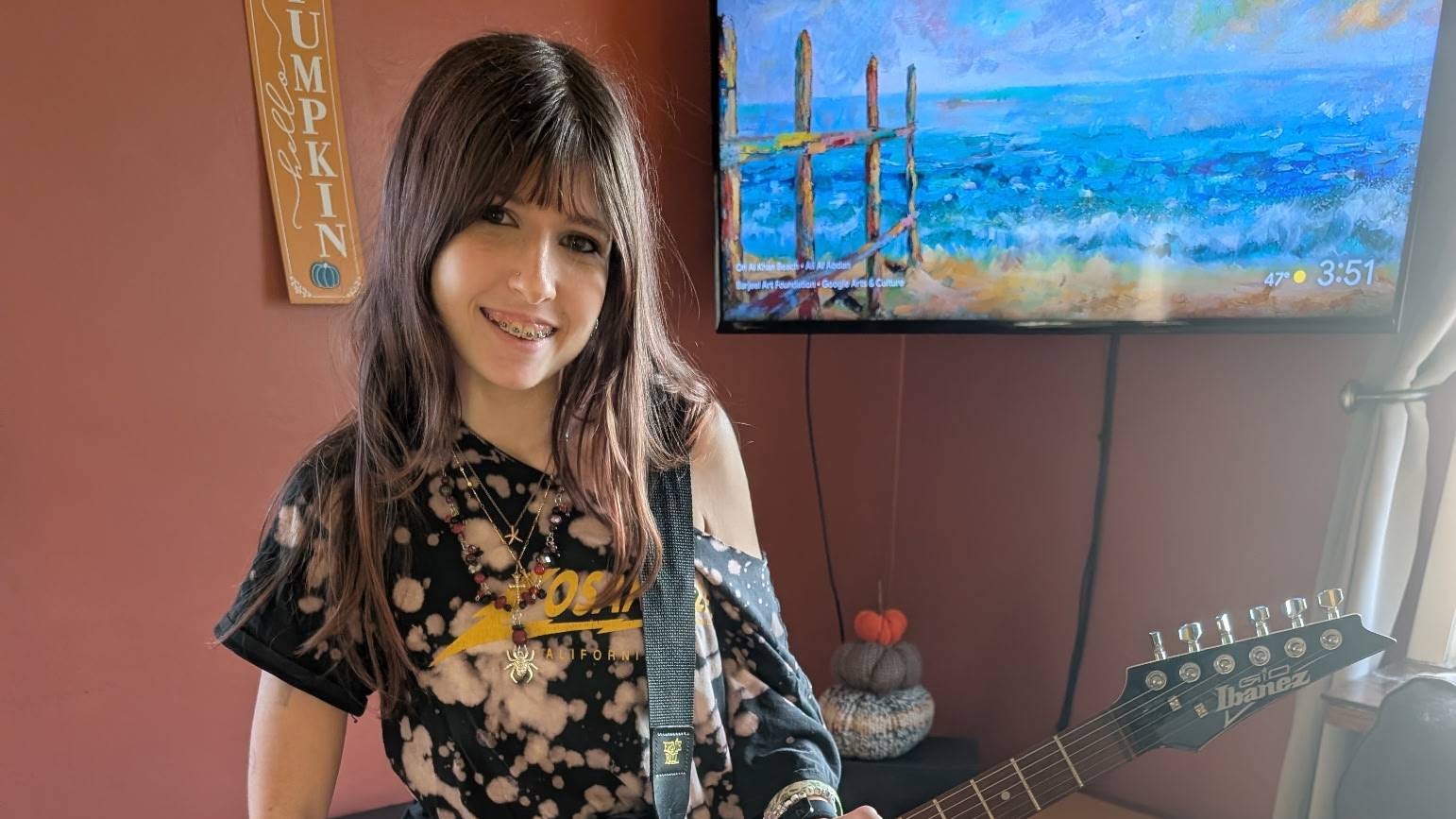
Abby Herr Again! | Episode 306
Dec 1101:03:58Tap to summarizeIn episode 306, the guys welcome back Abby Herr – Brian’s daughter – who first joined the table a few years ago as a precocious 10-year-old and now returns as a thoughtful, self-aware 14-year-old eighth grader. The conversation is warm, funny, and surprisingly deep for a teenager sitting between three grown men who love to talk.The episode kicks off with the usual “how’s everybody doing?” chaos: Brian recounts an “acid-trip of a week” that included a canceled flight turned 6-hour drive to Long Island, an unforgettable lunch in a gold-and-marble basement with the mysterious “Chicken Man” and a room full of Middle Eastern businessmen, and the sudden, heartbreaking loss of Lex’s brother Jon. Jay shares about leading a police officer’s memorial service and the unexpected encouragement it brought to the officers in attendance. Eric just tries to keep up.Then the spotlight turns to Abby. The guys ask how she’s changed in the three-plus years since her first appearance. Her answer? Morally and in her core values she’s the same, but she’s grown kinder, more understanding, and noticeably more focused on her faith. She credits a mix of youth group, good friends, and (whether she admits it or not) the influence of her parents – Brian’s confidence and Lex’s sweetness.Highlights from the conversation with Abby:* She’s still very much herself – self-regulating, comfortable saying no, and unwilling to compromise who she is to fit in with a crowd.* Social life: marching band visual ensemble, the upcoming junior-high musical Matilda (she’s Amanda… who gets swung around by her pigtails), and a tight group of friends who make school bearable.* On Gen Alpha stereotypes: “People think because we’re the same age we all get along and like the same things – we don’t.”* Social media wisdom (at 14!): “My choices and emotions aren’t curated for other people.”* How she processes hurt and rejection: a flash of anger, a little guilt, then she moves on without bitterness.* Phone/social media stance: okay after elementary school, but heavily restricted until high school.* Favorite apps: TikTok #1, Snapchat #2.* Unlimited liquid from her fingers superpower: water, Dr Pepper, iced tea, gasoline (smart), and she’s still thinking about the fifth finger.The episode closes on a tender note discussing how Abby is navigating the sudden loss of her uncle Jon – going quiet at first, then the weight hitting later, and finding comfort at a worship night with her youth group.It’s a fun, heartfelt hour that reminds everyone at the table (and everyone listening) that even at 14, with the right foundation, you can be remarkably grounded, kind, and wise.Catch the full episode on your favorite podcast platform or watch the video at lunchtimeinrome.com. While you’re there, take the free relational needs questionnaire and consider becoming a paid subscriber – new content and perks are coming in 2025!See you next week for episode 307. Get full access to Lunchtime In Rome Podcast at www.lunchtimeinrome.com/subscribe
Transcribe →
Season’s Meanings | Episode 305
Dec 401:11:49Tap to summarizeIn this warm and laughter-filled episode, the guys welcome back the beloved Amy Rayman after a long hiatus (a “big minute,” as they call it) for a deep dive into the many seasons every marriage seems to pass through.The table starts with lighthearted catching-up: gym routines, snow days vs. “FID days,” rental cars the size of roller skates, and the invention of Thanksgiving Street Corn (yes, it’s as amazing as it sounds—complete with mayo-sour cream dressing, fresh sage, thyme, shallots, Asiago, and a festive pop of pomegranate seeds).After plenty of tangents (and a few technical difficulties), the conversation turns to the heart of the episode: the seasons of marriage.The guys and Amy brainstorm an honest list that resonates with nearly everyone:* Honeymoon bliss* Ships passing in the night (busy schedules, kids, careers)* Power struggles & roommate vibes* Trauma seasons (loss, illness, crisis)* Young kids / “the darkness” of survival mode* Empty nest rediscovery* Caring for aging parents* Hitting your stride as a couple* Retirement (both the “we’re together 24/7” adjustment and the golden “we’re the same organism” years)They emphasize that seasons themselves aren’t good or bad—what matters is facing them together so neither spouse ever feels alone. As one listener beautifully put it, marriage is a living organism; with good communication, humility, and commitment, couples can flourish through every change.For fun, the guys asked Grok (X’s AI) for its comedic take on marriage stages. Highlights included the “oxytocin-high honeymoon,” the “dishwasher-loaded-like-a-raccoon-on-bath-salts” reality check, scheduled romance via Google Calendar, and the golden-years battle over who hid the TV remote or warmed the cold side of the bed first.Through all the laughs, the core message shines: no matter the season—joyful, exhausting, heartbreaking, or mundane—the goal is to keep choosing each other, respecting each other’s systems (and pierogi traditions), and loving unconditionally.If you’ve ever felt your marriage shift into a new season, this episode will make you laugh, nod, and maybe text your spouse from the couch: “You up?”Listen to Episode 305 wherever you get podcasts, or watch the (mostly) live video on YouTube. And don’t forget to take the relational needs questionnaire at lunchtimeinrome.com—it’s a great tool for any season you’re in! Get full access to Lunchtime In Rome Podcast at www.lunchtimeinrome.com/subscribe
Transcribe →
Ben Hershman | Episode 276
Mar 6, 202501:00:45Tap to summarizeWelcome everyone and pull up a seat at the table. It’s Lunchtime in Rome. Tonight’s episode 276 is titled “Ben Hershman.” Ben is one half of Sola Gratia Vita Ministry alongside his wife Gab. We’re getting to know him at The Table this evening.Pull up a seat at the table and join us!Episode SummaryIn Episode 276 of the Lunchtime in Rome podcast, hosts Jay, Eric, and Brian welcome Ben Hirschman, one half of Sola Gratia Vita Ministries, for an engaging conversation. Recorded on March 5, 2025, the episode dives into Ben’s unique journey—from his early days as a competitive tap dancer to his current roles as an electrician, electrical instructor, worship leader, and ministry co-founder alongside his wife, Gab. The hosts share personal updates, including Eric’s family outing and Brian’s frustrating encounter with identity theft, before turning the spotlight on Ben. He opens up about his faith journey, sparked by a stillbirth loss that deepened his relationship with God, and how it inspired Sola Gratia Vita, a ministry supporting couples through perinatal trauma and loss. Ben reflects on navigating grief as a husband and father, emphasizing the power of presence over fixing, and shares how the ministry aims to offer free support to those in need. Tune in for a heartfelt discussion about life, loss, and finding purpose through faith.Support Ben and Gab: https://www.givesendgo.com/sola-gratia-vita_soul-careFollow their ministry: https://www.instagram.com/solagratiavita/ Get full access to Lunchtime In Rome Podcast at www.lunchtimeinrome.com/subscribe
Transcribe →
Funeral Blessings | Episode 275
Feb 27, 202500:59:45Tap to summarizeWelcome everyone and pull up a seat at the table. It’s Lunchtime in Rome. Tonight’s episode 275 is titled “Funeral Blessings” What makes the saddest of days more bearable? What has helped you get through these terrible life events? What have you done to help others through their time? We’re talking about that at The Table this evening.Pull up a seat at the table and join us!Episode SummaryIn this heartfelt episode, the guys explore what makes the saddest days more bearable, focusing on the power of presence and support during funerals. They share personal stories, like planning a Nashville getaway and navigating passport woes, before diving into listener responses about meaningful funeral experiences. From kids showing up at a viewing to friends traveling hours with little notice, the episode highlights how simply being there often matters more than words. However, it also touches on the flip side—hurtful comments like “it’s time to be over this” after a stillbirth. The guys emphasize that true comfort comes from showing up, especially long after the funeral, when the world moves on but the grieving doesn’t. Tune in for a mix of laughter, reflection, and wisdom on mourning together.From The Table* Laura Pierini* When Gary died, almost every single kid in the first and second grade at my kids school came to the viewing. Not just their parents, but the kids as well.* Faith Milazzo* I really appreciated the few friends from HS and college who showed up at my dad’s funeral over an hour away and with one day’s notice; we did not have a viewing. It was also nice to see my dad‘s best friends from high school who he had kept in touch with over the years. One drove across the state.* This had nothing to do with the funeral, but the mom of one of my daughter’s friends from grade school showed up at my house with flowers and some tea because she read my Facebook posts that I was having trouble sleeping. I hadn’t seen this woman in a couple of years; we only kept in touch through Facebook. I was really touched by that kindness.* Janet Uffner Amato* Dan worked for the PAT and tons of workers came. They even brought a bus with a wreath in front of it with his employee #. His dear friend, Tom, flew in & brought his clarinet & played at the funeral. My friends & family were nothing short of amazing.* Dawn Marie Himes-Pinner* It the emotion others showed. Some were for my mom and the void in their life brought on by her passing, but also the hurt that was felt for my hurt.* It was “my people” seated behind me - walling me in, protecting me from* Lastly, it was everyone who knew how exceedingly important each and every detail of the day was to me.* All of this to say, that on one of the hardest days of my life I felt protected.* Beverly Sheesley* At my uncle's funeral I learned more about him due to the pastor who spoke. My uncle told him things that he experienced as a soldier in WWII that he never shared with any of his family. It was like getting to see another side of him. A gift from him to his family at his funeral.* Kerry Doyal* Kind, genuine presence.* As appropriate, crying with them. Not hiding your tears.* Kelly E. Anker* My friends showing up when my aunt died, no they did have to and it meant a lot but also at the time I probably didn’t think I was worth my friends showing up.* Katie Jones-Hess* When my dad died we were unsure of what to do about the newspaper obituary. He had been ill for many years and limited contact outside of the house, many of his friends, work colleagues and neighbors had either moved or passed .* We decided to run it and a few families in Penn hills saw it and came to the memorial. These were other swimming parents who we knew since I was in 1st grade . Back to the days of Highlands aqua club swim team , then all the way through high school.* They shared great memories of my dad . It was very touching to see them and hear of the outgoing & proud athlete parent version of my dad !* You never know who may show up if they can.* Hannah Morris Brouzakis* I used to think I needed to say something significant when I attended a viewing or funeral. When my mom died I realized I remember very few things people said to me. What stands out the most were the people that were there, just their presence. The fact that they got up that morning, got dressed, and showed up for me (or my dad, or my brothers, or just because they loved my mom). That was the biggest comfort.* Colleen Donkin Jonnet* When Rich died two young girls came to the funeral home by Access. They were former students of his. They both were in wheelchairs and they proceeded to tell me that they both had full time jobs and they lived in their own apartments all because Mr. J told them that they could do anything they set their minds to!!! They said they owed him so much and wanted to show their respect to him and his family!!! I was so very touched by their kind words and for them coming to convey them to me!!!* Sandi Chick Varrenti* A couple from church that I felt like they were present the entire time my husband was laid out. I will never forget how much that blessed me 💞* Amy Lynn* I received so many great stories about my mom from people I had never met, that I still think about often. The day of the visitation at the funeral home was long and difficult, but anytime I looked up and saw my "people" it gave me the strength to carry on. It's also funny that the people I was certain would show up didn't and ones that I didn't think would show did.* Dylan Porter* When my mom died, 2 young nieces came to my side for hugs. I just sat down on the floor, with the* m on my lap, and almost cried like a child. It was wonderful, even though I'm sure they didn't understand death yet.* (These transition from good to bad)* Sally Feeney Herr* When I don't know what to say..I give a hug* I know it's important to just show up at the funeral home and or the service.* We had a full term stillborn son..1 Sunday a few months after we buried him..I broke down in church..someone at the church we were attending said (very meanly)" it's time for you to be over this"* DON'T EVER SAY THAT.* Tara Conaway* "ministry of presence" is the best way I describe it. The ones that didn't do anything overly memorable, they just.....showed up. The ones that stand out in my mind as negative experiences are akin to Job's "friends." Offering advice, information....i mean honestly just anything they said. I know it was well intended but...to this day 15+ years later I still remember someone warning me not to gain weight after my mother died because she did, and how awful it was. And notably - to me, the biggest highlights are the ones who showed up 3months, 6 months, 1 year after the funeral. The funeral is easy to remember - social media, newspaper obituaries, town chatter. Its the ones who show up when the dust has settled and life has moved on for everyone else. THAT is the true "ministry of presence."* Cori Tray* I'm not sure if this is considered a blessing, but my Uncle passed when I was in my mid 20's and my 93 year old Aunt/his wife was standing up at the casket... My boyfriend at the time/now husband and my parents approached... Gave hugs...etc. My 93 year old aunt proceeds to say, "Cori, you've sure grown... Not this way (motioning up and down), but this way (motioning side to side)... Now, I am 4'10 and at that time maybe weighed 130 pounds... I was ready to knock her out and my boyfriend and parents still relive that moment... The anger... Haha* (This is just sweet)* Mark Piccolino* The two people who I grew up next door to passed away within weeks of each other. When he died I felt that the priest really didn't say much about him. They were very involved in their church and deserved a better send off. When she died, I voiced my opinion to his children and they let me say a eulogy for them both at her funeral. I felt so honored to be able to memorialize them properly. Get full access to Lunchtime In Rome Podcast at www.lunchtimeinrome.com/subscribe
Transcribe →
Who Do You Trust? | Episode 274
Feb 20, 202501:03:03Tap to summarizeIn Episode 274 of Lunchtime in Rome, titled "Who Do You Trust," the guys dive into a thought-provoking discussion about who we trust, how much we trust them, and why trust matters—or doesn’t. Recorded on February 19, 2025, this episode blends personal updates with a deep exploration of trust in relationships, institutions, and society at large.The episode kicks off with the guys catching up on recent experiences. Eric shares highlights from a work trip to New York City, where he navigated the hustle of Manhattan, stayed at the AKA Nomad, and dominated a high-tech tabletop shuffleboard tournament at Electric Shuffle. Chris recounts a cozy Valentine’s Day weekend getaway to Canton, Ohio, featuring a charming bed and breakfast stay and a visit to the Pro Football Hall of Fame, complete with an immersive Joe Namath hologram show. Meanwhile, Brian reflects on introducing a fresh Italian pasta brand to Pittsburgh, now available at local spots like Community Market and Wooley’s, while also anticipating his daughter’s upcoming junior high musical.The conversation then shifts to the main topic: trust. The guys pose big questions: Who do you trust completely? How much faith do you have in institutions like the church, government, or major charities? They share personal scales of trust, revealing a stark skepticism toward large organizations. Trust in government scores a dismal 1.6 among their audience, with the guys themselves hovering near zero, though local governance earns slightly more confidence due to its proximity and accountability. Major charities fare a bit better at 2.8, but concerns about mismanagement and executive pay temper any optimism. Religion elicits varied responses—high trust in their local Faith Community Church contrasts with wariness toward broader denominations like the Vatican or Southern Baptist Convention.A surprising twist emerges when they discuss how much trust matters to them personally. While their audience rates trust’s importance a unanimous 10, the guys are more reserved, landing between 5 and 6. They argue that expecting unwavering trust sets unrealistic standards, especially since everyone falters eventually. Trust in close relationships—like with a spouse or friends—ranks higher (9 or 10), but for the general population or institutions, it’s less critical. They explore how betrayal differs from broken trust and suggest that grace and understanding might be key to navigating inevitable disappointments.The episode wraps up with a nod to the different roles institutions play versus personal connections. While friends are trusted with feelings and secrets, governments and charities are judged by whether they deliver on promises—a bar they rarely meet. With humor, candor, and a touch of cynicism, the guys invite listeners to reflect on their own trust thresholds and join them next week for Episode 275.Catch the full episode at lunchtimeinrome.com, take the Relational Needs Questionnaire, and follow along on social media for more from the table! Get full access to Lunchtime In Rome Podcast at www.lunchtimeinrome.com/subscribe
Transcribe →