
Podcast
Marketing Spark (The B2B Marketing Podcast)
Hosted by Mark Evans · EN
Marketing Spark is a podcast for B2B founders and founders who want to understand how marketing decisions drive real business outcomes.
Through candid conversations with operators and entrepreneurs, the show explores positioning, growth, and the practical tradeoffs behind building demand, trust, and long-term growth.
16episodes
Episodes
Newest firstAll episodes
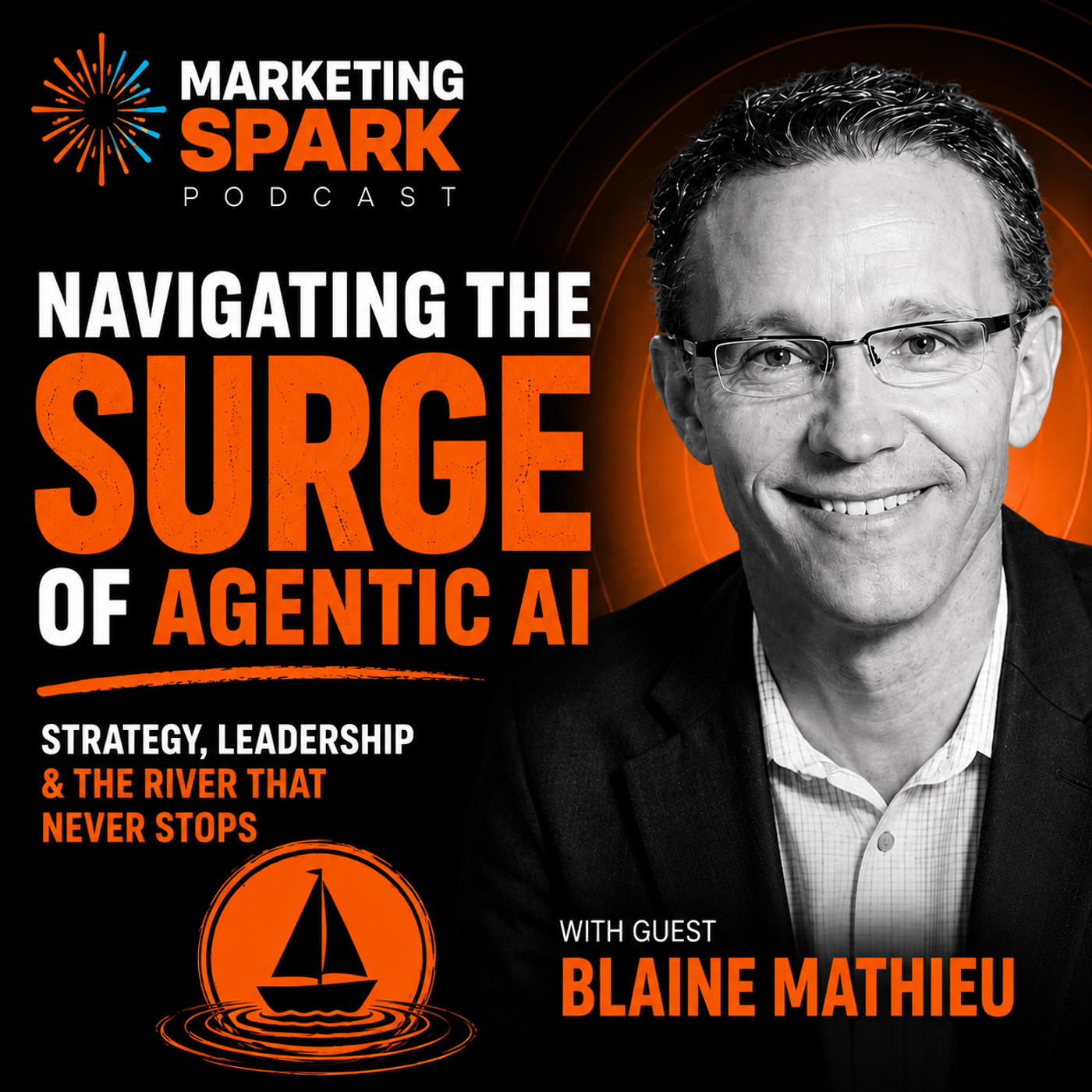
Bolt On AI or Reimagine the Business? Blaine Mathieu on Agentic AI Strategy
2w ago00:30:21Tap to summarizeMany companies are adding AI to existing processes to improve efficiency, productivity and lower costs. Blaine Mathieu believes senior leaders also need to consider a more consequential question: should AI improve how the company already operates, or become the catalyst for reimagining the business?Blaine is the author of The River Doesn’t Wait: A Senior Executive’s Guide to Navigating the Surge in Agentic AI. Drawing on decades of experience in technology, strategy, product and executive leadership, he explains why agentic AI represents a corporate strategy challenge rather than another technology implementation.In this episode of Marketing Spark, Mark and Blaine discuss the difference between retrofitting and reimagining, how companies can decide where to focus their AI investments, and why competitive advantage is more likely to come from redesigning work than making existing processes faster.
Transcribe →
AI-Driven Marketing: Oren Greenberg's Strategic Pivot
Jun 1900:33:24Tap to summarizeMark Evans interviews Oren Greenberg, founder of Kurve, about his pivot from growth marketing to AI-native go-to-market systems. Greenberg explains how he now helps B2B companies—typically CEOs at smaller firms and CMOs/CROs at larger ones—implement custom AI projects (like ICP modelling and programmatic AEO engines), run growth audits across paid, SEO, analytics, and team capability, build workflows and automation, and deliver structured AI training programs.
Transcribe →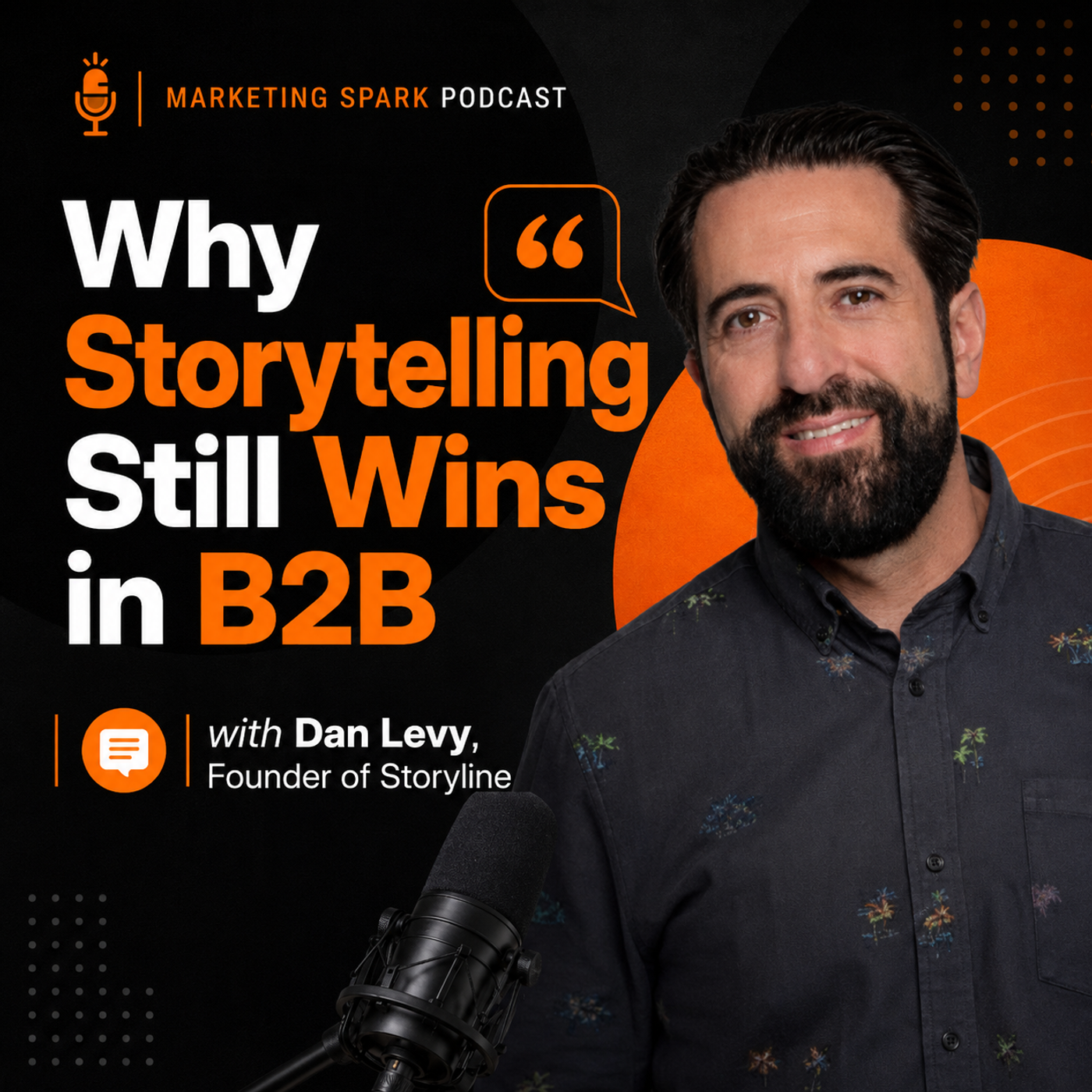
B2B Storytelling: Why Your Company Needs a Storyline (Not Just Stories) with Dan Levy
Jun 900:33:41Tap to summarizeMark Evans hosts Dan Levy, founder of Storyline, to discuss what storytelling really means in B2B and why companies need an overarching “storyline” to align marketing, sales, success, and product. Levy defines storyline as what you do, how you’re different, and why it matters to the right people right now, positioning it as the bridge between brand and product positioning and practical messaging. They cover how CEOs typically ask for a clearer story, the inputs and process to develop one (one-on-one stakeholder interviews, customer interviews, and competitive analysis), and how a unified storyline becomes the angle that guides content, campaigns, and executive thought leadership. They also address AI’s role in execution versus the human work of insight and alignment, and red flags like stalled enterprise deals and “no decision” outcomes when urgency and “why now” are missing.
Transcribe →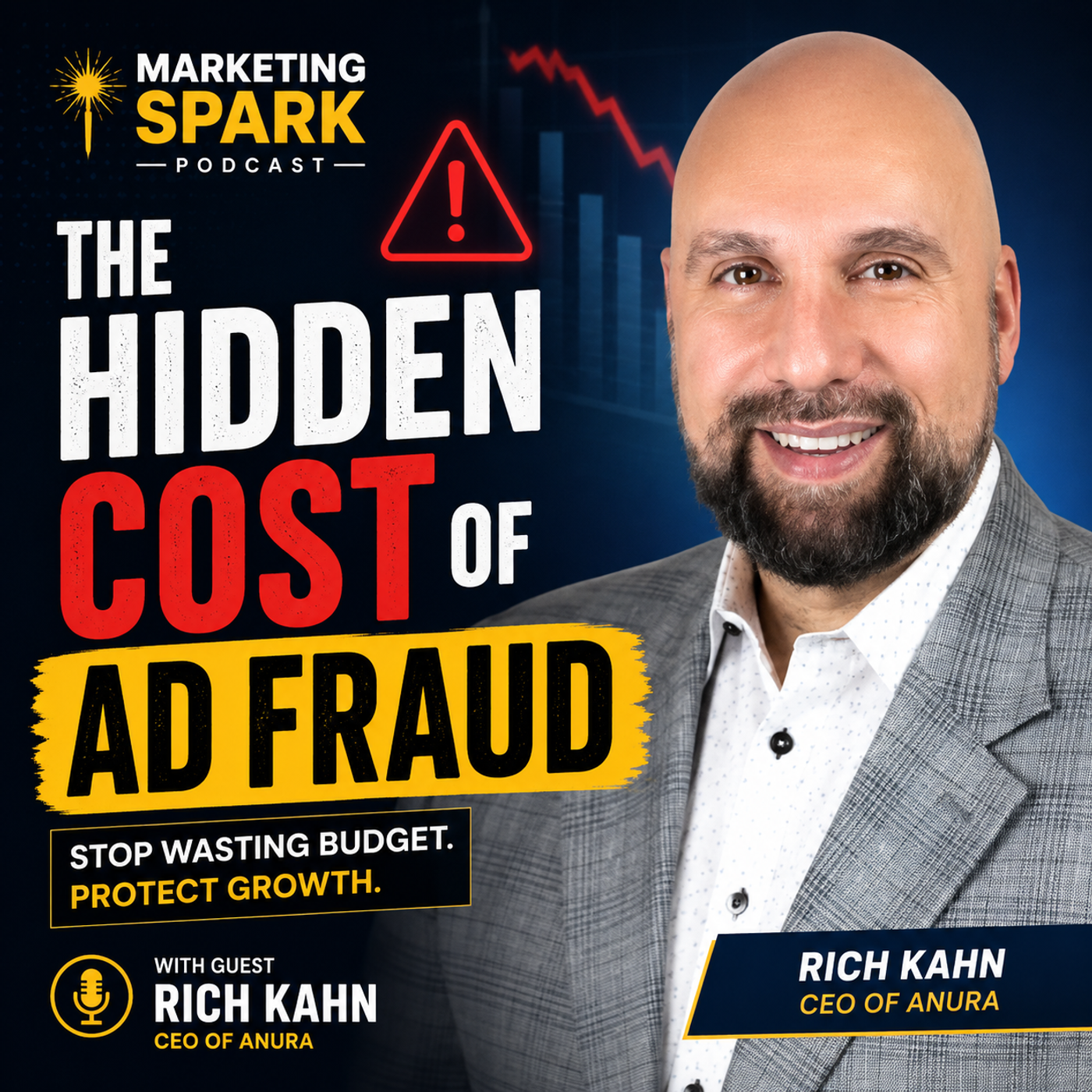
The $160B Digital Ad Fraud Problem
May 2600:34:21Tap to summarizeAd fraud is one of the biggest invisible threats facing marketers, advertisers, and growth teams. In this episode of Marketing Spark, Rich Kahn, CEO of Anura, joins the show to explain how ad fraud quietly drains budgets, distorts performance data, and makes it harder for companies to know what is actually working.Rich shares why fraudulent traffic remains such a persistent problem, how B2B SaaS companies can spot warning signs, and what marketers should do to protect their campaigns, pipeline, and revenue. For CEOs, founders, and marketing leaders, this conversation is a practical look at the hidden costs of bad traffic and why clean data is essential for smarter growth.
Transcribe →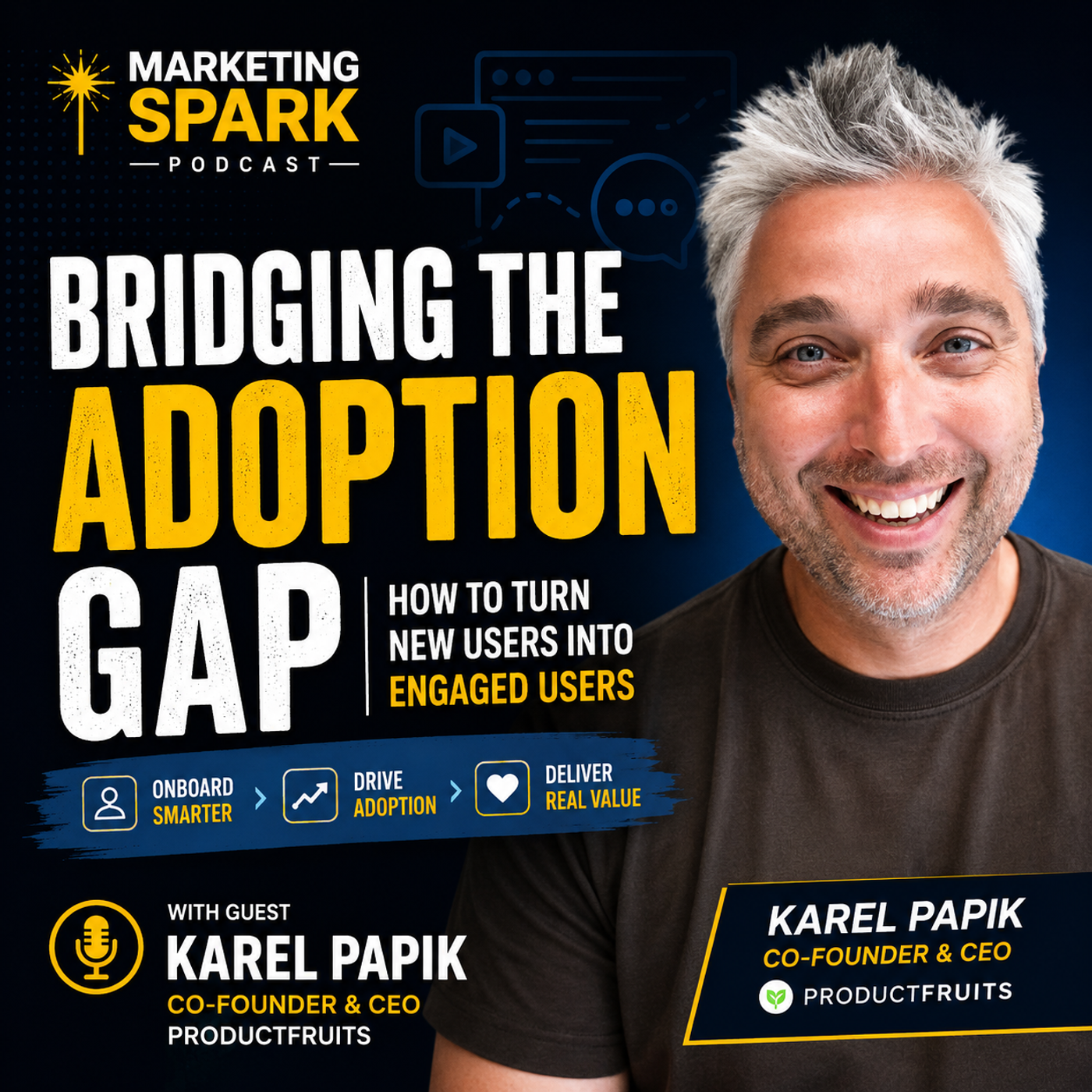
SaaS Retention, Product Adoption, and the AI Challenge: Karel Papik, Product Fruits
May 800:25:26Tap to summarizeYou can build faster than ever with AI.That does not mean users will adopt what you build.In this episode of Marketing Spark, I talk with Karel Papik, co-founder and CEO of ProductFruits, about one of the biggest challenges facing SaaS companies today: the growing disconnect between product velocity and user adoption.We explore why companies are shipping more features while users feel increasingly overwhelmed, why many AI tools struggle to deliver lasting value, and how onboarding has evolved from static product tours into personalized AI-driven experiences.Karel also shares:Why AI products often suffer from weak retentionThe hidden friction slowing SaaS adoptionWhy companies hesitate to switch software despite dissatisfactionHow ProductFruits competes against larger players like Pendo and WalkMeWhy smaller SaaS companies can still win in crowded marketsHis perspective on the future of AI, product experience, and human workThis conversation is especially relevant for SaaS CEOs, founders, marketers, and product leaders trying to understand why growth becomes harder even when teams are building and shipping faster than ever.
Transcribe →
The Rise of Dark AI and the Cost of Getting It Wrong
Apr 1500:33:42Tap to summarizeTom Rudnai's research at Demand Genius reveals a structural flaw in how SaaS companies approach AI Engine Optimization: they're measuring citations, but AI generates zero retrieval at the awareness and consideration stages—the phases where buying criteria are actually set. By the time a citation appears, the buyer's frame is already locked. This means the entire content playbook built around keywords, citation tracking, and share of voice is aimed at a sliver of the funnel, while the real influence goes unmeasured. Rudnai introduces two frameworks that reframe the problem for SaaS leaders: "information gain" (a tiered model for producing content AI considers worth incorporating, versus content it simply ignores) and "content debt" (the cumulative maintenance burden that grows with every piece published). For any SaaS company trying to compete in a world where buyers use AI before they talk to sales, the implication is direct: influence the problem frame, or someone else will.
Transcribe →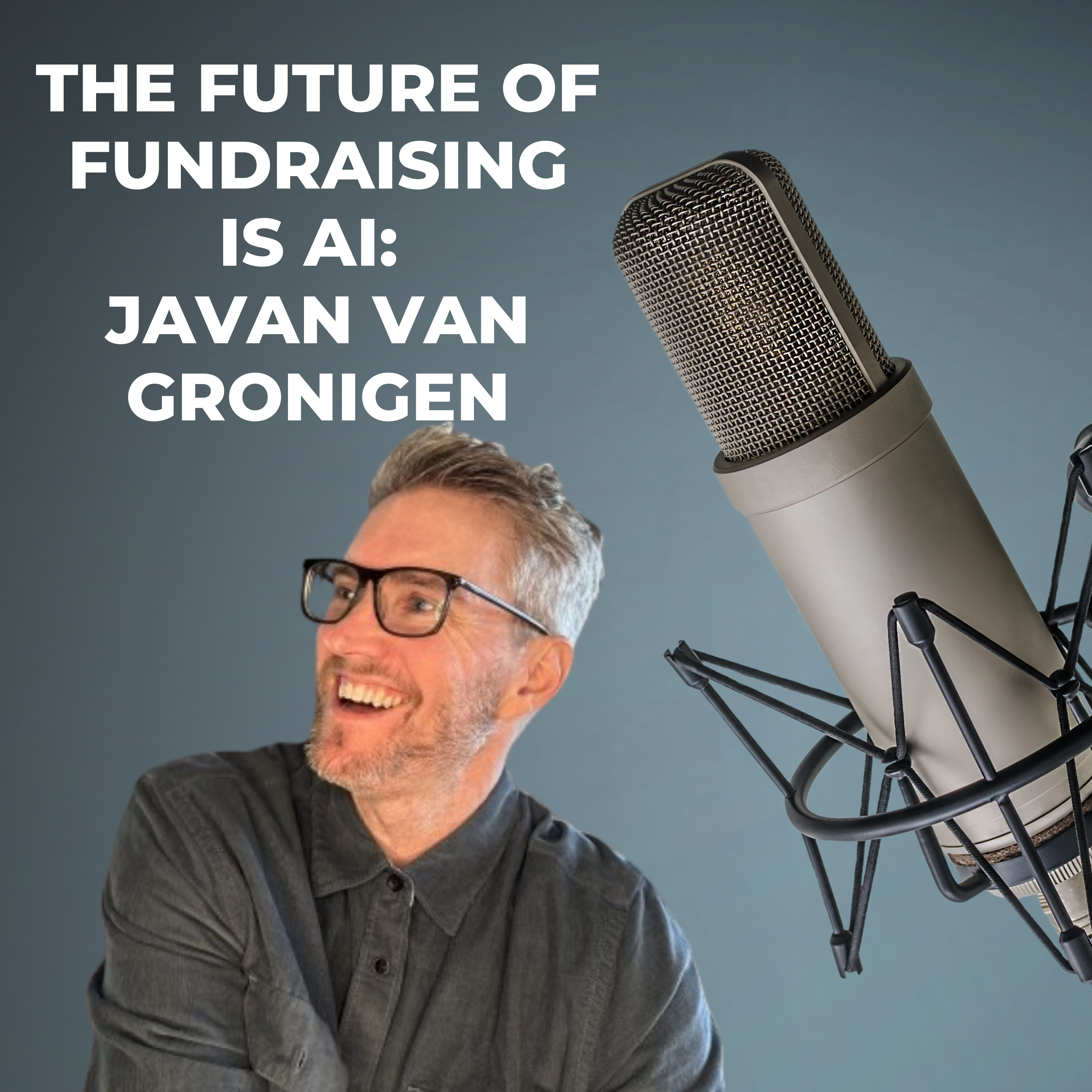
How Donate.ly Helped Raise Millions and What AI Means for Nonprofit Fundraising | Javan Van Gronigen
Mar 1400:31:00Tap to summarizeHow do nonprofits compete for attention, donations, and impact in a noisy digital world?In this episode of the Marketing Spark podcast, host Mark Evans speaks with Javan Van Gronigen, co-founder of Donate.ly, a fundraising platform that has helped nonprofits raise hundreds of millions of dollars.Javan shares the story behind Donate.ly and how his experience working with nonprofits revealed a major gap in fundraising technology. Many organizations struggle with complex systems and tools that slow them down instead of helping them grow. Donate.ly was built to simplify fundraising while giving organizations the flexibility to scale.During the conversation, Javan and Mark explore:• Why many nonprofits struggle with fundraising technology• How campaigns like the Barstool Fund raised tens of millions of dollars for small businesses• The marketing strategies that helped Donate.ly grow in a competitive landscape• Why education and content marketing are essential for reaching nonprofit leaders• How AI is transforming marketing, automation, and fundraising strategy• Why founders and marketers need to experiment with AI now or risk falling behindJavan also shares his perspective on the future of fundraising technology and how AI-powered systems could soon automate large parts of marketing and donor engagement.
Transcribe →How Agenda Hero Is Using AI to Eliminate Manual Calendar Work
Feb 1100:29:52Tap to summarizeIn this episode of Marketing Spark, Mark Evans sits down with Caren Cioffi, co-founder and CEO of Agenda Hero, an AI-powered platform designed to eliminate manual calendar work and save billions of hours.After more than a decade at Brightcove, where she helped scale the company from startup to global public enterprise, Caren made the leap into entrepreneurship to solve a problem she experienced firsthand: the hidden time cost of managing schedules. What began as personal frustration with juggling work, travel, and family logistics evolved into a startup tackling one of the most persistent workplace inefficiencies.Caren explains how Agenda Hero uses AI to convert text, images, and PDFs into structured calendar events across Google, Outlook, Apple and more. She shares how the breakthrough came when AI made it possible to automate tedious form filling that calendars have required for decades.The conversation also explores:• How to validate product-market fit before scaling marketing• Why building a product people genuinely love is the best early marketing strategy• Lessons learned from pivoting within her own product• How she approached raising venture funding for the first time• The role of influencer and advocacy marketing in early-stage growth• Why founders need conviction and the right believers around them
Transcribe →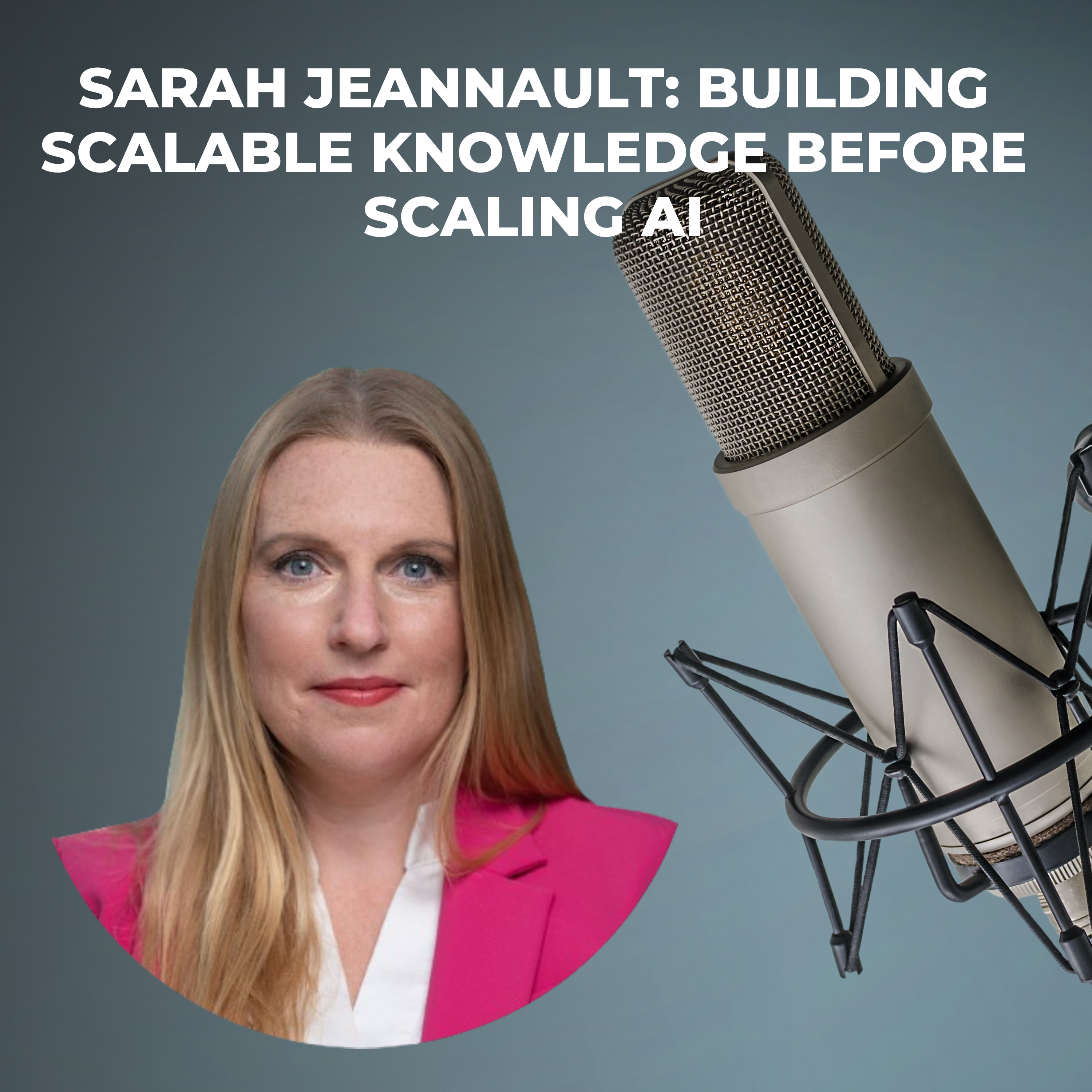
Before AI: The Critical Knowledge Gap You're Overlooking
Jan 2900:29:37Tap to summarizeMany companies are rushing to adopt AI tools hoping to unlock new levels of productivity and innovation — and failing. Why? According to Sarah Jeannault, former FinTech founder and now VP Marketing at ProcedureFlow, it’s because they skipped a crucial step: building a strong operational and knowledge foundation. In this episode, Sarah dives into why AI initiatives fall flat, how to fix broken knowledge systems, and what a true AI-ready organization actually looks like. We also talk about marketing’s evolving tech stack, change management, and why AI must empower frontline teams — not just leadership.
Transcribe →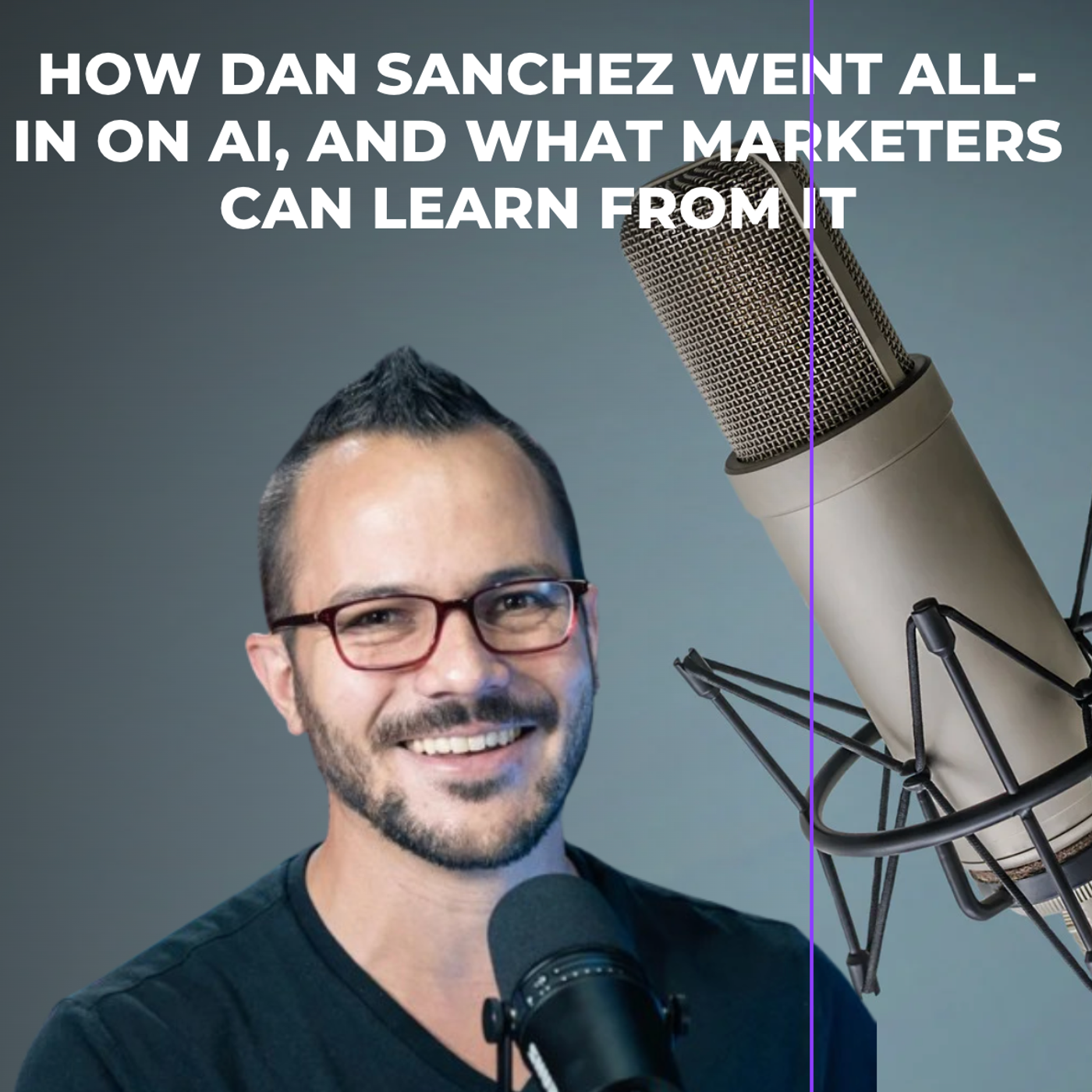
From Podcasting to Prompt Engineering: Dan Sanchez’s Leap into AI
Dec 3000:37:34Tap to summarizeIn this episode of Marketing Spark, Mark Evans sits down with Dan Sanchez, a former podcasting leader turned AI marketing consultant, to explore his incredible transition into the world of artificial intelligence. From feeling behind the curve with ChatGPT to becoming a trusted voice in AI for marketers, Dan shares the pivotal moments and painful lessons that led him to reinvent himself.You’ll learn how chain prompting changes how we use AI tools, why top-of-funnel SEO is dying, how to build a personal brand that stands out in an AI-saturated world, and what marketers can do right now to catch up and stay ahead. Whether you're AI-curious or all-in, this episode delivers a roadmap for future-proofing your marketing strategy.Topics We Cover:The AI wake-up call that changed Dan’s career pathWhat most marketers still misunderstand about chain promptingThe “30-30-30” framework for becoming a trusted voice in any nicheHow AI is reshaping SEO, blogging, and brand trustThe 5 categories of essential AI tools every marketer should useHow to stand out when everyone is using the same tools
Transcribe →