← Marketplace Morning Report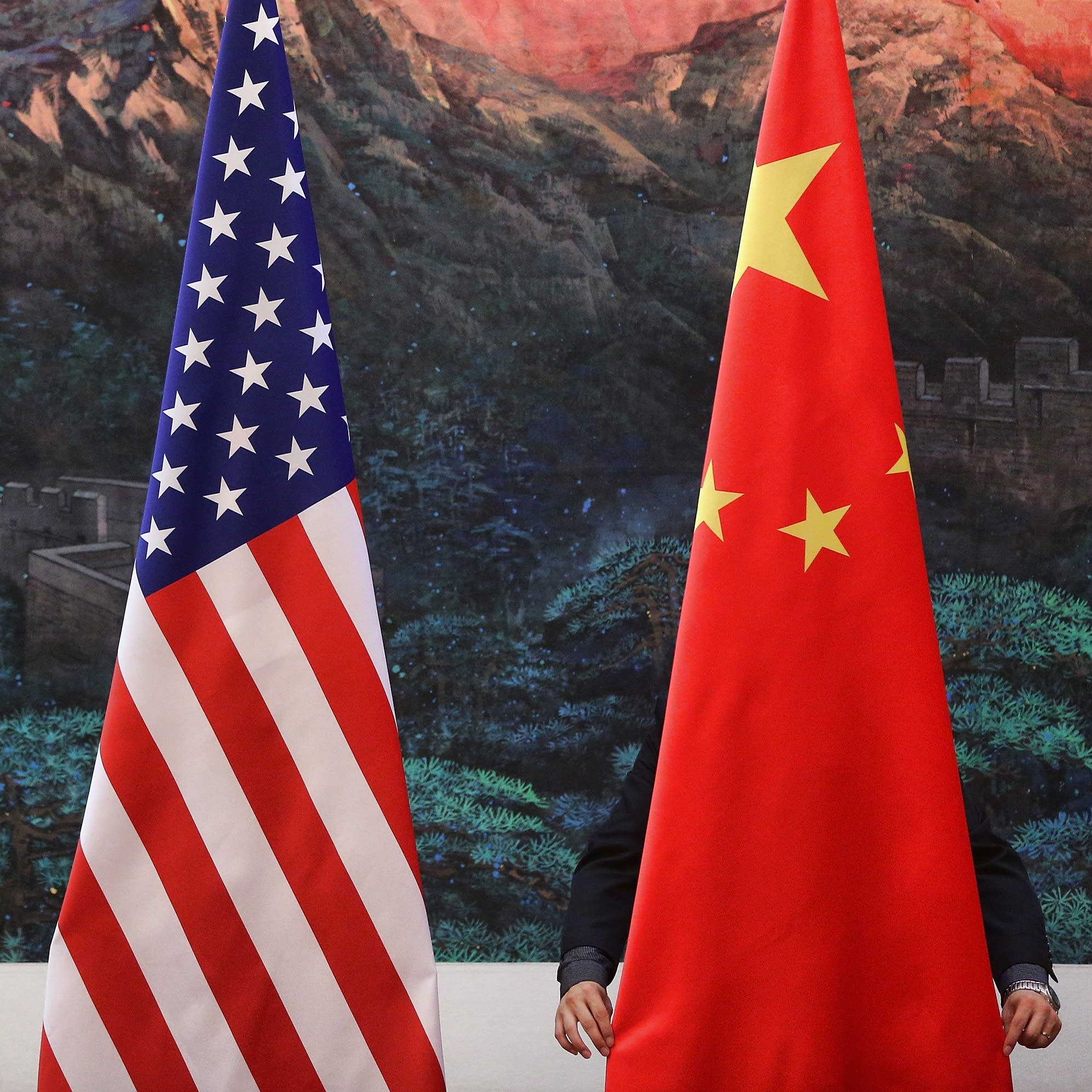
Loading summary
Transcript20 lines
- [00:01]
Host or Announcer
Hey, if you're listening to this, I will assume you're at least interested in money, understanding the economy and finances as well. And some of us now want to get the next generation interested as well. So check out Million Bazillion Marketplaces award winning kids podcast that breaks down money to help dollars make more sense. Tune in to Million Bazillion wherever you find your favorite podcast. A whole new season is out now. Million Bazillion is presented in partnership with Greenlight, the debit card and money app for kids and teens. Greenlight helps kids and teens learn to earn, save, spend wisely and invest. When you sign sign up for a Greenlight account@greenlight.com million this Marketplace podcast is.
- [00:38]
Dell Representative
Supported by Dell Introducing the new Dell AI PC. Powered by the Intel Core Ultra processor, it helps you do your busy work for you so you can fast forward through editing images, designing presentations, generating code, debugging code, summarizing meeting notes, finding files, managing your schedule, responding to long emails, leaving all the time in the world for the things you actually want to do. Get A new Dell AI PC starting at 749.99@dell.com AI PC how those ahead? Stay ahead.
- [01:09]
Nick Qureshi
Beijing Confirms Progress in Trade Talks with Washington Live from the uk this is the Marketplace Morning report from the BBC World Service. Hello, I'm Nick Qureshi in Fort Leonard Byrne. China has confirmed it's reached an agreement with the United States over rare earth minerals in a bid to end a trade war between the world's biggest economies. A White House official says it lays the ground for expediting rare earth shipments from China to the US. The BBC's Jake Kwon says it's taken a lot of work to get to this point.
- [01:39]
Jake Kwon
America had accused China of stopping the export of these rare ingredient for any modern machinery, whether it's sensors, magnets and it even has implication into national security because a lot of these components are used on weapons. And China accused America of stopping the sale of semiconductor chips. Two weeks ago, the two sides met again in London to iron out that detail and at the time we heard that they have agreed to a framework deal and it seems that yesterday they finalized that framework deal, which really bodes well to those countries finishing their trade war at the same time. This appears to be a middle step and it will be a while to reach the final line.
- [02:18]
Nick Qureshi
Jake Kwon there. Meanwhile, in Europe, work continues on a trade agreement with the US before July 9th. That is when the 90 day pause runs out. European leaders have been gathering in Brussels for a summit where they must decide on a common negotiating position towards the Trump administration. European Commission President Ursula von der Leyen confirmed the US had sent over its terms for a deal. She warned the bloc was considering all options.
- [02:44]
Ursula von der Leyen
So our message today is clear. We are ready for a deal. At the same time, we are preparing for the possibility that no satisfactory agreement is reached. This is why we consulted on a rebalancing list and we will defend the European interest as needed. In short, all options remain on the table.
- [03:04]
Nick Qureshi
Ursula von der Leyen let's do some numbers. Oil prices are heading for their steepest weekly decline since March 2023. Risk premiums evaporated after the Iran Israel conflict led to no major supply disruption. India's central bank has drained $10 billion of excess cash from the banking system. The first such operation in seven months aims to lift overnight borrowing costs. And French consumer prices rose more than expected in June, up just under a percentage point year on year, according to early data. It ends a streak of declining inflation as service costs accelerated and energy price falls moderated. Now that 12 day war between Iran and Israel brought intense focus on a key waterway, the Strai of Hormuz. It runs between Iran and the Gulf states and is crucial to the global economy. A ceasefire has been in place since Tuesday. But how has the conflict affected a region so dependent on this strait? The BBC's Samir Hashmi reports from Dubai.
- [04:08]
Ursula von der Leyen
For nearly two weeks, Iran and Israel were locked in their most intense conflict in decades. And for a few hours, it felt like the Gulf was on the brink. One of the biggest fears, that Iran might block the Strait of Hormuz, one of the world's most important shipping routes and its most vital oil transit choke point, with nearly 20% of the world's oil passing through it. Ben Cahill is an energy expert at the center for Strategic and International Studies. He says Iran closing the strait was never a likely scenario.
- [04:39]
Ben Cahill
The full closure of the strait would cut off Iran's critical source of export revenues, foreign currency revenues. And that's definitely not in the interest of the Iranian state or the oil sector. So that would be a major reason why Iran would not decide to go for a full scale closure of the strait. And no matter what happens in the months to come, I mean, Iran will be highly dependent on oil revenues.
- [05:00]
Ursula von der Leyen
But it wasn't just oil that was affected. I'm standing right now at Dubai Creek, the heart of all Dubai's trading routes. But now this place has become more symbolic than strategic. But just a few kilometers away from here sits Jabal Ali, the largest port in the Middle east and one of the busiest in the world. Over the last few decades, Dubai has emerged as a major global trade hub connecting Asia, Africa and Europe. But the recent Israel, Iran conflict threatened to disrupt that rhythm. Average container shipping rates jumped by 55%. Roshman Manoli is the Vice president of freight forwarding at Consolidated Shipping Services, one of Dubai's largest freight companies.
- [05:46]
Ben Cahill
At the moment, it's still fluid. Everybody is waiting and watching how things unfold.
- [05:52]
Ursula von der Leyen
And the prices that go up, do they immediately come down or does it take some time then for the prices to gradually settle down?
- [05:58]
Ben Cahill
It gradually settles down. Initial impact is when you have a choke point and when you have a situation of backlogs, obviously the vessels will need to be diverted to the other ports and then moving those containers from those transshipment ports back into uae, that's additional cost. So yes, if there is a long term, then the prices will continue to be long term.
- [06:19]
Ursula von der Leyen
Throughout the conflict, Gulf states tried desperately to avoid being dragged in. The region also houses some of the world's largest oil and gas facilities infrastructure that has been targeted in past attacks. Since then, Saudi Arabia and the UAE have worked to thaw relations with the Iranian regime even as they have deepened security ties with the United States. Badr Al Saf, a Gulf based geopolitical analyst and a professor at the Kuwait University, believes that the recent conflict will push Gulf states to double down on improving ties with Tehran. Look, the Gulf states have been pursuing a nimble foreign policy that caters to.
- [06:56]
Jake Kwon
Fast changing dynamics, that advances their security, their national interests, that also advances their domestic needs.
- [07:03]
Ursula von der Leyen
And those plans require peace and stability in a region trying to chart a new course away from oil towards innovation and growth. Stability is currency. In Dubai, I'm the BBC Sameer Hashmi for Marketplace.
- [07:18]
Nick Qureshi
Finally from me, Chinese tech giant Xiaomi Corporation might be the world's third largest smartphone maker after Apple and Samsung, but it now seems to be making a big impact in the electric vehicle market. The Firm's launched a $35,000 sports utility vehicle to compete with Tesla, with a reported 200,000 pre orders processed in just three minutes. I'm Nick Qureshi with the Marketplace morning report from the BBC World Service. Thanks for listening.
- [07:49]
Jake Kwon
This old house has been America's most trusted source for all things DIY and home improvement for decades. And now we're on the radio and on demand. I think you're breaking into this wall.
- [08:00]
Host or Announcer
Regardless, I was hoping you wouldn't say that. I need to go and get some whiskey. I think I would get the whiskey for sure.
- [08:06]
Jake Kwon
Subscribe to this Old House Radio hour from LAS Studios. Wherever you get your podcasts.