Loading summary
Transcript1 lines
- [00:00]
Energy Trust Representative
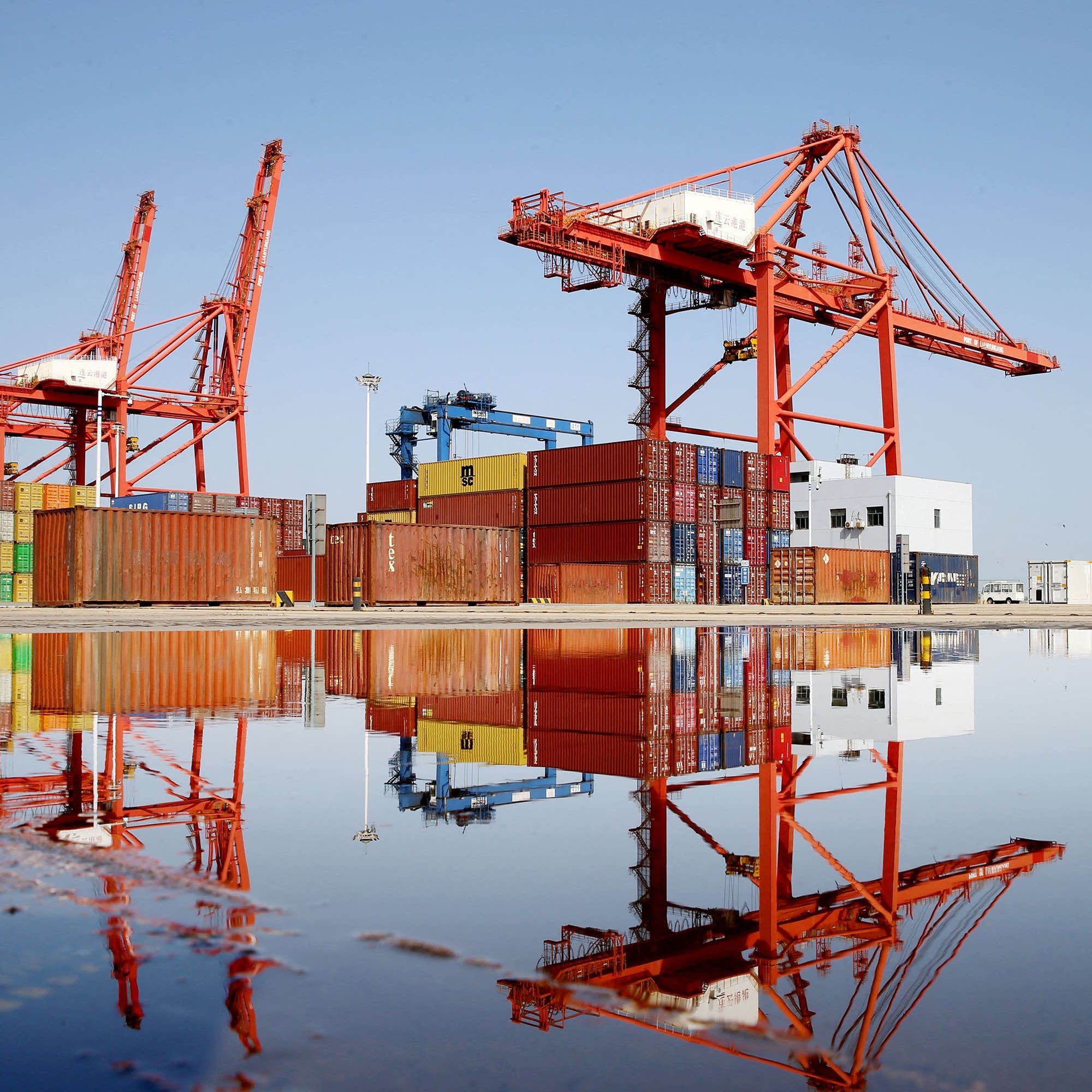
At Energy Trust of Oregon, we understand that energy isn't just what happens when you flip a switch, it's what happens afterwards. It's a home that can provide both shelter and peace of mind. It's a business that can run more efficiently and keep their dream alive. And it's communities that can thrive today and flourish tomorrow. That's energy. And that's why we partner with local utility companies to help you save energy and lower costs. For cash incentives and resources that can help power your life, visit energytrust.org you can turn to Marketplace to hear from powerful leaders and everyday people about the economy and their roles in it. Now we hope we can turn to you. Marketplace is facing real threats and challenges as we plan for the future. As a public media program, donations from you are an important part of our budget. Here's one action you can take right now that will have a long lasting impact. So start a monthly donation to Support our work. $5 a month is a great place to start. Head to marketplace.org donate and thank you. With tariffs on hold, Chinese production springs back into life for a trade rush with the U.S. live from the U.K. this is the Marketplace Morning Report from the BBC World Service. I'm Stuart Clarkson in for Liana Byrne today. Good morning. So after the US Pause on tariffs for China, Beijing has now announced a 90 day pause of its reciprocal trade for dozens of American companies. Figures, meanwhile, show bookings have shot up almost 300% for container transport between China and the US since Monday's pause on tariffs. And there's a suggestion that could rise further as firms look to ship products out of China before the 90 days is up. Rolf Haben Janssen is the chief executive at container carrier Hapag Lloyd. For now, most of the Chinese factories will try to get the cargo out that they have stored, as many of them have not shut down production. What happens after that? Very difficult to predict, but really depends on what comes out of those trade talks between China and the U.S. well, just a few days ago, shipments from China to the US Were almost at a standstill. Now companies are busier than ever, as the BBC's Laura Bicker reports. I'm in southern China in Guangdong Province and the sound that you hear behind me is a sofa being compressed, boxed up and ready to be shipped to the United States. Production here has restarted after several months of a pause. Since Donald Trump's Liberation Day, when the boss had to tell his employees to go home, our factory stopped production. We put workers on leave because our main market is the United States. He has now called his workers back to restart his sofa business. The factory is springing to life. We will now ship out all our stranded orders, and then we hope US Clients will place a large number of new orders in case Trump increases tariffs again after 90 days. The surprise deal between Washington and Beijing reached over the weekend has factories all over China pushing to get their shipments to the U.S. beijing has framed the deal as a win. It believes its defiance brought the Americans to the table. But it's come at a cost for both sides. Derek Wang tells me he'd left space in his factory to make air fryers for US Clients. He spent years developing the product for the American market and had just secured his first buyers 145%. Tariffs mean decoupling. Bye bye. I have classmates and friends in the U.S. i don't want to say bye bye to my friends. Has this shaken your confidence in selling to America? Hearing the news of these tariffs was like hearing that your parents are getting a divorce. But then you realize that this is a relationship that is never going to end in China. I'm the BBC's Laura Bicker for Marketplace. Okay, let's do the numbers now. And an unexpected boost for the UK economy, which grew 0.7% in the first months of this year. The first three months according to the latest GDP figures. And profits have nearly doubled year on year in quarter one at the Taiwanese firm Foxconn makes iPhones and other products for Apple as well as service for Nvidia. Net profit there was $1.4 billion in the quarter. Now, with a global audience of more than 160 million, the Eurovision Song Contest is the world's biggest TV show. The annual event takes place this week in landlocked Switzerland. For the first time in more than 30 years, hundreds of thousands of fans are in the host city, basel, and the BBC's Daniel Rosny is there too. The thrill of a Eurovision win is soon followed by planning for the next competition. The tradition is when a country wins the annual song contest, you host it the following year. As well as Eurovision commanding a global TV audience, it's also now a week long city event boosting local economies. With tourists travelling far and wide, we're expecting more than 100,000. It will be something between 100 and 500,000, but we are welcoming everybody. The city is not that big, but it's big enough so that everybody who visits us spontaneously can feel comfortable. Conradin Kramer is the head of Basel's government and was instrumental in putting forward Basel in the nationwide bidding. Process to host the event, you have to put on a whole program during the whole week, free concerts for everybody. So we have all that and invested also quite heavily in this infrastructure during the week. Around 175,000 people live here in Basel and the city required a referendum of on covering the Eurovision budget of around US$44 million from the public purse. Two thirds backed the cause, largely because of the economic boost it brings to a region when a host city takes on the event where 37 nations participate for holidays. I really want Sweden to win again because I love the country for the song. I really like Austria. Florence and Damien are from France and love Eurovision. It's the fifth time we go through Eurovision directly in the host city. Since we know that we will travel next year probably to the winning country, we can prepare our trip. They each spend more than US$3,300 each year following the song contest around Europe, meaning in total they spent around US$16,500 in five years. Something like that, probably. Why? Why? I can't imagine myself watching show on TV now, now that I have been to all these events. It's not the same. Two years ago, Liverpool in the UK had a welcome economic boost of more than US$73 million when it put on the event, standing in as hosts for Ukraine, who'd won after Russia's full scale invasion in 2022. Last year the numbers were down. Malmo in southern Sweden reported its total tourism related economic turnover of around US$43 million. But 6 million of that went to neighboring Denmark as its capital. Copenhagen is less than 40 minutes away by train and thousands stayed there this year. Basel is no different. The Swiss city sits on two borders, one with Germany and one with France. Despite the challenges, Basel's hospitality sector is trying to bring people into the centre to spend as much as possible. I'm Claire from Mr. Pickwick Pub in Basel and I'm the manager here. The pub is decked out with posters advertising watch parties, special offers and promises a good time. It's a prime location with the strip of bars and restaurants being rebranded for one week only. We're here on Eurovision street. We can see an increase with the crowds on the streets. It is very expensive in Switzerland in general. I think people think that the prices have been put up because of Eurovision. Don't know what to expect. Will people just be floating around on the streets? Will they be coming in, eating, drinking? We're not really sure we're prepared for it. We've already had a busy weekend. The weekend just gone did you have to get more stuff in? Yeah, we have extra, extra staff. We can stay open later if we want. It's always good when something comes to Switzerland and then when Basel was chosen. Yeah, of course. It's always good for business to have something going on here. Fancy dress shows, karaoke quizzes and club nights are all part of Eurovision. There's branding across the city, with free public transport and memorabilia being handed out. For the past five contests, Eurovision has not been in a capital and it's one of the few events that can put a city back on a map. According to Conradin Kramer, Basel is on the touristic map for weekend tourists. One goal is to attract people to the city. The long term benefit touristically will be very strong because this city is so beautiful, you just have to see it and then you want to come back. Where to next year? Europe. But also city officials are keenly watching in basel. And the BBC's Daniel Rosny for Marketplace. Daniel, thank you and thank you to you for listening. Our producer today was Craig Henderson. Our editor is Naomi Rainey. From the BBC World Service here in the uk, I'm Stuart Clarkson with the Marketplace Morning Report. Have a great day. Claudette Powell spent a decade in Hollywood building her career before making a radical change. She quit her job, gave away her belongings and drove across the country to become a nun. I had nothing left. I had turned over my car to the community. I had no more savings, closed my savings account, my checking account, shut down my cards and that's really scary. I'm Maria Reyes and this week on this is Uncomfortable. Is it possible to find financial security in a vow of poverty? Listen to this Is Uncomfortable. Wherever you get your podcasts.