← Marketplace Morning Report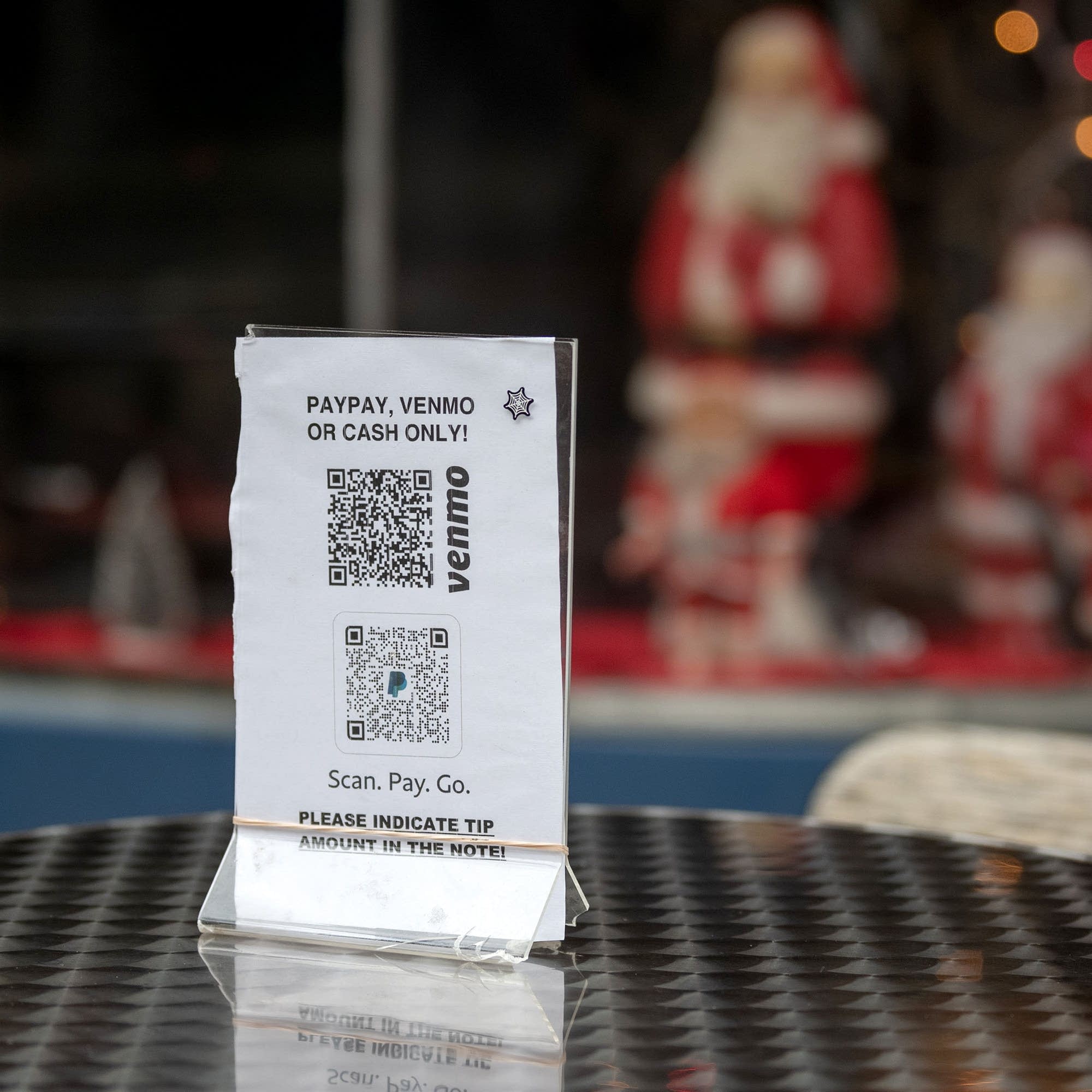
Marketplace Morning Report
Financial data clashes and what it means for Zelle, Venmo, and more
00:06:38
Loading summary
Transcript30 lines
- [00:00]
Wealth Enhancement Sponsor
This Marketplace podcast is supported by Wealth Enhancement, who understand that dreams don't happen by chance. It takes a plan. They're ready to build your wealth. Blueprint for retirement, investing taxes, and everything else your financial life brings. It reveals gaps and highlights opportunities you may have missed at no cost to you. Find out more@wealthenhancement.com Blueprint.
- [00:28]
Odoo Sponsor
This podcast is supported by Odoo. Some say Odoo business management software is like fertilizer for businesses because the simple, efficient software promotes growth. Others say Odoo is like a magic beanstalk because it scales with you and is magically affordable. And some describe Odoo's programs for manufacturing, accounting and more as building blocks for creating a custom software suite. So Odoo is fertilizer Magic Beanstalk building blocks for business Odoo exactly what businesses need. Sign up@odoo.com that's o d o o.com.
- [00:59]
Sabri Ben-Achour
Why gold is Hitting New Records from Marketplace I'm Sabri Ben, ashore in for David Brancaccio. As the US Seizes another Venezuelan oil tanker. The price of gold is hitting fresh records right now. It's up 1.5% this morning. The two are slightly connected. Julia Coronado is founder and president of Macro Policy Perspectives and a professor at UT Austin. She she joins us as she does on Mondays. Hi Julia.
- [01:24]
Julia Coronado
Good morning.
- [01:26]
Sabri Ben-Achour
So gold, if current trends keep up, will be up more than 66% in a year. Largest rise since 1979. That's crazy. Why is that happening?
- [01:39]
Julia Coronado
Well, gold generally benefits from worries about instability and particularly in a world where there are growing concerns about the dollar, Gold has an extra dose of safe haven status and really has been rallying off and on all year with some force.
- [02:00]
Sabri Ben-Achour
Why might the dollar be point of concern this year?
- [02:03]
Julia Coronado
Well, the US has traditionally been the bulwark of stability in the world and certainly the dollar still has the reserve currency status in the global economy. But we are not a bulwark of stability. You know, Venezuela is the latest geopolitical tension causing a flight to safety. And just in general, concerns about US Credibility and role in the global economy is certainly being tested this year.
- [02:33]
Sabri Ben-Achour
Tomorrow we're going to get GDP data for the third quarter. Last week we got a whole ton of different delayed data from inflation to jobs. Do we have a clear sense of where the economy's at, having had the opportunity to sift through all this?
- [02:51]
Julia Coronado
No, we don't have a clear sense. The data was rather messy. The labor market is definitely soft and inflation. There was a missing month and some assumptions were made that kept inflation on the low side. So I don't think we have a real clear picture of the state of.
- [03:11]
Sabri Ben-Achour
The U.S. economy, you know, with the inflation being understated. One explanation I heard was that the the collection of price data started late in November around when Black Friday discounts were just coming into being. Is that right?
- [03:28]
Julia Coronado
That's part of the issue, yes, that if you concentrate your data collection in the second half of November, when all the sales are going to look like prices are lower. So yes, that, that is one issue. Another issue was that they were missing October, and some of the assumptions they made basically assumed zero inflation in October. Which of course is probably an understatement of the reality.
- [03:53]
Sabri Ben-Achour
All right, Julia Coronado, founder and President of Macro Policy Perspectives. Thanks as always.
- [03:59]
Julia Coronado
My pleasure.
- [04:15]
Superhuman Sponsor
This Marketplace podcast is supported by Superhuman. The world is buzzing with AI tools, but instead of making things easier, they've made your workflow overwhelming. You're stuck copying and pasting context switching and juggling too many apps. There's now a better way that outsmarts the work chaos. Meet Superhuman, the AI productivity suite that gives you superpowers everywhere. You work with Grammarly, mail and coda. Working together, you you get proactive help across your workflow, from writing to preparing for meetings, presentations, and so much more. Think of Superhuman as your AI dream team, proactively helping you go from to do to done faster. Superhuman knows what you might need and offers suggestions. Whether you're drafting emails, creating documents, or more. It guides you in the moment so you can sound like your best self and stay focused on what matters. There are even specialized agents designed to collaborate seamlessly and amplify your impact. Unleash your Superhuman potential today. Learn more@superhuman.com Python podcast that's superhuman.com podcast.
- [05:14]
Kleenex Sponsor
Skipping cold and flu season is Plan A, but if you do get sick, be prepared for Plan B with Kleenex lotion tissues. Kleenex lotion tissues moisturize skin, helping prevent the added discomfort of red, irritated skin on top of your cold and flu symptoms. So this cold and flu season, grab Kleenex lotion tissues. Visit kleenex.com to learn more and buy now for whatever happens next, grab Kleenex.
- [05:39]
Sabri Ben-Achour
Should banks be able to share your financial data if you want them to? For example, if you want to share your bank account information to use Venmo or Cash app or Google Pay to send money or to use some outside financial tech service under the Biden administration, the Consumer Financial Protection Bureau said banks do have to share your data if you want them to. Under the Trump administration, it's considering ruling they don't. So what would that mean exactly? Steve Baumes is founder and president of a law and advocacy. He's also executive director at the Financial Data and Technology association, which represents those third party payment apps. Steve, good morning.
- [06:16]
Steve Baumes
Good morning spree.
- [06:17]
Sabri Ben-Achour
So this rule that we're talking about is about sharing financial data, controlling how it's shared. What does that actually mean though? Like what's a concrete example of what this rule does?
- [06:29]
Steve Baumes
So today about 80% of Americans use at least one financial Apple, think Venmo, PayPal. These are tools that help you send and receive money faster, take payments if you're a small business owner, help you manage your money more easily and more efficiently.
- [06:45]
Sabri Ben-Achour
So if we, if this rule goes away, what do we stop being able to do?
- [06:52]
Steve Baumes
Potentially, you stop being able to use these apps altogether or they become significantly more expensive than what your bank provides you today.
- [07:03]
Sabri Ben-Achour
When the administrations changed, the CFPB's take on all of this changed. Why the reversal?
- [07:10]
Steve Baumes
The first Trump administration actually started this process of creating the initial rule. And so this is a rule where in 2020, President Trump and his administration were very much in favor of your ability to share data. My view is, I think that this was an initial kind of instinctive reaction by the second Trump administration that if something was done during the Biden admin, it must be bad. And so what you've seen over the last several months is a re retrenchment where the second Trump administration then took a more close look at it and said, well actually maybe we just want to amend it and tweak it.
- [07:48]
Sabri Ben-Achour
We do know that banks did not like this rule. Do not like this rule. What about it do they not like? And how might that inform perhaps the changes that might come to it?
- [07:59]
Steve Baumes
They didn't like that they were required to allow you as a consumer to share your data at no charge, that it was yours to share free. And so they want to be able to charge you to share that data. They didn't like that you were able to share your data with payment tools because they themselves offer those payment tools. There is no entity that is better positioned to take advantage of this rule and offer competitive technology based tools or products than banks themselves. They have the customer relationships, they have the resources, they have the technology stacks. And so ultimately this is about whether you as a consumer should have the right in the free market to choose a financial provider, regardless of whether it's your bank or somebody else.
- [08:43]
Sabri Ben-Achour
Steve Baumes founder and president at Elan Advocacy. Thank you so much.
- [08:48]
Steve Baumes
Thank you.
- [08:49]
Sabri Ben-Achour
In New York, I'm Sabri Benishore with the Marketplace morning Report from 8pm American Public Media.
- [09:00]
Marketplace Host
As we head toward the end of the year, Marketplace is here to help you make sense of the economy, what's happening, why it matters, and how it affects you. If this reporting has been valuable to you in 2025, consider becoming a Marketplace investor. Your support powers independent journalism that cuts through the noise and delivers clarity when it counts. Donate now@marketplace.org or click the link in the show notes.