← Marketplace Morning Report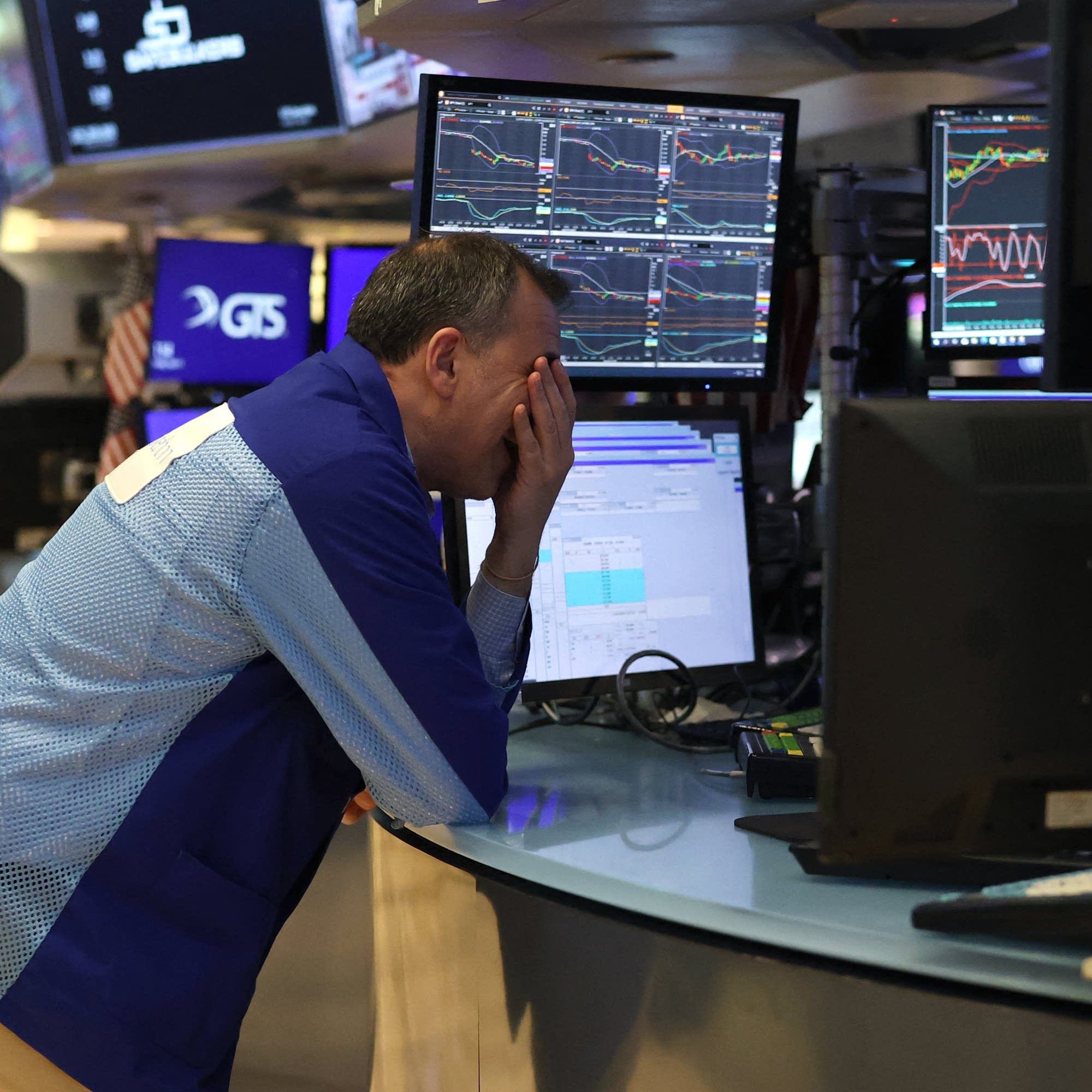
Marketplace Morning Report
I'm an investor nearing retirement. How should I be thinking right now?
00:06:55
Loading summary
Transcript40 lines
- [00:01]
Jerry
Welcome back to Listen to youo Heart. I'm Jerry.
- [00:03]
Jerry's Heart
And I'm Jerry's Heart.
- [00:04]
Jerry
Today's topic, Repatha Evolocimab heart. Why'd you pick this one?
- [00:09]
Jerry's Heart
Well, Jerry, for people who have had a heart attack like us, diet and exercise might not be enough to lower the risk of another one.
- [00:16]
Jerry
Okay.
- [00:16]
Jerry's Heart
To help know if we're at risk, we should be getting our LDL C, our bad cholesterol checked, and talking to our doctor.
- [00:22]
Jerry
I'm listening.
- [00:23]
Jerry's Heart
And if it's still too high, Repatha can be added to a statin to lower our LDL C and our heart attack risk.
- [00:29]
Jerry
Hmm. Guess it's time to ask about Repatha.
- [00:32]
Unknown
Do not take Repatha if you are allergic to it. Serious allergic reactions can occur. Get medical help right away if you have trouble breathing or swallowing. Swelling of the face, lips, tongue, throat or arms. Common side effects include runny nose, sore throat, common cold symptoms, flu or flu like symptoms, back pain, high blood sugar and redness, pain or bruising at the injection site.
- [00:52]
Jerry
Listen to your heart.
- [00:54]
Jerry's Heart
Ask your doctor about Repatha. Learn more at repatha.com or call 1-844-repatha.
- [01:03]
David Brancaccio
April is the cruelest month, wrote T.S. eliot, almost like he owned the Dow or the Nasdaq. I'm David Brancaccio in Los Angeles. Welcome to May. And here's the math. The S&P 500 stock index with all its highs and lows and the tariffs on tariffs off April ended down just 0.7% for the month. The Nasdaq was down 0.8% in April. The Dow fell 3.1%. But that represents some recovery from a headline about a week ago suggesting maybe the worst April for the Dow since the Great Depression. That was not to be. But just because a rollercoaster comes to rest where it started doesn't mean it wasn't a wild ride. The real time index of stock market volatility, the vix, some call it the fear index, started the month at a lowish 21, hit a crazy 52 ahead of President Trump's tariff turn, and is now back down. For stock investors who don't need their money for a while, perhaps no big deal, but if you're doing the required sign up for Medicare because you're turning 65, it is seat belt time. Let's consult Pam Krueger, a registered investment advisor and founder of Wealthramp, which helps people connect with vetted financial advisors. Welcome.
- [02:12]
Pam Krueger
Thank you. Great to be here.
- [02:14]
David Brancaccio
I know if you have a Long time horizon. You can blow off all this market to ing and fro ing. If you did so after the 1987 stock market crash, it was a great bet. And Even with the 2008 financial crisis, this is all true. Unless are close to retirement.
- [02:31]
Pam Krueger
Right now, that is the number one question. How, given the current volatility, am I going to make sure that I am never going to run out of money in retirement? And I am hearing from people every single day who are thinking that they're going to retire. They want to retire in the next maybe five years, two years, one year. They were planning on retiring in September and now they're saying, oh, can I really still do this?
- [03:01]
David Brancaccio
And what can you possibly tell them you should have saved 20 years ago? I mean, that's not a good answer.
- [03:06]
Pam Krueger
You know when you're thinking about nine months ago how things were quiet, the market was making new highs, and you literally were just like, you know, asleep at the switch a little bit, and now all of a sudden it's like, oh my gosh, I have to be both proactive and defensive at the same time. So what does that look like? This is the time to really look with fresh eyes and say, do I really have a resilient plan? Not for accumulating, like you said, but now you have to have a plan. And this is where real retirement planning actually starts to take the money out without running out of money during your lifetime.
- [03:44]
David Brancaccio
I mean, you could put it all in money market cash that is safer, but it's not going to keep going up. And I'm sure that anyone who's done any financial planning knows you're counting on some of it continuing to go up.
- [03:58]
Pam Krueger
Right? And it's never a question of, oh, should I be in the market or should I be out of the market? It's a question of how do I stay invested. And then you want to be really honest with yourself and say, do I have a real strategy that feels like it's going to be resilient, that's been stress tested for down markets. And either you feel like you can do that yourself or, or this is when a lot of people turn to advisors to find advisors who can help them. But this is where my best advice here is. If you do decide to turn to a financial advisor at this point, especially in your lifetime, when you're not accumulating, you're looking at actually using the money you've saved. It's vitally important to take your time and learn how advisors really operate, how they're compensated there's just way too much at stake.
- [04:52]
David Brancaccio
Pam Kruger is a registered investment advisor and founder of wealthramp, which helps connect people with vetted financial advisors. You also may know her work hosting a weekly personal finance show on PBS called MoneyTrack. Thank you very much.
- [05:05]
Pam Krueger
Thank you so much, David. It's been a pleasure.
- [05:25]
David Brancaccio
Starbucks has been thinking about flow control. Not the coffee coming out of the brew head, but the flow of who gets what when. It's to address the heartbreak of having to wait. If you just want a simple pike place black, but the dude ahead of you orders a double shot ice mocha latte with whipped cream, sprinkles and a pickle. Daniel Ackerman now on Starbucks sequencing Robert.
- [05:46]
Daniel Ackerman
Byrne loves coffee shops, and he wants to see them succeed.
- [05:50]
Byrne
It's personal for me. I met my wife when she was working at a coffee shop. So we are like a coffee shop family.
- [05:57]
Daniel Ackerman
Byrne also directs consumer research at the restaurant consultancy Technomic. And he says what's bad for a coffee shop is too many uncaffeinated customers waiting for their morning fix.
- [06:08]
Byrne
There's a bit of a boxing match that can take place, right? You know, a lot of elbows out and things like that and confusion, and that's never a good thing.
- [06:15]
Daniel Ackerman
In a survey of Starbucks patrons, Byrne found that speed of service was the key to creating loyal customers.
- [06:22]
Byrne
If you got your order less than five minutes, you're 50% more likely to give them that highest rating for intent to return, that highest rating for intent to recommend. I'm going to become a promoter. That's significant.
- [06:32]
Daniel Ackerman
To cut down wait times, Starbucks has slashed the number of menu options, and it's cracking down on bespoke orders for foams and creams and flavor shots, says Miguel Gomez, a professor of food marketing at Cornell.
- [06:45]
Miguel Gomez
They are reducing the amount of customization because it takes too much time, gomez says.
- [06:51]
Daniel Ackerman
Faster service can also improve employee satisfaction.
- [06:55]
Miguel Gomez
When you have long waiting times, usually customers are grumpier, and then that increases the pressure on the baristas.
- [07:03]
Daniel Ackerman
Slimmer menus and algorithmic order sequencing are all part of the coffee chain's plan to turn around slumping sales, says Steven Zagor, a restaurant consultant and professor at Columbia Business School.
- [07:14]
Miguel Gomez
Starbucks is regrouping and saying, hey, we don't need to have this kind of specialty latte. We don't need to have this kind of specialty chai. Let's get back to our roots.
- [07:23]
Daniel Ackerman
Good coffee served fast. But Zagor says there's a risk of getting customers in and out of the store too quickly.
- [07:30]
Miguel Gomez
You don't want it to look like a loss of wait time is a loss of popularity.
- [07:36]
Daniel Ackerman
Sagor says a bit of a wait can signify the product is in demand and exciting insofar as anything can be exciting before morning coffee. I'm Daniel Ackerman for Marketplace, and in.
- [07:47]
David Brancaccio
Los Angeles, I'm David Brancaccio. It's the Marketplace Morning Report from APM American Public Media.
- [07:58]
Jannelli Espinal
If there's one thing we know about social media, it's that misinformation is everywhere, especially when it comes to personal finance. Financially Inclined from Marketplace is a podcast you can trust to help you get serious about your money so you can build a life you've always dreamed of. I'm the host, Jannelli Espinal, and each week I ask experts important money questions, like how to negotiate job offers, how to choose a college that you can afford, and how to talk about money with friends and family. Listen to Financially Inclined Wherever you get your podcasts.