Loading summary
Transcript23 lines
- [00:00]
Wix Advertiser
What's the difference between DIY and doing it yourself? It's the difference between a part time passion and a full time business. Wix gives you the power to turn your passion into a moneymaker with a website that fits your unique vision. Let your ideas flow with AI that guides you but keeps you in the driver's seat. Manage your business from one dashboard and keep it growing with built in marketing features. It's time to turn your daydream into your dream job. GoToWicks.com on WhatsApp, your personal messages stay private between you and whoever you send them to. So things like the passport numbers for your honeymoon stay between you and your fiance and that video call for your grand's 80th stays in the family. Even your streaming password stays between you and your college roommates who still ask for it every week in your group chat. Because on WhatsApp, your personal messages are yours. No one else can see or hear them, not even us. WhatsApp message privately.
- [01:03]
Liana Byrne
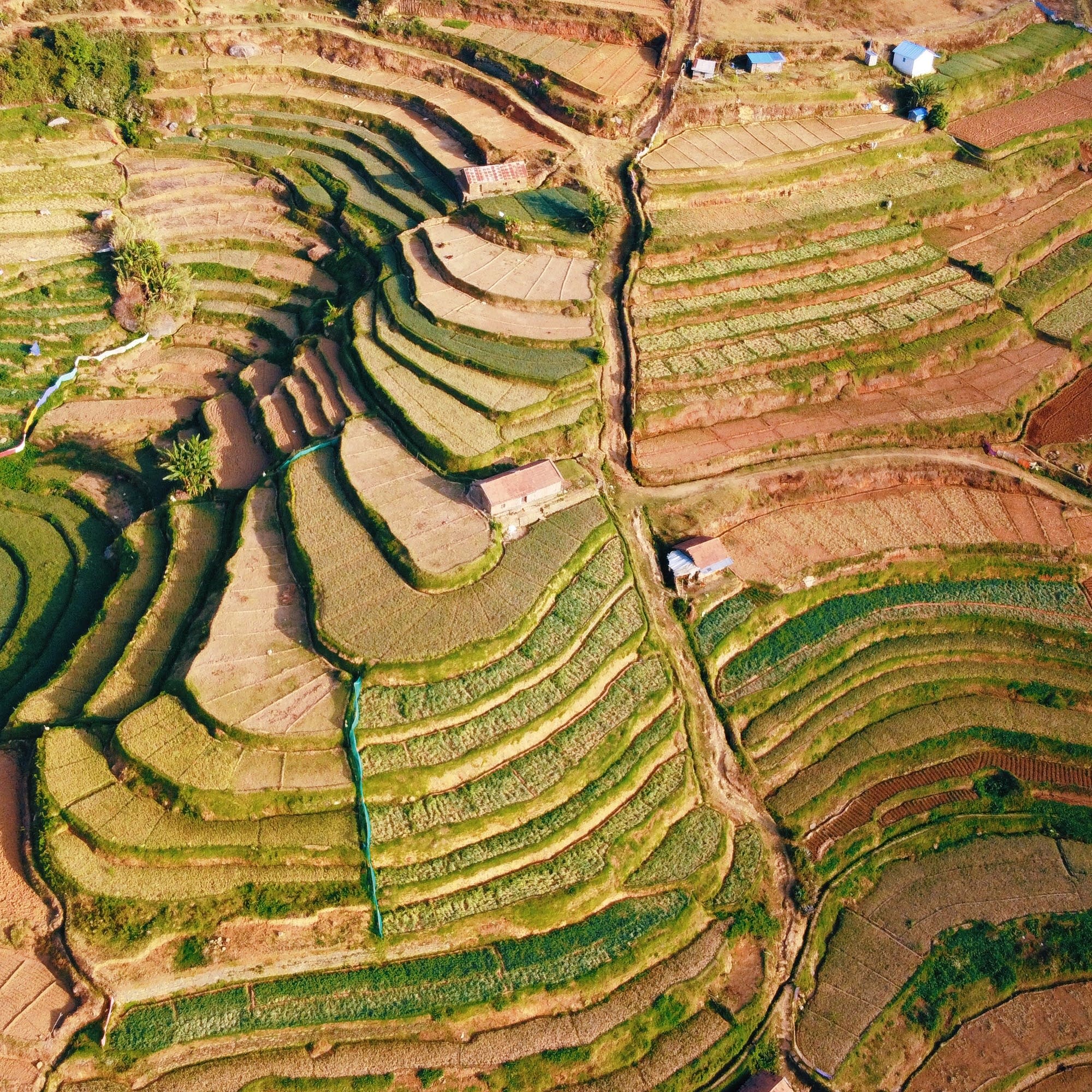
US tariffs spark fury for India's Farmers hello, this is the Marketplace Morning Report and we're live from the BBC World Service. I'm Liana Byrne. Good morning. So farmers in India are gearing up for a nationwide protest next week in response to the 25% tariffs the US has slapped on Indian imports. The duties were announced just days ago and India's biggest exports, especially agriculture, are under pressure. The BBC's Davina Gupta is in Delhi for us. Hi Davina.
- [01:31]
Davina Gupta
Hey Liana, how are you?
- [01:32]
Liana Byrne
So farmers in India have called for a nationwide day of protest on August 13. Davina, what are we expecting from those protests?
- [01:41]
Davina Gupta
Well, we expecting that one of India's biggest farmers union, which is Samyukt Kisan Morcha, they would be protesting along with 10 central trade unions and they are just putting their voice for local is what they've said. And this is all coming in the backdrop of a trade deal that India is negotiating with the U.S. now, this is a larger bilateral trade agreement where the US has been asking India for access to its agriculture sector. And India's agriculture sector is massive. There are tens of millions of small farmers who are employed here. And these farmers are saying that if you allow US Goods to come in at lower tariffs, then it is our livelihoods that are at stake. India has been opposed to genetically modified foods from the us. It has kept its dairy sector also close to imported goods and has kept its own farming sector's tariffs quite high to protect these domestic farmers. But as these negotiations go on and there's pressure from the US For India to concede ground when it comes to its agriculture sector. These farmers are coming together with traders union to say that it is one sacrosanct area, so to speak, for India's economy that should, should not be touched.
- [02:59]
Liana Byrne
But it seems like India isn't budging because Trump is saying he's actually gonna put more tariffs on India because they haven't reached a trade deal.
- [03:07]
Davina Gupta
That's right. And that shows the sign of frustration that the US President Donald Trump is having because just last week after the deadline expired where he had put Liberation Day tariffs, India is seeing a hike of 25% of its goods going to the U.S. now, what the U.S. president is saying is that he's going to impose an additional round of levies and this is because India is purchasing oil from Russia.
- [03:34]
Liana Byrne
The BBC's Davina Gupta, thank you so much for joining us on Marketplace.
- [03:38]
Davina Gupta
Thank you.
- [03:39]
Liana Byrne
Okay, let's do the numbers. This tariff row is hurting the Indian rupee. It's down near a record low at 87.88 against the dollar. But ironically, a weaker rupee could actually soften some of the pain. But by making Indian exports cheaper and the oil giant BP is slashing another 1500 jobs and 1,200 contractor jobs across its global workforce, which means it expects 6,200 jobs to go overall. So most people agree that plastic pollution is a problem. But what's not agreed is the best way to tackle it. Delegates from more than 170 countries are in Geneva for what could be the final push to agree a legally binding global plastics treaty. Most nations want a deal, but can they get one? Here's the BBBC's Esme Stallard.
- [04:27]
Esme Stallard
Nearly 100 countries are seeking a treaty which would include measures to limit plastic production and single use plastics. But the group have faced strong opposition throughout previous negotiations from some petro states which want to focus on end of life measures such as improving recycling rather than any limits on producing oil based plastic. Despite the divide, it's clear many countries want to deal in whatever form that takes. As President Trump pulls the US Back from international environmental action, they fear time's running out to get something on paper.
- [04:58]
Liana Byrne
As mate Stallard reporting. Meanwhile, one social entrepreneur, Boyan Slat, has spent years trying to clear plastic from the oceans with his non profit. It's been working in LA and the Pacific. Now he's expanding to 30 coastal cities and wants to stop plastic before it gets to the sea. The BBC's James Graham spoke to him about the plan.
- [05:17]
Boyan Slat
So we're Talking about roughly 2 to 300 rivers in total on this program. But those relatively small rivers in coastal cities and middle income countries, those are really the waterways that carry most plastic pollution to the oceans. And those are the ones we're tackling.
- [05:33]
James Graham
In terms of your finances, I mean this is a big ambition, big scale up. Where are your funds coming from for this?
- [05:41]
Boyan Slat
So we are a nonprofit and we're supported by a broad set of partners really ranging from just people making donations through our website to philanthropists through corporate sponsorships. So from companies who see the value in partnering with us. And as we speak, the first funding has been secured for these 30 cities. But we are in the process of assembling a group of companies and individuals with whom we're now aiming to secure the budget.
- [06:08]
James Graham
Can you put a figure on say the annual budget of running the 30 cities program for the cost of tackling.
- [06:15]
Boyan Slat
These 30 cities and reducing the amount of plastic flowing into the ocean by up to a third? We currently estimate this to be in the order of $350 million spread over five years time and we're currently working on raising that funding.
- [06:29]
James Graham
I mean it is a lot of money though, isn't it? I mean, how optimistic are you of seeing this through and getting enough money to achieve it?
- [06:37]
Boyan Slat
Yeah, it's been very exciting to see a large amount of interest, especially from companies who are interested in being part of this, but also some philanthropists. And of course now the fact that people can see the impact of our first 20 rivers, the fact that we already stopping about 1 to 3% of global plastic emissions does give people the confidence that we will be able to deliver on our next promise as well.
- [07:02]
James Graham
I know you've been criticized in the past for your tie ups with corporates. Consumer goods companies say that might be willing to get involved when they are creating plastic packaging. That might be the kind of thing that you're fishing out of rivers. I mean, is that a contradiction there?
- [07:18]
Boyan Slat
You know, if anyone should be part of paying the cost of dealing with these issues, I think it's the companies that have benefited from being able to use this material cheaply. So I think what we're going to see is a mix of companies ranging from companies that are actually being affected by the problem. Right. So for example, the tourism sector all the way to companies that have been part in creating this problem.
- [07:42]
Liana Byrne
That was Bowen Slat from the ocean cleanup. And I'm Liana Byrne with the Marketplace morning report from the BBC World Service.
- [07:57]
Marketplace Team
Summer's here and it's time for your kids to have fun in the sun, but it's also a great time to nurture growing minds. Million Bazillion, a podcast from Marketplace, teaches your kids about something that impacts all of us money. From a fun explainer on tariffs, yes, it's possible to why some athletes make so much money. Million Bazillion tackles big questions with easy to understand answers. Listen to Million Bazillion all summer long. Available wherever you get your podcasts.