Loading summary
Transcript20 lines
- [00:00]
Marketplace Host
How do you make an Airbnb? A vrbo? Picture a vacation rental with a host. The host is dragging your family on a tour of the kitchen, the bathroom, the upstairs bathroom, the downstairs bedroom and the TV room, which, surprise, is where you can watch tv. Now imagine there's no host giving you a tour because there's never any hosts at all, ever. Voila. You've got yourself a vrbo. Want a vacation that's completely and totally host free? Make it a VRBox.
- [00:30]
Yubico Sponsor Announcer
This Marketplace podcast is supported by Yubico, makers of the Yubikey. Protecting the personal and business applications and accounts that people and companies rely on every day. The Yubikey stops AI powered cyber attacks, online identity scams, fraud and account takeovers. It provides powerful protection and it's easy to use. Simply tap your Yubikey to log in securely to everything from email to finance to productivity applications across all of your devices. Yubikey still undefeated. The original PassKey.
- [01:06]
Liana Byrne
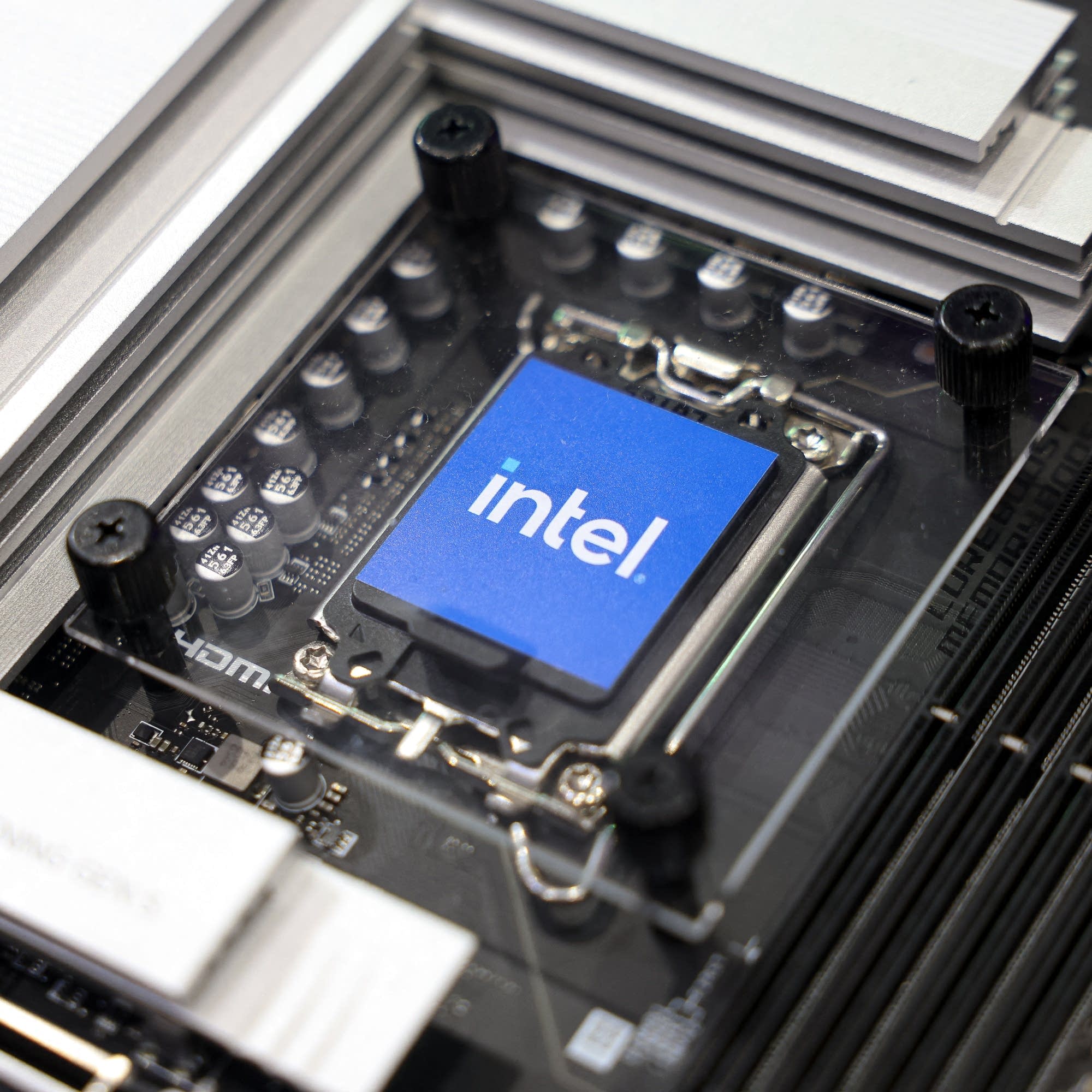
More@yubico.com A Japanese tech titan is betting big on a struggling American icon. Good morning. This is the Marketplace morning Report and we're live from the BBC World Service. I'm Liana Byrne. So intel just got a $2 billion lifeline from Japan's SoftBank, making it one of Intel's biggest shareholders. The US chipmaker has been losing ground lately in the booming AI market, but this investment is being billed as a vote of confidence in its turnaround. It also comes as Washington weighs whether the US government itself should buy a stake in Intel. The BBC's Katie Silver has the story.
- [01:43]
Katie Silver
Under this deal that's been announced this morning, SoftBank says it's going to pay $23 per share in intel, becoming Intel's sixth largest shareholder. In the statement, it was a joint statement released, they said that both sides want to invest in advanced technology and semiconductor innovation in the United States. Sources say that SoftBank's not going to be seeking a board seat or committing to buying intel chips. Now, as I say, intel shares rising on this about 5% in after hours trading in New York on Monday. SoftBank shares, on the other hand, dropped by about the same amount. And one analyst told the BBC that this is really a clear vote of confidence by Softbank's investment in a chipmaker that has been struggling for decades after having kind of lost its foothold, particularly when it comes to AI chips and also when it definitely when you compare it to its Asian rivals.
- [02:33]
Liana Byrne
Katie Silver reporting. Now let's do the numbers. India has suspended its 11% import duty on cotton until the end of September moved to help its garment industry compete. As US tariffs on Indian clothing soar to 50%. And the British members club Soho House is going private in a $2.7 billion deal led by MCOR Hotels, shares jumped on the news and actor and director Ashton Kutcher is joining the board. Meanwhile, Washington says the UK has dropped its demand to get access to Apple's users encrypted data worldwide. Back in December, the government demanded access to data that's protected even under Apple's top security setting, the Advanced Data Protection tool. As the BBC's Zoe Kleinman explains, Apple.
- [03:19]
Zoe Kleinman
Has a top tier security tool which is called adp. And people who've activated that. Apple can't see the data either. So the only way it would have been able to comply would have been to have bust its owning encryption, which it said it wouldn't do. So there was a huge standoff. It enraged lots of people, including privacy campaigners. Apple responded by removing that security tool from the UK market. So currently, if you want it and you're based in the uk, you can't activate it. And it also took legal action. There was supposed to be a tribunal taking place early next year. Now I don't know whether or not that's still going to go ahead. It's early days.
- [03:54]
Liana Byrne
Zoe Kleiman There now, talks of the White House between President Trump and Ukraine's President Zelensky have raised the prospect of direct talks with Vladimir Putin and even a trilateral summit with the us but on the ground, the war grinds on with fresh strikes on energy infrastructure. And Russia is leaning even more on North Korea for support, not just on ammunition and soldiers, but now tens of thousands of construction workers. The BBC's Gene McKenzie spoke to six workers who managed to escape about the conditions they faced. We've changed their names and voices to protect them.
- [04:31]
Gene McKenzie
How did your experience in Russia compare to what you had been expecting?
- [04:37]
Interviewees / Experts
I was excited to go to Russia to travel abroad and earn money. But once I started working, it felt like I was in a labor camp.
- [04:44]
Gene McKenzie
This is a young North Korean man I met back in the spring. We're calling him Thae, and we've had somebody else read his words. He's one of six North Koreans I've spoken to who've managed to escape from Russian construction sites over the past few years. Many of Russia's young men are tied up fighting or have fled. So these North Koreans are being used to fill the country's massive labor shortage. They told me they're not allowed to leave their Building sites where they work 18 hours a day, every day of the week. Here's thae again.
- [05:18]
Interviewees / Experts
I was terrified when I woke up each morning realizing I had to repeat the same day all over again. My hands would seize shut, paralyzed from the day before.
- [05:31]
Gene McKenzie
In the past it was common for North Koreans to work abroad like this, making money for Kim Jong UN. But in 2019 the UN banned countries from using North Korean labor. And so most of these workers were sent home. I've just spoken to an intelligence official here in South Korea who's told me that these workers are now flooding back into Russia. More than 10,000 arrived last year. They said this is Kim Jong Un announcing a defense pact with Russia last summer. These workers are just the latest way Kim has come to Putin's defense in this war. Andrei Lankov is an expert in relations between North Korea and Russia and a professor at Seoul's Cook Minh University.
- [06:20]
Interviewees / Experts
Russia are getting non problematic, relatively cheap disciplined labor and North Korean government is basically sitting idle while making money.
- [06:33]
Gene McKenzie
Nice to see you again. I've come to meet another man who ran away from a construction site outside Moscow. He tells me that most of their earnings were sent directly to the North Korean regiment.
- [06:46]
Interviewees / Experts
I was shocked by how little we made. We were treated like animals, not humans. The other workers used to say we were just slaves for Kim Jong Un.
- [06:57]
Gene McKenzie
Here's Professor Lankoff again.
- [06:58]
Interviewees / Experts
I will not be surprised if we are going to have in a few years time fifty thousand or hundred thousand North Korean workers employed largely in construction, but also in logging industry, in fishing, for food processing Everywhere.
- [07:14]
Gene McKenzie
Thousands are trapped in these slave like conditions in Russia. And it seems that many more will keep arriving long after the bombs and the fighting have stopped. I'm the BBC's Jean MacKenzie for Marketplace.
- [07:27]
Liana Byrne
And that's it from the Marketplace Morning report from the BBC World Service. I'm Lianna Byrne. Have a great day and thanks so much for listening.
- [07:36]
Marketplace Host
How do you make an Airbnb a VRBO picture a vacation rental with a host who's showing you every room like you've never seen a house before. Now get rid of them. There you go. No host ever. Now it's a verbo. Make it a verbo.