Loading summary
Transcript26 lines
- [00:00]
Joshua McNichols
This Marketplace podcast is supported by Dell Introducing the new Dell AI PC. Powered by Intel Core Ultra processor. It helps do your busy work for you so you can fast forward through editing images, designing presentations, generating code, debugging code, summarizing meeting notes, finding files, managing your schedule, responding to long emails, leaving all the time in the world for the things you actually want to do. Get a new Dell AI PC starting at $699.99 at Dell.com AI PC how those ahead Stay ahead. Here in Seattle, we're building the technologies.
- [00:35]
David Brancaccio
Of the future, from AI to clean energy.
- [00:38]
Monica Nickelsberg
But we're also dealing with some of today's biggest challenges like the housing crisis.
- [00:42]
Joshua McNichols
And the skyrocketing cost of living. We're here to break it all down for you. I'm Joshua McNichols. And I'm Monica Nickelsberg.
- [00:49]
Monica Nickelsberg
Join us on Booming, a weekly podcast from KUOW about the economic forces shaping our lives here in the Pacific Northwest.
- [00:56]
Joshua McNichols
Listen on the KUOW app or wherever you get your podcasts.
- [01:03]
David Brancaccio
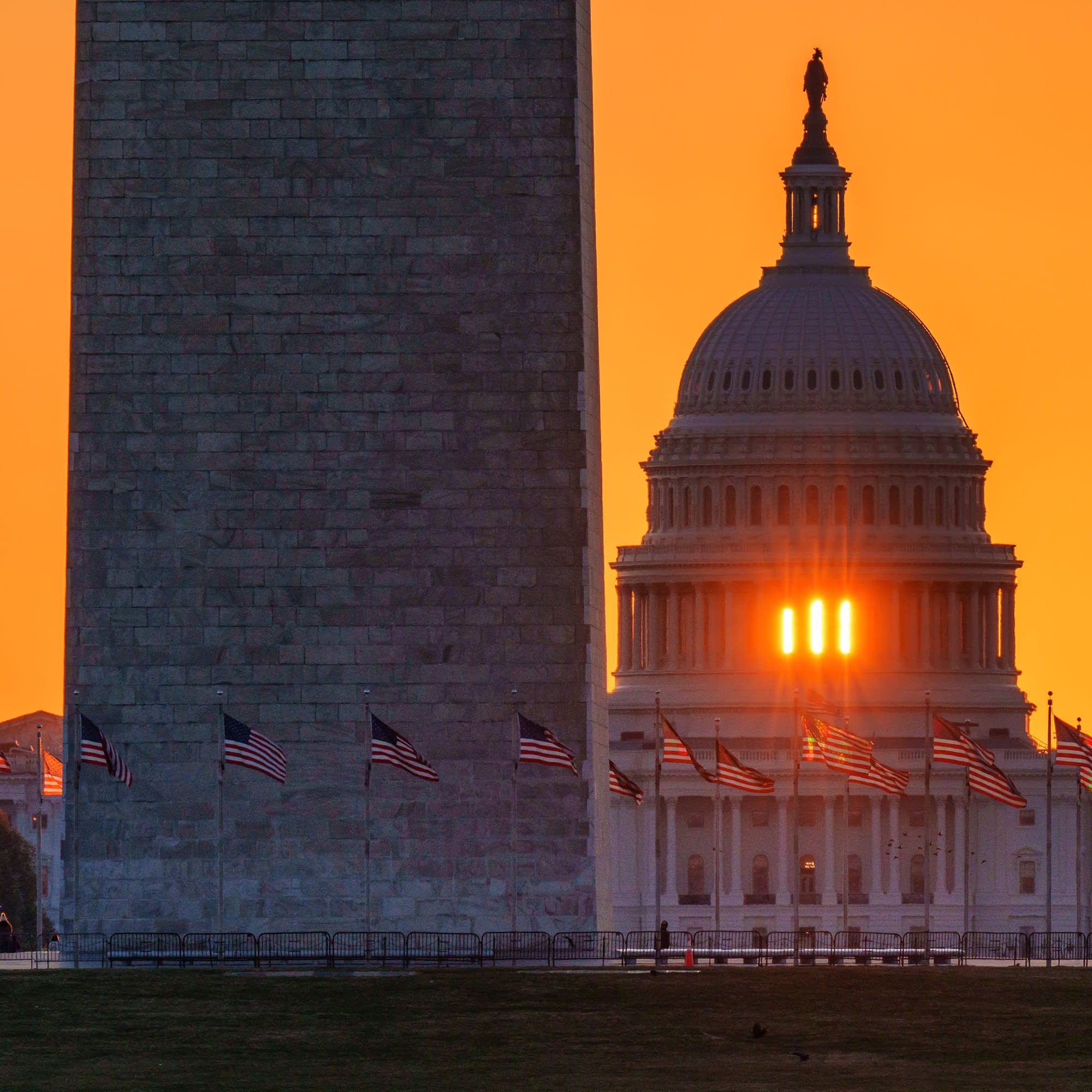
We'll Update Congress's Plans on Taxes on Social Security Benefits I'm David Brancaccio in Los Angeles. The House of Representatives could vote as soon as today on the big tax and spending bill. One strand President Trump says the legislation gets rid of taxes on Social Security benefits. The details are more complex. Here's Marketplace's Nancy Marshall Genzer.
- [01:25]
Monica Nickelsberg
The legislation creates a new temporary extra tax deduction for people over age 65. It's $6,000 Senate version and 4,000 in the House bill. The House will be voting on the Senate version of the legislation. The temporary new deduction applies to all of a senior's income, not just Social Security. It phases out for higher income taxpayers. The lowest income seniors won't be affected because they already pay no taxes on their Social Security benefits. The White House Council of Economic Advisers estimates that if the bill passes, 88% of seniors receiving Social Security won't pay any taxes on their benefits. But those taxes go toward funding Social Security, and the Committee for a Responsible Federal Budget estimates the new bill would speed up the insolvency of Social Security and Medicare by a year to 2032, causing an across the board cut to benefits of around 24%. I'm Nancy Marshall Genser for Marketplace.
- [02:25]
David Brancaccio
Some hardline Republicans who want deeper cuts to government programs could derail a procedural vote in the House today that could bust the Republican self imposed deadline of getting the sweeping tax and program cutting bill to the President's desk before Fourth of July. The latest tally of private payroll jobs came in surprisingly weak this morning. The ADP payroll company reports private sector employment fell by 33,000 people in June. What was expected was an increase of 100,000. This is the first decline since 2023. Analyst Susan Schmidt is portfolio manager at Exchange Capital Resources.
- [03:02]
Monica Nickelsberg
Small businesses lost 47,000 jobs. Large businesses gained 30,000 jobs. It's interesting because we're seeing that discrepancy between size. At the same time we're seeing very healthy wage growth. People who stayed in their job got an increase in wages overall and people who switched jobs got an increase in jobs overall. It really shows that there's been a decline in confidence in small business owners. They're just not sure what their future costs are going to be for the rest of this year because a lot of the impact of tariffs is still looming.
- [03:33]
David Brancaccio
The official hiring and unemployment reports come out tomorrow. This ADP report often doesn't sync up with the government tallies. We shall see. Holders of stocks in big banks had a bountiful Tuesday with news that those extra payouts known as dividends would go up significantly. For instance, Goldman Sachs dividends were up 33%. This is in part because the financial stress test set up after the last financial crisis were made easier, allowing banks to give out more of their profits.
- [04:15]
Joshua McNichols
This Marketplace podcast is supported by Dell the Black Friday in July event from Dell Technologies is here. There's never been a better time to upgrade. Now's your chance for great offers on popular trusted technology. You'll also discover huge deals on exciting new AI ready laptops like the Dell 14 plus featuring Intel Core Ultra processors starting at $699.99. Don't forget to explore big savings on top electronics and accessories. Plus enjoy fast free shipping and other exclusive benefits like Dell Rewards Premium support and DellCare Premium which provides 24. 7 support with no hidden fees or deductibles. Upgrade for a limited time only@dell.com deals that's Dell.com deals.
- [05:05]
David Brancaccio
This Marketplace podcast is supported by Mercury Mercury is the FinTech More than 200,000 businesses use to protect their money and power their financial workflows. Learn more@mercury.com June was Pride Month in the US. We'd reported on enthusiasm up but corporate sponsorships down in a number of US cities. London Pride is this weekend and even in the UK some funding is off. Elizabeth Hodson Marketplace BBC filed this report for us.
- [05:36]
Monica Nickelsberg
The second Trump administration has brought with it a rollback of diversity, equity and inclusion policies as well as restrictions of rights for trans and gender non conforming people. The political and policy climate has led to some big names cutting funding for Pride initiatives and parades, and not just in the us. Tim Noblett is director of marketing at Pride in London, the UK's biggest pride event.
- [06:02]
Joshua McNichols
So what we've seen here, both directly in Pride in London, but also a wider UK level, is that corporations and big organisations are pulling funding, some of these being American organisations or international organisations who have lost their DEI budgets. And I think there's also been an.
- [06:18]
Monica Nickelsberg
Opportunity for some organisations to use this.
- [06:21]
Joshua McNichols
Cultural shift to step away.
- [06:23]
Monica Nickelsberg
There's long been a concern that big names have used Pride sponsorship and the rainbow symbol in general as a quick way to sell products to the LGBTQ community. Keri Nicholson, who identifies as non binary, is chief operating officer at marketing consultancy Brand Champions. You can't just put a rainbow on something and expect it to sell and expect the LGBTQ community to feel like you're supporting them. Kerry says it's time for a reset. Not getting rid of corporate involvement altogether, but thinking more about how their values align with LGBTQ causes. You almost need to go back to basics, look at what's going on internally. Do you have good employee resource groups that support the LGBT community? You really need to start there before you start going out to the world. And in the current economy, there's also the flip side. If you're a big company sponsoring a Pride event, will your dollars actually trans translate into extra sales? Dr. Matt Johnson, a professor of marketing and psychology at Holt International Business School in Boston, isn't sure.
- [07:29]
Joshua McNichols
Certainly members of that specific consumer group may be more likely to buy from a brand that openly espouses those values. But consumers tend to be very, very habitual with their spending. They tend to be very price sensitive, especially in times of inflation. Yeah, of course, we like in the abstract sense a company that maybe espouses certain values, but we also love a deal.
- [07:50]
Monica Nickelsberg
Despite the wider challenges, there are companies that are still keen to get involved in Pride events. Hugo Remy is the boss of PridePay, a finance app launching later this year. It's the new lead sponsor of Pride in London. And Remy has a very pragmatic approach to corporate funding in general.
- [08:08]
Joshua McNichols
Even the best public initiative will fail without proper funding, you know, and everything in our life costs money right now.
- [08:14]
Monica Nickelsberg
There's also a personal reason behind the Latvia born CEO's involvement.
- [08:19]
Joshua McNichols
I'm bisexual myself. I feel free and secure to Nikay. I can talk about this in my home country. I still can't. I always try to be honest with myself. First of all and with other people. I know that when you have an opportunity to change something, you should use this opportunity.
- [08:32]
Monica Nickelsberg
So while some corporations have stepped back from contributing to events, others are relishing the opportunity and representation. Pride presents in London. I'm the BBC's Elizabeth Hodson for Marketplace.
- [08:46]
David Brancaccio
And there's news. The owner of CBS will pay $16 million to settle a lawsuit over a Kamala Harris interview aired on 60 Minutes last fall. Donald Trump claimed the editing was misleading. Paramount says there will be no apology or statement of regret. The 16 million will go to fund a Trump presidential Library. Marketplace Morning report from APM American Public Media.
- [09:09]
Joshua McNichols
Greetings, Marketplace listeners. It's Neil Scarborough, vice president and general manager of your favorite business shows. I'm coming to you with an opportunity to help shape the future of economic journalism and philanthropy. Marketplace's parent company, American Public Media, is looking for board members, and we'd like to invite listeners like you to join either the APM Board of Trustees or the Marketplace Philanthropic Council. If you believe in our mission to raise the economic intelligence of the nation, and if you love building community through public media, we're looking for strategic, innovative leaders to help ensure that Marketplace continues to evolve and and expand its reach and impact across the country. Applications are open now through July 6th. Visit marketplace. Org Board to learn more. Thanks for your consideration and thanks for listening.