Loading summary
Transcript24 lines
- [00:02]
A
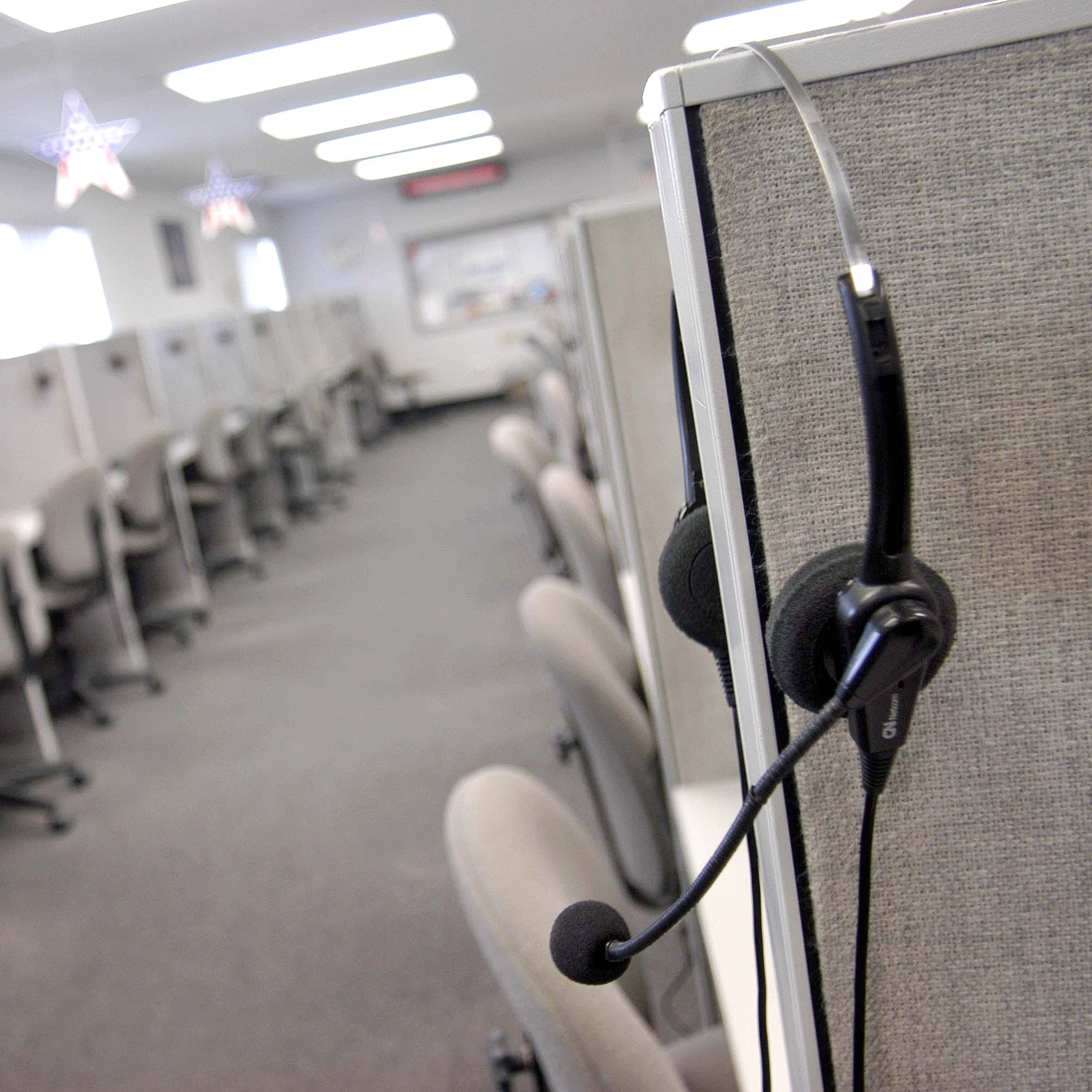
We had been exporting jobs overseas. New data suggest we'll soon export those jobs to computers. I'm David Brancaccio in Los Angeles. We're only in the early stages of understanding just how much generative artificial intelligence will disrupt jobs. For now, AI tends to be enhancing workers, not necessarily replacing them. That's the highlight of a new report out of mit. But there's one broad exception. Marketplace's Elizabeth Troval reports adoption of generative.
- [00:31]
B
AI did lead some firms to cut back spending on jobs that were often already being outsourced things like customer service, software engineering and administrative tasks. That's according to MIT's new report. Pradyumnachari is one of the authors.
- [00:46]
C
Coding, writing, documentation all of these are some simple aspects where we do think AI is already playing a big role in business.
- [00:56]
B
But the report found mostly there were not big headcount reductions. It makes sense, since AI tools so far are often helping workers write emails or documents, says Harvard's Christopher Stanton.
- [01:08]
C
Sort of the broad nature of work hasn't changed to reflect AI, other than sort of some time savings.
- [01:15]
B
And whether some jobs are augmented or automated may not be simply a matter of technology, says Tom Mitchell with Carnegie Mellon University.
- [01:25]
C
It'll be a matter of businesses evolving.
- [01:28]
A
Their business processes to figure out how to incorporate these capabilities, he says.
- [01:35]
B
That's why procedures where it's easy to plug in AI, like customer service, are one of the first places we're seeing a shift. I'm Elizabeth Trovall for marketplace.
- [01:46]
A
The beleaguered US microchip maker intel just got a $2 billion lifeline from Japan's investment conglomerate SoftBank. This makes the company in Minato, just of Tokyo, one of Intel's biggest shareholders. This comes as the Trump administration is discussing the federal government buying a 10% stake in Intel.
- [02:06]
D
In the statement, it was a joint statement released, they said that both sides want to invest in advanced technology and semiconductor innovation in the United States. Sources say that SoftBank's not going to be seeking a board seat or committing to buying intel chips. And one analyst told the BBC that this is really a clear vote of confidence by SoftBank's investment in a chipmaker that has been struggling for decades after having kind of lost its foothold, particularly when it comes to AI chips, and also definitely when you compare it to its Asian rivals.
- [02:37]
A
BBC reporter Katie Silver the Air Canada strike is over. Flight attendants reached a settlement with the airline after a nine hour session with a mediator. Hundreds of flights had been grounded since the weekend.
- [03:09]
E
If you work as a manufacturing facilities engineer. Installing a new piece of equipment can be as complex as the machinery itself. From prep work to alignment and testing, it's your team's job to put it all together. That's why it's good to have Grainger on your side. With industrial grade products and next day delivery, Grainger helps ensure you have everything you need close at hand through every step of the installation. Call 1-800-GRAINGER click granger.com or just stop by Grainger for the ones who get it done.
- [03:40]
A
Talk about privilege. The dollar is not just the currency of the United States. It is what's called the world's reserve currency, where people and institutions around the world park their money. But there's concern policies out of Washington could erode that status to the benefit of the euro and especially the yuan, the currency of China. Among other things, the dollar has been sinking. The dollar index is down 9.7% year to date. A familiar voice for us here on THE MORNING REPORT is Karen Petru, managing partner at Federal Financial Analytics. She gave a talk about this the other day. Karen, good morning.
- [04:13]
C
Morning, David.
- [04:14]
A
One of the things that made the US Dollar the special world currency, the reserve currency, is, I think, a kind of predictability of governance in the United States these days. It seems less predictable. Tariffs on, tariffs off, tariffs delayed. There's questions about the stability of the US Federal court system. You think that plays into the dollar as a reserve currency?
- [04:38]
C
I think it does. It's what the French once called a quote, exorbitant privilege. It's even better than special. It reduces the cost of the US Deficit. It reduces the amount of interest we need to pay to attract dollar investments, which helps to keep down the cost of borrowing. It makes international trade a lot more efficient for US Companies because we have a lot less foreign exchange risk. It's a really cool deal. And it gives the United States geopolitical power because if our economy dominates the world through the financial markets, then nations really need to listen to us when it comes to issues like sanctions.
- [05:23]
A
We also have the independence of our central bank, the Federal Reserve, in play. That worries holders of our currency around the world.
- [05:32]
C
It really does, because the way people hold dollars is almost entirely in treasury bonds. The United States issues $29 trillion worth of of treasury bills to fund our deficit. So that's a huge amount. And that's one of the reasons the dollar is the reserve currency. But it is also such a big market that investors and traders really look to the Fed. And while they know the Fed isn't always right. They trust the Fed to try to be right, and they bet based on the expectation of Federal Reserve interest rates. If these become highly political, they are more likely to be really wrong. But even more importantly, they won't be anywhere near as predictable.
- [06:18]
A
Now, you've been speaking to groups about some of this. What are you telling them? Keep an eye on this. Be very afraid. I mean, what's your overall message about threats to the US Dollar's status as the world's reserve currency?
- [06:30]
C
Fundamentally, currencies are confidence games. We all hold dollars not because we think those green pieces of paper are worth anything, but because we trust the United States. Anything that threatens confidence threatens a currency status. And it would take a lot to dethrone the dollar's reserve currency status. But it's facing challenges that I don't think were ever envisioned or thought possible just a few months ago.
- [07:00]
A
Karen Petru is managing partner at Federal Financial analytics out of Washington. Thank you very much.
- [07:05]
C
Thank you, David.
- [07:07]
A
The dollar index is down another 2/10 of a percent this morning. In Los Angeles, I'm David Brancaccio. It's the Marketplace Morning report from apm, American Public.