← Marketplace Morning Report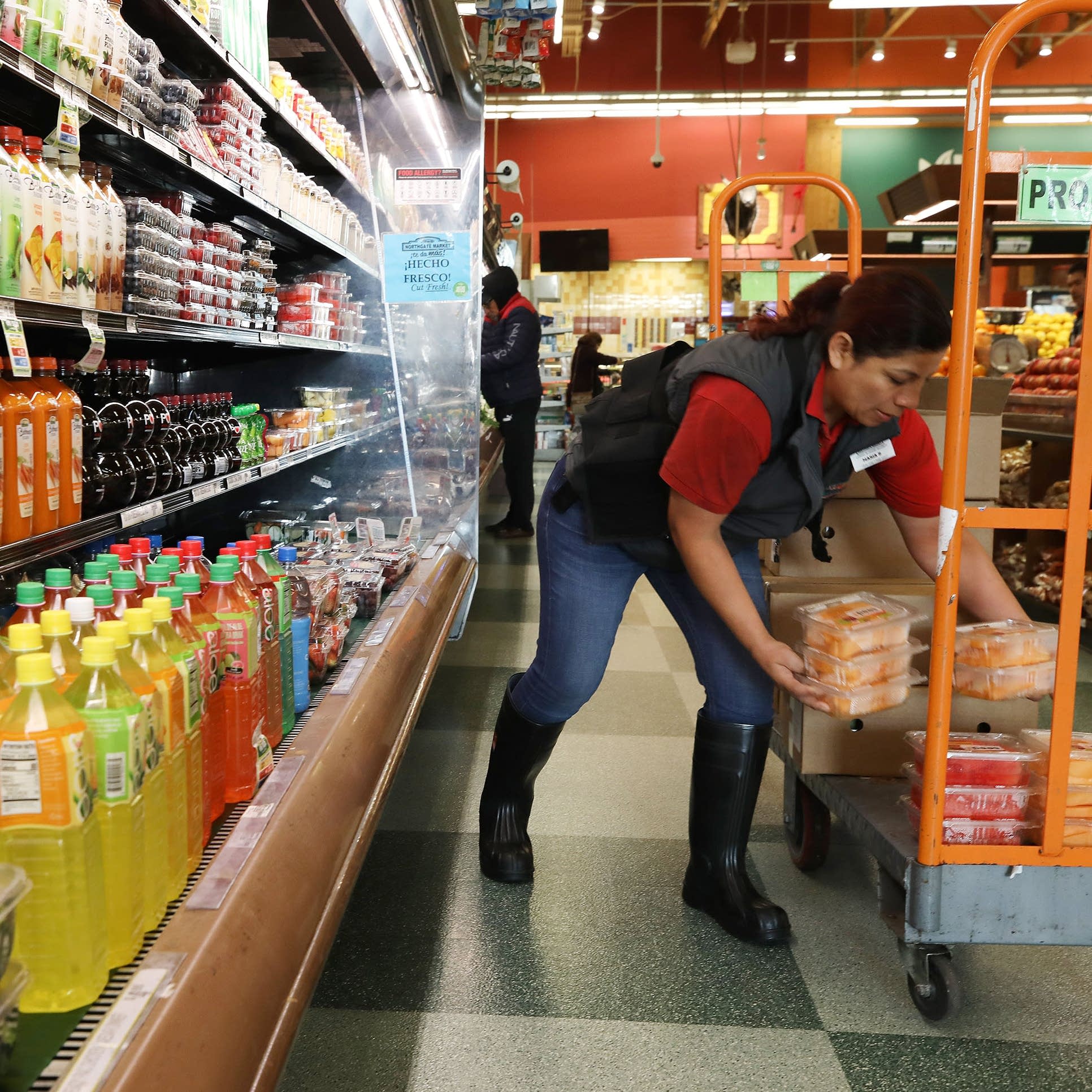
Loading summary
Transcript32 lines
- [00:00]
Podcast Sponsor Announcer 1
This podcast is supported by Odoo. Some say Odoo business management software is like fertilizer for businesses because the simple, efficient software promotes growth. Others say Odoo is like a magic beanstalk because it scales with you and is magically affordable. And some describe Odoo's programs for manufacturing, accounting, and more as building blocks for creating a custom software suite. So Odoo is Fertilizer Magic Beanstalk building blocks for business Odoo exactly what businesses need. Sign up@odoo.com that's o d o o.com.
- [00:30]
Podcast Sponsor Announcer 2
This podcast is brought to you by LHH, the Global Talent solutions and advisory company. What does work really mean? For many, it's just transactional, functional. But LHH believes it can be more. Work isn't just about tasks and deadlines. It's about passion, people and possibilities. With the right guidance and vision, incredible things can happen at work. Finding the perfect hire, Nurturing talent. Making the ordinary extraordinary. LHH doesn't just find beautiful moments at work. LHH creates them. Recruitment, development, career transition. LH a beautiful working world. Learn more at lhh.com beautiful this morning's.
- [01:15]
David Brancaccio
Business news includes food stamps, interest rates and rent freezes. I'm David Brancaccio in Los angeles. It's now 3:30 days of government shutdown. It is now likely that Most of the 42 million people on food stamps or SNAP will not get their November benefits starting this weekend. I say most, with some states trying to find ways to fill the gap when or if the government reopens, the delayed money would come. Now. We've been reporting on how this hits vulnerable families and food banks nationwide, which are already coping with a spike in demand. As Marketplace's Samantha Fields reports here, the abrupt loss of SNAP dollars will also hurt stores that accept food stamp actually EBT cards. In practice.
- [01:57]
Samantha Fields
Every month, the federal government spends about $8 billion on SNAP benefits. The millions of people who get those benefits then spend them at businesses, often in their communities. This is a really important invisible piece of the economy. Lily Roberts at the center for American Progress says it's not just people who qualify for those benefits who rely on them. There are stores in neighborhoods that have more than 50% of their sales from SNAP. Those are stores that are typically in lower income areas or that are in rural areas. If benefits just stop. Stephanie Johnson at the National Grocers association says it will be a big deal for those stores, especially small independent ones.
- [02:36]
Carla Javier
Grocer staffing and inventory are planned around SNAP benefits, so a lapse could lead to reduced employee hours, losses in perishable food items and declining sales, she says.
- [02:50]
Samantha Fields
SNAP supports nearly 400,000 jobs in the US and helps generate about 20 billion in wages and over 4 billion in taxes. Elaine Waxman at the Urban Institute says it acts as a form of stimulus, especially during economic slowdowns.
- [03:04]
Elaine Waxman
We sometimes talk about SNAP as if it's a cost and a drain on the economy, but it's actually an important component of the way that we not only assure that people can have enough food to eat, but that the businesses in the food sector have have a regular flow of income.
- [03:21]
Samantha Fields
Every dollar the government spends on snap generates over $1.50 in economic activity. I'm Samantha Fields for Marketplace.
- [03:30]
David Brancaccio
Markets predicted it and it happened. The Federal Reserve lowered interest rates yesterday by a quarter of a percentage point, with the job market losing steam. But Fed Chair Jerome Powell made no promises about more cuts this year. Marketplace's Nancy Marshall Genzer has that.
- [03:45]
Nancy Marshall Genzer
Fed Chair Jerome Powell set the tone in his opening statement at yesterday's press conference. Even before he started taking questions. He said a rate cut in December.
- [03:55]
Podcast Sponsor Announcer 1
Is not a foregone conclusion. Far from it.
- [03:57]
Nancy Marshall Genzer
In fact, Powell said there are strongly differing views about what to do at the next meeting. Part of the problem is the federal government isn't producing economic data right now because of the shutdown, powell said. There's a growing chorus of central bank officials who think the Fed should wait before lowering rates again. The division at the Fed is clear. There were two dissents at this week's meeting. One dissenter wanted even lower rates. The other didn't want a rate cut at all. I'm Nancy Marshall Genser for Marketplace.
- [04:43]
K12 Advertisement Announcer
Parents, imagine a school day built around your child's needs and interests. It's possible with K12 powered schools. Make the switch to K12 at any time and set your kid up for success. K12 powered schools are accredited tuition free online public schools for students in kindergarten through 12th grade. They've been a leader in education for over 25 years with engaging curriculum that supports individual learning styles with state certified teachers specially trained in teaching online who use hands on innovative technology to make learning interactive. And what's so great about K12 is the flexibility school is anywhere there's Internet access whether that's from the comfort of home or on the go to keep up with your family's busy schedule. More than 3 million families choose K12 to empower their students. Visit K12.com smash today to learn more. That's the letter K the number 12.com smash K12.com smash Early voting is underway.
- [05:46]
David Brancaccio
To choose New York City's next mayor. The apparent frontrunner, Zoran Mamdani, has made a rent freeze for a million rent subsidized apartments his signature issue. His opponents, former New York governor Andrew Cuomo and Guardian Angels founder Curtis Sliwa, say that's a bad idea. Freezing rent does have a recent track record in New York marketplaces. Carla Javier has that.
- [06:08]
Carla Javier
In New York City, the mayor appoints members of the Rent Guidelines Board, and every year the RGB decides how much rents on stabilized units increase. Former chair Rachel Godsel explained the board's balancing act at a June 2015 meeting.
- [06:21]
Interviewee / Expert
The purpose of the law and the role of the RGB are to protect tenants from excessively high rents while also ensuring that owners can pay for necessary costs and receive a fair return on their investment.
- [06:32]
Carla Javier
That year, the balance the RGB struck was a 0% rent increase. The next year, it extended the freeze. Oksana Mironova is a senior policy analyst with the Community Service Society of New York. Her organization surveys low income New Yorkers.
- [06:48]
Nancy Marshall Genzer
Usually there's about like 25 to 30% of people who fall behind on the.
- [06:52]
Carla Javier
Rent, but she says during the freeze.
- [06:55]
Nancy Marshall Genzer
You actually saw that particular hardship drop by about eight or nine points and other hardships as well.
- [07:02]
Carla Javier
Tenants reported fewer utility shutoffs and eviction threats, Mironova says. But landlords of rent stabilized units found the freeze challenging, according to Small Property Owners of New York board president Ann Korchak. She points to RGB data from 2017 showing they faced increased costs for insurance, taxes.
- [07:21]
Interviewee / Expert
Labor operating expenses increased over 6% and 4.5% in 2018. So those rent freezes meant that, you know, rent was not keeping up.
- [07:32]
Carla Javier
Korczak co owns two buildings that include rent stabilized units. She says that buildings like hers are old and needed repairs during the freeze.
- [07:41]
Interviewee / Expert
If you don't have enough revenue to keep up with your expenses, you know you often are now delaying a repair.
- [07:47]
Carla Javier
The RGB froze rents again early in the pandemic, but the nationwide eviction moratorium and assistance programs make it hard to draw lessons from that freeze. Since then, the board has approved increases of between 1 and a half and 3.25% annually. Elsewhere in the country, freezes are relatively rare, says Edward Goetz at the University of Minnesota. But rent regulation may be gaining steam. St. Paul, Minnesota put it in place.
- [08:13]
Interviewee / Expert
And you have it on the ballot in places across the country, in the Midwest and other eastern cities where it hadn't been on the agenda before, getz.
- [08:23]
Carla Javier
Says those jurisdictions will be watching how New York balances the needs of tenants and landlords going forward. I'm Carla Javier from Marketplace.
- [08:31]
David Brancaccio
And economic insecurity is keeping people from eating at Chipotle, which tends to cater to more middle class diners. While profits met expectations yesterday, Chipotle expects even fewer people will come in the fall. The Stock is down 18% in pre market trading now. Los Angeles. I'm David Brancaccio, Marketplace Morning report from apm, American Public Media.
- [08:56]
Bridget
Hey, everyone, it's Bridget, host of Million Bazillion, a podcast from Marketplace. You've probably heard about the government shutdown, but if you're anything like our young caller Esme, whose dad is a federal worker, you might still have questions.
- [09:10]
K12 Advertisement Announcer
I've noticed that my dad hasn't been going to work and I don't know when the government shut down will stop and my dad can go back to work.
- [09:18]
Bridget
We can help tune into our recent episode where we explain what you and the young ones in your life need to know about government shutdowns. Listen to Million Bazillion on your favorite podcast.
- [09:29]
K12 Advertisement Announcer
Applause.