Loading summary
Transcript1 lines
- [00:00]
A
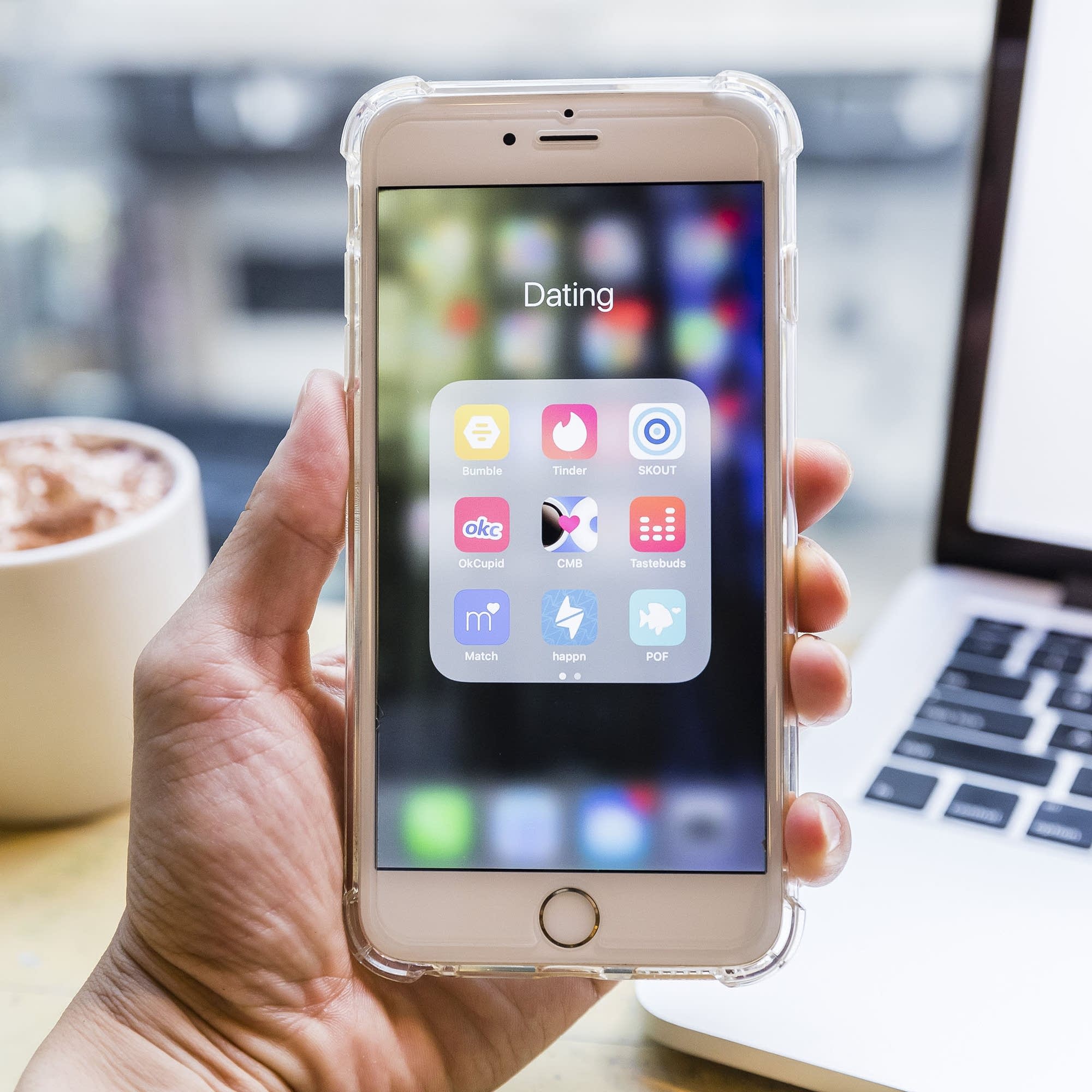
Hi Zoe Saldana. Welcome to T Mobile. Here's your new iPhone 16 Pro on us. Thanks. And here's my old phone to trade in. You don't need a trade in. When you switch to T Mobile, we'll give you a new iPhone 16 Pro. Plus we'll help you pay off your old Phone up to 800 bucks and you still get to keep it. There's always a trade in. Not right now. @ T Mobile. I feel like I have to give you something in return for karma. That's okay. I don't really have much in my purse. Oh, let's see. Hand sanitizer. It's lavender. I'm good. Seriously. Let me check this pocket. Oh, mints. Really, I'm fine. Oh, I have raisins. I'm a mom. Wait, wait one sec. I've got cupcakes in the car. It's our best iPhone offer ever. Switch to T Mobile. Get a new iPhone 16 Pro with Apple intelligence on us. No trade in needed. We'll even pay off your Phone up to 800 bucks with 24 monthly bill credits. New line 100 plus a month on experience beyond Finance Agreement $999.99 and qualifying ported for well qualified plus tax and $10 connection charge. Payout via virtual prepaid card. Allow 15 days credits end in balance due if you pay off earlier. Cancel mobile.com this Marketplace podcast is supported by Dell Introducing the new Dell AI PC. Powered by the Intel Core Ultra processor, it helps you do your busy work for you so you can fast forward through editing images, designing presentations, generating code, debugging code, summarizing meeting notes, finding files, managing your schedule, responding to long emails, leaving all the time in the world for the things you actually want to do. Get A new Dell AI PC starting at 749.99@dell.com AI PC how those ahead? Stay ahead. Romance apps are having trouble getting dates. I'm David Brancaccio in Los Angeles. First, an update on where the Senate version of the big tax and spending bill stands one week before the Republican self imposed deadline of the 4th of July. Some significant pieces are getting stripped out. Republicans dropped the so called revenge tax from the bill that would have taxed foreign companies doing business in the US There were fears the tax would discourage foreign investment. It would have applied to companies from countries that impose taxes on US firms such as a digital service tax aimed at American tech giants. But the revenge tax was dropped at the request of Treasury Secretary Scott Besant. In a post on X, Besant said the revenge tax wasn't necessary because he's worked out a global tax deal that will defend American interests. A provision in the bill on Medicaid was struck down by the Senate parliamentarian, who said it violates Senate rules. The proposal would have limited the taxes states can charge health care providers. The taxes can boost the amount of money states get for Medicaid from the federal government. I'm Nancy Marshall Genser for Marketplace. The chair of the White House Council of Economic Advisers, Stephen Mirren is suggesting the Trump administration could extend the July 9 tariff deadline. For some countries, you don't blow up a deal, he told the news site Yahoo Finance. That's making good faith, sincere, authentic progress by dropping a tariff bomb on it, unquote. There are more signs the bloom is off the rose for the dating app business. Bumble says it's laying off nearly a third of its employees. Since the company's launch of its Stock Back in 2021, stock prices have fallen about 90%. $75, then $6 and change. Now Marketplace's Elizabeth Trovall has more on what ails the swiping for affection industry. Millennials like BU professor Catherine Caduto remember when the apps were the shiny new thing in dating. Now, more than a decade later, you're dating on your phone, but you're also probably working on your phone. You're ordering food and groceries. You know you're doing all kinds of things. And so I think that also reduces the novelty. Kuduto says people are reluctant to pay for revenue generating dating app subscriptions that give users perks like unlimited swipes, especially when paying for that subscription, does not guarantee you dating success. Economic uncertainty felt by younger users may also be affecting subscriptions, says sociologist Jess Carboneau, who previously worked for Bumble. It could be contributing potentially to how individuals feel in terms of their desirability, particularly for men. And dating isn't cheap. Carboneau also says the 18 to 24 year old demographic who were key to dating apps a decade ago aren't as open to relationships these days. There is a significant lack of engagement in romantic partnerships at younger ages, but she says once this demographic matures, she expects they will be using dating apps to find their match. I'm Elizabeth Troval for Marketplace Foreign. You set the gold standard for your business. Your website should do the same. Wix puts you at the helm so you can enjoy the creative freedom of designing your site just the way you want. Want someone to bounce your ideas off? Talk with AI to create a beautiful site together. Whatever your business, manage it from one place and tie it all together with a personalized domain name. Gear up for success with a brand that says you best, you can do it yourself on wix. Here in Seattle, we're building the technologies of the future, from AI to clean energy. But we're also dealing with some of today's biggest challenges, like the housing crisis and the skyrocketing cost of living. We're here to break it all down for you. I'm Joshua McNichols. And I'm Monica Nicholsburg. Join us on Booming, a weekly podcast from KUOW about the economic forces shaping our lives here in the Pacific Northwest. Listen on the KUOW app or wherever you get your podcasts to the use of rural land, rolling fields of crops and or rolling fields of solar panels. What land use provides a net benefit to society? And can the two approaches coexist? Our story is from South Georgia. Emily Jones of WABE and Grist reports on a vast property in southwest Georgia. Tyler Huber is raising sheep. Come on, girls. It's morning, but the notorious Georgia sun has already been beating down for hours. It is incredibly hot. The sun is just unavoidable. And the fact that they've got, you know, shade every 15ft out here, it's just the ideal environment to have shade so close shade from solar panels using that same relentless sunshine to generate energy. The sheep, in turn, have a job to do. They cut down on mowing costs. Huber is the site manager for Silicon Ranch, the solar developer who bought this land from several farmers. He says the flock loves chowing down on the vegetation here. If we're able to grow this, which is just a buffet of everything they could ever want, they're going to happily eat that down. This land used to have row crops, mostly corn and cotton and beehives. Now you can't grow corn and cotton under solar panels, but this is still, still farmland for sheep and bees. Lisa Davis with the Lee County Chamber of Commerce says that's different from what many expect when farmland gets sold or leased to solar companies. You know, they envision in their head that you've got these, you know, big excavators and you just move everything out. And that is so not the case. Solar development faced opposition in Lee county from residents and county commissioners worried about losing farmland they rely on and love. But a study found that the financial benefits to taxpayers outweigh downsides. That's because farmland gets a tax break. In Georgia, farmers pay on just 40% of their land value, but the county can collect the full 100% on land used for solar, Davis says. That can make a huge difference for rural communities. They're never going to get big manufacturers or a lot of big commercial, so the opportunity for having a solar project can mean a lot. Loss of farmland is still a major concern. The American Farmland Trust estimates that nationwide, 2,000 acres of farmland are lost to non agricultural uses every day. But Mallory Osteen, who leads the trust's efforts in the Southeast, says solar isn't the main culprit. A lot of what we see in terms of farmland conversion pressure in Georgia is actually due to low density residential development. For many farmers, solar is a way for them to hedge their bets, a reliable way to profit from their land even when weather or disease hits their crops. In Lee County, Georgia, I'm Emily Jones for Marketplace. Our executive producer is Nancy Fargali. Our digital team includes Antoinette Brock, Jamila Huxtable, Emily McCune and Dylan Mietnin. Our engineers are Brian Allison and Rachel Breese. In Los Angeles, I'm David Brancaccio and we're from apm, American Public Media. This old house has been America's most trusted source for all things DIY and home improvement for decades. And now we're on the radio and on demand. I think you're breaking into this wall regardless. I was hoping you wouldn't say that. I need to go and get some whiskey. I think I would get the whiskey for sure. Subscribe to this Old House Radio hour from LA Associ Studios. Wherever you get your podcasts.