← Marketplace Morning Report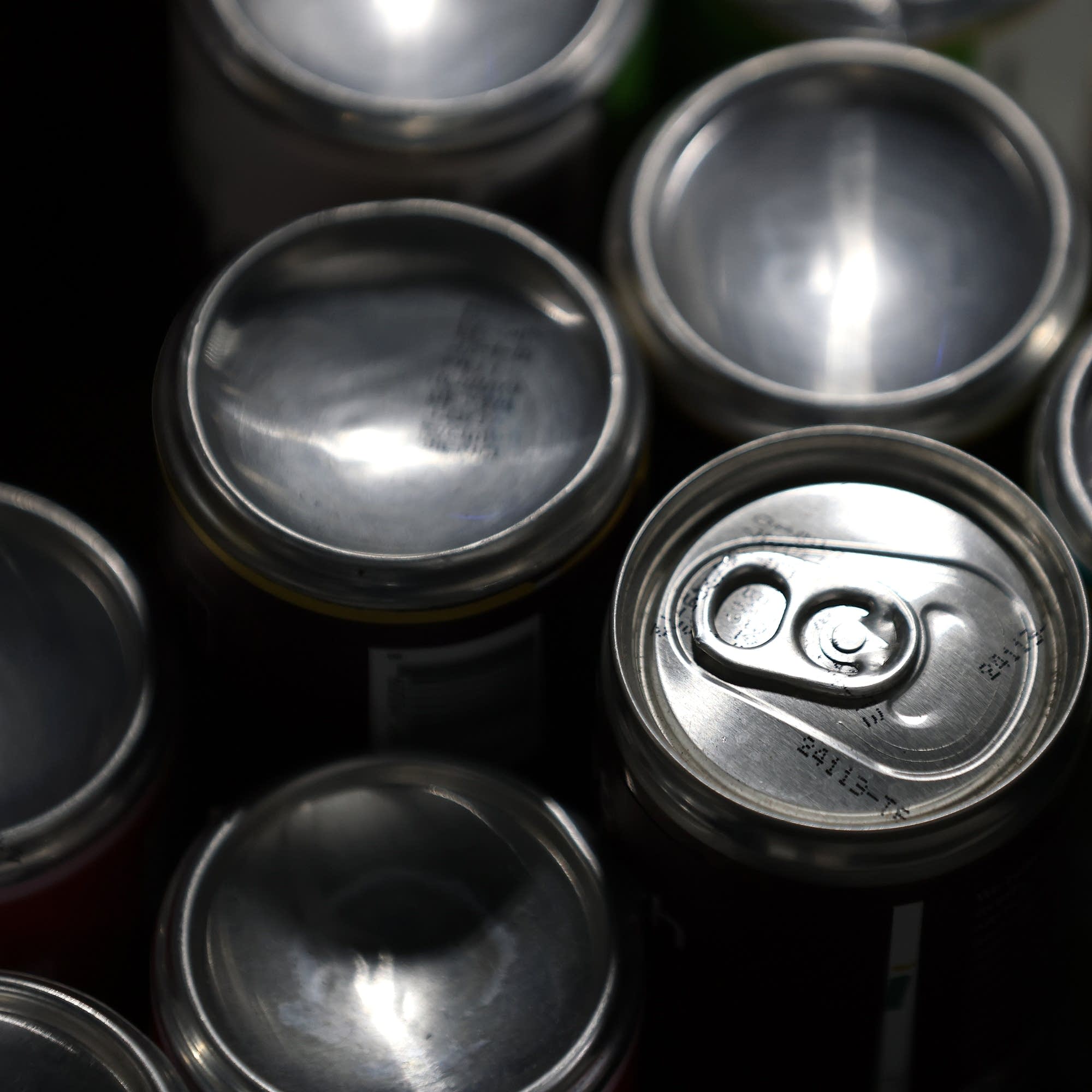
Marketplace Morning Report
Tariffs and economic growth, both globally and at the checkout line
00:06:51
Loading summary
Transcript39 lines
- [00:00]
LHH Sponsor
This podcast is brought to you by lhh, the global talent solutions and advisory company. What does work really mean? For many, it's just transactional, functional. But LHH believes it can be more. Work isn't just about tasks and deadlines. It's about passion, people and possibilities. With the right guidance and vision, incredible things can happen at work. Finding the perfect hire, nurturing talent, making the ordinary extraordinary. LHH doesn't just find beautiful moments at work. LHH creates them. Recruitment, development, career transition. LHH a beautiful working world. Learn more@lhh.com beautiful hey, if you're listening.
- [00:45]
Podcast Host
To this, I will assume you're at least interested in money, understanding the economy and finances as well. And some of us now want to get the next generation interested as well. So check out Million Bazillion Marketplaces award winning kids podcast that breaks down money to help dollars make more sense. Tune in to Million Bazillion wherever you find your favorite podcasts. A whole new season is out now. Million Bazillion is presented in partnership with Greenlight, the debit card and money app for kids and teens. Greenlight helps kids and teens learn to earn, save, spend wisely and invest. When you sign up for a Greenlight account@greenlight.com Million.
- [01:21]
David Brancaccio
Tariffs and Economic Growth Both globally and at the checkout David I'm David Brancaccio in Los Angeles. The world will see lower economic growth due to tariffs and tariff uncertainty. This is the conclusion of economists working for the club of rich nations known as the oecd.
- [01:39]
Nancy Marshall Genser
The Organization for Economic Cooperation and Development now says economic growth in the US this year will be a paltry 1.6%. The OECD blames substantial barriers to trade Canada diminishing confidence and heightened uncertainty. It says global economic growth will fall below 3% this year. The slowdown is expected to be most concentrated in the U.S. canada, Mexico and China. The OECD warns that inflation is also resurfacing with tariffs pushing up prices, adding that things could get worse if the trade war intensifies with higher trade taxes pushing inflation up even more while tamping down growth. The OECD has some advice for global policymakers. Collaborate to keep tariffs from ratcheting up even more and encourage manufacturers to diversify their supply chains. I'm Nancy Marshall Genser for Marketplace.
- [02:34]
David Brancaccio
Now to the economics of heavy metal and not so heavy metal, steel and aluminum. Taxes on imports set to go into effect tomorrow. They're meant to prop up U.S. jobs but can also prop up prices in even at the supermarket. Here's Marketplace's Samantha Fields.
- [02:50]
Samantha Fields
What's the first thing you thought about when you heard Trump was doubling tariffs on steel and aluminum, the price of groceries? Yeah, no, me neither.
- [02:57]
John Clear
Tariffs on inputs like steel and aluminum may not seem that connected to food, but they are critical for packaging.
- [03:05]
Samantha Fields
David Ortega at Michigan State University says, think about all those canned goods you.
- [03:10]
John Clear
Buy, canned tuna, soda, beer, pet food even.
- [03:15]
Samantha Fields
All of them are packaged in steel or aluminum. And Usha Haley at Wichita State University says most of it is imported.
- [03:23]
Nancy Marshall Genser
The United States just does not produce enough steel, and the US imports nearly 70% of tin plate steel that manufacturers use for cans of fruits, vegetables, essential foods and pet foods.
- [03:38]
Samantha Fields
If these tariffs remain in effect, she says, we're likely to start seeing all sorts of prices go up at the grocery store and not just on can canned goods. For instance, if companies that currently use aluminum to package certain products like soda start using more plastic instead, that could cause plastic and anything packaged in it to get more expensive too. Because supply and demand, there are also.
- [04:00]
Nancy Marshall Genser
Indirect costs, the costs of transportation, the costs of fixing up trucks, etc.
- [04:06]
Samantha Fields
All of which also get more expensive as steel and aluminum do. And that can trickle down into the prices we pay for pretty much everything at the store. John Clear at Alex Partners says retailers.
- [04:17]
John Clear
Are in a tough spot because consumers are super conscious of all the price increases, so they know they're losing trust, but also they don't have a lot more room in their margins to continue.
- [04:27]
Samantha Fields
To swallow costs, especially after pandemic supply chain issues and the inflation that followed. So say a company that sells canned vegetables does decide to pass along the increased cost of a steel can to customers. Clear says that might only be an extra 2 to 5 cents, which doesn't seem a lot.
- [04:45]
John Clear
But a can of sweet corn at Walmart is like 42 to 45 cents.
- [04:50]
Samantha Fields
So an extra 5 cents would make it cost about 10% more. And clear says a lot of people buying canned fruits and vegetables are on SNAP benefits, which already don't go very far.
- [05:01]
John Clear
So if you think that's replicated across a number of items within their basket every week, suddenly that actually becomes quite impactful and will ultimately mean that they probably buy one less unit, which again.
- [05:11]
Samantha Fields
Might not seem like a lot, he says. But if you're a big company like Walmart and thousands of customers start buying one less can of corn at thousands of stores, it adds up. I'm Samantha Fields for Marketplace.
- [05:25]
David Brancaccio
Now the tariffs on steel and aluminum are separate from the April 2 tariffs on goods from countries worldwide, which are under a legal challenge, but still in effect at least through June 9th. Later this morning, we'll get a national tally for help wanted job openings. This will be for April a bit early to see full effects of the April 2 global tariff announcement. Forecasters are expected there to be about 100,000 fewer openings, 1.4% lower.
- [06:10]
Henry Epp
Invest Puerto Rico Supports this Marketplace Podcast what's next in innovation? That's not the right question. It's where Puerto Rico more than just a tropical paradise, it's innovations paradise, where startups and global players coexist in a vast and vibrant ecosystem where talent runs deep, highly skilled and bilingual. Plus, the island offers the most competitive tax incentives in the US if you believe your business can go anywhere, Puerto Rico is the place. Find out more@investpr.org podcast. You know how you always want to know about everyone else's money on the podcast? What We Spend Guests will for one week tell us everything they spend their money on.
- [06:50]
Samantha Fields
My son slammed $6 worth of blueberries.
- [06:53]
Henry Epp
In five minutes and everything that makes them feel I want to own a.
- [06:57]
Samantha Fields
House, I want to have a child. But this morning I really wanted a.
- [07:00]
Henry Epp
Coffee because at the end of the day, money is always about more than your balance. Listen to and follow what We Spend An Odyssey Original podcast available now.
- [07:10]
David Brancaccio
Wherever you get your podcasts the NBA Finals start on Thursday. The Oklahoma City Thunder take on the Indiana Pacers. While maybe the TV gods would have wanted teams from the biggest of markets, there are upsides for the league marketplaces. Henry Epp has that the fact that.
- [07:27]
Alicia Jessup
Teams from two of the smaller media markets in the 30 team NBA made it to the Finals is largely thanks to the league's salary cap. Andrew Zimbalist is a professor emeritus at Smith College.
- [07:38]
Podcast Host
The salary cap puts a limit on the amount teams can pay their players. It also puts a floor on the bottom that teams can pay, which he.
- [07:47]
Alicia Jessup
Says means that teams in big cities with wealthier fan bases can't just buy their way to a championship.
- [07:53]
Podcast Host
There's the reassertion of very strong competitive balance and I think that's uplifting for fans around the league, especially those who are not in the largest markets.
- [08:03]
Alicia Jessup
Plus, it doesn't matter all that much to the NBA which teams make it to the Finals because the league has contracts locked in with TV networks and streaming services for the next 11 years. Alicia Jessup is a professor at Pepperdine University.
- [08:17]
Samantha Fields
So regardless of which teams we're going to take off in this matchup, the the amount of money that would be generated from media rights was already designated.
- [08:27]
Alicia Jessup
The downside, Jessup says, is the teams and league might not make as much ticket revenue compared to selling seats in, say, New York or la. And if ratings are low, companies might not want to shell out as much for future sponsorship deals. I'm Henry App for Marketplace.
- [08:42]
David Brancaccio
This Old House Radio Hour is now a radio show and a podcast. What is the meaning of house and how to fix things big and small at your place? I'm on that program this week talking about rebuild after Wildfire. Yes, I'm one of the many here in California trying to figure out what to do. You can listen to that episode by signing up wherever you get your podcasts or today handily mixed into the Marketplace Morning Report podcast feed in Los Angeles. I'm David Brancaccio and we're from apm, American Public Media.
- [09:13]
Samantha Fields
This old house has been America's most trusted source for all things DIY and home improvement for decades. And now we're on the radio and on demand today.
- [09:23]
Alicia Jessup
I think you're breaking into this wall.
- [09:25]
Podcast Host
Regardless, I was hoping you wouldn't say that. I need to go and get some whiskey. I think I would get the whiskey for sure.
- [09:31]
Samantha Fields
Subscribe to this Old House Radio Hour from LAS Studios. Wherever you get your podcast.