Loading summary
Transcript25 lines
- [00:02]
Sarah Rogers
A Chinese clothing giant has raised prices by up to 377%, but only for the U.S. as the trade war continues. Live from the U.K. this is the Marketplace Morning Report from the BBC World Service. I'm Sarah Rogers. Good morning. China says it's fully confident it will achieve its target of about 5% economic growth this year despite an escalating trade war with the US and we're now starting to see the impact of those trade tariffs. Imports from China, China to the US Are down and prices for some American shoppers are up. The BBC's Mariko Oi joins us from Singapore. Hi, Mariko.
- [00:40]
Mariko Oi
Hi, Sarah.
- [00:42]
Sarah Rogers
So we're seeing those tariffs play out now, aren't we, on imports to the US From China? Can you just run us through those numbers?
- [00:49]
Mariko Oi
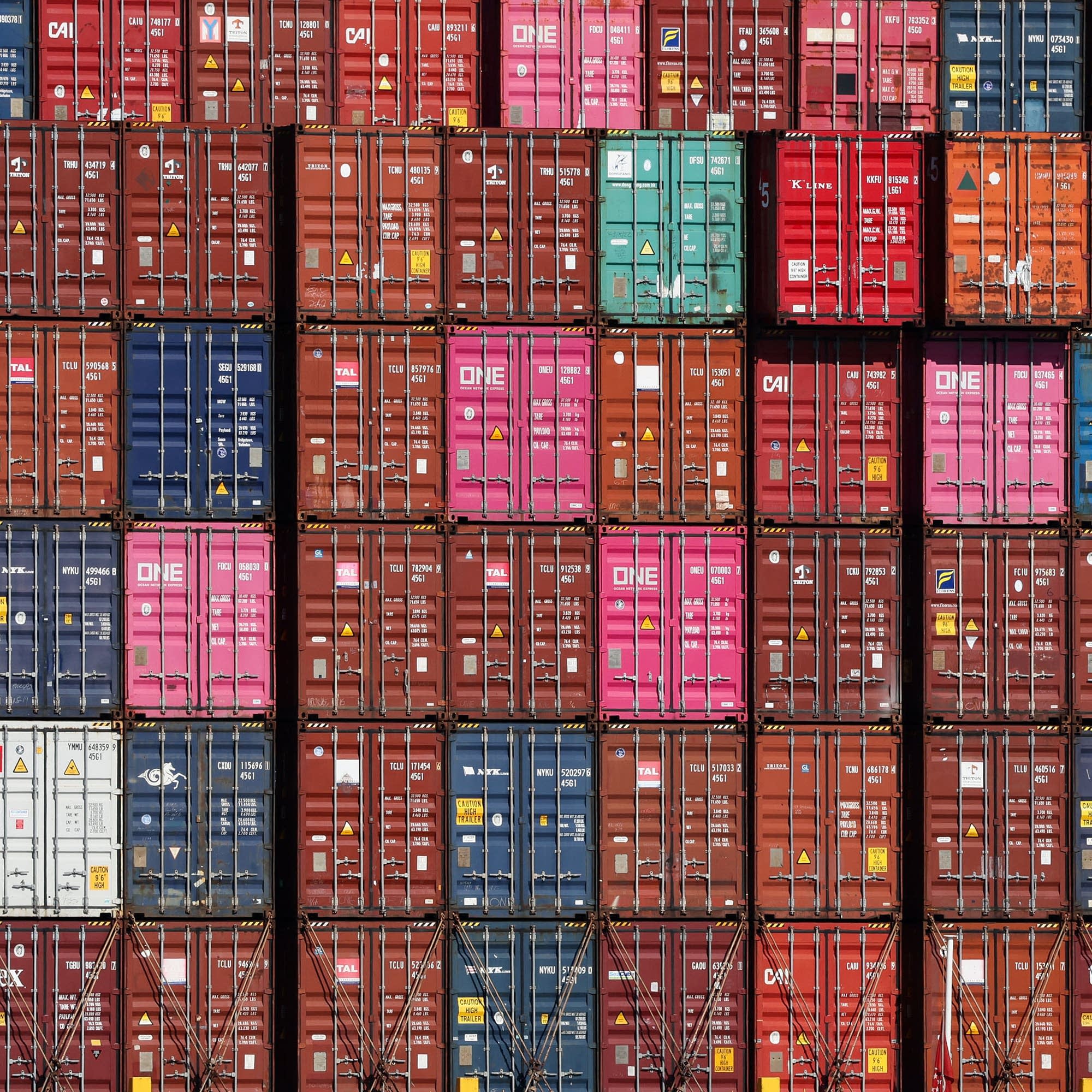
Yeah, sure, Sarah. But before that, I think I have to make a full confession that I've talked too much about the trade war, that I'm losing my voice. So apologies in advance, but yeah, in terms of the real world impact. So, for example, the Port of Los Angeles, that's where imports from Asia usually arrive. And this week the volume of imports are down 30% compared to last week because while Washington has paused many of the tariffs on other global economies, for China, there's that 145% tariffs. And of course, China also retaliated with its own 125% tariffs on American imports.
- [01:27]
Sarah Rogers
And are there particular areas, Mariko, that this is hitting more than others?
- [01:31]
Mariko Oi
You know, things like in Ashin and Temu, those huge Chinese E commerce giants that became very, very popular among American consumers, especially for younger generations. So, you know, we're talking about things like toys, clothes, homeware stuff. And Shein has just confirmed the price increase of about 30 to 50% on most products. But, you know, some items going up by about 380%. I mean, you know, we're still talking about something that used to be worth about $1 now being sold for $6.
- [02:01]
Sarah Rogers
Now we're hearing about those price rises and seeing the impact. Is there even more pressure, I think?
- [02:07]
Mariko Oi
Yeah, definitely. But at the same time, it's interesting that the language from Washington has somewhat softened slightly. But when it comes to Beijing, their attitude has not changed at all. Just today, we heard from a top economic official from China saying that China is on the right side of history when it comes to this brutal trade war. And of course, Beijing has previously said that they will fight till the end. But I think that's partly why we're starting to hear from American businesses pressuring the American government because I think they all thought that maybe China would just, you know, cave and that's why the pressure is now kind of on the White House side. Walmart and other retail giants actually went to speak to Mr. Trump explaining how significant these tariffs could be. And now there's a report that Walmart have already told those Chinese suppliers to start shipments. And now this is only based on one report. So we're starting to get these stories that might suggest that maybe there's some kind of a climb down at least behind the scenes.
- [03:10]
Sarah Rogers
Marie Koi, I'm glad your voice held out so you could bring us that update. Thanks for joining us on Marketplace.
- [03:15]
Mariko Oi
Thanks, Sarah.
- [03:16]
Sarah Rogers
Okay, let's see the numbers. South Korea's biggest cell phone provider has started replacing 23 million SIM cards after a major data hack earlier this month. Customers are lining up at SK Telecom stores as the company says it can currently replace only 5% of them. And shares in British food delivery company Deliveroo hit a three year high. Shooting up more than 16% is after a $3.6 billion buyout offer from US peer DoorDash. World military expenditure reached $2.72 trillion last year. That's according to a report from leading conflict think tank, the Stockholm International Peace Research Institute. That's an increase of 9.4% from the year before. Let's look at transport now. And total global airline revenue is expected to top US$1 trillion for the first first time this year. And the International Air Transport association predicts 145 billion of that money will be made from charging customers to pick their seats and from baggage fees. Now the average ticket price is expected to fall. But as the BBC Sam Grouet reports, surcharges aren't really landing with customers.
- [04:27]
Sam Gruway
Standing outside Toronto. Billy Bishop Airport I meet Lauren Alexander, who's 24 and has flown over for the weekend from Boston carrying only a backpack to avoid baggage fees.
- [04:38]
Lauren Alexander
I think it's ridiculous. Way too much money. Yeah, it feels like a trick because it's like you buy the ticket, you think it's going to be less expensive than you have to pay like $200 extra dollars to just bring your bag with you.
- [04:49]
Sam Gruway
So there was a time when seat selection, meals and checked bags came standard. Now it's a business worth billions. As aviation consultant Jay Sorensen explains, over.
- [05:01]
Jay Sorensen
The passage of time, the low cost carriers were providing very significant competition. Traditional airlines felt they had to do something to meet that competition.
- [05:10]
Sam Gruway
Jay says these extra fees make an estimated $145 billion for the industry annually. Peter Elbers is the CEO of India's biggest airline, Indigo, which charges fees for things like seat choice and food.
- [05:25]
Peter Elbers
I think what for us is important is to make sure that the customer has a realistic price proposition where we offer the ticket and then it's optional, whether you want to further expand it with specific seats or specific food options.
- [05:37]
Sam Gruway
But beyond airlines, bag rules are something luggage brands like Antler have been capitalizing on, too. Kirsty Glenn is the firm's managing director.
- [05:45]
Mariko Oi
You know, we've seen huge spikes in consumer searches online. On our website, for example, looking for under seat bags, there is a huge.
- [05:55]
Chelsea Dickinson
Market for bags that perfectly fit these, what we call them baggage sizes, you know.
- [06:00]
Sam Gruway
Travel journalist Chelsea Dickinson makes videos about air travel on TikTok. The app says posts about the hashtag luggage have increased in volume by 135% this year.
- [06:11]
Chelsea Dickinson
Social media has really propelled this idea of needing a bag that fits the baggage allowance requirements. And I say this as somebody who has directly experienced this because that has become a core part of the content that I create and post on social media.
- [06:31]
Sam Gruway
Experts and customers will be watching closely to see whether airlines continue to charge or whether they start to include the costs of onboard benefits to try and differentiate themselves from the competition. I'm the BBC Sam Gruway for Marketplace.
- [06:46]
Sarah Rogers
That's it from the Marketplace Morning Reports. I'm Sarah Rogers.
- [06:51]
Janelie Espinal
If there's one thing we know about social media, it's that misinformation is everywhere, especially when it comes to personal finance. Financially Inclined from Marketplace is a podcast you can trust to help you get serious about your money so you can build a life you've always dreamed of. I'm the host, Janelie Espinal, and each week I ask experts important money questions, like how to negotiate job offers, how to choose a college that you can afford, and how to talk about money with friends and family. Listen to Financially Inclined wherever you get your podcast.