Loading summary
Transcript21 lines
- [00:02]
Liana Byrne
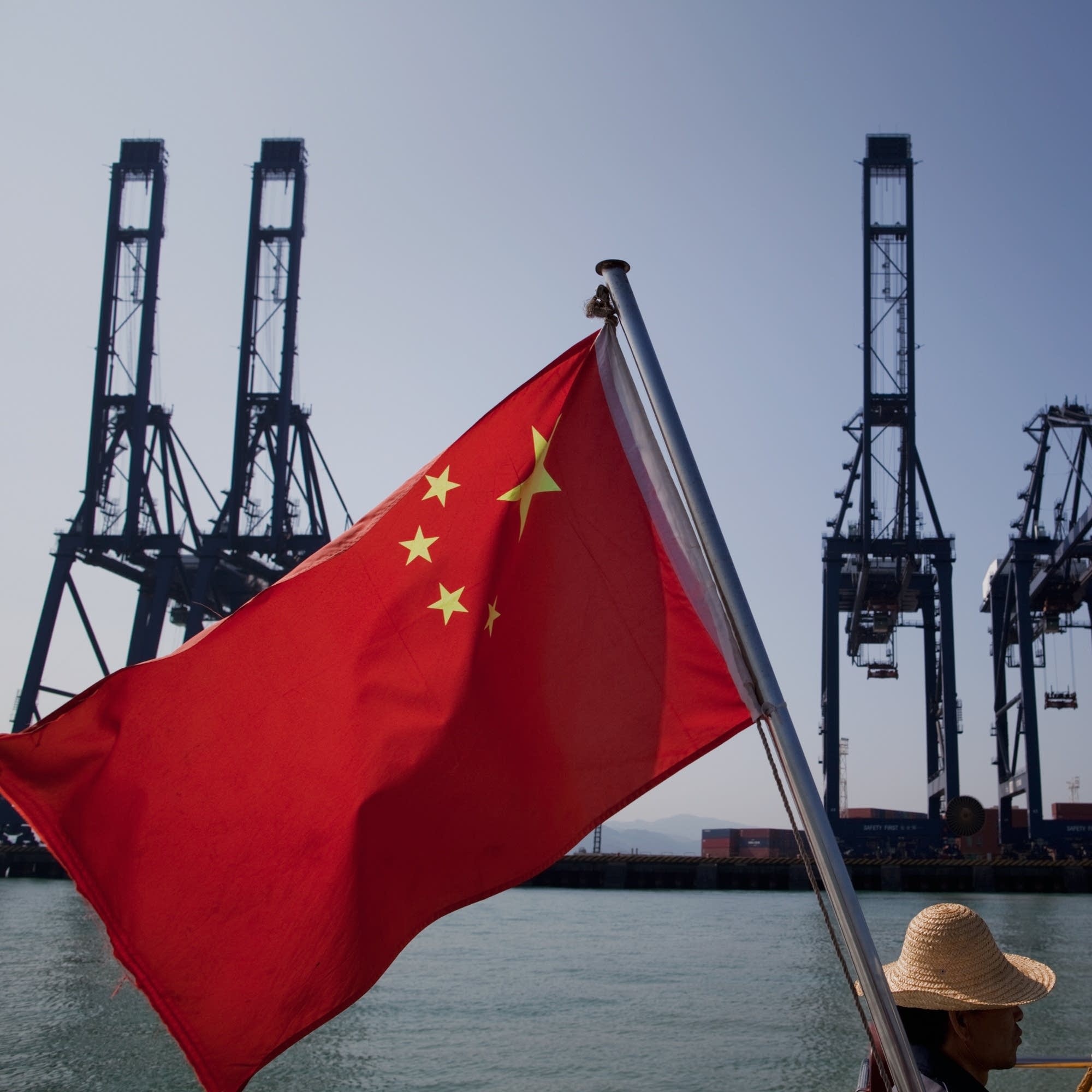
They were just hours from a full blown trade war. But instead, Washington and Beijing hit pause again. Live from the UK, this is the Marketplace Morning Report from the BBC World Service, I'm Liana Byrne. Good morning. Well, it came right down to the wire, but the US And China have extended their trade truce until November. This means those massive tariff hikes, some as high as 145, have been put on hold. Beijing was even ready to hit back with 125 tariffs. But for now, the sides have bought more time. The BBC's China correspondent Laura Bicker is covering this one. Hi, Laura.
- [00:38]
Laura Bicker
Hello. How are you doing?
- [00:39]
Liana Byrne
Good. Laura. Yet another 90 day delay. Why 90 days?
- [00:44]
Laura Bicker
Three months seems to be the amount of time that the United States feels that they can get a deal with China. Now why is this important? Well, China produces so many toys, so many goods that go under your tree. 70% of all the toys bought in the United States come from China. So many manufacturers, factories will now be working overtime to get as many of their goods over to the United States. In that time, however, there are major sticking points. The first is China controls around 70% of the world's rare earth minerals. The United States has been desperate to try to get their hands on more of these rare earth minerals for China. China wants more exact, more access to advanced computer chips from the United States. So there is a possibility of a to be done, but it won't be easy.
- [01:38]
Liana Byrne
It just really seems like they're kicking the can down the road all the time, doesn't it?
- [01:42]
Laura Bicker
Yeah. And I think part of the problem for both manufacturers here in China and those buying goods in the United States is that this uncertainty is really playing havoc. Let me give you an example. If you're a factory owner now, I have met and been in a factory where he's making sofas that went to the United States. In fact, one of them sits in Elon Musk's living room. He has to hire workers. He has to figure out how much material to buy, how many to make. He cannot do this if he doesn't know how much his product is going to sell and how much they will buy it for in the United states.
- [02:18]
Liana Byrne
Okay, the BBC's Laura Bicker, thank you so much for joining us in Marketplace.
- [02:21]
Laura Bicker
Nice to talk to you.
- [02:22]
Liana Byrne
And it's turning businesses off in the US too. Beth Benicki is the founder of Minnesota based Busy Baby, which makes baby products.
- [02:30]
Beth Benicki
Well, what I'm actually doing is pivoting and looking to sell to babies outside of America. So hopefully I'll have products in the UK before Christmas. Fortunately, there's babies all over the world. So I have an opportunity to try and find some international distributors to sell my products elsewhere. We've invested additional funds in the safety testing required to meet the compliance standards in other countries. I can learn these things and I can implement them because I'm a very small company for bigger brands that have established supply chain and everything that they can't pivot as easily as I'm trying to.
- [03:04]
Liana Byrne
Beth Benicki there. Now let's do the numbers. Asian markets ticked up after the US And China agreed to extend their trade truce with Japan's Nikkei 225 closing up more than 2% at a record high. And in Cuba, the pesos fallen to a record low of 400 to the dollar. On the street, the government's been pricing some goods in US Dollars to fight inflation has left many Cubans shut out since about 40% don't have access to foreign currency. This summer, several US cities, including Philadelphia, Boston and Seattle have been gripped by trash collection strikes. The Teamsters, the union representing the workers, say members deserve a pay rise and better health care benefits. The BBC's Robyn Levinson King reports from Boston.
- [03:48]
Robyn Levinson King
I'm here outside a commercial dumpster where there is just piles of garbage that hasn't been collected. There's recycling, it's hot, it's starting to smell, the flies are buzzing. And this is what many businesses and residents have had to deal with in Boston.
- [04:03]
Clacy dos Santos
My name is Clacy dos Santos and I'm a local coffee shop owner here in Malden. Oh, it's been horrible. I can't describe how. I don't know how to explain how frustrating it is. And then I call every day because I'm concerned, because my dumpster is full, very full.
- [04:17]
Robyn Levinson King
The standoff began a month ago in the Boston area, a fight between Teamsters union members and a private waste management company called Republic Services. The strike has now expanded to other towns across the country. During the strike's peak, over 2,000 workers weren't showing up for the job. The union says workers deserve better wages and benefits like health care. They say their employer, a Fortune 500 company partly owned by Bill Gates, can afford to pay better. On the picket line outside of Boston, I spoke to Mike Ortiz, who's worked in the industry for 17 years.
- [04:49]
Mike Ortiz
The strike about right now is wages, health care. Republic Services have not been budging. We've been budging on wages. The impact in the communities is devastating. You know, I walk through my neighborhood and there's just trash all over the place. And I'm from the city of Malden.
- [05:04]
Robyn Levinson King
How long are you guys prepared to stay out here?
- [05:07]
Mike Ortiz
As long as it takes. I'd rather die on my feet than beg on my knees.
- [05:11]
Robyn Levinson King
In a statement, Republic Services told the BBC it had made significant offers to improve wages and health care. Meanwhile, several communities in the Boston area have sued the company for breaching their contracts. Gloucester Mayor Greg Varga says that they've been left holding the proverbial garbage bag.
- [05:28]
Greg Varga
Negotiations between Republic and Teamsters weren't going so well. They had reached out to the seasoned towns in early June to indicate there may be an issue. But when they were talking to us before the strike, they said, don't worry about it. We're a national company. We'll have people in place and take care of everything. That has not been delivered on. Since day one, our DPW workers have been filling in, but that's not their typical task. So every second that they're spending picking up trash or recycling is time they're not cutting grass or doing other things they do around the city. We also have an issue of seagulls. So bags that lay around even for a day or two beyond the normal pickup are potential targets.
- [06:07]
Robyn Levinson King
There are signs that things may soon settle down. Strikers outside of Seattle say that national pressure helped them reach a fair deal with the company, offering some signs that the two sides can come to terms. But until then, millions of Americans will be left wondering who's going to take out the trash.
- [06:23]
Liana Byrne
That was the BBC's Robyn Levison King reporting. And finally, Starbucks in South Korea has a message for some of its customers. Your desktop computer and printer don't belong in the cafe. The chain's putting up signs asking people to leave bulky office gear at home, according to Korean media reports. But laptops are still welcome. I'm Lianna Byrne with the Marketplace Morning report from the BBC World Service.