Loading summary
Transcript21 lines
- [00:01]
Host
Hey there and thanks for listening. We want to know more about our audience. Stick around at the end of this episode to hear about how you can help, provide feedback and have a chance to walk away with a $75 gift card.
- [00:16]
MultiCare Representative
For 140 years, MultiCare has been in Washington prioritizing long term solutions, partnering with local communities and expanding access to care. Together, we're building a healthier future. Learn more@mycare.org.
- [00:33]
Liana Byrne
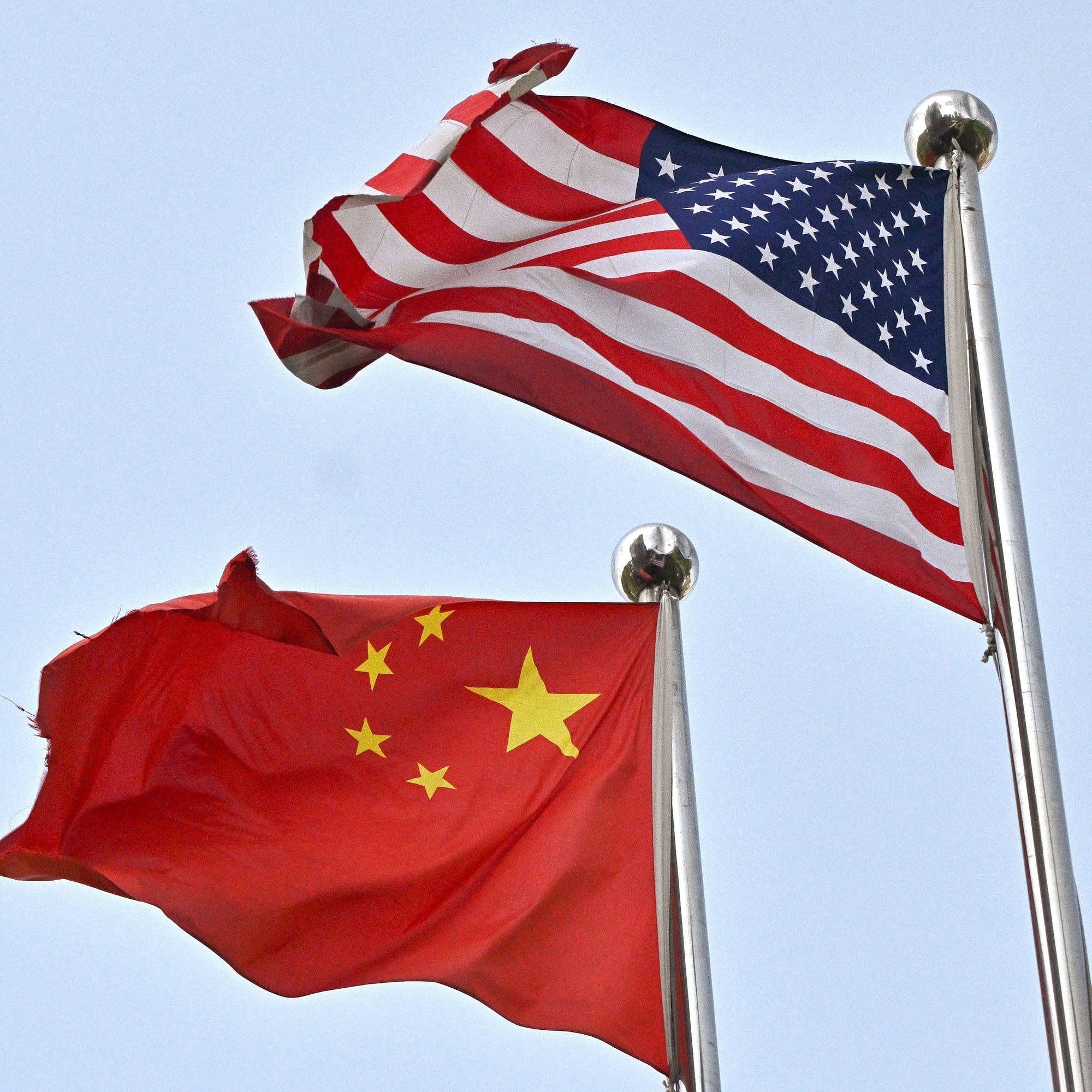
We'Re going to start this week with trade tensions between the US And China back in focus. Hello, this is the Marketplace Morning Report and we're live from the BBC World Service. I'm Liana Byrne. Good morning. So let's look at this relationship in numbers. First. Figures out today for May show China's exports to the US drop sharply down nearly 13% from April. For more, the BBC's Katy Silver reports from Singapore.
- [00:58]
Katy Silver
Data out earlier today show that China's exports in May were lower than analysts expected. They were up about 5% on year compared to the same time last year, imports dropping quite significantly, a lot more than had been predicted. We're also seeing that consumer prices are falling for the fourth consecutive month in the month of May, suggesting that Beijing stimulus measures aren't working that well and that there is just generally at the moment a climate of deflation and consumer sentiment being low.
- [01:26]
Liana Byrne
Katie Silver there now. These figures come out just hours before officials from both countries are due to meet in London for high stakes trade talks. Last week, there was a phone call between President Trump and Xi Jinping, their first direct contact since Trump took office. Here's the BBC's Jonathan Josephs.
- [01:44]
Jonathan Josephs
The US and China are trying to find a way to cooperate after last month's talks in Geneva significantly reduced tariffs but didn't solve a range of other issues. One of President Trump's top advisers has said increased access to rare earth metals will be on the agenda. They're crucial for modern technology, from smartphones to electric vehicles. But China controls global supplies. Over the weekend, Beijing approved an increase in exports. In return, it's likely to push for more access to high end US Computer chips.
- [02:15]
Liana Byrne
That was Jonathan Joseph's reporting. And there's already been some movement on those rare earth minerals from China. The BBC's Stephen McDonnell is in Beijing.
- [02:24]
Stephen McDonnell
One of the key things to come out of here over the weekend was the issuing of more licenses for Chinese companies to provide rare earths to US Automakers. Now this is seen as something of an olive branch. The reason this is crucial is that China has a big control over the supply of rare earths at the moment. And by holding them back, it can really inflict pain on certain parts. Parts of the US manufacturing sector, especially carmakers. So the fact that they've done this would seem to indicate that they want these talks to move forward.
- [03:00]
Liana Byrne
Stephen McDonnell in Beijing. Now let's see the numbers. European markets are holding steady as investors await for those fresh US China trade talks. The stocks Europe 600 is flat. Meanwhile, South Korea's newly elected president says rising prices are causing too much pain. With food costs like eggs up 3.8% and por 8.4%, thanks in part to bird flu in Brazil and tighter import controls in Italy. It's the second day of voting in a referendum over whether to have the residency period needed to be eligible for citizenship from 10 years to five. Those seeking citizenship say it's important because any non Italian cannot apply for public sector jobs. And those who support the vote say it's about helping to secure the workers that Italy urgently needs. But the government is urging voters to boycott the referendum. The BBC's Sarah Rains Alfred reports from Rome.
- [03:57]
Sarah Rainsford
I've come to a high school in Rome, and this is one of the polling stations for this referendum, a vote to decide how quickly you get to be Italian. Ticking yes on the yellow ballot paper would mean halving how long you need to be resident here before you can apply for citizenship. It's 10 years right now, officially, but it actually takes a lot longer than that. This referendum is about foreign nationals who come here legally to work in Italy. But like everything to do with immigration here is controversial.
- [04:31]
Unknown
Hi.
- [04:33]
Interviewer
No, no problem. I met Sunny in a scruffy Roman park and we sat down to talk under the palm trees.
- [04:40]
Sonny Olumati
I'm Sonny Olumati. I was born in Italy. I'm 39 years old.
- [04:46]
Interviewer
Sonny has lived in Rome all his life. His parents are from Nigeria. But the country Sonny calls home doesn't recognize him as its own. He can't even vote in this referendum.
- [04:57]
Sonny Olumati
In Italy, we are over 2 million without citizenship. And as you can listen, I am Italian. My blood is Nigerian. That is my roots. My citizenship is another thing. And I have to fight for this, right?
- [05:14]
Interviewer
By the time Sonny's mum became Italian, he was over 18, and he had to start his own application again from scratch. Two decades later, his file is pending.
- [05:25]
Sonny Olumati
Not having the citizenship, I think, is like being rejected from your country. It's a bad feeling to have.
- [05:34]
Interviewer
Last week, the prime minister, Giorgia Meloni, who's from the hard right of politics, told a TV show that Italy's citizenship law was already excellent. She said. Italy naturalized more people than most countries in Europe. Many of those are Argentinians, though, with Italian roots, people who'll never even visit here. As to the rest, Meloni said, when it comes to cutting the time for getting citizenship, she was completely opposed. On social media. A young politician from the far right League Party has also been telling Italians, go to the mountains, go to the sea, go anywhere, federico Ferrari said, but don't go to vote. That is because turnout is critical, under 50% and this referendum won't be valid. Basically, there's a giant government led boycott. Sunny Olumati has a very different perspective. So what will he do if this referendum fails?
- [06:39]
Sonny Olumati
Even if yes or not, we will stay here and we will think about the next step because we are here. We will live here. We will die here. So we have to start to talk about it and we have to start to talk about the place of our community in this country.
- [07:01]
Liana Byrne
Sarah Rainsford reporting there. And finally, to soccer in the U.K. revenues in the Women's Super League jumped 30% to nearly $90 million, even as crowds fell thanks to a 50% surge in commercial deals. I'm Liana Byrne with the Marketplace Morning Report from the BBC World Service.
- [07:19]
Host
Really quick, before you go, please complete a short anonymous survey by going to marketplace.org forward/survey. It should only take about 10 minutes. And as a token of our appreciation, you can enter your name to win a $75 gift card. When you've completed the survey, you do all of us at Marketplace a huge favor by filling it out.