← Marketplace Morning Report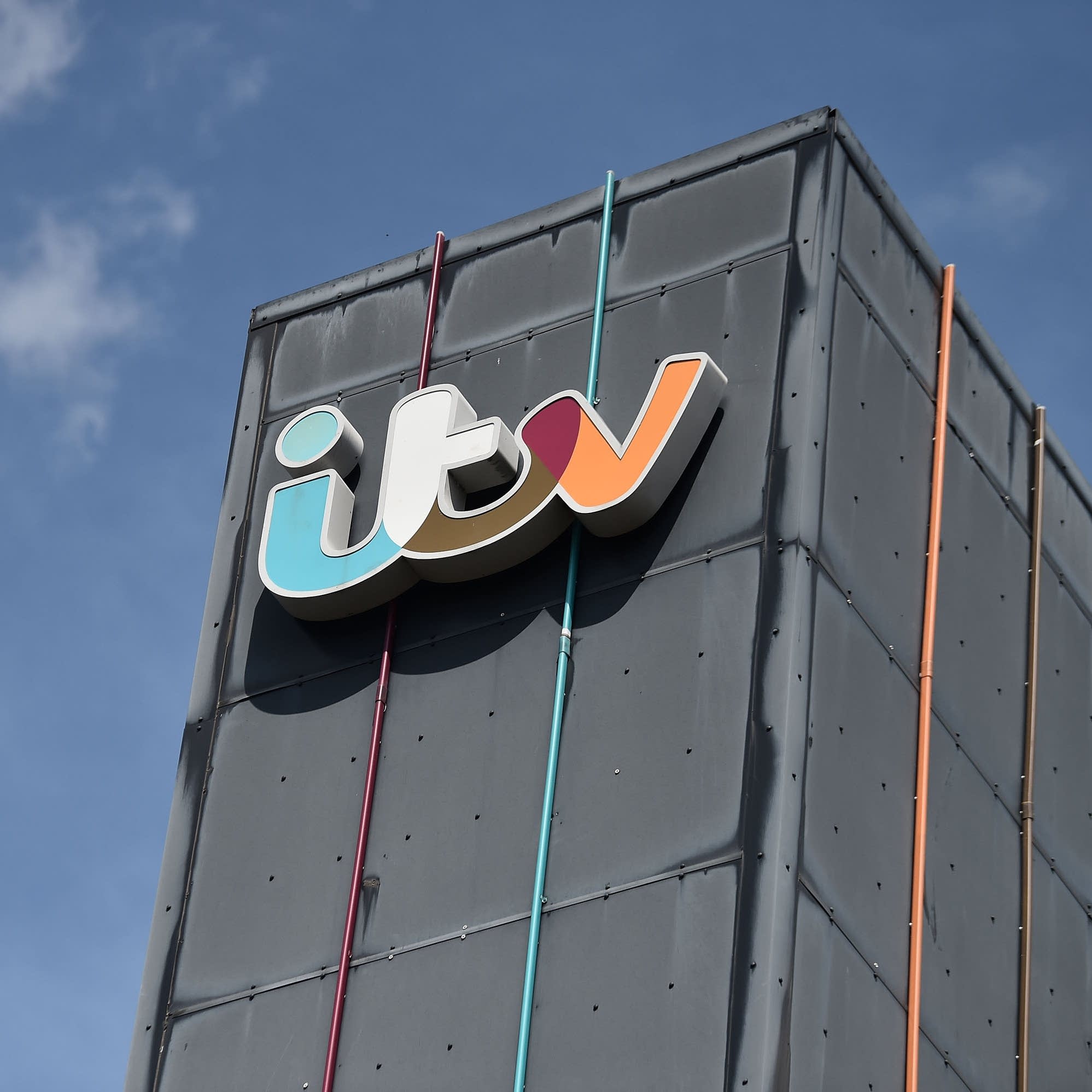
Loading summary
Transcript27 lines
- [00:00]
Wealth Enhancement Representative
This Marketplace podcast is supported by Wealth Enhancement, who understand that dreams don't happen by chance. It takes a plan. They're ready to build your wealth Blueprint for retirement, investing taxes and everything else your financial life brings. It reveals gaps and highlights opportunities you may have missed at no cost to you. Find out more@wealthenhancement.com Blueprint.
- [00:28]
Multicare Representative
Our state has changed a lot in the last 140 years. We know because Multicare has been here guided by a single making our communities healthier. That comes from making courageous decisions, partnering with local communities to grow programs and services, and expanding healthcare access to those who need it most. Together, we're building a healthier future. Learn more@ multicare.org.
- [01:00]
Stuart Clarkson
A US media giant zooms in on an iconic British TV company Live from the uk, this is the Marketplace Morning Report from the BBC World Service. I'm Stuart Clarkson. Good morning. The UK's oldest commercial television channel could be sold to American firm Comcast. ITV was created back in 1955. It's now in preliminary talks to sell its TV business to sky for around $2 billion. The BBC's Mark Ashdown's with us on Marketplace Place with the details. Morning, Mark.
- [01:28]
Mark Ashdown
Hi there. How are you?
- [01:29]
Stuart Clarkson
I'm not too bad. So this is quite a complicated deal. What could be sold, what crucially isn't being sold?
- [01:35]
Mark Ashdown
So ITV is made up of many constituent parts. What we're talking about here is its media and entertainment division that includes the TV channels, the likes of ITV1, 2, 3, etc. Through to ITVX, the streaming service. What this does not include is ITV's production arm, ITV Studios, that makes all those programs like Love island and I'm a Celebrity, Get Me out of Here, and that will impact the value of the deal. The money on the table, by the looks of things, is about $2 billion. Just yesterday, ITV put out its latest trading statement and that showed advertising revenue is expected to be 9% lower in the last three months of 2025.
- [02:11]
Stuart Clarkson
A lot of challenge from streamers as well. What does being part of a huge global organization do for itv?
- [02:17]
Mark Ashdown
Sky is owned overall by Comcast. US listeners will know that's a massive US firm. It owns Universal Studios as well. It bought sky from Rupert Murdoch in 2018. And of course, Compass is a major player in the US media landscape. The question now is what can it do in the uk? There is a sort of strong feeling out there that to take on the streaming giants, the likes of Netflix, Disney plus Apple, there will have to be some kind of consolidation so we could end up with sort of a couple of big beasts here leading the way. Of course, that raises questions over competition. Monopoly, the regulator Ofcom, will be looking at how much of the marketplace sky owns. But I think given the pickle that ITV's in at the moment, the. This could well be seen as a rescue deal rather than a takeover. And that may be seen as the regulator that's more beneficial than simply letting ITV go under.
- [03:04]
Stuart Clarkson
Yeah, okay. Thanks, mark. That's the BBC's Mark Ashdown. Next. Exports from China unexpectedly shrank in October compared to the same month last year. But there's still an annual forecast for growth, despite ongoing trade tensions with the us. One of the world's biggest shipping companies, Maersk, is reporting stronger than forecast results is its chief executive, Vincent Clerk.
- [03:23]
Vincent Clerk
So what we've seen is the exporting machine from China gaining pace and seeing significant growth across all of its trading regions. Really, whether it is Latin America, Middle East, Europe or North America, we've seen that growth. A market that for the last eight quarters has kept on surprising by its resilience. Despite some of the changes, including some of the ones that happened during this year, China is going to grow 11%, which when you think about the base and the size that China has, 11%.
- [03:50]
Stuart Clarkson
Is an astounding number as Vincent Clerk from Maersk. Let's see the numbers now. And quarterly profits at IAG, which owns British Airways, are down 2% after it reported falling demand for transatlantic flights. Plus, shares in Danish firm Novo Nordisk dropped more than 2% on opening this morning as after President Trump announced a deal last night to reduce the price of its weight loss drug, Wegovy. And it's not just gold and stock indices hitting records highs in recent months. Some Pokemon collectors are finding they've got a sound investment in their trading cards. The values of the rarest are up as much as 4,000%, according to trading card tracker Card Ladder. Here's the BBC's Monica Miller.
- [04:28]
Monica Miller
In the heart of Midtown Manhattan on Wednesday evenings, you can find Jared all day at Monte Comics. That's where the store hosts its weekly Pokemon trading card tournament. He says he got hooked last year.
- [04:41]
Jared
I was just going around a local card shop. It looked nice, like, ooh, Pokemon, this is my childhood. Got a package, opened it up. From that moment on, here I am. It was just pure fun.
- [04:57]
Monica Miller
As collectibles go, Pokemon cards have remarkable staying power.
- [05:01]
Pete Earle
These statistics say that from 2004 until, I guess 2025, Pokemon cards as a group are up 3,800%.
- [05:11]
Monica Miller
Pete Earle is the director of Economics and Economic Freedom and has been following Pokeflation. He says their values soared during the pandemic, so a lot of people received.
- [05:21]
Pete Earle
Stimulus checks and they were home. So a lot of people at the same time reached into closets, pulled out shoeboxes and said, hey, I remember these things. They're pretty great. Combination of cash and time produced the perfect conditions for a speculative run. And that has continued far longer than anyone, myself included, thought it would.
- [05:40]
Monica Miller
Pete says. While other players treat cards as a game, others now view them as a serious investment, part of a growing market of alternative assets, along with sneakers, comics, even crypto. But Pete warns that chasing quick profits in Pokemon cards could backfire. The 90s beanie baby boom showed how quickly the craze could fade. With stuffed toys that were once sold for hundreds, now worth just a few dollars. Sellers are also seeing prices soar. Jimmy Chen is the owner of Montessi Comics. He says some customers buy cards purely as investments, but for others, it's nostalgia.
- [06:18]
Jimmy Chen / Alex Rafala
And then on top of that, a lot of the millennials now have more disposable income or that they're able to sell some of their Pokemon cards to invest in something else.
- [06:30]
Monica Miller
Alex Rafala loved Pokemon as a kid. Two years ago, he rediscovered it. What keeps them coming back isn't the potential payday.
- [06:39]
Jimmy Chen / Alex Rafala
We're not super happy with the scalping situation in Tavern. A lot of those people don't seem particularly interested in the cards or the lore or the franchise at all. They're really just trying to make a quick buck.
- [06:50]
Monica Miller
Whether they're prized investments or just pieces of shiny cardboard, Pokemon cards have become something bigger than a childhood hobby for some investors. They found new ways to diversify their portfolios. For players and collectors, the real value isn't in dollars, but in the memories, the community, and the game that keeps on evolving. I'm the BBC's Monica Miller for Marketplace.
- [07:13]
Stuart Clarkson
Thank you for listening today in the uk I'm Stuart Clarkson with the Marketplace morning report from the BBC World Service.
- [07:24]
Amy Scott
Imagine a future where chocolate and coffee are rare and expensive. Expensive where cheap nutritional staples like corn and wheat are threatened. Sounds unpleasant, doesn't it? Well, we could be heading there if we don't recognize that the climate crisis is also a food crisis.
- [07:43]
Mark Ashdown
I've seen yields drop because of drought, and believe me, boy, have I seen them drop.
- [07:51]
Multicare Representative
We have had dry spells that have lasted years.
- [07:54]
Amy Scott
I'm Amy Scott. This season on how we survive. We investigate how the climate crisis our most vital food systems, and how scientists are racing to develop alternatives that will shape the future of food. Listen to this season of How We Survive on your favorite podcast. Apparently.