Loading summary
Transcript29 lines
- [00:01]
Sabri Benishore
With VRBoCare, help is always ready before, during and after your stay.
- [00:07]
David Brancaccio
We've planned for the plot twists so
- [00:09]
Sabri Benishore
support is always available because a great trip starts with peace of mind.
- [00:15]
Odoo/Viking/Fundrise Advertiser
Running a business is hard enough, so why make it harder with a dozen different apps that don't talk to each other? Introducing Odoo, the only business software you'll ever need. It's an all in one fully integrated platform that makes your work easier for from CRM, accounting, inventory, e commerce, and more. And the best part, Odoo replaces multiple expensive platforms for a fraction of the cost. This is why over thousands of businesses have made the switch. So why not you try Odoo for free@odoo.com that's o d o o.com
- [00:47]
David Whiston
the
- [00:47]
Sabri Benishore
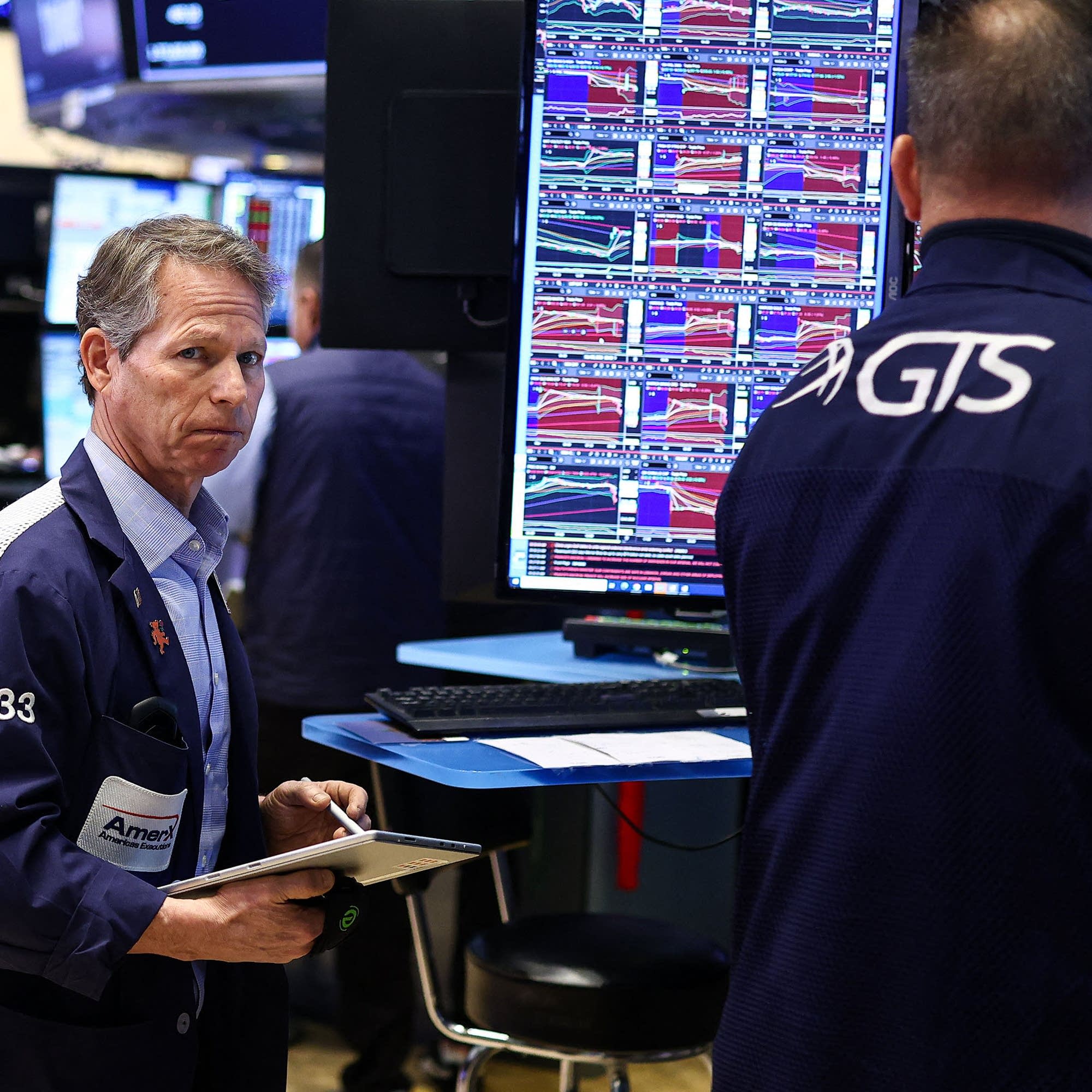
bond market has a message More inflation could be coming from Marketplace. I'm Sabri Benishore in for David Brancaccio. Bond yields are the payoff people get when they invest in bond. These go up, these go down. And one of the things that drives that is how hungry investors are for bonds. When the world gets scary, they're usually very hungry because bonds are safe, safer than the stock market. Investors are like, I don't care if I don't make a lot of money, I just want my money to be safe. With the Iran war, though, the opposite is happening. Bond yields are going up. Investors are not as hungry. Why not? Short answer, inflation. We called up Steven Brown, deputy chief North America economist at Capital Economics, to find out more.
- [01:31]
Steven Brown
I think the key thing here is that investors are getting a bit concerned about inflation risks again. So the nature of this shock is obviously that it's pushed up oil prices. The disruption to the Strait of Hormuz risks a whole lot of disruption to the global oil market. So we've seen oil prices surge since the end of last week, and that's likely to feed through to higher price inflation, you know, both in the US and across the world.
- [01:54]
Sabri Benishore
So on the one hand, investors might well want to keep their money safe in bonds because the world is scary. But at the same time, this particular scariness also threatens higher inflation. And if inflation's gonna be higher, that eats into your bond return, and so you want a higher yield to compensate for that.
- [02:16]
Steven Brown
So typically when we're talking about kind of a scary shock of some sort, it often means people are worried about the outlook, the US Economy. And in that scenario, they think, well, the Fed might end up cutting interest rates here and that will help pull down those bond yields. Whereas the current context is quite a bit different because investors see this big spike in oil prices, think, well, the key thing here really is that that's going to push up inflation and probably mean the Fed can't cut this year or cut as much this year as it previously indicated it could do.
- [02:48]
Sabri Benishore
So if this is about inflation, just how big of an inflation effect are we looking at here from this war?
- [02:56]
Steven Brown
The oil market was in a state of kind of oversupply to begin with. OPEC were increasing production. There were some concerns about global demand softening a touch. So we've kind of come into this conflict in a relatively kind of positive situation in terms of the dynamics in the oil market. But it's certainly possible that oil prices could keep rising towards, say, $100 per barrel, in which case that could push up US inflation full percentage point. And I think in that scenario the Fed would be, you know, a lot more concerned.
- [03:27]
Sabri Benishore
Stephen Brown, Deputy Chief North America Economist at Capital Economics, thank you so much.
- [03:32]
Steven Brown
Always a pleasure. Until next time.
- [03:51]
David Brancaccio
This Marketplace podcast is supported by Viking. Committed to exploring the world in comfort. Journey through the heart of Europe on an elegant Viking longship with thoughtful service, destination focused dining and cultural enrichment on board and on shore. And every Viking voyage is all inclusive with no children and no casinos.
- [04:11]
Odoo/Viking/Fundrise Advertiser
Discover more@viking.com this Marketplace podcast is supported by Fundrise. Billion dollar investors don't typically park their cash in high yield savings accounts. Instead, they often use one of the premier strategies for institutional investors, private credit. Now the same passive income strategy is available to investors of all sizes thanks to the Fundrise Income Fund, which has more than $600 million invested and a 7.97% distribution rate. With traditional savings yields falling, it's no wonder private credit has grown to be a trillion dollar asset class. Learn more@fundrise.com Marketplace the fund's total return in 2025 was 8%, and the average annual total return since inception is 7.8%. Past performance does not guarantee future results. Current distribution rate as of 123-120-25 carefully consider the investment material before investing, including objectives, risks, charges and expenses. This and other information can be found in the Income funds prospectus@fundrise.com this is a paid advertisement.
- [05:15]
Sabri Benishore
In February, the EPA scrapped what's called the Endangerment finding. That was a rule issued back in 202009 under the Obama administration, and it said that greenhouse gases threatened public health. That paved the way for more tailpipe emissions standards for the auto industry. With that rule gone, what does that mean for automakers? David Whiston is An auto analyst at Morningstar and joins us. Good morning.
- [05:39]
David Whiston
Morning.
- [05:39]
Sabri Benishore
So some automakers seem to welcome this deregulation. Others are a little more skeptical. What are the upsides and the downsides of this move from the perspective of the auto industry?
- [05:54]
David Whiston
Yeah, I think that depends to who you are. And what was your EV and zero emission vehicle exposure prior to the rules changing? I mean, the most extreme example, of course, is Tesla, which only sells electric vehicles, so they can't sell compliance credits to American competitors anymore. With the endangerment finding getting repealed, the greenhouse gas regulations are literally gone. It's pretty, it's pretty drastic by the
- [06:22]
Sabri Benishore
Trump administration for companies that maybe have not gone as hard on electric vehicles. What do these rule changes mean for them?
- [06:32]
David Whiston
So in the near term, the good news for these companies is they can continue to just make what they're perhaps the best at, which is making full size SUVs and pickup trucks that are extremely profitable. And you can make that now without also having to pay compliance penalties or go out and buy credits from firms such as Tesla. And so I think the question here is, do you just forget about zero emission vehicles and only focus on gas guzzlers? Well, that's probably not a good idea because longer term the industry is likely to keep moving towards zero emission vehicles as battery costs come down.
- [07:06]
Sabri Benishore
So some automakers have invested, as you mentioned, billions into EVs. They don't have to walk back those new models, those new factories. It's just that they can if they want to. Why do they want to?
- [07:20]
David Whiston
Basically, the industry probably went too far. You know, go back in time a few several years ago, Tesla's skyrocketing in market value and then regulation was certainly looking very much on the side of pushing the industry to EVs. So late last decade, a lot of automakers started making very large investments in EVs. Trump administration has reversed all those regulations and that's now, God automaker saying, well, I can keep making vehicles that I probably can't sell, or we can just take some impairments and change production.
- [07:56]
Sabri Benishore
But there's also the argument that the future is electric and if they don't move, they will eventually be left behind.
- [08:04]
David Whiston
There's definitely a risk that the US Auto industry could lose in the long run from this change. I'm not saying that's definitely going to happen because I think in the near term I think the profits are going to be helped. But again, I think you see, EVs come roaring back. Now, is that going to happen in 27 or 28 probably not, but in the2030s, I think it certainly could happen. And I think it's a matter of time for the Chinese are selling here, too. And so if you're not investing now for that future, you're probably going to be in a lot of trouble next decade.
- [08:32]
Sabri Benishore
David Whiston is a senior equity analyst for Morningstar. Thank you so much.
- [08:36]
David Whiston
Yeah, sure.
- [08:39]
Sabri Benishore
In New York, I'm Sabri Benishore with the Marketplace Morning report. From apm, American Public Media.
- [08:52]
David Brancaccio
Hey, David Brancaccio here. I hope you're well and that your passport is up to date because I am hosting a trip to Italy this fall and you, you are invited stay at a world class Tuscan villa and step into the world of the Medici, the formidable family whose influence and power helped give rise to the Renaissance and the art we still celebrate today, not to mention the banking system. We're going to visit the world's oldest bank, swim in the thermal spa waters in Montecatini and take in the art of the Uffizi. All of this, and then we'll try to put it all into context with great conversation over even better meals and wine tasting. Please join me and know this. Buying into this trip will provide essential support for Public media. Discover more about this fall's tuscany adventure@marketplace.org travel to reserve your spot today, that's marketplace.org travel.