Loading summary
Transcript29 lines
- [00:00]
Range Rover Narrator
The adage says it isn't what you say, it's how you say it. And when you lead with power, poise and performance, you're making an impact from the start. Introducing the Range Rover Sport Designed to set an example with its assertive stance and refined drive, it blends dynamic elegance with agile precision. Whether you're navigating city streets or conquering rugged terrain. Its cutting edge innovations including a cabin air purification system and active noise cancellation, offer unrivaled comfort control and peace of mind. Seven terrain modes Check A choice of powerful engines including a plug in hybrid with a 48 mile range. Absolutely take on anything with the Range Rover Sport. Build Yours today at Range Rover.com USSport Explore the Range Rover Sport at Range Rover.com US Sport Introducing your new Dell.
- [00:57]
William Lee Adams
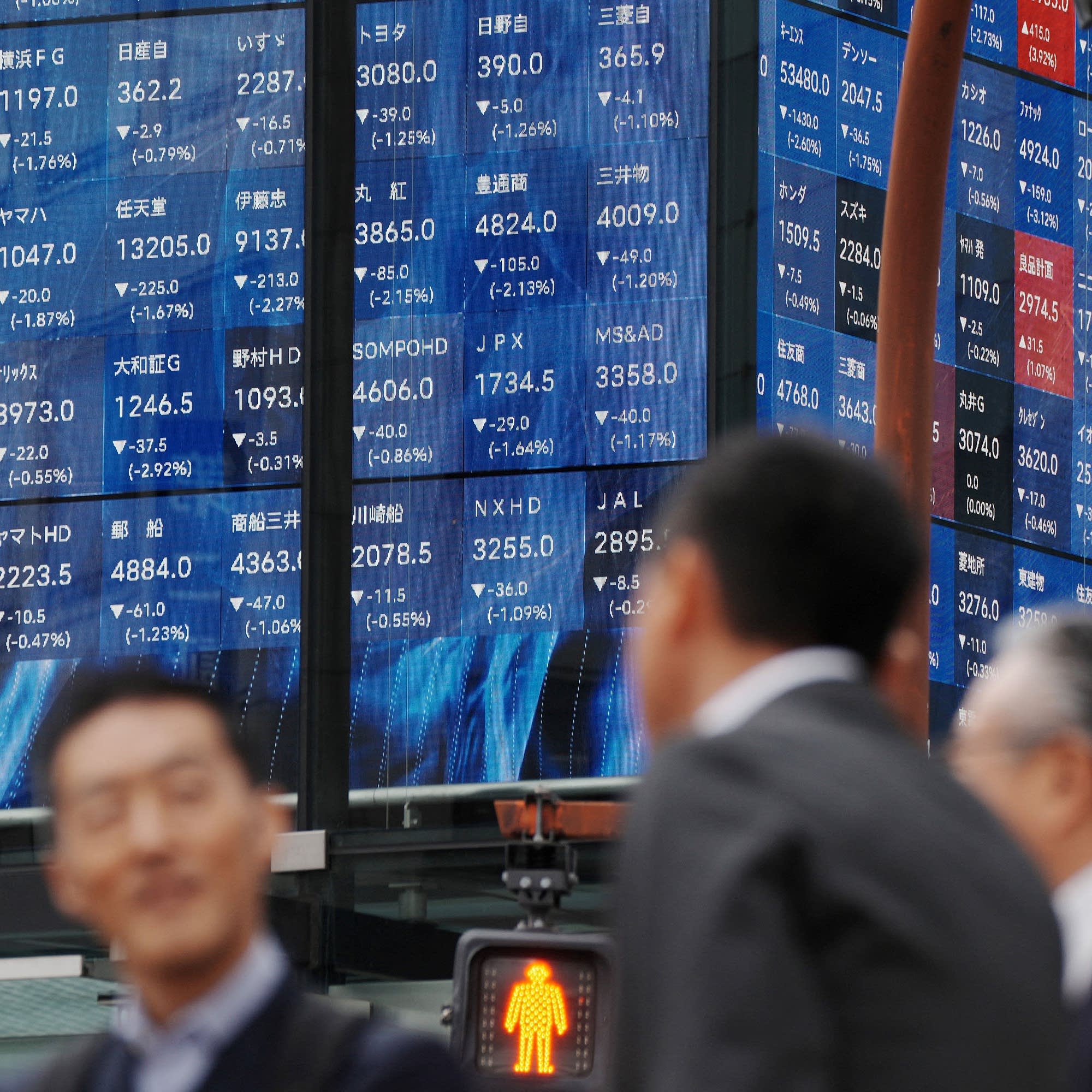
PC with the Intel Core Ultra processor. It helps you handle a lot, even when your holiday to do list gets to be a lot like organizing your holiday shopping and searching for great holiday deals and customer questions and customers requesting custom things. Plus planning the perfect holiday dinner for vegans, vegetarians, pescatarians and Uncle Mike's carnivore diet. Luckily, you can get a PC with all day battery life to help you get it all done. That's the power of a Dell PC with Intel inside, backed by Dell's price match guarantee. Get yours today@dell.com holiday terms and conditions apply. See dell.com for details. Stocks soar after Nvidia's Earnings Defy Fears of an AI Bubble Live from the uk, this is the Marketplace Morning Report from the BBC World Service. I'm William Lee Adams. Good morning. Global shares received a boost today, cheered by better than expected results from US Chip giant Nvidia. But despite the optimism, the artificial intelligence boom continues to spark fears of a market bubble. A growing number of the world's leading figures in finance have suggested that AI stocks are unrealistically inflated in value. The BBC's Ed Butler's been looking at the issue.
- [02:00]
Guy Delaney
History tells us this sentiment can turn on the dime.
- [02:06]
BBC Reporter
That's Kristalina Georgieva, head of the imf, one of the biggest figures in international finance. Even leading Silicon Valley investors like Jerry Kaplan are now weighing in.
- [02:17]
Economic Expert
We're in the middle of an enormous economic bubble. What we're seeing is this process of this thing feeding on itself and and when it collapses, it's going to be very bad.
- [02:28]
BBC Reporter
As everyone in Silicon Valley remembers. We have been here before.
- [02:32]
Range Rover Narrator
The Internet appliance provider got hammered today, losing over 10 points after Bear Stearns issued some cautious comments on the Technology.
- [02:39]
William Lee Adams
Stock Scott trounced on a day of.
- [02:40]
Katie Watson
Some of the new economy.coms are sinking.
- [02:43]
Guy Delaney
As fast as the level of the.
- [02:44]
William Lee Adams
Tide on the thames.
- [02:46]
BBC Reporter
This was March 2000 when many of the first generation of heavily backed Internet firms were swamped in an avalanche of red as investors lost faith. $5 trillion were wiped off the US tech index over two years as shares crumbled. Professor of finance John Danielson at the London School of Economics has made a career out of studying economic bubbles. He says that new technologies have a way of attracting too much hype and investment every time.
- [03:16]
Economic Expert
When we have some fantastic new technology, we know that some companies will end up becoming fabulously rich, will end up owning this space if you will. And of course that means a lot of people want to be a part of that. With the AI bubble, somebody will end up dominating this in the years and decades down the road. Will it be the current companies? I sort of doubt that.
- [03:41]
BBC Reporter
While artificial intelligence technology offers world changing promise, critics say the actual economic returns are still unproven already eye watering sums. Hundreds of billions of dollars have been committed to new projects like this data center in Louisiana. Total AI investment could reach $5 trillion by 2030. But for now it's estimated that 95% of companies currently trying to deploy AI are not actually seeing any profit from it. Of course not everyone's a pessimist.
- [04:15]
Economic Expert
Look, I mean I've covered tech stocks since 90s and this is not a bubble. This is a spending cycle unlike we've ever seen.
- [04:23]
BBC Reporter
The investor and AI enthusiast Dan Ives who scorns the naysayers, the bears as he calls them.
- [04:30]
Economic Expert
And look, the bears, they're always going to yell fire in a crowded theater saying it's a bubble. They've missed every tech name the last 20 years saying the same thing. But I think this is actually the start of a fourth industrial revolution, not a bubble.
- [04:44]
BBC Reporter
Whichever side you're on in this debate, the problem is partly the complex nature of the financing. Tech giants are pumping billions into each other right now to support the sector's growth. And that makes it hard to identify what, if anything, is genuinely profitable. The confusion is neatly summarized by the BBC's North America technology correspondent Lily Gamali.
- [05:07]
Economic Expert
Like every bubble, it's hard to know when you're in one until it's popped. I think that's why there's so much trepidation around Silicon Valley right now.
- [05:16]
William Lee Adams
Okay, let's do the numbers. Nvidia's earnings boosted Asian markets. Japan's Nikkei index was up 2.7%. And in Taiwan, the shares of chipmaker TSMC surged 4.3%. Meanwhile, US tariffs continued to weigh on Switzerland's watch industry. In October, exports fell more than 4% year on year to $2.7 billion. Over to Australia now, Meta says it's shutting down accounts for younger teenagers ahead of the country's social media ban for under 16? S, it's started notifying users it believe to be aged between 13 and 15. Australia's Internet regulator estimates there are around 150,000 Facebook users and 350,000 Instagram users in that age bracket. Katie Watson reports from Sydney.
- [06:01]
Katie Watson
Teenagers across Australia woke up to the news they'll be kicked off popular social media platforms sooner than they'd expected. From Thursday, Meta says it will begin notifying children under 16 that access to Instagram, Facebook and threads will be blocked from December 4th and that they won't be able to create new accounts either. The ban, which comes into force six days later, will also affect platforms including TikTok, YouTube X and Reddit. Mehta said in a statement that while it agreed with the government that online spaces needed to be safe and age appropriate, it didn't believe a ban cutting teens off from their friends was the answer.
- [06:37]
William Lee Adams
Katie Watson there Serbia is facing a serious energy crisis. US Sanctions on its majority Russian owned national oil company mean the country's refineries face shutting by the end of the month and Russia's refusing to extend a gas supply deal beyond end of the year. It's all causing major problems for a government that's long performed a balancing act between east and West. As the BBC's Guy Delaney reports.
- [07:03]
Guy Delaney
Serbia's fuel stations are dominated by Russian owned companies and that includes this one run by nice. It's Serbia's national oil company, biggest fuel retailer and operator of the country's only refineries, and it provides 4/5 of Serbia's gasoline and diesel. But its majority owners are Russian and that means NICE is now under US sanctions. So no Visa or MasterCard payments, no crude deliveries and pretty soon no more fuel from the refineries. I will say that the situation is quite serious. Zelko Markovic is a Belgrade based energy sector consultant. We are importing maybe 20%. Everything rest comes from refinery of Nice. When refinery is not working we don't have logistic channels and don't have that business developed for the import. So we will facing the problems and filling up at the pump isn't the only problem. Russia doesn't just dominate Serbia's oil industry, it also supplies most of its natural gas, but it's been reluctant to extend the existing deal beyond the end of the year. Serbia's president, Aleksandr Vucic has suggested Russia's using gas as leverage to prevent the possible nationalization of nice, and that suspicion is shared by his government.
- [08:28]
Dubravka Djedovich Handanovic
Well, I would like to believe that these two things are not connected. They seem to be connected from the timing perspective.
- [08:34]
Guy Delaney
Dubravka Djedovich Handanovic is Serbia's energy minister.
- [08:38]
Dubravka Djedovich Handanovic
It may look like a strategic move from Russia's side to see how we will behave around the NICE issue, but Gazprom has been reliable partner on the supply of gas to Serbia for decades. Now. The price and the conditions in terms of flexibility that we are getting from the Russian side cannot be matched currently in the market. However, Serbia is on the European path. We need to think long term simply because of the energy security and security of supply which we need to build and create conditions for in the years to come.
- [09:19]
Guy Delaney
But that isn't going to happen overnight. And for now, Serbia finds itself caught between east and west, on the one hand negotiating to join the European Union, but on the other trying to maintain its traditional ties with Russia. And Belgrade based business consultant James Gunn says the current crisis offers an opportunity to make a decisive westward pivot. I think finding quickly a clear resolution to NICE and its ownership and stability in the distribution of fuel in Serbia. That would be a good indicator of wider stabilization and further incentives for inward investors to the country. In the meantime, Serbia has to find a way to keep its vehicles full of fuel and source natural gas to get through the winter. But perhaps this crisis will encourage its leaders to consider the long term future of the east west balancing act. I'm the BBC's Guy Delaunay for Marketplace.
- [10:24]
William Lee Adams
And I'm William Lee Adams with the Marketplace Morning Report.
- [10:31]
Economic Expert
Sometimes kids ask questions that reveal just how much adults still need to learn, like can you explain what causes an economic bubble? And why are things so expensive at the airport? Or how much national debt might be too much? Fear not. Million Bazillion is back with a new season to help you and your kids become pros at understanding how money shapes the answers to all all those questions and more. Listen to the latest season of Million Bazillion on your favorite podcast. Apparently.