
Podcast
Marketplace Tech
Hosted by Marketplace · EN
Monday through Friday, Marketplace demystifies the digital economy in less than 10 minutes. We look past the hype and ask tough questions about an industry that's constantly changing.
150episodes
Episodes
Newest firstAll episodes

San Francisco's housing market soars amid AI cash flow
Jul 700:05:06Tap to summarizeBoth OpenAI and Anthropic are planning to go public, each pushing a valuation of $1 trillion as of their latest funding rounds. But even before these mega-IPOs send a tsunami of new liquidity through their home city, San Francisco, signs of growing AI wealth aren't hard to find. And no sign is blinking brighter than the real estate market.San Francisco has the highest and the fastest-rising home prices in the country, according to data from Redfin. Recently, a turn-key restored Edwardian home hit the market for just under $3 million, right outside the neighborhood known as Cerebral Valley for its concentration of AI workers.
Transcribe →
Watch Duty dives into flood detection
Jul 600:09:06Tap to summarizeDuring last year’s massive wildfires in Los Angeles, concerned residents and firefighters went to one app to get up to date information: Watch Duty. Now, the app covers all 50 states and recently added flood tracking to its repertoire. Watch Duty’s chief technology officer David Merritt joined Marketplace’s Meghan McCarty Carino to talk about how the app is scaling up.
Transcribe →
Gene editing technology can help de-extinct some animals — but should it?
Jul 300:04:08Tap to summarizeMany scientists believe we’re in the midst of a sixth mass extinction brought on by factors like climate change, deforestation, fishing and hunting. The Texas-based company Colossal Biosciences claims its technology could help prevent some of those losses, and even bring back long-extinct species. For the new season of the Marketplace climate podcast, “How We Survive,” host Amy Scott got a virtual tour of their labs.
Transcribe →
Chicago's quantum leap into the future
Jul 200:08:03Tap to summarizeAI is the buzzy tech of the moment. It's made plenty of money not only for companies but the cities and states where investment is pouring in. Illinois and specifically Chicago are betting that quantum computing will be the next major tech breakthrough to transform the economy. And they're trying to get in on the ground floor. So they’ve turned a former steel mill site into a tech hub, called the Illinois Quantum and Microelectronics Park, with the hope of attracting as much talent and investment as possible. Marketplace’s Meghan McCarty Carino spoke with Jeanne Whalen, economics reporter at The Wall Street Journal, to learn more.
Transcribe →
How Anthropic is tracking AI's impact on the labor market
Jul 100:11:12Tap to summarizeWho is using AI? And what are they using it for? Anthropic, the AI company behind Claude, has been trying to answer these questions to better understand how AI is reshaping the economy. The firm’s latest Economic Index report offers new insights on how people are using Claude and how they feel about AI’s potential effects on the labor market. Marketplace’s Meghan McCarty Carino spoke with Anthropic’s head of economics Peter McCrory to learn more about what the data reveals.
Transcribe →
Why Boston Dynamics is deploying robot dogs at the World Cup
Jun 3000:07:15Tap to summarizeThe resemblance to an actual dog is loose but the quadrupedal robot dogs known as “Spot” from Boston Dynamics do have four legs. They're often used to do reconnaissance in hazardous environments. And four of them are working security at the World Cup games in Dallas and New York. Marketplace’s Meghan McCarty Carino spoke with Merry Frayne, at Boston Dynamics about Spot’s capabilities and why they wanted to deploy them at live sporting events.
Transcribe →
Hospitals pull back on robotic nursing assistants
Jun 2900:07:12Tap to summarizeThere’s a longstanding nursing shortage in the U.S. that's only expected to get worse. Some hospitals have experimented with robotic nursing assistants to lighten the load, like a model known as Moxi that rolled out in 2019. They’re kind of R2D2-meets-Rosie-the-robots and were designed to handle non-patient-facing tasks like transporting lab samples. But many hospitals eventually pulled them from operation. Marketplace’s Meghan McCarty Carino spoke with Varsha Bansal, reporter at Proof News, about what went wrong.
Transcribe →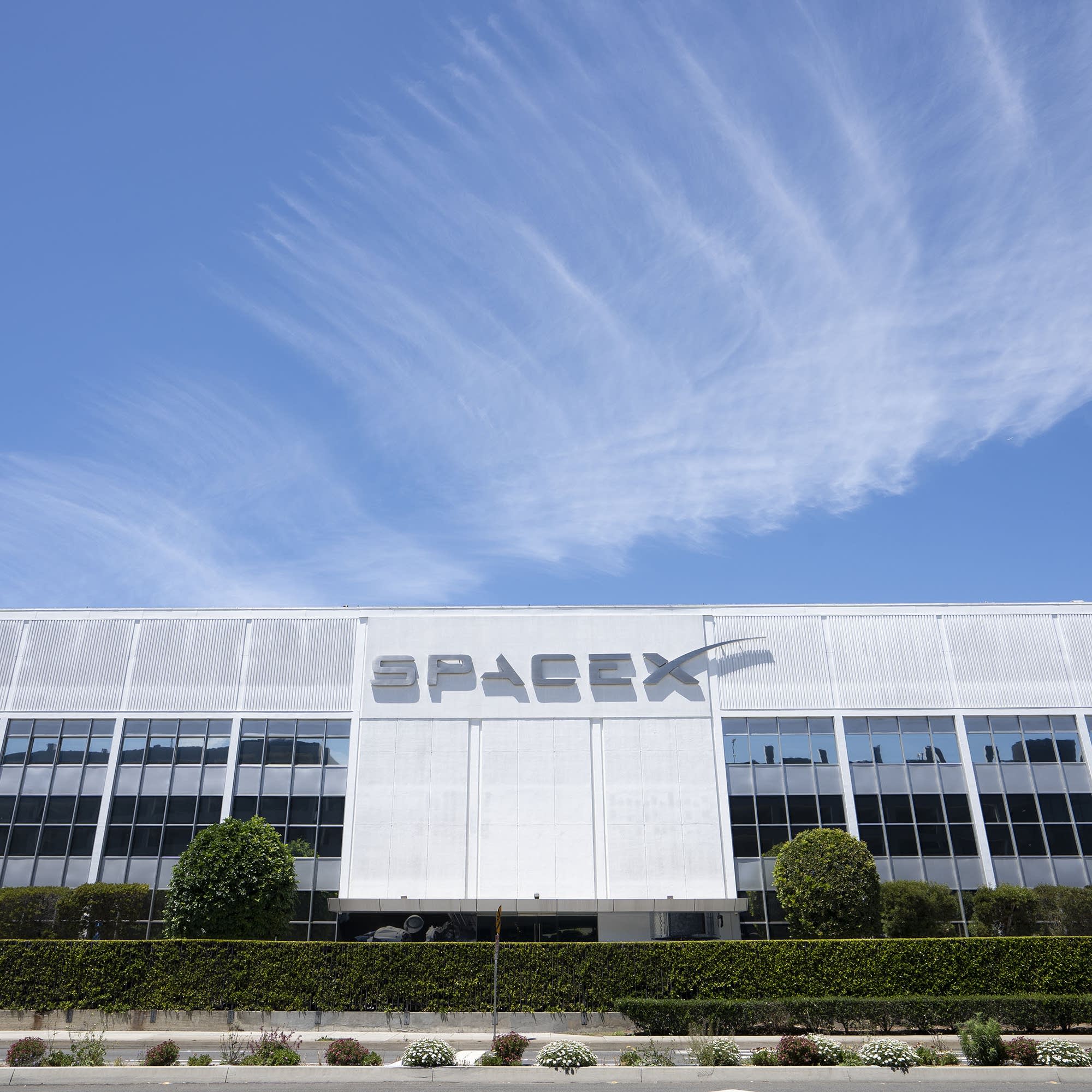
Why SpaceX stock soared, then stumbled
Jun 2600:11:40Tap to summarizeSpaceX stock prices fell back to earth this week after they skyrocketed in the wake of the IPO a couple weeks ago. Plus, why a Google AI subsidiary is investing in the film studio A24. And why Meta might be getting into the prediction markets. The New York Times reported this week the social media giant was working on its own prediction market app, sort of like Kalshi and Polymarket, which have been bringing in billions of dollars but also drawing lots of scrutiny and legal challenges. Marketplace’s Meghan McCarty Carino spoke with Anita Ramaswamy, financial columnist at The Information, for this week’s “Tech Bytes: Week in Review.”Check out our YouTube page to watch more episodes of “Tech Bytes.”
Transcribe →
Stanford launches AI economy indicator to match AI's pace
Jun 2500:07:00Tap to summarizeWe here at Marketplace love indicators that give us insights into which direction the economy is moving. But AI is evolving fast and it can be hard for the data — and the people looking to it for clues about AI's effects — to keep up. So the Stanford Digital Economy Lab, with help from the payroll firm ADP, recently launched its own AI Economic Indicators. They track things like AI adoption, productivity, and of course, jobs. Marketplace’s Meghan McCarty Carino spoke with Connacher Murphy, research manager at Stanford Digital Economy Lab, to learn more about the database and what researchers call the Canary Dashboard for jobs.
Transcribe →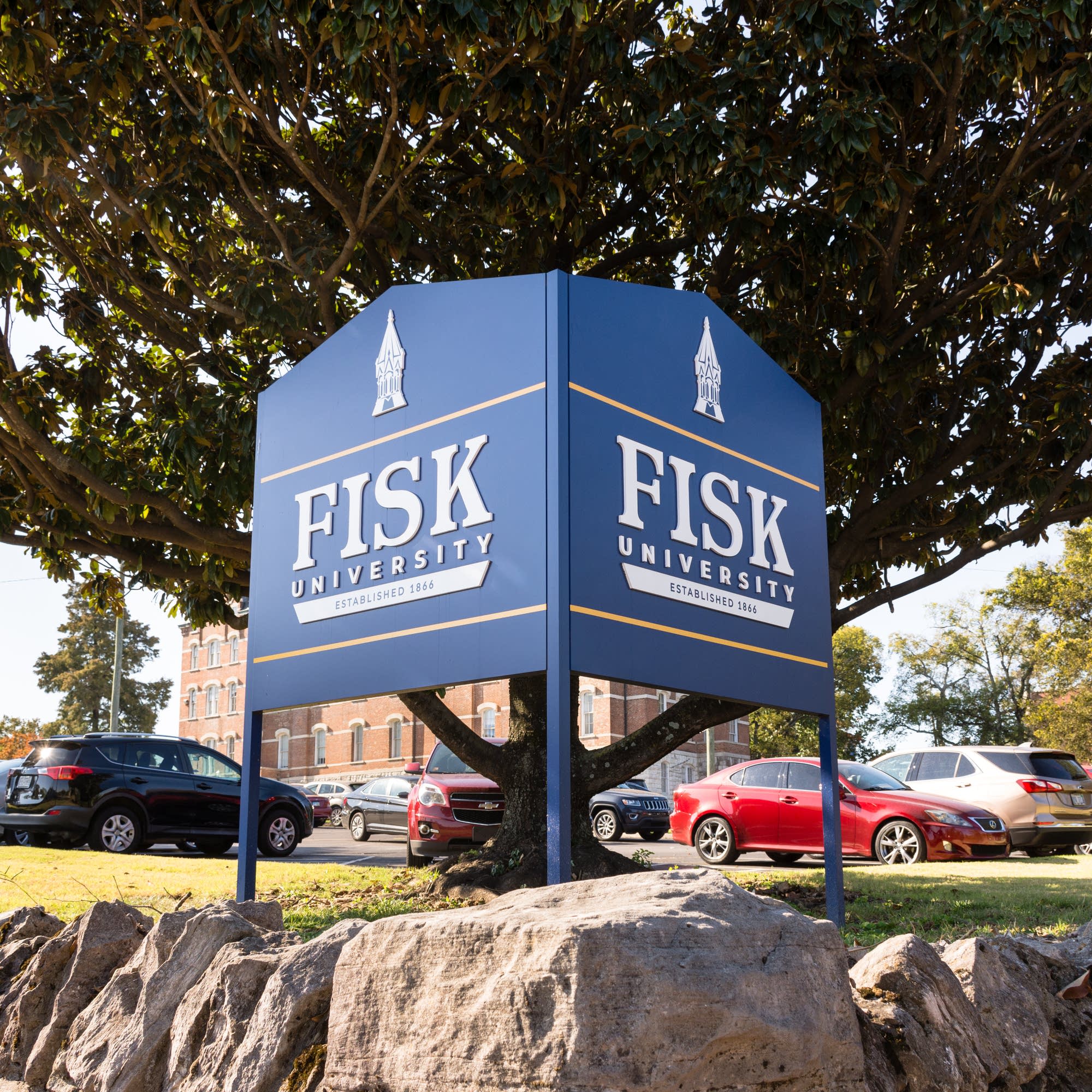
Tech companies are turning to HBCUs to host AI data centers
Jun 2400:13:03Tap to summarizeBig Tech is looking for land to build its AI data centers. HBCUs are looking for new funding after federal cuts.And partnerships between them, like one announced by Fisk University, could be a mutually beneficial — or could end up being a form of "digital sharecropping," according to strategist Ashley Northington, who wrote about this for Tech Policy Press.
Transcribe →