
Podcast
Marketplace Tech
Hosted by Marketplace · EN
Monday through Friday, Marketplace demystifies the digital economy in less than 10 minutes. We look past the hype and ask tough questions about an industry that's constantly changing.
150episodes
Episodes
Newest firstAll episodes
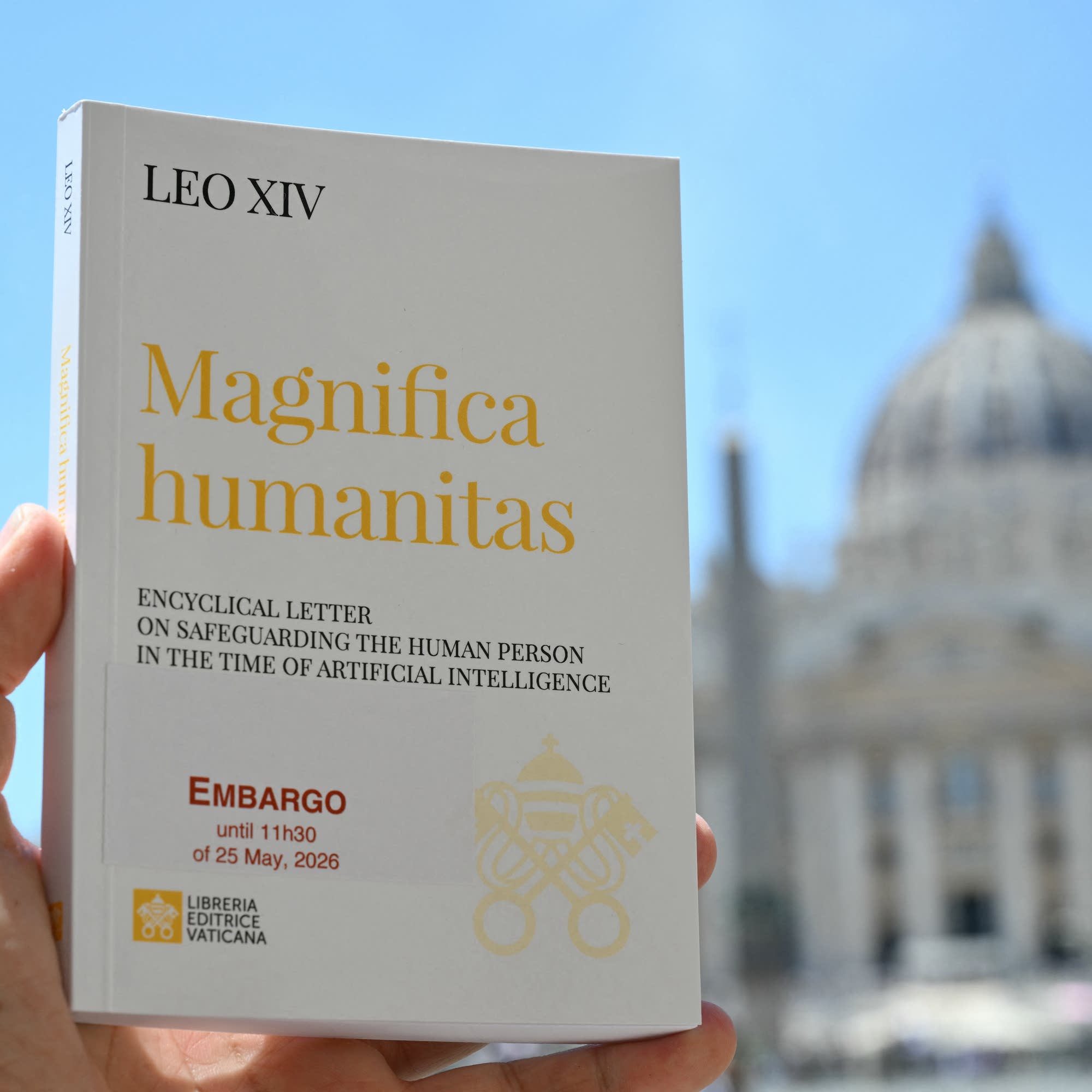
Why this Silicon Valley priest wants to teach AI right from wrong
Jun 2300:14:04Tap to summarizeIn late May, Pope Leo XIV released Magnifica Humanitas. His first papal encyclical is an appeal for a more human-centered approach to artificial intelligence. Joining him at the Vatican for the unveiling was Anthropic co-founder, Chris Olah, and Father Brendan McGuire, pastor at St. Simon parish in Silicon Valley. McGuire joined the priesthood after a career in tech and co-founded the Institute of Technology, Ethics and Culture — a joint initiative of the Vatican and Santa Clara University. He's one of a handful of religious leaders Anthropic has consulted on building ethics into AI.Marketplace’s Meghan McCarty Carino spoke with Father Brendan about his experience as a spiritual advisor to AI.
Transcribe →
Nurses want a seat at the table when it comes to AI in healthcare
Jun 2200:03:53Tap to summarizeNurses have a tough job. AI tools promise to take care of some of the more mundane and repetitive tasks that eat up so much time and, by extension, money in healthcare. But often these AI efficiency initiatives can be a bit top down without much consideration for how workers actually do their jobs. So, some nurses unions are bargaining over AI. Claire Keenan-Kurgan of Interlochen Public Radio has this story.
Transcribe →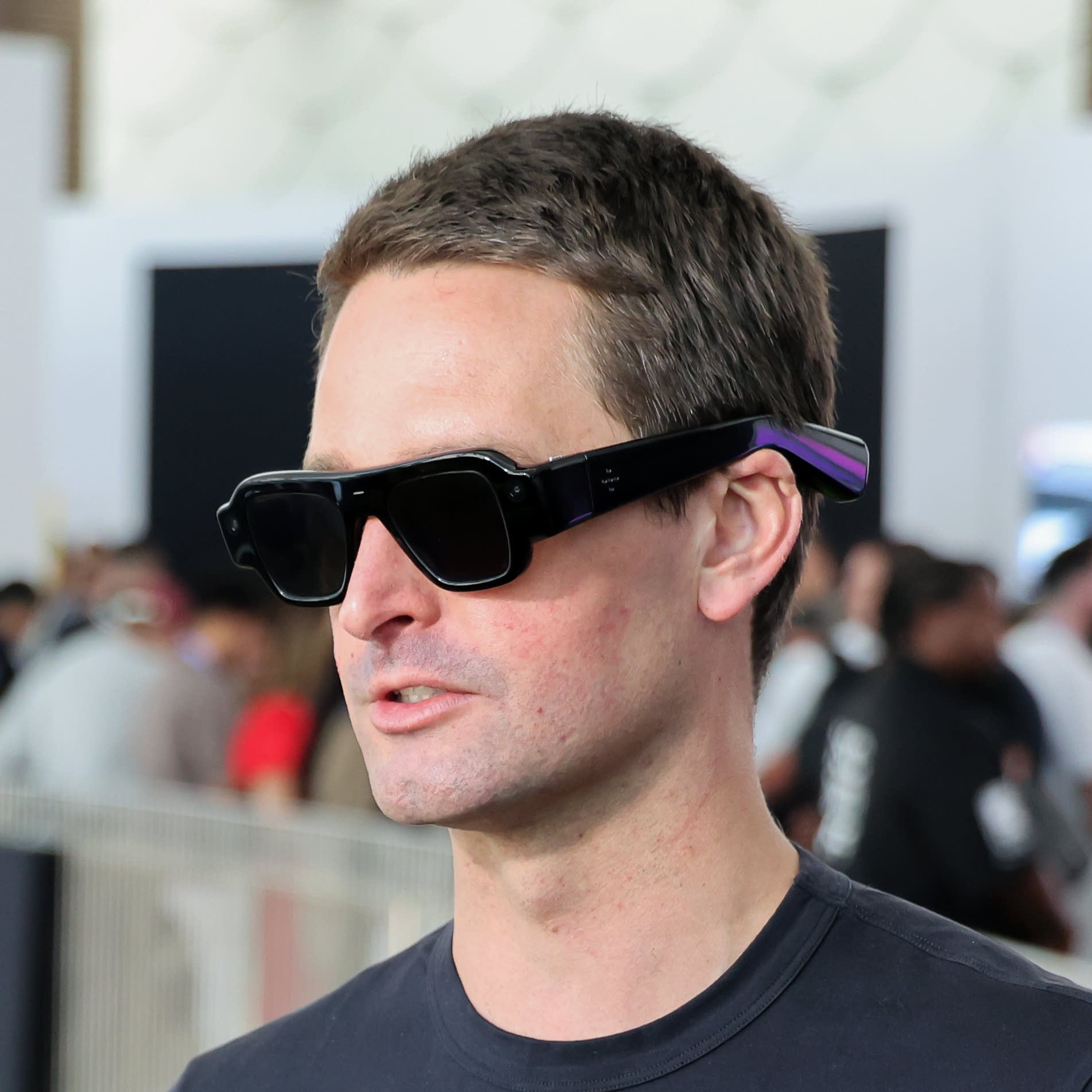
Snap's new smart glasses received mixed reactions — mainly on aesthetics
Jun 1900:13:40Tap to summarizeMeta responded to plummeting morale this week with a pledge to do better with company snacks. Plus, the new AI augmented reality smart glasses everyone's talking about, and not in a good way. But first, SpaceX is acquiring the AI coding startup Cursor a week after it's IPO took off like a rocket.The company hit a $2.5 trillion valuation at one point, but has dropped since then. Marketplace’s Meghan McCarty Carino spoke with Paresh Dace, senior writer at Wired, to learn more.
Transcribe →
Online casting scams hit Hollywood
Jun 1800:07:34Tap to summarizeAI has ushered in a golden age for scams. There are the deepfake kidnapping calls, the vibecoded ecommerce websites and one of the latest, according to a recent article in the Hollywood Reporter, is a casting scam targeting aspiring actors. Marketplace’s Meghan McCarty Carino spoke with labor and media reporter Katie Kilkenny who wrote about how this scheme typically unfolds.
Transcribe →
Who should get an AI kill switch?
Jun 1700:10:44Tap to summarizeLast week, the Trump Administration ordered Anthropic to cut off access to its most advanced AI models — Mythos 5 and the pared-down public version, Fable 5 — from foreign nationals due to reported security weaknesses in Fable's safeguards.In response, Anthropic shut them down for everyone including the handful of companies that had been granted access to Mythos.One of those companies is Mozilla, which said Mythos identified about 270 bugs in its Firefox browser that had slipped through previous reviews. Marketplace’s Meghan McCarty Carino spoke with Mozilla chief technology officer Raffi Krikorian about the government essentially hitting a kill switch on the system.More on thisWhat to know about the Anthropic models takedown - from The HillMythos and Fable can make us all safer. Shutting them down is reckless - from the Transformer SubstackFederal spending on Y2K reaches $8.38 billion - from CNET
Transcribe →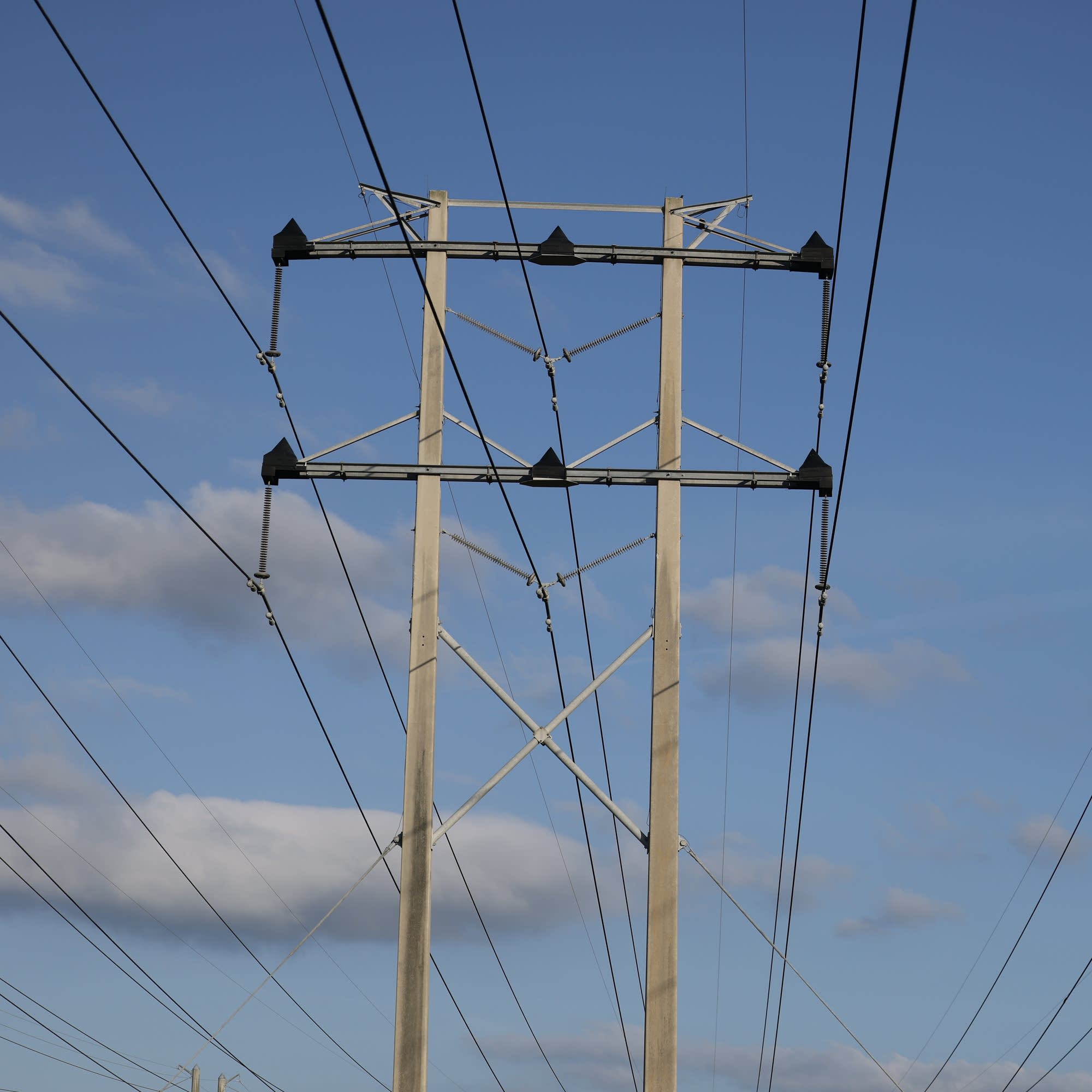
Are our electric grids too big to function?
Jun 1600:05:29Tap to summarizeDemand for power is growing thanks to the rapid expansion of data center infrastructure across the U.S. But as utility bills continue to rise, states and grid operators are turning to address problems in grid infrastructure. Reliability and affordability are among the largest concerns for regulators and consumers alike. On July 23rd, the Federal Energy Regulatory Commission will hold a meeting with PJM Interconnection LLC, the nation’s largest electric grid operator, to address these issues. “Marketplace Tech” host Meghan McCarty Carino spoke with Ethan Howland, a senior reporter at Utility Dive, about how these problems may get addressed, and what’s at stake for the United States power grid.
Transcribe →
It's a tough time to break into cybersecurity
Jun 1500:05:12Tap to summarizeOn today’s episode, Marketplace’s Meghan McCarty Carino walks us through how AI is making it harder to break into the cybersecurity sector.
Transcribe →
Why Siri AI isn't coming to the EU
Jun 1200:12:42Tap to summarizeThe White House is not giving up its push to preempt states from passing their own AI laws, something it tried and failed to accomplish last year. We'll get into it on today's “Marketplace Tech Bytes: Week in Review.” Plus it looks like federal regulators might actually put some rules on prediction markets like Kalshi and Polymarket. And Siri AI is coming to an Apple device near you later this year, as long as you're not in Europe. But first, back to that renewed attempt to pass federal guidelines and preempt state-level AI laws. The Trump administration tried and failed to get a similar provision into a defense spending bill last year, then signed an executive order that hasn't really slowed states down much. So what's different about this newest push? Marketplace’s Meghan McCarty Carino spoke with Maria Curi, tech policy reporter at Axios, to learn more. Check out our YouTube page to watch more episodes of “Tech Bytes.”
Transcribe →
Can humans and AI complement each other?
Jun 1100:09:54Tap to summarizeShould you learn prompt engineering, or maybe a physical trade? There's almost no skill that AI won't eventually surpass, according to neuroscientist Vivienne Ming.In her new book, "Robot-Proof: When Machines Have All the Answers, Build Better People," she argues humans still have qualities AI can't replicate, like curiosity, social intelligence and a sense of inner purpose. And honing those makes us better partners to AI.Ming has found in experiments that the most capable form of intelligence is neither human nor AI on its own, but both working together in ways that play to each of their strengths. She calls this the Cyborg model.
Transcribe →
A climate change solution from science fiction
Jun 1000:04:14Tap to summarizeEarth keeps getting hotter. And despite some efforts to slow planet-warming greenhouse gas emissions, they're still rising, leaving a lot of people hungry for alternative climate solutions. One idea: reflect sunlight away from Earth. Amy Scott, host of the Marketplace climate podcast, “How We Survive,” looked into one out-there proposal to do just that, and whether it could one day become a reality.
Transcribe →