Podcast
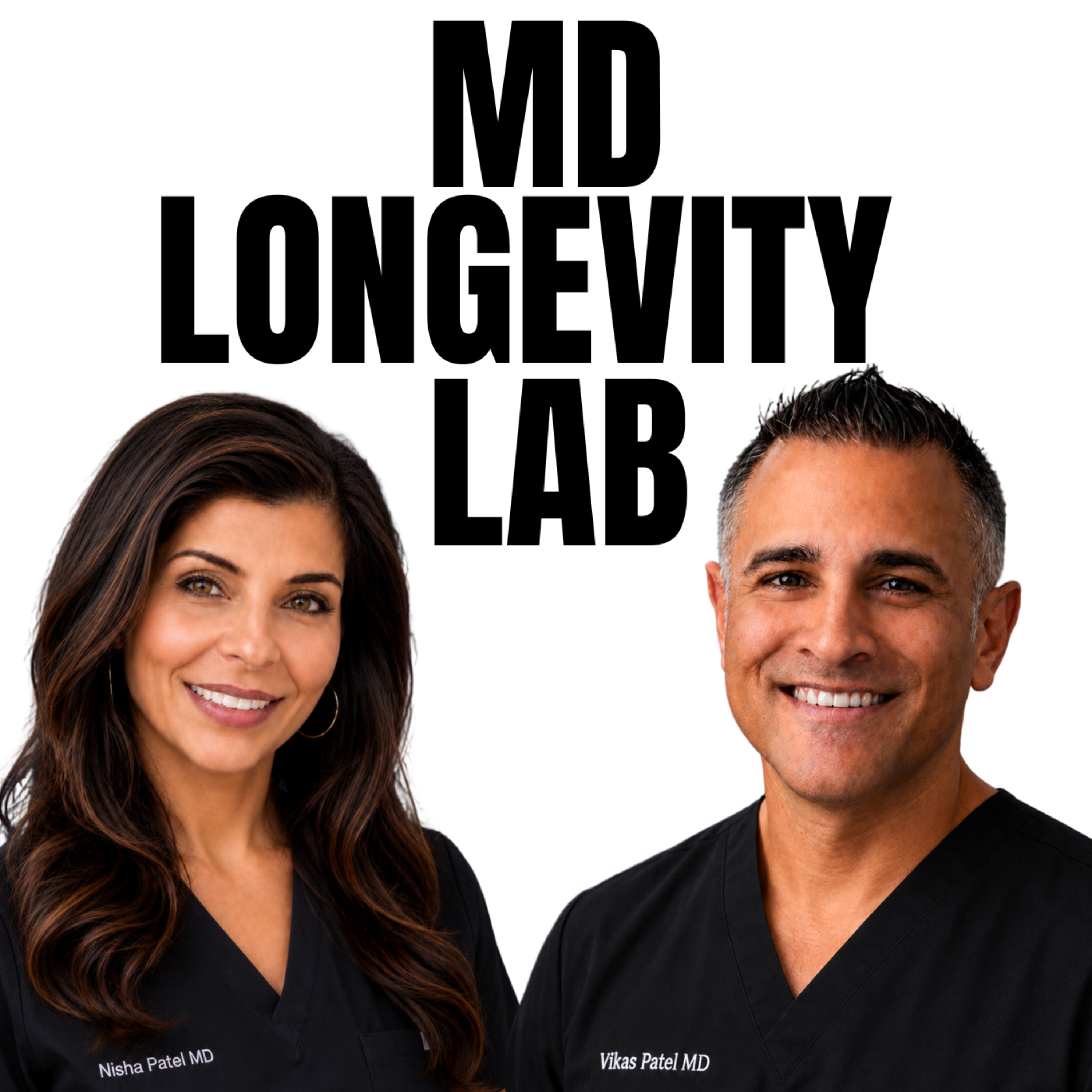
MD Longevity Lab: Playing the Long Game with Drs. Vikas and Nisha Patel
Hosted by MD Longevity Lab · EN
🌐 www.mdlongevitylab.com Get in touch.
📩 mdlongevitylab.substack.com Follow us on Substack.
Hosted by husband-and-wife physicians Dr. Vikas Patel and Dr. Nisha Patel. They cut through the noise of the wellness industry to deliver evidence-based longevity strategies that actually fit into your life. Each episode breaks down the latest research, practical habits, and real-world solutions for busy people who want to live longer and healthier — without turning it into a full-time job. Small, daily deposits into your health bank account compound over time. That's playing the long game.
24episodes
Episodes
Newest firstAll episodes
15. Protein 101: From Outdated Guidelines to Optimal Healthspan & Longevity
Oct 3000:32:44Tap to summarizeProtein isn’t just for bodybuilders — it’s the longevity macronutrient. In this episode, Drs. Nisha and Vikas Patel break down why protein is essential for muscle, metabolism, and long-term health — and how outdated dietary guidelines have been underselling its importance for decades. From the science of muscle protein synthesis and turnover to practical strategies for hitting your protein goals (without turning your life into a spreadsheet), this episode separates myth from mechanism and gives you a roadmap for optimizing your nutrition for healthspan. The Role of Protein in Longevity Protein is more than a muscle nutrient — it’s a marker of aging and resilience. Higher lean body mass predicts lower risk of cardiovascular disease, dementia, and all-cause mortality. Your body replaces roughly 250–300 grams of protein daily through constant turnover. Without enough dietary intake and resistance training, that process breaks down, leading to loss of function and vitality over time. Why the RDA Is Outdated That familiar 0.8 g/kg recommendation? It was based on old data aimed at preventing malnutrition, not optimizing health. Most adults need closer to 1–1.6 g/kg, or roughly 1 gram per pound of ideal body weight. Too many adults over 40 barely hit the minimum, leading to preventable loss of lean mass, slower metabolism, and higher visceral fat. Aging isn’t the only culprit — under-protein-ing and under-movement are. Protein and Metabolism Protein burns more calories to digest than carbs or fats, and muscle acts as a glucose sponge, stabilizing blood sugar and reducing inflammation. It also improves satiety by regulating hunger hormones, so before you reach for appetite suppressants, check your plate — protein first makes a big difference. Plant vs. Animal Protein Animal proteins contain all nine essential amino acids, especially leucine, which triggers muscle protein synthesis. Plant-based diets can work beautifully too — they just require more planning and variety. Combine lentils with quinoa, beans with rice, or tofu with edamame to get a complete amino acid profile. A “climate-conscious omnivore” approach can balance health, ethics, and sustainability. Myth Busting High protein doesn’t damage kidneys in healthy individuals. You can absorb more than 30 grams per meal — that number just refers to the amount that maximally stimulates muscle building. And no, protein won’t make you bulky — you’d need years of heavy training for that. Protein Timing and Real-World Tips Consistency matters more than timing. Hitting your daily protein goal within 24 hours of a workout is what counts — not whether you drink a shake within an hour. Whey protein powder might be technically “ultra-processed,” but it’s a functional one — a tool to help you meet your goals efficiently. Real Talk: Balance and Longevity Most adults under-eat protein and overeat processed carbs. The result is fatigue, poor recovery, more visceral fat, and faster muscle loss. Focus on building your plate intentionally — start with a palm-sized portion of protein, then veggies, then carbs. For those in their 40s and beyond, this is especially crucial. Older adults need more protein, not less, to offset anabolic resistance. For women, especially post-menopause, adequate protein supports bone density, muscle retention, and metabolic health. Practical Takeaways Aim for around 1 gram of protein per pound of ideal body weight. Distribute it evenly across your meals — 30 to 40 grams each. Pair it with regular resistance training for the biggest payoff. Choose quality over perfection — whole foods first, supplements as needed. Longevity is about progress, not perfection. Closing Thoughts The RDA is outdated. Aim higher, eat intentionally, and think long-term. You don’t need to be perfect — you just need to be consistent. Longevity isn’t about restriction; it’s about fueling your future. Get in touch Follow us on Instagram @MDLongevityLab and share this episode with someone who still skips breakfast — because you’re not saving calories, you’re just starving your muscle. Visit us at www.mdlongevitylab.com
Transcribe →
14. Testosterone 101: The Truth Behind Low T, Physiology, How T Impacts Longevity, and the Lifestyle Fixes That Actually Work
Oct 1600:49:43Tap to summarize💡 Episode Overview In this no-BS crash course, the doctors cover testosterone. Testosterone is one of the most misunderstood and overhyped hormones in medicine today. Often labeled as a “male hormone,” testosterone actually plays a critical role in both men and women—impacting energy, mood, cognition, bone density, muscle mass, and metabolic health. Despite its importance, research shows a concerning trend: average testosterone levels have declined by 20–25% over the past few decades, even after adjusting for age. A man in his 40s today typically has the testosterone levels of a man in his 30s a generation ago. This generational drop is not simply a reflection of aging but a sign of broader environmental and lifestyle influences. Chronic stress, poor sleep, rising obesity rates, sedentary behavior, and widespread exposure to endocrine disruptors such as BPA and pesticides all contribute to suppressed hormone production and disrupted balance. In this episode, Drs. Nisha and Vikas Patel take an evidence-based look at testosterone through the lens of longevity and preventive medicine. They discuss the physiology of testosterone, common symptoms of deficiency, and why so many people are being overdiagnosed or overtreated through aggressive testosterone replacement therapy (TRT) without proper evaluation. Many commercial “Low T” clinics skip essential lab work and fail to address the underlying causes of hormonal decline. This approach not only risks suppressing the body’s own testosterone production but can also lead to long-term dependency, infertility, and cardiovascular complications. The episode emphasizes that sustainable optimization starts with addressing foundational health behaviors—improving sleep quality, reducing visceral fat, managing stress, engaging in resistance and high-intensity interval training, ensuring adequate protein and micronutrient intake, and minimizing alcohol and environmental toxins. Dr. Nisha and Dr. Vikas also share a real-life case study of a 45-year-old father who arrived at their clinic exhausted and convinced he needed lifelong TRT. Instead, through a structured plan focusing on exercise, nutrition, and recovery, his testosterone increased naturally from the low 300s to the mid-500s ng/dL—without injections or medication. This story illustrates that low testosterone is often a reflection of lifestyle dysfunction, not irreversible endocrine failure. The message is clear: before resorting to external hormone therapy, identify and correct the root causes of imbalance. As Dr. Nisha explains, “You can’t inject your way to better health. Sustainable hormone optimization begins with the fundamentals—sleep, nutrition, exercise, and stress resilience.” For patients considering TRT, medical supervision and ongoing monitoring are essential to ensure both safety and long-term well-being. Ultimately, the goal isn’t just to raise a number on a lab report—it’s to restore balance, vitality, and functional longevity. 🎧 Listen on Apple Podcasts, Spotify, or any major platform. Visit @MDLongevityLab Disclaimer: This podcast is for educational purposes only and does not replace personalized medical care. Please consult with your physician.
Transcribe →
13. Perimenopause and Menopause 101: The Hormone Shift Explained
Oct 200:33:57Tap to summarizeEpisode Summary Perimenopause isn’t just about hot flashes. It’s a full-body transition that impacts your brain, bones, muscles, metabolism, heart, skin, sleep, and more. In this episode, Dr. Nisha Patel and Dr. Vikas Patel break down the science, the physiology, and the real-life experience of navigating perimenopause and menopause. Expect some real talk (and a few laughs), plus data and strategies you won’t hear in most doctor’s offices. Whether you’re going through this transition yourself—or love someone who is—this episode is for you. What You’ll Learn in This Episode What perimenopause and menopause actually are — and why they affect everyone, directly or indirectly Why women’s health was ignored in research for decades and how that impacts care today How estrogen and progesterone decline affects every organ system — from brain fog and mood swings to bone density and cardiovascular risk Category deep dive: Lean muscle loss and why resistance training is non-negotiable Bone density decline and why waiting until 65 for a DEXA is too late Visceral fat, inflammation, and midsection weight gain Lipid shifts, insulin resistance, and rising cardiovascular risk Libido, sexual health, and the confidence factor Metabolic health and increased diabetes risk Skin and hair changes tied to collagen loss Brain health, dementia risk, and why your dumbbells double as memory care Sleep disruption, TikTok “fixes,” and what actually helps What you can do proactively in your 30s, 40s, and beyond to optimize this transition The role of nutrition, resistance training, supplements, and HRT (as the “power steering,” not the whole car) Why This Matters 👉 Half the population will go through menopause. 👉 The other half will be deeply impacted by someone who is. 👉 Yet women’s health has been under-researched and under-treated for decades. This episode arms you with the knowledge and tools to move past suffering-in-silence and into thriving-with-intention. Listen & Subscribe 🎧 Listen to the full episode on: Apple Podcasts Spotify If this episode resonated with you, share it with a friend, leave us a review, and subscribe so you never miss an episode. ✨ Menopause isn’t the end—it’s a transition. With the right tools, it can be empowering. Contact Us 📞 Call/Text: 224-208-3720 📧 Email: MDLongevityLab.com MD Longevity Lab Disclaimer This podcast is for educational purposes only and is not intended as medical advice. The information shared represents the opinions of Dr. Nisha Patel and Dr. Vikas Patel and is not a substitute for personalized medical care. Always consult your physician or qualified healthcare provider before making changes to your health, medications, or treatment plan.
Transcribe →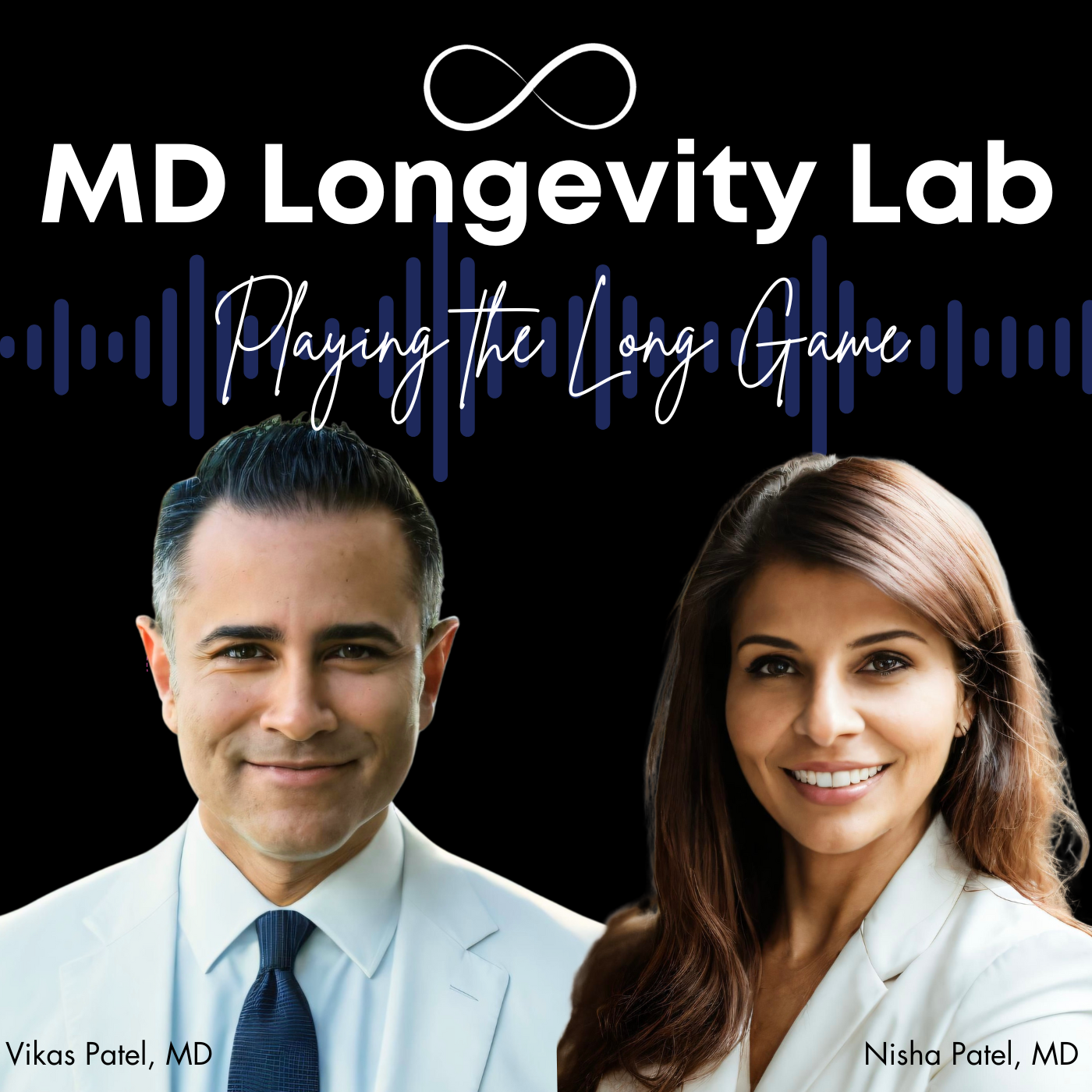
12: Diabetes & Longevity: Uncovering Hidden Risks and Prevention Strategies
Sep 1800:46:36Tap to summarizeEpisode Summary In this episode of the MD Longevity Lab Podcast: Playing the Long Game, Dr. Vikas Patel and Dr. Nisha Patel dive deep into the impact of diabetes and impaired glucose tolerance on long-term healthspan. They unpack the hidden dangers of elevated blood sugar, why so many people are unaware they’re at risk, and how the economic burden of diabetes affects not just individuals but the entire healthcare system. The conversation highlights the power of early detection, lifestyle interventions, and modern tools like continuous glucose monitors in reversing course before complications set in. From nutrition and exercise to cutting-edge medications, this episode equips listeners with practical strategies to take control of their metabolic health. Key Topics Covered The Scope of the Problem: Nearly 50% of American adults are affected by diabetes or pre-diabetes, yet 80% of pre-diabetics don’t even know it. The Hidden Costs: Diabetes costs the U.S. economy an estimated $327 billion annually in healthcare spending and lost productivity. Biological Mechanisms: High glucose levels drive glycation, which damages blood vessels and accelerates aging. Long-Term Risks: Diabetes increases the risk of dementia by 60–70%, along with higher rates of cardiovascular disease, kidney disease, and blindness. Prevention Works: Lifestyle changes—such as diet improvements and exercise—can reduce diabetes risk by 58%. Nutrition Insights: Adequate protein intake is critical for stabilizing blood sugar and preserving muscle mass. Exercise & Insulin Sensitivity: Strength training and regular activity improve glucose uptake and metabolic flexibility. Technology in Action: Continuous glucose monitors (CGMs) offer real-time feedback, empowering smarter food and lifestyle decisions. Therapeutic Support: Medications like metformin and GLP-1 receptor agonists play an important role for certain patients. Key Takeaways Diabetes is widespread but often undiagnosed. Glycation damages vessels and accelerates aging. Early detection and intervention can dramatically alter outcomes. Nutrition, exercise, and technology are powerful tools for prevention. Medications can support—but not replace—lifestyle changes. 📩 Contact Us: Want to learn more about your own metabolic health? Reach out at MD Longevity Lab Www.mdlongevitylab.com ⚠️ Disclaimer: This podcast is for informational and educational purposes only and is not intended as medical advice. Please consult your healthcare provider before making any changes to your health, medications, or lifestyle.
Transcribe →