
Podcast
Melanoma Matters
Hosted by Melanoma Matters Pod · EN
From the UK to the USA - Melanoma Matters is on a mission!
Hosts James Larkin and Sapna Patel are spreading the word on melanoma, one podcast at a time. Tune in for a critical review of the literature and a discussion of how we incorporate the data into our practices...across the pond(s).
#MelanomaMatters video podcast
13episodes
Episodes
Newest firstAll episodes

Ep 77: Guest Merrick Ross
Dec 2900:44:38Tap to summarizeSummaryIn this episode of Melanoma Matters, hosts James Larkin and Sapna Patel engage with Merrick Ross, a seasoned surgical oncologist, discussing his background, the evolution of surgical practice with regards to melanoma treatment, and the importance of multidisciplinary collaboration. They explore innovations in neoadjuvant therapy, the critical role of pathology in treatment decisions, and the future directions of surgical approaches in metastatic melanoma. They discuss the need for continuous adaptation and collaboration in the ever-evolving landscape of melanoma treatment.Keywordsmelanoma, surgical oncology, neoadjuvant therapy, multidisciplinary care, pathology, metastatic melanoma, melanoma treatment, melanoma surgery, immunotherapy, clinical trialsTakeawaysMerrick Ross shares his journey from Chicago to surgical oncology.Surgery for melanoma has evolved from a primary modality to a multimodal approach.The importance of collaboration between surgical oncologists and medical oncologists is emphasized.Neoadjuvant therapy is seen as a promising area for future research and treatment.Ultrasound imaging is more effective than cross-sectional imaging for assessing nodal basins.The role of pathology is crucial in understanding treatment responses and guiding future therapy.Surgical decisions should be tailored based on individual patient responses and disease characteristics.The need for less aggressive surgical interventions is highlighted as treatment evolves.Merrick emphasizes the importance of understanding tumor biology in surgical decision-making.The conversation underscores the collaborative nature of modern melanoma treatment.Sound Bites"We need to loop in the pathologist.""Surgery has evolved over time.""The decision to be aggressive or not is complex."Chapters00:00 Merrick's upbringing06:30 Evolution of Surgical Oncology for Melanoma12:44 The Role of Sentinel Node Biopsy18:35 Merrick waxes sentimental about neoadjuvant therapy24:47 Collaboration Collaboration Collaboration26:46 The Role of Pathology in Treatment Decisions36:41 Surgical Considerations in Immunotherapy39:44 A lovely closing anecdote about Merrick
Transcribe →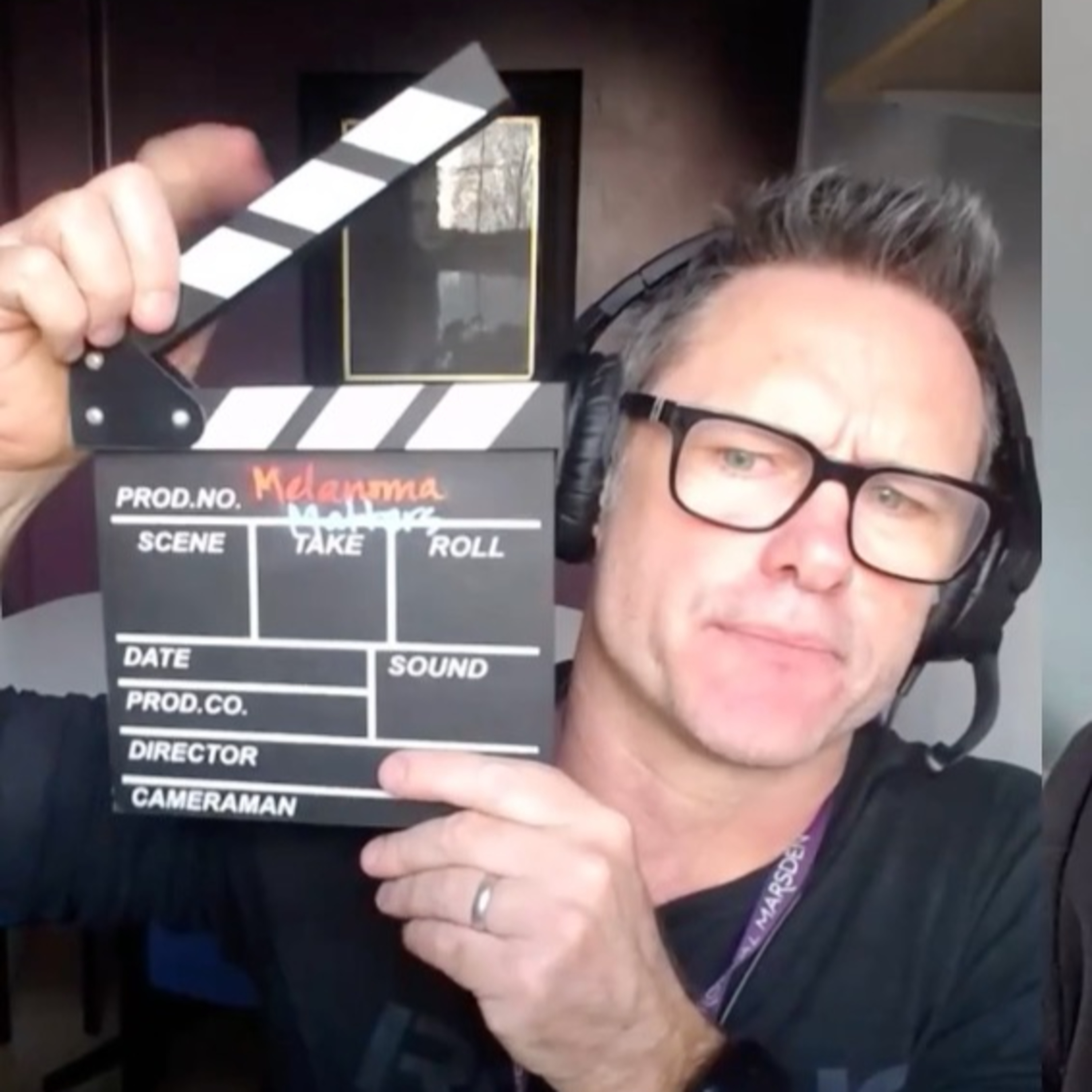
Ep 76: KEYNOTE 054 7-year follow-up
Dec 2800:28:49Tap to summarizeSummaryIn this Episode, hosts James & Sapna go into the 7-year follow-up from the randomized phase 3 adjuvant trial of pembrolizumab versus placebo for stage III melanoma, KEYNOTE-054There's a bit too much talk about weightlifting though...
Transcribe →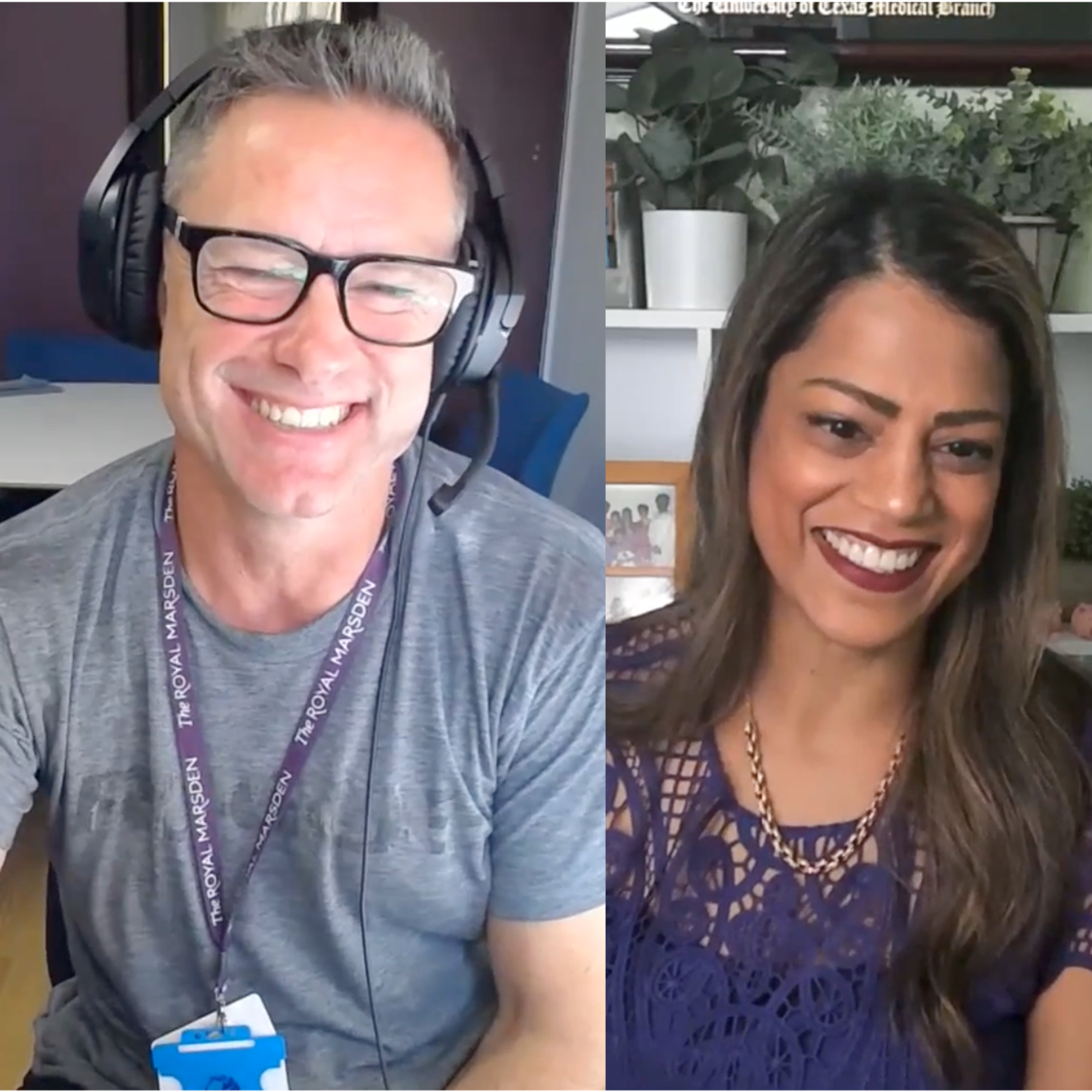
Ep 34: CHOPIN & SCANDIUM trials for Uveal Melanoma
Oct 14, 2024Tap to summarizeSummaryIn this episode of Melanoma Matters, hosts James Larkin and Sapna Patel discuss a couple of liver-directed trials in metastatic uveal melanoma. They focus on the CHOPIN and SCANDIUM trials, the combination of liver-directed therapies with systemic treatments, and the safety and efficacy of these approaches. The conversation highlights the innovative efforts of European investigators and the need for adaptive trial designs in rare diseases.Keywordsmelanoma, uveal melanoma, SCANDIUM, CHOPIN, liver directed therapy, systemic therapy, checkpoint inhibitors, cancer research, clinical trials, treatment optionsTakeawaysWe have limited treatment options for metastatic uveal melanoma.Combining liver-directed therapy with systemic therapy is being explored.Future trials are needed to understand optimal sequencing of therapies.Adaptive trial designs may be challenging in rare cancers.European investigators are leading innovative trials in this field.The importance of collaboration in cancer research is emphasized.Sound Bites"We have a couple of approved agents.""Is it safe to combine these therapies?""The IHP treatment had a superior response rate."Chapters00:00 Introduction and Icebreaker Question01:52 Background and Objectives of the Studies04:17 Results and Conclusions of the Scandium, Scandium-2, and Chopin Studies06:28 Feasibility of Adaptive Trials for Rare Cancers08:52 The Importance of International Collaboration in Uveal Melanoma Research09:48 Closing Remarks and Future Directions
Transcribe →