
Podcast
Midrats
Hosted by Midrats · EN
Navy Milbloggers Sal from "CDR Salamander" and EagleOne from "EagleSpeak" discuss leading issues and developments for the Navy, Marine Corps, Coast Guard and related national security issues.
27episodes
Episodes
Newest firstAll episodes

Episode 764: Shipbuilding, Merchant Shipping, Commerce, and the American Project - with Sal Mercogliano
1w ago01:04:44Tap to summarizeI can think of few 18-month periods where shipbuilding, the merchant marine, and the importance of a strong maritime sector in the U.S. has been a more active topic. Near the center of this conversation—or at least a few paragraphs in—is a long-time friend of the show, Dr. Sal Mercogliano—returning to the Midrats Podcast.Sal is the Chair of the Department of History, Criminal Justice and Political Science at Campbell University; a former merchant mariner; and a contributor to USNI Proceedings, Sea History, Naval History, and gCaptain.He is also the host of the YouTube channel, What’s Going on With Shipping.Show LinksWhat’s Going on With ShippingUnauthorized History Podcast with Sal Mercogliano on WWII OilersSummaryBoth Sals and Mark discuss the importance of maritime security, supply chain resilience, and the strategic challenges posed by geopolitical conflicts in this in-depth interview. Additional discussion dives into global choke points, military logistics, and the future of US shipbuilding.Chapters00:00: Introduction and Guest Introduction02:45: Sal Mercogliano’s Background and Expertise04:03: The Growth of Shipping Content and Public Interest06:01: Impact of Evergiven Suez Canal Incident07:02: Fragility of Global Supply Chains09:37: Freedom of the Seas and Modern Challenges10:36: Geopolitical Threats to Maritime Trade12:02: Geography, Choke Points, and Strategic Control13:25: Effects of Strait Closures on Economics and Security14:43: Historical Lessons from Past Conflicts16:06: US Military and Commercial Shipping Interplay18:43: Offshoring Shipbuilding and Its Consequences21:01: Revitalizing US Shipbuilding Industry24:32: Logistics Support and Military Readiness27:18: Protection of Critical Shipping Assets30:42: Rising Sea Blindness and Strategic Awareness33:00: Black Sea and Ukraine Conflict Insights36:20: Trade Interdiction and Potential for Conflict39:37: Global Supply Chain and Energy Security41:33: Manpower and Workforce Challenges in Shipping44:13: Defense Strategies for Maritime Security48:33: Protection of US Naval and Commercial Assets52:50: Technology and Innovation in Maritime Defense55:13: Jones Act and US Maritime Policy58:30: US Energy and Fuel Supply Challenges01:01:53: Future Projects and Research in Shipping
Transcribe →
Episode 763: NATO Summit Debrief with Jorge Benitez
2w ago01:04:19Tap to summarizeWith increased defense spending becoming the new normal and growing uncertainty on the alliance’s eastern front as the Russo-Ukrainian War enters its fifth summer, the Ankara NATO summit was more than just a photo-op.Returning to the Midrats Podcast to discuss the major takeaways will be Jorge Benitez.SummaryIn this episode, Dr. George Benitez discusses the recent NATO summit, focusing on defense spending, alliance strategies, and the evolving threats from Russia, China, and Iran. He provides insights into NATO’s strategic shifts, the importance of Ukraine’s potential NATO membership, and the challenges of modern military logistics and industrial capacity.Show LinksThe Ankara Summit DeclarationNATO Summit historyNATO nations’ defense spending as a percentage of GDPRobert Gates’s 2011 speechPatriot missiles produced in GermanyTakeawaysNATO has increased defense spending by 20% since 2023, with a goal of 5% of GDP.Ukraine’s military readiness and combat experience are vital for NATO deterrence.The alliance’s focus on China has waned, despite growing threats from Chinese cooperation with Russia and Iran.European defense industries are expanding production, e.g., Patriot missile manufacturing in Europe.Geography and proximity to Russia heavily influence NATO members’ defense budgets and perceptions of threat.Chapters00:00: Introduction and overview of NATO summit02:07: Dr. Benitez’s insights on NATO’s recent summit04:12: US leadership and NATO’s Article 5 reaffirmation05:50: Defense spending commitments and burden sharing08:10: Russian threat and European defense efforts12:22: Geography and threat perception in NATO20:00: Ukraine’s role and NATO expansion37:55: China’s evolving role and NATO’s strategic focus45:25: European defense industries and supply chain resilience01:01:17: European and NATO industrial cooperation01:02:40: Closing remarks and follow-upDr. Jorge Benitez is Associate Professor of International Relations at the Marine Corps Command and Staff College.Before he joined the faculty of the Marine Corps Command and Staff College, Dr. Benitez served as a Senior Fellow at the Atlantic Council, where he regularly briefed senior US and foreign officials on national security issues. Earlier in his career, he served as Assistant for Alliance issues to the Director of NATO Affairs in the Office of the Secretary of Defense. He also worked on international security issues at the Department of State and the Institute for Foreign Policy Analysis. You can follow his coverage of security issues on X @NATOSource.Dr. Benitez received a B.A. with honors from the University of Florida, where he majored in both Political Science and History. He later graduated with an M.P.P. from the Kennedy School of Government at Harvard University and a Ph.D. from the Fletcher School of Law and Diplomacy at Tufts University.
Transcribe →
Episode 762: Midrats Mid-July Melee!!!
Jul 1301:05:35Tap to summarizeEpisode overviewThis episode covers a wide-ranging national security discussion, starting with a tribute to Senator Lindsey Graham and moving through major geopolitical flashpoints in the Indo-Pacific, the Middle East, and modern drone warfare.Show linkSal Mergogliano's video on Sea of Azov attacksKey topicsTribute to Senator Lindsey Graham, his role in national security debates, and the political gap his passing leaves behind.China’s claim over the Batanes Islands and the strategic importance of the Luzon Strait and Bashi Channel.Growing U.S.-Philippines-Japan alignment in response to Chinese maritime pressure.China’s expanding coast guard presence and its pattern of diplomatic and territorial probing.Escalation in the Iran-United States-Israel conflict, including strikes on Iranian capabilities and the security of the Strait of Hormuz.A helicopter crash involving U.S. military personnel and the risks inherent in aviation and training operations.China’s missile testing behavior, transparency issues, and the difference between announced U.S. launches and China’s launches.The use of FPV/FP-style drones in the Black Sea and Sea of Azov as mission-kill weapons against ships and port infrastructure.The challenge of defending U.S. ports, fleets, and bases from drone attacks, especially in places like Norfolk and San Diego.The strategic vulnerability of logistics, shipyards, ports, infrastructure, and critical systems to non-nuclear attack.EMP risks, power grid fragility, and the cascading humanitarian effects of long-term electrical disruption.The U.S. Coast Guard cutter Eagle’s victory in the tall ships race and the pride surrounding that milestone.Notable takeawaysDrones and precision strike weapons are changing the definition of rear areas and sanctuary.Ports, shipyards, and logistics hubs may become more important targets than front-line combat forces.Maritime security is increasingly tied to air defense, counter-drone capability, and distributed protection.National security threats are no longer confined to major wars; they can emerge through gray-zone pressure, sabotage, and infrastructure attack.Featured discussion pointsStrategic geography in the Western PacificChinese maritime assertivenessDrone warfare and mission killsPort and base defenseEMP and infrastructure resilienceNaval service and public recognitionTimestamps(00:47): Welcome and introduction to the show’s topics(01:45): Importance of listening to live audience questions(02:54): Passing of Senator Lindsey Graham and his role in national security(06:15): Chinese territorial claims over Batanes Islands near Luzon(11:28): The expanding Chinese coast guard operations and South China Sea tensions(31:24): Analysis of Ukrainian drone attacks and missile strikes in the Sea of Azov(45:51): Challenges of port defense against drone and missile threats(55:38): EMP attack threats and infrastructure resilience(60:06): US Coast Guard Tall Ship race victory and maritime tradition(62:54): NATO summit discussions and European defense posture
Transcribe →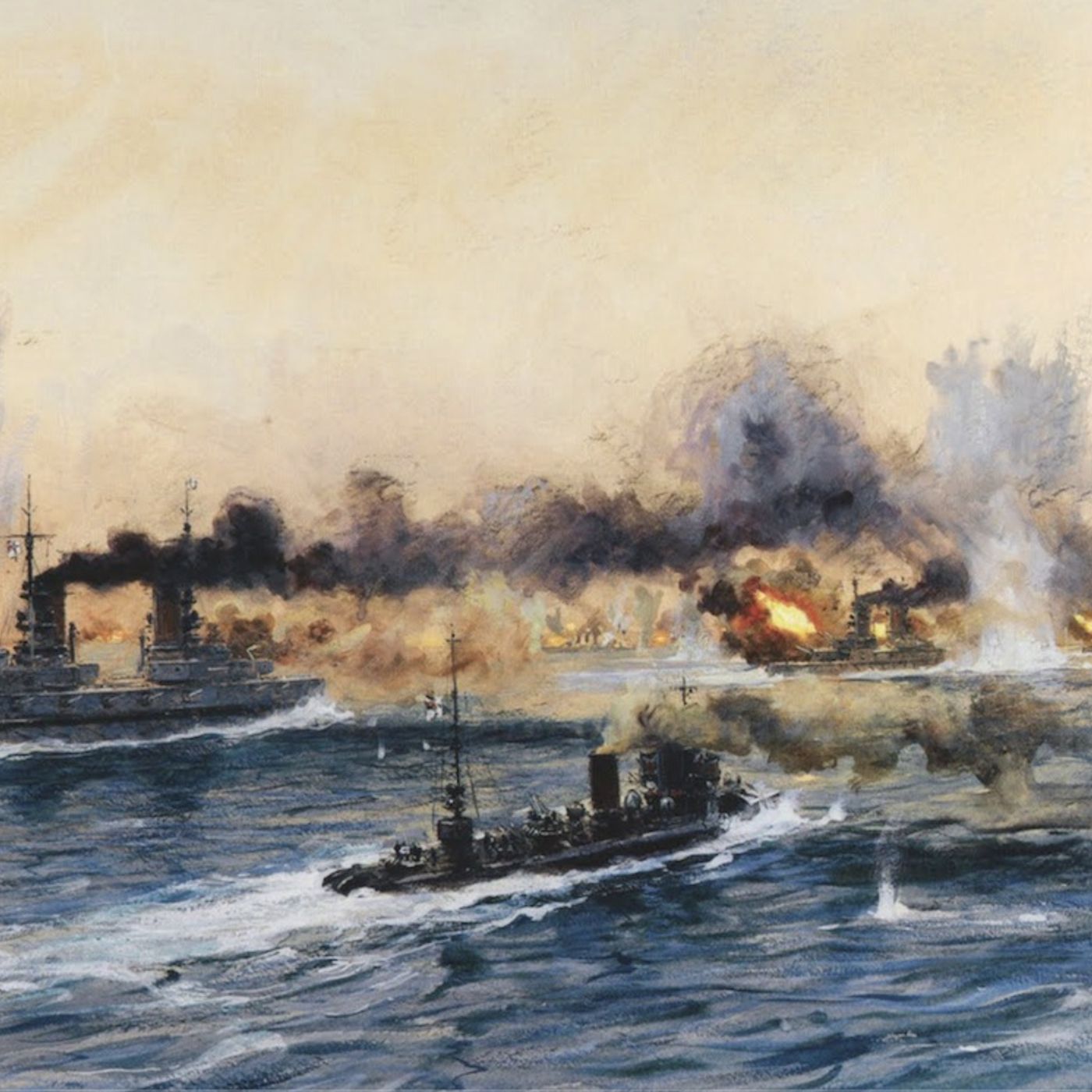
Episode 761: Battle of Jutland at 110, with Simon Harley
Jun 2801:01:40Tap to summarizeFor almost two years, the war on the Continent had been raging. The Battle of Verdun has already happened, but the real bloodshed had not even started yet, with the Battle of the Somme only a month away.While the European land armies have been fighting on a scale not seen since Napoleon a century earlier, major conflicts at sea were rare in spite of the major belligerents having great and powerful fleets. Like two heavyweight boxers wary of each other, the surface fleets of the Royal Navy and the Kaiserliche Marine stared at each other across the North Sea, throwing a jab here or there, but not committing for a hard fight.Then, in the early morning hours of May 31st, Vice Admiral Franz von Hipper's I Scouting Group got underway from the Jade estuary and headed north.This episode, we are going to look back at the Battle of Jutland with Simon Harley, naval historian, Associate Fellow of the Royal Historical Society, and co-editor of The Dreadnought Project online resource. For his day job he sells vintage British motorcycle spares.You can at this link, or via the Spotify widget below.Show LinksSimon Harley on XBattle of Jutland Timeline, Imperial War MuseumThe Dreadnought ProjectThe Fighting Fleets, by Ralph Delahaye PaineCastles of Steel: Britain, Germany, and the Winning of the Great War at Sea, by Robert K. MassieClash of Fleets: Naval Battles of the Great War, 1914-18, by Vincent O’Hara, Leonard R HeinzSummaryIn this episode, naval historian Simon Harley discusses the Battle of Jutland, its strategic lessons, leadership personalities, and technological aspects, providing insights relevant to modern naval strategy.Sound bites“The German fleet has assaulted its jailer but it’s still in jail”“Luck really does play a massive part in naval battles”“Always make sure you’ve got the bigger fleet”Chapters00:00: Introduction to the Battle of Jutland05:04: Context of World War I and Naval Warfare11:46: Intelligence and Communication Failures19:26: Leadership Dynamics in Naval Command27:02: Shipbuilding and Technological Advancements30:26: The Cordite Controversy32:33: Tactical Decisions and Luck in Naval Warfare35:08: Fire Control Systems: A Comparative Analysis37:15: Strategic Objectives of the German and British Navies40:25: Mines and Their Impact on Naval Strategy52:08: Lessons from Jutland: Fleet Size and Preparedness
Transcribe →
Episode 760: Rethinking Force Design on the Midrats Podcast with General Anthony Zinni, USMC (Ret.)
Jun 1500:58:33Tap to summarizeIt has been a bit more than six years since then Commandant of the Marine Corps, General David Berger, USMC, initiated what became known as Force Design 2030 (now just known as Force Design). What followed was a controversial change to the structure of the United States Marine Corps intended to address the challenge posed by the People's Republic of China in the western Pacific.Now more than halfway to the original 2030 target, and informed by events from Ukraine and Southwest Asia since 2020, both long-standing critics of the design and other voices are readdressing the changes—and the critique—to see if it remains the right path.Joining the Midrats Podcast is General Anthony Zinni, USMC (Ret.).SummaryIn this episode, retired General Anthony Zinny discusses the evolution of Marine Corps force design, its strategic implications, and the importance of a flexible, well-analyzed approach to military modernization.Show LinksGeneral Anthony Zinni, USMC (Ret.) full bioForce Design 2030Marine leaders drop ‘2030’ from name of ambitious overhaul planUSMC Force Design Update from 2023The Marines Must Think Bigger Than Small Units, Real Clear Defense, December 09, 2025, Anthony Zinni & Jerry McAbee , Timothy WellsMore funding for the wrong programs won’t fix the Marine Corps, Washington Times, July 10, 2025, by Gen. Charles Krulak and Gen. Anthony ZinniOn the Future of the Marine Corps: Assessing Force Design 2030, CSIS, May 16, 2022What is the role of the Marine Corps in today’s global security environment?, Task & Purpose, Apr 19, 2022, Anthony ZinniGeneral Anthony Zinni (ret.) on Wargaming Iraq, Millennium Challenge, and Competition, CIMSEC, October 18, 2021, by Mie Augier and Major Sean F. X. BarrettUSNA lecture: The Obligation to tell the truthChapters00:00: Introduction to Force Design 203003:28: General Zinni’s Perspective on Force Design17:33: Critique of Current Military Strategy24:08: Cultural Dynamics within the Marine Corps32:25: Logistics and Equipment Considerations35:40: Strategic Military Logistics38:01: Challenges in the Strait of Hormuz40:37: Marine Corps Littoral Regiments43:21: Logistics and Mobility in Modern Warfare46:49: Lessons from Military History: The 70s and 90s49:11: Innovation in Military Strategy52:32: The Importance of a Structured Development Process56:14: Future Threats and Military PreparednessGeneral Zinni’s record of 35 years of service in uniform covers the breadth of service from the Vietnam War to his tour as Commander of U.S. Central Command (CENTCOM) from 1997 to 2000. Following his retirement from active duty, General Zinni continued to serve in senior diplomatic roles, including as the U.S. Special Envoy to Israel and the Palestinian Authority (2001–2003) and later as Special Envoy to Qatar (2017–2019). He is the author of several books, including the New York Times bestsellers Battle Ready (with Tom Clancy) and The Battle for Peace, as well as Leading the Charge and Before the First Shots Are Fired. Additionally, he continues working in academic positions and as a speaker on geopolitics, ethical leadership, and America’s role in the world.
Transcribe →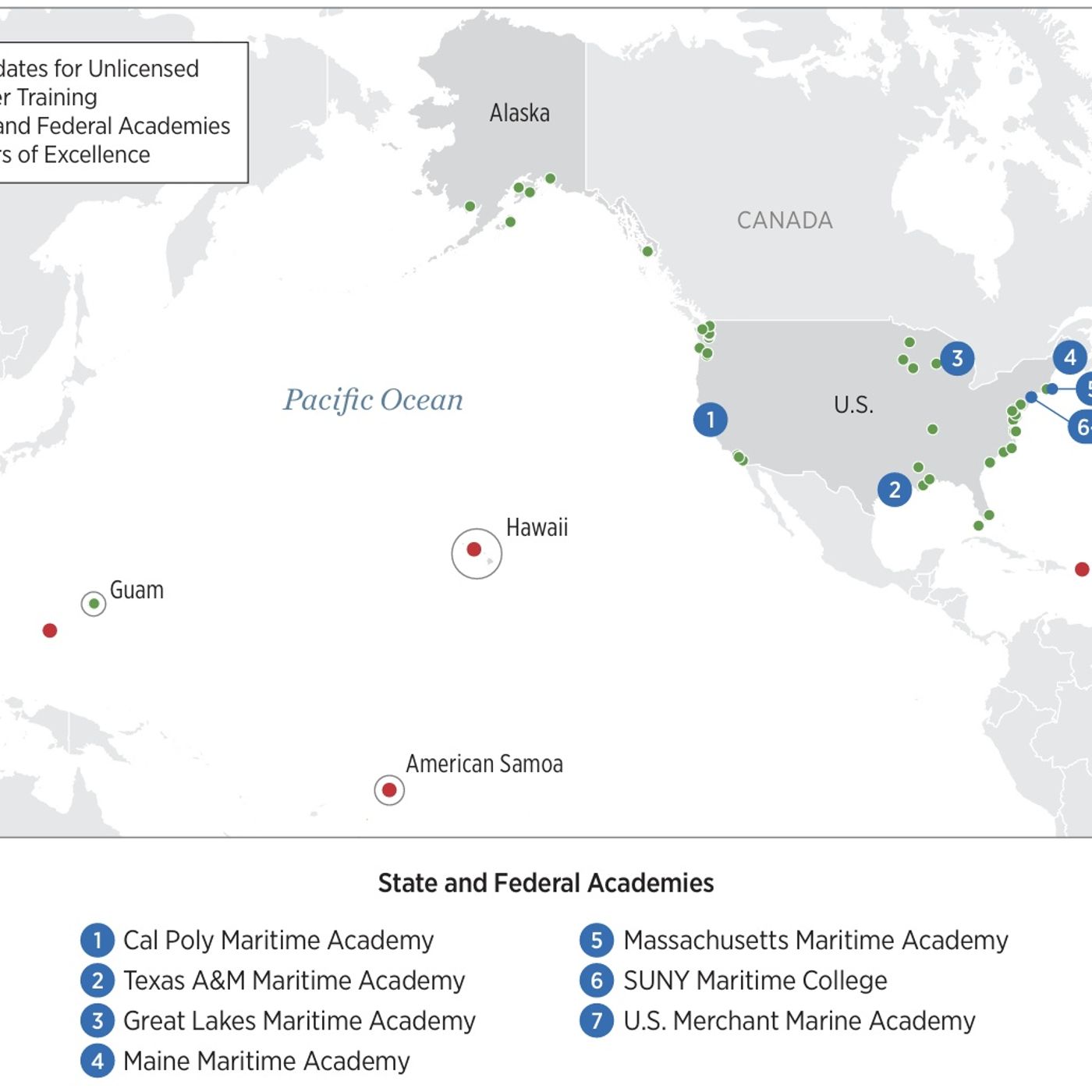
Episode 759: Maritime Service Revival, with Brent Sadler
Jun 800:32:50Tap to summarizeIn creating a maritime renaissance in the U.S., there is a lot of work, discussion, and money going toward not just buying more ships, but also expanding the industrial base and training skilled tradespeople to make that expansion possible. A cornerstone of this should be training more dedicated Merchant Mariners and employing their skills in a better way.Returning to Midrats is Brent D. Sadler to discuss this and related topics. Along with Hollins Randolph and Peter Lynch, he co-authored a report at Heritage, Time to Bring Back the U.S. Maritime Service to Support America’s Maritime Revival and a Wartime Economy, that we will use as a basis for our conversation.Brent is Senior Research Fellow for Naval Warfare and Advanced Technology in the Douglas and Sarah Allison Center for National Security at The Heritage Foundation, and a retired U.S. Navy Captain.SummaryThis episode features Brent Sadler from the Heritage Foundation discussing the urgent need to revitalize the US maritime industry, focusing on the reactivation of the US Maritime Service, improving merchant marine training, and enhancing logistics for national security and wartime readiness.Chapters00:00: Revitalizing Naval Power and Merchant Marine Support02:34: The Importance of Merchant Mariners06:19: Organizational Challenges in Maritime Operations12:17: Credentialing and Training Issues15:06: The TidalWave Project and Sea Lift Requirements20:03: Leadership and Cultural Shifts in Maritime Services25:10: Immediate Solutions for Maritime Needs30:39: Addressing Vulnerabilities in Maritime Logistics
Transcribe →
Episode 758: Mid Month Free for All
May 1801:01:14Tap to summarizeBlockades, 11-month deployments, the Vietnam War, shipbuilding plans, and some love for our friends from The Philippines…a full plate for a Midrats Free for All.SummaryThis episode covers the recent return of the USS Gerald Ford after a 326-day deployment, the significance of naval operations, shipbuilding plans, and geopolitical considerations in the Indo-Pacific region. The hosts analyze naval readiness, technological advancements, and strategic challenges facing the US Navy.Show LinksFORD Carrier Strike Group receives Presidential Unit Citation.USS Mahan (DDG-72) returns from deploymentUSS Midway (CV-41) off Vietnam 1973Easter Offensive of 1972Hong Kong’s Mary SooExecutive Orders:141921426514269Latest Shipbuilding PlanDecades-long requirement for a nuclear powered escortMobilize: How to Reboot the American Industrial Base and Stop World War III,by Shyam Sankar and Madeline HartEpisode 393: Building the right carrier; heavy, medium, or light with Tal ManvelBalikatan 2026China, the unwanted guestChapters00:00: Introduction and Overview of the USS Gerald Ford’s Deployment10:01: Lessons Learned from the USS Gerald Ford’s Deployment14:24: Historical Context of Carrier Deployments22:29: Life on Deployment: Experiences and Morale30:27: Current Naval Operations and Future Considerations33:02: The Ongoing Naval Operations in the Persian Gulf38:55: Challenges in Aircraft Carrier Deployment44:47: The Future of Shipbuilding and Naval Assets50:54: The Role of Nuclear Power in Modern Naval Warfare56:52: International Naval Cooperation and Exercises
Transcribe →
Episode 757: May Maritime Melee
May 400:59:53Tap to summarizeSummaryThis episode explores the strategic maritime operations off the Straits of Hormuz, the impact of economic sanctions on Iran, and the future of naval amphibious forces. Experts discuss the nuances of naval blockade effectiveness, the importance of leadership in amphibious ships, and the broader geopolitical implications.Show LinksDVIDS Hub - Defense Visual Information Distribution ServiceSecretary of the Treasury Bessent on Operation Economic FuryWilliam Toti, CAPT, USN (Ret.)USS Indianapolis and Captain McVeigh - Court Martial Records Story of the USS Indianapolis, as told by Quint in the movie JawsVenezuelan oil output changesKarim Sadjadpour’s overview of economic impact of embargoSWOs take the amphibs backMidrats, Episode 712: Condition of the Navy’s Amphibious Fleet And Its Impacts on Marines: the View from GAONavy’s MQ-25A StingrayChapters00:00: Introduction to Maritime Topics01:58: The Blockade in the Straits of Hormuz06:47: Understanding the Impact of Blockades09:56: Economic Pressure on Iran12:57: The Role of the Iranian Revolutionary Guard Corps18:01: Challenges of Regime Change in Iran24:00: Lessons from Iraq and Venezuela31:26: Naval Readiness and Command Changes34:54: Navigating Command Structures in the Navy39:00: The Role of Surface Warfare Officers42:03: Career Pathways in Amphibious Warfare45:47: The Future of Amphibious Forces53:02: Leadership Changes in the Navy\01:00:04: Foreign Ship Designs and Naval Strategy
Transcribe →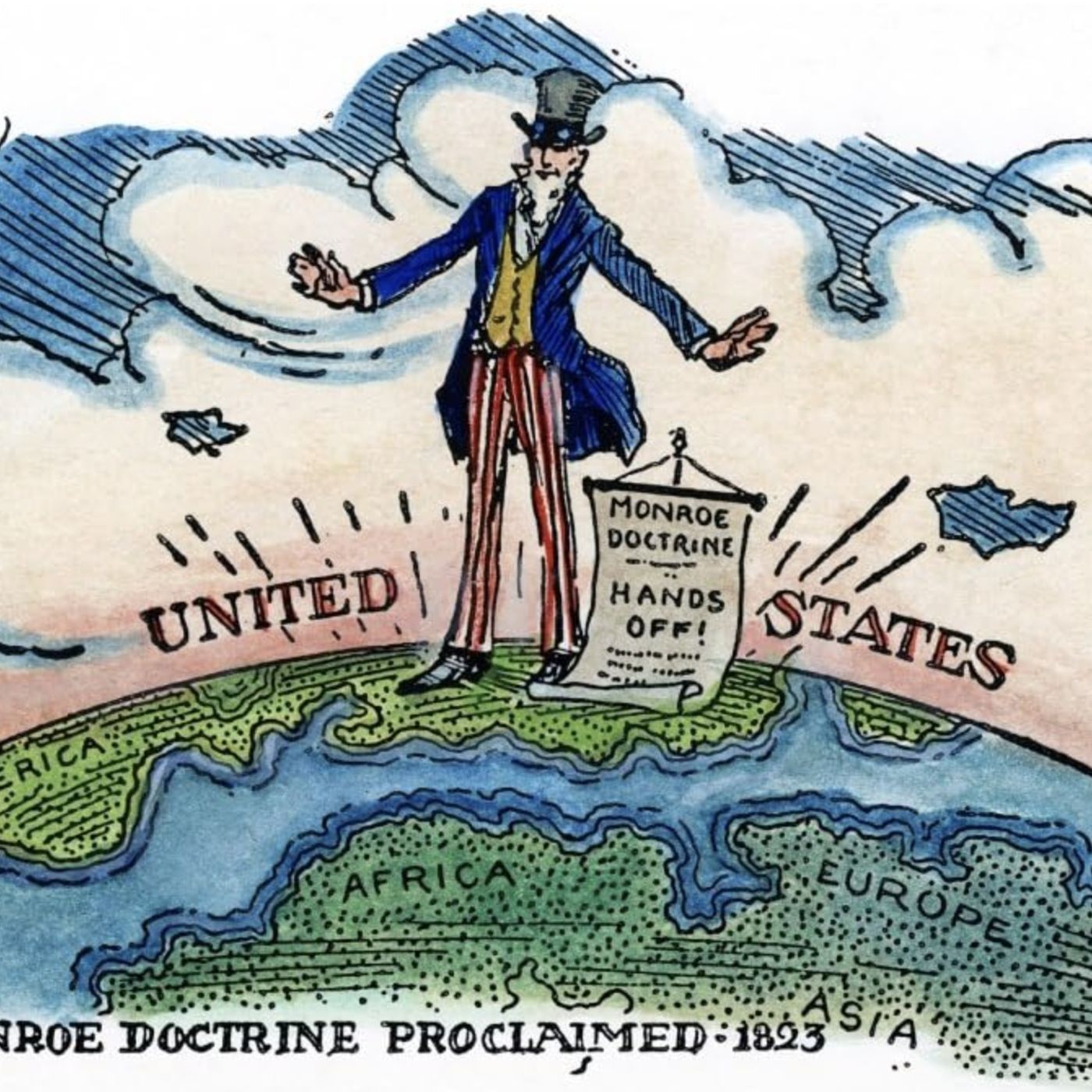
Episode 756: Latin American Policy, with Dr. Colin Dueck
Apr 2600:54:35Tap to summarizeSummaryThis episode features Dr. Colin Dueck, with Mark and Sal, discussing the historical and strategic importance of U.S. policy towards Latin America, the evolution of the Monroe Doctrine, and current challenges and opportunities in the hemisphere. Discussion is centered on how U.S. foreign policy can shape the future of the region amid great power competition.Show LinksWhy the Monroe Doctrine Still Matters, Colin DueckDr. Colin Dueck’s AEI pageChina’s Growing Influence in Latin America, Council on Foreign RelationsBolivarian Alliance for the Peoples of Our AmericaThe band The Minutemen circa 1985Chapters00:00: Introduction to U.S. Policy in Latin America03:08: Historical Context of U.S. Influence06:10: The Monroe Doctrine and Its Evolution08:49: Cold War Dynamics in Latin America11:30: Post-Cold War Attitudes and Challenges14:37: Recent Political Shifts in Latin America17:22: The Rise of Conservative Governments19:53: Crime and Governance in Latin America23:02: Future Implications for U.S.-Latin America Relations28:33: Revitalizing Latin America: Opportunities and Challenges29:26: Political Dynamics in Latin America: A Regional Overview36:00: Energy Resources: The Key to Economic Development37:51: China’s Influence in Latin America: A Double-Edged Sword47:03: Strategic U.S. Engagement: Priorities for the FutureDr. Colin Dueck is a nonresident senior fellow at the American Enterprise Institute, where he is focusing on the interconnection between US national security strategies and party politics, conservative ideas, and presidential leadership. He is also a professor in the Schar School of Policy and Government at George Mason University, where he is the faculty adviser for the Alexander Hamilton Society. A senior nonresident fellow at the Foreign Policy Research Institute, he has also served as a foreign policy adviser on several Republican presidential campaigns.Dr. Dueck is the author of three books on American foreign and national security policies: The Obama Doctrine: American Grand Strategy Today (Oxford University Press, 2015), Hard Line: The Republican Party and US Foreign Policy Since World War II (Princeton University Press, 2010), and Reluctant Crusaders: Power, Culture, and Change in American Grand Strategy (Princeton University Press, 2006). He has testified before Congress and has been published in academic journals and the popular press. These include International Security, Orbis, Political Science Quarterly, the Review of International Studies, Security Studies, World Policy Journal, The New York Times, Foreign Affairs, RealClearPolitics, and National Review.A Rhodes scholar, Dr. Dueck has a PhD in politics from Princeton University and an MPhil in international relations from Oxford University. He was also awarded a John M. Olin Postdoctoral Fellowship in national security studies by Harvard University. His earlier degrees in history were obtained from the University of Saskatchewan.
Transcribe →
Episode 755: Mid-April Free for All
Apr 2001:02:45Tap to summarizeSummaryThis episode features a lively free-for-all discussion covering recent naval operations, geopolitical tensions, naval maintenance issues, and international defense collaborations. The hosts share insights on maritime security, shipbuilding, and the strategic importance of alliances in the Indo-Pacific region.Key TopicsNaval operations in the Strait of HormuzUS Navy maintenance and readiness issuesInternational defense collaborations in the Indo-PacificNo one in the Navy has ever been hungry underwayByron Audler: a good yardbirdShow LinksCharge of the Love Boat BrigadeMogami Class FrigateNew Fuel Storage Location in the Southern PhilippinesUSA vs. China GDP Gap GrowsUSS Boise (SSN 764) 2015 Change of CommandChapters00:00: Introduction02:19: Recent Strait of Hormuz Activity07:26: US Navy Intercepts Iranian Ship in Gulf of Oman11:47: Maintenance Challenges16:58: USS Boise Maintenance and Accountability21:40: Naval Readiness and Fleet Sustainability29:46: Japan-Australia Defense Cooperation and Shipbuilding38:55: Pacific Region Security and Naval Assets45:24: China’s Demographics and Economic Outlook47:26: NASA Moon Mission and Space Exploration53:14: US-Philippines Relations and Strategic Partnerships58:41: Naval Food and Morale Myths59:57: Remembering Byron Audler
Transcribe →