← Modern Love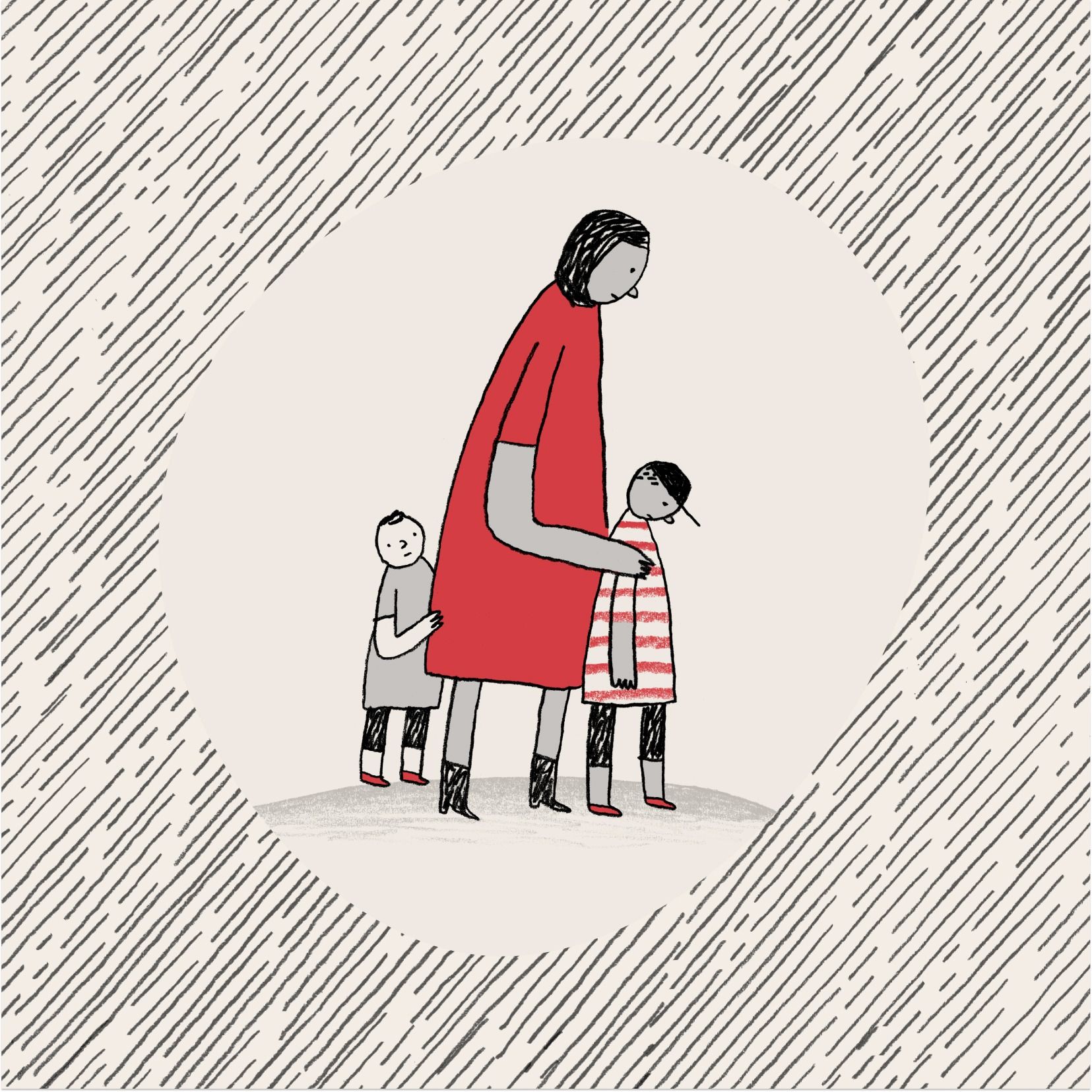
Modern Love
Ask Me About My Dead Son
00:51:29
In 2019, Susie Shaw’s 9-year-old son, William, died in a skiing accident. We talk about grief a lot on this show, but a parent grieving the death of a child is a loss so profound, words don’t feel adequate. It’s hard to know what to say to someone facing this kind of tragedy. Susie Shaw says: Ask me a question. Ask me about my dead son. On this episode of “Modern Love” Susie tells its host, Anna Martin, about loving and losing William — and shares advice for how to show up for other bereaved parents with compassion.
Loading summary
Transcript225 lines
- [00:01]
A
One crunchy bite of a Hershey's cookies and cream bar and I'm taken right back to college. Move in. Day I was a little overwhelmed by the newness of it all. Boxes were everywhere. I needed a break from unpacking. But just as I was able to take a breath and open my Hershey's cookies and cream bar, my new roommate Rachel walked in. I offered her a piece, but she said no. Then after a beat, she said, actually, those are my favorite ones. We left, the ice was broken, and we've been friends ever since.
- [00:28]
B
Hershey's. It's your happy place
- [00:32]
C
Love now. And did you fall in love last fella? Love was stronger than anything. For the love love can I love you more than anything there's still love Love.
- [00:44]
B
From the New York Times. I'm Anna Martin. This is Modern Love. Okay? When someone you know loses a loved one, you do all the things you're supposed to do. You buy a card that says, sorry for your loss. You send flowers, you make them a lasagna. If you're good at making lasagna and you go back to living your life, it's really hard to know what to say next. But my guest today, Suzy Shaw, says, ask me a question. Ask me about my dead son. Ask me his favorite color, his favorite food, what his laugh sounded like. Susie's son was nine years old when he died, but she wants people to know what he was like when he was alive. So the card is nice, the lasagna is great. But in our conversation, I feel like Susie gave me a roadmap for how to talk to someone who's going through unimaginable grief. She let me ask all the questions that normally might feel scary or invasive or uncomfortable. And she didn't hold back in her answers. She kept assuring me that just being curious, asking those questions, being open to listening, it's the best place to start. Suzy Shah, welcome to Modern Love.
- [01:56]
C
Thank you so much. I am so grateful to be here.
- [01:59]
B
Susie, I am going to be totally honest. I'm looking forward to this conversation. And I'm also quite nervous because we're going to talk about this thing that I feel like I'm not actually very equipped to talk about that I don't almost have the language for. We're gonna talk about the death of your son William. We talk about loss a lot on this show, but the loss of a kid feels to me in a different category completely. I wanna start with, like, how do people react when you tell them about William's death?
- [02:39]
C
Usually not well, to be honest. And so for you to even admit that it's hard to talk about is huge. You know, I mean, that's a perfect thing to say. Like, oh, my gosh, that's so overwhelming. But I wanna hear about it anyways. But when I do tell a new person about William, usually I end up having to console them. Usually I have to say something like, well, you know, I still have other living kids. Or, you know, we found joy in our life, you know, to sort of throw them the bone of, like, we're doing okay. Don't worry.
- [03:15]
B
You're helping them out.
- [03:16]
C
I'm helping them because I'm the one whose child died. And it's really hard for me to live with that. I'm just. You just have to hear about it, right? And you get to go home to, you know, whomever is at your house who's still alive, whether it's kids or partner. So, yeah, it's hard to tell people. You can see it. They brace the table or they brace the bar, and they say, oh, my God.
- [03:44]
B
Like, that is just like a physical change comes over them.
- [03:47]
C
Yes, 100%.
- [03:48]
B
What else? What else do you notice?
- [03:51]
C
A slight recoiling, you know, like, they definitely, like, are taking that in. I think they're immediately thinking about their own children as well, if I had to, you know, predict what they might be thinking about. And they also. I think they're struggling for what to say, of course, 100%, like, oh, my God, what. What do I possibly say to this woman? And I will say that there is one best answer. And that answer is, tell me about him. Tell me, what was his name? What was his favorite color? What did he like to do? Because as a bereaved parent, I wanna talk about my child, my dead child, just as much as my living children. And I don't get to talk about William as much because he's not around to do things and be places and have. So I only get to talk about him when people sort of ask about him.
- [04:54]
B
Well, I want to know about William.
- [04:56]
C
Awesome. Thank you.
- [04:57]
B
Tell me about William.
- [04:59]
C
William was the love of our family, the heart of our family. When we had William, we also had our son, Kai. Kai is the light of our family, we would always say. But William is the heart.
- [05:11]
B
And Kai is how much younger than William?
- [05:13]
C
Two and a half years.
- [05:14]
B
Two and a half years.
- [05:16]
C
So William was my first, and we spent a lot of time together, just the two of us. We were living out in San Francisco. It was a new city for us. When he was born, so I didn't have a lot of friends yet. My husband would go to work every day, and it was just the two of us just strolling the streets of Oakland, going to playgrounds, and we just fell in love. He was sweet and cuddly. He loved to give big, giant hugs. He was a terrible kisser. Had, like, thin lips, you know, real thin lips.
- [05:53]
B
When you give mom a kiss, he'd be like, oh, we gotta improve that.
- [05:56]
C
Hugs, like, beyond.
- [05:58]
B
Wait, describe a William hug.
- [05:59]
C
Just wrap around, wrap around. Cause he was, you know, he was always shorter, right. So it's like he would embrace your middle and just so strong. Or I would pick him up and I would get him to give me the bear hug around my neck, but just tight as tight can be.
- [06:17]
B
What did he like to do? What was a perfect day for William?
- [06:21]
C
Well, oddly enough, skiing with his father, which we'll get to. But he called himself an extreme sports guy. He loved skateboarding. He loved parkour. He loved mountain biking. All these really eccentric, kind of crazy
- [06:41]
B
sports he always liked. He had a knee. That was Ben. Was he that kid? There's, like, always a bandage?
- [06:46]
C
Yeah, there was a couple broken bones here and there, you know, falling at the skate park.
- [06:52]
B
Sure. What was sort of his role if he was hanging out with his friends? Was he?
- [06:57]
C
Yeah, yeah, he was. He was the buddy guy. So he was everybody's best friend and he was the kid who. Do you know what a buddy bench is?
- [07:08]
B
I do not know what a buddy bench is.
- [07:09]
C
So at reset out on a playground at school, they often have these things called buddy benches. And if you're out at recess and you don't have a friend to play with, you sit on the buddy bench and wait for some. Yeah, it's lovely. It's so. It's such a.
- [07:24]
B
That's really sweet.
- [07:25]
C
Yeah. And so William was the kid who would go to the buddy bench sitters and be like, come play.
- [07:32]
B
Susie, as much as you are willing to share, can you tell me about the day things changed for your family?
- [07:39]
C
Absolutely, and thank you for letting me. It was just like any other day. We woke up and nothing felt out of the ordinary. We were on vacation out at Big sky in Montana. Our family was a ski family. My kids, Kai and William, were on skis by the time they were like, two, two and a half. So it was our third trip out west, so everybody was prepared and everybody was experienced. There was no. It wasn't our first rodeo, right?
- [08:13]
D
Yes.
- [08:14]
C
And it was my job to get the two boys to ski school that morning. And they were just having a half day, so I dropped them at ski school.
- [08:23]
B
William and Kai.
- [08:24]
C
William and Kai. I said goodbye to William, and the plan was Nick was gonna get William after ski school and head up to the top of the mountain. It's called Lone Peak. And me and Kai were supposed to meet Nick and William down at the base of the mountain, and we were gonna do, like, one or two more ski runs together before we ended it for the night. So I'm down at the base and Nick gives me a call and he said, oh, William skied great. It was so amazing. Lone Peak was. He crushed it. He was at the top of his game. I can't wait to show you the video. We'll be down in five minutes. I was like, you know what? Let's do one more quick run.
- [09:04]
B
We took you and Kai.
- [09:05]
C
Me and Kai, yeah. So we. We hopped on the. The little lift, went up, and as we got off the lift and we started going down, my phone rang. And I like, you know, I had my big ski mittens on and I had my poles, and I was like, it's. I know. I knew it was Nick, and I knew he was going to be like, where are you? We want you. We're ready. So I ignored it. And then he called again, and then again and then again. And then I finally got down to the bottom and I picked up the phone on, like, the sixth or eighth call, and he was like, where's William? I can't find William. Is he down there with you? And that's the moment, that phone call. Where is William? And I was like, what are you talking about? He was with you? And he's like, I cannot find him. And then it just went into panic mode. Most of the things that I remember from the rest of that day, and this was probably like 2. 2:30 in the afternoon or slightly hazy.
- [10:05]
B
Can I ask you just what was. I can't imagine. I cannot imagine what must have been going through. And you say it's hazy, but as much as you can, like, what was happening in your head, in your body?
- [10:18]
C
Oh, complete panic, Sheer panic. Because it just didn't make any sense. I'm like, he was just with you.
- [10:25]
B
Why are you asking me where he is?
- [10:27]
C
Yeah, but I hadn't jumped to any conclusions yet. And then I decided, or we decided, that I should go back to our cabin because William knew how to ski back to it. It was kind of like a little cabin off the side of a trail.
- [10:45]
B
He might go back to it so
- [10:46]
C
he might go back because he got separated from Nick. Couldn't find me. Well, I'll meet Mom and dad back home. So Kai and I get on the lift to go back up there. As soon as we get off, we see our friends, which was very strange. They had just come out of the burrito shack. And the dad, our friend, he's a paramedic and a firefighter, and he went off with another gentleman to go look for William. The mom and the two children came with me to go back to the cabin. So we skied back there. And as we were getting closer, like, my heart was racing. And we got there, and I crumpled because his skis were not there, which meant we had no fucking idea where he was. None. And it was starting to get dark, and it was starting to get really cold, and it was starting to snow. And so we knew there was this, like, window as well. If we didn't find him, like, when would we find him? So we went. We got into the cabin and the kids started playing a card game. And. Because we needed them to just be busy. And me and my girlfriend were just looking at the maps, trying to figure out, like, where he could have gone from this one particular trail. She made me tea. I don't know if I drank it. And then I got a call and it was Nick. And I went into the bedroom because I didn't want the kids to see me. And he said, they found William. It's really bad.
- [12:21]
B
Oh, my God.
- [12:22]
C
And I fell to the floor and I screamed into the carpet. But I also thought, okay, well, like, it's really bad, but we can fix it. We can fix it. We're gonna do everything that we can. We're gonna get him out of here. We're gonna get him to the hospital, and they're gonna fix it. So we piled into the car, and then we pulled into the parking lot. And there was this man. He was a ski patroller, and he was standing at the front door of the clinic. And I started to go in, and I immediately saw his body language. And I knew that he was standing there to tell me that my son was dead.
- [13:02]
D
Wow.
- [13:02]
C
And I ran away. I just bolted in the other direction because I thought to myself, like, if I don't go in there, if I don't have him tell me this isn't real. And so I fight or flight. Like, I just flew away.
- [13:17]
B
You just had a sense.
- [13:18]
C
I just had this sense, like, oh, he's dead and he's here to bring the bereaved mom into this space.
- [13:27]
B
But in that moment, you just take.
- [13:29]
C
Where did you go? I just ran in the opposite direction, and my girlfriend ran after me, and she tackled me because she knew I had to go in. I remember going in, and I saw him sitting in a chair.
- [13:47]
B
You saw your husband sitting down?
- [13:48]
A
Yeah.
- [13:48]
C
And just bent. Bent, you know, just in that. The fetal position of just, you know, And I looked at. I ran over to him and knelt in front of him. And I had just said to him, it's not your fault. And he credits that statement, which was very not thought of. Like, I'm not thinking about what I'm saying, but he credits that with the beginning of our ability to heal. Yeah. And then I thought that we were only there for about 20 minutes. I found out later we were there for about two hours.
- [14:28]
B
Wow.
- [14:29]
C
I remember that this woman came over to me. I had just found out that William was dead. She came over to me with a clipboard, and she asked me, like, what my address was. And I threw a metal water bottle at her. I don't know if I hit her, but I was in that, like, that rage state. Like, what is.
- [14:51]
B
What do you mean?
- [14:52]
C
Anyone else. Can you ask anyone else what my address is? Why does it. Why do you need to know right now? Like, what's that question for? And then at some point, we went into the room that he was in, and he was. He was laid out on the table, and they had, like, cut his clothing, you know, his big ski. Because they. They tried to resuscitate him. We. We found out later that he died on impact. But especially in children and especially in the cold, they try to bring them back. It didn't work. And we just. I think we sat with him. I stroked his hair. I held his hands, and we had. We had no idea what to do. Like, do we. Yeah, do we. Do we take him? Do we leave? Like, it was just this, like, who. Where are the. Where are the instructions for this moment? We were alone on. In a ski resort. The ski resort. Didn't know what to do. Um, and then at some point, we left the room. And then I. I asked my friend to go back in with me because I wasn't ready to leave. And so, like, this woman that I. I didn't know that well, she went back in that room, and she stood with me and, like, with my dead son, her son's friend. And then at a certain point, it just felt like it was time to go and tell Kai that his brother was dead, because we realized that there was nothing we could do for William. Like he was. He was dead, you know, like we couldn't. There was no measures to take. And I would have taken every fucking measure imaginable, but there was nothing that we could do.
- [16:47]
B
Yeah.
- [16:49]
C
I could not tell Kai and Nick ended up doing it and he was really quiet. He was just so quiet about it.
- [17:01]
B
Oh, I can't imagine that. I just can't imagine.
- [17:03]
C
Yeah. And me and Kai's best friend, his older brother, who he looked up to so much. And it's all of these moments, like standing in that room with my dead son, sitting in front of my living son, having to tell him that his brother is dead. Like these are those unbelievable moments that I have to carry and that all bereaved parents have to carry. Like people just can't even imagine and they can't understand, so they don't. They don't appreciate what we have walked through. They are so intense and we never forget them. And they just shift you seismically inside. Like, I'm not the same person I was on that same morning that I woke up. I am a different human because of what I saw and because of what I had to do. Yeah.
- [18:05]
B
We'll be right back.
- [18:22]
E
Psst. It's me. Your sense of adventure calling. I'm not just calling, I'm insisting. Insisting you stop daydreaming and start planning to get you and me out there. Out to southwest Idaho during secret season, September through November, when leaves are turning and harvests are bursting. Wine trails, hot springs, fall hikes, farm to table. That's the draw. The only thing missing, the crowds. Start in Boise, then explore beyond the city. Let's Visit Idaho. Visit SouthwestIdaho.org Mitty knows perimenopause can come on fast.
- [18:55]
F
Suddenly your hormones are raging. You're waking up at 3am your genes don't fit and you've forgotten the word for microwave. Most women in perimenopause don't know that they are. Even though it can last for 10 years. Midi Health is built by women. That's why our experts actually listen and treat your symptoms. Book a virtual appointment@joinmidi.midlife needs. Midi results may vary. Medications prescribed only if clinically appropriate. Based on a consultation with a clinician.
- [19:48]
B
You tell Kai. And then what? I mean, you. You said it yourself.
- [19:53]
C
It's like, what do we do?
- [19:54]
B
Where is the roadmap for this? There's no manual. How do you figure out what to do next?
- [20:00]
C
Pure instinct. We had a friend actually call and get us flights out for the next day. Because we. We panicked. We were like, we need to get home immediately. We thought something else was gon happen in Montana. I really thought someone else was going to die if we stayed.
- [20:19]
D
Wow.
- [20:19]
C
We've been there. We've seen it. Why wouldn't someone else just get swallowed up whole by the earth? I had to call our local Boston area mortuary to tell them where William was so that they could figure out how to get him home. Because you had to ship him home, but he had to be embalmed first. You can't fly unless you've been embalmed. So we actually had to leave William's body in Montana. Like, I had to pack all of William's things into his bag. I'm like, do I need these? Am I supposed to take these? Do I leave these here? I had no idea. So I just. I brought them. And then we. You know, eventually we get to the airport. My brother picked us up, but he had our car. And, like, there was, you know, one extra car seat still, like a booster seat in the car. There was one less person on the plane with us. It was just. It was surreal. And we were. You know, shock lasts for quite a long time. And we just walked through that whole first couple of weeks in shock.
- [21:37]
B
Susie, I mean, thank you sounds like the maybe wrong thing to say after bringing me into that day and the days that followed, but thank you. I mean, I'm failing to even respond because I don't know how in grief,
- [21:54]
C
we talk about just being witnessed, and that's enough. You just witnessed my grief, and there's nothing you can say or do to make it any better, but just bearing witness to the story and to my emotions,
- [22:09]
B
you know, you had such an urgency to get away from the mountain and back home. But then I imagine being back home with William's stuff. His room is there, his bed is there. I mean, it probably smells like. I just. That must have been. It must have exploded open a whole different side.
- [22:29]
C
Yeah. I wanted to move. I was like, I can't stay here. So I started looking at other real estate in town. I was like, I don't want to be here.
- [22:39]
B
What was dinner like?
- [22:40]
C
Oh, it was awful. It was. And so we had this big round table. It was for six people. And the four of us, you know, we were sort of lopsided, but we fit fine. There was always, like, extra space. It was like, okay. And then when there was three of us, it was horrific. We barely filled it, and it was just so lonely, and we were just a bunch of sad People sitting around this table
- [23:10]
B
and sad in a shared way, but also, of course, sad in such individual ways.
- [23:15]
C
Absolutely.
- [23:16]
B
Did you feel like this grief was connecting the three of you? I mean, of course. I bet it was, yes. And also not at times, but yeah. What did that feel like? Did it pull you closer? Did it kind of push you apart?
- [23:27]
C
I think a little bit of both. Because I was like, well, why is Kai not crying? And I'm crying all the time at the drop of anything. I'm crying, you know, taking a walk. I'm crying in the shower. I'm crying just picking up him at school. Nick is not crying. He is, like, going internal, you know, and he's quiet. So even though we were all living together and grieving the same person, we were all doing it so differently. And so it felt isolating. But we. We got a new table. We got a different table.
- [24:01]
B
Were there other things like that? Practical, maybe even seemingly small sort of everyday things that you realized this is the change I can make that is making this feel more manageable. I'm curious. The cable is so smart to get another.
- [24:14]
C
I got a different car because William had helped me pick out the car, and I just. When I would drive it, I hated being in it. We changed his room, actually, really soon. There's so many parents who save their room and that works for them. I did not want his bunk bed to be in this room, so we turned it into, like a meditation den. All of his things are still here, but it's not his childhood room. And that feels better for me and us. Yeah, we just. We had to make these little and big changes so that it just felt better, the three of us, because it was a huge shift to go from four and two rambunctious children in an instant, go to three. It was so quiet in the house. There was no more wrestling, you know, there was no more obstacle courses that anybody was doing. It was so quiet.
- [25:20]
B
You mentioned friends, obviously, reaching out people in. In your life. Can you tell me, like, was there some. Can you remember something someone did that was really helpful? That.
- [25:35]
C
Tell me about that. So our school had, like, a trauma session. William died during February vacation on a Tuesday, and the kids had to wait all week to go back. So on the Sunday before everybody went back, the school held an information session to find out what happened to William Shaw and my son Kai's little friend AKU and his family went. And I had. At that point, I had had close friends who weren't stopping over without announcing themselves or sending me a text. Like, they didn't want to intrude, but AKU and his family went to this session and immediately showed up on my doorstep without a call, without an ask. And they sort of put their son, like, kind of pushed him forward. And, like, we thought you might need a coup. And then they left.
- [26:28]
B
Wow.
- [26:29]
C
It was the most thoughtful thing anyone has ever.
- [26:33]
B
Tell me why that was thoughtful to you, because I'm actually. I'm kind of surprised by that. That contravenes what I would assume. You know, people think you want distance. Tell me why that was so thoughtful for you.
- [26:42]
C
Because they just showed up without asking me to do the job.
- [26:46]
E
Right.
- [26:46]
C
They didn't say, what do you need? Which makes it my job to tell people what I need. They just thought to themselves, you know what would be really great? To support Kai. And so they just showed up and they dropped their son off for an extended play date. And they didn't stay either. That was a key point because we didn't know them that well. They were like, take our son for as long as you need him. It was stunning.
- [27:12]
B
God, that is. It's not what I would immediately. I mean, the impulse, of course, is what? To send flowers. It's like. I mean, and flowers are beautiful. I'm not trying to die. But.
- [27:22]
C
No, flowers die.
- [27:25]
A
Wow.
- [27:26]
B
Okay, good point.
- [27:28]
C
And then you have to clean them up.
- [27:30]
B
Wow. Yep.
- [27:32]
C
Don't send flowers.
- [27:33]
B
Okay. I mean, it's almost two on the nose, so it's like having. And then being like, listen, we're not gonna. It's so important what you're saying. Don't ask. What do you need? I mean, I'm thinking back to in the immediate aftermath, that woman saying, what's your address? And you being like, what the heck? Like, you're dealing with enough. That's so moving. And I would not expect that to be the thing that you found was the best.
- [27:54]
C
The best thing by far. There was a lot of other great things, but that was the best.
- [27:59]
B
Can I ask you, like, the flip side of that? Which is like, was anyone distant with you in a way that.
- [28:07]
C
Yeah.
- [28:08]
B
Surprised you or hurt you? Can you tell me. Can you tell me about that?
- [28:11]
C
Yeah. I mean, there were people who just avoided us. Just didn't. Didn't say anything. And I've heard from them since, like, oh, we didn't know what to say. And silence hurts more. There was one particular person. They were. She was a ski mom as well. And she. She decided to tell me how she thought my son had died. And that. That was so hurtful. Because she. She wasn't there.
- [28:42]
B
And that feels like a big overstep.
- [28:44]
C
It was a huge overstep. And she also. One of the things that she said, she said, I think he was really tired. And I spent. I'm not kidding you. Months going over whether or not I had made my son too tired by letting him ski.
- [29:00]
B
Oh, my gosh, Susie.
- [29:02]
C
I didn't ask my husband because I wasn't gonna let him on that information. I finally asked my friends who had been skiing with him that day. They were like, he was elated. He was over the moon. But I stewed on that for so long. And she only told me that to protect herself. Right. She wanted to make sure it would never happen to her family because they're skiers and she would never make the choices that we made, you know, so it was like. It was this really self serving comment that was so unnecessary and really hurtful.
- [29:36]
B
You talked about how your husband Nick was quite internal with his grief. And it sounds like you were talking about this and crying and emoting in ways that were quite external, right?
- [29:49]
C
Yes, absolutely.
- [29:50]
B
What did those different types of grief do to your relationship, your marriage?
- [29:56]
C
It strained it for a little bit, but not too long because we were really focused on getting support. So we started seeing a family psychiatrist really early on, and we went to a support group really early on. And so we started to learn that people grieve differently. And just because one shows it and the other doesn't, doesn't mean anything about their grief or their love for the person. So it took a little bit of time and education, but we learned to respect one another and give each other the space that each of us needed. And it was helpful that very rarely would anyone, either of us have like giant grief moments at the same time.
- [30:40]
B
Huh?
- [30:42]
C
Like, we would take turns almost, and not meaning to, but so we could show up for the other one in their grief.
- [30:48]
B
Did the loss sort of take up all the space in your relationship? I guess, like the. Was there room for anything else?
- [30:55]
C
Not for a while.
- [30:57]
F
Sure.
- [30:58]
C
It was. It was. It was real tricky for a while. Like, we. It was really hard to be intimate.
- [31:07]
B
I was curious about that, actually.
- [31:08]
C
Yeah, it was. I felt William between us all the time.
- [31:13]
F
All.
- [31:14]
C
All the time. And I think, let's see, February, March, April, May, June. It was like five or six months before we ended up having sex for the first time after William died. And I bawled my eyes out afterwards. Oh, Susan, I was so sad. And I was like, I don't want to feel this good Because I should never feel this good ever again. You know? Like, it was a lot.
- [31:37]
B
You bring me into that. It's as much as you want to share. I mean, this is the reality of a grief this big is that it seeps into every aspect.
- [31:47]
C
Every single aspect of your life. Your marriage.
- [31:50]
B
Yeah. Of your body of pleasure. Can you tell me, like, again, as much as you want to share? But it's like the weeping in that response was like. Was it guilt?
- [32:02]
A
Was it?
- [32:02]
C
Yeah. I didn't deserve.
- [32:04]
B
I a.
- [32:05]
C
Didn't deserve to feel this good because my child had died, and I felt so much shame from his death. Like, our one job as parents is to keep our kids alive, and I failed, so there was so much shame. I also. I didn't ever want to feel good ever again in anything. I used to be a figure skater, and I didn't want to go back to figure skating because I got so much joy out of that. And so I was like, I never. I could never do it again because I shouldn't be allowed to have that much joy. Yeah, you just. You feel like you should be just imprisoned in your pain.
- [32:44]
B
When did that switch? When did you laugh or smile or eat something good or figure skate or, I don't know, have an orgasm and feel. And feel like.
- [32:54]
C
Okay, it took a few years. It really did. To truly feel it. And there's always just. Not with orgasms, but, like, when I am, like, on a trip or sharing a special moment with, say, my family, there is a twinge of, oh, I wish William was here. It really sucks that he's not here. But it did take a few years to start to unravel that grief and shame and guilt. And that was a big piece of it. A big piece of trying to feel joy and happiness again is to just say that, you know, I am not. I'm not gonna feel ashamed about this
- [33:34]
B
anymore, and I deserve it.
- [33:36]
C
And now I'm like, yes, I can be. I can have an amazing day. I can be on a podcast with Anna Martin, you know, oh, my God.
- [33:45]
G
Right?
- [33:45]
C
So much joy. There's so much joy in that. And then tomorrow, I'm gonna be sad because William's not getting his license like my nephews are. Right. So it's. I've learned to hold both of those things.
- [34:10]
B
Stay with us.
- [34:42]
G
I'm Paul Tanorio. I cover soccer for the Athletic.
- [34:45]
D
And I'm Amy Lawrence. I cover football for the Athletic.
- [34:48]
G
Whatever you call it. The biggest competition in the sport is happening right now, and the Athletic World cup coverage has everything you need to follow the tournament.
- [34:57]
D
There's 48 countries taking part, from the tiny island of Curacao to the five time champions, Brazil. Even if you don't know your offside from your onside, if you're eager to know more about the teams, the matches, all the stories on and off the pitch, we've got you sorted.
- [35:11]
G
Maybe you're the kind of person who's already up early every weekend, waking the neighbors when your favorite club scores. We'll make sure you get equipped with more information, more insight than anyone you know.
- [35:22]
D
We've got more than 70 obsessive reporters on the ground covering the ins and outs from every game.
- [35:27]
G
I almost forgot to mention the best part, Amy. Free access to the Athletics World cup coverage in our app.
- [35:32]
D
Download the Athletic app and see you there.
- [35:59]
B
Was it even a thought to you, like, maybe we will have another kid?
- [36:04]
C
Very briefly it was like, oh, maybe. And then my husband was just like, absolutely not. I don't want to go back in, like, and have a baby and an infant and do that again. We had, you know, packed everything up. We had given everything. And so because we had already gone through such trauma, it was like, I'm not gonna add to it by being like, well, let's have another kid. Like, I'm not gonna rock that boat. Sure. And then through a series of different events, one day, Nick walked into the kitchen and the light was shining through the window. It was in the fall. William had died in February. And he just said to me, do you wanna have another baby? And I said to him, oh, my God, yes, I do. And it was like I had put it down so far deep in me that, like, when he said it was like it, like, burst out of me. I'm like, yes, I do.
- [37:01]
B
And you almost couldn't acknowledge you didn't know, how much you didn't know. And I. You're, you know, we're not in your husband's head, but what has he told you shifted for him.
- [37:11]
C
He just saw me and how sad I was. And not that a baby would fix it, but it would just add to our family. And I had loved being William's mom, and I just think he wanted me to have that again.
- [37:31]
B
You had more love to give. It was like, in. Where do you put it? Yes.
- [37:34]
C
Well, I often think of Bodie as all the love that we had after William died. And we didn't know what to do with it, and so we put it in Bodie.
- [37:46]
F
Hmm.
- [37:47]
B
And Bodie is the baby that.
- [37:48]
C
Bodie's the baby. That we had. He's now he's almost six, which is unbelievable.
- [37:54]
B
Was there some part of you that felt nervous that you were putting a lot of pressure, or. I mean, you say that all this love that you had after William died, you put into Bodie, which of course. But then I'm also like, does that mean that Bodie, you know, this. This baby at the time that you were having, like, was he sort of carrying the family? Does that question?
- [38:18]
F
No.
- [38:19]
C
It makes so much sense. And I. I would suspect that that happens in a lot of families with or without child loss.
- [38:28]
B
Yeah, good point.
- [38:30]
C
But no, it just didn't. That wasn't a feeling that we had. It was this separate thing we were doing to add to our family. Not to replace, not to be anything but the little Bodie. And maybe about a year ago, he actually said to me, because he looks just like William, he has the same curly hair, he has the same mannerisms. And we tell him, you look just like your brother. And he said to me, well, you love me so much. Cause I'm like, William. And I was like, do. Oh no, we did something wrong. I was like, bodhi, oh no, baby, we love you cause you're Bode. And we love William because he was William. And we love Kai because he's Kai.
- [39:14]
B
I mean, now Bode is six. What does he know about William? Like, it seems like you're talking about William all the time. Yeah, who does know?
- [39:23]
C
He knows absolutely everything that he could possibly know about William except, like his flesh. Right. We tell so many stories, and we started early on, before he could even talk, probably, and showing him pictures and videos, going to places that William has been. He wears William's clothes, like not in. Not in a weird way, but like, oh, they're hand me downs. We would have given. You know, Kai wore them and now you wear them.
- [39:51]
B
Was that emotionally complicated for you at all?
- [39:54]
C
Yeah, it was. But it also brings me a smile when he comes downstairs because he picks out his own clothes, but they're in the drawers. And when he comes down in like a William outfit, I'm like, huh, look at that, you know? Like, it's just.
- [40:06]
A
It's both.
- [40:07]
C
It's that both ends. Like, oh, God, I miss William so much. And look at that. Like, part of him still just alive in my kids.
- [40:15]
B
Can you tell me, when you had William and Kai, what kind of parent were you?
- [40:21]
C
I was an anxious parent for sure. I wanted everything to be just so. I wanted the house to look really great. I wanted the kids to be involved in all the different activities. Be very diverse. You know, we had to go to story hour. We had to go to the little drum circles with the K. I tried to make sure they always ate organic foods. Yeah, yeah, yeah, yeah, yeah.
- [40:46]
B
Like pta.
- [40:47]
C
Yes. Yeah.
- [40:49]
B
It sounds like you were very type A. Does that say as a parent? Yeah, I was. What were you worried about?
- [40:56]
C
Everything. I think I wanted everybody to like me. I wanted everybody to think I was a really good mom. I wanted to seem like we had it all together. And in a lot of ways, we did. We had a beautiful life. And oddly, I think our life now is so much more honest. So much more honest. But I didn't know then, and so I loved our life then, and I value our life now.
- [41:33]
B
We talked about how you were a quite type a mom with William and when it was William and Kai. What about now with William? Kai, what's your vibe?
- [41:43]
C
The less I do, the better.
- [41:45]
B
This is what I was wondering how that.
- [41:47]
C
Yes.
- [41:47]
B
Yeah, tell me about that.
- [41:48]
C
I just realized, like, none of it is important except for health and safety, you know? I mean, if somebody spills something, oh, we'll clean it up. Oh, we're not gonna sign up for all the activities. We're just gonna hang out at home or go to the playground. I don't care what you wear. You don't have to look a up how you want. Like, all of the things that I worried about before are gone.
- [42:09]
B
Is it because the worst thing happens?
- [42:12]
D
So it's like.
- [42:12]
B
Like, bring me into that. Because there is also a world I could see where a parent loses a child and tightens their grip.
- [42:20]
G
Yes.
- [42:20]
C
You could become hypervigilant, right?
- [42:21]
B
Yeah. Yeah.
- [42:23]
C
I didn't want to do that. I didn't want Kai, especially at the time, to live in a bubble. I didn't want him to fear life. He deserves a beautiful childhood. When William was alive, I was like, we can't get a trampoline. That's so, so un. Like, two months after he died, I'm like, oh, the trampoline's coming. Like, wait. Yeah, it was just like.
- [42:43]
B
But trampolines can be dangerous. I really do want. I'm not trying to be twee. I, like, really want to understand. I'm like. So you were just like, why? What's the point in worrying? Or, like, what's the point?
- [42:53]
C
A little bit. Because parents worry all the time, and we can project the worst, and we spend all this time doing it. What could we do with that time instead of worrying? I worried so much about my Kids. And William still died. Right. The worrying didn't protect him or me from his death. So it would be so much more useful if I let go of some of that worry and did better things with it. Do you know what I mean?
- [43:25]
B
I've never heard someone put it that way. I mean, I'm just. I'm struck by how honest that is. You worried and he still died? Yeah. And it also. It just strikes me, like when the film of worry is removed from all of the experiences of parenting, it's like you are able to be so present, which is absolutely. Which is the goal.
- [43:46]
E
Yes.
- [43:47]
D
Huh.
- [43:47]
C
You're more. You're more focused on them versus the worry and what could happen.
- [43:52]
B
You have become an expert in something no one wants to be an expert in. As you've said, you've lived every parent's worst nightmare. And, you know, as you've moved through your grieving process, you started sharing what you've learned on social media in person. Yes. Can I, like. And you are talking about this stuff out loud. Why is it important to you to do that?
- [44:18]
C
Oh, it's so important to me. There's a few reasons. One of them is because not enough people are talking about it. And I've just gotten so many messages from so many other bereaved parents. Mostly moms, but dads, too, who are just like, that's exactly how I feel. But I didn't know how to say it, or I didn't have a space to say it. And. Yeah, it just. It's about creating this place where it's okay to say out loud the really scary things that so many people, again, don't want to hear.
- [44:50]
B
And it strikes me, too. The language you use is extremely direct, you know, and it's also kind of shifted the language I've used during this conversation. It's like people often use euphemisms, pass away. I don't know, these types of things. And you say, like, my son who died, William died. And that's important to you? Tell me why.
- [45:10]
C
Well, it's just the honest language. And I think when we dance around something, it's. It becomes more abstract, less real, maybe. And my life, my experience, is very real, and I want people to feel that and know that. I don't wanna sugarcoat it. I don't. Well, you know, he passed away. He's gone on to better places. No, none of that. This sucks. He is dead. I am so angry about it. And I'm gonna tell you that. I'm not gonna tell you that everything happens For a reason. There is no reason. He is dead work for me. And so I think people need, especially with child loss. But all loss, all bereavement should be named for what it is. It's painful.
- [46:02]
B
And there's something about using that direct, true language and asking and sort of saying, meet me there, right? To this person they're talking to, meet me there. And if they can rise and meet you there, then you're having an honest exchange about this thing that happened that changed your life, right?
- [46:18]
C
And there's some people, you know who see me are like, you know, like, oh, God, you should be moving on. Shouldn't you be done with it? Like, I'm also trying to point out to both Grievers and those that support Grievers, like, this is a lifelong endeavor. Like, I'm never going to move on. And just because I talk about it doesn't mean that it's controlling me or that I'm stuck. It's just part of my existence. Just like, you know, being a mom to my living children is part of my existence. And we don't have to move on. We can carry it with us forever. And it's not a negative.
- [46:54]
B
If I were to ask you, like, if there was. For people who want to support someone who's experiencing the loss of a child, the death of a child, what is, like, one thing you would say to them as to how to start?
- [47:11]
C
I would say be curious about their child and don't shy away from the hard conversations. People are often too uncomfortable to put out that hand. Say their name, ask a question. And it's like, just imagine if you were the bereaved person, right? They are way more uncomfortable than you. So, like, bridge that gap for them so they don't have to go first. I think would be amazing and say to the person, I'm gonna stop by tomorrow at 8 with coffee. I'm gonna come by tomorrow at 4 to take your kids to the park. I'm gonna come over tomorrow and we're gonna do the laundry together, right? Like, don't. Do you want me to come over to do the laundry? No, no, no.
- [48:10]
B
It's.
- [48:10]
C
Hey, I'm coming and we're gonna do this, right? And so you're providing them with a service instead of making them come up with it.
- [48:23]
B
You started our conversation too with leading, with curiosity. I mean, someone brings up loss, especially the loss of a. And there's a shutdown. It's uncomfortable. It's scary. We don't wanna hear, but it's like, you Are saying, be curious. Ask me.
- [48:39]
C
Yeah, absolutely. Because so many people won't talk about it. So when somebody provides a Runway to share about my grief, my son, my family, I'm like, oh, let's go.
- [48:53]
B
Yeah, get curious. Ask me. What were they like? Yeah, I am. I'm really gonna do that.
- [48:57]
C
Because they only. These people who are dead, they only live in stories now. Right. Do you know. Do you know the saying about how many times we die?
- [49:07]
B
Yeah, it's the final time. Is the last time someone says our name.
- [49:11]
C
Yeah. The first time we die is when we take our last breath. The second time we die is when our body is put into the ground. And the third time we die is when somebody says our name for the last time. Right. And so if you think about that, if you just continue to talk about your people like, I know they're not really alive. Right. I know that. But I'm continuing his legacy, his spirit, and it's not enough. I want him here, but I'll take it. You know, I'll take stories, I'll take talking about him. I'll take sharing about him.
- [49:47]
B
Before we close this conversation, I want to know if you've been back to the mountain where William died.
- [49:57]
C
Yes, we have. I felt really called to go there about five years after he died because I had banned Montana from anything. From doing anything about Montana in our life. I threw all of our sweatshirts away. But around the five year mark, I just felt this urge and this need to breathe in the air that he had last breathed. Because, again, I had never seen it and nor had Nick. We didn't know exactly where he was found. And so we flew out and I was like, we're just gonna go and we're never gonna come back, but we'll do this thing. And the minute we turned into the road that heads up to the mountain and I saw lone peak, I was just like, william's here. William is here. He is in. He lives here. He's in these trees. He is in this air. And we, you know, the next day we. We met up with the first responders.
- [50:56]
D
Wow. Who?
- [50:57]
C
Yeah, yeah, the guy at the door.
- [50:59]
D
Wow.
- [51:00]
C
I met him and I gave him a hug and I told him how scared I was of him. It was beautiful. His name is Ryan. So they drove us up to the spot, and it was unbelievably close to the bottom of the mountain. It was so close. And they had marked the tree for us. And so we saw it. I thought, what was that like, Susie? Well, it was a lot Because Bodie had a tantrum.
- [51:31]
B
Life, it just is what it is.
- [51:33]
C
We were lifing. He had started out the day really cranky to begin with, and then talking about, you know, how kids just don't necessarily understand everything you tell them. We had told that William, like, lived in the trees, like, yeah, yeah. And so we get up to the spot and he was like, where is he? He thought we were going to meet him again. I was just like, well, we failed on that. That mission of trying to. So that was a lot. So Bodie was screaming for a while, but it was still this beautiful moment. And I walked up the path or the trail with my son Kai, because I really wanted to see what William had had last seen before he went off the side of the mountain. And Kai and I embraced and he. Kai, cried. It was really beautiful. And it felt so important that we had done that. It wasn't closure, because there's no closure, but it was like, now I understand where he spent his last moments. And it filled me in a way that I didn't expect, and it made me want to move to Montana.
- [52:48]
B
Wow. You want to be closer as opposed to stay far away.
- [52:52]
D
Yes.
- [52:52]
C
So it was an amazing experience.
- [52:56]
B
Susie Shah. Thank you.
- [52:59]
C
Thank you. Anna Martin. Thank you for listening and witnessing and being curious.
- [53:11]
B
The Modern Love team is Davis Land, Elisa Gutierrez, Lynn Levy, Reva Goldberg and Sarah Curtis. This episode was produced by Sarah Curtis. It was edited by Lynn Levy. Our mix engineer was Daniel Ramirez. Original music in this episode by Rowan Nimisto, Alicia Btube, Pat McCusker and Dan Powell. Dan also composed our theme music. The Modern Love column is edited by Daniel Jones and Mia Lee is the editor of Modern Love Projects. If you'd like to submit an essay or a tiny love story to the New York Times, we have the instructions in our show notes. I'm Anna Martin. Thanks for listening.