
Podcast
Modern Love
Hosted by The New York Times · EN
For more than 20 years, the Modern Love column has given New York Times readers a glimpse into the complicated love lives of real people. Since its start, the column has evolved into a TV show, three books and a podcast.
Each week, host Anna Martin brings you stories and conversations about love in all its glorious permutations, dumb pitfalls and life-changing moments. New episodes every Wednesday.
Subscribe today at nytimes.com/podcasts or on Apple Podcasts and Spotify. You can also subscribe via your favorite podcast app here https://www.nytimes.com/activate-access/audio?source=podcatcher. For more podcasts and narrated articles, download The New York Times app at nytimes.com/app.
132episodes
Episodes
Newest firstAll episodes
Am I Too Anxious for Love?
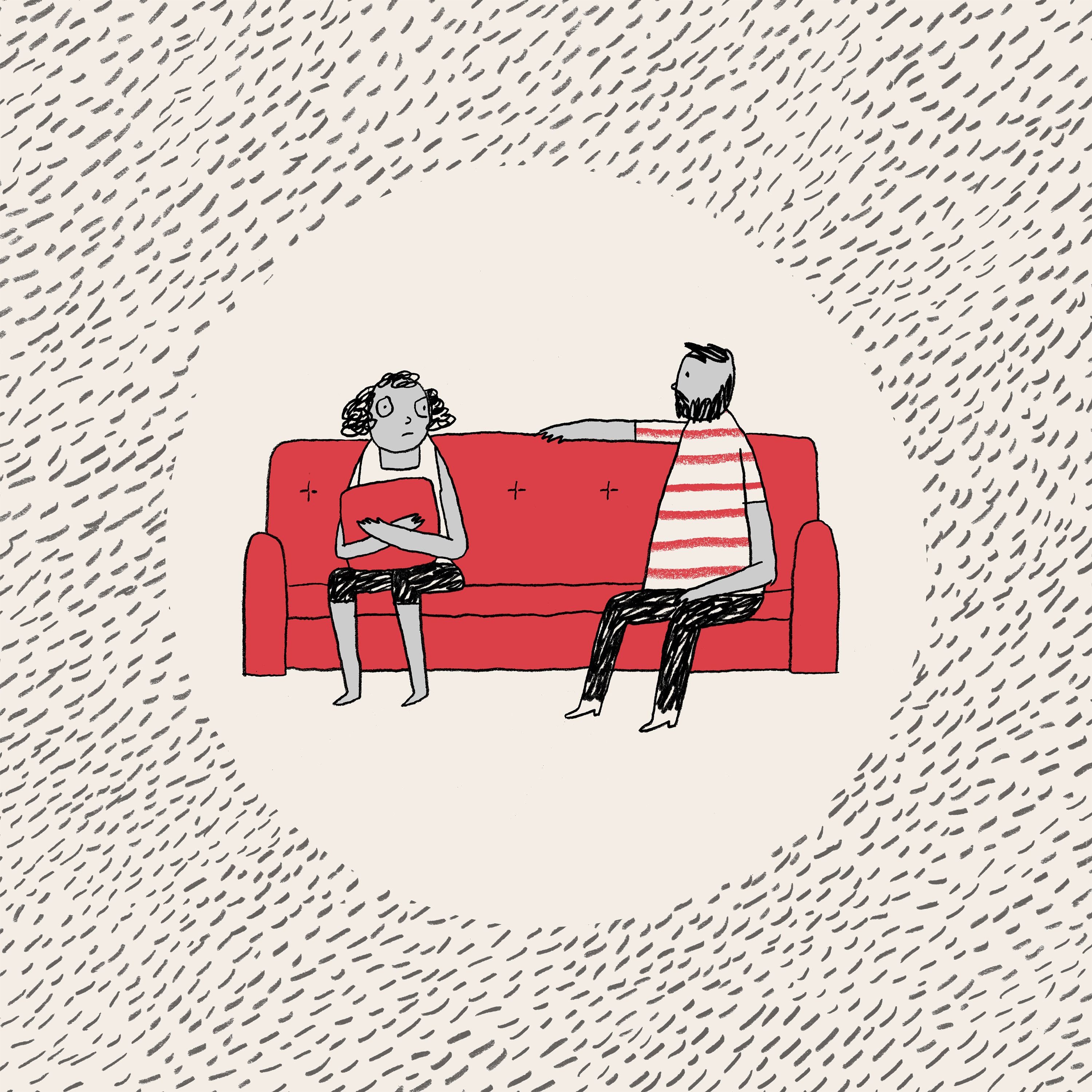
6d ago00:49:32Summary readyJenny Singer thought she had a lung fungus. That would explain the shortness of breath that she was experiencing. The doctor’s other explanation was anxiety, which seemed completely out of the question to her. But as time went on, Jenny found herself increasingly focused on her “breathing problem,” as she called it, in a way that made it nearly impossible to connect with anyone. Eventually, Singer realized she didn’t have a lung fungus. She admitted to herself that she felt anxious and concluded that she wasn’t cut out for the kind of romantic connection she desired. Then, she met someone she absolutely did not want a romantic connection with, and hanging out with him felt great. Suddenly, she no longer felt anxious. It was exactly what she needed. This week on the “Modern Love” podcast, Singer explains how anxiety interfered in her love life, and what it took to find the kind of relationship she always wanted. Here’s how to submit a Modern Love essay. Here’s how to submit a Tiny Love Story. Subscribe today at nytimes.com/podcasts or on Apple Podcasts and Spotify. You can also subscribe via your favorite podcast app here. For more podcasts and narrated articles, download The New York Times app at nytimes.com/app. Hosted by Simplecast, an AdsWizz company. See pcm.adswizz.com for information about our collection and use of personal data for advertising.
Summary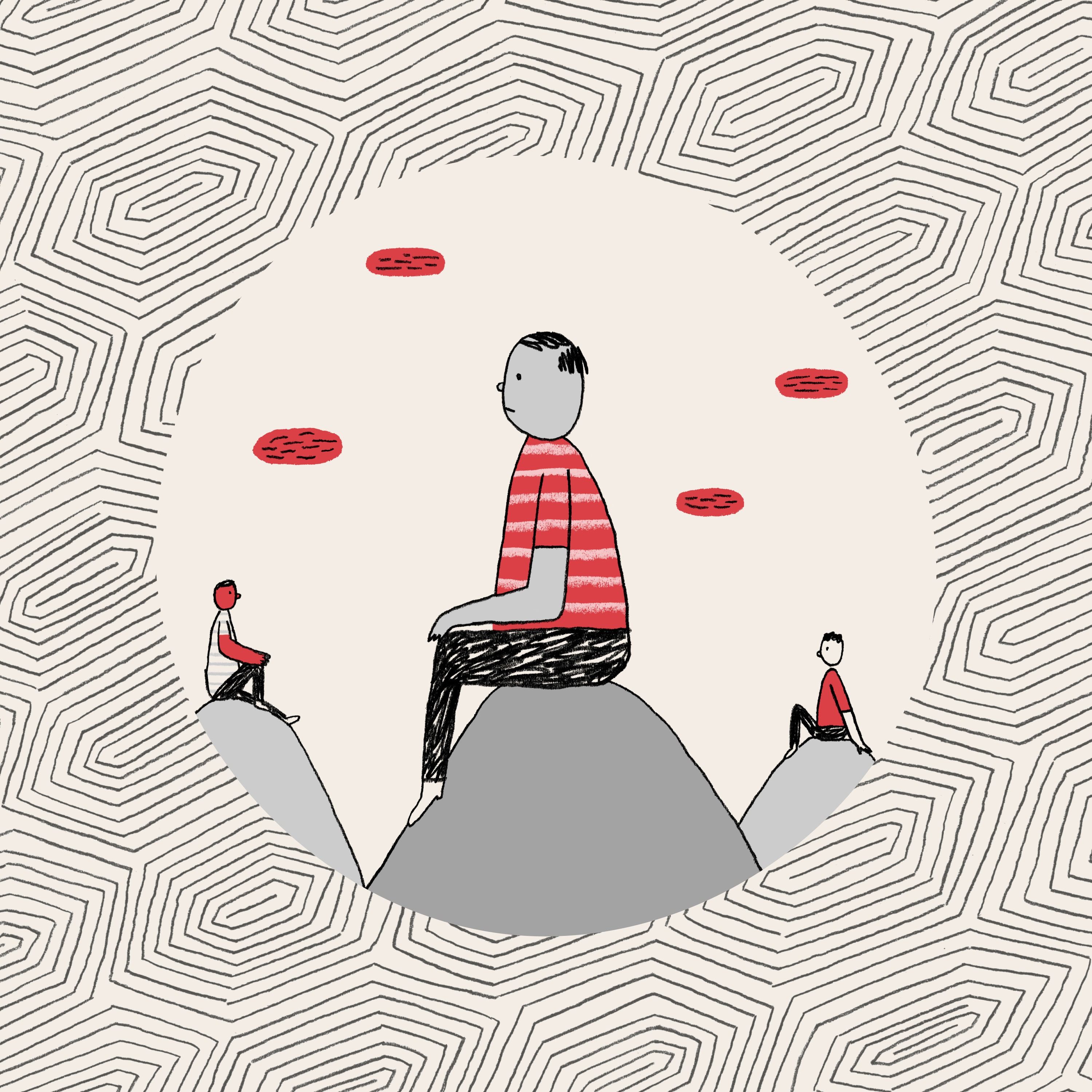
Where Did All My Male Friendships Go? (Encore)
2w ago01:01:33Summary readySam Graham-Felsen never imagined being lonely. Throughout his childhood and as a young man his life revolved around his friends. But when Sam got married and then had kids, going out with his friends almost felt like a luxury. After years of focusing on everything in his life except friendship, Sam began to realize he was missing something essential, and he decided to get his friends back. On this episode of “Modern Love,” Mr. Graham-Felsen describes how he went from being a boy with a wealth of deep friendships to finding himself feeling lonely as an adult, and what he did to bring friendship back into his life. Read his essay “Where Have All My Deep Male Friendships Gone?” in The New York Times Magazine. Here’s how to submit a Modern Love essay to The New York Times. Here’s how to submit a Tiny Love Story. Subscribe today at nytimes.com/podcasts or on Apple Podcasts and Spotify. You can also subscribe via your favorite podcast app here https://www.nytimes.com/activate-access/audio?source=podcatcher. For more podcasts and narrated articles, download The New York Times app at nytimes.com/app. Subscribe today at nytimes.com/podcasts or on Apple Podcasts and Spotify. You can also subscribe via your favorite podcast app here. For more podcasts and narrated articles, download The New York Times app at nytimes.com/app. Hosted by Simplecast, an AdsWizz company. See pcm.adswizz.com for information about our collection and use of personal data for advertising.
Summary
Is Polyamory Right for You?
3w ago00:48:16Summary readyElisabeth “Eli” Sheff is a polyamory expert. When she first heard about polyamorous relationships, back in the early ’90s, hardly anyone was talking about this stuff. But Sheff became fascinated, and for the past 30 years, she’s been studying the lives of kids who grew up in polyamorous families. On this episode of “Modern Love,” Sheff tells the host Anna Martin about her personal and professional findings from decades of being immersed in polyamorous spaces. Plus, she has advice for people who are trying to figure out if being poly is right for them. Subscribe today at nytimes.com/podcasts or on Apple Podcasts and Spotify. You can also subscribe via your favorite podcast app here. For more podcasts and narrated articles, download The New York Times app at nytimes.com/app. Hosted by Simplecast, an AdsWizz company. See pcm.adswizz.com for information about our collection and use of personal data for advertising.
Summary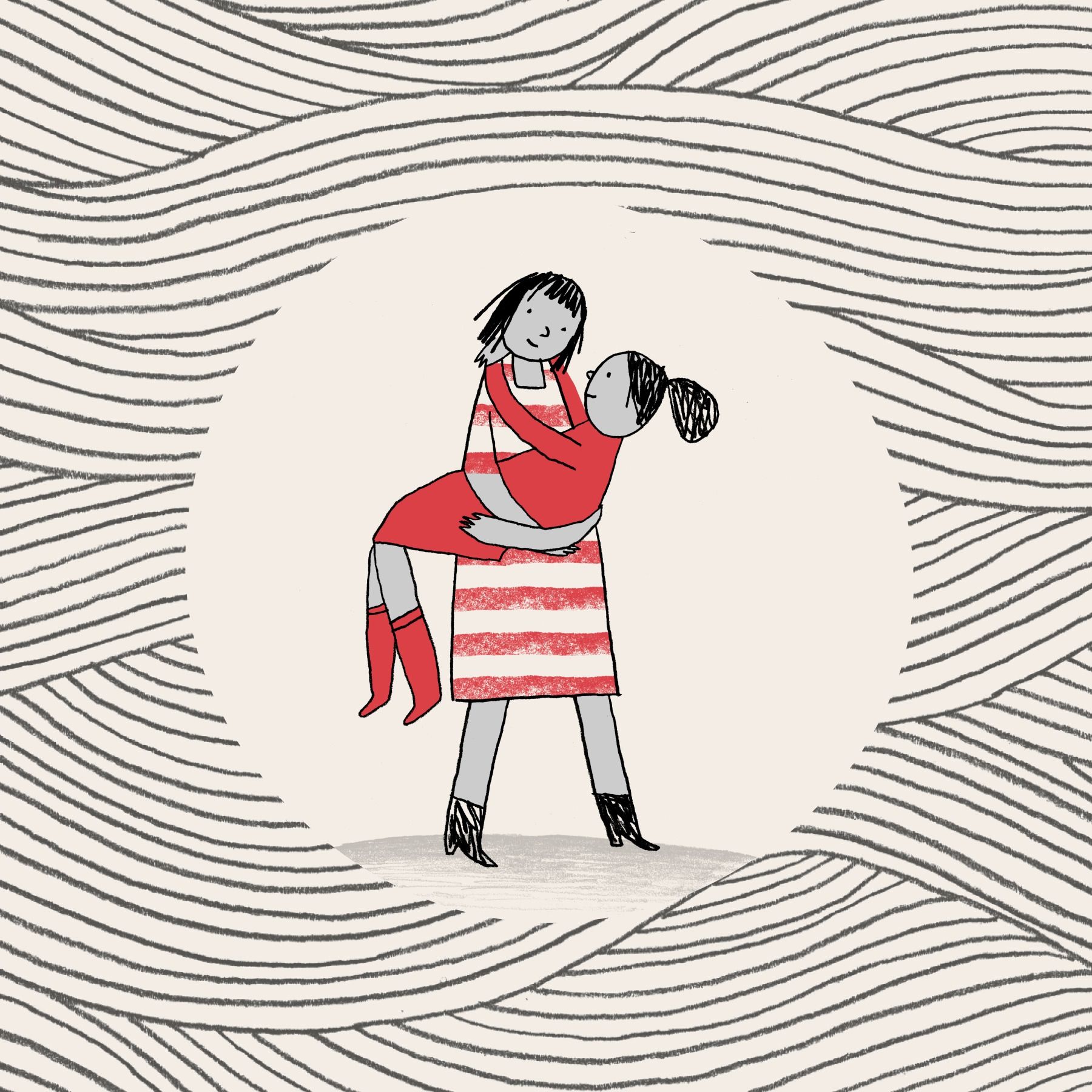
My Disability Makes My Sex Life Even Hotter
4w ago00:55:47Summary readyAt the age of 15, the filmmaker and actor Kyla Harris had an accident that forever changed what her body could do, and what it couldn’t. From then on, she needed someone with her 24 hours a day to help her with things like going to the bathroom, cooking and showering. Family members, friends, romantic partners and personal assistants have all played a role in Kyla’s care over the years. She’s had to learn to communicate, in exceptionally clear terms, how her body feels and what it needs, at any hour of the day or night. Kyla is a creator and the star of the BBC TV show “We Might Regret This,” and her character, Freya, has the same disability that Kyla does. While the show depicts a fictional world, its complex web of remarkably close, interdependent relationships is, in part, inspired by Kyla’s life. In this episode of “Modern Love,” Kyla tells Anna Martin what it’s been like to approach every want and need as a group project. This dynamic becomes especially interesting when it comes to Kyla’s thriving sex life, from dance-floor makeouts to long-term partnerships. Kyla discusses getting creative with her body — and the occasional prop — and takes a deep dive into what intimacy can really mean. How to submit a Modern Love EssayHow to submit a Tiny Love Story Subscribe today at nytimes.com/podcasts or on Apple Podcasts and Spotify. You can also subscribe via your favorite podcast app here. For more podcasts and narrated articles, download The New York Times app at nytimes.com/app. Hosted by Simplecast, an AdsWizz company. See pcm.adswizz.com for information about our collection and use of personal data for advertising.
Summary
'The Interview': Robby Hoffman Will Always Feel Poor, No Matter How Rich She Gets
Jul 1500:51:30Summary readyThis week on "Modern Love," we're bringing you one of our favorite conversations from our friends at "The Interview." Speaking to host Lulu Garcia-Navarro, the comedian and actor Robby Hoffman says class and the way she grew up inform everything about the way she lives now. • Thoughts? Email us at theinterview@nytimes.com • Watch our show on YouTube: youtube.com/@TheInterviewPodcast • For transcripts and more, visit: nytimes.com/theinterview Subscribe today at nytimes.com/podcasts or on Apple Podcasts and Spotify. You can also subscribe via your favorite podcast app here. For more podcasts and narrated articles, download The New York Times app at nytimes.com/app. Hosted by Simplecast, an AdsWizz company. See pcm.adswizz.com for information about our collection and use of personal data for advertising.
Summary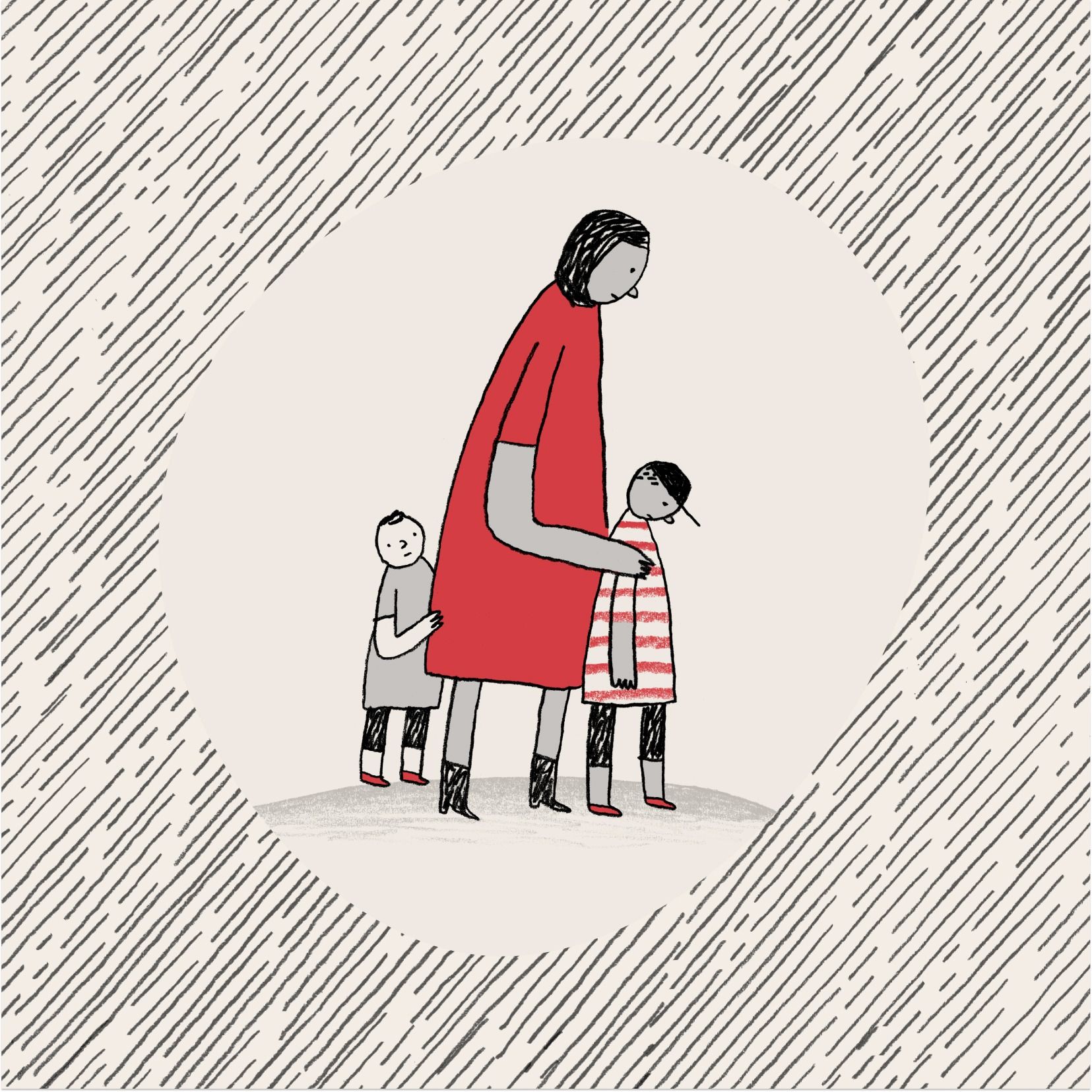
Ask Me About My Dead Son
Jul 800:51:29Summary readyIn 2019, Susie Shaw’s 9-year-old son, William, died in a skiing accident. We talk about grief a lot on this show, but a parent grieving the death of a child is a loss so profound, words don’t feel adequate. It’s hard to know what to say to someone facing this kind of tragedy. Susie Shaw says: Ask me a question. Ask me about my dead son. On this episode of “Modern Love” Susie tells its host, Anna Martin, about loving and losing William — and shares advice for how to show up for other bereaved parents with compassion. Subscribe today at nytimes.com/podcasts or on Apple Podcasts and Spotify. You can also subscribe via your favorite podcast app here. For more podcasts and narrated articles, download The New York Times app at nytimes.com/app. Hosted by Simplecast, an AdsWizz company. See pcm.adswizz.com for information about our collection and use of personal data for advertising.
Summary
Eddie Huang Drops the Tough Guy Act
Jul 100:50:48Summary readyWhen the chef, writer and filmmaker Eddie Huang joined the “Modern Love” podcast to discuss his new novel, “Come Undone,” our host Anna Martin asked him to start by reading a few lines from his 2017 guest essay for The New York Times. In it, Huang called out stereotypical portrayals of Asian men that have persisted in pop culture: “Every Asian American man knows what the dominant culture has to say about us,” Huang read. “We count good, we bow well … our male anatomy is the size of a thumb drive and we could never in a thousand millenniums be a threat to steal your girl.” Rereading his old piece took Huang right back to his childhood, to when he was targeted by kids who assumed he was an easy mark. Huang said he created a tough exterior in response, becoming someone whom no one wanted to pick a fight with. That tough kid grew up into a tough man who rarely let his sensitive inner self show, a persona that sounds a lot like the main character of Huang’s new book. In this episode, Huang explains how he is both similar to and different from his fictional character, how his own ideas of masculinity have changed and what it was like to finally let himself be vulnerable with someone after years of pretending not to be. How to submit a Modern Love Essay How to submit a Tiny Love Story Subscribe today at nytimes.com/podcasts or on Apple Podcasts and Spotify. You can also subscribe via your favorite podcast app here. For more podcasts and narrated articles, download The New York Times app at nytimes.com/app. Hosted by Simplecast, an AdsWizz company. See pcm.adswizz.com for information about our collection and use of personal data for advertising.
Summary
Friends for 16 Years. Lovers for One Night. (Encore)
Jun 2400:39:46Summary readyElizabeth and Jeff were best friends. They did everything together, from early-morning runs to late-night karaoke sessions. They came up with secret code names for each other and went on undercover missions in their neighborhood. They fought, and made up, and fought some more. Beneath their playful dynamic, an attraction was growing between them, but Elizabeth never wanted to risk the friendship by exploring it. Then Jeff got sick, and things changed. In this episode, the story of a once-in-a-lifetime friendship, from the very beginning to the very end. This episode is adapted from Elizabeth Laura Nelson’s 2024 essay Friends for 16 Years. Lovers for One Night. Here’s how to submit a Modern Love essay to The New York Times. Here’s how to submit a Tiny Love Story. Subscribe today at nytimes.com/podcasts or on Apple Podcasts and Spotify. You can also subscribe via your favorite podcast app here. For more podcasts and narrated articles, download The New York Times app at nytimes.com/app. Hosted by Simplecast, an AdsWizz company. See pcm.adswizz.com for information about our collection and use of personal data for advertising.
Summary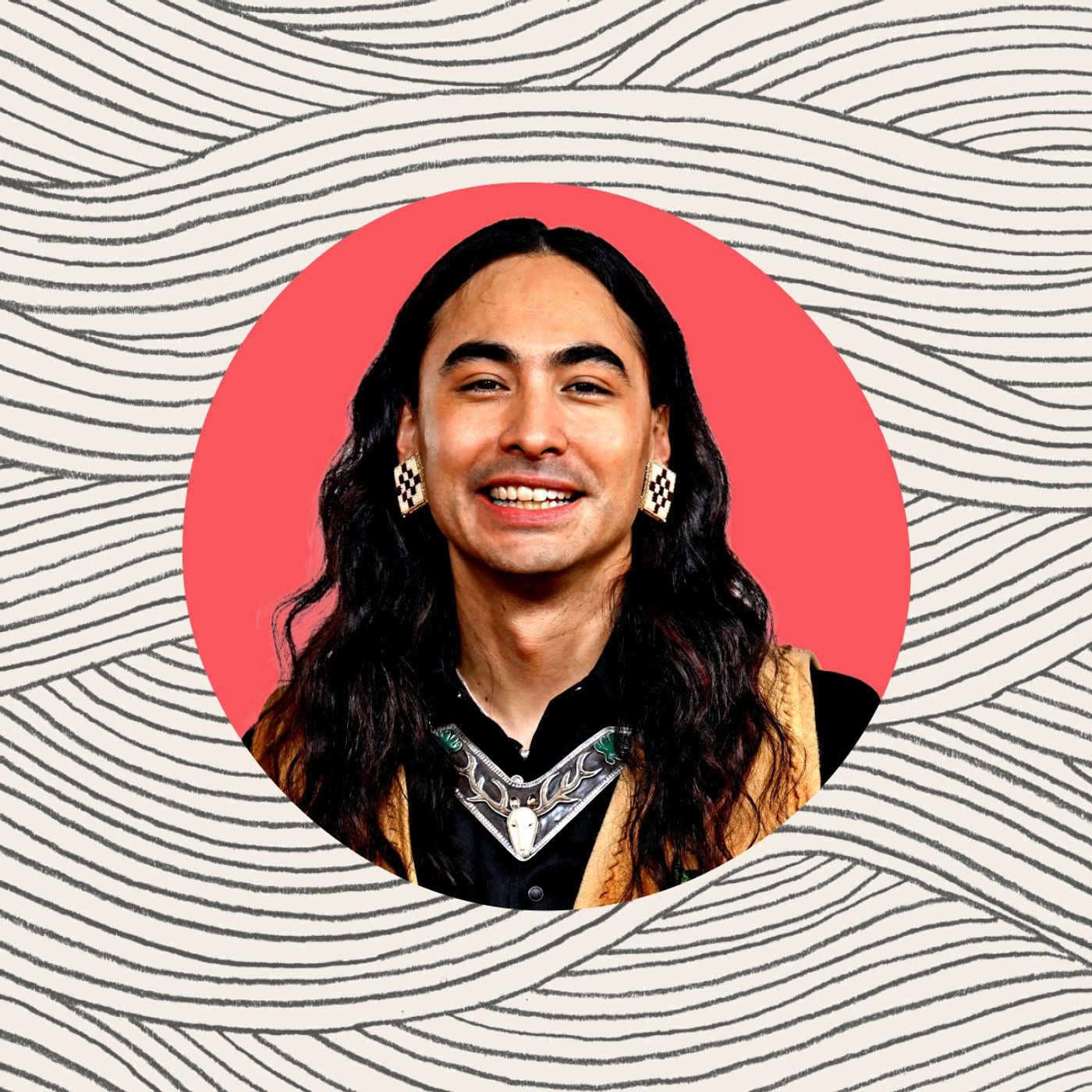
How Getting Stoned With My Dad Helped Us Heal
Jun 1700:44:23Summary readyGrowing up, Julian Brave NoiseCat’s father, Ed Archie NoiseCat, wasn’t around much. Other than the occasional ride to hockey practice from his dad, Julian mostly remembers the legends about him. Ed is an artist, famous for his wood carvings and larger-than-life stories. Julian remembers seeing him on the cover of Native Peoples magazine and hearing about his escapades driving across the country. What Julian could never understand, however, was why his dad couldn’t just be his dad, and be there consistently. For years, Julian didn’t have much contact with his father, but when he was 28, he decided to change that. He was working on the documentary “Sugarcane,” later nominated for an Academy Award, and writing his book, “We Survived the Night,” published last year. Both projects deeply involved his father and their family’s history. So Julian moved into his dad’s house. During the day, he would research and write, and at night, he would hang out with his father, playing “bong-hit Scrabble” and forging a relationship they previously never had. On this episode of “Modern Love,” Julian explains what those nights with his father meant to him, and how uncovering a dark chapter of his family’s history helped him and his father better understand each other. He also reflects on his own journey to fatherhood. We Want to Hear From You Email us at modernlovepodcast@nytimes.com. Here’s how to submit a Modern Love essay. Here’s how to submit a Tiny Love Story. Subscribe today at nytimes.com/podcasts or on Apple Podcasts and Spotify. You can also subscribe via your favorite podcast app here. For more podcasts and narrated articles, download The New York Times app at nytimes.com/app. Hosted by Simplecast, an AdsWizz company. See pcm.adswizz.com for information about our collection and use of personal data for advertising.
Summary
Laverne Cox Is Ready to Tell the Truth. Even if It’s Messy.
Jun 1000:56:29Summary readyLaverne Cox never fit in as a child in Mobile, Ala. But she really didn’t want to. From an early age, she knew she was going to be a star, and she was right. Decades later, Cox would break through as Sophia Burset on Netflix’s “Orange Is the New Black,” and become the first openly transgender person to be nominated for an Emmy Award in an acting category. In this episode of “Modern Love,” Cox talks about her new memoir, “Transcendent.” She tells the story of how she became the star she always knew she was, the men she loved along the way and how she learned to fully love herself. How to submit a Modern Love EssayHow to submit a Tiny Love Story Subscribe today at nytimes.com/podcasts or on Apple Podcasts and Spotify. You can also subscribe via your favorite podcast app here https://www.nytimes.com/activate-access/audio?source=podcatcher. For more podcasts and narrated articles, download The New York Times app at nytimes.com/app. Subscribe today at nytimes.com/podcasts or on Apple Podcasts and Spotify. You can also subscribe via your favorite podcast app here. For more podcasts and narrated articles, download The New York Times app at nytimes.com/app. Hosted by Simplecast, an AdsWizz company. See pcm.adswizz.com for information about our collection and use of personal data for advertising.
Summary