← Modern Love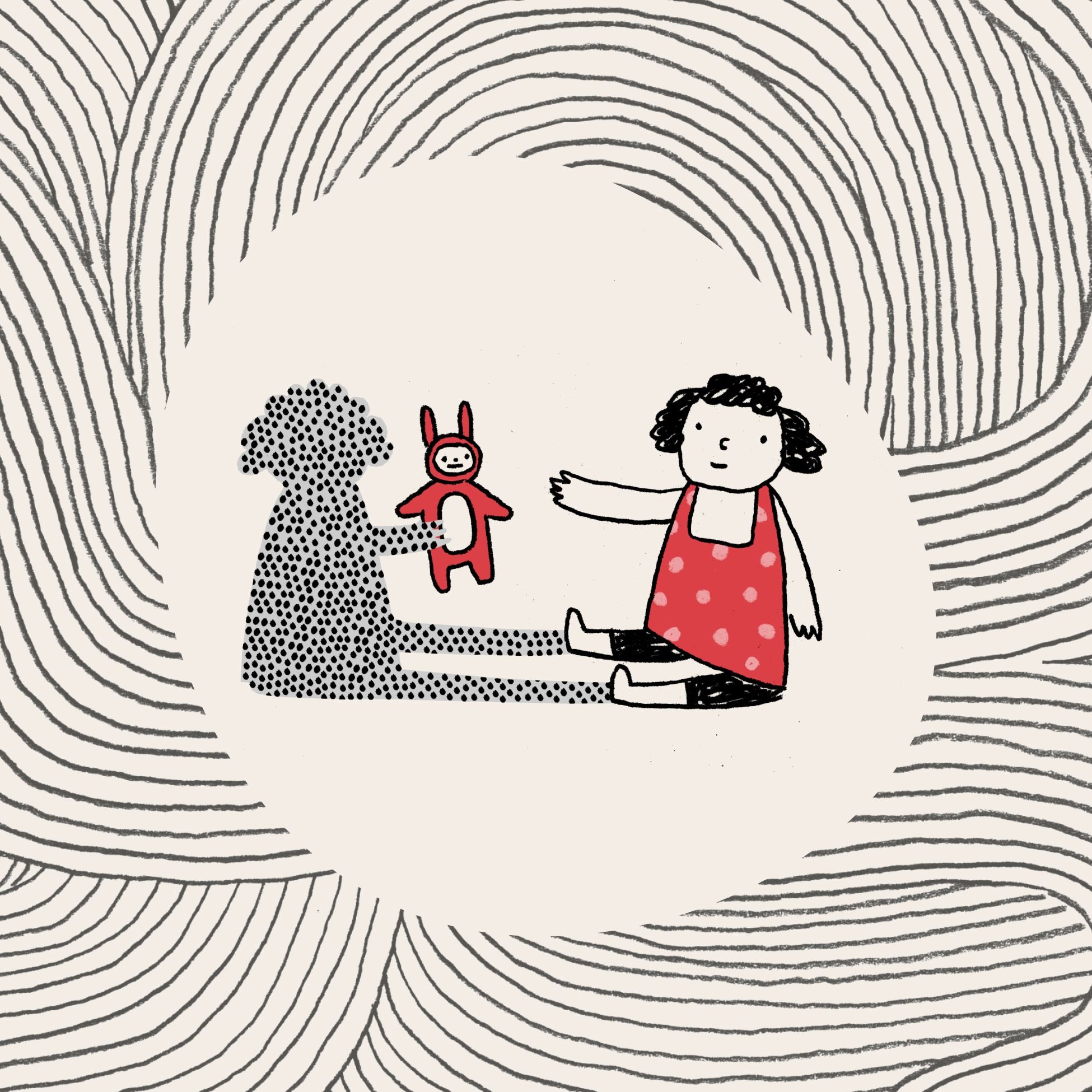
Modern Love
My Mom Had a Secret Daughter. I Finally Found Her.
00:49:31
Tracy Clark-Flory was 16 when she learned something that would change her world forever: She had a half sister she’d never met. Tracy's mother, Deborah, had gotten pregnant as a freshman in college. She’d given birth to a baby girl in secret and placed the baby for adoption. Tracy could tell that talking about this baby made her mom uncomfortable, so she didn’t pry. But from that moment on, Tracy was full of questions. Where was this sister? What was her life like? Would she want to hear from Tracy if there was a way to get in touch? These days, Clark-Flory is a writer, and she is a mother herself. She has a new memoir coming out called “My Mother’s Daughter: Finding Myself in My Family’s Fractured Past.” In this episode of the “Modern Love” podcast, Clark-Flory tells Anna Martin how she finally got answers about her sister. She also shares what she found out about her mom: Turns out, there was so much more to her story, too.
Loading summary
Transcript187 lines
- [00:00]
Smokey Bear (Narrator)
This wildfire season, Smokey Bear has a reminder for all of us. Only you can prevent wildfires. For more than 80 years, he's taught us how to prevent unwanted wildfires through his tips, like using the Drown Stir Drown feel method for putting out campfires. Every responsible action makes a difference. Learn wildfire prevention tips@smokeybear.com brought to you by the USDA Forest Service, your state forester, and the Ad Council.
- [00:32]
Commercial Voice
Love now.
- [00:32]
Tracey Clark Florey
And did you fall in love last fella?
- [00:34]
Liberty Mutual Advertiser
Lover love was stronger than anything.
- [00:37]
Tracey Clark Florey
For the love of love and I
- [00:38]
Anna Martin (Interviewer)
love you more than anything.
- [00:41]
Tracey Clark Florey
There's the love love.
- [00:44]
Anna Martin (Interviewer)
From the New York Times, I'm Anna Martin. This is Modern Love. And today I'm talking to writer and journalist Tracey Clark Florey. Growing up, all Tracey wanted was a sister. She'd beg her parents for a sister all the time, and she could tell it made her mom upset, but she didn't understand why. Then when she was 16 years old, Tracy's mom sat her down and told her the truth. Tracy did have a sister. When Tracy's mom was a teenager herself, she got pregnant, and she was sent away to have the baby in secret. She never saw the baby again. After this conversation, Tracy had a million questions, and she spent years wondering what happened to this sister she never knew. Today on the show, Tracy's here to tell me how she finally got some answers. Not just about her sister, about her mom, too. Tracey Clark Flory, welcome to Modern Love.
- [01:44]
Tracey Clark Florey
Thanks so much for having me.
- [01:46]
Anna Martin (Interviewer)
Tracey, in your new book, my Mother's Daughter, you write that when you were 16, your mom, Deborah decided to tell you a big secret from her past. Can you take me into that moment? What. What happened?
- [01:59]
Tracey Clark Florey
Yes. So this was just a couple weeks after I had gone on birth control pills. I feel like it's relevant to mention. And had a boyfriend at that time. And she sat me down at the kitchen table and she said, I have something to tell you. It's serious. When I was 18, I had sex and I got pregnant. My father sent me away to a home for unwed mothers. And I had the baby, a girl. And I placed her for adoption. And it felt like a trapdoor had opened up underneath me. I had been raised as an only child. You know, we had our little family trio, me, my mom, and my dad. And I'd actually grown up begging, like, begging for a sister over and over again. I wanted a sister so bad.
- [03:07]
Anna Martin (Interviewer)
And not a brother, specifically a sister, not just a sibling.
- [03:10]
Tracey Clark Florey
It was. I never begged for a sibling. I begged for A sister. And, you know, I'd even growing up, like, had concocted stories in my head about a secret sister that my parents were keeping from me.
- [03:27]
Anna Martin (Interviewer)
I mean, keep going. Okay, okay.
- [03:29]
Tracey Clark Florey
Yeah, yeah. Like, I. So I. I remember laying in bed at night and I had this story that there was a secret sister who lived down the hall in our house. And thinking, like, oh, that doesn't make any sense. Like, you know, why wouldn't I see her? And, you know, where is she during the day? And. But I remember holding my breath at night and trying to hear her breathing, like. And so, you know, in retrospect, of course, I'm like, well, there. I clearly had some sense, some kind
- [04:09]
Anna Martin (Interviewer)
of embodied knowledge, or let me poke at that. Like, had you had any indication from your mom that something like this was in her past? Did it totally shock you?
- [04:20]
Tracey Clark Florey
It. It did totally shock me. And yet I would say that I had had this insistent sense of a mystery.
- [04:27]
Anna Martin (Interviewer)
Sure.
- [04:28]
Tracey Clark Florey
Of a secret. And so, like, one early memory that I have is being eight years old in the car with my parents. My dad was driving. My mom was in front of me in the passenger seat, and I was begging for a sister. It was one of those many times where I was begging for a sister. And I said, why can't I have a sister? I just want a sister. And my mom fell silent. And I couldn't see her face. Cause she was directly in front of me. But I saw my dad look at her, and he quickly, like, you know, jumped to fill the silence and was like, well, you know, when your mother was pregnant with you, she had preeclampsia, and it was a very risky pregnancy. It was life threatening. We didn't want to try again. And I knew that story. They told me it before I knew that story, and it made sense. It made sense that they wouldn't want to try again. But I could tell there was something more.
- [05:22]
Anna Martin (Interviewer)
So back in this moment, you know, years later, at age 16, your mom has told you this secret. I must assume that when she tells you this, a million questions are running through your mind.
- [05:36]
Tracey Clark Florey
Well, so I didn't. I mean, I was just in so much shock in that moment. You know, it was one of those moments where you almost feel like you're going to pass out.
- [05:44]
Anna Martin (Interviewer)
Yeah.
- [05:45]
Tracey Clark Florey
And I remember my mom sort of adding information to what she'd already said. She said that she'd added herself to an adoption registry in case her daughter ever wanted to come find her. She explained that adoptions were closed back then, which, you know, meant that she had didn't know where her baby had ended up and that she'd added herself to this adoption registry so that she could find her if she ever wanted to.
- [06:16]
Anna Martin (Interviewer)
So the baby could find your mom?
- [06:17]
Tracey Clark Florey
The baby could find her, yes. And that someone might call the house looking for her one day, but no one had. So far, no one had. And also, I should mention, like, she told me that all of this had happened in the 60s. I was born in 1984, so I was learning that I had a sister out there somewhere and that she was 20 years older than me. And my mom then told me that the father of her baby was black, that he was Nigerian, that she met him at college. My mom is white. I am white. And I remember her saying something along the lines of that race made her unwed pregnancy that much more taboo.
- [07:12]
Anna Martin (Interviewer)
Hmm.
- [07:13]
Tracey Clark Florey
Yeah.
- [07:16]
Anna Martin (Interviewer)
I mean, let me just zoom out for a second and say, this is. This is a lot. This is so much to learn when you think you're gonna have like a. A sex talk, right? I mean, if she's sitting you down about birth control, you're like, all right, a condom, I get it. You know what I mean? Like, this kind of thing. But I mean, there's so much more here, and I want to kind of connect the dots. It's like she was telling you about this unplanned pregnancy. So it seemed to you like the birth control sort of triggered. Set off this waterfall because you were coming into your sexuality, Is that right?
- [07:53]
Tracey Clark Florey
Yeah. Well, and I love that you. The way you frame that, because, like, it's like this was my sex talk, even though we talked about sex many times before. You know, I grew up in Berkeley, California, with a couple of hippie parents. It was like a very sex positive household. But when I think about, like, certainly the most impactful sex talk that we ever had, the most memorable one, it would be this. And it was very clearly in response to me going on birth control and in response to her fears about me and my future and the potential of history repeating itself. I think, you know, I think she. In many ways, I think she didn't want to tell me. I think she was avoiding telling me. And I think that this was a moment where she felt like she had to for my own good. And mostly I could tell, you know, my mom was terrified in that moment. She had this look of like, please don't hate me. Like, please don't judge me. And I could see in that moment that she was in a lot of pain. And, you know, I think she Was scared of what I would think of her as. As my mom, as a mom learning this.
- [09:12]
Anna Martin (Interviewer)
And what did you think of her
- [09:16]
Tracey Clark Florey
consciously in that moment? I don't know. I don't know. I don't know if I made any sort of judgment. I think in that moment at the kitchen table, it was like I. It's like growing up, I was, like, kind of making out this kind of shadow in our family. And then in that moment of that conversation, the revelation that she had placed a baby for adoption, it was like I was suddenly seeing what had cast that shadow. You know, it was like I saw the mystery. I saw the presence of something that was there that didn't quite add up. You know, there was, like, a part of my mom that was not available to me growing up. Like, you know, she would also. Like, there are other things. Like, I would watch the way that she disappeared into her room and lock the door, and she would smoke weed multiple times a day. And it was like, you know, and it's like there was this sense of, like, my mom is a person who exists beyond what I know of her in this way that's really mysterious to me as a kid because she could be such a very present mom, but then she would be kind of disappeared. Like there was part of her that was suddenly secreted away in her room. And, you know, and so I just knew that there was more to her than she had shared.
- [10:48]
Anna Martin (Interviewer)
You know, it strikes me that there's a. Well, certainly this conversation is probably not relatable to many. This is a very sort of exceptional experience. But one thing that does feel universal are these moments when we kind of, like, we become suddenly aware that our parents are people, that they have a past, that they have secrets that they're dealing with, shit that they sometimes need to go into a room and lock the door. I mean, you're saying these. These things that. That bring up so many questions, right? Home for unwed mothers. What is that? Where is that? Who goes there? What did that mean? I mean, so many questions there. You know, her parents. I'm thinking. I'm just thinking about all of these questions. Your mom's parents, I mean, must have been running through your mind. She's 18, so she's at. It's just like there's so much. And you're also describing how you're looking at your mom, and she's terrified of judgment. Did this seem like a place or a time where you could ask these questions?
- [11:44]
Tracey Clark Florey
No, it didn't. I mean, I was full of questions right like, yeah, indeed. What. What is a home for unwed mothers? Like, what does that even mean? I really understood in that moment that it. That she was sent away in shame, that there was some aspect of being hidden away that was happening, but I didn't understand what those. The homes really were. And I didn't ask. You know, I had so many questions, but in that moment, I remember my mom saying, do you have any questions for me? And the only question I asked, and it's kind of interesting looking back, was, do you ever wonder about her?
- [12:22]
Anna Martin (Interviewer)
Oh, that is a really compassionate question, I think.
- [12:28]
Tracey Clark Florey
Yeah. I mean, of all the questions, that was the one that I guess I felt I had to ask. And she just said in this, like, gush of a whisper. I think about her every day of my life.
- [12:43]
Anna Martin (Interviewer)
Oh, I'm so moved by that. Wow.
- [12:45]
Tracey Clark Florey
It was. I mean, that. That was just this other additional layer of revelation, because it was like, my sister has always been in the room with us in a way. I remember picturing in that moment, like, oh, wow, like, every day that my mom's gotten up and gotten ready for work, she's thought about this lost daughter.
- [13:10]
Anna Martin (Interviewer)
Did you get the sense that your mom. I mean, there's. You say shame, did you get the sense that she had regrets? Was that something that was coming across to you?
- [13:26]
Tracey Clark Florey
I didn't get the sense of regret. The sense I got in that moment was. That she sort of took this sense of personal responsibility, like, that it was like, this happened. I did this, and that there was nothing she could do about it. And one thing I really clearly remember from that conversation is she said that sometimes people hire private detectives to try to find their babies from this era of adoption. Right. And she said, but it's not my right. It is not my right. I don't want to interrupt her life. And I think her. I got the sense in that moment that her greatest hope for her daughter was that she had had a wonderful family life and that she would be an intrusion upon.
- [14:30]
Anna Martin (Interviewer)
That your mom would be an intrusion.
- [14:31]
Tracey Clark Florey
That my mom would be an intrusion upon her life? Yeah.
- [14:34]
Anna Martin (Interviewer)
Oh. I mean, as you got older, did you revisit this conversation? You and your mom, did you learn more about her story over the years?
- [14:43]
Tracey Clark Florey
Very little. The most significant occasion was sometime after, I believe I was in my early 20s, and I was sitting in the living room with my parents, and we were watching, like, a show on hgtv, which my mom was, like, a big gardener. And, you know, I loved reality tv and so perfect match, perfect union of our Totally, totally. And we made it work. And it was like a garden makeover show. And they'd made over this garden in this, like, very sterile and regimented way. And I went, ugh, it looks like a mental institution. And then I said, and I can't explain this. I don't know how to explain this. This is such a bizarre question to ask. But again, it's kind of like, what did I know without knowing? I said, have either of you been to a mental institution?
- [15:47]
Anna Martin (Interviewer)
Hmm.
- [15:48]
Tracey Clark Florey
I mean, I mean, it's a question
- [15:50]
Anna Martin (Interviewer)
that you could ask a family. Sure.
- [15:52]
Tracey Clark Florey
Okay.
- [15:53]
Anna Martin (Interviewer)
Yeah, I'm just gonna give that one to you. It honestly doesn't seem that you're like, okay, well, you're just kind of making conversations. Yeah. Huh.
- [16:02]
Tracey Clark Florey
And then there was a pause, and then my mom said, well, honey, and she muted the tv and she tells me that in the wake of the adoption, she was so distraught in her devastation, her therapist thought that she was a threat to herself. He, you know, and I remember her saying, I wasn't suicidal, but he thought that I was, and that he committed her to a mental institution.
- [16:39]
Anna Martin (Interviewer)
Oh, my gosh.
- [16:41]
Tracey Clark Florey
Like a locked ward. And. Yeah, so what I understood then was that, you know, she went to a very dark place in the wake of the adoption.
- [16:56]
Anna Martin (Interviewer)
Did she share any more about what that was like, or was it like we turned back on the TV and we kept going?
- [17:02]
Tracey Clark Florey
Yeah, I think we literally turned the TV back on. I mean, I think that we had a moment. I think we sat with it. I know there were a couple moments where I did ask her some additional follow up questions. And I just. Even just using the word follow up question, I have to point out that I became a journalist, but so it's like, funny, as a journalist who always has a follow up question immediately in the moment to not in these key moments, have had a follow up. Right. And I know that I felt a lot of nervousness kind of going there with her because I was worried for her, but I also think it was painful for me to kind of know more of her pain.
- [18:01]
Anna Martin (Interviewer)
We'll be right back.
- [18:11]
Podcast Sponsor Voice
This podcast is supported by Peacock and the new original series the Miniature Wife. Elizabeth banks and Matthew McFaddy star as Lyndy and Les, a writer and a scientist whose love story has one little problem. When Les accidentally shrinks lindy down to 6 inches tall, an outlandish battle of the spouses ensues. Underneath the absurdism and screwball comedy is a relationship dramedy about what happens when you feel small for far too long. The Miniature Wife is streaming now only on Peacock.
- [18:41]
Probiotics Advertiser
Your gut isn't just about digestion. It's the command center of your whole body.
- [18:46]
Anna Martin (Interviewer)
New Ollie.
- [18:47]
Probiotics Advertiser
Precise Probiotics are made with clinically studied strains to provide targeted benefits beyond digestive health by supporting your metabolism. So skin health or stress response, start giving your body what it needs. Shop Precise probiotics with skin stress or metabolism support at your nearest Walmart. These statements have not been evaluated by the Food and Drug Administration. This product is not intended to diagnose, treat, cure, or prevent any disease.
- [19:10]
Podcast Sponsor Voice
This podcast is supported by BetterHelp. May is mental health Awareness Month, a reminder that you don't have to do this life alone. Right now, many Americans are struggling. Nearly two thirds report feeling anxious, and more than half cite financial stress. Having a licensed therapist with you by video phone or chat can make a difference. And BetterHelp makes it easy. Sign up now and get 10% off@betterhelp.com New York Times. That's betterhelp.com New York Times.
- [20:00]
Anna Martin (Interviewer)
We're gonna take a turn here because in your 20s, you were still in your 20s when you lost your mom to cancer. Is that right?
- [20:08]
Tracey Clark Florey
Yes.
- [20:09]
Anna Martin (Interviewer)
Yeah. I'm really sorry.
- [20:13]
Tracey Clark Florey
Thank you. Thank you.
- [20:17]
Anna Martin (Interviewer)
Do you think this is a really tough question, but I wonder if. Do you feel like your mom had reached a sense of peace about this daughter before she passed, or did you have a sense of where she was, I guess, with this part of her story?
- [20:37]
Tracey Clark Florey
Yeah. I remember towards the end of her life, her saying something to me about where that really did express a sense of resolution or acceptance, where she said, you know, because I was just so upset about what she would miss. And I remember her saying to me, I'm just so glad that I got to have. Sorry. I'm just so glad that I got to have my two loves. And that was referring to me and my dad. And I think it makes me cry now because I think about her third love that she didn't get to have. And I wonder now, you know, even just in this moment of saying that, like, is there part of her gratitude for her two loves? That is about. In part about the love she didn't get to have. And so she's, you know, had this gratitude of, like, I had this alongside the loss.
- [21:53]
Anna Martin (Interviewer)
Oh, my gosh. When you said two loves, I was like, there is a. You talked about the sort of shadow that was always with you, with the family, with her, and certainly, I mean, again, can't know for sure, but seemed to you to be present in that moment. About 10 years after your mom died, you decide to take a DNA test to try to find her first baby, your sister. Why do you think you hadn't tried to find your sister before then?
- [22:27]
Tracey Clark Florey
Yeah, I mean, I remember thinking about this, especially in the wake of my mom's death, because I think before she died, it felt like it was hers to pursue. And after she died, I considered the possibility of hiring a private detective. I thought about that, and then I remembered what my mom had told me decades earlier, which was that she hadn't done that because she felt like it wasn't her right to intrude on her daughter's life. And so I decided against that. And this was when consumer DNA tests were starting to really emerge and get a lot of attention.
- [23:09]
Anna Martin (Interviewer)
Sure.
- [23:10]
Tracey Clark Florey
And it occurred to me that it could be a way to find my sister. But I'm also a person who's friends with a lot of journalists who cover the tech industry. And I, you know, kind of heeded the warnings around privacy concerns around DNA tests. I found it kind of disturbing, the idea of a multi billion dollar company having my DNA. And why is that disturbing?
- [23:34]
Anna Martin (Interviewer)
Just kidding.
- [23:37]
Commercial Voice
What about.
- [23:37]
Anna Martin (Interviewer)
That's creepy. Yeah, for sure. For sure.
- [23:39]
Tracey Clark Florey
It should be fine. Yeah, seems fine. And so I kind of put it off and I was like, ah, it doesn't feel right. And then it occurred to me, like, this is the way that you would find your sister, and it's a way to find her only if she wants to be found. You wouldn't be busting into her life in an unwanted way. Yeah, this would be. She was searching. And you know, why not? And so I literally pulled out my phone, ordered a test, boom, done. And you know, screw it, have my DNA.
- [24:18]
Anna Martin (Interviewer)
Right. I am concerned, but I want to find my sister more.
- [24:22]
Tracey Clark Florey
So basically, it's a bad idea, but I care more about my sister.
- [24:25]
Anna Martin (Interviewer)
Totally means to an end.
- [24:26]
Tracey Clark Florey
Yes. Yes. I spit into a vial. I dropped it in a mailbox. Two weeks later, I was in the car with Christopher and Quinn, my husband and my son. Quinn was snoozing in the backseat in his car seat. He was 4 years old at the time. And I got a message from Ancestry, and it said, you, DNA results are in.
- [24:54]
Anna Martin (Interviewer)
Oh, my gosh.
- [24:56]
Tracey Clark Florey
And I tapped. I mean, I've never tapped so hard on an email before in my life. And of course, like, I'm like, what are the odds? Right? What are the odds? Like, why, you know, she could have one, you know, would she even take a test? Two, would she take it with the same Company immediately. My number one top match is a woman named Kathy. And she is a total stranger, but I recognize her instantly. Her face, her little profile photo. I see she has the same arch in her eyebrows as I have. She had, like, these high cheekbones that remind me of my maternal grandmother and this essence of my mom. Wow. Immediately, I feel like I'm looking at my mom.
- [25:54]
Anna Martin (Interviewer)
Oh, my God.
- [25:55]
Tracey Clark Florey
For the first time since she died. And I click through to her bio and she lists some details that are like, very clearly. This is my sister.
- [26:07]
Anna Martin (Interviewer)
Oh, my God. Oh, my God. How are you feeling? Can you believe it?
- [26:11]
Tracey Clark Florey
No.
- [26:11]
Anna Martin (Interviewer)
Oh, my God.
- [26:12]
Tracey Clark Florey
Almost.
- [26:13]
Anna Martin (Interviewer)
Me neither. I mean, it is miraculous.
- [26:17]
Tracey Clark Florey
Here she is, this little profile photo. Kathy. She has a name. A name? A name. This whole time, it's just the baby, you know, my mom's daughter, my sister. And now she has a name. I just remember, you know, Christopher's just innocently driving the car home, and I'm like, having this internal combustion moment, and I'm like, I think I found my sister. And.
- [26:43]
Anna Martin (Interviewer)
And does her profile say, like. Like, I. I'm looking for my family or what did her profile say?
- [26:50]
Tracey Clark Florey
Yeah, her profile said that, like, she knew she had been placed for adoption in the 60s. And she said, family is my world and there is always room for more. Which, you know, felt like an invitation. It felt like she is open to being contacted, certainly.
- [27:14]
Anna Martin (Interviewer)
So what did you do? She sent in her DNA. She has this profile that seems like she's open. But was part of you also nervous to get in touch?
- [27:22]
Tracey Clark Florey
I didn't think about any of that. Like, I really, truly didn't, which is so weird because I think about everything, overthink about everything, and. But in that moment, before I even got out of the car and went into our house, I was tapping out a message to her and being like, I believe that we are sisters.
- [27:43]
Anna Martin (Interviewer)
Wow.
- [27:45]
Tracey Clark Florey
And I mean, God. And then I, you know, I sent the message. And the rest of that day is kind of this whirlwind where I'm processing with Christopher the fact that I just found my sister. You know, Quinn is also kind of hearing some of this. He's only 4 years old, and so we're trying to kind of explain to him in ways that would make sense for a four year old. But it's only maybe three hours.
- [28:13]
Anna Martin (Interviewer)
Oh, my gosh. Everything's happening so fast.
- [28:17]
Tracey Clark Florey
So fast. Like, it's like years. Decades. Wow. Decades. And then suddenly, in like the hyperspeed of a couple hours, all of this is unfolding.
- [28:26]
Anna Martin (Interviewer)
Life does that sometimes.
- [28:27]
Tracey Clark Florey
It does that? Yeah, it does that. And, yeah, my phone rings, and my sister. My sister is on the phone, and she has this, like, warm and confident voice, and she goes, so what can you tell me? Because she has. I mean, she doesn't know anything about the context. And so I said, when my mom, Deborah Clark, was 18 years old, she got pregnant and she placed that baby for adoption. I believe that baby is you. And I remember very quickly feeling like I needed to let her know that our mom had died. I was very aware that there was this, like, moment of anticipation where she was potentially had this opportunity to hope that she was about to meet her mother. And I just felt like I needed to kind of, like, swiftly, like, let her know all of it at once. And so I told her that her mother had died.
- [29:54]
Anna Martin (Interviewer)
Did you say our mother?
- [29:56]
Tracey Clark Florey
I didn't, because it was. I was so uncertain about what language she used at the time.
- [30:01]
Anna Martin (Interviewer)
Yeah, that's why I asked.
- [30:02]
Tracey Clark Florey
So uncertain. And I think I said that she died. But this was interesting. Kathy said, I hate to ask this, but how did my mother die? And it.
- [30:17]
Anna Martin (Interviewer)
My mother.
- [30:17]
Tracey Clark Florey
Yeah, my mother. And it was. I mean.
- [30:21]
Anna Martin (Interviewer)
Oh.
- [30:22]
Tracey Clark Florey
Shocking and thrilling to hear her refer to her in that way without any kind of caveat, like, it wasn't my birth mom or my biological mother. It was my mom. Wow. And we went over the basics of our lives. You know, she told me that she was 57, that she lived in Atlanta, that she ran a call center, that. That she had three sons and seven grandkids.
- [30:52]
Anna Martin (Interviewer)
Wow.
- [30:54]
Tracey Clark Florey
She told me that she was raised by an amazing adoptive family. And she said, I've lived a blessed life. I've lived a very blessed life. And I believed her. It came across that that was true.
- [31:18]
Anna Martin (Interviewer)
Did. I mean, I think I might know the answer to this question just from how you're describing Kathy, but in this or in early conversations with her, did you get the sense from Kathy that she was carrying any anger or resentment at your mother for placing her up for adoption?
- [31:36]
Tracey Clark Florey
Mm, no. Which, you know, was surprising to me.
- [31:43]
Anna Martin (Interviewer)
Sure.
- [31:45]
Tracey Clark Florey
You know, the way that Kathy spoke of her adoptive mom was very glowingly. She was extremely close to her Marguerite. And, you know, she really talked about how her mom made her feel safe in the world, how she had a great sense of security with her. I also think it's important to note that her. Her adoptive mom was black. And she talked about very early on about how her adoptive mom really gave her a strong sense of herself as a black woman. And, you know, so she lived so much of her childhood, really feeling like she belonged.
- [32:39]
Anna Martin (Interviewer)
Wow. That is the best thing you could possibly hear ever.
- [32:43]
Tracey Clark Florey
Yeah, absolutely.
- [32:45]
Anna Martin (Interviewer)
What kind of questions did Kathy ask about your. As in your and her mom? I'm curious what she was curious about.
- [32:54]
Tracey Clark Florey
Yeah, I mean, she wanted to know everything, right?
- [32:57]
Anna Martin (Interviewer)
Which.
- [32:57]
Tracey Clark Florey
It's like, I felt such a sense of pressure to sort of, like, present our mom to her. Like, I was writing her LinkedIn profile on a cosmic scale. Like, it's like, this is, like, the only way for Kathy to know our mom is through me. And so, like, I have to try to convey to her who she was as a person. Right.
- [33:26]
Anna Martin (Interviewer)
That's a lot of pressure, too.
- [33:27]
Tracey Clark Florey
It is a lot of pressure, right? Yeah. Yeah. So I try, you know, I tried in those early conversations to kind of just give her a big sweep of who she was, that she was artsy and creative and so deeply empathetic and kind, and that she was an avid gardener and that nature was her church. And, like, she was incredibly intelligent, very sharp, kind of tough. She wouldn't take any shit from any man. And I remember saying that to Kathy and Kathy saying, I think our moms would have gotten along very well.
- [34:09]
Anna Martin (Interviewer)
God, the four of you in a room would be very cool.
- [34:12]
Tracey Clark Florey
Oh, yes. Oh, my gosh. If only. If only. Yeah. I tried to bring her to life as best I could, you know, I
- [34:20]
Anna Martin (Interviewer)
mean, I'm sure you did her justice. And I also want to know, eventually, you and Kathy meet in person. And I do want. I would love for you to describe to me what it is like to hug. Be in the presence of this sister who is real. I mean, she's right in front of you. What was that like?
- [34:45]
Tracey Clark Florey
Yeah, it was incredible. I mean, we had spent months kind of emailing back and forth and talking on the phone, and then I finally booked a trip out there to Atlanta. And I remember, like, stepping out of my rental car, and it was like, a humid night, and the cicadas were buzzing, and she, like, called hello to me from the top of her driveway. And she just, like, walked across the driveway to me and we hugged. And I remember feeling she's a little bit shorter than me, and her head brushed my cheek in exactly the same kind of way that my mom would, like. They're the same exact height. And I remember feeling like I was hugging her for myself and I was hugging her for our mom. It was magic. I mean, it was one of those magical moments.
- [35:48]
Anna Martin (Interviewer)
It sounds. I mean, it sounds magical because it is. And beautiful and connective and healing in all these ways. And I also wonder if there was any difficulty, like any, I don't know, like if there was some friction somewhere for you in all of this discovery and this connection.
- [36:07]
Tracey Clark Florey
Oh, yeah. I mean, it was a total rollercoaster of emotion. Like the highest of highs and the lowest of lows. Like, you know, to go that weekend from like sitting cross legged on my sister's bed, facing each other, having this like the sisterly moment that I'd never gotten to have to then meeting her three sons and her seven grandkids and oh my gosh, how incredible. But then there was also this kind of fall that happened at one point during that weekend because on the one hand, it felt like I was finding my mom again in the world. Like, here are her biological, her biological daughter, her biological grandkids, her biological great grandkids.
- [37:01]
Anna Martin (Interviewer)
Wow.
- [37:04]
Tracey Clark Florey
At the same time, it felt like I was losing her again.
- [37:07]
Anna Martin (Interviewer)
Huh.
- [37:08]
Tracey Clark Florey
Because they weren't hers. You know, they. They didn't know her, they hadn't grown up around her. And so, yeah, they were of her, but they weren't hers. And so there was a lot of pain in that kind of contradiction. Right. Like the beauty of discovery, but then the pain of really reckoning with the loss, that was also there.
- [37:41]
Anna Martin (Interviewer)
Yeah. Meeting Kathy, learning more about her story makes you curious, even more curious about this time in your mom's life when she was pregnant, the home that she went to, the mental institution. It's at this point that you decide to go searching for answers yourself.
- [38:03]
Tracey Clark Florey
Yes. I think that as soon as I learned that Kathy had lived a blessed life, as she put it, suddenly I was able to look toward my mom's experience back in 1965 and have questions about it. Because, you know, all these pressing questions I'd had about my sister and is she okay and where is she? These were answered suddenly. And so suddenly I could have curiosity.
- [38:39]
Liberty Mutual Advertiser
Foreign.
- [38:43]
Anna Martin (Interviewer)
We'll be back in just a moment. Stay with us.
- [38:54]
Made In Cookware Advertiser
This podcast is brought to you by Maiden Cookware. Made in partners with multi generational artisans and some of the world's best chefs to craft professional quality cookware knives and kitchen tools. Their products are trusted in Michelin star restaurants worldwide and designed to perform just as well in your home kitchen. From five ply stainless clad to carbon steel, every piece is built to last and made to actually make you a better cook. Discover award winning cookware@madeencookware.com
- [39:24]
Liberty Mutual Advertiser
and Doug, there's nowhere I wouldn't go to help someone customize and save on car insurance with Liberty Mutual, even if it Means sitting front row at a comedy show.
- [39:33]
Anna Martin (Interviewer)
Hey, everyone, check out this guy and his bird. What is this, your first date?
- [39:37]
Liberty Mutual Advertiser
Oh, no. We help people customize and save on car insurance with Liberty Mutual together. We're married. Me to a human, him to a bird.
- [39:44]
Anna Martin (Interviewer)
Yeah, the bird looks out of your league.
- [39:45]
Liberty Mutual Advertiser
Anyways, get a'@libertymutual.com or with your local agent.
- [39:49]
Tracey Clark Florey
Liberty. Liberty. Liberty. Liberty.
- [39:52]
Commercial Voice
At Nature's Bounty, the belief is simple. You already have a brilliant body. Supplements just help support your journey. For over 50 years, nature's bounty has offered vitamins and supplements to help you eat, sleep, thrive, Repeat. From magnesium glycinate for heart and muscle support to hair growth capsules for fuller, thicker hair and probiotics. With 20 billion live cultures for digestion, Nature's Bounty. It's in your nature to thrive. Learn more@naturesbounty.com these statements have not been evaluated by the Food and Drug Administration. These products are not intended to diagnose, treat, cure, or prevent any disease.
- [40:35]
Anna Martin (Interviewer)
Truly.
- [40:36]
Tracey Clark Florey
Within days of finding Kathy, like books about the history of homes for unwed mothers in the pre ROE era started piling up on my desk. I am a journalist. I'm inclined to research, and I like dove in obsessively and very quickly learned that my mom was one of an estimated 3 million women who. Yeah. Who placed their babies for adoption between 1950 and 1975 in the United States. And 1.5 million of those women were sent away to homes from unwed mothers.
- [41:10]
Anna Martin (Interviewer)
That's a staggering statistic.
- [41:12]
Tracey Clark Florey
It is. It is. And what I came to learn is basically that as soon as these quote, unquote, unwed mothers started to show they were hidden away behind the walls of these homes. And the idea was that they. The fact of their pregnancy would be hidden from neighbors and extended family and friends. That they would stay there until they could give birth and place their babies for adoption.
- [41:46]
Anna Martin (Interviewer)
And then they'd come back. They'd sort of. They'd hide from this shame, and then they'd come back and then just keep living their lives.
- [41:55]
Tracey Clark Florey
Yeah. And they were told they were lied to. They were told that they would be able to move on and forget as though it had never happened. And the idea was that they would have a second shot at becoming proper women and mothers and wives, that they would be kind of redirected toward marriage and the nuclear family.
- [42:28]
Anna Martin (Interviewer)
Specifically, about your mom's story. Your mom had told you that her father had sent her away. What more did you learn about her specific experience in this home?
- [42:40]
Tracey Clark Florey
Yeah, I mean, I learned so much from reading the first person testimony from this era. And, you know, sadly, so many of these women's experiences are so much the same. Right. And so while I couldn't go and ask my mom about her specific experience, there was this pretty universal experience, which was that these adoptions were pressured, that they were coerced, that they were sometimes forced, that these women were oftentimes sat down and, you know, given a piece of paper, and they were told, write a list of what you can offer this baby now. Write a list of what a married couple can offer this baby, because these babies were then placed for adoption with married couples. And it was all a very intentional system meant to reinforce marriage and the nuclear family and specifically the white flag and shame.
- [43:42]
Anna Martin (Interviewer)
Yeah, yeah.
- [43:44]
Tracey Clark Florey
And most of the women who were sent away were white because black unwed mothers at that time were expected to raise their own children, in part because of racist stereotypes about black women's hypersexuality, which ruled out the possibility of redemption. But white women were slated for redemption, you know, through these homes and then through being rerouted into marriage.
- [44:09]
Anna Martin (Interviewer)
But, I mean, it's. So this is. This is really important. It's like in this research and in immersing yourself in these firsthand accounts, you know, you'd always kind of assumed, it sounds like that your mom giving your sister Kathy up for adoption was a choice.
- [44:25]
Tracey Clark Florey
Yes.
- [44:25]
Anna Martin (Interviewer)
But you're finding out that does not seem like the full story.
- [44:31]
Tracey Clark Florey
Yeah, yeah. I'd kind of seen her as, like, that she'd faced a bad predicament, that it was that she got pregnant as a teenager in the 60s. But then I came to see that, like, actually she'd been pulled into the gears of this system that was really designed to control women's sexuality, you know, and that there was not what I would call a choice involved like that. That choice requires, like, meaningful options.
- [45:08]
Anna Martin (Interviewer)
And then this notion, like you said, that they were told these. These women who had these babies, you'll forget this and you will move on. And offered no support, which also. Yeah, probably. I mean, you tell me. But your mom's later breakdown, emotional breakdown, probably makes more sense to you, what she went through there as well.
- [45:30]
Tracey Clark Florey
Absolutely. And I came to find that so many women who were sent away struggled with mental health issues, they struggled with ptsd, substance abuse. You know, they were traumatized. And I. That was completely enlightening to understand my mom as having been traumatized. Right. That she was traumatized by this bigger system that traumatized so many women in that era. And that separated babies from their mothers, too. You know, it completely shifted my understanding of what she'd been through.
- [46:15]
Anna Martin (Interviewer)
It's. It's. It strikes me that you're learning all of this. You're getting such a deeper understanding of your mom's experience, and I would think the person you want to talk to about all of this is your mom, Right?
- [46:27]
Tracey Clark Florey
Yeah, but.
- [46:27]
Anna Martin (Interviewer)
But, I mean, this is the great sadness of losing someone we love. Is that you. I mean, you can't. You're learning all of this, and she's not there. That must have been. That must have been extremely hard.
- [46:40]
Tracey Clark Florey
Yes, it was. And I think part of the hardness, too, was like. Of course there was the piece of. Like, ugh, so desperately wanting her to get to meet her daughter, wanting her to see us coming together. But there was also the piece of her not ever really, I think, coming to understand what had happened to her. Like, I don't think she ever really fully came to understand what this system was.
- [47:15]
Anna Martin (Interviewer)
But you in, you know, years later, you're uncovering that she is part of a. I mean, that generation is probably the wrong word, but this group of women. Your mom was not alone in her experience. And that feels powerful, too.
- [47:30]
Tracey Clark Florey
Oh, yeah.
- [47:31]
Anna Martin (Interviewer)
But she never got to understand that. Yeah.
- [47:33]
Tracey Clark Florey
No. And I think she carried her guilt and never. She never got to heal her trauma. She never got to. Yeah. Come to terms with what had really happened back then. She blamed herself. If she had ever had the chance to kind of find community with these other women who'd gone through pretty much the exact same thing.
- [48:00]
Anna Martin (Interviewer)
Oh, yeah.
- [48:03]
Tracey Clark Florey
You know, I. Who knows? If she'd gotten to live for longer, like, what her journey would have been like in terms of coming to understand this past, like, you know, I like to believe that she would have eventually come to this kind of understanding. And it is. It feels bizarre to be here without her and kind of trying to. To tell her who she was and what happened to her, you know?
- [48:36]
Anna Martin (Interviewer)
What do you think your mom would say, Deb Clark, if she could see you and Kathy now?
- [48:45]
Tracey Clark Florey
I think she'd say, what a hoot. You know, as she would say, you know, I think she would have such a sense of delight seeing us come together.
- [49:02]
Anna Martin (Interviewer)
Did you feel like all of this you were doing for your mom?
- [49:07]
Tracey Clark Florey
Yeah. I mean, there's this. It's like. There's this interesting triangulation. I feel like where I. I am loving my sister as my sister. I'm loving my sister as my mother's daughter. I'm also loving my sister for my mother As a mother myself, you know? But then I'm also kind of, like, bringing my mom's love to Kathy, like, sharing with her who she was and kind of how she even poured her excess of love, you know, into me.
- [49:52]
Anna Martin (Interviewer)
You are a conduit.
- [49:54]
Tracey Clark Florey
Yeah.
- [49:54]
Anna Martin (Interviewer)
Of all this love.
- [49:56]
Tracey Clark Florey
Yeah.
- [49:57]
Anna Martin (Interviewer)
Here's. I guess maybe my final question. Mother's Day, of course, is coming up. How do you feel about that? Do you do anything special for Mother's Day?
- [50:06]
Tracey Clark Florey
You know, to be honest, Mother's Day just sideswipes me. Every year, it's like, every year. I know it's. I know it's on the calendar.
- [50:17]
Anna Martin (Interviewer)
Every. I know.
- [50:18]
Tracey Clark Florey
You know, it's like, I know it's coming. I know that every year it's hard. I know that every year I am just kind of overtaken by grief for my mom, and yet every year I kind of think that it's going to be different and that it'll be fine, that I'm a mom now, too. Like, I get to celebrate with my kid. But it's just one of those days that I'm starting to accept it's a day where I am feeling grief, which is also love. You know, grief is love. Like that that is gonna always, I think, be part of Mother's Day for me is the loss of my mom and the love for my mom. And so I am pretty certain it's gonna be that way this year.
- [51:07]
Anna Martin (Interviewer)
But guess what? You can call Kathy and say yes. Happy Mother's Day, sis. I'm missing our mom right now.
- [51:13]
Tracey Clark Florey
Yeah, yeah, yeah. Which is tremendous. I mean, it's really.
- [51:20]
Anna Martin (Interviewer)
What a hoot.
- [51:21]
Tracey Clark Florey
What a hoot. I mean, really, like, you know, that was so. Our mom is like, just. She just had this ability to delight in silliness and in life's surprises and, you know, in the poetry of life. And, man, I feel like this qualifies as the poetry of life.
- [51:46]
Anna Martin (Interviewer)
Tracy, Clark, Flory, thank you for this conversation.
- [51:50]
Tracey Clark Florey
Thank you so much for having me.
- [52:03]
Anna Martin (Interviewer)
Tracy's book, My Mother's Finding Myself in My Family's Fractured past is out May 5. The Modern Love team is Davis Land, Elisa Gutierrez, Lynn Levy, Reeva Goldberg, and Sarah Curtis. This episode was produced by Reeva Goldberg and edited by Lynn Levy. Our mix engineer was Daniel Ramirez. Original music in this episode by Marion Lozano, Diane Wong, and Dan Powell. Dan also composed our theme music. The Modern Love column is edited by Daniel Jones, and Mia Lee is the editor of Modern Love projects. Special thanks to Stella Bugbee. If you'd like to submit an essay or A Tiny Love Story to the New York Times. We have the instructions in our show Notes. I'm Anna Martin. Thanks for listening.
- [52:57]
Made In Cookware Advertiser
This podcast is brought to you by Made in Cookware Made in partners with multi generational artisans and some of the world's best chefs to craft professional quality cookware, knives and kitchen tools. Their products are trusted in Michelin star restaurants worldwide and designed to perform just as well in your home kitchen. From five ply stainless clad to carbon steel, every piece is built to last and made to actually make you a better cook. Discover award winning cookware@madeencookware.com.