← Modern Love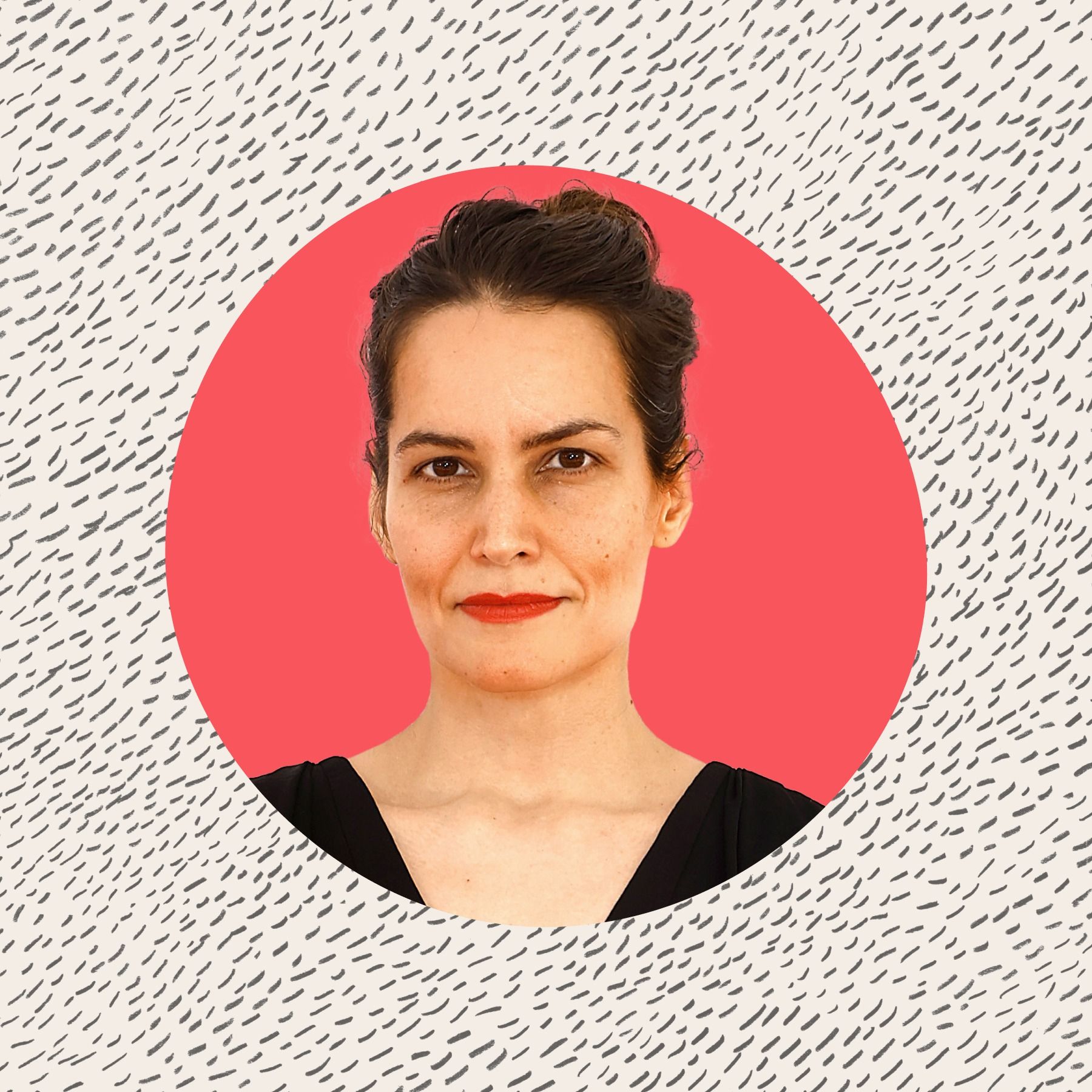
Modern Love
I Didn’t Want to Have Kids. My Husband Did. Could Our Marriage Survive?
00:53:04
Helena de Groot thought she had decided not to become a mother. But, she found, she had to make that decision over and over again.
Loading summary
Transcript234 lines
- [00:00]
Anna Martin
This podcast is supported by FX's Love
- [00:02]
Helena DeGroat
Story, John F. Kennedy Jr. And Carolyn Bessette.
- [00:05]
FX Love Story Promo Announcer
The new limited series from executive producer Ryan Murphy explores the complex courtship of the iconic couple considered to be American royalty. Their fairytale romance would become a national obsession, unfolding in front of the public eye. FX's love story, John F. Kennedy Jr. And Carolyn Bassett. Watch now on FX, Hulu and Hulu on Disney for bundle subscribers.
- [00:29]
Anna Martin
Love now and did you fall in love last fella?
- [00:31]
Helena DeGroat
Love was stronger than anything else. For the love of love and I
- [00:35]
Anna Martin
love you more than anything.
- [00:38]
Helena DeGroat
There's the love. Love.
- [00:41]
Anna Martin
From the New York Times, I'm Anna Martin. This is Modern Love. And today I'm talking to Helena DeGroat. For a long time, Halyna's been asking herself some version of the same question, should I have a kid? For some people, the answer to that question is really clear. But for Helena, it was really complicated. Most of the time she thought, no, motherhood is not for me. But over and over, a little bit of doubt would creep in and she'd wonder if she was making the right choice. She talks about all of this in her new podcast called Creation Myth. And I wanted to have Helena on today to understand how this question, should I have a kid? Ended up consuming not only her life, but affecting the people she loved, testing her marriage, and changing the future she imagined for herself. Helena de Groat, welcome to Modern Love.
- [01:33]
Helena DeGroat
Thank you, Anna.
- [01:34]
Anna Martin
Helena, you've just released a very personal podcast series. This series is about wrestling with a big decision. The decision of whether or not you want to become a mother and how to trust that the decision you make is the right one for you. And full disclosure, one of our producers on the show actually makes a brief cameo in it, which is how we heard about your story. I want to start here, though, with this certainty you had from a young age that you did not want to have kids. Tell me about it. Where did that certainty come from?
- [02:06]
Helena DeGroat
You know, when I was a little kid, I already imagined when I'm a grown up, I'm going to live in a big city, have a really cool job. I did not know what kind. It didn't really matter. It was gonna be cool. I was gonna have an apartment with a lot of plants. And on the weekend, crucially, I was gonna go dancing at a club.
- [02:26]
Anna Martin
I mean, this sounds like a fabulous life, right?
- [02:28]
Helena DeGroat
And there was no kid in that scenario. But that's not something I realized, you know? And my aunt, my mother's sister also didn't have kids, and she had such an inspiring life. Like she was an artist. She organized these dinner parties where everyone came in sort of costume and played music. And with costume, don't think Halloween, think like Venetian ball.
- [02:56]
Anna Martin
Sexy. It's kind of sexy costumes.
- [02:57]
Helena DeGroat
Yeah. You know, so it was just the coolant.
- [03:00]
Anna Martin
I mean, it's kind of a trope for a reason, right?
- [03:02]
Helena DeGroat
Yes.
- [03:03]
Anna Martin
And she didn't have any kids.
- [03:04]
Helena DeGroat
She didn't have kids. So again, it was not like, oh, just like her, I don't want to have kids. But I think that sort of fed into my image of what I would want for my own future. And it was only when I got older and people started asking me straight up, you know, like, as a woman, you're in your early 20s and people are like, all right, so when is it happening?
- [03:27]
Anna Martin
It happens to me all the time. Right now. Yeah. I'm in my early 30s. Uh huh.
- [03:30]
Helena DeGroat
And so I did talk about it a lot, especially with my oldest friend, Sigrid, even at this young age. You know, we met when we were. I was in my early 20s, she was in her mid-20s. Like our lives, as I said, we were still figuring it out. We were working internships, working, you know, living with. We were not in a place where we could imagine having kids. You know, like that was not practically possible, but she was very sure that she wanted them. You know, we would talk about this and she would try to convince me, but not because she had any skin in the game. I think she was just puzzled that I didn't want that, because for her it was so clear and she was my friend. We loved each other. Still love. I don't know why I'm talking in the past. You know, she's my friend, we love each other. So. So I didn't have to be defensive. So it was almost in conversation with her that I. I don't wanna say I figured out why, because that is overstating it. But I. But it just helped me think through it. And I think what she was trying to do was reassure me, you know, like, I think you'd be fine. You know, like you have such a big heart. That's the thing that she would sort of talk about the most, what she imagined that love would be like. And like, Helena, you're so good at love, like, there's no problem. I think she was mostly trying to make sure that I wasn't missing out on something that I actually would want. Because I thought, oh, I am not good enough. Or not. Right. Something like that.
- [05:08]
Anna Martin
Were you convinced?
- [05:09]
Helena DeGroat
Oh no, she Tried. Thank you. Yeah, yeah, yeah, yeah. But, well, you know, again, it was like, I love those conversations, and I initiated them a lot. You know, it's not. It's not like it was an ordeal or, oh, here we go again. You know, it was really fun because my whole life was still open, and I was still figuring out who I, you know, who I was gonna be. Right. I did wonder is she writes. It's interesting, you know, because I feel like this question, right, Would it be something I want? It existed on the inside, and I rarely verbalized it. You know, I feel like externally I was getting more and more certain. And I started also in these conversations with Sigrid, right. Getting more and more reasons together to sort of say, well, this is why. And this is why. And this is why. That was just another bit of sand that was dumped in my gears, but it was inside, so I wouldn't tell people necessarily.
- [06:17]
Anna Martin
Why not?
- [06:19]
Helena DeGroat
Maybe this is like me liking order, but I like being sure. You know, I don't like doubt. Doesn't feel good, generally. No, right.
- [06:28]
Anna Martin
You say that. You know, you were getting sort of practiced at this debate almost. You were assembling your reasons for why you didn't want kids, at least externally, that you'd communicate to other people. What were some of those reasons?
- [06:40]
Helena DeGroat
You know, I always thought, well, I don't know what I'm gonna do for a job, but I probably want to. Like, I'm not good at making money. Like, I was pretty sure that my job would be very interesting and very poorly paid. And I thought, well, I don't want to have to give that up. You know, I don't want to be forced because I need to take care of a kid and provide for them, you know, to do a job I don't like. And then there's the reason that was, for me, the most convincing to myself and also the one that shut people up the quickest. It was my mental health. You know, when you say to people, like, I don't want a kid because I struggle a lot with depression, and there's a lot of depression in my family. Usually they're like, oh, okay, yeah. You know, because then they don't want to go into it. But that was a very real thing. And I was often, yeah, as I said, like, I got depressed. But then when I was not depressed, I also just felt sort of low. It's almost as if there is very dark wallpaper in my mind, and that's just where I live. You know, like, the walls just happen to be Plastered with, like, dark blue wallpaper. And that's gonna affect the color of my view, you know, of my experience.
- [08:16]
Anna Martin
So for a kid, you didn't wanna pass on this, Connect that to this sort of not having kids? For me, yeah.
- [08:24]
Helena DeGroat
Yeah. Well, I didn't think that life was this gift, you know, I felt like, wow, it's. It's sort of a hassle, you know, For a fact.
- [08:34]
Anna Martin
Yeah.
- [08:34]
Helena DeGroat
Neutral, maybe.
- [08:35]
Anna Martin
Yeah.
- [08:35]
Helena DeGroat
No, not even neutral. I just thought, like, why? Because people, you know, would say, you will love them more than you will love anyone. And I thought, well, if that's the case, why would you inflict the world on them? Why would you inflict life on them?
- [08:50]
Anna Martin
You know, eventually you meet a man.
- [08:55]
Helena DeGroat
Yeah.
- [08:56]
Anna Martin
You get married. How old are you when you get married?
- [08:59]
Helena DeGroat
Uh, 31.
- [09:01]
Anna Martin
How did you two talk about. About kids. The kid thing, as you put it.
- [09:05]
Helena DeGroat
Well, I. I didn't do that. Right. Let me just put that out there.
- [09:12]
Anna Martin
First hindsight.
- [09:13]
Helena DeGroat
Yeah. Mm. The day we met, I was not looking for any kind of romance. Uh, it was sort of a one afternoon stand, you know. And during that very fun afternoon, the condom broke. Oh. And he got really, like, he. He sort of, you know, panicked or felt really bad, you know. He felt really bad. He felt like he had done something bad. And he started apologizing and. Are you okay? And, you know, I was. I was. Yeah, I was okay. You know, also. Well, there's nothing to be done about it now. And he told me, don't worry, whatever you decide, I will support you.
- [09:54]
Anna Martin
He said that the first time you guys slept together?
- [09:57]
Helena DeGroat
Yeah. So we had met like four hours before. I know. That was my reaction also, like, wait, what? And like, inside me, I was laughing, you know. To me it was like, wow, that's a lot, you know, like, what is?
- [10:14]
Anna Martin
Thank you. I'm gonna go get plan B. Yeah.
- [10:17]
Helena DeGroat
You know, And I thought, well, see, he's American, you know, I'm Belgian. So I thought, like, ooh, maybe this is a cultural thing, you know, maybe that's how Americans are. I don't know too many, you know, and for me, this was very funny moment. For him, it was not. He looked very serious. So I thought, okay, well, you know, let me reassure him then. And so. And so I told him, you know, right then and there, first day we met, don't worry about it. I wouldn't go through with it anyway. I don't want kids.
- [10:44]
Anna Martin
Wow. And what was his reaction?
- [10:49]
Helena DeGroat
Well, this was the first of many non conversations that we had about this. Like, he didn't really respond to that. And also, it was like it was the end of the after, like I had to catch my train, you know, like, we were not. This didn't really seem like, oh, a door that we now have to open. Sure, sure, yeah, yeah. So that was that, basically.
- [11:10]
Anna Martin
But.
- [11:11]
Helena DeGroat
But then it.
- [11:11]
Anna Martin
I mean, you keep seeing each other. Eventually you get married. You say this was the first of several kind. How else did it come up, you know, later on in your relationship and then in your marriage?
- [11:22]
Helena DeGroat
Well, I have to tell the strange story of how we got married.
- [11:28]
Anna Martin
Please.
- [11:29]
Helena DeGroat
Because this is how it should go, right? Like, you meet someone and then you meet them more often. And then at some point, way down the line, you get married. And in the meantime, you have all these conversations, like, about kids. Okay, I recommend this course of action. Okay, I didn't do that. We were like, after he went back to the US we were in touch, like a little bit, but not really. And we definitely didn't talk about the kid thing. And then three years later, I went to visit a friend in the U.S. and I thought, hmm, who else lives in the U.S. that guy from that
- [12:08]
Anna Martin
fun condom breaking day.
- [12:09]
Helena DeGroat
Yeah, yeah, exactly. So I thought, okay, well, you know, let me email him and maybe he wants to hang out. And again, I had not romance in mind. I was just like, this guy makes me laugh so much. He's really good to be around. You know, he's from California. I've never been to California. I hear the weather is nice. So I went to visit my friend, took a plane down to California, and we spent two weeks together. He had planned out this whole road trip, like along the coasts, you know,
- [12:42]
Anna Martin
I mean, it's the most beautiful place in our country.
- [12:44]
Helena DeGroat
Maybe.
- [12:44]
Anna Martin
I mean, it's made for falling in love. So tell me, you fell in love on this.
- [12:47]
Helena DeGroat
Oh, 100%. Oh, well, yes, yes, yes, yes. So, yeah. So at the end of those two weeks, we get married. Oh. Oh, yeah. So, yeah, exactly. This is. It's. I love it. I need to say this in order for the rest to make sense. Yes, yes. You know, so we fall in love, right? And so we decide we want to be together. But I'm European and he's American. So if we want to live in the same place, you know, we're going to need some papers. So just. Yeah, we were just like, well, there's only one solution. And so it was very simple. It wasn't like, oh, you know, one of us went down on one knee. It was just really like, well, it's clear to both of us what we have to do. Let's do it. So we did that. And while we were in line, so we were in San Francisco at that point, and while we were in line at City Hall, I tell him, like, hey, you know this about me, right? I don't want to have a kid.
- [13:38]
Anna Martin
Wow. You bring it up in line to get your marriage papers.
- [13:41]
Helena DeGroat
Yeah. And this, this was like, there's a system. I don't know if it's across us, but in, you know, San Francis or in California, you have to go there, get some piece of paper, and then come back the next day and then you can get married. So I was giving him, quote, unquote, advance notice.
- [13:57]
Anna Martin
24 hours.
- [13:57]
Helena DeGroat
Yeah, exactly. Good for you. He could still bow out, you know. So anyway, I told him, like, you know, this about me. I don't want to have kids. And he said, I'd rather be with you than have kids. So to me, this settled the issue. You know, I didn't feel the need to. Again, this is naive in hindsight. We did not really have a conversation about it. I never asked him, do you want to have kids? I just thought, I've done my due diligence. I've told him the information about me. He knows. We're good.
- [14:37]
Anna Martin
We'll be right back.
- [14:50]
My Mochi Ice Cream Advertiser
Modern love is supported by My Mochi Ice Cream. It's the month of lovers of rich, creamy My Mochi ice Cream. My Mochi is a premium ice cream wrapped in soft, chewy dough like a sweet ice cream dumpling. It comes in delicious fruit flavors like strawberry and mango and classic favorites like cookies and cream. Every box of My Mochi has six mochis, so it's fun to share with the people you love most. Grab a purple box of My Mochi ice cream today and feel joyfully chill.
- [15:21]
Anna Martin
This podcast is supported by FX's Love
- [15:23]
Helena DeGroat
Story, John F. Kennedy Jr. And Carolyn Bessette.
- [15:26]
FX Love Story Promo Announcer
The new limited series from executive producer Ryan Murphy explores the complex courtship of the iconic couple considered to be American royalty. Their fairytale romance would become a national obsession, unfolding in front of the public eye. FX's love story John F. Kennedy Jr. And Carolyn Bessette. Watch now on FX, Hulu and Hulu on Disney for bundle subscribers.
- [15:47]
Helena DeGroat
This podcast is supported by the Freedom From Religion Foundation.
- [15:50]
Freedom From Religion Foundation Announcer
The First Amendment guarantees freedom of religion and protects us from government imposed religion. But across the country, officials are pushing prayer into public schools and blurring the line between church and state in ways the Constitution doesn't allow. The Freedom from Religion Foundation Exists to hold the government to the law, keep public institutions neutral on religion. Visit FFRF US New Year or text NYC to 511511 NYC to 511511 text. Fees may apply.
- [16:30]
Anna Martin
You move to the U.S. yeah. You settle into a life together. Does this come up again? I mean, it sounds like you weren't bringing it up, did he?
- [16:38]
Helena DeGroat
Yeah, he brought it up pretty quickly. And I can't tell you how quickly or when was the first time, but it was pretty quickly after I moved. And I just remembered that all of a sudden this became a thing that he started to want to open up as if it was still something that we were discussing. And he told me many years later, many, many years later, that he had said to his mother, she doesn't want to have kids, you know, and his mom reassured him, don't worry about it, she'll change her mind. At her age, I didn't want kids either. You know, she'll come around. So I don't think he lied when he said, you know, like, he does not have a malicious bone in his body. I don't think he lied when he said, I'd rather be with you than have kids.
- [17:31]
Anna Martin
Ye.
- [17:31]
Helena DeGroat
I think it was just some combination of like, I think I can do this. And then the other part is like, well, she'll probably come around anyway.
- [17:38]
Anna Martin
Right. Or, you know, sort of holding two contradictory thoughts at once, which is like quite literally the human experience, I feel, you know, like the human condition. So it's clear, it becomes he starts bringing this back up, opening back up this door that you thought was closed.
- [17:52]
Helena DeGroat
Yeah.
- [17:53]
Anna Martin
What would he say, you know, even generally if you don't remember specific conversations. And how would you respond?
- [17:59]
Helena DeGroat
Yeah, well, again, you know, one of the things that he would say is like, you are such a loving person. You would be good at this. And the other thing, you know,
- [18:12]
Anna Martin
he
- [18:13]
Helena DeGroat
knew that I felt sort of like a scaredy cat comparison to him. Right. He was this worldly man who had done all this very adventurous stuff, and I had not. And so I think this was just another example of that to him, you know, that, like, having a kid. Sure. It's this big thing. You won't know what it's like until you do it. So in that sense, it's very much an adventure. But, you know, just get over your fear. And this was a very difficult time for me in general because I had just moved, I had just quit my job, I had left behind my family, my friends, you know, my language, my city, my, like, everything That I knew and loved and that made me feel like me I had left behind. And I couldn't work yet. I didn't have a single friend yet. That's tough.
- [19:06]
Anna Martin
Yeah.
- [19:06]
Helena DeGroat
So I just was like, what am I? I'm so untethered, I don't even know who I am. Because I would tell him, right. Like the. Oh, yeah, well, the inequality between us also, like, he was American. He knew the place, he had a job. He was sort of in his. Like, he was home. Right. And I was not. So he had that advantage. He had a good job. I was not yet allowed to work. And again, you know, to go back to what we said before, like, even if I had a job, it would never be the one that would be able to provide for the family. And, you know, he could be the one to stay home with the kid. Like, I knew that, like, if anyone had to give up work, it would be me. And so that made me very angry, too. But then he. One of the things that he would say is like, no, I would. We would figure it out. I would take a job where I could take part time, you know, like, I have savings. Like, I would not let you do this alone.
- [19:58]
Anna Martin
He has an answer to everything you're saying. Yeah. Did he ever convince you?
- [20:06]
Helena DeGroat
Not with words. Something happened many years into our marriage. I got pregnant by accident. And I found out when he was on a trip. And the day I found out was the day he was coming back. So I knew I had only this much time to sort of. Cause what I didn't want to. Like, I wanted to figure out what to do before he came back. Because my reasoning was, if I decide not to have this baby, I don't even want him to know that I'm pregnant, because that would gut him.
- [20:49]
Anna Martin
Wow, your husband. You don't want him to know, huh?
- [20:51]
Helena DeGroat
Yeah. Wow. So he came home and I thought, well, you know, I can't share this because I haven't figured it out yet. But he came in and he had just learned that his sister had died.
- [21:05]
Anna Martin
Oh, my gosh, I'm so sorry.
- [21:08]
Helena DeGroat
And she had been sick for a long time. It was not a surprise, but it was, you know, she was very young. It was really tragic. And also there was this sort of cosmic element to it. Right. Like, here I have this new life inside me. Like this one life begins as this other life ends. And I felt like maybe I don't know everything about life. Maybe life knows some things that are bigger than me and my little, you know, will and what my Plans for my job and whatever. And so I told him, wow. And his face, like, I will never forget this, his face. He was holding his hand in front of his mouth, I think maybe in order to hide his smile, but it was like the sun broke over, like, through the clouds over his face, you know, like, he was beaming immediately. That was the moment where I thought, I think I should try. Well, there's no trying with having a kid. Right. How should I put this? It's not like I think there's no confidence involved. You know, I did not have any confidence, like, I could do it, but I thought, he is so happy. There's, like, a sign here. You know, with his sister dying and me being pregnant, I think I should stop imposing my will. I think I should just let life run its course and go with this.
- [22:57]
Anna Martin
So did you?
- [23:02]
Helena DeGroat
No. The short answer is no. But it took a little bit, you know, like, also, because maybe that's not everyone's experience, but my experience being pregnant was a really profound physical and emotional change, you know, like, immediately. Like, the hormones that run through your body are a powerful drug, you know? And I felt, like, calm and optimistic in a way that I don't really usually, you know, do.
- [23:37]
Anna Martin
Interesting.
- [23:38]
Helena DeGroat
And so that gave me confidence. I was like, yeah, maybe I can. Maybe this is what it will feel like to be a mother. Like, you just, you know, you're just sort of transformed into a person who can do this. A different self. Yeah. It must be that life sort of has. Or, like, you know, evolution has arranged it this way. Right. Like, maybe you can't do it, but then it's happening and you can, you know? So I thought maybe this is just the start of how it's gonna be.
- [24:03]
Anna Martin
You felt good?
- [24:04]
Helena DeGroat
I felt great. Wow. I have. Okay. This is all this retro stuff that I don't intellectually agree with or sort of, you know, ethically or whatever, but purely physically, emotionally. I felt like such a woman. I felt like I always wear pants. You know, I felt like I need dresses. I need to sort of walk and feel my clothes sort of whirl around it. All this stuff, you know, from just the hormones.
- [24:33]
Anna Martin
The hormones are rushed. I mean, I am struck that at the time, you're moving forward with it. This is a thing that, for the past several years, you've been incredibly staunchly opposed to having. You are living the opposite of what you intended.
- [24:53]
Helena DeGroat
Yep.
- [24:53]
Anna Martin
And you are feeling good. I mean, you're being flooded with hormones, but you're feeling good.
- [24:58]
Helena DeGroat
Yeah.
- [24:58]
Anna Martin
Optimistic.
- [24:59]
Helena DeGroat
Oh, yeah. I felt, you know, this thing that I said earlier, right? About, like, how can you afflict this world onto a kid? And.
- [25:05]
Anna Martin
Yeah. What do you think about that?
- [25:06]
Helena DeGroat
Did not think about it.
- [25:07]
Anna Martin
Huh.
- [25:08]
Helena DeGroat
You know, and I don't. I can't tell you what I did think. It was just not on my mind, and I just believed that things would be okay.
- [25:18]
Anna Martin
How long did this feeling last?
- [25:22]
Helena DeGroat
I don't know, 100%, I think two weeks. The hormones changed. I got nauseous also. So his sister had died. We went to California to see his family.
- [25:44]
Anna Martin
You're not in California anymore at this time.
- [25:45]
Helena DeGroat
Oh, sorry. Yeah. At this point, we'd moved to New York.
- [25:48]
Anna Martin
Gotcha.
- [25:48]
Helena DeGroat
And it's while we were in California that it started shifting. I had been so unhappy in California when we lived there, you know, it was not my place. I love New York. I love Seasons. I love walking. I love people with a sort of darker sense of humor, you know, so it was just. California was not my place. And there we were again in this place where I'd been so unhappy and. Yeah. And the hormones started changing, and I got nauseous, and I just wasn't feeling at all the drug that I felt. And it was like I came back to myself, you know, and it turns out I was still me, and I still didn't want this.
- [26:28]
Anna Martin
And it hit you when you were in California?
- [26:31]
Helena DeGroat
Yeah, we were staying with this mom, and I remember exactly where I was. I was, you know, on the carpet, on the floor, in the guest room. And I felt sort of trapped in my own body, you know, like this clump of cells is gonna soon turn into, you know, a fetus and then a baby, and then it's gonna, you know, come out. And I don't know, it just felt like, wow, it's not gonna get better from here, you know, it's only going to entrap me more every passing week. And if I already feel trapped now, I can't do this. And so I told him.
- [27:08]
Anna Martin
You told him then?
- [27:09]
Helena DeGroat
Yeah. I mean, I. I went online. I booked the first available appointment with Planned Parenthood in New York. That was two weeks ahead. And then I told him, and I flew to New York.
- [27:22]
Anna Martin
Wow. How did he respond to that?
- [27:26]
Helena DeGroat
He was so kind. I know. It breaks my heart to think about, like, he was not angry with me. He didn't try to convince me. He held me. He booked my plane ticket for me. He drove me to the airport.
- [27:43]
Anna Martin
But you were doing this on your own?
- [27:45]
Helena DeGroat
Well, I think. I don't remember this 100% sure, but I Think he. He asked like, you know. Yeah, like, should I come? And I think I said no. That seemed like too. You know what I mean? I don't want him to be there holding my hand while I abort this,
- [28:03]
Anna Martin
you know, this baby that he really wants.
- [28:05]
Helena DeGroat
Yeah. Yeah. So I did it on my own.
- [28:11]
Anna Martin
How did you feel leaving the office?
- [28:18]
Helena DeGroat
So I went to Planned Parenthood. I can't remember how it was. Maybe, like, four people that you see, you know, before they give you the abortion and, you know, they would ask me questions like, what kind of birth control did you use? You know, like. So they ask. And then, like, one person does the sonogram, and one. So there were all these people who were asking me all these questions, and I like asking people questions. So they would ask me, and I would ask them, and they were so wonderful and open, you know, I was like, do you want to have a kid? You know?
- [28:50]
Anna Martin
Wow. You're asking them that?
- [28:52]
Helena DeGroat
Oh, yeah.
- [28:52]
Anna Martin
At the Planned Parenthood.
- [28:53]
Helena DeGroat
At the Planned Parenthood. And they would answer me, you know, they were so open, every single one of them, you know, and one was like, yeah, I think so. Not with the guy I'm with, though. That's real sister. Yep. And then, you know, another woman was like, I have kids. I have two. I had my first one when I was 14, and I love my kids to death. And also, I don't ever want anyone to have to go through what I went through. So this is why I work here, you know? So, like, these women were really, like, forthcoming, and they were really, like. They treated me like a human, you know, who was making a very important decision for her, her life, and they were taking that seriously. I had the surgery, and then I came out of the operation room, and they put you in, like, one of those big chairs with a little curtain around it, and they give you juice and a cookie. And suddenly I felt very guilty towards my husband, you know, and another nurse comes up to me and is like, how are you feeling? And I suppose she's. I don't know, actually. I suppose. But probably she's asking about my heart rate or whatever. But I told her how I was feeling, and I told her.
- [30:16]
Anna Martin
You said, I'm feeling guilty.
- [30:17]
Helena DeGroat
Oh, yeah.
- [30:18]
Anna Martin
Guilty because your husband wanted this baby.
- [30:21]
Helena DeGroat
Yeah.
- [30:22]
Anna Martin
You share that with her?
- [30:23]
Helena DeGroat
Yeah. And she sat down on the armrest of this big chair, and she said, you have nothing to feel guilty about. If you don't want this, it would not be right to do this. And you have. You know, you did what was right for You. And I really want you to know that you did nothing wrong. So when. This is a long way to answer your question. How did you feel when I. When you left that office? I felt so supported. I felt incredibly relieved and grateful. Also, what I didn't know was that those hormones are gone the moment that the clump of cells is gone.
- [31:16]
Anna Martin
Whoa.
- [31:17]
Helena DeGroat
Yeah. I did not know that. And maybe that's not. Maybe a scientist is gonna call you and be like, no. But that's what it felt like. Yeah. So I was no longer nauseous immediately. I no longer felt, like, sort of dissociated from my body. Like I was me again. It was like, oh, I'm back. Here's my brain as I know it. Slightly more, you know, pessimistic, but welcome back. You know, it's nice to feel like myself again. So, yeah, I knew right away this was the decision for me,
- [31:50]
Anna Martin
I guess. I want to know, did this abortion change your relationship, change your marriage?
- [31:58]
Helena DeGroat
Yes, absolutely. How? You know, we weren't the biggest talkers about hard emotional stuff. You know, he was not very good, maybe, at sort of voicing the deepest layers of, like, all of the stuff that went on psychologically for him. And I was afraid to ask. You know, I kind of didn't want to know.
- [32:34]
Anna Martin
Know what?
- [32:35]
Helena DeGroat
Yeah. How he was feeling. I didn't want to know about his sadness, you know, and so, you know, because he wasn't offering and I wasn't asking, we didn't talk about it, but it definitely. He was. After that, he was sort of slowly wasting away, you know, like, he didn't eat well anymore. Like, he's such an optimistic person. He's very quick to smile. There's, like, a sort of light in his eyes, you know, he's always so happy to see, you know, this bird and this squirrel, and, like, that was gone. And, like, his face was sort of gray, and that went on for months.
- [33:28]
Anna Martin
Did that guilt resurface that you'd felt in the chair after the.
- [33:31]
Helena DeGroat
Oh, yeah.
- [33:32]
Anna Martin
What did you do with it?
- [33:34]
Helena DeGroat
Nothing. I smushed it down. You know, I didn't want to do anything with it because I did keep. Like, the guilt didn't make me wonder, oh, did I make a mistake? No, I knew. I really, really, really, really, really knew. And so it was guilt, but also powerlessness. Like, I am so sorry that I hurt you, this person that I love so much. And also, I'm not gonna do anything about it. Like, that's awful, you know? Yeah.
- [34:07]
Anna Martin
Did you stay together? What happened?
- [34:10]
Helena DeGroat
We stayed Together for another year, year and a month or so. And then it was my birthday, and I organized a birthday party. I never organized birthday parties. Like, that seemed so indulgent to me. So much, like, for a child. And also, like, I don't love parties, even when I just go to one. And now I was like, you know, life is short and I'm gonna do a party, and I'm so happy. And this is like. Because I was so happy with our life, you know, because, okay, my husband was really not doing great. But then he. Then after a few months, you know, he started. Some things shifted. He started taking care of himself again. He started working out. He loves that. Like, you know, he went swimming a lot. Like, he just did the things that made him feel good and he felt better. And so I thought, fabulous. We've turned the corner. We're back, we're back. You know, we've, like, withstood the storm or, you know, so I was riding this high, you know, and I thought, wow, I love my life, love New York, love my relationship. Don't want to have a kid. Don't have a kid. Great. So I organized a birthday party and had such a good time. Surprised myself that I had a good time at a party. And that night I was still sort of, you know, just. Yeah. Like, up, you know, from the whole party thing. And we're lying in bed and something happens on his face. And, you know, he says, I need to talk about something. And he told me, I really want to have a kid. I have to try this. And I think it was just like, you know, when I told him, I'm sorry, I can't do this. I have to have an abortion. He didn't fight me. It was like, that. I didn't fight him because here's this person I care about so much. I want him to have what he wants, and I can't give it to him. So he left.
- [36:30]
Anna Martin
This relationship with someone you love so deeply, it's so clear to me, ended because you did not. You could not be a mother. Where did that leave you?
- [36:47]
Helena DeGroat
There was. There was a. I could be. In order to protect him, I wanted to really be, like, clear throughout our eight years of marriage, you know, like, nope, don't want that.
- [37:03]
Anna Martin
You wanted to have a boundary.
- [37:04]
Helena DeGroat
Yeah. Yeah. And I just didn't want to mess with him, you know, give him hope
- [37:07]
Anna Martin
where maybe hope didn't exist.
- [37:09]
Helena DeGroat
There you go. I didn't want him to see any ambiguity from my side about this. But then he left, you know, and all Of a sudden, I just put down my armor and take stock of my life too, right? And like, wow, I love this man. He is gone. This is because I don't want to have a kid. This is what my decision has cost me. Wait, why do I not. Is this really so important? This is more important than he is to me. Like, it just. It's so ridiculous, right? Because at this point, I was. Yeah. 39. I had been thinking about this pretty intense. Like, this was, you know, a question that I was always sort of thinking about in some capacity for two decades. Right. And yet in that moment, it was as if it was the first time that I was really asking.
- [38:12]
Anna Martin
Hmm. It's really interesting to me because there's a way I feel this could have gone where, you know, you get this divorce or he leaves, you know, you separate and it's so hard. But you look at the situation, you say, you know, I knew I didn't want to have kids. Now I don't have kids, you know, but this is not what happened. In fact, the opposite happened, where it's like this door was open and all of these emotions you hadn't perhaps allowed yourself to feel come flooding in. And it sounds like doubt is one of those emotions. Doubt in this certainty that you don't wanna be a mother, that you don't want kids.
- [38:53]
Helena DeGroat
Well, you know, the interesting thing is, like, the doubt was not about, do I want to have a kid or not. I still felt certain that I didn't. The doubt was more like, do I not want it for the right reasons? Maybe this thing that my husband said, like, it's your fear talking. Maybe he's right. What I asked myself was, what is wrong with me? Why am I this kind of person? And can I change?
- [39:32]
Anna Martin
We'll be right back.
- [39:43]
My Mochi Ice Cream Advertiser
Modern love is supported by My Mochi ice cream. It's the month of lovers of rich, creamy My Mochi ice Cream. My Mochi is a premium ice cream wrapped in soft, chewy dough like a sweet ice cream dumpling. It comes in delicious fruit flavors like strawberry and mango and classic favorites like cookies and cream. Every box of My Mochi has six mochis, so it's fun to share with the people you love most. Grab a purple box of My Mochi ice cream today and feel joyfully chill.
- [40:13]
Anna Martin
This podcast is supported by FX's Love
- [40:16]
Helena DeGroat
Story, John F. Kennedy Jr. And Carolyn Bessette.
- [40:18]
FX Love Story Promo Announcer
The new limited series from executive producer Ryan Murphy explores the complex courtship of the iconic couple considered to be American royalty. Their fairytale romance would become A national obsession unfolding in front of The Public Eye. FX's Love Story. John F. Kennedy Jr. And Carolyn Bessette. Watch now on FX. Hulu and Hulu on Disney for bundle subscribers.
- [40:40]
Drake May
Listen up, guys. It's Drake May here to help get your finances into shape. You want to feel confident about your money. You need Betterment. Their automated tools help you grow your wealth and save on taxes. You don't even have to call an audible. They handle it for you. Take it from me, when you know your money is doing what it should be, you become full of that, that we got this energy. That's the Betterment effect in action. So get up, sign up, and start investing like a pro. Get started today@betterment.com investing involves risk performance, not guaranteed paid client ad. Views may not be representative. See App Store and Google Play Store reviews. Learn more@betterment.com Pursuit better partners.
- [41:36]
Anna Martin
Basically, you're in this soup of trying to figure out, you know, what you want, how you feel about it, who you are. Are you talking to people during this time? How are you sorting this through?
- [41:50]
Helena DeGroat
You know, I talked so much. Like, this is actually where I started recording the stuff that would go into the show because, like, I don't journal, you know, but I talk into my voice memo app as a way of journaling and processing what I'm feeling. So that's what I would do. I would either just hit record and talk to myself about my feelings, or I would send a voice message to a friend, or I would meet up with a friend, like, say, go for a walk in the park and ask, can I record our conversation? And it was really, for me, a way to go back to square one in a way like, okay, who am I really? Can I change this? What would it take to change? I was sort of almost asking for input, like, who do you think I am? You know, I wasn't asking that directly. And also, I wasn't aware of it at the time that that was what I was asking. But I think there was a little bit of a. Both desperation and possibility in that moment. Cause I was like, maybe I can change.
- [43:04]
Anna Martin
Yeah, you're allowing yourself to think more deeply and to really inquire about the why behind your certainty. It's in this time, which. What a time that you meet someone.
- [43:20]
Helena DeGroat
Mm.
- [43:22]
Anna Martin
Were you looking for.
- [43:23]
Helena DeGroat
Oh, God, no. God, no. Speaking of guilt, I felt so guilty because this was six months after my husband left. Okay, so here's what happened. I. My husband left. I happened to be extremely busy with work, which was such A blessing. That's good, because I could just plunge into that and not be sad every moment of every day. So I would, like, record these messages and cry and my phone. Huh. And then I would just get back at my computer and work. Like, I was not looking to date. Right. I was just looking to imagine.
- [43:59]
Anna Martin
You were.
- [43:59]
Helena DeGroat
No, I was talking to my friends, and I was happy to drown my sorrows in my podcast. You know, it happens to the best of us. Yeah. And it's through this podcast that I collaborated with someone who, you know, he came to my home so we could work on this thing. And I a little bit lost my mind the moment I saw him. I felt like I was 12 again, and I had my first crush where I didn't. I'd never talked to a boy, that kind of thing, you know?
- [44:34]
Anna Martin
What a freaking addictive feel. I'm just. I'm smiling. Cause I'm like, yeah, that's what it is. You lose your mind a little.
- [44:43]
Helena DeGroat
Yeah. I stopped eating.
- [44:46]
Anna Martin
You were lost.
- [44:47]
Helena DeGroat
I lost so much weight. It was so ridiculous. Oh, my gosh.
- [44:49]
Anna Martin
Oh, you were feeling so obsessed with this person.
- [44:52]
Helena DeGroat
Yeah. I had downloaded a picture of him that I found on his website. Oh, my God. I've done it. Wait, no. I don't know.
- [44:58]
Anna Martin
Say what you're gonna say.
- [44:59]
Helena DeGroat
What did you do? I put it on my desktop, and then I would, like, work on my thing that had a really close deadline, and then I would just, like, click away my project and just look at that picture. Oh, my God. And then be like, God damn it, Helena. You have no time for this. Delete the picture. Work. Of course, like, an hour later. Just go back to the website, download the same picture.
- [45:19]
Anna Martin
I actually haven't done that, but, I mean, I have Googled pictures of my crushes.
- [45:23]
Helena DeGroat
Yeah, yeah, yeah, yeah.
- [45:24]
Anna Martin
I mean, so these feelings are intense.
- [45:26]
Helena DeGroat
Yeah.
- [45:26]
Anna Martin
They're taking you by surprise. Eventually, you move from just looking at the photo of him on the desktop to dating.
- [45:34]
Helena DeGroat
Yeah.
- [45:37]
Anna Martin
And I mean, I'm sure you can anticipate this question. You get into this relationship with this new person. Are you talking about kids? I mean, does it come up?
- [45:47]
Helena DeGroat
I mean. And again, it's sort of like, at this point, I am not gonna have this discussion ever again. Right. Like, I'm not going to enter into the heartache of that. So I want to be. I feel like I was clear with my husband, but I want to be, like, extra clear, you know? So I told him very quickly, like, hey, here's the deal. I do not want kids.
- [46:10]
Anna Martin
How did he respond.
- [46:11]
Helena DeGroat
Yeah, he was. He was fine with that. He said, we were 39 when we met. He's my age. And he said, yeah, I have never really thought about it.
- [46:27]
Anna Martin
And you were like, yeah, me neither.
- [46:30]
Helena DeGroat
To be a man, just sort of
- [46:31]
Anna Martin
decades of every single waking.
- [46:34]
Helena DeGroat
And all these conversations with my friends. Right. My female friends, who are also. Yeah, exactly.
- [46:38]
Anna Martin
So, okay, I'm laughing, but I'm also sort of, like, exaggerated to be a man.
- [46:41]
Helena DeGroat
Yeah, yeah.
- [46:43]
Shopify Advertiser
Could happen.
- [46:44]
Anna Martin
Could not. Yeah, it's sort of.
- [46:45]
Helena DeGroat
I don't know.
- [46:46]
Anna Martin
Like.
- [46:46]
Helena DeGroat
We'll see. Also, I have, like. Like 40 more years in me that I can have a kid. You know, no rush.
- [46:52]
Anna Martin
Anyway, I am laughing.
- [46:53]
Helena DeGroat
Yeah. So, okay. So we had that conversation. And when I needed to figure out birth control, I thought, you know what? Let me just go for the thing that makes it sort of clear forever. I'm gonna get my tubes tied. Huh?
- [47:08]
Anna Martin
Okay. Cause I don't know if a lot of people would jump to that, but. So tell me the thought behind that decision. You were just like, I don't even want this to be a possibility on the table.
- [47:18]
Helena DeGroat
Yeah, I think. Yeah. You know, I was just so. Because, I don't know. Birth control kind of sucks. There's no good solution. Like, I don't like the hormonal stuff. Totally. I don't like stuff.
- [47:28]
Anna Martin
A lot of people feel that way.
- [47:29]
Helena DeGroat
Right, Right. It all sucks. And so I thought, how about I'm done with this forever? And I guess it was. I know that it was also a way for myself to sort of draw a line and be like, I've thought about this long enough. I want to think about something else now, you know? So if I have this surgery, it will be a done deal and we don't have to look back. It will. The certainty will just become a fact, and then that's that.
- [48:06]
Anna Martin
And let me just. Because you'd spent some time wondering, like, am I the kind of person who could change her mind?
- [48:13]
Helena DeGroat
But.
- [48:14]
Anna Martin
But this decision, making that decision would foreclose that change. And that felt okay to you now?
- [48:21]
Helena DeGroat
Yeah. I mean, it is contradictory. Right. But again, I think. I feel like maybe I've overstated it a little before, but, like, my goal was not to get myself to a place where I could want a kid. It was just like, I wanna transform. I wanna be a different kind of person. I don't wanna be afraid anymore. I wanna say yes to things. I wanna be more outgoing, take risks. And maybe if I do somehow become that person, who knows?
- [48:48]
Anna Martin
Who knows what I'll but it was
- [48:50]
Helena DeGroat
not really like, oh, that's the goal I'm going for.
- [48:52]
Anna Martin
I understand. And this felt like a powerful decision that someone who knows what they want would make. Okay, this makes sense to me. So you're like, I'm gonna do this. I can think about something else. That's what you. It would open up space in your. In your mind, in your world, to just not have to think about it.
- [49:13]
Helena DeGroat
Exactly. I would be free from that forever. That sounded so great, you know? So I found a doctor, and in New York, you have to sign this piece of paper that is like, I consent to do this. And then also, you need to wait, because are you really sure? Are you really sure? And then you can come back after a month and get it done. So I signed the paper, and then the waiting started. And I was so relieved that, like, wow, here I was on the cusp of, like, a new life, right? Where, like, I could think about different things. I didn't have to worry about getting pregnant ever again. And this doctor had made no problem at all and not judged me or anything. I cried with relief the moment I left her office, you know? And then I kept crying on the subway home. And I got home, and I was still crying. And I thought, this is a lot of crying for just relief, you know? So again, let me do some processing out loud. So I sent another voice message to a friend and started talking, like, why am I this sad? Right? This great thing is about to happen. I'm finally released from this hold that this question has had over me, you know, for such a long time. Why am I all of a sudden, so sad? And it was just these questions that came up didn't even make sense to me. Like, will I still feel like a woman once I've got my tooth tied? And, like, this is so horrible, right? Like, I don't believe that for a second. And anyone who has their tubes tied or anyone who's infertile, like, forgive me, you know, this is not about you.
- [51:01]
Anna Martin
This was. This was what was coming up for you emotionally.
- [51:05]
Helena DeGroat
And it was just a fear that came out of left field. It was like, what is this? You know? And, like, will I still be desirable? You know, will this new man that, you know, that is sort of the. I'm not doing it for him, obviously, but, like, will he still want me maybe? It's so unsexy, you know? So I felt all kinds of ways about it. Very scared of the surgery also, you know, surgery is not a thing that I would ever choose to do. And here I was choosing. And then in that voice message, I had this feeling. It was like a fingernail thickness big. All right. Just imagine the tiniest little feeling that was like, wait, do I want to have a kin?
- [52:03]
Anna Martin
And that tiny. Like that fingernail thick, maybe. I mean, that could not exist if you went through with this appointment to
- [52:14]
Helena DeGroat
get your test done. Exactly. Yep. It's kind of what I said in the beginning. You know, I love certainty.
- [52:18]
Anna Martin
Yeah.
- [52:20]
Helena DeGroat
Like, I think, sure, you know, I was doing this for birth control, but I think the main reason that I was doing it was to sort of put this issue to bed once and for all. And I realized in that moment, oh, that will never happen. I will never know what this is like. In a way, you cannot make that decision. Nobody can. Right. Like, you don't know what you're deciding. You don't know what you're saying yes to or no to. You don't know. And I thought forever that I did, that I could know. If only I read one other book about it, if only I asked one other friend about it, I could know. And I got to a place where I realized, no, you either jump or you don't, but it will be uncertain either way. You will have no way of knowing where you're going to land.
- [53:06]
Anna Martin
And so tell me where that realization, how that factored in to your decision of whether or not to go through with this surgery?
- [53:14]
Helena DeGroat
I think it was the moment that I realized, oh, I will never like this certainty that I was chasing. I'll never catch it. You can't. And so if I can't be certain and if the surgery won't be anything that will help me be certain, why would I take this risk? It felt unnecessary.
- [53:38]
Anna Martin
As we sit in the studio today, you do not have a kid.
- [53:41]
Helena DeGroat
I don't.
- [53:45]
Anna Martin
I hate to poke a hole in our entire conversation, but what if you end up regretting that? Do you think there's a possibility in which you would end up regretting that decision?
- [53:57]
Helena DeGroat
I think regret is a very big word. Like, I'm not afraid of regret. I think I will always be curious what if, you know? And that will always have a little sadness around it. Like, one of the cutest things is, in my opinion, a toddler with a helmet.
- [54:22]
Anna Martin
Oh, my God. Or glasses. Rex.
- [54:24]
Helena DeGroat
Right?
- [54:24]
Anna Martin
Those glasses that attach in the back.
- [54:26]
Helena DeGroat
Oh, the ear. Oh, my God. With a little elastic back.
- [54:29]
Anna Martin
So cute. Nothing could be cuter than that.
- [54:33]
Helena DeGroat
Yes, yes, yes. And so before I would see that and completely melt and think, wait, is that a sign that I'M making a mistake. You know, every stupid little thing could throw me off balance. And I was always asking the question, am I wrong? Am I wrong? Am I wrong? And now I'm just like, that is so freaking cute. I feel my heart ache a little. You know, let me just feel that. And then I'm gonna go on with my day. So I don't think, like, regret is sort of the size of the thing that I will land on.
- [55:10]
Anna Martin
It's curiosity.
- [55:10]
Helena DeGroat
It's curiosity. Yeah.
- [55:14]
Anna Martin
What a beautiful way to reframe regret is curiosity about what could have been. Helena, thank you so much for this conversation.
- [55:25]
Helena DeGroat
Thank you, Anna.
- [55:33]
Anna Martin
The Modern Love team is Davis Land, Elisa Gutierrez, Emily Lang, Jen Poyant, Lynn Levy, Reva Goldberg and Sarah Curtis. This episode was produced by Davis Land with help from Sarah Curtis. It was edited by Lynn Levy and Jen Poyant. Our mix engineer was Daniel Ramirez. Original music in this episode by Alicia Be Itup. Carol Saborough, Pat McCusker and Dan Powell. The Modern Love column is edited by Daniel Jones and Mia Lee is the editor of Modern Love Projects. If you'd like to submit an essay or a tiny love story to the New York Times, we've got those instructions in our show notes. I'm Anna Martin. Thanks for listening.
- [56:18]
Helena DeGroat
Foreign.
- [56:26]
Shopify Advertiser
When it's time to scale your business, it's time for Shopify. Get everything you need to grow the way you want. Like all the way. Stack more sales with the best converting checkout on the planet. Track your cha chings from every channel right in one spot and turn real time reporting into big time opportunities. Take your business to a whole new level. Switch to Shopify. Start your free trial today.