← Modern Love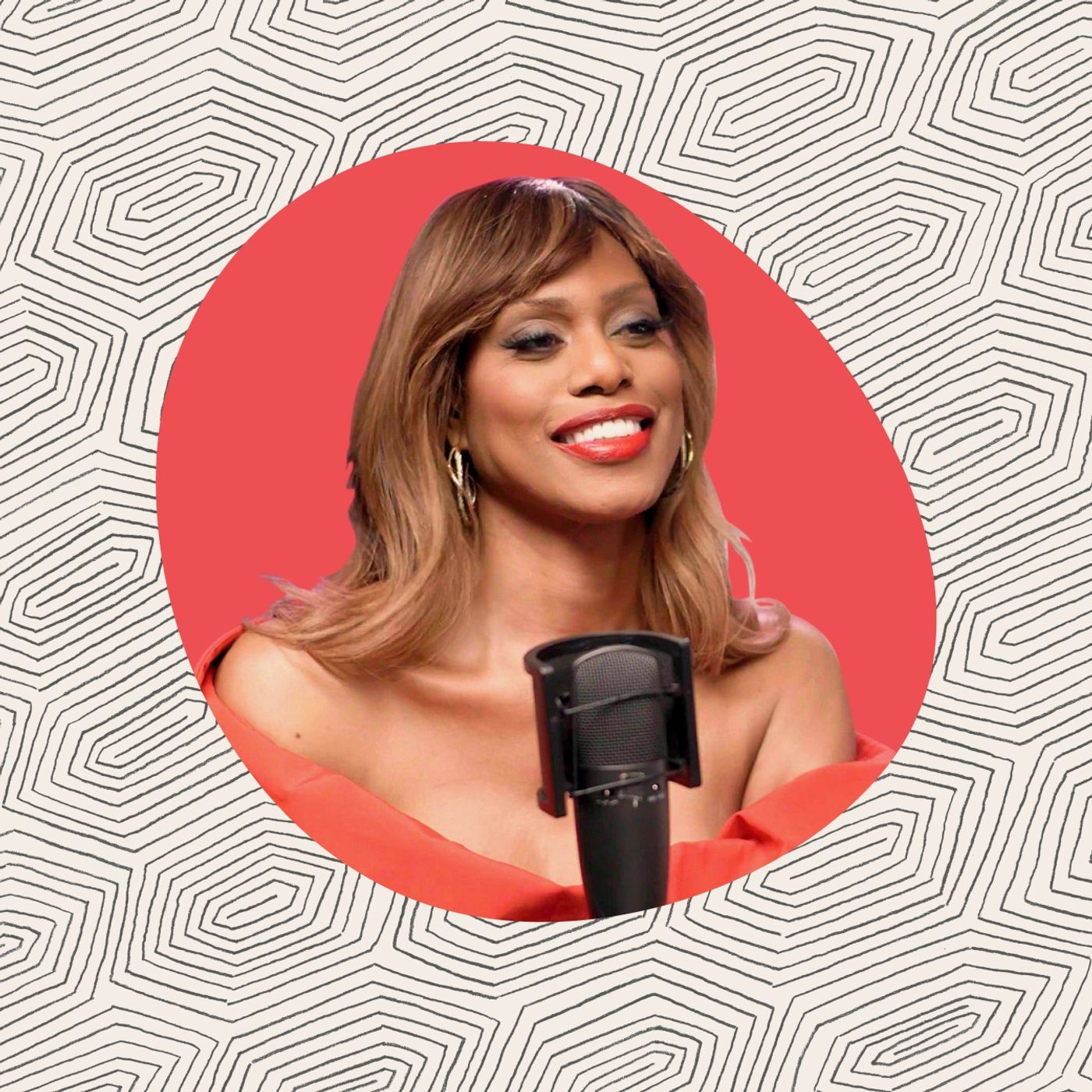
Modern Love
Laverne Cox Is Ready to Tell the Truth. Even if It’s Messy.
00:56:29
Laverne Cox never fit in as a child in Mobile, Ala. But she really didn’t want to. From an early age, she knew she was going to be a star, and she was right. Decades later, Cox would break through as Sophia Burset on Netflix’s “Orange Is the New Black,” and become the first openly transgender person to be nominated for an Emmy Award in an acting category. How to submit a Modern Love Essay How to submit a Tiny Love Story Subscribe today at nytimes.com/podcasts or on Apple Podcasts and Spotify. You can also subscribe via your favorite podcast app here https://www.nytimes.com/activate-access/audio?source=podcatcher. For more podcasts and narrated articles, download The New York Times app at nytimes.com/app. In this episode of “Modern Love,” Cox talks about her new memoir, “Transcendent.” She tells the story of how she became the star she always knew she was, the men she loved along the way and how she learned to fully love herself.
Loading summary
Transcript229 lines
- [00:00]
Podcast Narrator
This podcast is supported by OnlyFantasy on Audible. From the earliest days of the Internet, people have shared content online. But then came a platform that promised to put creators in charge of their own destiny. While you've heard of OnlyFans and its creators, Only Fantasy is here to challenge what you think you know about the platform. In this new investigative podcast, journalist Leon Nayfak teams up with comedian and OnlyFans creator Gracie Kanan for a one of a kind exploration into the current state of human connection. Listen to Only Fantasy wherever you get your podcasts or binge all episodes ad free. Right now only on Audible. Start your Audible subscription in the Audible app or on Apple Podcasts.
- [00:37]
Anna Martin
Love now and did you fall in love last fella?
- [00:39]
Laverne Cox
Love love is stronger than anything else for the love love and I love you more than anything there's the love
- [00:47]
Anna Martin
love from the New York Times, I'm Anna Martin. This is Modern Love, and today I'm talking to actor Laverne Cox. Growing up in Mobile, Alabama, Laverne Cox did not fit in, and she didn't want to. From a very early age, she knew she was going to be a star. And unlike many kids who grew up thinking that Laverne was right, decades later, she'd break through as Sophia Bursette on Netflix's Orange is the New Black, and she'd become the first openly transgender person to be nominated for an Emmy in an acting category. Today, Laverne and I talk about her new memoir, Transcendent. She tells me the story of how she became the star she always knew she was, the men she loved along the way, and how she learned, finally to fully love herself. Laverne Cox, welcome to Modern Love.
- [01:41]
Laverne Cox
Thank you so much. I literally just started thinking about that Hallow Note song, Method of Modern Love. Right? It's hella notes from the 80s. I'm old.
- [01:50]
Anna Martin
See, I don't know this. I'm not gonna lie. I do not know this. So can you sing a little bit of it? Would you?
- [01:55]
Laverne Cox
I don't remember how it goes exactly. Method of Modern Love. Method of Method. Method.
- [01:59]
Anna Martin
I've never heard of it. There's a bonus song.
- [02:00]
Laverne Cox
I was doing a podcast called Modern Loving. No one's ever mentioned that song.
- [02:03]
Anna Martin
And Laverne, here's the thing. I was gonna lie and say I know that song, but thank goodness I didn't. Thank goodness I didn't sing.
- [02:09]
Laverne Cox
Is not.
- [02:10]
Anna Martin
It's not journalistic.
- [02:12]
Laverne Cox
Well, it's true, but it also. God, the truth is so much better. The truth is so much better.
- [02:18]
Anna Martin
That is a wonderful way to get into this conversation. We're here to talk about. About your new memoir, Transcendent. It is vulnerable and honest. It helped me understand you in a very intimate way. I'm excited to dive in. And you mention in the introduction that you're sharing many of these stories for the very first time. People in your life, even those closest to you, I'm seeing this reaction.
- [02:40]
Laverne Cox
It's like, oh, it's a lot.
- [02:41]
Anna Martin
Are you nervous?
- [02:43]
Laverne Cox
When you say. When you say that, I've been feeling good about it. But when you say that, it's a little like. Like, it's. It is that old bit of shame of, like. I mean, I start the book off with an exercise that one of my acting teachers would give us. Tell us something you don't want us to know about you. It was an improvisational exercise, and then he would give us a character, and the idea was to be vulnerable and to release shame. And usually after that exercise, Brad would yell cut. And have all the students in the close their eyes except the actor on stage and him. And he would say, has anyone here felt like Laverne? And invariably, almost every hand would go up. And the power of that is that when we have our secrets and our shame, we often feel alone in it. It makes us feel like we're the only one who's ever experienced this. And if anybody finds this out, they'll think I'm just horrible and awful. And you realize that you're not alone. The hands are empathy, and that. And those hands are empathy. And as I often quote Brene Brown, empathy is the antidote to shame.
- [03:58]
Anna Martin
Can I ask you, like, why did you think now was the right time to write this memoir?
- [04:04]
Laverne Cox
Well, the offer came, and I thought, this is a couple of years ago. I thought that with the therapy I've been doing for the past now 10 years, I thought I was ready, that I processed a lot of the trauma, that the memories that were bur. Were buried for a reason and wouldn't come back. And I just thought I could handle it. And I felt ready to tell the truth. I had a book deal in 2014, over a decade ago, and we started the process, and I. And we had a draft of a few chapters, and it just wasn't real. It wasn't. And I wasn't ready to be real. And a lot of that was actually about protecting my mother. But also, like, it was so early in my career in terms of, like, the public getting to know me, and I just. I just wasn't ready to like. I just don't think there's a point of writing a book if you're not going to be vulnerable. Tell the truth, hopefully. Talk about things that are uncomfortable. Talk about things that may have been painful, but also the good things, too.
- [05:17]
Anna Martin
You're talking about your mom. I want to dig into that. Tell me about your relationship to her.
- [05:21]
Laverne Cox
My mom was very. My mom. My mother's a lot of things. She was very stressed out taking care of two kids by herself. Often had literally four jobs. I kid you not, taking care of us. And she was always stressed about money. My mother was also very concerned about what other people thought of her and us. Our behavior being a reflection on her. And we were tasked with cleaning the house when we were growing up. And it was never up to par. It was never, ever, ever good enough. There was always something that wasn't dusted or vacuumed properly. Leaves that weren't raked sufficiently, always.
- [06:08]
Anna Martin
And you were growing up alongside your twin brother?
- [06:10]
Laverne Cox
My twin brother, absolutely. A lot of it. Like, particularly when in grade school. We were. Our first elementary school, Council Elementary School. My mother thought that the program wasn't great for us. And education was very important to her. She was the first of her siblings to finish college. And so Council wasn't a great school. And so she found this school called Woodcock Elementary. But we had to lie about our address to go to that school. Apparently, people. So we couldn't take the bus there. So she had to, like, drive us there or get someone else to drive us a few times. She feels stressful.
- [06:51]
Anna Martin
She has four jobs.
- [06:52]
Laverne Cox
Stressed out. So we would wake up and she would be yelling at us that we'd be late. So I would wake up to yelling. I would wake up to her yelling. And just. My mother was always stressed out. So she would be yelling and telling us what a burden we were. I felt like such a burden constantly that I ruined this poor woman's life by being born. So she would yell at us that we were gonna be late. And she would yell at us in the car on the way to school. And so, so much of my life and childhood felt like trying to make sure I did everything right so that she wouldn't go off. And it was really. I wanted desperately for her to see and love me. And so I felt like I had to. If I perfected, if I made all lays, if I. You know. And I did. I eventually did and won this talent show. And that she would love me and that she would see me and want me. I never felt wanted by Her.
- [07:54]
Anna Martin
Laverne. I just have to say that's really. You're saying all these things and it's really heavy to even hear. I mean, just.
- [08:00]
Laverne Cox
I'm saying it very casually. I'm trying not to drop into it, like, as I would as an actor in therapy. But that's the truth.
- [08:09]
Anna Martin
I mean, waking up, it's very visceral. Waking up every day to the sound of being yelled at.
- [08:13]
Laverne Cox
Yes.
- [08:14]
Anna Martin
Have that continue until you got to school to always feel like a burden, to feel like you needed to achieve, earn your mother's love. I mean, you write about this so vividly, and it is really, really difficult.
- [08:26]
Laverne Cox
Yes, it was.
- [08:27]
Anna Martin
When you got to school, there was no reprieve.
- [08:31]
Laverne Cox
When I got to school, particularly at Woodcock, it was like I was walking the gauntlet out of the car for my mother there. And it was immediately like, sissy, F word, queer, punk girl. Like, just like being called all sorts of derogatory names by. And that started. That's my very first interactions with other kids. Daycare. I think it was maybe three. I did not know what gay was. I didn't. Well, they didn't say gay. They said sissy in the F word. I did not know what these words were, but three year olds did somehow. And so I knew that it wasn't good because of the tone of it. And so, yeah, my very first interactions with kids were like, where I was being bullied and called names because I was very femin always. And that was a problem for the other kids, apparently.
- [09:30]
Anna Martin
Did you want to fit in? Was that a desire you had?
- [09:36]
Laverne Cox
No, no. What became clear to me, writing the book and thinking, really, a lot of writing this book was like trying to really go back to what I was really thinking, honestly, even if it sounds bad or just being honest about it. And I. And the kids would often say, oh, you think you're better than us? And I did. I did.
- [10:01]
Anna Martin
You talk about that as your armor.
- [10:02]
Laverne Cox
And it was an armor. And it's a very childish thing, obviously, and I was a child, but there was something. I always felt like I was supposed to be a star. I wasn't interested in fitting in because I thought these children were silly and basic. I didn't have that. I didn't use that term then, but basic and silly and frivolous and I'm supposed to be a star. I have to prepare, I have to study, I have to train, I have things to do. I don't have time for all of your bullying and silliness. I need to be I need to prepare.
- [10:39]
Anna Martin
I'm locked in. Yeah. But it is an interesting thing you're describing, which is, like, there's all this messaging from your mom, from the kids at school that you are not worth much. Right?
- [10:50]
Laverne Cox
Correct. Yes.
- [10:51]
Anna Martin
And then at the same time, you have this deep, visceral. Knowing that you are meant to be a star. How did you hold those two things at once?
- [10:58]
Laverne Cox
Well, the interesting thing is I was. I was encouraged in certain areas.
- [11:05]
Anna Martin
Sure.
- [11:06]
Laverne Cox
When I started dancing, when I started studying dance in third grade at Culture in Black and White, I started entering talent shows and winning or getting second place. And so there were many trophies. I was always a good speaker, and so I would always. And I love being up in front of people. So when we started going to Bethel AME Church and when I got baptized when I was seven years old at Bethel, I would always summarize the Sunday school lesson. Like, every Sunday. I loved.
- [11:35]
Anna Martin
But what do you mean, summarize? Like, to who? To.
- [11:37]
Laverne Cox
So we would have Sunday school. We'd have Sunday school, and then we would have the main church service.
- [11:43]
Anna Martin
Yes.
- [11:43]
Laverne Cox
So right. You know, right after Sunday school, we would have the main church service, and the pastor would ask a young person from. To summarize the Sunday school lesson that they had for. That we had for that week. And I always volunteered.
- [11:58]
Anna Martin
The hand was always up. Your hand was always up.
- [12:00]
Laverne Cox
I was that kid. And I loved just summarizing the lesson. I loved just getting up and speaking in front of people. And I didn't realize that that was preparing me for so much, that that was like. That was training the 10,000 hours they talk about, like, me in church every Sunday, summarizing the Sunday school lesson. So I was encouraged because I spoke well from adults. And then the dancing was tricky because I was winning talent shows and I was showing initiative. But then I was also like, those dance classes are gonna make your child gay. So it was a mixed thing. And the kids made fun of me because I was always dancing. So that was a mixed bag. But the encouragement when I would make all A's, my mother didn't. She was like, that's what you're supposed to do. It wasn't like a celebration. It was like, why should I celebrate you for what you're supposed to do? But I. There was this. As a child, I felt like if I kept achieving enough, I would be worthy of her love and acceptance and maybe the worlds. And maybe the worlds and for me, the world. So I didn't want to be accepted by the other kids, but I Want it to be. My brother said this thing many years ago. I don't wanna see the world. I want the world to see me. And I think that's always kind of been, for whatever reason, me.
- [13:29]
Anna Martin
Is that loud for tears?
- [13:31]
Laverne Cox
No, but it's such a weird thing to say out loud because it feels. I don't know, like, I don't know how this comes across, but, like, this is just the truth.
- [13:37]
Anna Martin
I mean, I think it comes across as complicated, which means it's real. You know what I mean? You. You. At the same time as you are being. You have this understanding of yourself as there's something wrong with me. Right. You also. Is that. Is that. Is that how it was? It was in terms of the bullying.
- [13:54]
Laverne Cox
The kids said things were wrong with me. My mother would say things were wrong with me. The men that my mother would date would suggest things. Something was wrong with me. And I didn't think that until. Until third grade.
- [14:06]
Anna Martin
So describe to me what happened. You were in third grade.
- [14:09]
Laverne Cox
I was in class, and I probably had a really rough morning at home with my mom. And we had gone to Six Flags on a church trip, and my mother had given me a little bit of spending money. And at the gift shop at Six Flags, they had these fans. These fans I remember was hanging there. I just. I will never forget walking in and seeing this fan. And in church, the women had these paper fans. And I had seen Gone with the Wind. Like, when I saw it, Scarlet, you know, I was not mammy. I was Scarlett o' Hare honey, and Brett Butler and Ashley wanted me. And so I had the fan. And so, like, there was something. I would go somewhere. I took the fan out and I started fanning myself. And I just would go to this, like, what were you thinking about? I would be at Tara. I would be in some gorgeous, pristine, Victorian antebellum outfit before I had to make it out of curtains. And I would just be the object of desire and longing. And it just was. It was everything. So I was just in my Scarlett o' Hara fantasy, just, like, going. You know. Cause it's.
- [15:20]
Anna Martin
You brought the fan to school. It sounds like.
- [15:22]
Laverne Cox
Oh, yeah. Yes, of course. I mean, why? Why not?
- [15:25]
Anna Martin
It's a great. I'm sorry. Yeah, it's like a pencil. You got your fan. Of course. Yeah. You basically. Yeah, of course. I mean, yeah, it's a school supply bid.
- [15:31]
Laverne Cox
Of course. Why wouldn't I?
- [15:33]
Anna Martin
No, it's a great question.
- [15:35]
Laverne Cox
So, yeah, I'm fanning myself in class, and then, you know, my full Scarlet O' Hara Gone with the Wind. Fabulous fantasy. And Ms. Ridgeway looks at me and says, come here and bring that thing with you. And she marches me down the hall to the fourth grade teacher, and she said, show her what you were doing with that thing. And I did. And I came.
- [15:54]
Anna Martin
Show her what you were doing with that thing.
- [15:55]
Laverne Cox
With that thing? Yes. Meaning to, you know, fan myself. So I did. And I didn't feel like I didn't. And she was like, okay, stop. And then she had me wait after.
- [16:02]
Anna Martin
Did you understand why she was asking you to do that?
- [16:05]
Laverne Cox
No. Okay. No, not at all. And. But I felt like. And then she marches me to the fifth grade teacher's class, and I felt like, okay, maybe I didn't commit enough. So I really dropped in and she said, show her. She said fifth grade. She just showed her what you were doing with that thing. And then I really dropped in and I felt my invisible hair blowing in the wind, and I just committed, you know? And she's like, okay, stop. Go back to class. And I think my mother didn't pick us up that day. Somehow someone else brought us home, or we walked home. And I just remember her coming storming in saying that she had gotten a call from Ms. Ridgeway saying I would end up in New Orleans wearing a dress if they don't get me into therapy right away.
- [16:46]
Anna Martin
I want to. So your mom comes in.
- [16:48]
Laverne Cox
Yes.
- [16:49]
Anna Martin
Angry.
- [16:50]
Laverne Cox
Yeah, very angry.
- [16:51]
Anna Martin
And she says that the teacher said what to you?
- [16:54]
Laverne Cox
She said that Ms. Ridgway called me on the phone and said, you, son is going to end up in New Orleans wearing a dress if we don't get him into therapy right away.
- [17:07]
Anna Martin
So did you understand why she'd taken you to the different teachers to use your fan? I mean, did you put the pieces together?
- [17:14]
Laverne Cox
I. This was. All I knew is like, I'm eight, nine. Eight, nine years old. All I knew is that I'd been taken to show what I was doing with my fan. And now my mother was yelling at me. And that in this new. Ending up in New Orleans wearing a dress, in my mind, I thought I would be homeless in a dress, begging for money, and like a criminal. Like, I, I. That I'm just. I. That's what, That's. Those are the images that came to mind.
- [17:50]
Anna Martin
And you said your mom was very aware of appearances. And it feels like this. This anger that she. Did you understand why she was angry?
- [18:04]
Laverne Cox
She didn't. She didn't have time for this.
- [18:08]
Anna Martin
Okay.
- [18:08]
Laverne Cox
She didn't have time for any problems from us. Right. This that she didn't have time for. She had to figure out how to pay the light bill. She had to figure out how to pay the water bill, the rent, how to put food on the table. She didn't have time for this. And people were talking about her, right? So then it's like this is a reflection on her and her being a bad parent or in some way. And so I became. I was a problem. Like, this behavior was a problem for her, and I.
- [18:44]
Anna Martin
I'm so sorry.
- [18:51]
Laverne Cox
And I was. I was failing her, and I was a disappointment. And I.
- [19:02]
Anna Martin
We can take a moment. Yeah. Yeah, we can take a moment.
- [19:08]
Laverne Cox
Then it was. Then it was like, okay, what's wrong with me? Up until then, I was just very free. I would dance during P.E. i would dance everywhere. I was just free. And then this moment was. It was like this emergency, and I had to be handled. I had to be fixed. Mm.
- [19:36]
Anna Martin
What are you thinking about right now?
- [19:41]
Laverne Cox
How there was no one to say that who you are is beautiful, that you're lovely just the way you are. There was no one to love me. I.
- [19:59]
Anna Martin
This is.
- [19:59]
Laverne Cox
That was always who I was. And that's a part of me, My imagination, my sense of play. I'm an artist, after all, and that was not something that was celebrated or that I was lovable for. And I was just thinking how unloved I felt and unwanted and a burden and how awful it was that I was born.
- [20:35]
Anna Martin
Oh, these are really hard things to say out loud. And I. I really appreciate you going there.
- [20:45]
Laverne Cox
It's just what it was. Um,
- [20:50]
Anna Martin
I mean, I just. I have to say, like, I. I'm thinking of little Laverne with the fan. What happened to the fan after that? Did you bring it out again?
- [21:00]
Laverne Cox
No one's ever asked me that. Not till college. Not till college.
- [21:08]
Anna Martin
You kept it, though? You kept it?
- [21:10]
Laverne Cox
Oh, yes, I kept it, but not till college. Not till I was. Oh, my God. I hadn't even thought about that. See, these are things that come up when you write a book. Like, I. I. I didn't. I didn't. Mm.
- [21:29]
Anna Martin
Can I just say. And we will get there in the timeline, but I am so happy to hear that you brought it out again in college.
- [21:36]
Laverne Cox
Yes.
- [21:36]
Anna Martin
I mean, I just really. Actually, you know what? Whatever about the timeline. Tell me about dancing with that fan again.
- [21:41]
Laverne Cox
Oh, my God. It was everything. And it became something I would dance with at the club when I went to. Oh, my God.
- [21:47]
Anna Martin
You kept it.
- [21:48]
Laverne Cox
No, I had that one, and then I got one that would cl. So then When I would go to Bullwinkle's and certainly when I moved to New York, I had it at the club and so I would dance with it at the club. It was something I just had with me when I feel like the first two years I was in New York, I always had a fan when I went to the club.
- [22:05]
Anna Martin
That feels triumphant to me. It really does.
- [22:09]
Laverne Cox
Yeah. There was a. The triumph was like I was away from her and it was just like, fuck. It's like, fuck you. I don't know who's able to curse whatever you are. So say it. It was like, fuck you. Fuck everybody. I'm doing what the fuck I want to do. So that was like. Yeah, that's what it was. I hadn't. I wasn't in therapy yet in college. I hadn't dealt with any of the trauma. Like, I was in that. Like, my childhood was fabulous. Can you imagine all the shit that I went through in my childhood? And I just was like running around like, everything is fine.
- [22:45]
Anna Martin
But Laverne, it's not. Cause you had to, right? You had to.
- [22:48]
Laverne Cox
I had.
- [22:49]
Anna Martin
And it was like, did you move forward? Yeah, you had to.
- [22:53]
Laverne Cox
And children don't have tools to like, process the disassociation was the only thing I could do and to sort of be in denial until I could become an adult and reparent the child that still existed in me and process some of this stuff.
- [23:18]
Anna Martin
Stay with us.
- [23:33]
Podcast Narrator
This podcast is supported by Only Fantasy on Audible. From the earliest days of the Internet, people have shared content online. But then came a platform that promised to put creators in charge of their own destiny. While you've heard of OnlyFans and its creators, Only Fantasy is here to challenge what you think you know about the platform. In this new investigative podcast, journalist Leon Nayfak teams up with comedian and OnlyFans creator Gracie Kanan for a one of a kind exploration into the current state of human connection. Listen to Only Fantasy wherever you get your podcasts or binge all episodes ad free right now only on Audible. Start your Audible subscription in the Audible app or on Apple Podcasts.
- [24:08]
Laverne Cox
Imagine more than 800 exquisite objects handcrafted by over 400 craft artists from 70 countries around the world, brought together and framed by light on the beautiful island of San Giorgio Maggiore in Venice, Italy. This is Homo Faber 2026, an island of Light, an international celebration of contemporary craftsmanship running from the 1st to the 30th of September. Artistic director Ez Devlin, the British artist and designer puts the work of master craft artists in the spotlight through 15 immersive installations. Visit homofabber.com to book your tickets for Homo Faber 2026. An island of light.
- [24:44]
Anna Martin
All aboard. Choose your perfect Caribbean escape with Princess Cruises. Maybe you spend a day relaxing on the top deck, golden sun, a refreshing pina colada, and nothing on your schedule except dinner and a show. Other days you embrace a tranquil shore, snorkel mask in hand, ready to explore white sand beaches and crystal clear waters. The best part, relaxation and discovery are both on the itinerary. Sail to the Caribbean with Princess Cruises. Visit princess.com or contact your travel advisor to book Princess Cruises ships registered to Bermuda. In your 20s, you moved to New York?
- [25:28]
Laverne Cox
Yes. I was 21 years old.
- [25:30]
Anna Martin
21. Kind of a cliche movie moment. Small town girl moves to New York to chase her dreams, finds her people. Tell me about that. Were you meeting people who you felt like, understood you?
- [25:43]
Laverne Cox
So when I moved to New York in 1993, I was already RuPaul had already released Supermodel of the World and had become a national sensation. So drag was like all the rage. The club kids of New York City had been on Joan Rivers Talk show and Gerald Jo and like everywhere. And so when I went to New York and knew that there was this club scene with people who were doing fun looks that were androgynous or drag or whatever, it was like, this is where I need to be. All the things I had been bullied for my whole life, I was celebrated for.
- [26:18]
Anna Martin
Describe that. Describe walking into a club in 90s. Tell me what you're wearing. Tell me what it looks like. Tell me how people respond to you.
- [26:27]
Laverne Cox
I think about Limelight on Wednesday nights. Disco 2000 and Disco 2000. For those who don't know Limelight.
- [26:36]
Anna Martin
That's me. I'm sorry. That's why I'm asking. Cause I really don't know.
- [26:39]
Laverne Cox
Well, Limelight is still there. I don't know if they call it Limelight. It was a church. It's on 20th and 6th Avenue. It's a former church that they converted into a nightclub. It had several floors. There's a basement main floor and like several floors. And in every different room there's different kinds of music playing. The main floor was like techno. And then there was the Kenny Sharf room where all the club kids were. It was roped off. And the club kids. The club kids were the. Like, me, I didn't really know anyone. But like, because of my look, I would go. There would be a line, literally lines around the corner.
- [27:15]
Anna Martin
And were you in the line or were you walking past it?
- [27:18]
Laverne Cox
I walked past the line.
- [27:20]
Anna Martin
There's kind of no way you were in the line. I asked that question. I was like, you're not waiting?
- [27:23]
Laverne Cox
Absolutely not.
- [27:24]
Anna Martin
You're just saying.
- [27:24]
Laverne Cox
And what was beautiful is even though I didn't know people like Kenny Kenning. Who's that? Who's a legendary door person? You. And with the British, you. Come, come. I'm Laverne. Can you tell me, what are you wearing?
- [27:40]
Anna Martin
Describe what was like, a typical outfit.
- [27:41]
Laverne Cox
I was. At that time, I was really into everything with Salvation Armani.
- [27:46]
Anna Martin
I loved that Salvation Armani.
- [27:48]
Laverne Cox
It was all thrifty. So I loved. I had a shaved head, a lot of peel box hats with a shaved head. Lashes, like, out to here. I was shaving my brows and drew them on with liquid liner and black lipstick.
- [28:03]
Anna Martin
When you're on the dance floor. Mm. Are you feeling like. Well, I'm just thinking about that question during that turning point when you were young. What is wrong with me? Were you still asking that question when you were dancing when you were in New York?
- [28:18]
Laverne Cox
Oh, God, no. What was so magical about that particular time in New York? And when I can. You know, I haven't been dancing in a while, and I talked to Honey Dijon about this, the legendary dj. It's church. It actually. A really good night at the club. It was spiritual. It was church. It was. You're one with the music. You're one. There's an experience that, like, that is transcendent. There's a transcendent experience, and that's what I've always been looking for. And there are moments that I have that when I'm acting too. When you're in character and you're in a scene and you completely lose yourself.
- [29:06]
Anna Martin
Can I ask you, like, when you were at the club, were you flirting with guys? Like, what was happening in your romantic life at the time?
- [29:12]
Laverne Cox
When I first moved to New York, I didn't. I didn't go to. I didn't even. It didn't even occur to me, which.
- [29:18]
Anna Martin
You were so locked into the dance,
- [29:19]
Laverne Cox
which is really funny. Cause I told this to my brother. My brother's like, people are looking at big gloves. I was like. Like about three years or three or four years in. He was like. I was like, really? I was. I was dancing. I was. It was about my look.
- [29:32]
Anna Martin
I had time for this. Yeah.
- [29:33]
Laverne Cox
It was about my look. I was dancing. So. No, not at those first few years. It was about being seen.
- [29:40]
Anna Martin
Sure.
- [29:41]
Laverne Cox
It was about my look, and it was about Performing and getting lost, hopefully feeling like I would be discovered somehow in the club. And I did have moments when people would see me in clubs and I would end up in a fashion show or end up in a movie or. You know, those things did happen.
- [29:58]
Anna Martin
You say that so offhandedly, but that's never been my experience in a club. I will just say that
- [30:04]
Laverne Cox
they weren't big movies. They weren't big fashion movies.
- [30:06]
Anna Martin
You're like, oh, it wasn't a big film.
- [30:09]
Laverne Cox
But, yeah, those things happened.
- [30:11]
Anna Martin
But when did dating start to come on your radar?
- [30:13]
Laverne Cox
Dating, so. Oh, God, that's a really good question. So I. Like, when I was in Indiana, I did date a man. It was weird. Cause, like, I didn't. I wasn't. What I realize now is that, like, I wasn't in my body. Like, so when I had sex then and when I was dating, I was. It was sort of about pleasing them. It wasn't about my own pleasure. And I was very. I don't know if I said this in the book. I didn't. I, like, didn't even have an orgasm until, like.
- [30:50]
Anna Martin
No, you didn't say that in the book.
- [30:51]
Laverne Cox
Yeah, I didn't even have an orgasm until, like, I think, my sophomore year in college. Like, when it was like, no, no. Oh. Even so, I was alone. Like, it was the first time I even had. I hadn't had an orgasm alone because I didn't. I didn't masturbate. Cause I was so. I was so, like. I was so disconnected from my body. God, I can't believe I'm saying.
- [31:14]
Anna Martin
Again, like, this is the podcast today, Anya.
- [31:17]
Laverne Cox
I'm saying all this. All this stuff. It's so weird. Like, can you. Can you, like, even reading my book back? I was like, why am I saying this out loud?
- [31:26]
Anna Martin
But you know exactly why you said it. Because someone was hear this or read this and say this and say, that's me. That's a part of me.
- [31:35]
Laverne Cox
But I did math. I was. When I went through puberty, I was just. I was traumatized by it. And so I. The only way I could stand existence is to, like. It was like I was floating outside my body. So it was just weird. Like, so I. So dating when I moved to New York was. I wasn't dating.
- [32:00]
Anna Martin
And that was a conscious choice or just sort of. You were closed off from that?
- [32:03]
Laverne Cox
I was closed off, Sure. I was closed. And I was very ambitious and very, you know, just, like, focused on being a star. But then when I. And then eventually my brother told me people Were hooking up at clubs and
- [32:15]
Anna Martin
you're like, why didn't you tell me sooner?
- [32:17]
Laverne Cox
And then I started then, like probably 96ish or so. I remember kind of going out and kind of like looking and, you know, flirting a little bit. And I was becoming. I was less androgynous and more femme and I felt a little bit more. Yeah. And then that's when I kind of started like flirting and looking for boys and allowing them to find me.
- [32:46]
Anna Martin
You call this your. I mean, I want to hear about this because you call it your Samantha Jones Sex and the City era. This is this time. And you are you. When did you start your medical transition?
- [32:56]
Laverne Cox
My medical Transition started in 98.
- [32:58]
Podcast Narrator
Okay.
- [32:58]
Laverne Cox
So. But like a few years before that, I kind of. I had grown my hair out and I was very femme. Was wearing dresses and makeup every day, heels every day. But I wasn't on any kind of, you know, feminizing anything. So I was very. I read as a person assigned male at birth who had a long weave and whatever. So I got lots of attention on the street. Negative. And so, like, it was the cognitive dissonance of my life. And so many lives of trans femme people is like I'd be called a man and harassed on one street corner and then the next street corner, hey, sexy mama, like, can I holler at you?
- [33:47]
Anna Martin
How did you. I mean, that feels. It feels like whiplash. How did you. Did you center yourself in some way? How?
- [33:54]
Laverne Cox
Center myself in my. Center myself in my 20s with a trauma. Okay. Shame based.
- [34:02]
Anna Martin
There's no centering.
- [34:03]
Laverne Cox
Center myself. It was. Girl. No.
- [34:08]
Anna Martin
I'm glad you laughed at that. Yeah. Okay. Yeah. Well, tell me this. Like, when you started getting more into your body and you started dating, can you tell me about those relationships you were having with men? What kind of relationships?
- [34:21]
Laverne Cox
They weren't relationships. So before medical transition, when I was very femme but feminine presenting but like hadn't started estrogen, it was. It was all sex. It was just. I was sexualized. I was still. It was a story. The story I was telling myself is that I'm not lovable. Oh. But a lot of men seem to want to fuck me, so that's better than nothing. So it was a very dysfunctional, unhealthy, sad, deeply, deeply sad. Series of encounters and years of just. And what's interesting is when I did start medical transition, I started like, that's when I started to kind of come back into my body. This is 1998. And then I like actually started pursuing actual dating. And I think that, like, there was something about. There was something I had to, like, be in the truth of, like, my womanhood. It was like. I think there was, like, me deciding to medically transition subconsciously was me thinking I deserved more, that I deserved to maybe have a life, to be in the world in a way that was integrated and that was authentic. And, like, I didn't under. Consciously, I didn't think I'm choosing myself by medically transitioning in 1998 at 26 years old. But, like, I think, like, I started to think that, like, I deserve more, I deserve better in terms of how I'm being treated by men and the world and myself. Really, the beginning of medical transition was the beginning of me, like, telling the truth to myself. It was not like it was the very beginning. It was like a baby step. I didn't even know what a baby step it was until, like, years later when I just realized. But it gave me. It gave me, like, permission to, like, ask myself what I want, who I am, and to, like, really just stop running. Cause I've always known I was a girl, like, just to stop being in denial, like, to stop, like, girl, like, you know. You know who you are. Like, just. Girl, just get over it, you know? And I was just. It was a lot of fear, just tremendous amount of fear. But, like, bravery, though.
- [37:10]
Anna Martin
I mean, it's like you are loving. It seems to me, like you are loving yourself in this way you haven't before, and you're opening yourself up to love.
- [37:18]
Laverne Cox
If I was going to continue to be on the planet, if I was. Continue to be on the planet, I could not go on the way that I was going. If I was going to continue to live, I couldn't keep living the way that I was living. So that was really what it was. It was like, I have to do this or I have to go. So I decided to transition because I guess I wasn't ready to go. And, I mean, that's really the truth. That's really the truth. And thank God. Thank God, truly.
- [38:05]
Anna Martin
I mean, I'm thinking about little Laverne again. I'm thinking about how she always knew that she was gonna be a star. And it's around this time that you're coming a bit more into yourself that you do book a role on Orange is the New Black. Wow. You are. Well, there's a lot of other roles before this. Yes. We only have so much time.
- [38:29]
Laverne Cox
We gotta start medical transition in 1998, and I book orange is new black in 20.
- [38:33]
Anna Martin
Okay, so.
- [38:34]
Laverne Cox
Understood.
- [38:34]
Anna Martin
Understood. So you were 40 when you booked Orange is the new book.
- [38:37]
Laverne Cox
Correct. But when I turned 40. And I turned 40, May 29th of 2012, and then booked Orange, like, late August of that year. But when I turned 40, I was just, like. I was in rent arrears. I was in credit card debt. My life was a disaster. I wasn't a star. And I was just kind of like, you need to fucking get real. You're an old. You're old. You are delusional. Like, no, I really was just like. I was like, you're crazy. And people have been telling me I was delusional, but I just was like.
- [39:09]
Anna Martin
But you thought maybe they're right until.
- [39:10]
Laverne Cox
And then. But when I hit 40, I was like, you're insane.
- [39:15]
Anna Martin
Huh?
- [39:16]
Laverne Cox
You have, like, spent 20 years in New York chasing this dream, and you are a black, transgender woman. What? You're crazy. Like, I just was like, laverne, you need to get real. Like, the fantasy that you have concocted for yourself is not. Look at your life. You are on a payment plan in government subsidized housing. You have. You're in debt. You don't have any savings. You don't have any future. Like, what? You're old. What are you doing? It was like. It was internalized ageism, but it was also like, what am I gonna do?
- [40:03]
Anna Martin
It's existential. It's.
- [40:04]
Laverne Cox
It was very existential.
- [40:06]
Anna Martin
I mean, that's. And then you book this role, and it's not. Your life completely changes. Can I ask, how did your mom. We started our conversation talking about your relationship with her. How did she react to your fame?
- [40:21]
Laverne Cox
My mom was the president of the usher board, so even before Orange. Even before Orange, she would make little cards, and she would pass them out in church. Laverne's gonna be on TV this time or that time. So there was a lot of bragging. Literally, one of her church colleagues or fellow church members said, you're living vicariously through your daughter. She said, what if I am?
- [40:48]
Anna Martin
What if I am?
- [40:50]
Laverne Cox
So there was. It was something to brag about. It was something to brag about. She said she was proud of me, and I think she was and is. And this is so weird. It's so weird to say all this stuff. I'm in an interesting place with my mom. Cause the truth is, I still don't think my mother fully sees me or fully understands me. Absolutely not even to this day. She doesn't have the capacity, and that's okay. My mother did the very best that she could and she is a remarkable woman. The things putting herself through undergraduate and graduate school, raising two brilliant children. Just like she did the best she could. And I'm not for everybody. I'm a complicated gal and my work is to meet her where she is. And I've forgiven her everything because I understand she did the best she could. And everything that happened, I get to use it in my work. And without a test, there's no testimony. And in writing this book and sharing all this, I'm not the only one who's gone through all this.
- [42:16]
Anna Martin
We'll be right back.
- [42:28]
Podcast Narrator
This podcast is supported by Only Fantasy on Audible. From the earliest days of the Internet, people have shared content online. But then came a platform that promised to put creators in charge of their own destiny. While you've heard of OnlyFans and its creators, OnlyFantasy is here to challenge what you think you know about the platform. In this new investigative podcast, journalist Leon Nayfak teams up with comedian and OnlyFans creator Gracie Kanan for a one of a kind exploration into the current state of human connection. Listen to Only Fantasy wherever you get your podcasts or binge all episodes ad free right now only on Audible. Start your Audible subscription in the Audible app or on Apple Podcasts.
- [43:03]
Anna Martin
This message is brought to you by Apple Card For a limited time, when you get a new Apple card and purchase AirPods Pro 3 at Apple, you can earn back the cost up to 250 daily cash. New AirPods Pro and up to $250 daily cash back. Now that's music to my ears. Subject to credit approval limitations and spend requirements apply. Apple Card is issued by Goldman Sachs bank usa, Salt Lake City Branch terms and more at Apple Co AirPods.
- [43:29]
Podcast Narrator
This podcast is supported by BetterHelp. Summer can feel like a sprint. Kids home, trips to plan, routines flipped upside down. It's easy to slip into survival mode just trying to get through it it then suddenly it's over and you're wishing you enjoyed the days just a little bit more. Therapy can help you slow down and actually be present for the moments that matter. With better help, you can connect with a licensed therapist from anywhere on your schedule. Don't just survive this summer thrive. Visit betterhelp.com New York.
- [44:16]
Anna Martin
I want to pivot us because there's one more relationship. Your mom relationship. Complicated but you landed it in a place of love. Again, a good but a complicated good. And I wanna talk about unconditional love. Unconditional love. I wanna talk about or close on a relationship your book closes on which Is you were talking about how you had these encounters with men that were not fulfilling for you, but there is a relationship you discuss that happened in your 40s. He was younger.
- [44:45]
Laverne Cox
Yes.
- [44:46]
Anna Martin
What drew you to him?
- [44:48]
Laverne Cox
I. I mean, so this. We met in 2019 and he. I was living in LA, but I was going back and forth between LA and New York, shooting, inventing Anna. And so I was on the apps and.
- [44:58]
Anna Martin
So you met this guy on an app?
- [45:00]
Laverne Cox
Yeah, So I met him on an app. And I wasn't looking for a boyfriend. Literally, my. On an app, I swipe right. Cause I think he's hot, you know. And we matched in, like November 2019. Didn't get to meet up. Pandemic happens. He starts reaching out really consistently after the pandemic start. Happens. And we met July 1st and just. I felt immediately comfortable with him. He was so charming and funny and disarming. He looked even better in person.
- [45:35]
Anna Martin
That never happens.
- [45:36]
Laverne Cox
He was fine. His pictures, but, like, he had this. He was very manly in his photos and he, like, works out six days a week, but in person, he had this boyish, like, charm that was like, just very disarming. So he was. He was gorgeous. He was stunningly gorgeous to me and funny, and I felt safe with him. And.
- [45:58]
Anna Martin
Can I ask about that?
- [45:59]
Laverne Cox
Yeah.
- [46:00]
Anna Martin
Why. Why did you feel safe with him?
- [46:03]
Laverne Cox
After a while, like, I just. There's some people you just feel like, honestly, it was just instinct. After. After all my years of therapy, after all of my experiences of, like, identifying when I didn't feel safe. So that's. The safety piece is like, I learned to set boundaries. So feeling safe with this man was after years of practice listening to my body and learning to trust myself.
- [46:36]
Anna Martin
You're trusting yourself. You're trusting your instincts. And then it's a few weeks into dating that this guy tells you something that. That really shocks you.
- [46:46]
Laverne Cox
It wasn't. It was more than a few weeks.
- [46:48]
Anna Martin
It was.
- [46:48]
Laverne Cox
It was several months. We met in July and he told me October. Was it October or November? It was November. October or November. I forget that it was a Of couple. There was a cop. He had lied to me, and he told me he was in commercial real estate. And he said he didn't feel safe telling people he was a cop. And when he met me, he didn't know me from a can of paint on Tinder. So I. When he said he didn't feel safe, I actually, there was something about that that I just got. Yeah, I got. And he told me about, like, he had had to go off social media. Cuz like people he had arrested, like threatened his family. And I was just like telling some random person that like you're a cop. I got the feeling not safe. So I, so I didn't, I don't know, I wasn't upset that he had lied. I understood why he lied to me about that. Yeah, but he had lied.
- [47:40]
Anna Martin
Well, it's interesting to me that you recognize something in his feeling unsafe to share that with you.
- [47:46]
Laverne Cox
And that's probably. I mean I'm very empathetic, so I. Sometimes I might give too much grace. Depends. It depends. But at that, by this point, by November, like we were, we had made this connection. I really liked him. I wanted to give him the benefit of the doubt, so I did.
- [48:06]
Anna Martin
Did it give you pause, the lie about the relationship? It sounds like. Well, you tell me. Did it give you any pause or make you reconsider?
- [48:14]
Laverne Cox
It was immediately. I remember immediately feeling like thinking about what, how he felt. Like how this is 2020, right? So he was, you know, people were spitting on him and calling him a racist every day. There were all these protests. So I thought about like his level of feeling safe or not safe. That's where I immediately went. And, and I was like, I really like this guy. And I was like, this guy has made me feel. By this point, he had made me feel better than any man I ever had made me feel before. Like I felt like a sense of. I mean the sex was incredible, but there was, it was beyond that. It was spiritual. And I say that to this day, I felt a spiritual, emotional and physical connection all at the same time. And I knew, never felt that before. I was in sheer bliss with this man. And you know, things would come up and we would agree to disagree about some political things and problematic, but not like offensive, just I felt ignorant and like he had been. The way he grew up and the algorithms he was and the information he was consuming that he'd been propagandized to. And so I tried to give him grace. There was. I would understand that his facts were not facts, that they were wrong. I would express that and I would offer to look things up and cross reference sources.
- [49:56]
Anna Martin
Yeah. Was he engaging with you or was it.
- [49:59]
Laverne Cox
He was. Because he was. Most of the people in his life believed the same things that he did. So he kind of enjoyed talking to someone who believed different things. It didn't necessarily change his mind, but he enjoyed that, the banter of it all. Yeah.
- [50:15]
Anna Martin
It's a few years. You've been dating him for a few Years that these discussions that it sounds like you've been having, but then sort of putting to the side because you were so in love. I mean, I was.
- [50:25]
Laverne Cox
Yeah, I was so in love. And the. And the love and the connection was bigger than his ignorance, I would say, around politics.
- [50:39]
Anna Martin
At a certain point, you have this conversation a few years into dating where you can't just put it in a box, put it to the side anymore, and it does.
- [50:51]
Laverne Cox
Well, the initial thing that happened was he was playing softball a lot, and he was like, babe, I'm really good at softball. You should come watch me play. And I was like, absolutely. I'd love to come support you. Just let me know when. If I'm in town, if I'm available, I'm there. And one Sunday we're hanging out, and he's like, oh, I have softball tomorrow. I was like, oh, my God, I'm available. I'm in town. Where am I going? You know? And he's like, oh, my dad's gonna be there. And I'm like. And, you know, and this is three. Three years and three months in. And he was like, oh, but he doesn't know about you, and that'd be awkward. I was just like, why? I'm like, why? Actually, it would be perfect. We'd both be cheering you on. It would be great. And he was like, I don't think so. And then I was just like. Like, I had been in relationships where I've been kept a secret, and I was not doing that again. My last two boyfriends, I met their friends and family, and it was fine. It's, like, really not a big deal. And he was making it one, and it just seemed really stupid. And so I gave him, like, a timeline of, like, meeting a friend or family member within, like, you know, six to eight weeks. That deadline came and went, and then things went south. I don't know.
- [52:06]
Anna Martin
Are you willing to talk about that conversation you had when you were on vacation? That sort of.
- [52:11]
Laverne Cox
The vacation when.
- [52:12]
Anna Martin
Yeah.
- [52:13]
Podcast Narrator
Oof.
- [52:15]
Laverne Cox
So this. So we were in Miami the last week of March, 2024. Long story short, we find. I think the second day we were in Miami, we find out that one copy that he didn't know very well, but a fellow police officer, New York City police officer, was shot. And then several hours later, he dies. And my boyfriend at the time went into a tailspin emotionally. And he was angry, he was drinking, so it was just all really hard. And then the next day, we find out that Trump had donated money to the widow. And then that Trump wanted to go to the wake. And then because he was in Miami with me, he couldn't go to the wake. I was like, if you were in New York, would you go to the wake? And he's like, absolutely. And I was like, you understand that this. And I said, you understand this man doesn't give a fuck about police. He's just using you. And he was just like, well, he was with me. I'm with him. I'm just like, he's talking about Trump. Trump. Yeah. And I just. That was a line for me. It was just kind of. It really. I was like. I just felt. I found it really unacceptable. And I said to him, this is something I haven't said publicly, but I was like, I've been invited to all sorts of things from politicians, and I understand that they're using me. And I've said no to them because I understand that. And then he just went off into some crazy ass shit. Partly. Cause he was drunk. Later on, he told me that he was trying to push me away, but then he just said some crazy shit that became untenable, and I had to. It was it, he said, I knew that it was over.
- [54:11]
Anna Martin
There's so much you've shared today, and I really appreciate it. I really do.
- [54:15]
Laverne Cox
Yeah. Where do you want to. What do you. What comes up for you after all that? Oh, my God.
- [54:20]
Anna Martin
Well, I know I keep returning to this image, but I am thinking of you, of young Laverne in Mobile. And I think where I want to. You know, it's interesting what you're articulating, because it's so clear. You loved this man so much.
- [54:35]
Laverne Cox
Yes.
- [54:36]
Anna Martin
And I also. Not to get cheesy with it, but maybe to get cheesy with it, you loved yourself more, and so you chose to end this relationship. The deepest love. I think you write in the book that you'd experienced because a boundary had been crossed and you'd learned to honor that.
- [54:53]
Laverne Cox
Yeah, I just refuse to betray myself again. And when you mentioned little Laverne, I smiled because I was like, this is adult Laverne taking care of little Laverne, making sure that she's safe, that she's not put in situations that make her feel unsafe again because she's felt unsafe most of her life. So that I love her, and I'm expressing that love and care for her. So that just makes me smile. As much as that breakup was traumatizing, and then talking about it publicly, so many people turned on me because I dated a man who was a cop. And voted for Trump three times. And I get that. I get why people were upset with me about that. But, you know, and I have to say this every time I mention this, is that I never adapted or promoted any Trump policies or any Republican policies. I've remained committed to fighting for trans liberation, for black liberation, for reproductive rights, for a living wage. And so. So I fell in love with someone who has opposing political beliefs. But I think sometimes people think just because you are in a relationship with someone, you co sign their politics. And maybe some people do, I don't know. And that people don't know me. And hopefully people, if they read this book, they'll understand a little bit more about who Laverne Cox is. I'm not myself if I don't tell the truth. That's part of, like, I have to tell the truth. Cause I don't. I don't feel right.
- [56:48]
Anna Martin
Laverne, I wanna. No, no, no. But it's important. It is important. And I wanna close on this question, which is we've been talking about little you.
- [56:58]
Laverne Cox
Yes.
- [56:59]
Anna Martin
And I know you because we talked about closing our eyes and visualizing. I wonder if you'd humor me. You could do that. I will do that to the person
- [57:06]
Laverne Cox
you close my eyes. Okay.
- [57:08]
Anna Martin
Yes. And I would love if you could say something to her.
- [57:15]
Laverne Cox
Mm hmm. You are safe, Laverne. You are safe. You are protected. You are seen. You are loved. You're so adorable. You're so infectious and just really, really special. And you should always know that. And don't let anybody tell you that you're not. And I just love you so much. I love you. I love, like, how quirky you are, how your mind works, how just whimsical you can be to just like, break into dance randomly. You are so special. And you should know this. You should know this every single day. And you are lovable and you are loved and you are worthy of the very, very.
- [58:29]
Anna Martin
Thank you. Thank you so much, Laverne. Thanks for coming on the show.
- [58:33]
Laverne Cox
Thank you.
- [58:44]
Anna Martin
Before you go, I just wanted to say if you enjoyed this conversation, you can also watch it on YouTube. We're filming more and more of our interviews and you can find them on the New York Times podcast YouTube page. That's YouTube.com NYT podcasts. The modern love team is Davis Land, Elisa Gutierrez, Lynn Levy, Reeva Goldberg and Sarah Curtis. This episode was produced by Elisa Gutierrez. It was edited by Lynn Levy. Our mix engineer was Daniel Ramirez. Original music in this episode by Alicia B. Etoupe, Rowan Niemisto, Marian Lozano, Pat McCusker, and Dan Powell. Dan also composed our theme music. Special thanks to Sophie Erickson and Dalia Haddad. The Modern Love column is edited by Daniel Jones, and Mia Lee is the editor of Modern Love Projects. If you'd like to submit an essay or a tiny love story to the New York Times, we've got the instructions in our Show Notes. I'm Anna Martin. Thanks for listening. Listening.
- [60:12]
Laverne Cox
Foreign. Every business is asking the same question. How do we make AI work for us? No more waiting with Netsuite by Oracle, you can put AI to work. Today, NetSuite is the number one AI Cloud ERP, trusted by over 43,000 businesses. It's the unified suite that brings your financials, inventory, commerce, HR and CRM into a single source of trust. Truth that connected data is what makes your AI smarter, helping you make fast decisions. If your revenues are at least in the seven figures, get our free business guide demystifying AI@netsuite.com NYT.