← Modern Love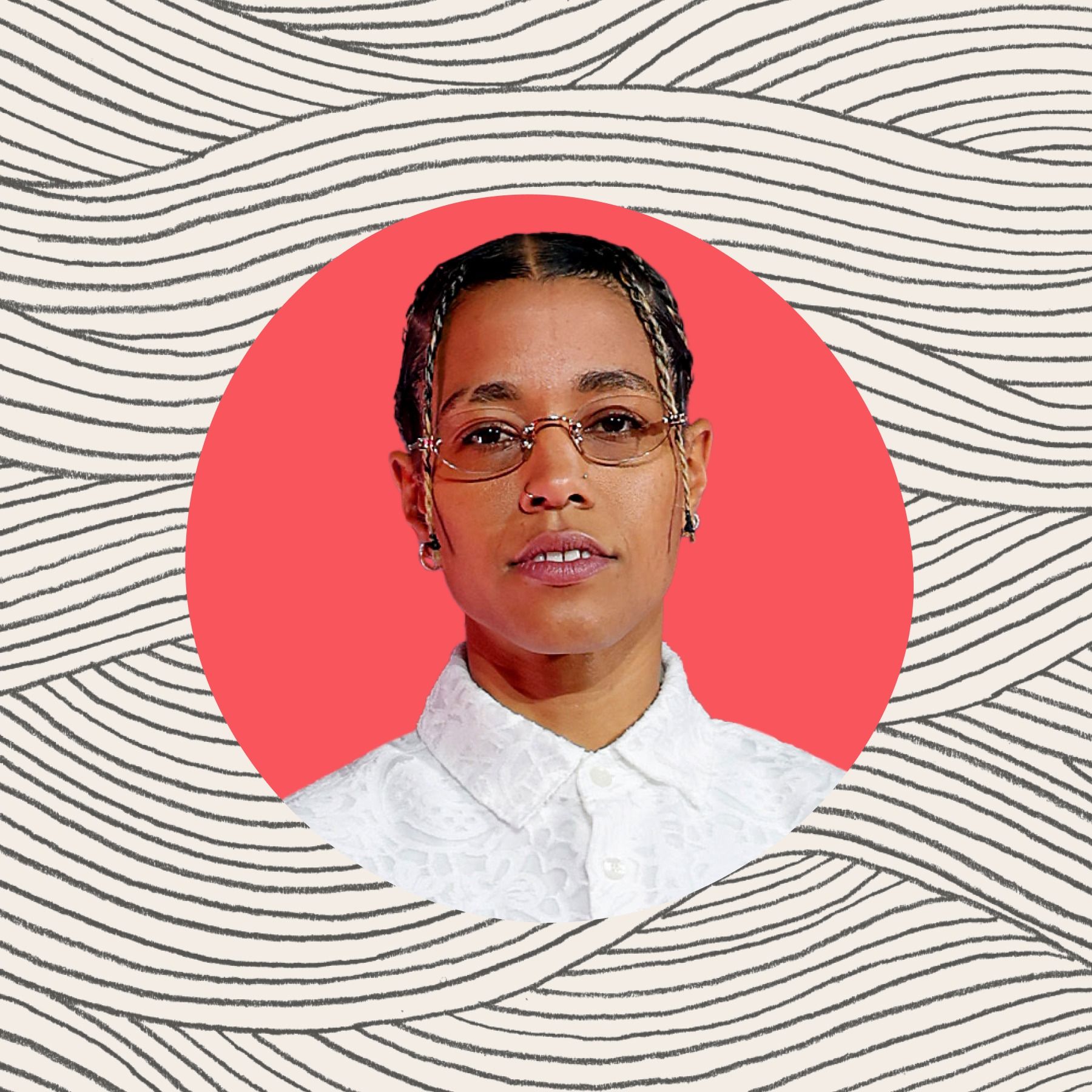
Modern Love
W.N.B.A. Star Natasha Cloud Doesn’t Play When It Comes to Love
00:38:29
Natasha Cloud is a powerhouse. The New York Liberty point guard seems to have it all: a successful W.N.B.A. career, fierce confidence and a loving relationship with her girlfriend and teammate, Isabelle Harrison. On and off the court, Cloud radiates self-assurance and seems to know exactly who she is, but that sense of self was hard-won. In a conversation with “Modern Love” podcast host Anna Martin, Cloud talked about growing up as the only mixed-race child in a white family, and how one conversation with her mother shifted everything she thought she knew about herself. She discussed finding her identity in college, her family’s love and acceptance for the “new Tash,” and why professional pressure led her to publicly identify as bisexual even though she knew the label didn’t feel right.
Loading summary
Transcript208 lines
- [00:00]
A
Mont Blanc invites you to use life's quiet moments to pause, reflect, and put pen to paper. Chapter one.
- [00:07]
B
Oh, no, no, no, no. Part one.
- [00:10]
A
Mmm.
- [00:11]
B
Perfect.
- [00:12]
A
The mountains are impressive. Oh, I wish you were here to see them.
- [00:17]
B
Dear diary, meet my new writing companion, the Meister.
- [00:21]
A
Stuck for every journey, the perfect companion awaits Mont Blanc. Lets write. Visit montblanc.com for exquisitely crafted writing instruments, leather goods, and more.
- [00:34]
B
Hey, everyone, it's Anna. Before we start the show, I want to ask you a question. And please don't be offended if it sounds a little direct. Okay, here goes. Are money issues affecting your relationship? Money can be awkward and sensitive to talk about how much to save, how much to spend, who makes the decisions about what. But if you're not talking about money, it can cause even bigger problems. We have an episode coming up soon where I'll be talking to Ramit Sethi. He hosted the Netflix show How to Get Rich. He's written books on personal finance, and he's especially good at helping couples resolve their differences around money and start to actually enjoy talking about it. If this sounds like something you want to be a part of, please send us a short voice memo. Tell us about a moment you and someone you loved had tension around money. It could be your partner, it could be a family member. Tell us what happened to set it off, what you said to each other or didn't say, and how you felt about all of it. We might play your voice on the show and hear Ramit's advice on what you can do differently. Please email your voice memo to modernlovepodcastytimes.com by November 3rd. There's instructions in our show notes. Please check those out. All right, here's today's episode. Love now.
- [01:49]
A
And did you fall in love last fella? I love him.
- [01:51]
C
Love, but stronger than anything else.
- [01:53]
A
For the love of love. And I love you more than anything. You're still off Love.
- [02:02]
B
From the New York Times, I'm Anna Martin. This is Modern Love. WNBA finals just ended and a lot of my friends are really jealous of me because today I'm talking to one of the breakout stars of the 2025 season, Nick Natasha Cloud. Natasha is one of New York Liberty's powerhouses. She's outspoken, she's got immense amounts of swag, and she's really freaking good at basketball. When I watch her play, I see someone who is strong and confident, self assured. But she wasn't always that way. Today I talked to Natasha Cloud about how a conversation with her mother changed everything. She thought she knew about who she was and all the work she's done in the years since to figure out who she really is. Natasha Cloud, welcome to Modern Love.
- [02:53]
A
Thank you for having me.
- [02:55]
B
Do you prefer Tosh? Everyone calls you Tosh. I don't know you so well yet. What do you like?
- [02:58]
A
You can call me Tosh, Tasha. Natasha is really, like, for my mama, and when she calls me Natasha, I'm like, oh, shit, what did I do?
- [03:05]
B
You're a new New Yorker. What's your go to bodega order?
- [03:09]
A
Ooh. I'm very basic with my food, but I love me a good bacon, egg, and cheese with the double cheese. Make that bacon extra cris because I don't want no fat on that.
- [03:20]
B
Any sauce? Ketchup, Hot sauce?
- [03:22]
A
No, I like a little hot sauce, but honestly, I'm a grape jelly girl. I know. I. I know.
- [03:29]
B
On the bacon, egg, and cheese.
- [03:30]
A
Listen, don't knock it until you try it.
- [03:33]
B
Wait, I really don't like that.
- [03:34]
A
No, I'm telling you, you can't knock it until you try it.
- [03:37]
B
Cause the salty and the sweet.
- [03:38]
A
Yeah, I tell you, it balances so well. Don't overdo it with the jelly. Just a little bit.
- [03:43]
B
And you're putting it in the sandwich. You're not dipping it in.
- [03:45]
A
I'm not dipping it. I'm putting a little bit on. Smacking that sandwich, and I'm busting that bitch down.
- [03:50]
B
I heard of this. This could be an innovation.
- [03:53]
A
Let me put you on. Let me bring the Philly to New York.
- [03:56]
B
This is the Tosh, Sam.
- [03:57]
A
This is the Tosh, Sam. After you. This is the clown.
- [03:59]
B
My God. That's the clown.
- [04:01]
A
That's the clown.
- [04:01]
B
You are the first athlete I've ever interviewed.
- [04:05]
A
Stop.
- [04:06]
B
It is funny to me that we've never had an athlete on because we're a show about love and relationships. And it strikes me that relationships between teammates are incredibly close, can sometimes be complicated. Let's situate you and your role on your team. You're a point guard. Yes. You know, when I think about sort of hard things that a team goes through collectively, I think of losses. Sorry to say this, but it is true.
- [04:29]
A
We were sad girls.
- [04:30]
B
Yeah, you were sad girls.
- [04:31]
A
We were sad girls.
- [04:32]
B
You were out of the playoffs in the first round. I wonder, like, how do you, as a leader on the team, how do you handle losses? Who.
- [04:40]
A
I'm a sore loser, so I don't know. I don't even.
- [04:44]
B
I feel like you don't get to your level without being a sore loser.
- [04:46]
A
Yeah. Like, I truly hate losing. It could literally be an Uno game. Like, Izzy kicks my ass in Uno all the time.
- [04:52]
B
Isn't your girlfriend. We'll talk.
- [04:54]
A
Yes, Y' all don't play her and Uno, she be acting like this cute little sweet, Ooh, I don't know what I'm doing. And then, boom, Uno out. And I'm like, the fuck you mean you out? We just started. So I'm super competitive. I will say that the accountability factor, even for myself, is like, when adversity hits and there's always, like, ebbs and flows of a season, is I have to remain more consistent. Even in my frustrations of, like, I don't feel like we're playing well. We're not gelling. We're not the. What. What is going. Like, I'll be frustrated. And those moments. The accountability for me for next year is to be more consistent.
- [05:30]
B
Tell me what that looks like for you. And we throw around this term embodied. But let's say you're feeling really fired up. You're, like, pissed about a loss. Whatever. What do you do to calm yourself down, specifically? Is it like you close your eyes, you take a breath. Like, what's your method?
- [05:46]
A
I'm a big. Like, I'm gonna go throw some shit first. And probably. So I'm gonna remove myself, put it at the wall. Yeah. So I'm gonna remove myself from the actual team setting. I'm probably gon go into, like, our weight room, and I'm gonna throw, like, a medicine ball or something to get my initial, like, ah out of me.
- [06:05]
B
I need to do that. Wait, can we both do that? Yes. Three, two, one.
- [06:11]
A
Shit.
- [06:11]
B
I needed that, actually.
- [06:12]
A
Thank you. Yeah. Sometimes it's just like, you just gotta do it. You just gotta get it out.
- [06:16]
B
I have a medicine ball in the studio right now.
- [06:17]
A
No medicine ball. The walls look really nice in here. So we ain't trying to pay.
- [06:21]
B
Pretty new. Okay, so you throw the medicine ball. Then what do you do?
- [06:23]
A
So, like, inhale for six, hold for one, exhale for seven, to regulate my body and my nerv. Like meditation. And then I'll go back in. And if I feel like I have to get into us a little bit, I will. But it will be in a very calm demeanor. But there's a lot of times of, like, it's not just solely on me. I have a whole team behind me. So there will be moments where I'll do that, and I'll come back in the locker room and I'll just sit and I'll Wait for Sab to say something. I'll wait for Stewie or jj because it's collaborative. As the point guard, I talk enough. The ball is always in my hands. I'm always directing and pointing. And so sometimes it is good for me just to sit back and shut the fuck up too.
- [07:04]
B
It sounds like these are skills you had to learn. You were maybe not this way.
- [07:08]
A
No.
- [07:09]
B
When you were younger.
- [07:10]
A
No.
- [07:10]
B
Is there a story you can share of young Tosh in sports or not sort of experiencing an adversity or a hardship and how you reacted with that fire. Sort of the older. The younger version of you?
- [07:21]
A
I mean, um, man, I feel like I'm about to go deep with this question. I think the very beginning for me in my story is that my mom is my real mom. My dad would technically be my stepdad, but that's not who he is to me. That is my real father. Emma Cloud is the man that took me in and raised me and gave me everything that I needed to be successful in life. And the same with my mom. You know, if you're cool with it.
- [07:50]
B
I want to sort of break down what you're talking about. You were raised by who and where?
- [07:55]
A
Emily and Sharon Cloud in Broomall, Pennsylvania, right outside of Philadelphia. All white family. I'm the only one of mixed race in my family. Even just going back this weekend for a funeral, seeing my whole family, it's just like, man, I literally am the black sheep. But I will say in my family's defense, like, I truly never felt different in my family. And so I. I was so innocent. And people really get tickled by this one. Like I tell them, but I'm like, I was like 11. Like, when I was like, oh, I'm blackity black. Cause my dad, he actually tans. Like. Like, I'm not even playing. Like, we would be the same color. And I'm like, oh, I just keep it for the duration.
- [08:37]
B
Like, you're like, that's just a year round thing for me. Yeah.
- [08:40]
A
That shows how innocent children truly are. And we teach them what they fully believe later in life. Because I would have never known that I was any bit different because my family never treated me different.
- [08:51]
B
And how did your. Your dad or your siblings back when you were 11, before you sort of clocked that you were different? Like, how did they. Did they talk about you and your relation to the family or. It was like, not an exception at all, just something you didn't speak about.
- [09:07]
A
It was just like, this is our family. This is what our family looks like, and this is. I've never. Like, me and my siblings are technically half siblings. None of us would ever say that.
- [09:19]
B
Right. But at the time, too, you didn't know.
- [09:21]
A
I didn't know. I didn't know. And so, you know, it comes to the point where, like, you as a kid start getting curious and you're intrigued and you're starting to see how, like, again, that outside world is treating you. So shout out to my mom for the relationship that we do have that I was even comfortable to just be like, what's going on? So, like, I can literally tell you when I asked her how I asked.
- [09:43]
B
Her, Please, if you want to. I would love to know that story.
- [09:46]
A
Yeah, we were just on the way to Blockbuster, and I was like, man, like, what. What is this? Like, why do I look different than ours?
- [09:54]
B
How old were you?
- [09:55]
A
Our family? I think I was like, 12 for. And my mom was just like. I mean, she just kind of laid it out for me. Like, this is what happened. You know, it was a tough time in our marriage.
- [10:06]
B
This is her and your dad.
- [10:07]
A
Yeah, this is what happened. And I made a decision that, you know, I take full responsibility of. And she was like, your dad was amazing because the moment I told him, yes, he's hurt. As a man, he's hurt.
- [10:18]
B
And what was the decision? Did she tell you, like, I had an affair? How did she say it, if you remember?
- [10:23]
A
Yeah, yeah, she essentially said it. And, like, what a strong woman to just be like, man, this is what it is when her kid is at asking her. And there wasn't, like, any secrets from my mom about the situation. The only thing that I not really appreciated that my mom did this. In hindsight of, like, when you're 18, I will tell you his name. I will tell you everything.
- [10:44]
B
Who is your biological father?
- [10:45]
A
Yeah, my sperm donor. Whenever, like, when you're 18 and you're of age and you can make like, that adult decision of whether you want to go look for him or not, that will be like, I will tell you on your 18th birthday immediately. And I was like, oh, okay. I respect that. Obviously, I was left with, like, a lot of questions.
- [11:02]
B
Oh, my God. How are you supposed to.
- [11:04]
A
Yeah.
- [11:04]
B
You know, just continue.
- [11:05]
A
I remember going home and just being like, so he didn't want me. That's essentially what it comes down to. Right. And you're a kid. That's like, well, at least I wanted in this home. So even from, like, a young kid, I knew my dad took care of everything that I ever needed. He's Given me everything that I've ever needed. So there's no need to go look for this sperm donor. Like, there's no. I don't have a want to. And so when I, I was 18 and my mom, like, I remember coming down for school, I was in my Catholic school outfit and she was like, do you want to know?
- [11:37]
B
And I was like, two years later, you were 18, and it was the time, yeah, you can ask this question, man.
- [11:41]
A
And I'm like, yeah, I want to know. And she told me he lived a town over. His son was super athletic, played football at a local school. And it's like crazy because it's like, I know you saw my name. I know you saw my mom's name in that paper. I know you saw my dad's name in that paper.
- [11:56]
B
By this point, you were super successful.
- [11:58]
A
I'm super successful. I'm playing at all local schools. I'm in the newspaper constantly. So I'm like, I know you are seeing me. And my mom was like, what do you want to do? And I was like, I just wanted to know. Like, that for me was the, I think final, like chapter close to me is like, I just wanted to know his name. I wanted to know where he was from. I wanted to know just about him. And that was to the extent that I ever wanted to know him. I didn't ever feel like I needed to go and be like, this is who the fuck I am. This is who you left. You don't deserve. You don't deserve to know me. You don't deserve to even sit down in front of me. You don't deserve that. I don't even know what I would call it like that privilege to me, to my energy, and to who Emma Cloud raised me to be. You don't get that. And Sharon. So, yeah, that was, I think that was like my first, I would say adversity in life, but it literally has shaped me and molded me into who I am, why I am the way I am, and especially in my activism. Like, I've had to deal with my own siblings voting for Trump when you need to navigate and talk to fucking frustrating ass people. I've done it. I've done it in my own family. I've had people that have been like, you're racist. I'm like, in an all white family. You don't know me.
- [13:19]
B
I'm just thinking about. It's so vivid in your mind. It's clear, you know, on the way to Blockbuster, coming down the stairs and you're Catholic There are these moments in your life that are burned into your brain, these pivotal. And I'm so struck that your first reaction wasn't rage as we spoke about. It was love for your mom and love for your dad.
- [13:39]
A
Absolutely.
- [13:39]
B
And I don't, I just want to call out, like, I don't think that I've heard stories about people realizing, you know, maybe their, their parent wasn't who they thought they were. That is not a reaction that everyone has immediate compassion for your parents, for your mom who made this choice, understanding.
- [13:54]
A
Of even what it means as a 33 year old that has been in relationships and how hard relationships are to maintain and to commit to, to withstand all the trials and tribulations of it. Like, I understand my mom more so now as an adult too, which is like really cool. But yeah, even from a young time, I think, like, I've always been rooted in love. Even my dad, to take me in as his own, that's rooted in love.
- [14:20]
B
Keep saying that. I mean, that's another remarkable aspect of this story.
- [14:24]
A
What a good fucking man.
- [14:25]
B
I mean, and did she share with you when you were young, sort of what that conversation between them was like, if there even was a conversation.
- [14:34]
A
I mean, shit, she had to tell him. Well, that's also true. A, she's pregnant and B, this baby gonna come out a little bit brown. So we gotta, we gotta tell him to be honest with him, my guy. I commend her for that, for even being able to sit down and have conversation. But she like, even told me, like without hesitation. He was like, man, to see how much my dad loves my mom, even despite all that, how much he loved me and my siblings. I'm one of five. So like, I truly never ever needed anything else besides him. I feel wholeheartedly rooted in that.
- [15:15]
B
Can I ask you, like, did you ever have a conversation with your dad about what this meant to you and your relationship?
- [15:23]
A
Honestly, no. Cause my dad is like such a simple man. Even when, like, I remember having to tell my mom that I was gay and I like, was crying and sobbing and I was like. And she was like, why are you crying? I'm like, I don't fucking know. This is a lie. I don't even feel like I should have to fucking come home and tell you that I'm dating a girl. I feel like I should be able to bring my person home and that be normalized. But even like with that, I never told my dad I was gay. I literally just brought my girlfriend home and he was like, it's Nice to meet you. Like, my dad is, like, truly the most simp. Everyone that meets him, he looks like the old man from up. Oh, my God. He is, like the sweetest hearted. Everyone loves talking to him. Everyone. Random ass strangers. So, like, this is just who my dad is. He really wants my mom to retire. And he was just like. I'm like, what does that mean? Like, what do you need? Cause they don't ever ask for anything. Like, they won't even let me take over the fucking phone bill.
- [16:13]
B
Are you still on the family plan?
- [16:14]
A
I'm still on the family plan, and I still send my. It's like my mom finally as. I think she kind of forgot, and I hope she don't listen to this and I hope it doesn't remind her. Don't send her this part. And I'm like, I'm 33. I've played in this year 10 years. Like, I can afford the something. And it was like, the first time he's ever been like, I just want your mom to retire and, like, be good, so this is what she needs. I was like, okay, I can do that. I'm like, what do you need? And he, like, starts tearing up. I'm like, don't cry, because I'm gonna cry. He's like, I don't need anything. I just want your mom taken care of. I'm like, I'm like, I'm gonna cry now. I'm like, man, you have given me a life that I couldn't even dream of. He took me in his drone when you didn't have to. And I think navigating a world full of men that aren't of quality, it shows how rare he is.
- [17:09]
B
Yeah.
- [17:10]
A
And so, like, I do want to take care of him, too. I do want to take care of my parents so much. And I think every kid should. I want them to have experiences that we never had as kids because we couldn't afford to. That I can give them now. And even for my parents to still be so proud and not want to take from their kids, I think it's really rare and especially in our profession, too. You have families that bleed people out of their contracts. You have. You have families that just take advantage of players and use them as, like, a cash cow. My family has never taken anything from me. I truly have the best parents in the world. Even my siblings that vote for fucking Trump. Like, y' all irritate my fucking ass. But I know that if I ever needed to be defended or they needed to step in for me, they would. And I think that's what it comes down to is just like everything that I do is rooted in love because. Because everything that I've ever known has been rooted in love.
- [18:20]
B
We'll be right back.
- [18:45]
C
What can a barbershop teach us about mental health? And how can hair braiding help weave together a community? Hi there. I'm Isabella Rossellini. And in the latest episode of this Is Not a Beauty podcast from l' Oreal Group, we'll hear from a Congolese refugee in London and a New York based barber to understand how beauty shapes our relationships. Listen now on your favorite podcast platform.
- [19:15]
D
What makes an island vacation magical? The culture of music and dance, the art and architecture, the great outdoors. For Puerto Rico, it's all three. Visit San Juan and see the city's museums, music and dance schools as you pass traditional colonial architecture. Or hear the island come alive at night. Whether it's Puerto Rico's iconic coqui frogs singing from the trees or enjoying salsa and reggaeton at local bars and restaurants, learn all the ways you can discover Puerto Rico. Learn more@discoverportorico.com hi, it's Alexa Y.
- [19:48]
E
Bell from New York Times Cooking. We've got tons of easy weeknight recipes, and today I'm making my five ingredient creamy miso pasta. You just take your starchy pasta water, whisk it together with a little bit of miso and butter until you it's creamy. Add your noodles and a little bit of cheese.
- [20:04]
B
Hmm.
- [20:05]
E
It's like a grown up box of Mac and cheese that feels like a restaurant quality dish. New York Times Cooking has you covered with easy dishes for busy weeknights. You can find more@nytcooking.com.
- [20:28]
B
You learn this, you learn the name, let's say, of your sperm donor, as you call them, at 18.
- [20:32]
A
Yes.
- [20:34]
B
Which is such a intense time because you're going off to college.
- [20:38]
A
Yeah.
- [20:39]
B
And I wonder, like, once you got to college, were you like, oh, my God, I need to make black friends? Like, how were you thinking about your identity as you moved on to that?
- [20:49]
A
Yeah. Cause I, I think that's something that I didn't touch on is like, as I was getting older, I think I was starting to not struggle with, but I wanted to know, like, I wasn't, I grew up in a white family. I went to all, like, really good schools, but predominantly white schools in a predominantly white area. So I wasn't really, I didn't get to experience what my blackness meant.
- [21:12]
B
Yeah.
- [21:12]
A
And so my first college was university in Maryland. And when I tell You. The thing that I love most, and still to this day about UMD is the diversity that is on campus. And I, as an 18 year old, just, like, excited to get out of the house and move a little bit away and to really just dive into who is. Who is Tash. Like, who am I? It was the most amazing thing to me as a young mixed girl to finally just be engulfed in such beautiful blackness. And, like, it wasn't even, like, my teammates that I really hung out with. It was the track girls, it was the football guys. It was like the other teams around campus that really just, like, man, I'm indebted to them and they don't even know it of, like, how much they allowed me to find. I knew the white side. I didn't know that black side yet. I think before I got to Maryland, I was like, I'm a mixed kid. Like, I'm a mixed kid. That's. That's who I am, and that's who I identify with, because I didn't know that other side. And so when I finally had my blackness, like, it was the first time after that first year at Maryland that I was like, I'm really fucking proud to be a black woman. I am really fucking proud to be a black woman. And I still have to obviously, like, it doesn't take anything away from me being proud to be mixed, because I think that's also important to who I am. And that's why I talk so much, because I might be biased, but I think being a mixed kid and not fitting in with any other group is one of the hardest fucking kids to be. And so I hope in even me just talking about being mixed, that one mixed kid goes home and is like, I feel seen and I feel validated in whatever questions I have, whatever insecurities I have, whatever, I can start to navigate this. And if I can get one kid to do that, that's an ultimate win for me.
- [23:04]
B
I mean, you spoke about this somewhat, but. But as you grew more and more into this identity, into this pride, as you say, and then you go home for Christmas, for Thanksgiving, for whatever, and you're back with your family, who you love, who is white. What was that like? Like, how did you coming into your identity, interact with your family relationships?
- [23:23]
A
Yeah, I think it took them just a second to like, oh, this is Tash. This is new Tash that went off to college. That's an adult that's figuring out and navigating her life and who she is. And. And I think a lot of the Times too. Like, I'm okay with being the crash out in the family because my crash outs are all validated and backed by facts and truth. And so like, yeah, I think I came back like a little bit radical too. My parents are like. And this is what I love about my parents too, and why I love them down bad. Like, even things that they might not understand, necessarily understand as two white parents, they meet me always. So like, I really appreciate my parents as two older white people that have been privileged their whole entire lives. They literally will allow themselves to hear me and to move with me. It means the world to me. And I've said that to them as of like late too. Of like, you know, I really do appreciate that you might not understand my walk of life, but you understand that I'm yours. So it is your job to walk this life with me. And I think that's really important. I think a lot of even kids to like. It's an underrated thing for me to go home and even tell my family, like, I'm gay and not have one person say shit about it.
- [24:45]
B
We're talking about you coming into your identity when it comes to your race.
- [24:50]
A
Yeah.
- [24:51]
B
You're also talking about coming out.
- [24:53]
A
Oh, I was faking being straight for years. It was so annoying. It was so annoying.
- [24:58]
B
Can you. I mean, if you want to talk about that. What does that mean? What does that mean? So it's like when you were growing up, you were like having crushes on boys or what you were saying you did.
- [25:06]
A
So I'll still tell you this as a 33 year old, if a fine ass man walks by this room, I'm gonna be like, he fine. So I can like, you can appreciate it. You're saying I appreciate it, but all the other shit that comes with y', all, I do not. I can't. I can't. But for a while and I tried. I did. I really did try.
- [25:22]
B
Did you? I mean, it's funny. Cause these things sort of are. Maybe it's like when you were young, did you like have boyfriends? I mean, what was it?
- [25:32]
A
Okay, yeah, y', all, I didn't start messing with women until I was like 23, 24. And so up until that point, no, I was only with men. I had like this childhood Sweetheart for. Since 6th grade till I would say freshman year of like college. Like, we were. That was my person and he sucked. No, I'm just playing. We're actually like still really cool as a kid now and everything.
- [26:01]
B
I was gonna say. I should.
- [26:03]
A
We were Best friends when we were growing up and stuff. So, like, it just made sense.
- [26:06]
B
When did you realize you were queer or interested?
- [26:08]
A
I always thought women were beautiful, right? I always would be like, oh, she's absolutely, like, gorgeous, or whatever. I don't think that I was ready to navigate that space until I figured out who I was as a human being and to feel very secure in that, to take that. So when I got to the league, and this is one thing that does piss me off. This league don't turn people gay.
- [26:33]
B
There is. I will say this is like, you.
- [26:35]
A
Don'T turn people gay. It's in you. It's innately in you. It is in you. So when I got to this league, it didn't turn me gay, but I was surrounded by strong, powerful, badass, independent, outspoken women that were so unapologetic about who they were, how they show up, what their families look like, how. And I was like, man, I feel empowered to just be in this locker room and not be judged.
- [27:03]
B
Huh?
- [27:04]
A
Yeah, I just. I dived into it. I was like. I was like, oh, shit, I kind of like it over here. And I was still playing that middleman for, like, three years. Yeah.
- [27:14]
B
I was bi publicly, at least. You were bi for. Yeah, yeah. Or said you were bi.
- [27:18]
A
And I said I was bi. And, like, I didn't mean that shit when I said it. But what people don't understand is for any mask or gay person in our league or poppy stud, whatever terminology you want to use for yourself, anyone that was deemed different, no sponsorship dollars, no endorsement dollars, because you can't sell to, what, the male demographic because they didn't feel like we had enough sex appeal. So for years, I played the, oh, I'm bi. I still do both. I still do this knowing, damn right well, that I wasn't ever gonna mess with a man again.
- [27:54]
B
Now, how interesting is that?
- [27:55]
A
Because you're saying, and it still happens to me.
- [27:58]
B
Really?
- [27:59]
A
It has gotten better over the last probably, like, year or so. Obviously, the stud buds weren't crazy. I created the poppy crops with Brittany Sykes, like, two, three years ago. And finally, I feel like our league is slowly starting to see. And not only the league, but sponsorships, endorsements. Outside of that is, like, there's a huge demographic for them.
- [28:20]
B
My God, I've never been to bar plays.
- [28:22]
A
When you guys straight women tell me they would leave there, and this is like.
- [28:26]
B
But what I'm gonna say is, like, what you're pointing out is so interest because you're saying when you were in the process of sort of coming out to yourself, to other people. It's like in the locker room with the teams, you felt completely seen at home, seen, cared for. And then it's like, so. And that's because of the experience of being in the league. You're meeting these other gay men and.
- [28:44]
A
We'Re like pro, mind your fucking business.
- [28:46]
B
But then it's like from the outside, you can't. It's this weird space you're in where you can't. You can express yourself so fully with your teammates, but then because of the league, because of sponsorships and money and dollars, you can't do it. When did it feel and how did it feel more important to you to be true to yourself than it did? Like, when were you ready to risk that money or that sponsorship?
- [29:09]
A
I would say probably like 24. I just felt really rooted in myself even when I came out. Like my play got better on the court. I was torching people. It was almost like I was like the Hulk that just got his superpowers right.
- [29:23]
B
What do you think that was? I love that. What do you think that was?
- [29:26]
A
I think just like, like for me, when you hide a part of yourself or you suppress a part of yourself, you're not fully obviously yourself. Like you're not fully you. And so you limit yourself in so many ways. And I felt like I was limiting myself for all those years by not just being out and confident in who I am. Cuz if I can't even be confident in who I am as a person, how the am I confident in who I am as a player?
- [29:55]
B
We'll be right back. Hi, New York Times. I would be very interested in having separate logins for a shared subscription. I'm 35 years old. I still share my parents New York Times subscription.
- [30:31]
A
I think if my teenagers were to have their own logins, we could share articles. It doesn't let us play the same games as each other.
- [30:38]
B
I play the stoku.
- [30:39]
A
I do the crossword.
- [30:40]
E
I do the spelling bee.
- [30:41]
A
I do the wordle.
- [30:43]
B
Please have. Having our own accounts would be amazing. My mom could save her own recipes. My friends could save their recipes. I want to get the weekly newsletter but they seem to always go to my husband and then he doesn't forward them to me. We both love cooking. I'm a 30 minute and under dinner girlie. My boyfriend is very elaborate. I think him having his own profile would be great. We love the New York Times and we would love to love it individually.
- [31:08]
A
Listeners, we heard you. You introducing the New York Times family Subscription one subscription. Up to four separate logins for anyone in your life. Find out more@nytimes.com family.
- [31:31]
B
At this time where you're, you know, publicly identifying as. As queer as gay as fuck. As gay as fuck. Okay, let's just say that I got.
- [31:40]
A
Called a Liberty lesbian last week and I kind of loved it.
- [31:42]
B
Wait, that's kind of. That's kind of nice.
- [31:45]
A
No, I loved it.
- [31:46]
B
It was great.
- [31:46]
A
Loved that. It was in a good way.
- [31:48]
B
How did you two. Your girlfriend, Izzy Harrison.
- [31:50]
A
Let's just say we love her. Look her up. You gonna see I bagged a 10 out of 10, 100 out of 10. Clock it, clock it.
- [31:56]
B
I mean, who made the first move?
- [31:58]
A
Isabelle. And I love telling this to everyone. I love. This is my moment. This is my moment. This is my moment and she's gonna kill me when I get home. And I love you, Isabelle. Moments of really just like flex. Yeah. Every.
- [32:10]
B
I thought you DMed her.
- [32:12]
A
So I did.
- [32:12]
B
Right?
- [32:13]
A
She denied me hard. That was like.
- [32:15]
B
And you were like, what's up?
- [32:16]
A
Yeah, she said no to me. And what did I say? We respect a woman's no. So after that, I'm straight. Friendship. I might like, I might have a little flirtation in the mix, but it's never, it's never going to be where I make you uncomfortable. It's never going to be. I really took that no as like a. We can just be friends. But I think you my fine ass friend, like, that's for sure.
- [32:38]
B
And I would love to kiss you.
- [32:39]
A
And I would love to kiss you and do all the things with you, but I don't know if you want to do that shit with me.
- [32:44]
B
Wait, can I? It's like. So she was giving you these hints finally, like you took it. But there was also a thing.
- [32:49]
A
We actually went to like a massage and she was just like, hey, like do you want to hang out? And I was like, yeah, like I absolutely do after this. And from there it was raps. I was like, oh, this is what you wanna have, like a couple's massage? No, it was like we were just working out so hard in the off season that, you know, that's our form of self care. So we had gone. We had each had our own separate. And then we came out in the car and it was like, so what you doing? Oh yeah, it was just like we both mustered up the courage. I guess at that point I just truly fell in love with the person. I could have told you like three weeks in. I was like, you knew? Yeah.
- [33:29]
B
How? And I always ask people this because they really. I believe it. People just know. How do you know? Was there a moment? Was there another moment like you look at each other in the car?
- [33:38]
A
Our first conversation, it was like us getting to know each other. The first time we've sat down one on one. And it led into like an hour conversation of just like, our families, our foundation, our morals, our values. I was like, I really align with you as a human being. And I'll be honest about myself. I think in that moment, I was like, in my whole phase. And everyone has their whole phase. And I'm an advocate for the whole phase because. And don't hurt people throughout your whole phase. But you gotta get all that stuff out your system.
- [34:08]
B
I totally agree.
- [34:10]
A
You gotta get it out. Whatever makes you happy in those moments. You just gotta be. Sometimes you gotta be selfish in life to get what you want. And so, yeah, I was definitely in one of those. But as soon as I met Izzy, it was like everything stopped. I feel fully fulfilled. It's the first time I've ever been fully reciprocated, too, in my relationship of like, having an equal partner that doesn't need you but wants you. Izzy has her own shit.
- [34:36]
B
How important is that?
- [34:37]
A
She has her own money. She has her own, like, she's a Jordan athlete. She's had nine years in this league. She has her own. And what I love about her most too is like, even when she was with men before me, didn't pay for anything.
- [34:49]
B
Because you are the first woman that she's been with. Yeah, yeah.
- [34:52]
A
And so, like, I needed someone that I couldn't play with. I needed someone that was very much like my mom. And Izzy is like, damn near the reflection. You know, they say, like, you really do look for your parents and your partner. Even like home cooked meals, taking care of everything that we need in order to be successful. And I bring that same to the table. But Izzy is the first woman that ever has done that for me too.
- [35:16]
B
Sometimes you talk to people and you just realize what you're looking for. But it's funny, cause you were like, I need someone I couldn't play with. I know what you meant. But you do play with Izzy. You're on the same team.
- [35:26]
A
Yep. This is our first time.
- [35:28]
B
This is an experience that very few people work with their partners. I would say, you know, very few people also play on the same sort of sports team as their partners. And I'm so curious, like, how does your relationship at home influence your dynamic on the court? I Mean, I'm sure people have asked you this, but I'm. I'm so. I want a window into what that's like.
- [35:49]
A
Yeah. We never tried to play together, which is the crazy part. I was traded, and so she had already signed to New York and we had made it a very. It was a priority for us not to be on the same team because you hear horror stories sometimes of previous teams that have had couples and relationships and how it can negatively affect.
- [36:07]
B
It's really hard.
- [36:08]
A
Yeah. It can negatively affect locker room. It can negatively affect the relationship itself because you never get any brace from each other. So I think me and Izzy were very intentional about approaching this the right way and being extremely professional to. No one would ever. We don't ever want to make people feel like our relationship is hindering our success as a team, because the team is the ultimate, most important thing for us. So we have our own separate apartments now. Izzy stays. Our main apartment is our apartment that we have all of our dogs in. It's a two bedroom. It's cool. But she has her own apartment for when she just needed Izzy Tyler. And I'm clingy as fuck. I'm a golden retriever. I am full. Like, I call myself a golden retriever, but I'm really a pitbull. And for those of you that have. I have two. For those of you that have pitbulls, know how fucking clingy they are.
- [37:00]
C
Yeah.
- [37:01]
A
And like, attention demanding. That is me. Izzy is polar opposite. She very much is like. And it's something that I love about her is like, I am still my own person. And when you talk about even, like, why I didn't like relationships with men, that is such an important piece for our relationship, is for Izzy to still be Iz and to still have her own shit. To have her own stuff.
- [37:24]
B
But it is. You are saying something which is like, being on the same team, it's made having your own space that much more important.
- [37:32]
A
We really were a priority for us was our teammates getting Tash and Izzy as individuals. You're always gonna get your tizzy time. We're gonna travel as tizzy. We're gonna go into these spaces, and we're gonna be tizzy while we're in these cities and stuff like that. We have time for our relationship. We go home together every night. But when we're in the locker room, you get Tash, you get Izzy. So our schedules are different. Our weightlifting times are different, our shooting times, our treatment times are different. We're really like, we were adamant about just being Tasha and Izzy in that locker room. And when we get home, we'll be tizzy. And it was hard at first of, like, the first two weeks. The first two weeks of navigating. What does space look like for us? What does it look like? How do we manage being together all the time and not having a break? Because most couples get a break when they go to work.
- [38:23]
B
I'm saying, yeah.
- [38:25]
A
And I'm so proud of us for how we were able to go through this season.
- [38:29]
B
So I do just wonder, is it, like, totally hot to see your girlfriend, like, kill it on the court? Like, what a turn on. Isn't that.
- [38:36]
A
I tell her all the time. I'm like, I actually. I love Izzy in some basketball gear. Like, that is to me. And even, like, meeting Izzy at first, I think she had been so in a lot of ways, like, women are conditioned to always look their best. And you gotta show up. And I'll be like, you don't need none of that makeup. I love that you want it. I love that you love makeup. I love that when you do it, you 100 out of 10. But, like, man, I think you're most beautiful when you don't have no makeup on. When you're wearing my clothes in the crib, like, that is it. So when I see her on the court, I absolutely am. There was, like, one game, the whole crowd started chanting Izzy. And I was like. I was like, I'm beyond that shit. All right. Not too much. She gonna kill me if I lie. If I go too far with the sexual jokes. She's gonna kill my ass. Cause she is very reserved. So I'm reeling myself back in.
- [39:21]
B
But I understand what you're saying.
- [39:22]
A
But you know what I'm saying. Like, I'm gonna yell that shit too. I'll be like. I be like, you'd be.
- [39:28]
B
That is so hot. That is so hot. Here's my. I wanna figure out. I mean, and this is, you know, you sit before me, I watch you play. You strike me as someone who is so who knows who they are, right?
- [39:41]
A
Man, I love myself. I think I said that for, like, two weeks ago for, like, the first time, like, out loud. And I remember just sitting down in my apartment, and there's a little mirror that is, like, right across. And I looked at myself, and I was like, I really fuck with who I am.
- [40:00]
B
You love yourself.
- [40:01]
A
I love myself. I love myself very thoroughly. I love my gay, masculine presenting, mixed blackady. A black, black, black. I just love. I love me.
- [40:19]
B
Thank you so much.
- [40:20]
A
Oh, thank you.
- [40:22]
B
Thank you. And we're done.
- [40:24]
A
We are done. Mic drops.
- [40:36]
B
The Modern Love team is Amy Park Pearl, Christina Josa Davis Land, Elisa Gutierrez, Emily Lang, Jen Poyant, Lynn Levy, Reeva Goldberg and Sarah Curtis. This episode was produced by Amy Pearl and it was edited by Lynn Levy. Special thanks to Christina Josa, Janelle Anderson and Sabrina Merchant. Original music in this episode by Alicia Be Itup and Dan Powell. Dan also composed our theme music. This episode was mixed by Daniel Ramirez with studio support from Matty Masiello and Nick Pittman. The Modern Love column is edited by Daniel Jones. Mia Lee is the editor of Modern Love Projects. If you'd like to submit an essay or a tiny love story to the New York Times, we've always got those instructions in our show notes. I'm Anna Martin. Thanks for listening.