← Money Rehab with Nicole Lapin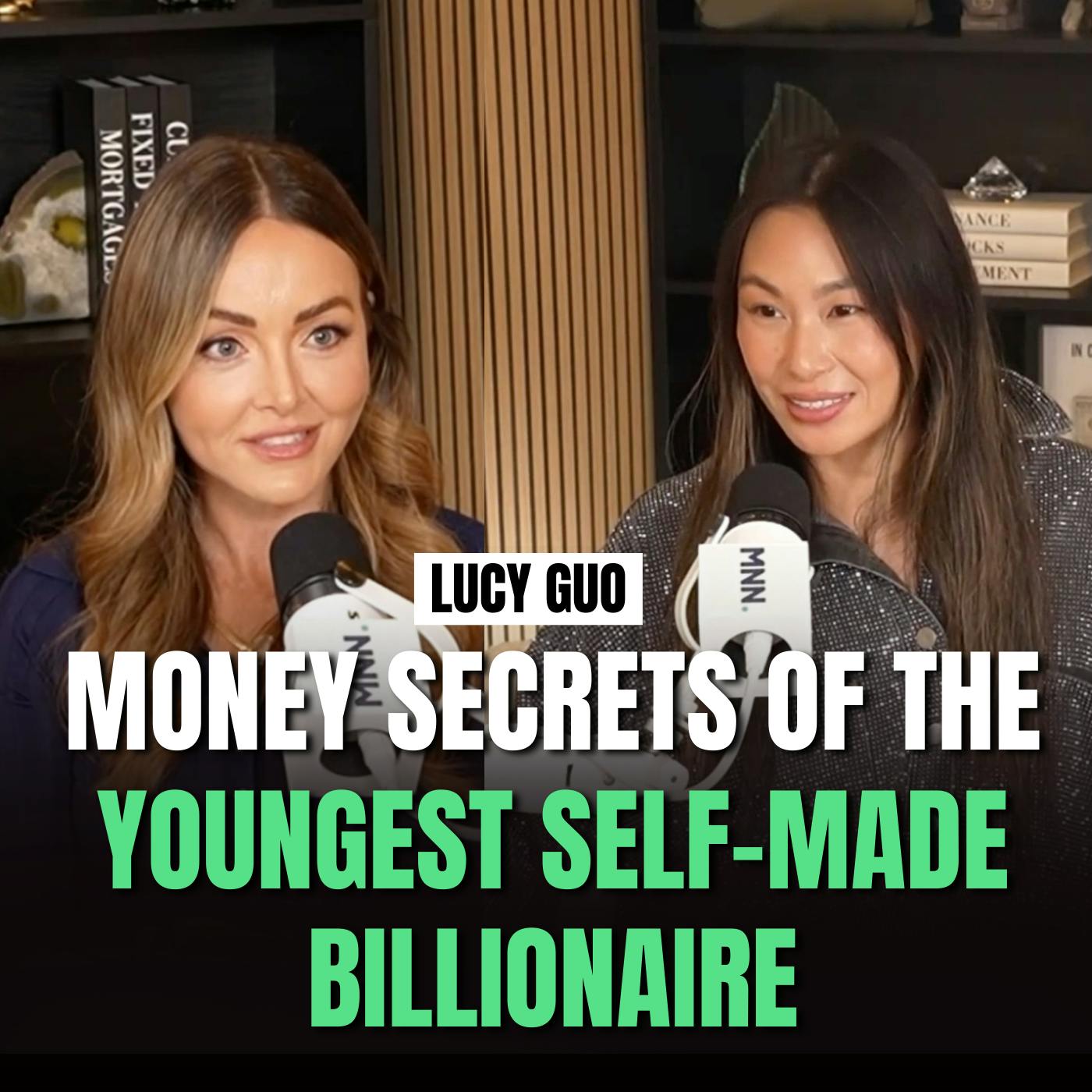
Money Rehab with Nicole Lapin
Lucy Guo’s Billionaire Playbook: Startup Secrets, Hidden Money Rules, and the Power of FOMO
01:01:08
Loading summary
Transcript280 lines
- [00:00]
US Bank Representative
All my money rehabbers out there know that homeownership dreams are real. So before you start scrolling Zillow at 2am, you need your banking foundation locked down. Here's the thing. US Bank Smartly Checking and Savings puts your money to work for you. With the ability to track your spending and grow your money, US bank helps you reach your goals faster. And when you find that perfect house and need to move fast, you'll already be ready to rock. No scrambling, no delays, just you being the prepared money rehabber you are. Let's start your homeownership Prep together@usbank.com that's the power of US Equal Housing Lender Deposit products offered by US Bank National association member FDIC 2025 US Bank Support for the show comes from Public, the investing platform for those who take it seriously. On Public, you can build a multi asset portfolio of stocks, bonds, options, crypto and now generated assets which allow you to turn any idea into an investable index with AI. It all starts with your prompt. From renewable energy companies with high cash flow to semiconductor suppliers growing revenue over 20% year over year, you can literally type any prompt and put the AI to work. It screens thousands of stocks, builds a one of a kind index and lets you backtest it against the S&P 500. Then you can invest in a few clicks. Generated assets are like ETFs with infinite possibilities, completely customizable and based on your thesis, not someone else's. Go to public.com moneyrehab and earn an uncapped 1% bonus when you transfer your portfolio. I recently had Chris Appleton on my show and of course I had to check out his new audiobook youk Roots Don't Define youe. He narrates it himself in his amazing accent and it's just the perfect confidence boost. I love listening to a good audiobook while I'm folding laundry or unloading the dishwasher. It turns chore time into me time. It's time to take care of you. Who better to help you do that than the top voices in well being? On Audible, you can level up your parenting career, finances, sleep, relationships or mindset. The Audible Wellbeing Collection has everything to inspire and support you every step of the way. Hear the latest from best selling authors Brene Brown and Jay Shetty, Master Nutrition with chef Jamie Oliver, hear nature sleep sounds from the sleeping world or get on top of your finances with Rachel Rogers. Plus you'll find all the best parenting guides like Raising Good Humans. With this at your fingertips, you can imagine more for yourself and your family. Kickstart your well being journey with your first audiobook. Free when you sign up for a free 30 day trial at all audible.commnn Membership is 14.95amonth. After 30 days, cancel anytime. Listening to the top voices in well being sounds like self care to us. Audible. There's more to imagine when you listen.
- [02:52]
Nicole Lapin
Do you think some of this changed? Obviously, youngest female self made billionaire headlines everywhere.
- [03:00]
Lucy Guo
I would actually say no. I think it really changed when I learned to become very confident in myself.
- [03:05]
Nicole Lapin
You've heard the Wall street lore. The college dropout made big and tech the founder who left Attack Unicorn and built their own. But Lucy Guo has lived the lore. She's a college dropout who co founded the Unicorn scale AI. Now she's running passes. Today she tells me about the wildest, scrappiest money stories you will ever hear.
- [03:25]
Lucy Guo
He took my laptop. I sprinted out the door.
- [03:28]
Nicole Lapin
Damn, girl.
- [03:29]
Lucy Guo
Yeah. And I caught him like, I would say like a mile, mile and a half in.
- [03:31]
Nicole Lapin
And then what happened?
- [03:32]
Lucy Guo
I just like lunged myself at his backpack and tackled it.
- [03:35]
Nicole Lapin
God. Lucy. Money tips. She learned after becoming a billionaire.
- [03:40]
Lucy Guo
So what a lot of people do. I could then take out a loan against my shares and then I would be able to take out a loan at a very cheap price and then be able to make money off of that and never pay taxes. And then as those assets grow, continue to take out loans and what it's.
- [03:53]
Nicole Lapin
Really like to work hard and play hard. I have an ex who closed a lot of deals at strip clubs and I always wondered like if there was an equivalent for women closing deals.
- [04:05]
Lucy Guo
I have like done diligence on companies at Constance and raves.
- [04:09]
Nicole Lapin
You are going to love this episode with Lucy Quelb. I'm Nicole Lapin, the only financial expert. You don't need a dictionary to understand. It's time for some Money Rehab. Lucy Guo, welcome to Money Rehab.
- [04:29]
Lucy Guo
Thank you for having me.
- [04:30]
Nicole Lapin
Oh my God, you look incredible.
- [04:32]
Lucy Guo
This is my DJ outfit.
- [04:33]
Nicole Lapin
So I think that hanging out with you now is going to give me some cool points. I don't know.
- [04:37]
Lucy Guo
I mean, I mean, you seem very cool to me.
- [04:40]
Nicole Lapin
Thank you. Thank you so much. It's nerd cool, but I'll take it for sure. And you said that right after this you're going to Barry's, which you're.
- [04:48]
Lucy Guo
Oh no, no, The Barry's. At 6 and 7am I just at. Yeah, so I do 6 and 7am every day. But I was just like, you know, I Woke up at 5:55. I was a little groggy. I was like, I'm just going to pull the first thing I see DJ outfit. So here we are.
- [05:00]
Nicole Lapin
I love it. We haven't had this much sparkles on the show, but never forget your first. I did Barry's yesterday morning in honor, by the way. I'm not like the. The number one Berries champion of the world, but, you know, when I show up, like, I do feel better.
- [05:17]
Lucy Guo
Yeah, I think it's all about the effort you put in. Right? Like, as long as you put an effort, you're gonna get that serotonin release and you're gonna feel good because you tackle the challenge that day.
- [05:24]
Nicole Lapin
I mean, I had a baby last year, so, like, thinking about vulnerability that Brene Brown talks about, it's not like live streaming your bikini wax. It's like showing up postpartum to Barry's is, like, was a very vulnerable thing.
- [05:36]
Lucy Guo
Most badass people at Barry's Pregnant woman. Like, I stare at that, but I'm like, oh, my God. You're, like, pregnant, and you're literally kicking ass.
- [05:43]
Nicole Lapin
I love it. Okay, so you are all over the place, from double hitters at Barry's to all the podcasts to all the conferences to all the things. Do you feel like you still work as hard as you did, hustled as hard as you did from before you were successful?
- [06:00]
Lucy Guo
I would say so. My routine hasn't changed at all. Like, I think I've always believed in the power of routine and, like, you know, waking up early in the morning to work out, to get your day started. And I think that, like, there was at some point in time where I let go of that routine, and I felt like I wasn't working as hard because I wasn't getting as many hours in a day. But I'm back on that routine. Right? And that was how I lived when I was first trying to build companies. And that's how I live right now, where every single day, I'll wake up between, like, 5:30 and 5:50, and then I'll get up, go to Barry's, do two double workouts, and then just go straight to the office and work.
- [06:32]
Nicole Lapin
I mean, even take me back to childhood, right? You grew up in an immigrant family like I did. I feel like there's a different mentality around needing to make money or the strive to make money. So you've always talked about the idea that making money was a goal for you, even back to, like, neopets days. Where did that come from? From your parents.
- [06:51]
Lucy Guo
I had Chinese Immigrant parents. So they always emphasized the importance of education and money. But education was to make money, which is why in Asian culture, everyone jokes that like, oh, like my parents want me be a doctor, lawyer, engineer, or else I'm a failure at life. Because those are three well known jobs to make money. I think where I like wanted to make money really young though was the fact that like I was bull school. I never had like the coolest clothes or like the cool toys, et cetera. And these are things that I wanted to get that I, my parents wouldn't get for me. So I figured out how to make money on the Internet so I could get these things myself.
- [07:22]
Nicole Lapin
It's crazy because I have a very, very similar story. I've actually never heard anyone else talk about it. But when I was growing up, I was also bullied for like wearing fake Doc Martens and they were called like Nurse Martins because, you know, like, I couldn't afford it.
- [07:37]
Lucy Guo
I remember like on a playground, someone told me like, hey, like, if you wore Abercrombie and you'd be considered cool, but I can like, maybe we'd be friends with you, but you're wearing like aeropostale in my head. Aeropostal is this like expensive brand, right? So I was just like, wow, I splurged on this and you don't like this.
- [07:52]
US Bank Representative
That hurts.
- [07:53]
Nicole Lapin
I mean, and look at you now.
- [07:55]
Lucy Guo
Well, I mean, this is actually really cheap. This I got in a Mexican. Yeah, also true.
- [08:01]
Nicole Lapin
So how do you feel like that has stuck with you? Because even like today, I've done, you know, a lot of things that people would find impressive. You have done all the things that people find impressive. But like, somehow the bullies from high school like still get to me. Like I can talk to anybody. Except sometimes when I hear like these girls names from middle school come up, I'm like viscerally upset by it in a way that.
- [08:27]
Lucy Guo
Oh, wow, that actually surprises me because I think I'm the exact opposite. Where now I'm just like so happy and so confident and so grateful, right? Like every single day I just like, I'm thankful that my life is how it is. And I also think like, my mentality has shifted a lot to where when like bad things happen to me. I just think it's a lesson that I need to learn. I'm like, okay, like this sucks. But I am just going to take this as a lesson, look at the warning signs. And I almost like postmortem everything in my life, I guess. So, like, okay. And then like this isn't going to happen the next time because these are going to be the preventative measures.
- [08:59]
Nicole Lapin
I need to adopt that. How did you get this really healthy mentality?
- [09:04]
Lucy Guo
I think, like, at some point, I just became really happy, and I was like, okay. Like, I have this, like, support system around me. Like, I have the best friends in the world who I would do anything for, and they would do anything for me. And I think that hatefulness really does stem from jealousy. At the end of the day. Like, there's no other real reason to think about someone and just be, like, so angry at them. It could be someone with, like, a nasty personality, but, like, you might still be jealous about, like, what they have. Right. So, yeah, I'm just like, whatever. Like, haters are always gonna be haters, and, like, you're doing something right if you have haters.
- [09:35]
Nicole Lapin
Yeah. I mean, comparison is the thief of joy. And it's also the idea of, like, taking poison and hoping the other person will die, because really, it's like poisoning yourself. Some of this changed, obviously. Youngest female self made billionaire headlines everywhere.
- [09:50]
Lucy Guo
I would actually say, no. I think it really changed when I learned to become very confident in myself. And this actually happened back in. When I. During COVID I moved to Miami, and I guess I was always, like, a little bit bullied within friend groups before Miami. And Miami was the first place where I received, like, this extreme, like, selfless love. I can't really explain it. I think it, like, started a new era for me. And I think also, like, as my. Yeah. As, like, my confidence grew and, like, the energy around me was more positive, I was able to just start blocking out all, like, negative energy.
- [10:24]
Nicole Lapin
Why Miami? Oh, I got bored during COVID No. So not a tax situation?
- [10:28]
Lucy Guo
Not a tax situation. I actually. I am paying, like, I have my liquidation event, like, last year. Right. And I'm paying, like, all my California taxes. Yeah. I had the opportunity to escape, but at the end day, I'm like, I think it's worth paying the taxes to be somewhere that, like, you need to be, whether it's because it makes you happiest or, like, whether it's professionally. Right.
- [10:46]
Nicole Lapin
The sunshine Tax.
- [10:47]
Lucy Guo
Yeah. Yeah, it's a sunshine tax.
- [10:48]
Nicole Lapin
When you surpass a certain net worth. Did you feel like that added confidence or had nothing to do with it?
- [10:55]
Lucy Guo
No, it didn't have anything to do with it. I was not really liquid until, like, quite literally last year, like, a few months ago. But I felt this, like, I would say I turned much happier, literally, in Miami, which is 2020.
- [11:08]
US Bank Representative
Love that.
- [11:08]
Nicole Lapin
Yeah. You guys like, field trip to Miami. Let's go. Was it weird, like, when that headline became public?
- [11:15]
Lucy Guo
I wouldn't say it was weird. I would say I expected it, but it didn't mean anything to me because for me, I'm like, okay, like, this title is going to be taken over. Like, it's whatever. It's not liquid. At least it wasn't at the moment. I believe that, like, with anything illiquid, things can go to zero, right? So I was like, it's all paper money. But I would say, like, it opened doors, like, new opportunities. I suddenly had a lot of DMS from famous people.
- [11:39]
Nicole Lapin
Like who? I can't say, but, like, in a sexy way or, like, in a business way, Because I get. I don't get any sexy dms. I'm sure you're not shocked, but, like, I get business type DMs. You want to invest or that stuff.
- [11:51]
Lucy Guo
I would say, obviously mix of both. The ones I was obviously excited about were probably just like old celebrity crushes.
- [11:58]
Nicole Lapin
Yeah, okay. Okay. I might. My imagination is running wild. And with these superlatives that we hear around, like, youngest billionaire on all of this, how do you feel about the youngest component of it? Because I had that early in my career, I was like the youngest anchor on CNN or cnbc. And then I wasn't. It felt like a weird shift for me. Like that moniker. How do you think about that?
- [12:21]
Lucy Guo
I think I think about it is just. It gives people hope, maybe that they will achieve it one day. But, like, in reality, like, you're gonna have the title for like a few months and then someone else gonna stake it, right? I think someone else take it. The Couchy co founder, she's like, so cool. Won't let me invest in a round because it's close, but so cool.
- [12:37]
Nicole Lapin
But you tried.
- [12:38]
Lucy Guo
Oh, I totally DM turn. I was like, hey, like, is the round closed? The answer was us. But in the moment, right? Because I think every single person is different. So when they see someone that, like, looks like them, grew up in the same, like, lifestyle as them, etc, they get hope. Like, the Kelsey co founder is very different than me. Like, she was, I think. Yeah. And like, that's just so different. But, like, other people will, like, relate more to her than they relate to me and get that hope. And I think that, like, as new people get this title every few months, it just gives more of the world hope. And I think, like, hope drives a lot of, like, people right. Like, they work harder. Because if you don't have hope. Like, why are you on this planet doing anything?
- [13:16]
Nicole Lapin
It's really interesting that you say that because I know that you've talked about not being a role model or not considering yourself a role model, but it sounds like you do know that you give other people hope.
- [13:25]
Lucy Guo
I know I give other people hope. Like I'm not sure if I'm a role model, but like I give other people hope. And I always try to like give my advice in the blunt way possible and like I like giving back that way.
- [13:36]
Nicole Lapin
Yeah, I think when people, you know, see those types of headlines, they assume that you have like $1 billion in your bank account. So for people that don't understand, like the liquid, not liquid thing, can you explain? Because, you know, we talk about the idea of don't mourn paper losses or don't rejoice paper gains, but you really live by the choosing.
- [13:54]
Lucy Guo
Yeah. So I, I guess the best way to explain it for people is if you start a company right, and it becomes worth, let's K like $2 billion and you own 50% of it. That $2 billion is dictated by like whoever invested in it. But it's not really actually like $2 billion. Like one person could decide, oh, it's $2 billion. So I'm going to give you this valuation when it could really in reality be worth zero. And there's actually a lot of investors are just, you know, stupid and they'll invest, let's call it 200,000 at like multi billion dollar valuation. The founder could literally say like, oh, now my company's worth a billion dollars even though there's like 200,000 in the bank. I think another like maybe easier to understand example is let' did you a bunch of Picassos and suddenly you have like billions of dollars in art, but like you still have $0 in your bank account. And like, are you going to be able to sell this Picasso's? Like you don't know how much you're going to sell it, when you're going to be sell it, et cetera. So there's a very different, like it's very different when you have like money and things versus actual cash.
- [14:51]
Nicole Lapin
Were people hitting you up for money after that because they didn't realize?
- [14:56]
Lucy Guo
I mean, I would say people have been hitting me up for money and even before I had like a dollar. Really? But yes, a lot of people hit me up for money constantly.
- [15:05]
Nicole Lapin
And do you, do you lend people money?
- [15:07]
Lucy Guo
I don't lend people money. No. That's like a big no. No for me?
- [15:11]
Nicole Lapin
Yeah. Or like, friends. Or sometimes when friends ask me for money, I give it to them, and I just think of it as a gift. Like, I write it off.
- [15:17]
Lucy Guo
Yeah. I would say, like, if a friend was, like, homeless. Right. Like, what I prefer to do, which actually just recently happened, is I'm like, oh, here's like, a room. My house. You can. Can stay here however long you want. Right. But if someone asks for, I guess, money, I usually ask for something in return just because I think it's principle, whether it's like, oh, well, you, like, be my PA for a week, then exchange for, let's call this $5,000.
- [15:44]
Nicole Lapin
I've actually done that too, with a friend. I gave her sort of like a token job. And I think that gives people a sense of worth, too.
- [15:52]
Lucy Guo
Exactly.
- [15:52]
Nicole Lapin
Around it versus just charity, because you.
- [15:54]
Lucy Guo
Never really want people expecting free things from you. And I do think that, like, you, for the most part, can expect the money is never paid off. I've only loaned one friend money ever. And it's because, I mean, he comes from a very wealthy family, and he makes a lot of money. Just like in his line of business, it's, you know, you. You need to reinvest it. All. Right. So he's always pay me back early, and it gives me a large percentage on top of the money that I loan him.
- [16:21]
Nicole Lapin
Okay, so you're like a bang. Yeah, he just needed, like, cash flow, it sounds like.
- [16:25]
Lucy Guo
Yeah, exactly.
- [16:26]
Nicole Lapin
It was more of, like, a business transaction action. But yeah. People say, decide what you want more. The friend or the money. If you loan friends money. So did you have a bad experience? Just. You're just really cautious.
- [16:36]
Lucy Guo
I would say I have gotten scammed by a friend. It was more of an acquaintance friend, but it was, like, almost structured like an investment, but the investment was in a document as a loan. But he pretended to run this, like, Meme Coin crypto fund and showed returns. He showed me a cold wallet with, like, millions of dollars saying that, like, if he lost the money, Meme coins, he would back it with that. Turns out he stole someone's cold wallet, so. Yeah.
- [17:03]
US Bank Representative
What?
- [17:04]
Lucy Guo
Yeah.
- [17:04]
Nicole Lapin
And so did you give him money?
- [17:05]
Lucy Guo
I didn't give him money. Yeah.
- [17:07]
US Bank Representative
No.
- [17:07]
Lucy Guo
It's a whole FBI case now.
- [17:08]
Nicole Lapin
Oh, damn.
- [17:09]
US Bank Representative
Yeah.
- [17:10]
Nicole Lapin
I'm so sorry.
- [17:11]
Lucy Guo
Oh, it's all good.
- [17:12]
Nicole Lapin
Makes total sense.
- [17:13]
Lucy Guo
Yeah. I feel lucky because I didn't give him my net worth. Right. But there are a lot of people, like, childhood friends, have known him since they were like, three years old, five years old, that gave them like their net worth. And like, like that's much worse.
- [17:24]
Nicole Lapin
Like they gave him all their settings.
- [17:27]
Lucy Guo
Yes.
- [17:27]
Nicole Lapin
Dude, do you think you have a lot more people hitting you up for investments?
- [17:33]
Lucy Guo
I do have a lot of people hitting me up for investments. I think I need to stay disciplined, obviously to make good investments. And my thesis with investing has always been invest in the best engineers and I go early stage. So like my hypothesis just like they can live off of ramen until they give up essentially because otherwise like engineers don't need to hire other people. You can continue pivoting different ideas. And like I actually just had Investment Exit where he tried ideas for a decade. It failed after failed after failed, never gave up. Just like, you know, lived inside or apartment in Oakland on a couch, like eating junk food. And he just sold his company to anthropic. So decent return for me. I'm pretty happy. Yeah. And I'm very happy for him. And I think that's just like I've had so many investments go that way where it looks like a dead company and then the founder never gives up, strikes gold.
- [18:21]
Nicole Lapin
But you see that because you know what that's like.
- [18:23]
Lucy Guo
Exactly.
- [18:23]
Nicole Lapin
Like a scrappy engineer.
- [18:25]
Lucy Guo
Exactly. Yeah.
- [18:25]
Nicole Lapin
Do you have an idea of an amount like a fund or you're just sort of ad hoc?
- [18:31]
Lucy Guo
So I have been doing it with personal money. That being said. Happened like a week ago. But I had NLP interested. Slash it's just moving along. So it's probably gonna be closed by next week. So I'm starting a new fund knowing you. 250 million dollar fund. Yeah. Let's go.
- [18:46]
Nicole Lapin
Hell yeah, Lucy, let's go. And proven founders to get a lot more cred and get a lot more money. Like it sounds like you were raising for your next company and just sent a bunch of texts. Which you probably couldn't have done before you exactly successful.
- [19:02]
Lucy Guo
Yes. So that was just. I mean that was just a blessing. I was like, okay, great. Because I was a little bit nervous. I was running a fund and I was like, oh my God. All right. Like my LPs going to be mad that I'm starting a new company. So the first thing I did was allow my LPs to invest before letting other investors in. And I. It was a whole mess. It was way over subscribed. I think it was raising like 2 million. Ended up being 9 million.
- [19:23]
Nicole Lapin
Very high class problems.
- [19:25]
Lucy Guo
Yeah. Yeah.
- [19:26]
Nicole Lapin
If someone's watching and they have an idea that fits this thesis, how can they pitch you?
- [19:33]
Lucy Guo
They could just email me at like lucy passes.com or actually I have a new one. Lucy. Critical Mass vc?
- [19:38]
Nicole Lapin
Is that what it's called?
- [19:38]
Lucy Guo
Yeah, we're calling a VC as of now. I mean we came up with that name like, like when I say literally this all happened within the span of a week, I was like, well I.
- [19:47]
Nicole Lapin
Mean what can she not do? One or two LPs. Can they slip into your DMs?
- [19:53]
Lucy Guo
Yeah, they slip into my DMs. I actually read them and like just send me like a doc send. I like reading about the founder too. So like a LinkedIn and then a doc send is nice.
- [20:01]
Nicole Lapin
Good to know. And AI doesn't have to be AI.
- [20:05]
Lucy Guo
It doesn't have to be AI. But like I like seeing how a founder like uses AI in their daily lives to make like, like running their company more efficient.
- [20:12]
Nicole Lapin
And what do you think is the thing that's going to gain most traction within AI? Because like five years ago if you had AI anything, I mean you were doing AI before it was cool, but people would invest more because it was like the buzzy thing. I think now potentially prediction markets is like, you know, the buzzword for investors. But where do you think there's like specific residents agentic or what?
- [20:36]
Lucy Guo
Yeah. So I think at the moment boring industries that are implementing AI to be more efficient are going to be the like big killers. AI is extremely good at like repeatable tasks and like analyzing like long form documents for example. So I think that like Harvey AI legal, it's a huge, huge market. I think that AI is better at like doctors or radiologists, at like you know, looking at images and detecting cancer, etc. These tasks that like require like extreme memory, extreme computer vision, like just analysis. The more data, like if you enter an industry where there's tons of data, you can just pour into the software or into a model to learn from. You can 10x efficiency.
- [21:15]
Nicole Lapin
Right.
- [21:15]
Lucy Guo
I think that where it's going to improve is probably industries I'm not even thinking of because I'm unaware of like how the industry works. But like very old industry.
- [21:22]
Nicole Lapin
Yeah, the boring.
- [21:24]
Lucy Guo
Yeah, the boring.
- [21:24]
Nicole Lapin
More boring, Better.
- [21:26]
Lucy Guo
Yeah.
- [21:26]
Nicole Lapin
And when you worked on the other side by taking money from investors, did you ever have like a weird experience that you want to do differently now that you are an investor?
- [21:38]
Lucy Guo
Honestly, my fundraising strategy has always been the same as like you know, a founder which is cause fomo and then through that fomo like jack up the price of the valuation.
- [21:50]
US Bank Representative
I see.
- [21:51]
Nicole Lapin
So cause foam like make them want like be like this is a rocket ship. Like if you're not on this rocket ship. You're missing out, kind of.
- [21:59]
Lucy Guo
But, like, also just plant seeds without telling who you're talking to. So say like, oh, yeah, like. Like, I would rather be like, oh, yeah, I'm going to Sand Hill Road. I have a few meetings. So, like, this day at this time works. Because then they're like, oh, crap. Like, who is she talking to? Sand Hill Road has all the best VCs. Like, this is going to be a killer deal. I need to move fast. Right. Like, that causes fomo, even if you're not going. So I try to time, like, all my meetings around the same time. So then I get multiple term sheets at the same time and then make those term sheets bid against each other.
- [22:26]
Nicole Lapin
How did you learn that? Because it's an art. Like, there are some people that are really good at fundraising and then there are. Or people that are really good at sort of this 3D chess of, like, playing people off each other.
- [22:36]
Lucy Guo
I think it's a lot of is psychology. So, you know, there's like a Kickstarter method where when, like, 80% of, like, the Kickstarter is filled, like, it's going to get oversubscribed. People have, like, a fear of missing out. So I like the best advice I always give founders is start at a lower valuation. Say you're raising less than you want to raise. So if you're trying to raise 2 million, say you're raising 1 to 1.5. Right. Because then you could say, oh, like, there's barely any left, it's oversubscribed. And then for the, like, the next, like, call it 500K to, like, let's say you bump it to 3 million. So 1.5 million that you try to raise, you can jack up the valuation, which a lot of people do.
- [23:11]
Nicole Lapin
Like, it's better to beat low expectations.
- [23:14]
Lucy Guo
Yep. Because, like, if you, like, tell, like, like, if I tell you, like, hey, I'm raising 1.5 million, like a whole million is taken already, you're like, oh, shit. Like, I don't have much allocation left. But if I'm telling you I'm raising 2 million, I have 1 million raised, it's like, oh, you're. I'm not even at, like, 50. I'm at 50. Right. It's not that great.
- [23:30]
US Bank Representative
Right.
- [23:30]
Nicole Lapin
Totally. This is like what happened in real estate a few years ago, especially in la. People would put their homes on the market for, like, one lower.
- [23:38]
Lucy Guo
Exactly.
- [23:39]
Nicole Lapin
Something.
- [23:39]
Lucy Guo
And it becomes a bidding war.
- [23:40]
Nicole Lapin
Yeah, exactly.
- [23:41]
Lucy Guo
Yeah. But I think that's why you want to give like a facade of like, I don't need the money. Right. Because that makes people more confident that you will make them a lot of money. I know. Yeah.
- [23:49]
Nicole Lapin
It's so hard though.
- [23:50]
Lucy Guo
That's Kickstarter method, because you don't need the money when you. But you do need the money.
- [23:54]
Nicole Lapin
Yeah. I mean, are there any other psychology tricks that you would give founders?
- [24:00]
Lucy Guo
I would say psychology group. So, like, I always try to pitch VCs that I'm not interested in first before I move on to vcs. I am interested in just to like, get all the questions out of the way. So, like, I can give like a much more complete, like, data room, for example, towards the end. And then they're impressed because they're like, oh, wow, like, you've really been diligent about creating this. And like, you have all the data I need. I don't have to ask you for more data. So you just want to polish up your presentation for, I would say, like tier one VCs. So do that. And then another thing, I guess if I were a founder raising like a seed round or even maybe a series A, the Kickstarter works especially well when you're going after micro funds or angel investors. Because angel investors and micro funds do a lot less diligence. Like a lot of times, like micro funds, I would call this like a fund size of anything below. Let's call like $50 million. They don't really due diligence. Like, they'll make a decision, write a check in one day versus these like more institutional VCs. It like, it's their job to do a bunch of diligence. Right. So they are like, they may take two weeks before they wire you the money because they're making sure everything is like crisscrossed.
- [25:04]
Nicole Lapin
Yeah. So it sounds like get your wiggles out. Kind of like comedians do at smaller clubs and they sort of test out their material before hitting like, Yep, the Comedy Store. Yeah. Or whatever. Now that you're in, I don't know, is it like billionaires club or like successful people club or. I don't know how you would call it. But like, now that you're. You're there, are there any financial truths that have been gate kept by the rich?
- [25:30]
Lucy Guo
I mean, I wouldn't call gate kept. I feel like this is just like something people, like, know. Right. But like, obviously if you take loans out against your assets, you never really have to pay taxes. So what a lot of people do. And I would just like to clarify, I was not able to do this because my like my company got bought, right? So then I got a cash payout and with that cash payout I actually have to pay taxes on. But let's say it never got bought and it just entered the stock market, right? Like it went public. I could then take out a loan against my shares and then I would be able to take out a loan at a very cheap price. Probably just like sofr, which on average.
- [26:05]
Nicole Lapin
Overnight lending.
- [26:06]
Lucy Guo
Yeah, overnight lending, super cheap price. Probably like on average like, I don't know, like, like 3 to 5%. And then be able to make money off of that and never pay taxes. And then as those assets grow, continue to take out loans. So that's what a lot of people do. I mean like it's kind of brilliant.
- [26:22]
Nicole Lapin
But yeah, we've done a lot of videos and shows about this idea. I found out about it. You know, the more successful I became because I used to think, you know, when I had credit card debt when I was growing up and like being immigrant's daughter, like I didn't understand sort of this space. It was like you don't have cash to buy the house, you don't buy the house. Like you don't buy the car, you don't buy the thing. And I always thought debt was a bad word. But then the more successful I became, I realized that rich people use debt as leverage. So let's explain this. So you have a portfolio, let's say $1 million. Instead of pulling out, you know, 200K to put a down payment on a house, you know, rich people will like borrow against that portfolio. So they've, they don't sell, they don't realize capital gains and then they use that debt and they pay the.
- [27:10]
Lucy Guo
We can do it that way. I would say with real estate, almost everyone does it with like an actual mortgage. But yeah, like if you like had. This is actually a really good example. So like let's say you had a bunch in the stock market right now and then you were able to take out against all your assets, like let's call your home assets, your art assets, et cetera, like take out, let's call like 50 million safely because like you, you won't get margin. Called on 50 million with like how much you own. Put that 50 million into a private stock company like anthropic, where you know within like a five year time span is probably going to like 3x and then you're paying very, very little interest on a city meal. And then when it 3x's you not only get to, like, write off the interest, but you get, yay, the profits. Yeah. And then you can pay back the loan and call it a day.
- [27:56]
Nicole Lapin
I heard that somebody tried to rob you, right? Or break into your house. What happened?
- [28:01]
Lucy Guo
Oh, yeah.
- [28:03]
Nicole Lapin
Target on your back.
- [28:04]
Lucy Guo
Yeah. So now I have a lot of armed security. But back I didn't. And what had happened was I was in Vegas, and I just posted real time. Like, oh, I'm on my way to Vegas. Someone knew I wasn't home, and then they came to my house and they broke the glass window and then tried to rob me. But my friend was home, and, yeah, he scared him off.
- [28:24]
Nicole Lapin
Oh, my God.
- [28:25]
Lucy Guo
Yeah.
- [28:26]
Nicole Lapin
And, I mean, you. You have an amazing person here with you today, but, like, you're not rolling super deep with, like, armed guards right now.
- [28:36]
Lucy Guo
Do you.
- [28:37]
Nicole Lapin
Do you have, like, bodyguards?
- [28:38]
Lucy Guo
Yeah, so. Actually had a. A list actress ask me this the other day, and I was just like. I think the difference, like, me and you, is that, like, you get paparazzi and followed and, like, recognized. Right. No one cares about tech billionaires. Like, I don't think Mark Zuckerberg's getting paparazzi. And if he is, I'm sorry, Mark. Like, Brian Chesky. I'm pretty sure he lives in la. No one's following him around. You never see him on the news. And these people are, like, much, much wealthier than me. And I do think it's just like a. Oh. Like, we're tech people or tech nerds. Like, no one cares about us. Which is great, because I don't feel the need to, like, walk around with a bodyguard. I actually think that makes you more noticeable. The best bodyguards are ones that are, like, more incognito. Like, they look like a friend or, like, short, tiny. They dress in, like, normal clothes.
- [29:18]
Nicole Lapin
Does situation scare you? Like, are you worried about safety and.
- [29:23]
Lucy Guo
You haven't worried about safety? Because, like, at the end day, if I get robbed, like, what's gonna happen? I don't really have that many nice things. You could rob me and, like, you're gonna be sorely disappointed. I don't have expensive art. Like, all my really nice stuff is, like, locked up in, like, a bank vault. Like, you just. I have nothing. Your computer do have my computer. Yes. I have had my computer stolen once at Starbucks. That sucks.
- [29:43]
Nicole Lapin
Yeah. But now I'm assuming. I mean, you're. You forget more than I will ever know. But sharing. It's all backed up and everything.
- [29:49]
Lucy Guo
Yeah, well, I mean, I got my laptop back. I chased a guy Stop. Yeah.
- [29:53]
Nicole Lapin
Like you ran after them. Yeah.
- [29:55]
Lucy Guo
It was a really stupid decision. Like, thinking, like, looking back, I was like, oh, he could have had a second guy. And like, they could have punched me or whatever. But, like, I just had like. Like it wasn't the laptop itself. It was just like everything on my laptop that I needed, like, all my work. So I'd actually just done two Barry's classes that day and I was at Starbucks just working. And then like, I. He took my laptop, I sprinted out the door.
- [30:14]
Nicole Lapin
Damn, girl.
- [30:15]
Lucy Guo
Yeah. And I caught him, like, I would say like a mile, mile and a half in.
- [30:19]
Nicole Lapin
So he was sprinting and you were sprinting after him?
- [30:21]
Lucy Guo
Yeah.
- [30:21]
Nicole Lapin
And then what happened?
- [30:22]
Lucy Guo
I just like lunged myself at his backpack and tackled him.
- [30:26]
Nicole Lapin
God, Lucy, that's insane. Yeah, I mean, let's go back to some of those days is the scrappy wild days of Vegas. You've done some pretty unhinged things to get by. Tell me about eating for free.
- [30:42]
Lucy Guo
Well, there's a few things I did to eat for free. So I would say like, yes, I lived in Vegas and I would just go to the lounge, you know, I would book a Southwest ticket and then, you know, check in, get in, cancel a ticket because it's fully refundable and then go eat. But like, I've also done other things. Like, you know, they're like. It was a running joke that tech company, like you could get free food food through like VC funded tech apps. So I'd find like all the, like, you know, new food apps that VCs were funding and I would just post my referral code on different, like coupon websites and then people would use it because everyone's looking for a discount, right? And then I would just rack up like literally thousands of dollars in free referral coupon, like free credits, and then just eat for free.
- [31:20]
Nicole Lapin
I mean, you've talked about being a really big believer of the fire movement. Do you still want to retire early?
- [31:27]
Lucy Guo
Oh, no, not at all. I tried retiring. It's so boring.
- [31:30]
Nicole Lapin
You're never retiring.
- [31:31]
Lucy Guo
I don't think I'm ever retiring. Like, I can see myself doing different things. Like maybe I like, stop building startups. And like, I think VC is actually a more relaxing life. So like, maybe I end up doing full time vc. I do a family office. I go into like foundation work, right. But I think I always need to work because I get happiness off of like my brain running and solving problems. Like, that excites me and gives me like this serotonin adrenaline rush. And I Remember, I was, like, traveling around the world. I was so happy because I love meeting new people, making new friends, learning about new cultures, like, seeing how beautiful the world is. Like, I, like, still have, like, great memories of just, like, being on top of a mountain by myself and just be like, wow, this is really pretty. But I just, like, I was lacking that, like, serotonin, like, high I would get from solving problems, and I think I need that for the rest of my life. So here we are.
- [32:17]
Nicole Lapin
Here we are. I mean, that's priceless. That's something you can't buy.
- [32:20]
Lucy Guo
Yeah.
- [32:20]
Nicole Lapin
And so you tried to take a little break after a big liquidity event, and you just thought, it's not.
- [32:27]
Lucy Guo
Well, this is actually not after liquidity event. I was like, okay, I think I have enough to, like, do. I was, like, a mix between Fat Fire, Lean Fire. Like, I was like, I could be comfortable. Right.
- [32:35]
Nicole Lapin
Tell me the difference. Fat Fire, Lean Fire.
- [32:36]
Lucy Guo
Lean Fire is, like, retiring off of, like, very little money, and Fat Fire is retiring off of, like, more money, I guess, and, like, living a more grand lifestyle. But I also like little hacks to live grand lifestyles. Right. So I was like, okay, like, let me just. I don't care about where I live. So I bought this, like, $70,000 apartment in the airport. Yeah, it's actually everywhere. It's two bedrooms, two baths. Yeah. I don't know, like, 2500 square feet. It was next to a bunch of homeless people. And, like, there is a hole on the roof now because I think someone broke in and, like, was living there because they started getting utility bills again.
- [33:07]
Nicole Lapin
Wait, this is your hack to live a luxury lifestyle?
- [33:11]
Lucy Guo
No, no, no, no. That was how I was able to reduce my everything else on my luxurious life lifestyle.
- [33:22]
Nicole Lapin
So live in a hole and then.
- [33:24]
Lucy Guo
And then, like, yeah, you could do, like, let it turn, but then also charter your. Yeah, like, I mean, like, let's say, like, you wanted to, like, fly for free first class everywhere, Right? Just go to the airport lounge and, like, start being really friendly to every airline employee. And someone could list you as a buddy, and then you get to fly for free everywhere.
- [33:42]
Nicole Lapin
Has that happen to you?
- [33:43]
Lucy Guo
Every time I talk to a flight attendant, I always make a joke like, oh, yeah, do you want to list me as, like, your buddy? I'm still trying to get JetBlue right now. But, yes, I have been airline buddy.
- [33:54]
Nicole Lapin
So they can just list you and you'll get upgraded.
- [33:56]
Lucy Guo
Oh, so then they can list you, and then you could basically fly first class for free. Yeah, because you fly on standby, but then you get upgraded to, like, you book, like business. Right. And then you go fly business.
- [34:06]
Nicole Lapin
How many buddies can they have?
- [34:09]
Lucy Guo
Usually a few. Yeah, you can list, like, your parents, buddies, siblings are into getting deals. I love everything.
- [34:18]
Nicole Lapin
No matter what's in your bank account or what you.
- [34:19]
Lucy Guo
It's a running joke in the office that, like, I love buy one, get one free, because bogos are the best. Yeah. And like, I was telling. My friend was asking me, like, oh, how do you discover good restaurants? And I'm like, oh. So I literally go on Uber Eats. I click on, like, the deals, I find a Bogo, and then I go on Yelp and match the restaurant and dish to see if it looks good and it has good reviews. And if so, then I try it, and if it's good, then I go to the restaurant and try other items. But I find all my new food through, like, bogo deals.
- [34:45]
Nicole Lapin
And do you think that's always going to be the case?
- [34:48]
Lucy Guo
I think so. And the reason I think so is I think that, like, people that make their money really understand the value of every dollar and then agree from that they really value when they can save money.
- [34:57]
Nicole Lapin
I agree. I had, like, a small negotiating win with, like, a vendor that I was so, so excited about. It was like 20 or $30. But, like, for me, it just felt like a win or something that, you know, like, I was getting for less.
- [35:12]
US Bank Representative
Fiverr.
- [35:13]
Lucy Guo
Yeah. Even when I had, like, a few million, I was still riding Uber pools and I was using a McDonald's app to save, like a dollar or whatever. And my friends thought I was batshit crazy. They're like, like, dude, your time is more valuable. I can't believe you're still running Uber pools. And I'm like, well, I don't feel like I'm really wasting time. Like, I work on my laptop. I'm a great conversation with drivers and the riders. So, yeah, I think I've always just been someone where I'm like, okay, like, I still, like, ride. What? Well, I try to optimize for whatever is fastest, but I also look at, like, the price difference on Uber. I'm like, okay, cool. If it's like $30 versus $60, I'm gonna take the 30 ride. Even have to wait longer. But if it's like 30 versus like, like 40 and the wait time is same, like, I'm gonna take the Uber X over the comfort.
- [35:54]
Nicole Lapin
Yeah, I mean, look, there's like, the saying that rich people stay rich by acting like they're Porn. Poor people stay poor by acting like they're rich. And I think that, like, if you want sustainability, you know, you can't ball out on everything.
- [36:06]
Lucy Guo
Exactly.
- [36:06]
Nicole Lapin
Like, maybe you can get anything. You can't get everything.
- [36:10]
Lucy Guo
Yeah, like, when I spend money, it's, like, usually for comfortability or, like, if I, like, don't want to, like, do a bunch of layovers and sit, you know, not. Not a lie, flat, I will, like, consider getting a jet. But otherwise, like, I prefer just. Or, like, if I don't want to be around, like, because, like, I'm a girl and I know, like, you know, I'm in a scene, so I can always get free tables. Right. But I'm like, oh, if I'm at a promoter table where I have to talk to a bunch of dudes I don't want to talk to, I'd rather just get my own table.
- [36:35]
Nicole Lapin
You go out a lot. You, as you mentioned, have you ever closed a deal at a concert or a rave?
- [36:41]
Lucy Guo
I have, like, done diligence on companies at concerts and raves. Not to my knowledge that I can remember in my head have I closed a deal.
- [36:51]
Nicole Lapin
Because I have an ex who closed a lot of deals at strip clubs. And I always wondered, like, if there was an equivalent for women closing deals.
- [37:00]
Lucy Guo
No, that actually, like, fascinates me, too, because I hear this too, like, where, like, business men specifically will go to, like, strip clubs or just, like, clubs in general and close deals. And it's just, like, so icky to me. Like, what?
- [37:12]
Nicole Lapin
Yeah, yeah. I mean, there's also sweat working, which I'm sure is up your alley too, where people are taking, like, runs or walks while they're having a meeting, so they're getting their.
- [37:21]
Lucy Guo
That being said, I will say, I think that people. There are people that do close deals at music festivals, slash raves, and I think it's usually, like, the DJ themselves. So, like, let's say you're a DJ and you have a venture fund, which.
- [37:35]
Nicole Lapin
Is crazy, that that's not uncommon.
- [37:37]
Lucy Guo
Yeah, it's not. It's so common. But there are DJs, adventure funds where, like, you know, they'll be like, oh, like, let us in the deal and, like, we'll let you backstage, stage, like, on stage and show you a good time. And that work. Oh, fully works. Yeah. Because I think, like, you have these founders who, you know, they love EDM music. I think a lot of founders like EDM music. My hypothesis is that, like, we were really nerdy growing up. We probably went through a depressed phase and the BPM of EDM literally opens up the heart chakra and makes you all happy and like joyful. Right?
- [38:02]
Nicole Lapin
And your throat chakra too. Because you're screaming, like all the anger and all the whatever pent up stuff.
- [38:08]
Lucy Guo
That you know you're screaming, but you're definitely singing. But yeah, I think that, like, then they get so struck and then that's.
- [38:13]
Nicole Lapin
How I say yeah, yeah, is by screaming.
- [38:17]
US Bank Representative
But it's.
- [38:17]
Nicole Lapin
But it's true. And also sports too, which is why, you know, a lot of deals get done for like courtside tickets or like getting into, you know, minority stakes of sports teams and stuff like that. Because I do think, yeah, it's like.
- [38:28]
Lucy Guo
Yeah, I actually think sports is probably where like a lot of people do deals too. I can see that at games. Like, we take people out to games when we're like trying to like, not close deals, but build relationships, like stronger relationships.
- [38:42]
Nicole Lapin
Do you think there's a stigma around people who work hard, play hard?
- [38:45]
Lucy Guo
So I think the world is very sexist and I think the stigma only exists with women. And I say this because I'm biased. Like, am I salty that I have this stigma? Like, yes. I think that people are like, oh, she's a party girl, whatever, she doesn't work. And I'm like, I'm just awake more hours in the day than you. And I actually am in the office longer than you and on my laptop longer than you. I wake up earlier than you. I sleep later than you. I'm sorry that you did not get born with a gene where you can't, like, you need your full eight hours of sleep. Like, that's not my problem that, like.
- [39:12]
Nicole Lapin
The gene that you don't require sleep.
- [39:14]
Lucy Guo
Because that's, I would say, according to my eight sleep, like, I have pretty high recovery. Even when I sleep like five hours. I would say I was a lot stronger younger. Like, younger. I could do three hours and be fine. Now I was like five hours. I feel great. But if I'm on four, I'm like, I'm not happy. I'm really not happy on four. Um, but all the, like, guys in tech I know, like, they're party animals. Like, I. They're crazy. I think they're like a bunch of public examples out there, you know, that like, you know, their tea has been spilled. But also privately, like, ones that you don't hear about as much. Like, they are doing everything possible imaginable. They're out at 4am on Tuesday nights, slash mornings, I guess, and nothing.
- [40:00]
Nicole Lapin
Nobody says a Thing I was so surprised by this. When I lived in New York, I saw it more, you know, like guys would be out, guys, more four o', clock, whatever.
- [40:09]
Lucy Guo
Yeah.
- [40:09]
Nicole Lapin
Then going running in the morning and then like to work. I mean, I feel like there are some people that are just superhuman.
- [40:15]
Lucy Guo
Oh yeah.
- [40:16]
Nicole Lapin
In that way. Now that you're so deep with passes in the creator space, what have you learned about the fees or like, where do creators get tripped up by not, not earning what they. What other creators are potentially earning?
- [40:30]
Lucy Guo
I know you've talked about the idea.
- [40:32]
Nicole Lapin
That, you know, people shouldn't sign these 360 deals with managers or.
- [40:35]
Lucy Guo
Yeah, so 360 deals are terrible. I think I'm learning that like some people have extremely predatory contracts and I can just go through red flags where like, let's say a manager takes 20% of a deal, but then if the like brand doesn't pay the creator, they still owe the manager the money and the manager can collect from them. That's some of the more predatory things I've seen. I've seen like managers quite literally steal money from creators where the creator might be getting offered like $20,000, but the manager only gives like $5,000 out of that $20,000. Or like they keep all the upside in a deal. I think like my main problem with the industry though is that they think very short term and I think Hollywood is very like cash hungry. So they're not thinking about like the long term of a creator. And they might even be like how agencies are structured, right? Like you have to get, let's call it a million dollars a quarter in like brand deals for creators. Creators. So it's a quota? Yeah, yeah, the quota. So they're not thinking about the equity upside for creators, which I think really matters just for like both long term generational wealth, but also like when companies are giving creator. Like when companies are using creators, right? Like they're betting that the creator is going to be cheaper than like any other marketing spend they can do. And that's because creators don't have the typical customer acquisition costs when they promote a brand because they have followers that convert better than ads. So I really do wish that like this equity component were included so creators can like, certain creators might actually just, you know, bet on themselves and then like take equity in a company. Like Alex girl with like sip marks, right? Like she like bet on herself with equity. And I think you're seeing a lot of creators do this both with like, you know, incubating brands with other companies or like taking Profits from, like, an entire line.
- [42:17]
Nicole Lapin
I don't know why managers wouldn't just utilize the same percentage for the equity. Like, if you got, you know, a point or whatever, like, couldn't they take 20 basis points?
- [42:27]
Lucy Guo
Yeah, so they could. I think that it's not valued in Hollywood. The ones that really do value it got burned from it before. So I've met a few, you know, like, influencers, celebrities whose agents, like, turned down the equity deal for them, and then they lost, like, hundreds of millions, and then they're like, oh, fuck, like, we need to change this now. Those are actually the people that I've met that ended up creating their own companies, and then they're now worth hundreds of millions. But I think, like, once you, like, realize the power of equity, you really value it, but because most people never really understand it because they didn't. Like, you never really understanding. So, like, you lose it, right? And then you're like, crap like that FOMO hits.
- [43:08]
Nicole Lapin
And to be clear, the 360 deals are basically where they're commissioning off stuff that they didn't book for you.
- [43:15]
Lucy Guo
Oh, yeah. So, like, so many people are in these 360 deals where even if, like, you started your own brand and you were making money from it and your agent had nothing to do with it, or your manager had nothing to do with it, they still take that 20%. Yeah. And I have friends that, like, have music managers, and all that manager does for them is music, and they take 20% from everything else they do, which is super unfair. And, like, their manager's argument is like, well, we're making you bigger through music, so we deserve 20% of everything you do. But I just, like, I don't think that's fair.
- [43:43]
Nicole Lapin
It's not.
- [43:43]
Lucy Guo
Right.
- [43:43]
Nicole Lapin
There's this old south park skit that's like, I'm sure the. The writers were pissed at their agents are like, we have. If you have all the talent, do all the deals, make all the connections, we'll be the best agents in the world if you. If you just handle everything. Yeah. I mean, I've gotten myself into bad situations with agents and managers. It. It's hard. And. And I think that I didn't realize early on, but I did later when I had some weird stuff happen for. With agents that tried to commission stuff that they didn't do do. Like, I fought back with them. And so I think sometimes creators think that just because they get a bill, like, they have to pay it or just because they got, like, a scary. Yeah.
- [44:22]
Lucy Guo
And the better ones will like negotiate, but there are some that like immediately jump into lawsuits, which is not great.
- [44:28]
Nicole Lapin
Not today.
- [44:29]
Lucy Guo
Yeah, I had a friend that their agent was collecting their money for it on their behalf and like sending it to them, but also handling their like rent, their bills, etc, and then he found out his agent was stealing money when the landlord called and was like, you haven't paid rent in three months.
- [44:41]
Nicole Lapin
Yeah, I hate that. Yeah, it's crazy with passes. I know you have said that there will be a unicorn creator. Will that happen in 2026?
- [44:51]
Lucy Guo
I don't think it'll happen in 2026. I'm gonna be completely honest. Like I think that like if I can make a unicorn creator in the lifespan of this company, I'd be very happy. So like let's call it like the next 10 years before it goes public or like it gets acquired. But we are starting to like incubate some brands so I'm excited.
- [45:05]
Nicole Lapin
If somebody wants to be a creator or join passes, what's the process like? And if somebody is like now just waking up to the idea that maybe a creator, lifestyle or career is for them. Do you think it's ever too late?
- [45:19]
Lucy Guo
I never think it's too late. Especially now with like tick tock and Instagram reels. Discovery has become a lot easier. So you can gain followers pretty quickly. And I think there's just like certain scripts you can do to gain followers. I always tell people like the best way to gain followers is probably just do like a part 10 series and you know, write a script or copy one of the scripts on TikTok. The difference between followers and fans though, like there is a pretty key difference and that's like, are they interested in you as a person? Right? Like do they want to stalk you, talk about you outside of like your TikTok and Instagram comments? And that's actually what we evaluate when we see if someone will do well on passes or not. Like are you being talked about on Reddit, discord channels, telegram groups, groups, forums, etc? Because that means that you have like real fans or like are like fan pages making videos and like collages of you versus like just interaction on your page because it's so easy to comment. Like so hot, so pretty. Haha, that was funny. But like real fans go one step above, right? So I would do like a 10 part series and then like start doing live streams to showcase your personality, like throw in random videos also that showcase your personality to like become an influencer and then to join passes. Really simple process. You just apply and we review your application, check you're a real human, and then we accept you. And then depending on, like, how many followers you have or, like, what your earning potential is, we'll have someone company reach out and, like, really help hold your hand while setting up your profile and, like, setting up launch day, et cetera.
- [46:43]
Nicole Lapin
So if you join, you then get a lot of monetization tools.
- [46:47]
Lucy Guo
Yeah.
- [46:48]
Nicole Lapin
Where did you see the system was broken around monetization tools for creators.
- [46:52]
Lucy Guo
Yeah. So I would say it was probably around Covid. I was. At the same time I got really frustrated about, like, brand deals and equity because I had a lot of creative friends and I was like, why are you guys not taking equity in these companies, guys? And over Covid, I had a lot of friends where they're like, brand deals kind of dried up. And then around the same time, Patreon raised at a $4 billion valuation. And I was like, holy shit. Like, there's probably something here. And I looked at monetization tools they had, and it was pretty bare bones at the time. Sorry, Patreon. You guys have done a really good job improving. So I was like, okay, great. Like, I genuinely, when I look at, like, what tech companies to build, I think that the best tech companies are when there's a stagnant product that's lacking innovation. Right. Like, startups do better than these. Like, large companies like Google, Facebook, et cetera. Like, they're able to come in because they're able to move faster. So I saw an opportunity to, like, move faster and build more tools for creators to monetize. And I think we're also thinking of it very differently than Patreon, where Patreon's entire motto is, like, brand deals aren't paying you enough stuff. So monetize with your fans and, like, have consistent income. And ours is, like, have that, but then build generational wealth. That's the approach of, like, how we've taken it and how we're thinking about the 360 of the company.
- [48:00]
Nicole Lapin
What do you think the future of the creator economy is?
- [48:04]
Lucy Guo
I think the future of the creator economy is that it's going to grow for sure. When you talk to kids these days, like, they all want to become creators, I think that's a good sign that it is growing. I think that people are going to care a lot less about just like, like, how many followers you have, what engagement you even have, and it's going to be more based off of, like, how can you convert? Right. So people are going to, like, start measuring, like, super fan communities because I think it is like a direct correlation to like, will this person be able to actually influence product sales? And then I think AI is actually going to have a much larger influence than people think. I don't believe in AI creators because how like fans are emotionally attached to creators, right? And like there is no like emotional attachment when it comes to like an AI creator. Like you can't really relate to their life. You don't get excited to see like, who they're dating, et cetera, because it's just not real. That being said, I can see for like certain brand deals it might make more sense to license out your likeness to a brand versus having to like fly out for a week, set up a production studio and have to have makeup artists like video editors, etc. Like AI is going to be much cheaper at doing that. And as long as you don't dilute your brand so you don't work with like 100 different brands, like, like you're going to be able to get paid relatively the same. I think that like, yes, you'll make last be able to work with more brands and expand your time, scale your time, but like, you'll have more time to now reinvest into your content and like interacting with your fans and growing an even larger fan base.
- [49:29]
Nicole Lapin
What would you just say to somebody asking for a friend who's nervous about showing more of their personal life? Like, do you think that that's a necessary ingredient to becoming successful now?
- [49:41]
Lucy Guo
I think you either have to share a lot of knowledge and people will like latch on to knowledge, right? Which is why all these like finance podcasts and like tick Tocks etc do so well because they're like, oh, I learned something, let me follow and continue to learn things. I think you can be successful off of creating like storylines and scripts. So like, you know those like mini TV series on Tick Tock, those do well because that's entertainment. And then you can be successful off of, of like being very personable. But I think being personable is one of the most important things if you want to build a brand. Because if you like do these like for example, like there's a lot of like actors and actresses out there, right? But like not all of them are going to be able to build a killer brand because you might be a star in a movie, but like, if you're not personable, like no one really cares about you. And I think like, I'm like trying to think of examples. I don't really want to like, you know, throw Anyone down. But like there's creators with like tens of millions or hundreds of millions of followers that like can't convert at all because like they might have them, they might have great engagement because they're hot or whatever, but like no one really cares about what they're saying. Versus like Taylor Swift. Right. Like people are obsessed with her because her songs are so relatable. She's like made it a point to interact with their fans, etc. Like people love her, myself included.
- [50:56]
Nicole Lapin
Yes. I think that's like probably the North Star of.
- [50:59]
Lucy Guo
She's a North Star of like fan.
- [51:01]
Nicole Lapin
What do you think the big trends are for this year? I know like Gary V. Talks a lot about live shopping being the next live streaming. Where do you see it going?
- [51:12]
Lucy Guo
Live shopping? Yes. That's going to be trend. I think these other things, like I want to say like creators using more AI tools to create content or like selling their likeness or licensing, not their likeness, etc. But at the end of the day, I actually think AI tool adoption is going to be a lot slower than we expect amongst the creator community because everyone like we had that like new AI actress pop up, right. And everyone's forgetting out. I think it's going to explode once creators realize and like everyone in the creative industry realizes like AI is not going to replace them. But at the moment, yeah, I'm curious, I guess like one like consumer trend I think is going to happen is. And I don't know if it's gonna be 2026 or 2027, but I think it will happen relatively soon is vertical. Movies and TV shows explain so often. Yeah. So right now everything is horizontal. Right? Like when you watch a movie, it's horizontal, et cetera, et cetera. Era. I think we're gonna get like full length films and I think Netflix will adopt this too. Like broken up of like. Yeah, I think it'll be like part based. I think that we're going to see like maybe interactive movies and TV shows and videos. But I fully think that it's gonna go from like a horizontal format to a vertical format.
- [52:24]
Nicole Lapin
You've been on a lot of shows. What do you wish somebody asked you but didn't?
- [52:30]
Lucy Guo
I don't know, it'd probably have to be like more of like my crazy, like lifestyle. Like things I do for fun, I guess. Like I think that I'm like, interesting. The sense that like I have no sense of fear at all. So like, you know, my skydiving license, I ride electric long boards, I have my scuba diving License. I like went nighttime diving without ever being trained. Apparently very dangerous. My motorcycle. Yeah, I guess like I just, I think I have a lot of outside interests outside of like business. I think I'm like very multi hyphenate, like very different personality types because of that.
- [53:07]
Nicole Lapin
Yeah, I mean when we assess like in the finance world risk, like you look at those factors too. So it's not just like risk tolerance within what you feel like the stock market is going to do. It's like would you go skydiving? I mean you exude risk tolerance.
- [53:25]
Lucy Guo
Yeah.
- [53:25]
Nicole Lapin
So like 360 in all aspects of your life and for ever. Because of course we're at money rehab. Have you felt like you needed money rehab or made financial mistakes that you can help advise others not to make?
- [53:40]
Lucy Guo
I would say my main financial mistakes I have personally made are buying apartments because you don't own the land. So like it almost never goes up. Right. And then you have to pay a HOA fee. So I would say and I say this because like this is probably like does relate to the aisle audience. Like you always want to buy a single family home so you own the land. Very rarely are you going to make money on an apartment after you like you know, have property taxes and then when you resell it you like you know, have to pay a real estate agent fees, etc. Etc. Almost always like a house is going to be a better investment. I can't even think of an apartment. I looked at where it would have made me money actually. Maybe there's one in New York. But at the end of the day like HOA fees are also uncontrollable. They can always rise. Like my HOA fees. HOA fees literally over doubled after being promised they wouldn't. And then there's just so many rules like you don't want that. So single family homes only. But also when you buy a single family home, like you really have to hold it for a while otherwise you're probably going to lose money on it. And I think that like above a certain price point it's just not worth it. Like I think that like my LA house I'm actually going to lose money on.
- [54:46]
Nicole Lapin
Why?
- [54:47]
Lucy Guo
Maybe look at like the historicals of like LA mansions over the last like decade. They don't really go up in price. It's like pretty flatline I'd say. Not to mention that like the larger the house the more problems it has. Like it breaks every single day and so do my friends houses that are large. Like that's just a Problem with large houses. And then like, then you need to get a house manager that you didn't like, you know, factor into the cost. It's just a mess. I think that like anything like 5 million and under, if the historicals look good, you can make money off of it. Amazing. But like, when you start going higher and higher, like it on depends map, you kind of buy the house knowing that you're going to lose money. Not to mention that like now you're locking up money because even if you do get a mortgage, you're still having to put a down payment on, right? That like, that money could be reinvested elsewhere. Like renting from what I found is actually almost always cheaper. I always see all the articles going, like, homeownership, like key to freedom, etc. And then like, I think you really need to do more research on like, what kind of apartment or house are you looking at? Like, like, what's the area, what the historicals look at the last 10 years. And then factor in other costs like maintenance costs, property taxes, etc. Insurance. Because I would actually argue most of the time you're saving money renting.
- [56:03]
Nicole Lapin
I argue that all the time. We argue that on this show a lot because, you know, if you look at actually just the numbers, it's not a good investment. Maybe you're getting the home because it's like an emotional thing or stability. Like I saw my house foreclosed on when I was a kid. So like, maybe I want a home or, you know, something like that, which is just as valuable and just as important. But it's a different conversation than a strictly financial investment conversation because there it's growing four and a half percent year over year, which is less than putting your money in. Boo.
- [56:33]
Lucy Guo
Exactly.
- [56:34]
Nicole Lapin
Okay, so we talked about a mistake or a misconception in finance. We end our episodes by asking for a final tip that listeners can take straight to the bank. As there something that you would suggest.
- [56:45]
Lucy Guo
Financially, I just have such like, different risk tolerance where I, like, prefer going all in versus playing it slow and easy. So like, for example, like, if I had only 100,000, I'd probably just be like, okay, let's just put it in like Amazon and call it a day and like, close my eyes blindly. Because, like, you're really, like, if you're gonna just go with that S and P, like, yeah, it grows like you're never going to make a lot of money versus if you go all in on something, you have the opportunity to make a lot of money.
- [57:15]
Nicole Lapin
I mean, higher Risk, higher reward, right?
- [57:17]
Lucy Guo
Yeah, exactly.
- [57:18]
Nicole Lapin
Like it goes in parallel.
- [57:20]
Lucy Guo
So I guess for me my financial advice it would be really different depending on someone's risk tolerance. So I'm the type of person that really does go all in which is, you know, why did startups, right, Like I left the multi million dollar job to be able to like to have the like, like 1% chance, like less than 1% chance of building a unicorn and like it worked. That being said, I think that like the smarter piece of advice would probably be like put maybe 70% of your money into S and P because it's always going to grow in return. It does beat like every hedge fund when you look at like it long term and then maybe put the other 30% in riskier investments. Whether it's bitcoin, whether it's like your friend's company that you really believe in. I think if you are very specifically, if you are deciding to go all in on a startup hoping that you'll succeed. What I would personally do is like, I hate to say it but like there's a reason why in vcs like people do follow like it's like we're considered cheap and like we follow Tier 1 VCS because they do make the best judgments and have like the best calls at the end of the day. So if you like see a company that like let's call it went through Y Combinator and Sequoia invested in them and like it's in the AI space and the founders like you know, went to mit, chances are like worst case scenario they'll get acqui hired and you're still going to make a return and a pretty good return. So just put the 100,000 in there, like put your other 30,000 in there and call it a day. Close your eyes.
- [58:42]
Nicole Lapin
If you have your risk tolerance, if.
- [58:44]
Lucy Guo
Your risk tolerance is there and you.
- [58:46]
Nicole Lapin
Mentioned you know like being in corporate, if somebody works at a snap type company or if they're offered you know, some equity package, where do you see mistakes made made around that or like knowing what that should be like options, what are the questions that you should be asking?
- [59:04]
Lucy Guo
So what I've seen is a lot of people just get a dollar amount of like this is how many RSU you're getting but you're not understanding like okay, at what valuation, how many shares is this actually? Which isn't great. Other times you'll get like, you know, an offer saying okay, you have like 2000 shares but you don't really know what the value of those shares are. And you should always ask these things that clarify so you know, like an exact amount of like how much you're actually getting. And then outside of that, I think a big mistake I see is that like, if you're at a startup that's not public yet, just take the lower salary. Like, I'm gonna assume if you're at a startup and you probably are younger and you don't need the like safety net of a larger salary, like you don't have kids to feed. And if you do have kids to feed and you're joining a startup, chances are you are already successful and have a savings and you decided to finally take some risk in your, your life. So I always say, like, as long as you're like below a series, like C, like series C and below, take the larger equity package.
- [60:02]
Nicole Lapin
Well, one of our most popular episodes actually was understanding private company equity and like asking those questions about how many shares are outstanding or like liquidation preferences or stuff like that. Because I think, you know, to clarify, yes, equity can be better, but it's not always. And it's also never like always going to, to, you know, hit the moon or whatever because I think they see.
- [60:22]
Lucy Guo
And you also know your strike price if you're getting shares, etc.
- [60:25]
Nicole Lapin
You mentioned putting it 30% potentially in riskier assets like bitcoin. What's your latest take on crypto? Like, how much crypto do you have?
- [60:33]
Lucy Guo
I actually have no crypto. No. Yeah, so I mean, I had some crypto and then I forgot I don't know where wallets pass codes are. So I now have no. And like, for the.
- [60:44]
Nicole Lapin
Don't you get bitcoin at like 100 or something?
- [60:46]
Lucy Guo
Yes, I got bitcoin at 100 when I was in high school. But then I've had wallets and I don't even know where my wallets are anymore. It's funny because I always see people trying to hack my coinbase and I'm like, I have nothing in there. You don't have to go with my coinbase.
- [60:58]
Nicole Lapin
Yeah.
- [60:58]
Lucy Guo
And then I.
- [61:00]
Nicole Lapin
You can't get it back?
- [61:01]
Lucy Guo
No, no, I just like, I made a bunch of different metamask wallets and I'm like, whatever. But I never really had that much. Like, and I did recently I was really stupid here. But like, I delicate this app called Moonshot and I was like, oh, like Meme coin investing, let's try this. And I was making so much money on Meme coins and then I got a text going like, I was literally running on a treadmill just like, okay, put all your money in RIS right now. And I was like, eh, whatever, right? Like it was gambling for me. And like I said, I was like, I was willing to go all in, so I put all my crypto in ris. Anyways, it tanked. Went to zero.
- [61:34]
Nicole Lapin
So now you're out?
- [61:35]
Lucy Guo
Yeah, I'm out. But who knows? Maybe Rismas will pop up this Christmas.