Podcast
Moonshot Mentor with Laverne McKinnon
Hosted by Laverne McKinnon · EN
Stories, tools, and strategies to conquer career setbacks, including grief work, as unresolved loss can lead to diminished resilience—a career challenge faced by everyone at some stage in life. Each podcast is an audio blog post from Laverne McKinnon, a Career Coach and Grief Recovery Specialist, Film and Television Producer, and Northwestern University Professor.
Full archive of posts is available for paid subscribers on Substack.
moonshotmentor.substack.com
moonshotmentor.substack.com
33episodes
Episodes
Newest firstAll episodes

What Happened to You at Work Matters (And I Need Your Help)
Jun 2200:04:12Tap to summarizeHi friend.When I was fired from a job I cared about deeply, I was devastated.At the time, I didn’t have language for what I was experiencing. I thought I needed to get back on the horse, get a thicker skin, and get over it. It took me ten years to realize that I was carrying grief.Career grief.Once I understood that, I got unstuck. I gave myself permission to mourn what had happened and all that had been lost alongside my job title.Today, I’m writing a book with the working title This is Grief, Too, and am fortunate to be represented by awesome agents at Peters Fraser + Dunlop. The book draws not only from my experiences but also from the hundreds of clients, students, and professionals I’ve met over the years who have experienced their own forms of professional heartbreak.Now I’d love to hear from you.I’m looking for stories about career setbacks, disappointments, endings, mistakes, missed opportunities, layoffs, firings, failed projects, dreams that didn’t unfold the way you hoped, or any professional loss that still lingers in your heart and mind.The ones that changed something.The ones that you think about from time to time. Or all the time.The ones that shaped how you see yourself, your work, or your future.If you’re willing, I’d be grateful if you would complete a comprehensive questionnaire and share your story with me. With your permission, portions of your experience may be considered for inclusion in the book and related research. You can participate anonymously if you prefer.After reviewing submissions, I’ll invite up to twenty people to participate in individual 90-minute recorded coaching and research interviews. These one-on-one conversations will help inform the book and may, with your additional consent, be considered for inclusion in future book or audiobook materials.More than anything, my hope is that this work helps us become grief literate.Because what happens to us at work matters.The losses we experience matter.And learning how to acknowledge and mourn professional heartbreak may be one of the most important skills we can develop for a long and meaningful career.Questionnaire LinkThank you for considering it. I’d be honored to hear your story.The gremlins tend to get loudest when we’re standing at the edge of change.That’s why this month’s Solid Ground lesson is called Meet Your Gremlins. We’ll explore the inner voices that fuel self-doubt, second-guessing, and hesitation, and how to keep them from making decisions for you.Solid Ground Community is my monthly practice for people navigating career transitions, setbacks, and stretch seasons. Paid subscribers receive a video lesson, worksheet, and live coaching session each month. This is a public episode. If you'd like to discuss this with other subscribers or get access to bonus episodes, visit moonshotmentor.substack.com/subscribe
Transcribe →
What is My Purpose
May 2500:15:37Tap to summarizeThe week I got fired from a job I loved, I kept opening my laptop and staring at a blank screen.I didn’t know what to update. I wasn’t sure who I was updating it for. My job title had been the answer to so many questions, including, it turned out, the question of who I was.That’s the thing nobody warns you about: career disappointment. The professional loss is real. But the identity loss is the one that knocks you sideways.And somewhere in that fog, a question surfaces. Usually in the middle of the night. Usually, when you’re too tired to push it away.What is my purpose?Here’s what I’ve learned — both from living through it and from walking dozens of clients through the same fire: that question isn’t a crisis. It’s an invitation. And career disappointment, as brutal as it is, might be the most direct route to your answer.Why Career Disappointment Hits So DeepMost of us have been quietly, unconsciously answering the purpose question with our job title for years.I’m a producer. I’m an analyst. I’m a director of marketing.When work is going well, that answer feels sufficient. But it was never really the answer. Your job is not your purpose — it’s a manifestation of it. And when the job disappears, what’s left is the real question you should have been sitting with all along.That’s not a failure. That’s a reckoning. And reckonings, handled right, can change everything.The Three Questions That Find Your PurposeI use a three-question framework with my clients, and I’ve come back to it myself more times than I can count.The questions are simple. They’re not easy. There’s a difference.Question 1: What brings you joy or flow?Not what you’re supposed to love. Not what looks impressive on a LinkedIn summary. What actually lights you up — where do you lose track of time? Learning something new? Creating something from scratch? Solving a puzzle no one else could crack? Supporting someone through something hard?Don’t overthink it. Write whatever comes up first.Question 2: What are you good at?Here’s a pro tip: don’t answer this one alone. Ask three people who know you well. We are chronically blind to our own gifts, especially the ones that come naturally. They don’t feel like gifts — they just feel like us.When I did this exercise, I was surprised to learn that people experienced me as a strategic organizer and planner. Those things came so easily to me I’d never counted them as skills. I thought everyone did that.They don’t.Question 3: What breaks your heart?This is the one people rush past. Don’t.What feels intolerable to you in the world? What injustice makes you angry? What gap keeps pulling your attention? What do you find yourself saying someone should do something about this — because, yes, that someone might be you.Purpose lives in the overlap of these three things. And career disappointment has a way of stripping away the noise so you can finally hear them.Gigi’s StoryWhen Gigi came to me, she had just been laid off after 18 years as an analyst at Boeing — a job she’d landed right out of college. She was devastated. Her career had been a source of real pride, and her goals had always centered on stability: building a family, saving for retirement.But when we started working through the three questions, something shifted.What brought her joy was solving unsolvable problems. What she was good at was long-term data analysis and pattern recognition. And what broke her heart? The idea of leaving the world worse than she found it for her kids.Those three things pointed somewhere she hadn’t been looking: sustainability. Helping companies reduce their carbon footprint. Using her skills to address something that mattered to her at a gut level.Job security, she realized, had never been her purpose. It had been her strategy. Once she could see that, she stopped grieving the job and started building toward something real. Last I heard, she was interviewing for sustainability analyst roles and interviewing like someone who knew exactly why she was in the room.The disappointment didn’t take her purpose. It introduced her to it.How to Write Your Purpose StatementOnce you’ve sat with the three questions, the next step is to put it into words. This is where a lot of people stall, so I want to make it as simple as possible.A purpose statement has three parts: what you love, what you’re good at, and what you’re called to change or contribute. You’re looking for the thread that ties all three together.One essential instruction: write it in the present tense. Not I want to, or I hope to. Declare it as if it’s already happening — because at the level of purpose, it is.The difference matters more than it sounds. “I want to help people tell their stories” keeps you in aspiration. “I help people tell their stories” puts you in motion.Here’s one of my favorite examples from a client:I am a warrior of freedom, nourishing and protecting my community through my talent as a chef and futurist, emboldening people to trust their gut.Read that, and you can feel the person behind it. That’s the goal. Not a job description — a declaration.Your first draft will be imperfect. Mine has been rewritten more times than I can count. The essence stays constant. The words get sharper over time. What matters is that you start.The Hardest PartThe real barrier to writing a purpose statement isn’t the framework. It’s the fear of owning what you find.Owning your gifts means being responsible for them. Claiming your purpose means you can’t keep playing small and pretending you don’t know what you’re here for.That’s terrifying. It’s also the whole point.Bottom LineCareer disappointment is not the end of your purpose story. For a lot of people, it’s the beginning of it.When the job goes away, so does the easy answer. What’s left, if you’re willing to look, is something more durable and more yours: the overlap of what you love, what you’re good at, and what you can’t stop caring about.That’s your purpose. It was there the whole time. The disruption just made it visible.Thanks for reading Career Strategy with Laverne McKinnon! This post is public so feel free to share it. This is a public episode. If you'd like to discuss this with other subscribers or get access to bonus episodes, visit moonshotmentor.substack.com/subscribe
Transcribe →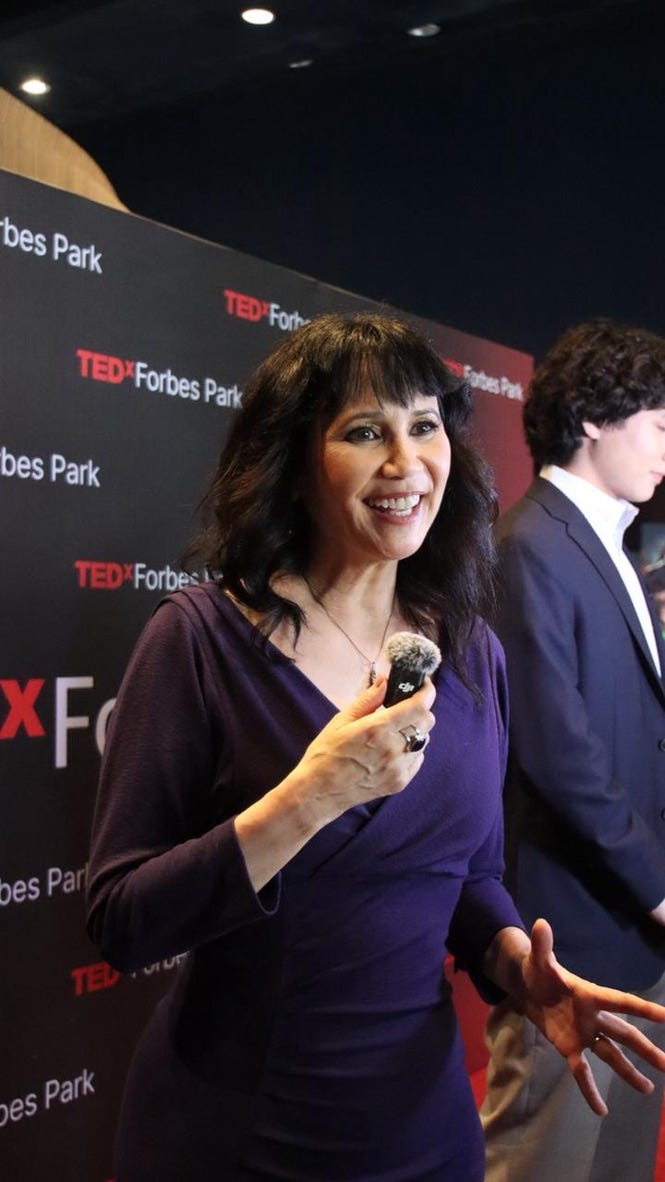
Starting Over at the Top 😳
May 1800:10:36Tap to summarizeThis is a free preview of a paid episode. To hear more, visit moonshotmentor.substack.comRobert got the call on a Friday afternoon. After trying to find a job in his industry for eighteen months, he faced the hard truth that for someone at his level, there were no viable openings. So he pivoted to Pharma doing sales. A far cry from Vice-President of Marketing at a film studio. He would start the new gig in two weeks.Robert was elated to have a gig, but he was dejected because his degree, his experience, and his wins didn’t translate to the new role. He would be starting in a sales training program with a “bunch of 20 year olds.” He confessed he was embarrassed and anxious to be a newbie.If you’re mid-career or later, and you’re stepping into something unfamiliar, you may feel horribly destabilized. Because knowing your stuff has always been your anchor. And now it’s not enough.Here’s what I want you to know: your credentials are not meaningless. But they’re not the whole story either. In new territory, something else takes the wheel. And most high achievers are the last to figure out what that something else actually is.The Default Move That BackfiresWhen accomplished people step into unfamiliar terrain, they almost always do the same thing: they double down on what got them here. More preparation. More credentials. More proof that they belong. It’s the only playbook they know, and it’s worked for a long time.But in new territory, that strategy can work against you.The pressure to perform expertise you don’t yet have when you’re someone who typically hits it out of the ballpark can be debilitating. Instead of projecting competence, you end up projecting effort, which reads very differently in a room.Why This HappensYour identity has been wrapped up in being the expert for a long time. It’s what happens when you’re good at something and build a career around it. You’re rightly proud of those achievements.But when you’re no longer the expert, your nervous system reads that as danger. So you over-prepare. You over-explain. You puff up with overcompensation.Or you go the other direction and withdraw, waiting until you feel ready enough to show up. Observing the situation, taking notes, plotting and planning.None of these responses is what the new territory actually needs from you.The expert identity that protected you in your old lane becomes a kind of armor that keeps you from learning what you need to learn in order to succeed again.What Actually Moves the NeedleWhen Robert completed his sales training, he told me he almost blew it. He was irritated with the pace of the program, he already knew what he was being told, and he was being trained by someone 15 years younger than him. After the second day, he went home and vented over dinner.Now, Robert’s a terrific dad, and his parental wisdom came back to him at the right moment. His 16-year-old son said to him in mid-vent, “Dad, I thought you said attitude is the best strategy.” Those words stopped Robert in his tracks. He knew he was impatient and didn’t “suffer fools.”But he also knew that attitude was the difference between a door opening or closing, a brief stint or a place to grow, and his own mental well-being.Robert thanked his son, told his family to throw marshmallows at him if he started complaining again, and course corrected his attitude. He started the third day of training with a beginner’s mind and brought cookies.What Attitude as Strategy Actually Looks LikeLet me make this concrete, because “show up with a good attitude” is advice that sounds nice and means nothing without specifics.* Ask more questions than you answer. A friend of mine struggled with this early in her career. She had so many thoughts she wanted to share in every meeting that she started keeping a notebook just to get them out of her head. What she discovered was that writing things down calmed her nervous system. It freed her to actually listen. She stopped needing to show she knew everything and started learning more by asking. The relationships she built that way turned out to be some of the most valuable of her career.* Name what you don’t know before someone else does. Early in my time as an executive overseeing primetime programming at CBS, I was given a role that was a significant stretch. On my first set visit to a show that had already been on the air for two years, I said to the production team: you know more than I do. I’m here to learn and be a fan. The room shifted immediately. People who had been braced for a network executive to come in and assert authority instead opened doors they typically kept the suits out of. Naming a gap honestly is a form of leadership.* Let your enthusiasm be visible, and be specific about it. This one is genuinely underrated. Enthusiasm that is vague feels performative. Enthusiasm that is specific feels real. Show up on time or early. When something impresses you, say exactly what impressed you. Look people in the eye. Say hello. Say thank you in a way that names the thing you are grateful for. None of this is complicated, but it lands differently than people expect.* Protect your energy from the things that spiral you. Robert deleted social media during a stretch when he noticed he was using it when he felt bored. That was an important strategic decision because boredom for Robert meant he believed he knew everything he needed to know. Your attitude is an asset. Anything that drains it is worth taking seriously.The Nuance Worth NamingFocusing on attitude is not an argument against skill. You need a baseline. You need to be able to do the work at a competent level before any of this matters.But past that threshold, what differentiates you in new territory is relational and energetic, not just technical. The people who are deciding whether to bring you along, collaborate with you, or invest in you are asking a very human question: Do I want this person in the room when things get hard?That question is answered by how it feels to be around you.Bottom LineRobert finished his sales training. Turns out he didn’t know everything. But with his son’s reminder, he showed up curious, asked questions, and let people teach him. And that attitude shift made the training a pleasant experience.Your expertise is real. Your accomplishments are real. But in new territory, the thing that earns trust is how you show up with grace and interest.Ask more than you answer. Name the gap before someone else does. Let your enthusiasm be specific and visible. Those aren’t soft skills. They’re the strategy.If someone came to mind while you were reading this, please send it their way. You never know the impact a well-timed message can have.This WeekOne of the many things I respect about Courtney Romano is that she is not asking for permission in her career. She wears many hats: writer, director, producer, strategist, consultant and is a champion for Non-Dependent Filmmaking. Let’s find out how she does it.Journal PromptsHere are four journal prompts for paid Moonshot Mentor subscribers. These questions are designed to help you examine the role attitude has played in your career and what it might look like to lean into it more deliberately in a pivot.
Transcribe →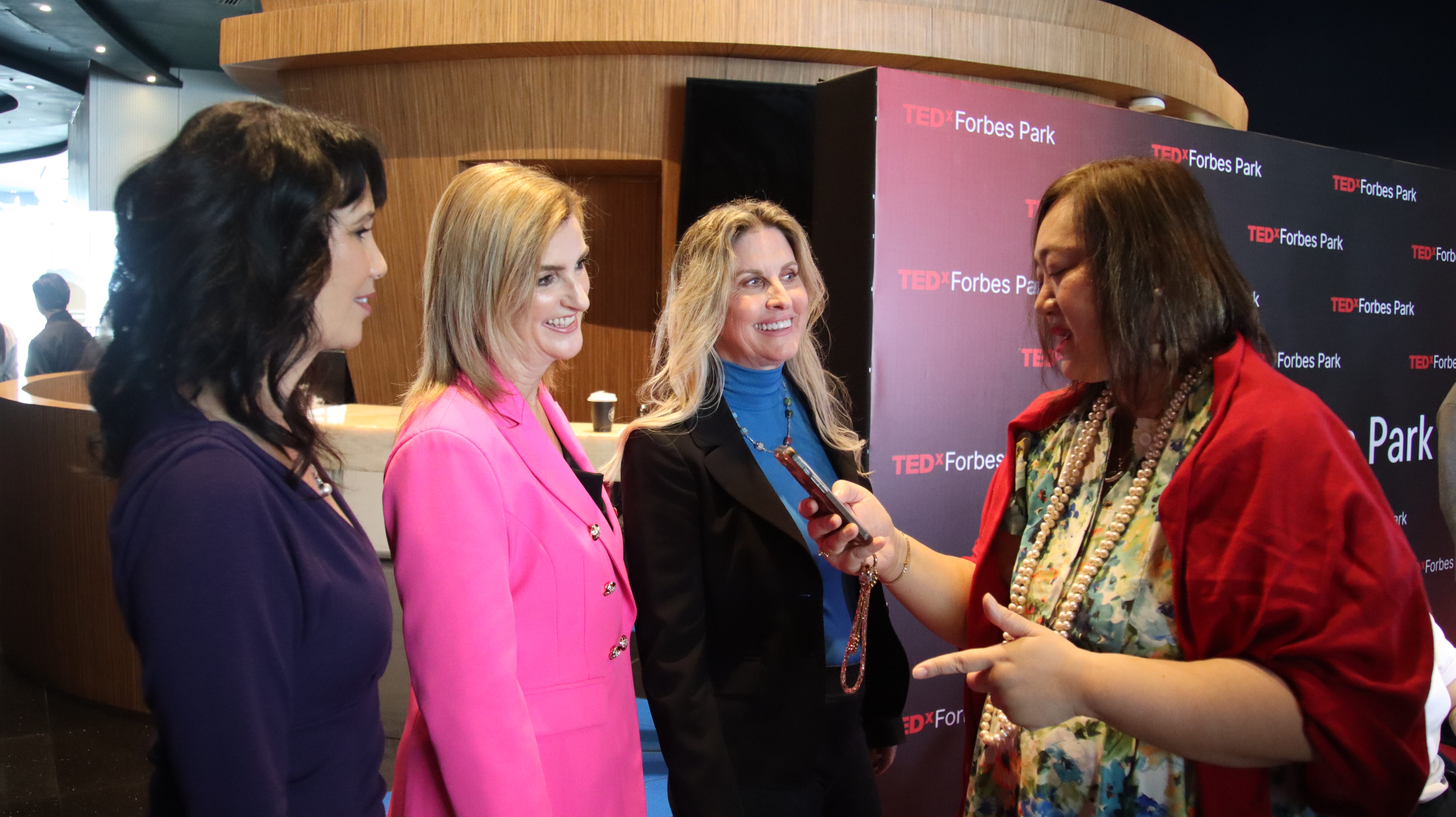
I Know I Should Reach Out 🙈
May 1100:09:20Tap to summarizeI asked a room full of smart, ambitious professionals to rate how important relationship building is to their careers right now. On a scale of one to ten, the answers came back: Seven. Eight. Nine. Ten.Then I asked a follow-up question: how does that actually show up in your day-to-day? My favorite response: “Actual importance: ten. How I’m treating it: three.” We all laughed. Because we recognized ourselves.It may seem like that gap between knowing relationships matter and actually building them is an issue of will-power, discipline, or follow-through, but it’s actually more interesting than that.Close the Relationship Gap with TimingHere’s what’s really going on. We build relationships reactively. We reach out when we need something like a referral, an introduction, a favor, a job, an investment, or an opportunity to pitch. We fumble the ask, not knowing how assertive to be, or we over-index on small talk. We feel like impostors despite our knowledge, training, and experience.The problem isn’t the ask. The problem is your timing.When you reach out before you have an ask, the whole dynamic changes. You’re not a transaction. You’re a person.Ditch Networking. Build the Relationship.Relationship building isn’t networking. Networking implies a transaction with better branding. Relationship building is different. It’s deciding, in advance, who matters to your work and your life, and getting on their radar.That shift in framing makes the energy of the outreach about building rapport. You’re not trying to extract something. You’re trying to meet someone and build a mutually beneficial relationship that doesn’t have an immediate timeline.It’s so simple, right? But why don’t we do it?The Five Things That Actually Stop YouI’ve had versions of this conversation with a lot of clients. And the reasons people stall on relationship building tend to cluster around the same five things. You may recognize a few as your own.1. The fear of doing it wrong. When the fear of a bad outcome feels bigger than the cost of no outcome, doing nothing feels like the safer choice. But silence doesn’t advance your career.One client said, “If I do it the wrong way, I’m going to sabotage a potential relationship before I even have a chance to have one.”It’s paralysis masquerading as caution.You know this: there’s no perfectly worded email that guarantees a response. There’s no flawless DM that removes all risk. There’s no single phone call that converts a stranger into your bestie.Practice courage over perfection.2. Waiting for the right moment. Another person described her pattern as this: “I love sending emails when I feel like I’ve just had a win and I’m like, yeah, let’s go. But on days when I’ve had a setback, I put that off and wait for the magical day to arrive when the sun is shining on me and no one can say no.”If you’re only reaching out from a place of momentum and confidence, you’re leaving most of your calendar year on the table. Relationships get built in the ordinary weeks, the in-between moments, the days when you reach out anyway.3. Never having your ducks in a row. This one is sneaky because it sounds responsible. “I’m just being thorough. I want to have something to offer. I want to be ready.”But ready for what, exactly? A first email isn’t a pitch. It’s an introduction. You don’t need a portfolio, a deck, or a fully formed ask. You need a sentence or two and a genuine reason you thought of this person.Real life example: I got a cold outreach from someone over LinkedIn who wanted to zoom for 15 minutes to swap stories from the front line as grief workers. There was no ask, but we shared enough information that we’ve agreed to chat again down the road.You’re reaching out “early” as part of getting your ducks in a row.4. Believing every reach is secretly transactional. This one hit me hard in a recent conversation. Someone said: “I feel like there’s always an ask, Laverne. I don’t know. It’s eventually… there’s always something.”And they’re not wrong. Eventually, most professional relationships do involve an ask of some kind. That’s how collaboration works. But “eventually” is doing a lot of heavy lifting in that sentence.The goal of early relationship building isn’t to pretend you’ll never need anything from anyone. It’s to build enough of a real connection that when the ask comes, on either side, it lands in a context of mutual trust. That context takes time. Which is exactly why you start before you need it.5. Needing a reason to reach out. You don’t need an excuse. You need a sentence. And that sentence can be easy in the form of a low hanging fruit request.Something like: “We haven’t met, but [mutual connection] speaks so highly of you. I’d love to grab five minutes to learn more about what you’re working on.”Or, if you have no mutual connection at all, you can take a humorous approach by making the problem the solution: “We don’t know each other and I have absolutely no one in common with you, but … “ It’s amazing how owning the elephant in the room can create rapport.Try It. One Move. This Week.The practical version of this: keep a short list of people you want to build relationships with. People whose work you respect, whose path intersects with yours, who you’d genuinely enjoy knowing. Reach out to one of them this week.Phone calls, by the way, are making a comeback. People are less inundated with them than they were six years ago. A short call can do more relationship work in fifteen minutes than months of email threads.DMs are working too. More than you might think.So pick one person from your list, or make the list right now if you don’t have one. Write them a three-sentence note. The first sentence introduces you or reminds them who you are. The second says something specific and genuine about why you thought of them. The third could be an ask so small it barely counts, like five minutes, a quick question, a resource swap. Or it’s simply a note of respect or appreciation.Bottom LineIf relationship building is a seven, eight, nine or ten on your scale of importance, take one teeny-tiny step. Make the list. Even one name.If it’s not a priority, then give yourself permission to stop thinking about it. Put a note in your calendar for three months down the road to revisit whether it’s the right time for you to invest in relationship building.You’re not a transaction, you’re a person. Relationship building allows you to be that person.Journal Prompts (for paid subscribers)Here are 4 journal prompts for paid Moonshot Mentor members. Use these to get clear about your relationship-building patterns and take one step forward.* Who is one person you’ve been meaning to reach out to for months? Sit with that for a second. What’s the real reason you haven’t?* Look at the five blockers. Which one feels most familiar? What story have you been telling yourself to make the stall feel reasonable?* Think about a relationship in your life that started with no agenda, no ask, just genuine curiosity. What made it feel easy? What would it look like to bring that same energy to someone new?* Write down three people you want a real relationship with in the next year. Now pick one and write the first sentence of the note you’d send them. This is a public episode. If you'd like to discuss this with other subscribers or get access to bonus episodes, visit moonshotmentor.substack.com/subscribe
Transcribe →
Why Is No One Getting Back to Me? 😩
May 400:09:53Tap to summarizeIf you want to know where you stand with someone, don’t listen to what they say. Watch what they do.It’s taking me years to learn this. And I got a great reminder of it a few weeks ago. It was late afternoon in Mammoth Lakes, California, fifty degrees with a little cloud cover, and the trails near our favorite place to stay, Tamarack Lodge, were enticing. I mean, the mountain looked absolutely pristine, birds were chirping like they were auditioning for Pitch Perfect, and there was hardly anyone around. Ideal conditions.So I’m about a quarter of the way up the mountain, and I notice where the snow has melted there’s a line where reality begins. One side looks composed in gorgeous white. The other side is real life.Broken branches. Dry brown scrubs. Rocks. Dirt. Dead trees.It was the perfect metaphor for the disconnect between what someone says they’ll do and what they actually do.And then I thought about all the people I know who are job hunting.The follow-up that never comesHow many times have you refreshed your inbox over and over after a submission or an interview?They said I’ll be in touch by Friday. Or the colleague who said I’d love to read it, send it over. Or the boss who keeps promising you’ll have that conversation next week. And then, crickets.When the follow-up doesn’t come, most of us wonder what we did wrong. We debate whether to send a nudge. We tell ourselves the silence might just mean they’re busy, swamped, or traveling.Hard truth: the silence does mean something. You just haven’t been trained to hear it.The problem with wordsIf I could turn back the clock on my career, one of the things I’d do differently is stop listening so hard to what people say, and start paying attention to what they do.We’re wired to take people at their word. It feels respectful. Optimistic. Generous. And words are data. Just the least reliable kind.Here’s what I’ve come to believe: most people aren’t lying. They’re doing their best, and they’ll often tell us what we want to hear to reduce tension in the moment. Aren’t we all a little bit people-pleasers on some level? Words are easy to give. They cost nothing.Actions, on the other hand, take effort and investment. They reveal someone’s true priorities, capacity, and intentions.Words are the snow on top of the mountain. They look perfect.When the words melt away, you’re left with what’s really there.Part of why we over-index on words is that we don’t want to seem cynical. In professional settings, especially, it’s not cool to challenge someone’s promises. We prize harmony over honesty. We’ve been taught to respect hierarchy and not to question it. So if you’re job hunting, hoping for a promotion, or trying to get funding, the last thing you want to do is treat someone’s words with skepticism.And so we wait. And refresh. And wait some more.What it looks like when you ignore the actionsMy client “Mary” spent 18 months putting a deal together. It had nearly fallen apart half a dozen times, but she always managed to pull it back. Until she was one deal point away, and the investor walked.She was stunned. Then outraged. And when we finally unpacked what had happened, the signs had been there for a long time. The weeks it took him to respond to a single negotiating point. The pouting and obsessing over minor issues. The questions he’d ask during their calls revealed a naivete about how their industry worked.Mary had heard his words — I’m committed to this, let’s make it happen — and held onto them. She’d overridden what the actions were consistently telling her.She missed the signals because she wanted to believe what he said.Four ways to start listening to actions insteadI’ve been there countless times. It even happens to me at home when my teenager says, “Yeah, sure,” when I ask her to pick up her dishes. Every time I choose to listen to the words, and then I’m shocked the next morning when I find a dry, crusted bowl of pasta lying on the living room floor.Inspired by mothering two teenage daughters and a few decades in the entertainment industry, here are four ways to better listen to the actions, not someone’s words. They’ve helped me figure out who my people are and, most importantly, protect my self-esteem.Look for the pattern, not the single miss. One unanswered email? Things happen. A consistent pattern of not following through? That’s your track record. That’s your data. Once you see the pattern, you’re no longer Charlie Brown waiting for Lucy to hold the football. You know how this story ends.Take your emotions out of the analysis. This is hard, but important. Strip the words away entirely and ask: what did this person actually do? What specific actions have they taken? What have they made time for? Be fair, sometimes there are steps that need to happen before a promise can be fully delivered on.Grant grace, and keep your side of the street clean. I’ll be honest: I have historically pushed aggressive, arbitrary follow-up timelines, and it has not served me well. A polite question about timing is always appropriate. Granting people grace when they miss a target date is a relationship-building move. Ask when you should circle back and then do exactly that. What you’re looking for isn’t just a response. It’s information about how this person operates.Use follow-up as data collection. One client of mine will follow up nine times if someone told her they’d get back to her. Another follows up exactly once. My rule of thumb is twice after the initial conversation or submission. Choose your own adventure and stick with it so you are in integrity. Their response, or non-response, is now your clearest data point. Act accordingly.Bottom LineWe’ve all been there in some form. Someone tells us what we want to hear, we believe it, then we’re gutted when the snow melts, and we discover there’s a different reality.I don’t want to encourage you to write people off. I want to help you protect your energy and base your next move on actuality. Not on what someone said to you on a Tuesday.If someone came to mind while you were reading this, please send it their way. You never know the impact a well-timed message can have.Journal PromptsHere are 4 journal prompts for paid Moonshot Mentor members. These questions will help you get honest about where you’ve been listening to words over actions and what it’s been costing you.* Think of a situation where someone’s words and actions didn’t match. What did you choose to believe, and why? What were the actions actually telling you?* Where are you currently waiting on a follow-up, a promise, or a commitment? When you strip the words away entirely and look only at the actions, what do you see?* What makes it hard for you to trust what actions are telling you? Is it hope? Not wanting to seem cynical? Hierarchy? Something else?* Think about your own words and actions. Is there a place where they aren’t matching up? What is that costing the people around you? And you? This is a public episode. If you'd like to discuss this with other subscribers or get access to bonus episodes, visit moonshotmentor.substack.com/subscribe
Transcribe →
Waiting for the Axe to Fall 😰
Apr 2700:08:13Tap to summarizeRebecca, a senior executive at Warner Bros., just wants to know the truth of what’s going on with the Paramount merger and when she’s going to be axed. The uncertainty is “killing her.”She’s not alone. Not even close. 2026 is packed with mergers and consolidations across industries: Devon Energy and Coterra. SpaceX and xAI. Engie and UK Power Networks. Tens of thousands of people going to work every day inside organizations mid-transformation, wondering the same thing Rebecca is wondering.Am I going to be okay?And here’s the thing: she’s not being dramatic. The waiting — that particular brand of not-knowing — is one of the most exhausting places a career can put you.What Rebecca is experiencing has a name: anticipatory grief. It’s the grief we feel before a loss that hasn’t fully landed yet — when the change is coming but hasn’t arrived, when the future feels like it’s being written without you chiming in.And the reason it matters — the reason I’m writing about it — is because of what happens when it goes unrecognized.The Thing That Will Trip You Up If You Let ItMost conversations about job uncertainty focus on the practical stuff. Update your resume. Build your network. Stay visible.All good. All useful. But they skip the thing that’s going to trip you up unless you recognize and take care of it now.When anticipatory grief goes unnamed, it tends to seed apathy. A low-grade helplessness. A “why bother” feeling that creeps into the edges of your days and makes it hard to invest in anything — your work, your relationships, your future — because some part of you has already checked out.This is you protecting yourself from a disappointment that hasn’t happened yet.I see this in high performers especially. They keep showing up. But their spark has gotten a little dim. Their tolerance for staff meetings is zero. The projects they nurtured now feel abandoned.Here’s why: they haven’t named what they’re actually afraid of losing.The Scariest of All Roller Coasters that No One Warned You AboutAnticipatory grief is like riding the Kingda Ka at Six Flags Great Adventure in New Jersey (RIP) — supposedly the scariest roller coaster in the world. You wait for the big drop and it turns out to be a gentle twist. You think you’re entering a flat run and suddenly you’re weightless and upside down. The not-knowing when and how is its own particular torture.And then hope climbs into the car beside you. Maybe you’ll dodge the restructure. Maybe your team won’t be gutted. Maybe it won’t be as bad as you fear.That hope is real. And it makes the lurches harder, not easier — because every time you exhale, the next one catches you off guard again. The stomach drop. The pounding head. The heart beating like a hummingbird.With “typical” grief, we’re reacting to what happened. With anticipatory grief, we’re responding to something that hasn’t happened yet. And might not.Which makes it especially hard to sit with.The question worth asking — gently, with real compassion for yourself — is this:What are you actually afraid of losing?CASE STUDY: WHAT REBECCA WAS REALLY AFRAID OFWhen I finally sat with Rebecca and asked her that question, here’s what came up, which surprised her because it wasn’t really about anticipating the loss of income or title.What Rebecca was actually afraid of losing was the dream of retiring by 60 and sending her two kids to the colleges of their choice.Her job was the how to a future she’d been building for years.Here’s what happened when she named it out loud.She felt relief.The merger news didn’t change. Her job was still uncertain. But dissecting the fear allowed her to question it: is this truly something I need to be worried about right now? And if it is, what can I do now?Once Rebecca saw that she was truly trying to protect a dream, she got clear. She and her husband made an aggressive savings plan that would account for a greatly reduced salary and still keep them on early retirement track. She also had a conversation with her kids to find out if they were aligned on the college dream. Turns out they didn’t want Ivy League, nor did they have the grades.She couldn’t control the merger. But she could tend to the dream.Here’s what I know to be true: naming your fear doesn’t make it worse. It makes it workable. A spiraling thought that lives in your body at 3 am is a lot harder to respond to than something you’ve put words to on a page.The path to getting more comfortable with uncertainty — and there is a path — starts here. With being willing to sit with and dig around for what’s driving the anticipatory grief. What are you afraid of? What are you trying to protect?That part takes time. It takes more than a blog post. It takes space, language, and usually other people who understand what this particular kind of loss actually feels like.Which is exactly why I built what I built.If someone came to mind while you were reading this, please send it their way. You never know the impact a well-timed message can have.Longing To Feel Lighter?Professional heartbreak can leave you spinning. You replay what happened, question your judgment, get stuck in indecision, and worry you’ll never get your mojo back.Solid Ground is the paid member program inside the Moonshot Mentor Substack community that helps you move from spinning to forward motion.Paid members tell me they feel less weighed down. Empowered. Relaxed for the first time in a long time. Here’s the thing. It’s not because they got a pep talk. It’s because they finally got an accurate explanation for what’s happening and a way through it.You’ll get monthly video lessons with a guided companion to help you apply the work, live coaching for real-time support, and weekly meditations and journal prompts to rebuild confidence and make decisions without panic.Become a paid member to access Solid Ground, stop misdiagnosing yourself as broken, and start moving again.Journal PromptsHere are 5 journal prompts for paid Solid Ground members. Use these to begin naming what’s underneath the uncertainty. There’s no right answer — just ones that help you learn something new about yourself.* When you look at your current work situation, what are the visible losses you haven’t fully let yourself name yet?* Now look underneath the headline. What is the dream, story, or future that actually feels threatened right now?* Where has the “why bother” feeling shown up lately? What might it be protecting you from?* If you named your real fear out loud — like Rebecca did — what do you think you might feel? What might become possible?* What is one thing you could do this week to tend to what you’re trying to protect, regardless of how the uncertainty resolves? This is a public episode. If you'd like to discuss this with other subscribers or get access to bonus episodes, visit moonshotmentor.substack.com/subscribe
Transcribe →
What Do You Owe a Difficult Boss?
Apr 2000:07:28Tap to summarizeThis is a free preview of a paid episode. To hear more, visit moonshotmentor.substack.comI was having lunch on the patio at Kiwami with a long-time colleague — we'd served together on the board of the Coalition of Asian Pacifics in Entertainment — and we were debating whether to order the Kiwami tray or go à la carte. And then, I felt the energy around me shift. I didn’t turn my head, but I could see her outline in my peripheral vision. The boss who fired me. OMG, she was seated close enough to hear us order, and I was close enough I could smell her perfume. My first instinct: pretend she doesn't exist. Keep smiling. Keep chatting. Keep still. But the light-hearted parley about omakase was now nausea inducing and there was a buzzing in my ears.My boss, no, my ex-boss flagged a waiter and asked to move inside. I can't remember anything that happened after that. Here's what I know now that I didn't know then: what happened in my body had a name. My nervous system registered a perceived threat and responded accordingly — heart rate, shallow breath, the works. I was in a fight / flight / freeze / fawn moment — and caught between freezing and fawning. Why not do both when I’m under threat? What's interesting is that the threat wasn't real. I wasn't in danger. But my nervous system treated my ex-boss’ arrival as if something horrible was about to happen and I would be blind-sided all over again. Reader Question: Should I Reach Out to a Former (Not Awesome) Boss for a Job?I was reminded of this Kiwami experience recently when a reader sent me a question I suspect a lot of other people have too. He'd just learned that a former boss had landed a senior role at a new company. This was someone who had been skilled at managing up and promoting himself, but less focused on developing and advocating for his team. Now that this person was back in a leadership position, my reader found himself wondering: does it make sense to reach out? And if they ran into each other at some random place, what exactly should he do?We all know how important it is to maintain business relationships, but what do you do with the professional relationships that were genuinely complicated and triggered you into fight / flight / freeze / fawn mode? Thank you reader for such a powerful, timely question. The Tool: Friendly, Not FriendsEarlier in my career, when I was a “baby” network executive, some of the senior executives I worked with were … well, I just have to say it. They were mean girls. When I would walk on set, they literally turned their backs and formed a circle. It was the kind of thing that makes you feel like you're back in junior high.My first response was to shrink, you know a kind of freezing. I started showing up at the last minute so I wouldn't have to stand on the periphery. I avoided the spaces where they gathered. I got smaller and smaller until one day I realized: their behavior was changing mine. And I hated it.I love having authentic conversations with people. I love collaborating and solving problems together. I love being nice because I know you never know what’s going on behind the scenes with someone. So I made a different choice: treat the mean girls the way I'd treat any stranger.Friendly, but not friends. A few months later, the ringleader pulled me aside and said: I don't know how you did it, but you did it. Everyone likes you now.It was a little crazy to hear that because my goal wasn't to make everyone like me. I just didn't want other people changing my behavior or my values. I didn't like who I was becoming.. Should You Reach Out? My Honest Answer So back to my reader's question: should you reach out to the former boss who wasn't great to you, now that they've landed somewhere new?My honest answer: only you know. What I'd encourage you to do is get clear on which value you're honoring with your choice — whichever way you go. I'll be transparent though: if it were me today, I would not reach out because I now prioritize a flat hierarchy and working with people who are willing to have hard conversations in a grounded manner. But I also don't know what's happening behind the scenes in the reader’s life. Financial pressure, health insurance, a shrinking market — these are real considerations that can make pursuing every opportunity not just reasonable but necessary. There's no shame in that math.
Transcribe →
The Career Wins You Forgot To Count
Apr 1300:08:38Tap to summarizeThis is a free preview of a paid episode. To hear more, visit moonshotmentor.substack.comYou know what you’ve lost. But can you name your wins?Most people in a career transition can recite their losses on demand. The VP title. The 401K contribution. The Friday happy hours with the work family. The satisfaction of knowing what the job is and how to do it.Ask them to name their wins? Awkward silence then a short, apologetic list they immediately start walking back. “I mean, it wasn’t that big a deal.” “Anyone could have done that.”This isn’t humility. It’s your brain doing exactly what it was designed to do.Your Brain Thinks It’s Helping - It’s NotYour brain tracks threats and losses with far more energy than it tracks wins. It’s called negativity bias and a lot has been written about it. Essentially, as humans we’re wired to look for what’s not working as a way to protect ourselves.During a career transition, exactly when you need a clear and accurate picture of your professional story, your brain is actively over-indexing on the negative. The losses stay top of mind while the wins get tucked into a bankers box and put into the back of a storage container.Over time, negative bias feels like the truth. And once it does, it starts calling the shots on every decision you make — what you apply for, how you talk about yourself, what you believe you’re capable of next.I learned this the hard way. And what made it worse is that my brain wasn’t the only thing working against me. I was also using the wrong measuring stick.Another Reason Your Wins Go MissingSeveral years ago, when I was pivoting out of independent film and TV producing, I went after three corporate opportunities, hard. Made it to the final round for all three. Got none of them.When I dug into why, the feedback was consistent: the candidates who were hired had more recent, measurable wins. Box office numbers. Emmy nominations. Projects that crossed the finish line in ways the industry recognized.Ouch. I knew how hard I’d been working. And I knew that a lot of the gap wasn’t about effort — it was about circumstance. COVID. The lockdowns. The writers’ and actors’ strikes. An industry that had slowed down so much, we could count the number of greenlit productions on one hand.Turns out my wins weren’t missing. They just didn’t fit the industry’s scoreboard.I’d spent years making sure the people on my projects felt respected. I knew this because they kept wanting to work together on new projects. I took great pride in responding to submissions when most people didn’t bother. Timely passes built relationships with agents, managers and other producers who understood that most of the time, the answer is no. Nobody was measuring those things that fell under the emotional intelligence category. They weren’t measurable in the same way the industry looks at ROI or KPIs. They were about humanity.I wasn’t winless. In fact, I was quite victorious. But me and the industry were using different measuring sticks so I felt less than.Finding The Wins Hiding In Your StoryIf your career story feels heavier on losses right now, here’s an exercise worth sitting with that includes the parts that haven’t made it onto your résumé yet.Start with the most obvious place: external recognition. Awards, nominations, acknowledgments — any moment where someone outside your own head said yes, this. Write them down without editing or qualifying.Then go a little deeper. What do people thank you for, come to you for, refer others to you for? This one matters more than it might seem. When something comes naturally to you, it stops feeling like a win — it just feels like any other day. But the fact that people consistently seek you out for it says a lot about you.Then ask yourself about the goals you hit without fireworks going off. The ones you set, achieved, and moved on from without a big victory dance. Those count too.Now here’s where it gets more interesting. We tend to define victory as coming in first, getting the public recognition, beating the competition. But that’s only one definition — and for many people, it’s not even the one that matters most.Think about a time you made a decision that honored your values, even when it went against what others expected. Or a time you went so far outside your comfort zone to make something happen that it surprised even you — even if the outcome wasn’t perfect, even if it wasn’t work-related at all. The stretch itself is a win. The integrity itself is a win. These moments are the most accurate picture of who you actually are.And then the really big question: what measuring stick have you been using? Did you choose it? Or did someone hand it to you a long time ago and you just never put it down?When you sit with that question — really sit with it — does your current definition of a win feel energizing? Or does it feel like a bar you can never quite clear? Where did it come from? A parent, an industry, a company culture, a moment early in your career when you decided what success had to look like?You get to choose whether to keep it.Mine shifted when I stopped measuring my career solely against greenlights and started asking: did the people around me feel respected? Did I show up with integrity? Did I make something better because I was there? Those wins were real because process matters to me.Why This Matters Right NowIf you’re in a hard career moment, your brain is going to keep handing you the losses. That’s what it does. You have to actively go looking for the other side of the story — not to paper over what’s hard, but because your professional story is the foundation you build from. And if it’s missing its best chapters, you’re building on incomplete ground.This is the work we do inside Solid Ground, my paid membership community. During the month of April we’re mapping the highs and lows of your career to see the full picture, not just the parts your brain defaulted to. Every month I send a short lesson and worksheet to work through before we get on a live coaching call together. It’s one of my favorite things I do. If that sounds like what you need right now, becoming a paid subscriber gets you in.Bottom LineYour brain was built to remember the losses. It’s doing its job. But that means your career story has probably been edited — wins minimized, qualified, or left out entirely.Start with what people thank you for. Move toward the decisions you’re proud of, the stretches that surprised you, the moments you showed up with integrity even when no one was watching. Then ask the harder question: whose measuring stick have you been using, and is it actually yours?The answers might change what you think is true about yourself.If someone came to mind while you were reading this—please send it their way. You never know the impact a well-timed message can have.Related Content* Is There Something Wrong With Me?* How Perfectionism Leads To Imposter Syndrome* Is Expertise Really All It’s Cracked Up To Be?Longing To Feel Lighter?Professional heartbreak can leave you spinning. You replay what happened, question your judgment, get stuck in indecision, and worry you’ll never get your mojo back.Solid Ground is the paid member program inside the Moonshot Mentor Substack community that helps you move from spinning to forward motion.Paid members tell me they feel less weighed down. Empowered. Relaxed for the first time in a long time. Here’s the thing. It’s not because they got a pep talk. It’s because they finally got an accurate explanation for what’s happening and a way through it.You’ll get monthly video lessons with a guided companion to help you apply the work, live coaching for real time support, and weekly meditations and journal prompts to rebuild confidence and make decisions without panic.Become a paid member to access Solid Ground, stop misdiagnosing yourself as broken, and start moving again.Journal PromptsHere are 5 journal prompts for paid Solid Ground members. Studies have shown how spending time with your thoughts and feelings through journaling increases your ability to problem solve and calms your nervous system. These prompts will help you identify your wins.
Transcribe →
Why Don't My Clothes Feel Like Me Anymore?
Apr 600:05:58Tap to summarizeThis is a free preview of a paid episode. To hear more, visit moonshotmentor.substack.comRemember when lockdown happened and there were all those stories about people showing up to Zoom meetings looking perfectly presentable from the waist up — and if you got a peek below the camera line, you’d find them in their underwear and socks?I loved that. It was so human. So real.It was a great contrast to the pressure to get my wardrobe choices right. All those spoken and unspoken rules: Women wear heels, men keep shirts tucked. Dress for the role you want, not the one you have. First impressions happen instantaneously and last a lifetime — so be careful of what your sweater says about you.When we all worked remotely in 2020, those rules — and a gazillion others — started feeling more like suggestions.But here’s the thing about rules going soft, whether by a global pandemic or a career transition, chosen or not: it’s disorienting. When the pre-approved look comes off, a lot of people don’t know what to put on instead. Because for years, the job dressed them, in every sense of the word. And when the job changes, so does the style guide.When I made the transition out of corporate and into indie filmmaking, my Manolos and Pradas were not only inconvenient on set — they genuinely felt like a costume I’d been wearing for decades.If you’re in the middle of a career change, contemplating one, moving up, or been pushed into one, you may no longer feel confident about what to wear — or even who you’re dressing for anymore. When you open your closet, do you stand there longer than you used to?What Your Wardrobe Is Actually Asking YouHere’s what I’ve come to believe: getting dressed during a career transition isn’t really a fashion problem. It’s a values question.Let me explain what I mean.When I was in an executive gig, I genuinely valued the stability of that world — the sense that I could build something there over decades. Wearing those Manolos was part of that deal. I knew the rules, I understood the culture, and I made a conscious choice to dress for it. It wasn’t always comfortable, but it was mine to choose.My brother Jim is a great counterexample. Jim would sooner show up to a board meeting in a tuxedo than wear a suit to work — and he never has, except on his wedding day. He works in construction because he loves the outdoors, loves working with his hands, and is completely at ease getting grubby. His wardrobe is a direct expression of what he values. He just never had to think about it because his work and his values were two peas in a pod.When you’re in a career transition, you get a chance to ask a question most people never pause long enough to consider: Does what I’m wearing actually reflect what I value? Or have I just been dressing for someone else’s idea of who I should be?.The Difference Between Choosing and DisappearingWhen I dress in a way that feels true to me, I can regulate my nervous system. I stay grounded. I stay clear. In high stakes situations — interviews, pitches, hard conversations — that is an incredible advantage.At the same time, I’m not going to pretend the external piece doesn’t matter. It does. Every industry has a visual language. Every culture has unspoken dress codes. The goal isn’t to ignore that. The goal is to look at it clearly and decide — consciously, on your own terms — how much of it works for you and how much of it doesn’t.That’s the distinction I want you to hold onto: there’s a difference between choosing to dress for a culture and being swallowed by it. One is a decision. The other is erasure.Which brings me to someone I want you to meet.And Then There’s DacyDacy Gillespie is an anti-diet, weight-inclusive personal stylist whose Substack is about letting go of what you’ve been told to wear so you can find what’s actually yours. She also made a significant career pivot herself — from musician to stylist — so she knows firsthand what it feels like to rebuild your identity from the inside out.Where my work lives in the values and identity side of this conversation, Dacy lives in the practical, embodied, what-do-I-actually-put-on-my-body side. Together we cover a lot of ground.I’ve invited her to join me for a live conversation on Wednesday, April 9th at 12pm PST right here on Substack. We’re going to talk about her pivot, what it taught her, and what to wear when you’re job searching, interviewing, or just trying to figure out who you are now.No registration needed. Just show up. And if you have questions you want us to tackle, drop them in the comments below — or bring them live on the 9th.👉 Follow Dacy on Substack here.If someone came to mind while you were reading this—please send it their way. You never know the impact a well-timed message can have.Related Content* Is There Something Wrong With Me?* How Perfectionism Leads To Imposter Syndrome* Is Expertise Really All It’s Cracked Up To Be?Longing To Feel Lighter?Professional heartbreak can leave you spinning. You replay what happened, question your judgment, get stuck in indecision, and worry you’ll never get your mojo back.Solid Ground is the paid member program inside the Moonshot Mentor Substack community that helps you move from spinning to forward motion.Paid members tell me they feel less weighed down. Empowered. Relaxed for the first time in a long time. Here’s the thing. It’s not because they got a pep talk. It’s because they finally got an accurate explanation for what’s happening and a way through it.You’ll get monthly video lessons with a guided companion to help you apply the work, live coaching for real time support, and weekly meditations and journal prompts to rebuild confidence and make decisions without panic.Become a paid member to access Solid Ground, stop misdiagnosing yourself as broken, and start moving again.Journal PromptsHere are three journal prompts for Solid Ground members. These are here to help you explore the connection between what you wear, what you value, and who you're becoming in this next chapter of your career.
Transcribe →
How Do I Get My Work Energy Back? 🔋
Mar 3000:12:56Tap to summarizeThis is a free preview of a paid episode. To hear more, visit moonshotmentor.substack.comMost of us are gonna hit turbulence at one point or another in our careers. A faceplant. A missed opportunity. A project that goes sideways. A job that ends in a way that feels unfair or messy.The painful part is not just what happened. It’s what happens inside of you afterward.When a professional failure goes unprocessed, it turns inward. It shows up as imposter thoughts, burnout, low confidence, and that weird dread that kicks up when it’s time to take the next risk.Sometimes it even pushes people to abandon dreams they still care about, not because the dream stopped mattering, but because their internal capacity got depleted.That internal capacity to weather tough times is resilience. And when resilience is low, you don’t have the energy to keep going.What resilience means, for realResilience is your capacity to recover after something knocks you off course.I think of it like the elasticity in a pair of Spanx – they bounce back to their natural shape after having been stretched to their full capacity. I’m wearing Spanx under this dress and it’s like a modern day miracle how it bounces back!When our resilience runs low, rigidity kicks in because we have no energy to be supple and nimble. It’s like the shoes I wore with the dress. They had no give what-so-ever. They looked lovely and solid, but fell apart that night. They broke under pressure.In your work, rigidity might sound like I’m going to keep doing things the same way despite market contractions or expansions, new responsibilities, or that the tools of the trade have changed.Elasticity sounds like: I’m adjusting my approach because the market has altered, I have new challenges or I need to close a skills gap.One more thing that matters here.Resilience is not an endless spring of water. It’s a well. It gets drained by stress, disappointment, and unprocessed emotion. It gets refilled by rest, pleasure, community, and by taking the time to metabolize the turbulence that knocked you off your path.So yes, self-care helps.But processing is how you stop the leak.Seven steps to refill your resilience after a failureBefore you start re-filling with these steps, regulate your nervous system. If you try to do this work while you’re activated, your brain will turn it into a courtroom.Take a walk. Breathe slowly. Put on a favorite song and move your body. Do something that helps you feel grounded enough to think.Then walk through these steps.1. Name what happened: What failed. What went off track. What didn’t get done. Say it plainly, with as few adjectives as possible. Think: incident report, not inner monologue.2. Separate facts from story: Write down what you know is true, and what data supports it. Facts do not start with “I think” or “I feel.” Facts are observable. Then write down the story your brain added and notice how you are describing yourself and your part in what happened.3. Name the impact: What did this cost you. Time. money. reputation. confidence. belonging. a sense of safety. Motivation. This matters because resilience gets drained when the impact is real and unnamed.4. Own your part without blame: What was within your control that you would do differently next time. This is not the same as fault. It’s agency. Blame collapses. Agency mobilizes.5. Identify what changed: This is where elasticity comes in. What shifted that made your old approach less effective. Market conditions. leadership. resources. technology. expectations. Timing. If you skip this step, you’ll default to pushing harder at a strategy that no longer fits reality.6. Choose one course correction that matches your values: One small step. Not a life overhaul. Something you can do this week that aligns with who you want to be, even under pressure. A conversation you need to have. A boundary you need to set. A skill to update. A decision to stop discounting yourself. A new way of measuring progress.7. Close the loop with a refill: This is the part most people skip. You faced something tender. You told the truth. You chose agency. Now refill the well on purpose. Do something that signals to your system: the danger has passed. Rest. laughter. prayer. art. a meal. a long shower. calling a friend. sitting in the sun.Processing builds resilience because it reduces emotional drag. Refilling builds resilience because it restores capacity.Both matter.Case Study: HeatherHeather built a solid business as a copywriter. Then the last few years of AI advancement hit, and the work started drying up. Fewer gigs. Smaller budgets. Clients asking for “a quick rewrite” when what they really wanted was an entire campaign.It was devastating. Not just financially, but emotionally. She had built something she was proud of, and it felt like it was slipping out of her hands for reasons she couldn’t control.It also brought up shame.Her self-talk sounded like: I’m stupid. I should have seen this coming. I waited too long. I don’t know what I’m doing.When Heather and I started working together, we did not start with a pivot. We started with resilience.First, we named the facts. The marketplace had changed. Her clients were using AI tools to generate first drafts and they were hiring humans differently. They still needed thinking, positioning, voice, and editorial judgment, but they were no longer paying the same way for pure execution.Then we named the story. Heather had turned a market shift into an identity verdict that she should have seen this coming. So she was “naive” and “not cut out for this.”Next, we owned her part without shame. She had been trying to solve the problem by hustling harder, discounting her work, and saying yes to low value assignments because she was scared. That was the leak.Once she could see that clearly, she could see a course correction that matched her values: stop racing to the bottom, and start moving toward roles where her real advantage was still language, but at a higher altitude.Heather did a deep dive into how AI actually works in content workflows. The thing that felt like the enemy became a tool she could direct.She pivoted into content strategy and operations, helping a small team build an AI assisted content system that turns one strong idea into a smart set of assets across channels, without losing voice, clarity, or credibility.And here’s the quiet truth of that pivot.Heather did not abandon who she was. She carried her strengths forward and put them in a role that needed them.That’s elasticity.Bottom LineResilience is not about pretending something didn’t hurt.It’s the ability to recover your capacity after it did.When you process what happened with honesty and without turning it into a verdict about you, you stop bleeding energy. When you add intentional refilling, you restore enough internal room to make your next decision from clarity instead of fear.That’s how you get your resilience back.If you’re reading this and thinking, “Okay, but I still feel wrung out,” Solid Ground is for that. It’s my paid membership space for rebuilding capacity after career heartbreak so you can feel more like yourself again and get unstuck without white knuckling it. Monthly lessons and worksheets, live coaching, journal prompts, and guided meditations.If someone came to mind while you were reading this—please send it their way. You never know the impact a well-timed message can have.Related Content* Is There Something Wrong With Me?* How Perfectionism Leads To Imposter Syndrome* Is Expertise Really All It’s Cracked Up To Be?Longing To Feel Lighter?Professional heartbreak can leave you spinning. You replay what happened, question your judgment, get stuck in indecision, and worry you’ll never get your mojo back.Solid Ground is the paid member program inside the Moonshot Mentor Substack community that helps you move from spinning to forward motion.Paid members tell me they feel less weighed down. Empowered. Relaxed for the first time in a long time. Here’s the thing. It’s not because they got a pep talk. It’s because they finally got an accurate explanation for what’s happening and a way through it.You’ll get monthly video lessons with a guided companion to help you apply the work, live coaching for real time support, and weekly meditations and journal prompts to rebuild confidence and make decisions without panic.Become a paid member to access Solid Ground, stop misdiagnosing yourself as broken, and start moving again.Journal PromptsHere are 5 journal prompts for Solid Ground members. Use these to rebuild resilience after a recent professional hit, without turning it into a story about who you are.
Transcribe →