Podcast
Mossback
Hosted by Cascade PBS · EN
The official podcast companion to Mossback’s Northwest, a video series about Pacific Northwest history from Cascade PBS. Mossback features stories that were left on the cutting room floor, along with critical analysis from co-host Knute Berger. Hosted by Knute Berger and Stephen Hegg
19episodes
Episodes
Newest firstAll episodes
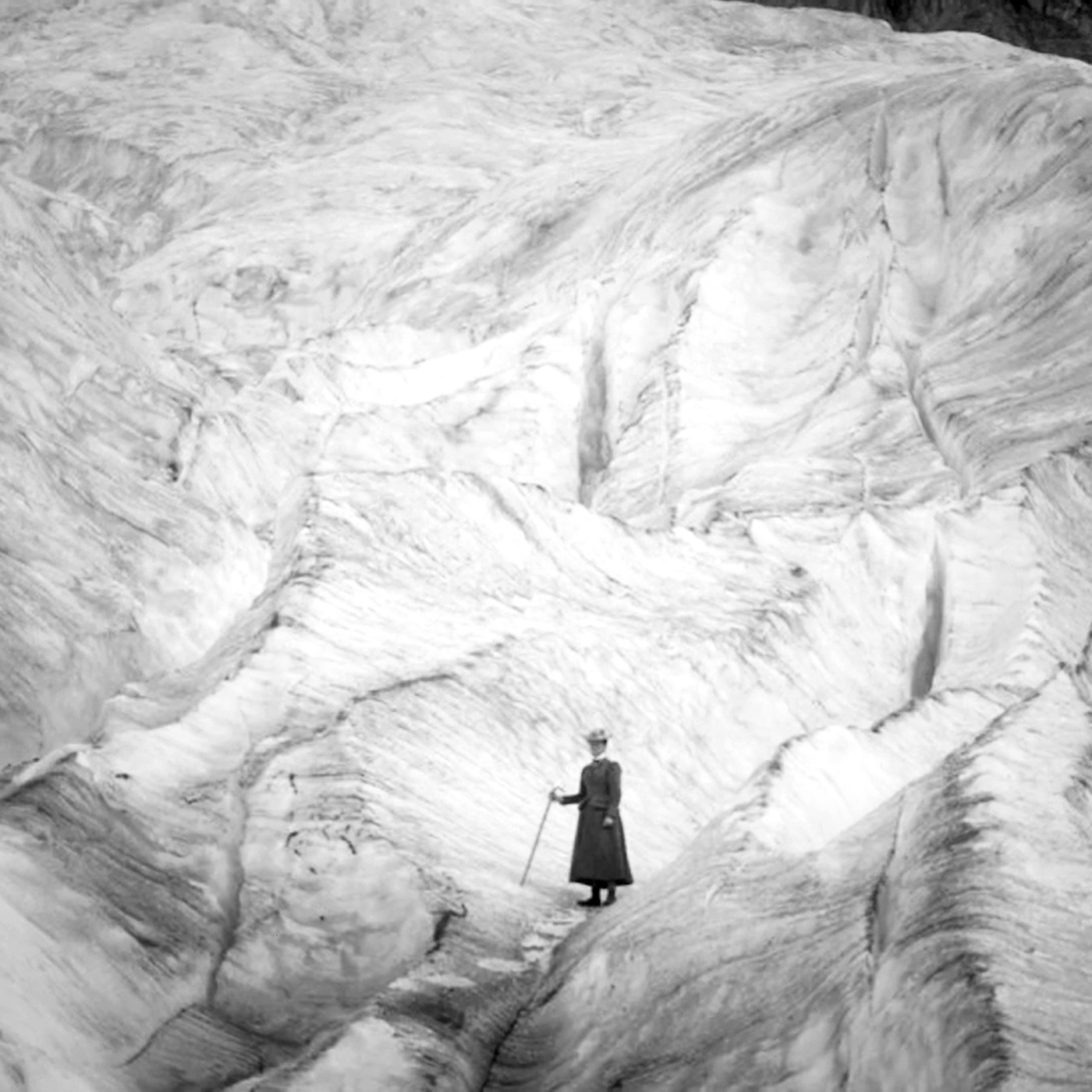
Mary Vaux Walcott and the Vanishing Glaciers of the Northwest
Apr 2200:34:22Tap to summarizeAs soon as Mary Vaux arrived in the Canadian Rockies in the 1880s, she began photographing and documenting one glacier in particular, year after year. The Illecillewaet Glacier, like so many of the world’s glaciers, is now a fraction of its original size. Cascade PBS’s resident historian Knute Berger introduced viewers to Mary Vaux Walcott and her work in a recent episode of the Mossback’s Northwest video series, but there’s much more left to learn. In this episode of Mossback, Berger joins co-host Stephen Hegg to discuss Vaux’s life and legacy as Canada's first glaciologist, as well as the dramatic retreat of the Northwest’s many glaciers due to climate change. Plus, we tag along with the Mossback’s Northwest video team as they search for views of the most glaciated mountain in the lower 48: Mount Rainier. ---CreditsHosts: Stephen Hegg, Knute BergerProducer: Sara BernardStory editors: Sarah Menzies, Adam BrownStudio recording: Roger Basquette
Transcribe →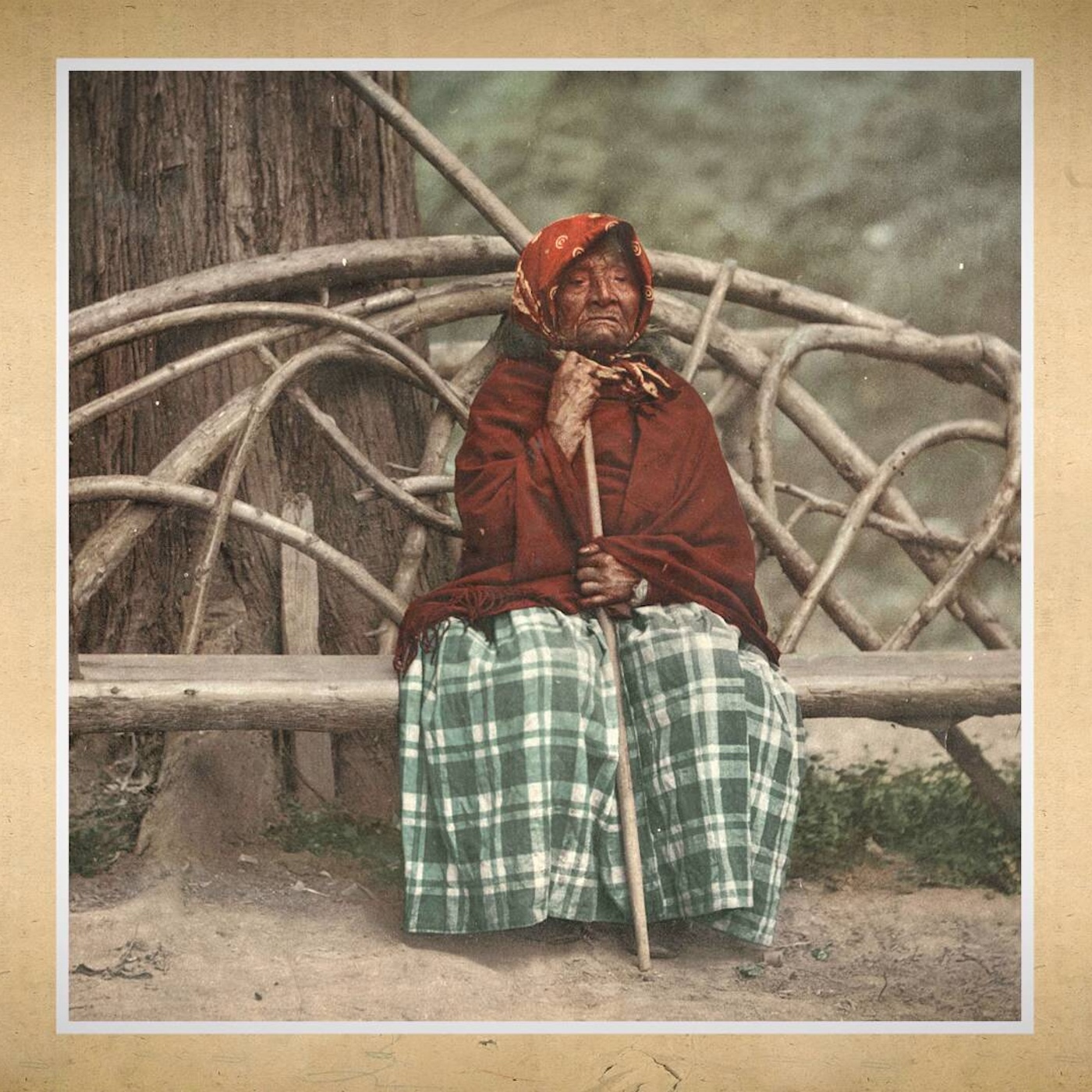
Remembering Kikisoblu, Seattle’s “Princess Angeline”
Apr 1500:41:53Tap to summarizeChief Seattle’s daughter, Kikisoblu, dubbed “Princess Angeline” by white settlers, could be considered one of Seattle’s first celebrities. Toward the end of her life, her portrait appeared on so many postcards and tchotchkes that she became, in many ways, the symbol of Seattle. Cascade PBS’s resident historian Knute Berger introduced viewers to Princess Angeline in a recent episode of the Mossback’s Northwest video series, but there is much more to her story. In this episode of Mossback, Berger joins co-host Stephen Hegg to discuss Princess Angeline’s enduring legacy – how, for instance, she stayed near her birthplace, even after Indigenous people were banned by Seattle ordinance, and how her determination, generosity and resilience impacted those who knew her. Plus, we hear directly from three members of the Duwamish Tribe about what Princess Angeline means to them today. For more on all things Mossback, visit CascadePBS.org. To reach Knute Berger directly, drop him a line at knute.berger@cascadepbs.org. And if you’d like an exclusive weekly newsletter from Knute, where he offers greater insight into his latest historical discoveries, become a Cascade PBS member today. ---CreditsHosts: Stephen Hegg, Knute BergerProducer: Sara BernardStory editors: Sarah Menzies, Adam BrownStudio recording: Roger Basquette
Transcribe →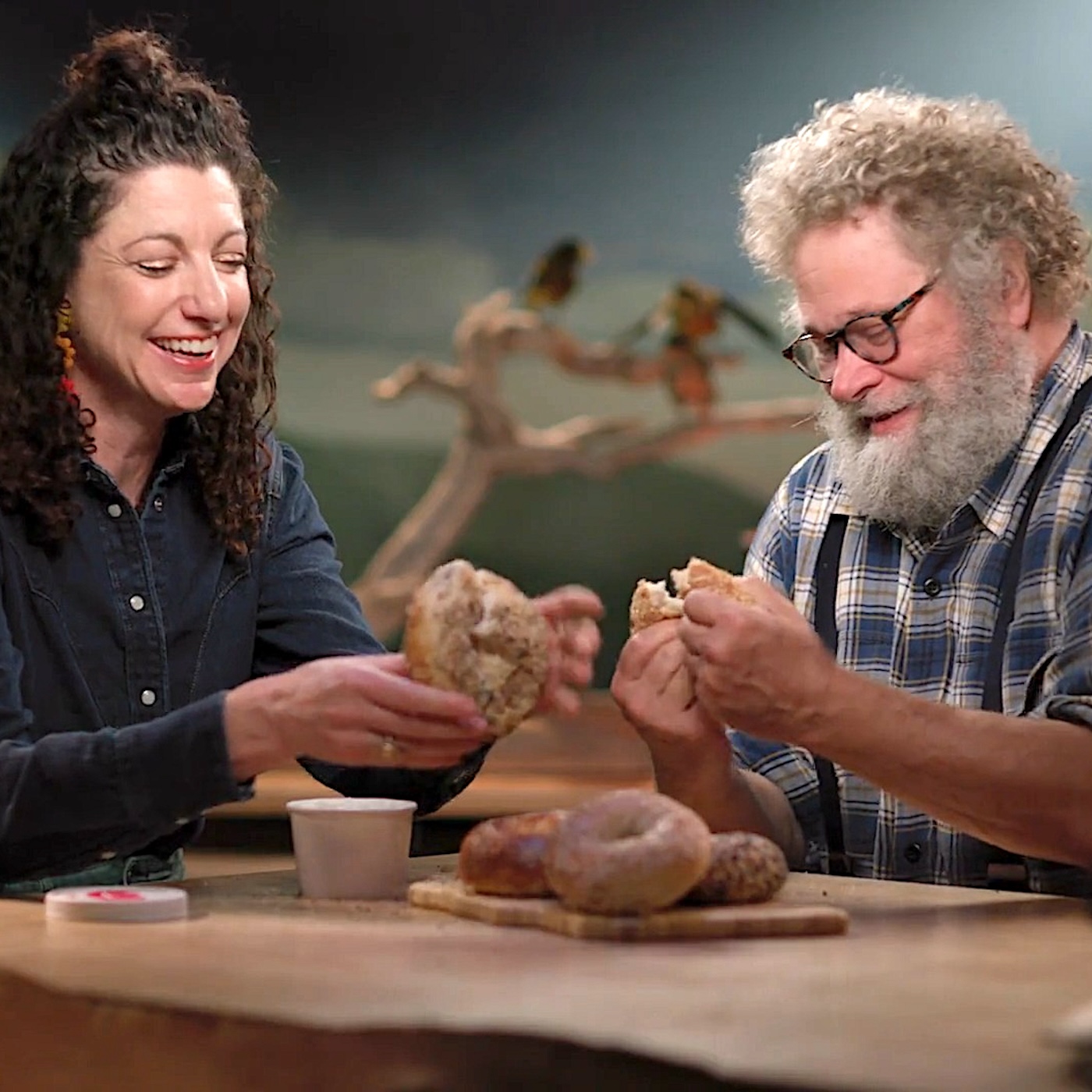
Seattle’s Most Iconic Foods, Then and Now
Apr 800:36:21Tap to summarizeWhat are Seattle’s most iconic foods? There's a history to that! Mossback co-hosts Knute Berger and Stephen Hegg delve into the past and present of the Seattle food scene with Cascade PBS’s resident foodie Rachel Belle, host of the video series The Nosh and the podcast Your Last Meal. Berger also joined Belle to discuss and taste local foods for a recent episode of the Mossback’s Northwest video series, but there was much more left to explore. In this episode of Mossback, the three Seattleites dish on pho, seafood, how expensive Seattle restaurants are these days, nostalgia for the dives of old and more. Plus, we go behind the scenes of the Mossback’s Northwest video shoot to witness Knute Berger preparing lutefisk, struggling with a tough-crusted bagel and joking about the boons of clam nectar. For more on all things Mossback, visit CascadePBS.org. To reach Knute Berger directly, drop him a line at knute.berger@cascadepbs.org. And if you’d like an exclusive weekly newsletter from Knute, where he offers greater insight into his latest historical discoveries, become a Cascade PBS member today. ---CreditsHosts: Stephen Hegg, Knute BergerProducer: Sara BernardStory editors: Sarah Menzies, Adam BrownStudio recording: Roger Basquette
Transcribe →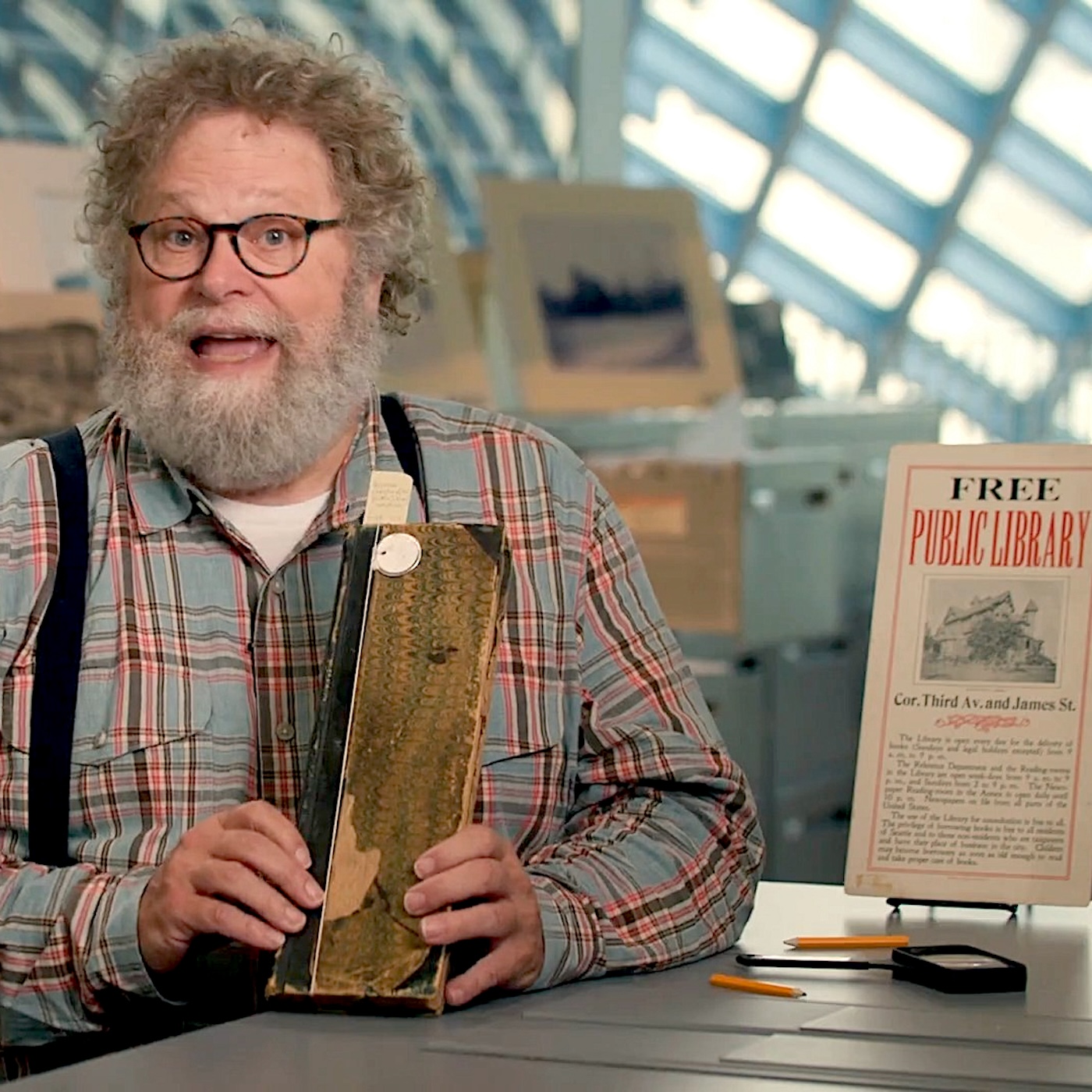
How Seattle’s Logging Industry Birthed its Libraries
Apr 100:35:55Tap to summarizeToday, Seattle is a UNESCO City of Literature – and it’s been a literary city since its founding. In fact, the first local library was created even before the city was officially incorporated. Cascade PBS’s resident historian Knute Berger explored this history in a recent episode of the Mossback’s Northwest video series, but there are more pages left to turn. In this episode of Mossback, Berger and co-host Stephen Hegg discuss their own love of libraries, the earliest books on Seattle’s shelves, the lasting literary impact of early pioneers Sarah and Henry Yesler and the unconventional couple’s remarkable connection to author Jack London. For more on all things Mossback, visit CascadePBS.org. To reach Knute Berger directly, drop him a line at knute.berger@cascadepbs.org. And if you’d like an exclusive weekly newsletter from Knute, where he offers greater insight into his latest historical discoveries, become a Cascade PBS member today. ---CreditsHosts: Stephen Hegg, Knute BergerProducer: Sara BernardStory editors: Sarah Menzies, Adam BrownStudio recording: Roger Basquette
Transcribe →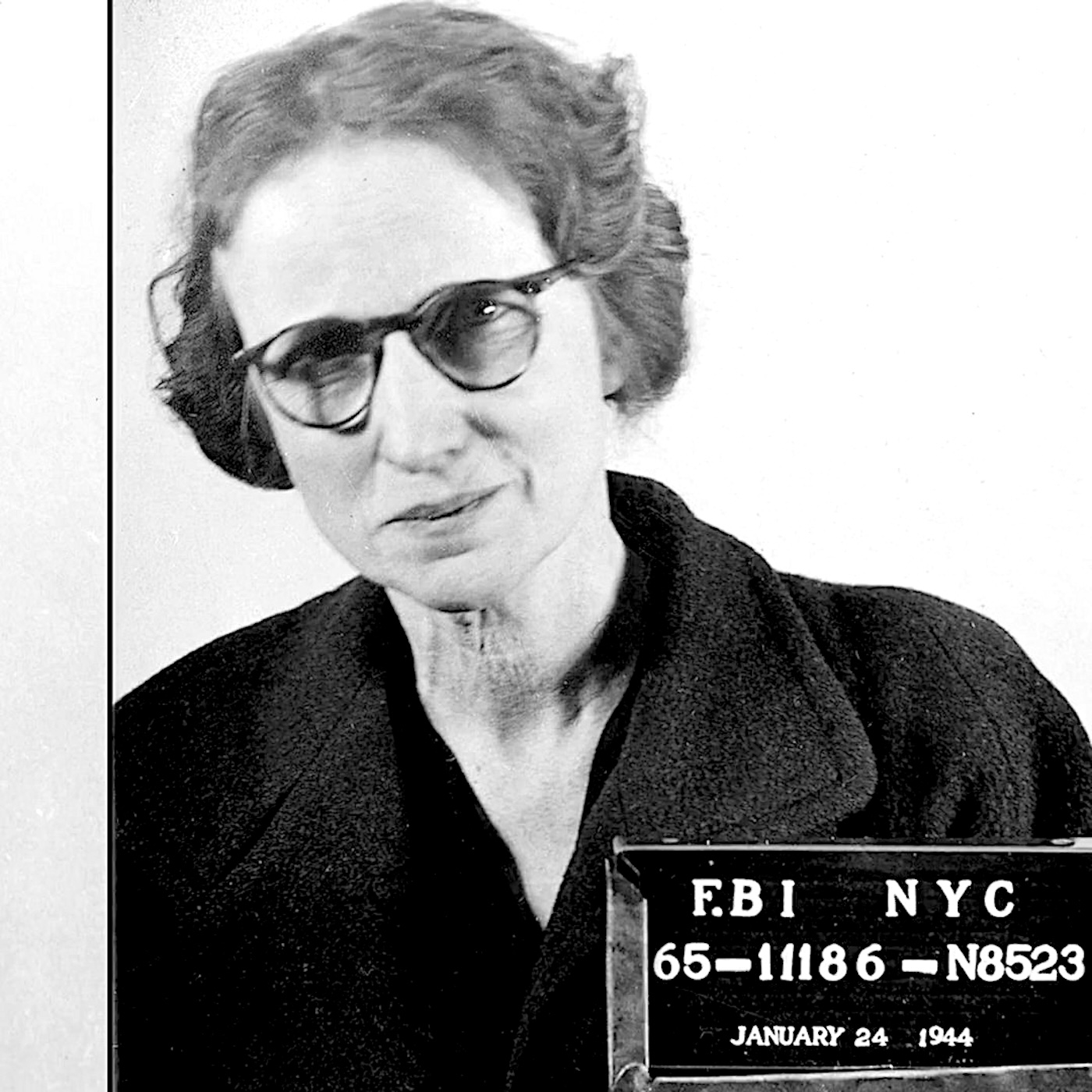
How Dolls Became Part of WWII Espionage
Mar 2500:34:37Tap to summarizeOne of the oddest cases of World War II espionage involved a woman, Velvalee Dickinson, who spied on Northwest shipyards for the Japanese. How did she do it? By writing coded letters about dolls. Cascade PBS’s resident historian Knute Berger told this story in a recent episode of the Mossback’s Northwest video series, but there’s more left to examine. In this episode of Mossback, Berger joins co-host Stephen Hegg to discuss Dickinson’s remarkable story, how she was ultimately caught by the U.S.’s first female cryptanalyst and the Northwest’s unique role in international spy games throughout the 20th century. For more on all things Mossback, visit CascadePBS.org. To reach Knute Berger directly, drop him a line at knute.berger@cascadepbs.org. And if you’d like an exclusive weekly newsletter from Knute, where he offers greater insight into his latest historical discoveries, become a Cascade PBS member today. ---CreditsHosts: Stephen Hegg, Knute BergerProducer: Sara BernardStory editors: Sarah Menzies, Adam BrownStudio recording: Roger Basquette
Transcribe →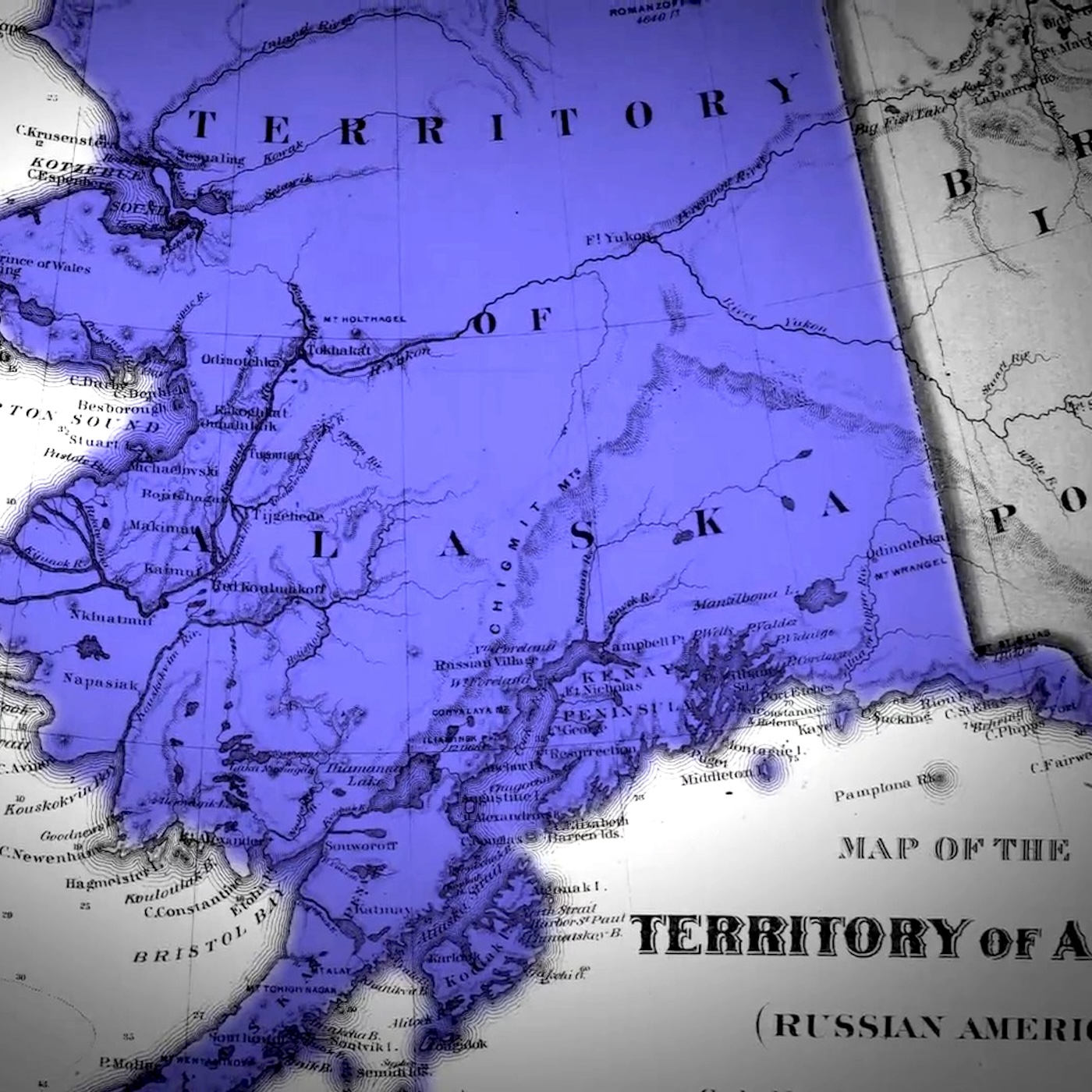
The Fishy Reason the U.S. Bought Alaska
Mar 1800:35:39Tap to summarizeWhy did the U.S. buy Alaska from Russia? It wasn’t for gold or fur, it turns out. It was for fish. And it was a politician from the Washington Territory who lobbied the hardest for the purchase. Cascade PBS’s resident historian Knute Berger explored some of this history in a recent episode of the Mossback’s Northwest video series, but there’s more left to discuss. In this episode of Mossback, Berger joins co-host Stephen Hegg to dig into the geopolitical events that set the stage for the Alaska Purchase, the far-sighted Washington clerk who helped make it happen and how all of that ultimately transformed the Pacific Northwest and its fishing industry. For more on all things Mossback, visit CascadePBS.org. To reach Knute Berger directly, drop him a line at knute.berger@cascadepbs.org. And if you’d like an exclusive weekly newsletter from Knute, where he offers greater insight into his latest historical discoveries, become a Cascade PBS member today. ---CreditsHosts: Stephen Hegg, Knute BergerProducer: Sara BernardStory editors: Sarah Menzies, Adam BrownStudio recording: Roger Basquette
Transcribe →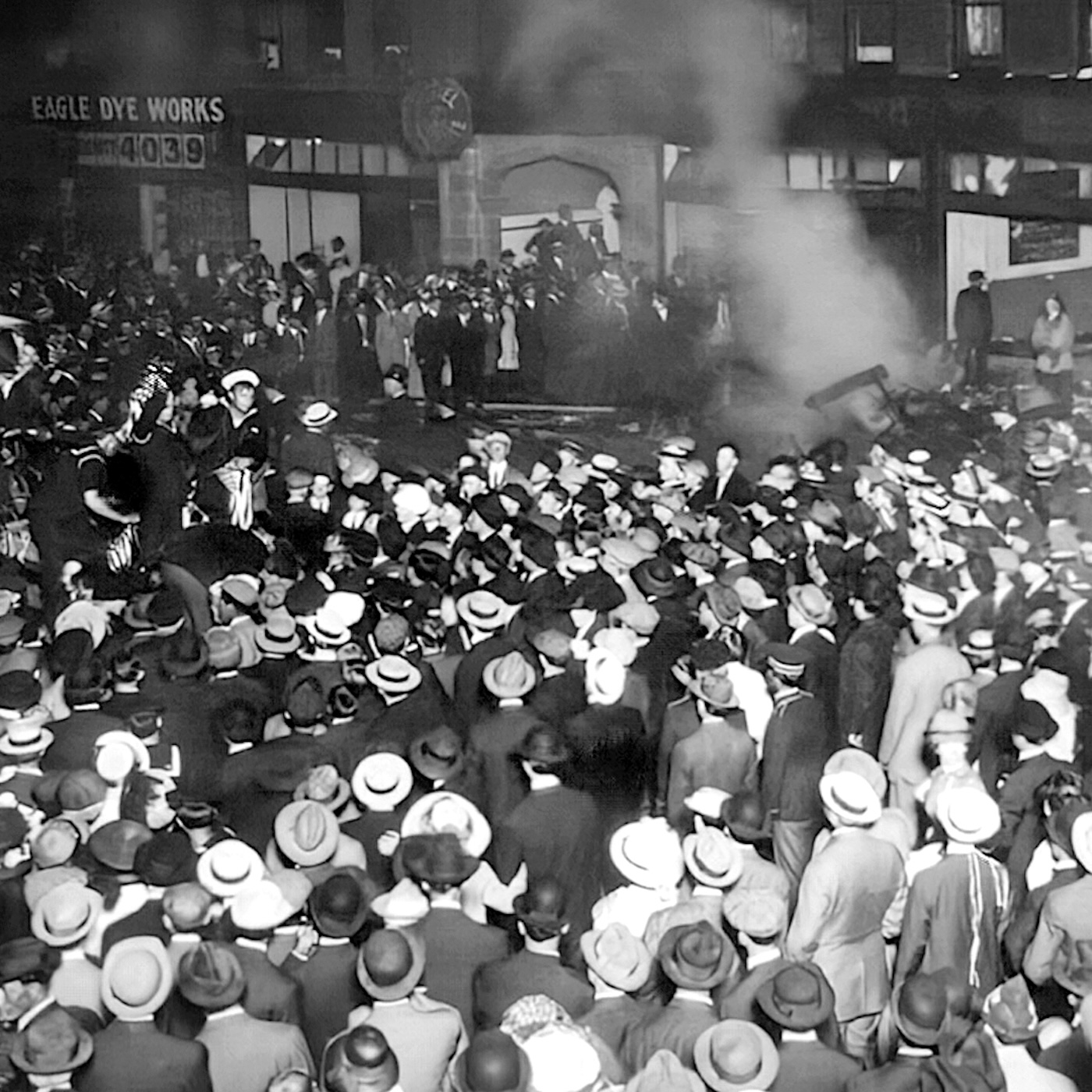
Seattle’s Potlatch Riot of 1913
Mar 1100:35:09Tap to summarizeSeattle once hosted a summer celebration called The Golden Potlatch. But in July 1913, political tensions mixed with revelry erupted into a riot, resulting in a brief period of martial law and intense battles over freedom of speech. Cascade PBS’s resident historian Knute Berger explained what happened in a recent episode of the Mossback’s Northwest video series, but there’s more left to unpack. In this episode of Mossback, Berger joins co-host Stephen Hegg to explore the differing accounts of why the riot took place, the political undercurrents at play at the time, the enduring power of the press and how so much of what happened then resonates eerily with our world today. For more on all things Mossback, visit CascadePBS.org. To reach Knute Berger directly, drop him a line at knute.berger@cascadepbs.org. And if you’d like an exclusive weekly newsletter from Knute, where he offers greater insight into his latest historical discoveries, become a Cascade PBS member today. ---CreditsHosts: Stephen Hegg, Knute BergerProducer: Sara BernardStory editors: Sarah Menzies, Adam BrownStudio recording: Roger Basquette
Transcribe →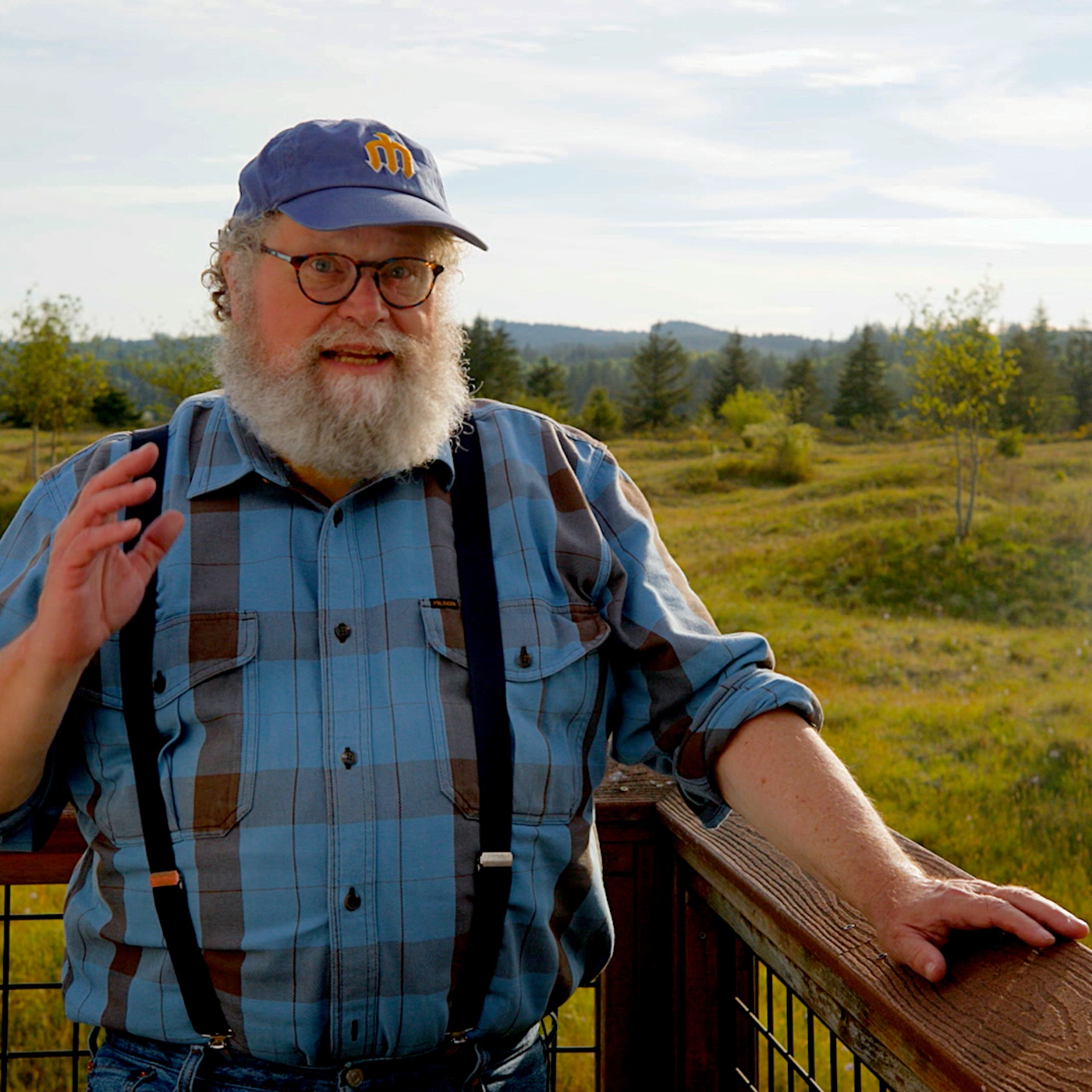
The Puzzle of the Pimpled Prairie
Mar 400:32:47Tap to summarizeDespite two centuries of speculation and science, a strange prairie full of small, evenly spaced hills south of Olympia remains a mystery. Cascade PBS’s resident historian Knute Berger unearthed some of the theories on the famous Mima Mounds’ origins in a recent episode of the Mossback’s Northwest video series, but there’s more left to explore. In this episode of Mossback, Berger joins co-host Stephen Hegg to dig deeper into the many explanations that have been put forth over the years, including earthquakes, fires, floods and ancient gophers. Plus, we get a peek behind the scenes at the Mossback’s Northwest video shoot at the Mima Mounds and local geologist Patrick Pringle weighs in. For more on all things Mossback, visit CascadePBS.org. To reach Knute Berger directly, drop him a line at knute.berger@cascadepbs.org. And if you’d like an exclusive weekly newsletter from Knute, where he offers greater insight into his latest historical discoveries, become a Cascade PBS member today. ---CreditsHosts: Stephen Hegg, Knute BergerProducer: Sara BernardStory editors: Sarah Menzies, Adam BrownStudio recording: Roger Basquette
Transcribe →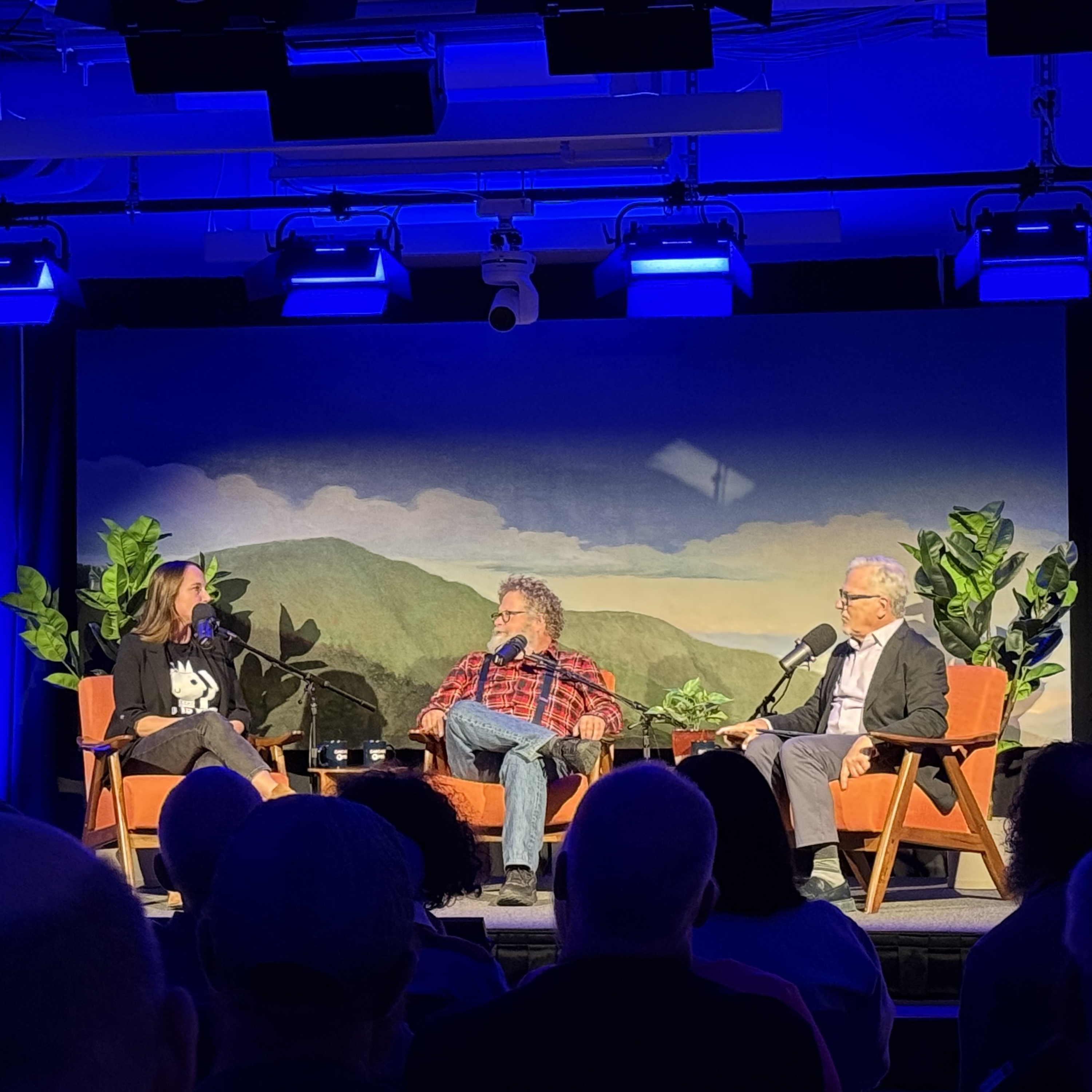
Behind the 11th Season of Mossback’s Northwest
Feb 2500:51:13Tap to summarizeThe Mossback’s Northwest video series launched its 11th season last fall, covering topics ranging from the mystery of the Mima Mounds to World War II espionage to Seattle’s Princess Angeline. In October, Cascade PBS hosted a live event to celebrate the season premiere, featuring Mossack’s Northwest host Knute Berger, Mossback podcast co-host Stephen Hegg and executive producer Sarah Menzies. In this bonus episode of the Mossback podcast, Berger, Hegg and Menzies kick off the season by digging into the fascinating stories on deck, the evolution of the series over time and the thinking and planning that goes on behind the scenes. Get ready for the next season of the Mossback podcast! Weekly episodes drop starting March 4 on CascadePBS.org or wherever you get your podcasts, alongside new, extended-cut video versions available on YouTube. For more on all things Mossback, visit CascadePBS.org. To reach Knute Berger directly, drop him a line at knute.berger@cascadepbs.org. And if you’d like an exclusive weekly newsletter from Knute, where he offers greater insight into his latest historical discoveries, become a Cascade PBS member today. ---CreditsHosts: Stephen Hegg, Knute BergerProducer: Sara BernardStory editors: Sarah Menzies, Adam BrownLive event recording: Resti Bagcal
Transcribe →A Journey to the Headwaters of the Columbia
Apr 2, 202500:33:27Tap to summarizeThe massive Columbia River travels more than 1,200 miles from start to finish. It crosses four mountain ranges, powers 14 hydroelectric dams and irrigates hundreds of thousands of acres of farmland, among other feats. But its origins start humbly: in a gentle lake in the mountains of British Columbia. Cascade PBS’s resident historian Knute Berger journeyed to these headwaters for a recent episode of the Mossback’s Northwest video series, but there’s far more left to explore. In this episode of Mossback, Berger joins co-host Stephen Hegg to share what it was like to make the trek to that peaceful lake in Canada where it all begins. Berger and Hegg also discuss the fur trade that kicked off an early-19th century era of exploration along the Columbia; the Welsh-Canadian explorer and cartographer known for navigating and mapping the entire river from start to finish; and the existential threat that climate change poses to the ice and snow that feed the river and its watershed. This is the last episode of the season! Thanks so much for listening. We'll be back next season with more. In the meantime, check out the new Mossback's Northwest Special. It's a 30-minute deep dive on the Columbia River, streaming now on Cascade PBS and at CascadePBS.org. For more on all things Mossback, visit CascadePBS.org. To reach Knute Berger directly, drop him a line at knute.berger@cascadepbs.org. And if you’d like an exclusive weekly newsletter from Knute, where he offers greater insight into his latest historical discoveries, become a Cascade PBS member today. --- Credits Hosts: Stephen Hegg, Knute Berger Producer: Sara Bernard Story editor: Sarah Menzies
Transcribe →