
Podcast
MUMC Bible Study Recap
Hosted by Cabe Matthews · EN
Notes and information about MUMC's churchwide Bible Studies taught by Cabe
mumcbiblestudy.substack.com
mumcbiblestudy.substack.com
10episodes
Episodes
Newest firstAll episodes

The End
Dec 1, 202101:13:52Tap to summarizeFriends,Thank you so much for your participation in our Fall Bible Study this year! I really appreciated and enjoyed all your thoughtful interaction and engagement with this rich material. (Sorry for the two week delay in getting this note out. Life gets in the way sometimes!)I like to do a survey at the end to see how it all went. You can also give me your ideas for what we should do next! Share your feedback through this brief survey. Resources* Video Recording (YouTube)* Slides (Dropbox)RecapThe last week of our Genesis 1-11 study was more interactive, so I’m not sure how helpful a recap will be! Mainly my hope was to have a conversation about what you all got out of it - and it was quite a rich conversation indeed!I also wanted to suggest some of the ways these opening chapters of the Bible point us forward to the great climax of the Bible - Jesus. Augustine of Hippo once said that what was concealed in the Old Testament is revealed in the New Testament, and we see this illustrated beautifully in Genesis. Jesus is the true image of God, the true descendent of Eve (who crushes the serpent’s head), a better version of Abel (who gives the good sacrifice to God, and whose murder leads to an even bigger grace for his murderers), and a better Noah (who rescues the Creation from God’s judgment and restarts humanity). And of course there is the connection between the Tower of Babel and the gift of tongues on the first Pentecost! And that’s just a few of the connections off the top of my head. The Scriptures are both deep and wide; my hope is that participating in classes like this one are like being handed scuba gear - giving you the tools to dive in and explore all that Scripture has to offer!ArtOur art this week was Chagall’s “La Création de l'Homme”. Check it out at that link!Looking AheadOnce again, thank you so much for embarking on this journey into the opening chapters of the Bible with me! It was a delight to have you be a part of it!Don’t forget to fill out the survey and let me know how it went - and what you want to do next!In Christ,Pastor Cabe This is a public episode. If you would like to discuss this with other subscribers or get access to bonus episodes, visit mumcbiblestudy.substack.com
Transcribe →
Families
Nov 11, 202101:19:53Tap to summarizeFriends,Yesterday Dr. Nancy Dawson joined us to share some of the fruit of her two decades-long study of Biblical genealogies. If you missed it, I strongly encourage you to listen to the audio (linked above) or watch the video recording (linked below)! She also gave me permission to share her presentation slide deck (see below). The end result of all this is going to be a massive volume to be published by Zondervan soon. An earlier version of her work was also published digitally by Accordance Bible in 2016. I’ve been an Accordance user for about a decade and a half and was delighted to discover that it is included with the bundle that I already own! I’ve got it open right now; I’m looking forward to making better use of it moving forward!Resources* Video Recording (YouTube)* Slides (Dropbox)* Genealogies of the Bible by Nancy Dawson (Accordance Bible Software)Recap“All Scripture,” the Apostle Paul tells us, “is God-breathed and is useful for teaching, rebuking, correcting and training in righteousness, so that the servant of God may be thoroughly equipped for every good work” (2 Timothy 3:16–17 NIV11). Many of us would mentally affirm this sentiment, but still have some segments of Scripture that we struggle to read as Scripture. The genealogies in the Bible are often among these troubled passages. What, we wonder, does this list of names I can’t pronounce have to do with me being faithful to God? What on earth is useful about these passages?Enter Nancy Dawson. She suggests two different images for what genealogies are doing in the Bible. First, imagine the Bible as like a house, with God as the foundation and Christ the cornerstone. The Biblical genealogies are like the frame of the house. They create the structure that gives shape - indeed, that holds up - the rest of the building. The Bible is framed up by thousands of years of God covenanting with a people, planning to send his Messiah among humanity. That is represented by the genealogies, with all the stories, laws, poetry, wisdom, letters, apocalypses, etc. that make up the rest of the Bible hanging off the frame. The genealogies are like the load bearing structure that gives the Scripture shape. I thought that image was very helpful!The second image is of a tree. The genealogies represent this huge structure that is always growing. Just like a tree has a ‘growing edge’, each new year adding a new ring to the trunk and new growth at the tip of roots and branches, so the genealogies place each new generation of God’s people in the context of the whole big picture of what God is doing in the world and among his people. The genealogies can then also remind us that now we live at the growing edge; the tree is still alive and growing to this day, and we are its buds! In Pauline terms, we have been grafted onto this ancient stock, and we are nourished by its deep root system (cf. Romans 11:17ff). Both of these images are very Biblical. And both are very helpful. My hope going into this week was to get a clearer sense of how Biblical genealogies function as Scripture. Nancy did not disappoint!For Next WeekWe’ve got one more week left in Genesis 1-11. I’m thinking we’re going to take a look at how Genesis 1-11 echoes throughout the rest of the Bible. Though I reserve the right to change the plan if the Spirit so leads :)Look back through Genesis 1-11 and review all that we’ve discussed, and maybe all that we haven’t discussed but that you are curious about. Come with questions and comments; we’ll talk!See you next Wednesday!In Christ, Pastor Cabe This is a public episode. If you would like to discuss this with other subscribers or get access to bonus episodes, visit mumcbiblestudy.substack.com
Transcribe →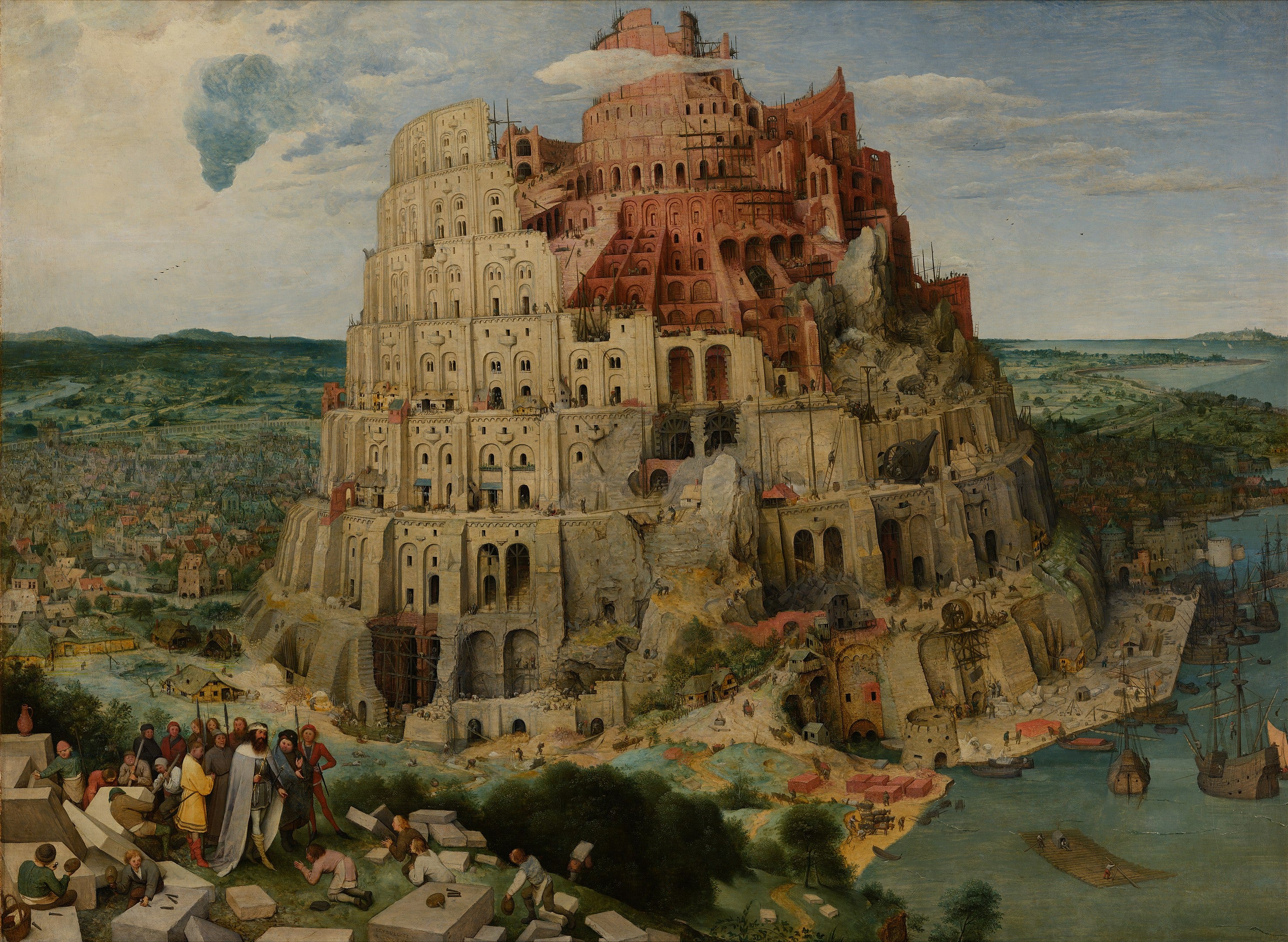
Babel
Nov 4, 202101:04:13Tap to summarizeFriends,Thanks to everyone who joined in on the fun this week! Here you can find a link to download the audio (above), links to watch the video or download the slides, a brief recap, our art of the week, and a look toward next week. Resources* Video Recording (YouTube)* Slides (Dropbox)RecapThe thing that really struck me this time around with the Tower of Babel story was the shape of the story. Humans trying to make a name for themselves, trying to build themselves up, trying to create their own security and meaning in life. And then God comes down and judges and thwarts their efforts. It is such a common story in the Bible - isn’t that basically the story of Adam and Eve, or the story of Cain, or the story of everyone but Noah in the days of the flood? It’s also the story of Pharoah in his struggle against Moses, of Jezebel in her promotion of the worship of Baal, and it’s the whole story of unfaithful Israel in the Old Testament. In the New Testament it’s also the story of the scribes and Pharisees (and sometimes Jesus’s confused disciples!) in the gospels. It’s Herod and Pilate. The super-apostles in Paul’s writings to Corinth and the foolish Galatians in Paul’s letter to them. Ultimately it’s the story of the Genesis serpent who grows up into the Revelation Dragon. They are all trying to build something, but they’re trying to build it for them, and they’re trying to build it without God. Of course there’s another Big Story in the Bible, but it has a very different shape. It’s the story of the humbled and the humble. It’s the story of the people who know they need God. And it’s the story of God stooping down to them to lift them up. It’s the story of Abel’s sacrifice, Noah’s obedience, Abraham’s faithfulness, Moses’s humility, David’s heart, and it’s the story of all the true prophets. It’s the story of all of faithful Israel in the Old Testament, and the faithful church in the New Testament. It’s the story of Jesus, where God’s Son himself humbles himself, makes himself a servant, and dies a criminal’s death just so he can lift us up. It is the story of the Lion of the Tribe of Judah who conquers the world by being the slain Lamb of God. But the point is this: either of these stories can be your story. Are you proud or humble? Are you trying to be first or last? Are you trying to save yourself or are you trusting God? Are you living to make a name for yourself, or are you living to make a name for Jesus? Jesus says that the one who tries to save their life will lose it, but that whoever loses their life for Jesus and for the gospel will save it. Either of these stories can be yours. Either of these stories can be my story too. The truth is most of us have a little bit of Babel in us. God knows I do.God, cure us all of our Babelite tendencies, and replace them with Christ. Amen. ArtFor Next WeekNext week MUMC church member Nancy Dawson will share some of her work on Biblical genealogies and share some insights specifically on the genealogies in Genesis 1-11. She is a real resource on this topic - she’s currently putting the finishing touches on a major book project to be published by Zondervan in the next year or so. It will be really the definitive book on Biblical genealogies. I do not say this lightly: there might be no one currently living in the world that has spent as much time thinking about this than Nancy Dawson. And she is going to share it with us. I am super excited. If you aren’t excited, I encourage you to come anyways. I think Nancy will have you excited by the end of it!!As you look forward to next week, take a look back through Genesis 1-11 at some of the genealogies. Maybe look especially at Genesis 4-5 and 10-11. Ponder this: why is this stuff scripture? What function does it serve?Can’t wait to see you all next week!In Christ,Pastor Cabe This is a public episode. If you would like to discuss this with other subscribers or get access to bonus episodes, visit mumcbiblestudy.substack.com
Transcribe →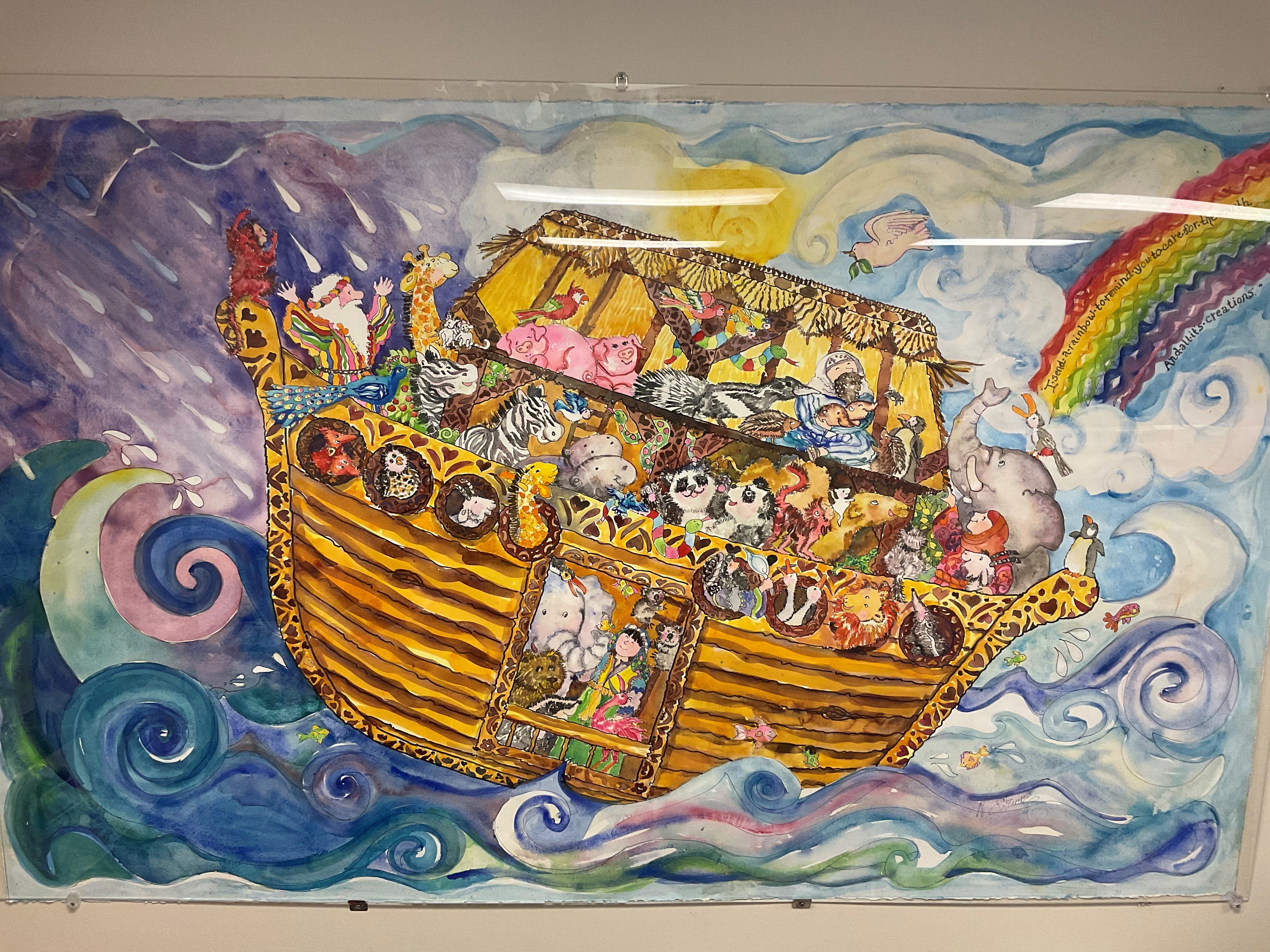
The Flood: Aftermath
Oct 28, 202101:07:04Tap to summarizeFriends,Here you can find links to the audio and video content from our most recent session. There is also a recap, the art piece of the week, and a brief look toward next week. I hope this is all helpful and encouraging and life giving to you all!Resources* Video Recording (YouTube)* Slides (Dropbox)RecapThis week we looked at the second half of the Noah story. One of the striking things here is the ways we see echoes of the gospel here. Allow me to mention just a few examples. Noah comes out of the ark and builds an altar and makes a sacrifice. God smells the sacrifice, and says, “Never again will I curse the ground because of humans, even though every inclination of the human heart is evil from childhood. And never again will I destroy all living creatures, as I have done” (Genesis 8:21b NIV11). God pledges not to destroy humanity again. But God also acknowledges that the flood hasn’t changed anything: humans are still evil, still prone to sin. In fact, the Bible even describes our sinfulness in strikingly similar ways here and before the flood (see 6:5). So, why the change? The only thing I can figure is this: Noah trusted God, Noah obeyed God, and Noah sacrificed to God. And so because of all that, we no longer live under the threat of a world destroying flood event. Friends, this is Jesus: God’s faithful and obedient one, who made the good sacrifice, so that, in him, God promises to preserve and protect our lives, even when we don’t deserve it. Next, God also responds by making a covenant with Noah (and the rest of creation). He says:And God said, “This is the sign of the covenant I am making between me and you and every living creature with you, a covenant for all generations to come: I have set my rainbow in the clouds, and it will be the sign of the covenant between me and the earth. Whenever I bring clouds over the earth and the rainbow appears in the clouds, I will remember my covenant between me and you and all living creatures of every kind. Never again will the waters become a flood to destroy all life. Whenever the rainbow appears in the clouds, I will see it and remember the everlasting covenant between God and all living creatures of every kind on the earth.” (Genesis 9:12–16 NIV11)The Hebrew word here translated “rainbow” just means bow - as in bow and arrow. The warrior God is hanging it up; it’s as if God is announcing his retirement from world-destruction. But the image is potentially even more interesting: the bow is hung up in the sky, but it is also pointed up, as if God is saying, “If anyone is getting the arrow from now on, it’s going to be me. I’ll take the arrow that you deserve on your behalf.” What a fantastic description of the cross: Jesus taking from us the punishment that we rightly deserve.ArtThis watercolor used to hang in the nursery here at MUMC. I believe it was saved after our (comparatively) little flood back in February, and currently hangs in the Children’s ministry office. For next weekNext week we’ll look at the Tower of Babel. Take a look at that story from Genesis 11. It’s a lot shorter than what we’ve been looking at so far, so maybe read it more than once. Ponder this: what went wrong here? How does God handle it? Can you find Jesus in this story?In Christ,Pastor Cabe This is a public episode. If you would like to discuss this with other subscribers or get access to bonus episodes, visit mumcbiblestudy.substack.com
Transcribe →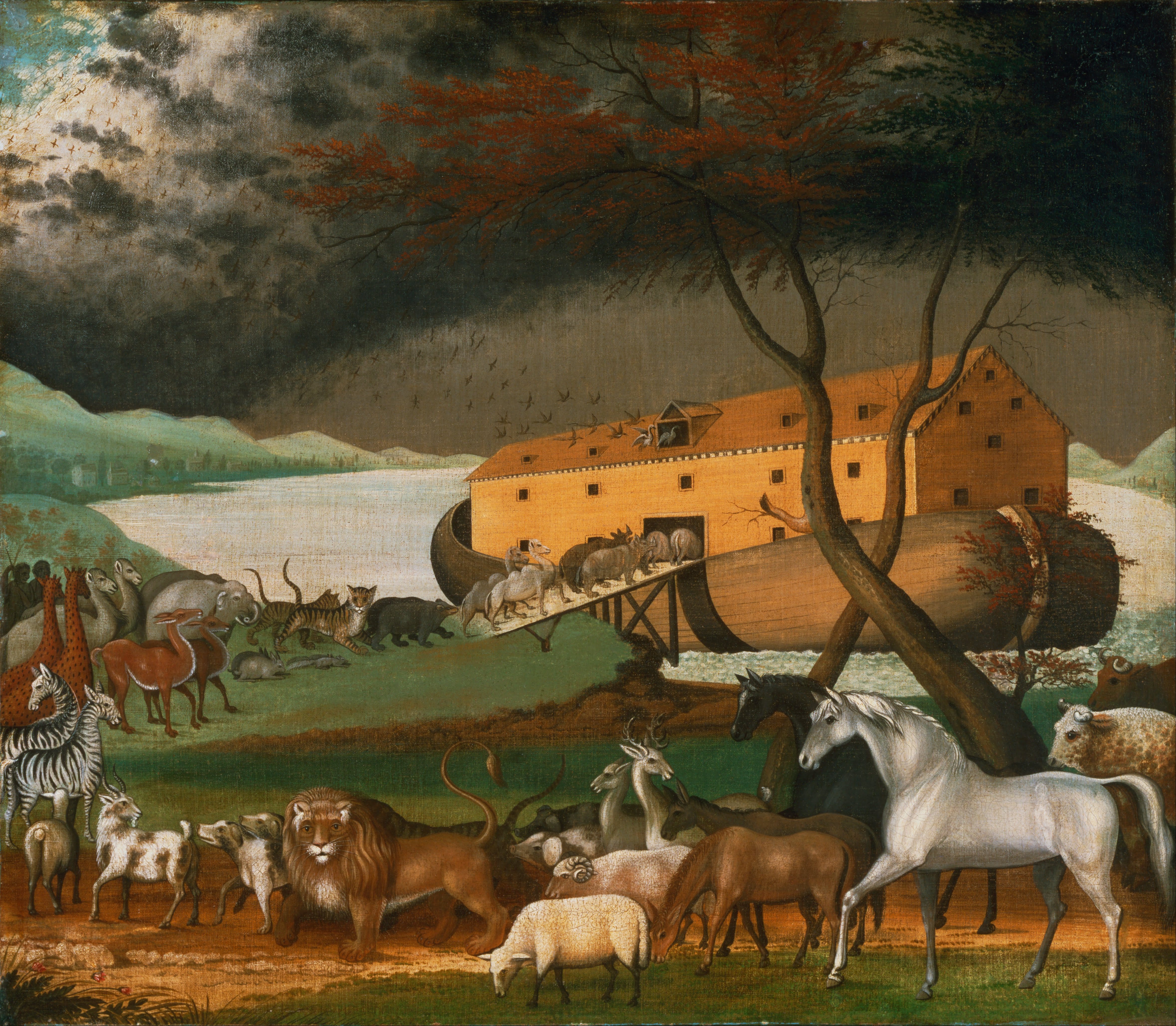
The Flood: Saved from Chaos
Oct 21, 202101:12:30Tap to summarizeFriends,Thanks for joining in yesterday for our conversation about the great flood of Noah’s generation. We started in Genesis 6:1 and took it all the way to Genesis 8:1; in other words we saw the un-creation of the world, but we didn’t get to its re-creation. Fear not - next week we’ll pick up right where we left off and take it all the way to the end of chapter 9. In this email you can find an audio recording (see above), as well as links to the video recording and slides, a brief recap, our art piece, and a look ahead to next week. Resources* Video Recording (YouTube)* Slides (Dropbox)RecapWe talked a lot about the little minutiae in this story, because there are a lot of little details that are quite interesting if you tease them apart a bit. Like the rest of Genesis 1-11, this is a very well crafted story. But for the purposes of our recap here, let’s take a step back and look at the big picture. Humanity’s sin has corrupted the earth, so God resolves to corrupt it the rest of the way and start again afresh. But God provides for continuity between the old creation and the new creation by calling one man, Noah, along with his family. Noah was not perfect (see chapter 9), but he did trust God. In fact, in Genesis 6 and 7 that is just about the only thing we see Noah doing: trusting God and doing what God says. God establishes a covenant with Noah, the first such covenant in the whole Bible. The contours of that covenant will be one of our main topics next week. But this week I want you to notice that this is also the first salvation story in the Bible. There have been several stories about the consequences of sin, and those stories tend to have powerful features of grace in them. But this story is really the first proper salvation account. And the shape of this first salvation story echoes in all the other major salvation stories in the Bible. Let’s just look at the two biggest salvation stories in the Bible. In the story of the Exodus, God saves his people by taking them through the Red Sea. God protects them from the water, but their Egyptian pursuers are destroyed by it. God preserves his covenant people through a kind of ‘flood’: an enslaved people descend into the sea, and they come out the other side a free people. In the story of Jesus, the cross and the tomb are where he descends into the depths of death, but is preserved. The resurrection marks God’s covenant-fulfiller and initiates a new creation even more profound than Noah’s new creation. And so we too, slaves to sin and death, descend into the waters of baptism and come out the other side, free. We are buried in the chaotic, uncreating waters, and God preserves us, rescues us. Just as Noah was preserved in the ark, so are we too preserved in Christ and in Christ’s body, the church. Just as Noah preserved what was to last from the old creation to the new creation in the ark (mainly the animals), so are we called to preserve the things that will last: love, joy, peace, patience, kindness, goodness, faithfulness, gentleness, and self-control, to name a few things. Or, as Paul put it in a different place, “Therefore, if anyone is in Christ, the new creation has come: The old has gone, the new is here!” (2 Corinthians 5:17 NIV11). ArtEdward Hicks was a Quaker minister in the early nineteenth century in Pennsylvania. Here you see a storybook-esque procession of animals into the ark. It strikes me as a very peaceful image in the foreground, but the gathering clouds in the background indicate what’s coming. The Hicks painting with which I am most familiar offers a similar view of a harmonious animal kingdom as the image above, but without the presence of the foreboding clouds indicating impending doom. It’s “The Peaceable Kingdom” (1826), inspired by Isaiah 11 and other similar passages: The wolf will live with the lamb, the leopard will lie down with the goat, the calf and the lion and the yearling together; and a little child will lead them. The cow will feed with the bear, their young will lie down together, and the lion will eat straw like the ox. The infant will play near the cobra’s den, and the young child will put its hand into the viper’s nest. They will neither harm nor destroy on all my holy mountain, for the earth will be filled with the knowledge of the LORD as the waters cover the sea. (Isaiah 11:6-9 NIV11)There is something of Noah’s ark even here. The peace of God’s new creation in the end reflects the peace that was intended in the beginning. While by Noah’s generation this peace has broken down in a big way, as the animals gather on the ark it seems to be (partially, temporarily) restored. This isn’t made explicit in the text of Genesis 6-7, but I do think all the artists who portray the animals peacefully lining up in an orderly fashion are picking up on something real here. Noah’s new creation won’t always be so peaceful, but Jesus’s New Creation will be. It’s interesting to imagine these animals, slated to be a part of Noah’s new creation, behaving in a manner befitting Jesus’s final New Creation. A foretaste of what is to come!Next WeekNext week we’ll continue with the Noah story. Take another look at Genesis 6-9 to get a sense of the full sweep of the story. And go ahead and bring your Bibles next week again - it should help situate the details in the scope of the whole (long) story!In Christ,Pastor Cabe This is a public episode. If you would like to discuss this with other subscribers or get access to bonus episodes, visit mumcbiblestudy.substack.com
Transcribe →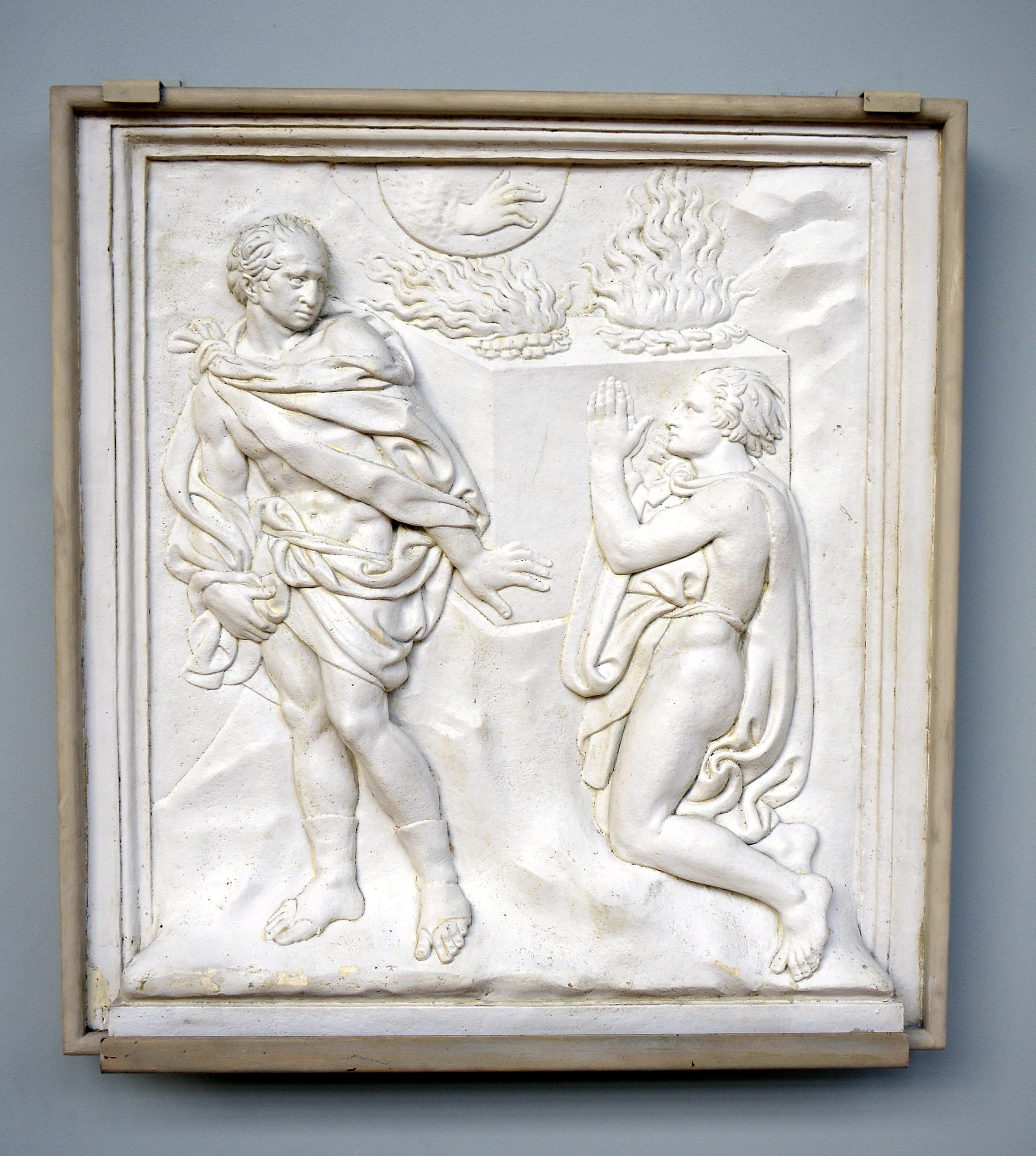
Cain and Abel
Oct 14, 202101:07:36Tap to summarizeFriends,Thanks for all who are continuing to journey together through the first eleven chapters of Genesis!In this email you can find the audio recording (see above), along with the video recording, slides, a quick recap, our art piece of the week, and a look forward to next week.Resources* Video Recording (YouTube)* Slides (Dropbox)RecapGenesis 4 is, to me, a study in contrasts. In a sinful world, there are two different paths a person can take. Which one will you take? First, there’s Cain. When he and his brother Abel come up to offer their sacrifices to God, Abel brings his best, while Cain just seems to bring whatever he has on hand. God rejects Cain’s sacrifice, and accepts Abel’s. Cain is jealous. Cain is angry. God warns Cain about this, and coaches him on what he needs to do. Cain’s response to God is to kill his brother, and then lie about it. Cain treats Abel like a thing, like he’s dispensable. Cain seems to be the god of his own perspective. Abel gave a better sacrifice; it’s as if that made Cain feel bad, and instead of that inciting him to rise to the occasion and improve his own offerings to God, Cain kills him. Cain gets a punishment, but Cain experiences grace and the patience of God too. But in the end he doesn’t seem sorry - just sorry that he got caught. The story of his descendants in Genesis 4:17-24 (epitomized in Lamech) is but a continuation of these same themes.So what is the alternative to Cain? I think it’s Eve, who happens to be Cain’s mom. This one is a bit more subtle, so bear with me. At the beginning of Genesis 4 she gives birth to Cain and exclaims, “With the help of the LORD I have brought forth a man” (Genesis 4:1b NIV11). She should probably have a little bit more awe here: Cain is the first conventional human birth in the Bible. Shouldn’t she experience this as a miracle, as a gift of God? Instead she portrays Cain’s birth as something she did (though with God’s help). One wonders whether this inauspicious beginning is reflected in the trajectory that Cain’s life took. But by the end of the chapter, her tune has changed. In the second to last verse in Genesis 4, Eve bears another son, Seth, and this time she declares, “God has granted me another child in place of Abel, since Cain killed him” (Genesis 4:25b NIV11). Eve gives the credit and the glory to God here. It seems she might have learned something. Notice that both Cain and Eve are sinful, flawed humans. But Eve grows as she becomes more and more open to God. Cain and his descendants, on the other hand, do not. Once again, here are two different paths any one of us sinful humans can take: will we grow from grace to grace like Eve, or will we stay put (or spiral downward) along with Cain and his descendants? Will we yield to the One God, or will we insist on being our own (small-g) gods? Will we be children of Eve, or will we be children of the Serpent (Genesis 3:15)?ArtI was drawn to this image because of how it betrays the difference in attitude between Cain and Abel. Abel brings his very best to God: fat portions from some of the firstborn of his flocks. And Cain? Well, he brought an offering too…God accepts Abel’s offering because he brought his best. God does not accept Cain’s offering, because he didn’t. This is a bit humbling to me. What am I offering to God?For Next WeekFor next week take a look at the story of Noah’s ark: Genesis 6-7 (we’ll cover chapters 8-9 the following week). Why does God destroy his creation?In Christ,Pastor Cabe This is a public episode. If you would like to discuss this with other subscribers or get access to bonus episodes, visit mumcbiblestudy.substack.com
Transcribe →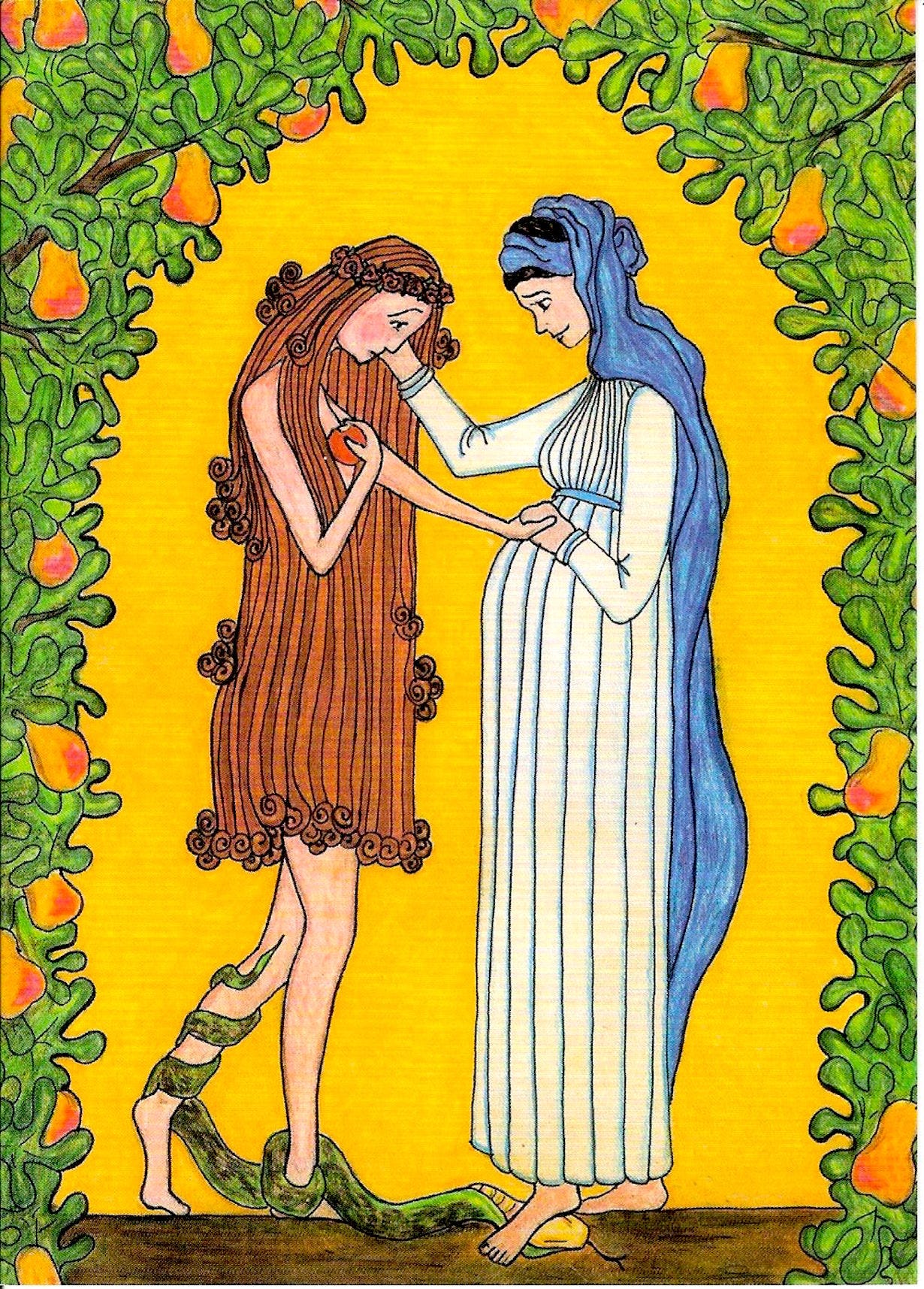
Snakes
Oct 7, 202101:11:17Tap to summarizeFriends,First thing, a huge announcement: On November 10th we are scheduled to discuss genealogies and the role they play in Genesis 1-11. It turns out one of our church members is something of an expert on the subject! Nancy Dawson wrote a comprehensive resource (published digitally in 2016) looking at every genealogy in the Bible. Even as I write this she is working on the finishing touches of the print version, which is to be published by Zondervan. There might be no one alive who has spent more time thinking about Biblical genealogies and what they mean than Nancy. And she has agreed to share her insight with us in our upcoming session on November 10. I absolutely love the obscure passages of the Bible, the ones that are often overlooked or shied away from because they seem challenging to most of us. What is more ignored in the Bible than what we sometimes dismissively refer to as “the begats”?! Mark your calendars - you won’t want to miss this!But on with the recap! Below you can find links to the video recording and the slides, a recap of our discussion, a quick look at our art of the week, and a peek ahead at next week. Resources* Video Recording (YouTube)* Slides (Drobox)RecapSin enters the world through the deceptive questions and claims of a serpent, and the man and woman taking it upon themselves to decide what is good and what is evil - instead of trusting God and God’s judgment. Immediately the relationship between the man and woman is broken, and their relationship to God is broken too. By the end of the chapter the whole creation finds itself under this curse of brokenness, and the man and woman have been removed from Paradise. But, through small glimmers sprinkled throughout the chapter, there is hope. We learn that one day Eve’s offspring will defeat the serpent (though it’s going to hurt). God covers their shame (but it required bloodshed - the first sacrifice). Even death itself is a kind of grace in Genesis 3 - we aren’t consigned to live in this brokenness forever. Indeed, one of Eve’s offspring will defeat the serpent, once and for all. He’ll do so by the sacrifice of his death. But through his death he will defeat even death itself, and restore humanity - and all of creation - to God. In case you didn’t catch that, Genesis 3 is where we glimpse, arguably for the first time in the Bible, the shadow of Jesus Christ and his saving Cross. ArtYou can find this image above my wife’s desk in our study at home. It’s also on the wall in Pastor David’s office at the church. If you want to buy a print (or some delicious caramels) you can find this image on the website of the monastery where the artist lives. And you can find a song inspired by this image on the playlist of my daughter’s favorite songs. I highly recommend you give Sandra McCracken’s “Mary Consoles Eve” a listen; it is wonderful. The imagery here seems so modern to me: this is the story of the whole Bible told through two female (!) figures. But the idea expressed here is very old, dating back to at least the second century, when Irenaeus of Lyon suggested that similar to the way Christ is a new, better Adam, the faithful, obedient Mary is a new, better Eve. Like most good ideas about the Bible, this connection between Mary and Eve is both ancient and new. Next WeekFor next week read Genesis 4, where we meet Cain and Abel - and the first murder. The history of our world is full of murder, war, and violent death of all kinds; it’s easy to get a little numb to that. So I want to encourage you to try to come at this story with fresh eyes: what would this first murder, this first violent act, have meant in the context of God’s creative activity from Genesis 1-2?In Christ,Pastor Cabe This is a public episode. If you would like to discuss this with other subscribers or get access to bonus episodes, visit mumcbiblestudy.substack.com
Transcribe →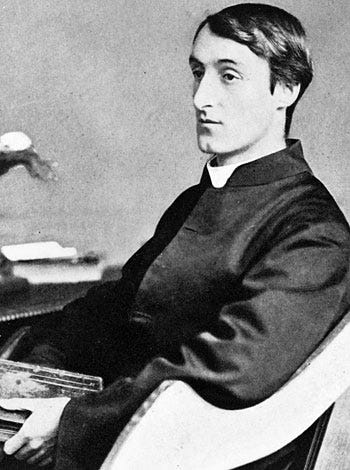
Man and Woman
Sep 30, 202101:08:20Tap to summarizeFriends,This week we discussed the Bible’s second creation story, which can be found in Genesis 2:4-25. We focused mainly on humanity, and what this story says about who we are supposed to be and what we are supposed to do in this God-given life. Thank you so much to everyone who joined us - what great conversations we had!Above you can access the audio recording. Below you can find links to the video recording and slides, a recap of our discussion, an engagement with our art of the week (this time it was a poet!), and a look ahead to next week. Resources* Video Recording (YouTube)* Slides (DropBox)RecapIn Genesis 1 God creates everything over a span of six days, and it is only at the end of the sixth day that God makes people. We are the pinnacle of creation: before humans, God called everything he made “good.” But after he made humans, he finally looked at the whole and called it “very good.” Genesis 2 tells the story differently. We start out with a bare earth: nothing but soil with rivers running through it all, keeping the ground watered. The first thing God makes, right out of the gate, is man: a single male human. He is a human (Hebrew: adam), and he is made out of the earth (Hebrew: adamah). The Hebrew pun links us to this earth: there is something deeply good about our connection to the soil. We are called to cultivate the earth. The second thing God makes is plants; he plants a garden in the region of Eden. They too spring up from the ground (Hebrew: adamah). But now God points out something crucial: It is not good for the man to be alone. So, third, God makes animals. These come out of the soil (Hebrew: adamah) too. Each animal parades in front of the man, and one by one he names them. But none of them is a suitable helper for the man. So God does something different. The fourth act of creation in Genesis 2 is a woman. She is the piece that was missing, the blank space that needed to be filled. Upon meeting her, the man breaks into poetry. He calls her woman (Hebrew: ishah), because she was created out of man (Hebrew: ish). Just as a Hebrew pun linked the human/adam with the soil/adamah, here we find another similar pun linking the man and his wife. And this second pun is spoken not by the narrator, but by the man himself. I love Bruce Waltke’s insight into this moment:The narrator names him [adam] by his relation to the ground [adamah], but Adam names himself [ish] in relation to his wife [ishah]. A man and woman are never more like God than on their wedding day when they commit themselves unconditionally to one another. (Genesis, p. 89)Of course this is not just a story about one man and one woman; in a very important way, this is a story about all of us. So, to sum up, according to Genesis 1-2 the following things are true of your identity:* you were made in God's image and likeness (1:26)* you were formed from dust - at least in the case of man (2:7)* God gave you the breath of life (2:7)* it is not good to be alone (2:18)* you were formed from man (in the case of woman) (2:22)And, according to Genesis 1-2, your vocation includes:* to rule over fish, birds, livestock, wild animals, creeping things (1:26, etc.)* to be fruitful and multiply; fill the earth and subdue it (1:28)* to work the garden and take care of it (2:15)* to name the animals (2:19)* to leave your parents and be united to your spouse (2:24)The Bible has quite a bit more to say about what it means to be human, but that’s not a bad place to start!ArtAs Kingfishers Catch FireAs kingfishers catch fire, dragonflies draw flame; As tumbled over rim in roundy wells Stones ring; like each tucked string tells, each hung bell's Bow swung finds tongue to fling out broad its name; Each mortal thing does one thing and the same: Deals out that being indoors each one dwells; Selves — goes itself; myself it speaks and spells, Crying Whát I dó is me: for that I came. I say móre: the just man justices; Keeps grace: thát keeps all his goings graces; Acts in God's eye what in God's eye he is — Chríst — for Christ plays in ten thousand places, Lovely in limbs, and lovely in eyes not his To the Father through the features of men's faces.Gerard Manley Hopkins (Wikipedia, Poetry Foundation, Official Site) was a brilliant poet whose work offers deep and beautiful engagements with his Christian faith. I first discovered him years ago when someone gave me a copy of Eugene Peterson’s Christ Plays in Ten Thousand Places as a college graduation gift. Since it was the inspiration for the book’s title, Peterson had the above poem printed in the front matter, and I remember reading it over and over. I’ve been hooked on Hopkins’ work ever since.I don’t find his poetry to be easy at all. But to me, Hopkins is very much worth the effort it takes to understand him!Here are a few of my absolute favorites:* Pied Beauty* God’s Grandeur* That Nature is a Heraclitean Fire and of the comfort of the ResurrectionNotice how he engages with the physical world around him - especially the natural world - and how this is linked up for him with the reality of God. For Next WeekWe’ve seen God create these past few weeks, and the results of those acts of creation have been good. For this coming week, read Genesis 3 and wrestle with it a bit. How does the reality of sin impact our ability to be the people God made us to be, and to do the things God has called us to do? How does our sin impact the rest of creation too?In Christ,Pastor Cabe This is a public episode. If you would like to discuss this with other subscribers or get access to bonus episodes, visit mumcbiblestudy.substack.com
Transcribe →
Order Out of Chaos
Sep 23, 202101:06:09Tap to summarizeFriends,Yesterday we gathered once again to discuss Genesis. We looked at the creation story in Genesis 1:1-2:3 - one of the most beautiful passages in the whole Bible. Below you can find links to the video recording and the slides, a recap of our discussion, our weekly piece of art, and a glance toward next week. Also see above for the audio recording of the session; I know a few of you aren’t able to join in during our meetings, but are watching the recordings later. I’m going to start dropping the audio recordings into these emails in case some of you wanted to listen on your commute or while you’re mowing the lawn or cooking or exercising or something. Let me know if that is helpful to you!Resources* Video Recording* SlidesRecapWe started by pointing out that your origin story matters - what kind of story you tell yourself about where you come from and why you are here makes a huge difference for how you live day to day. Genesis was not the only option in its day - there were others. The author seems to have been familiar with some of these, and seems to be telling his story as in part a argument against some of these other stories. More than that: Genesis is trying to tell a better story. For instance, when God creates, he doesn’t have to struggle. Unlike one Babylonian creation myth where the earth is the product of a violent conflict between two different gods, and unlike the Canaanite gods who have to struggle against the material world to separate the waters above the sky from the waters below, in the Genesis account there is no fight; no conflict. No one seems to rival God and God’s plans to create at all. It seems almost effortless. Check the video or the slides for a few other examples of how the Genesis 1 creation story seems to be written as a criticism of the creation accounts of some of its neighbors. In the creation story itself, the world started out formless, void, and dark, but God’s Spirit hovered over it all. God springs into action, going through six days of creating different things. First, in days one through three, God adds form to the formlessness: he creates light, he separates the waters and thus makes the sea and sky, and he makes land and vegetation. Second, in days four through six, God fills the emptiness of creation, installing stuff in each of the places he just formed: he makes lights, he puts fish in the sea and birds in the sky, and he makes land animals and finally humans. Each of the six days share similar features; the repetition is part of what makes this passage so beautiful, and almost poetic. Finally, on the seventh day God rests. He doesn’t here command us to do the same (that comes later), but he is setting the pattern. We can also see how the structure of the whole is to give order not only to space, but to time as well: when God installs the lights in the heavens on day four he commands: “let them serve as signs to mark sacred times, and days and years” (Genesis 1:14b NIV11). Here this goes further still: in God’s act of creation God has invented the week, a very important rhythm for us even up to today. Just like Genesis was probably intended to be in part a criticism of other origin stories in its world, it can serve the same function for our world too:* God caused the Creation (vs. strict materialism)* The universe is ordered under God (physics, etc. was God’s idea)* God is bigger than chaos (vs. despair)* God is bigger than nature (vs. Romantics)* There is a higher purpose for human existence (vs. we make our own meaning)* The Creation was originally very good (vs. Tennyson’s “Nature, red in tooth and claw”)* Take a day off once a week to pursue rest, goodness, and peace (vs. idolatry of work)I don’t know about you, but all of this comes together for me to make a much better story than all the other options people sometimes believe these days!ArtI’m not sure where or how, but I think it was as a college freshman that I first stumbled upon NGC 4414. I was an astronomy major at the time (I later switched to physics - you know, to be practical), but I just remember being struck by its beauty. I quickly drafted it to be my computer’s desktop background, a position it held for years. It seems most of the universe is empty space: it takes about eight minutes for light from the sun to get to us here on the surface of the earth, and it takes about seventeen years for light to get here from the next closest star to us, Alpha Centauri. But way, way further out there, only one wonder among a billion trillion others, is NGC 4414. How unnecessary, how gratuitous its beauty is. And how patient: when the light you see captured above departed to head our way, the dinosaurs had only just gone extinct. Sixty two million years is a long time to wait for a photo op, but the distance is even more remarkable to me than the timeline. Light travels very fast, about six hundred seventy million miles per hour. And again, it went that fast for sixty two million years. Add to that this: NGC 4414 isn’t even that far away in the grand scheme of things. As best we can tell, this cosmos is enormous. How much bigger must be the God who dreamed it all up?For Next WeekFor next week read Genesis 2:4-25. Again, I’d encourage you to read it out loud, with other people if you can. It’s the story of Adam, Eve, and the Garden of Eden. Just like the rest of Genesis 1-11, it’s the story of where we come from, who we are, and why we are here. Can’t wait to wrestle with it with you!In Christ,Pastor Cabe This is a public episode. If you would like to discuss this with other subscribers or get access to bonus episodes, visit mumcbiblestudy.substack.com
Transcribe →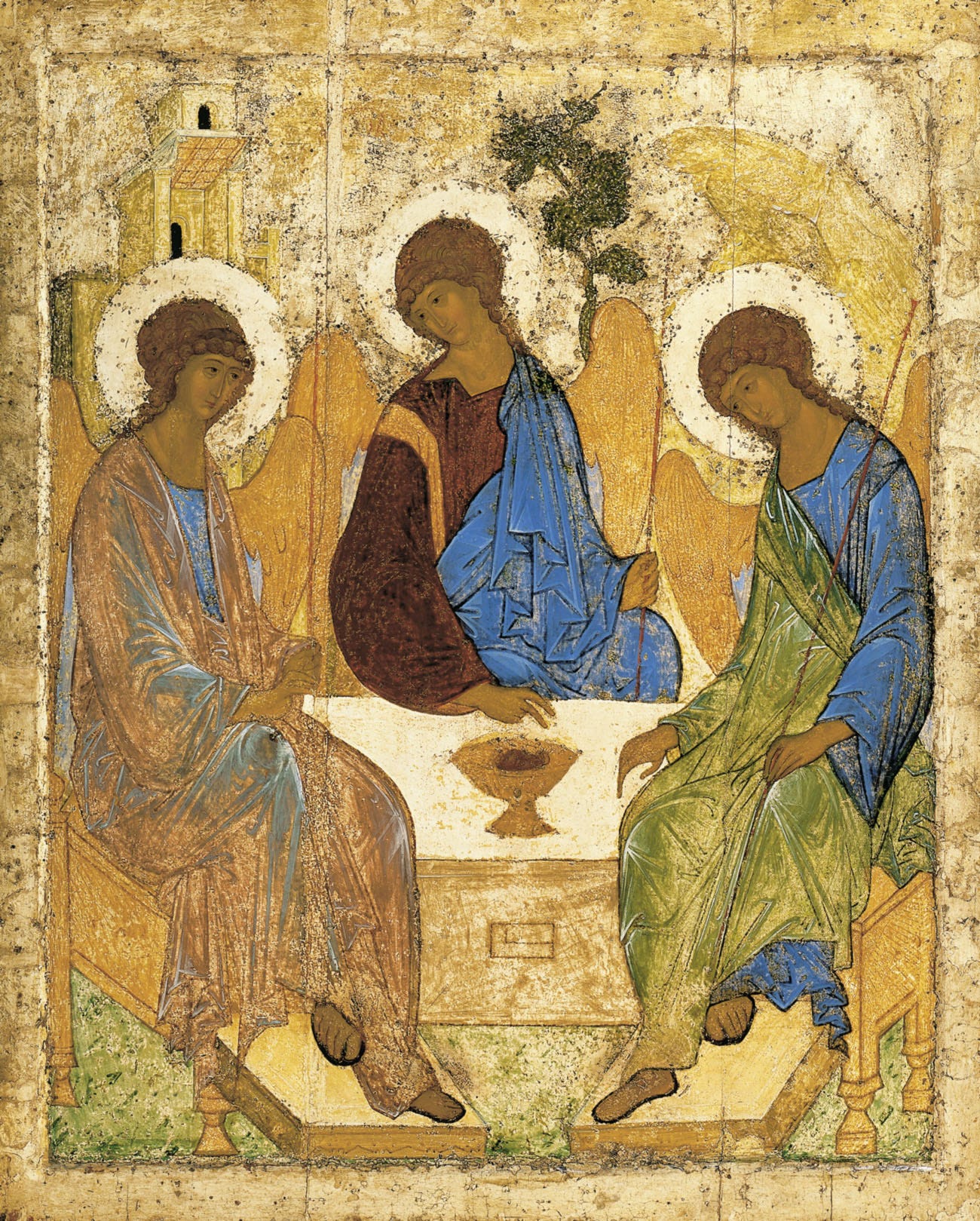
Paul's Message: Community
Apr 1, 202100:15:28Tap to summarizeFriends,Grace to you and peace from God the Father and our Lord Jesus Christ!Yesterday we focused on the community of the Holy Spirit. Our entry point was a look at Paul’s famous “love chapter” — 1 Corinthians 13. That passage, it turns out, is about love in the church, and only secondarily can be applied to things like love in a marriage.See below for links, and a note about Rublev’s “The Trinity.” Click above to listen to an audio summary of the session (about 15 minutes long). And click here to take a short survey about how the study went — and how I can make them more effective next time. Resources* Video Recording (AM)* Slides* Reading PlanThe Art of PaulI shared this image of Andrei Rublev’s famed Trinity icon (early 15th century). Inspired by the story of the three angels that visited Abraham in Genesis 18, it has become customary to think about and portray these angels as a type of Old Testament Trinity. The figure on the left represents God the Father, the one in the middle represents God the Son, and the figure on the right represents God the Holy Spirit. As is often the case in iconography, the lines of perspective conjoin not in the back of the image (as is typical in most Western art), but in front of the image — this is meant to draw the viewer into the scene. In other words, Rublev intended you to see this image and feel yourself drawn into it, as if you are invited to sit at the fourth side of this table and commune with the Triune God. You can read more about Rublev’s icon on Wikipedia. For Next WeekThat’s all for this Paul Bible study. Thank you so much for being a part of it; I enjoyed being on this journey with each of you! Don’t forget to take the survey to let me know how it went and how to make these studies better in the future. Until then, I hope you have a wonderful holiday weekend — he is risen!In Christ,Pastor Cabe This is a public episode. If you would like to discuss this with other subscribers or get access to bonus episodes, visit mumcbiblestudy.substack.com
Transcribe →