Loading summary
Transcript410 lines
- [00:02]
A
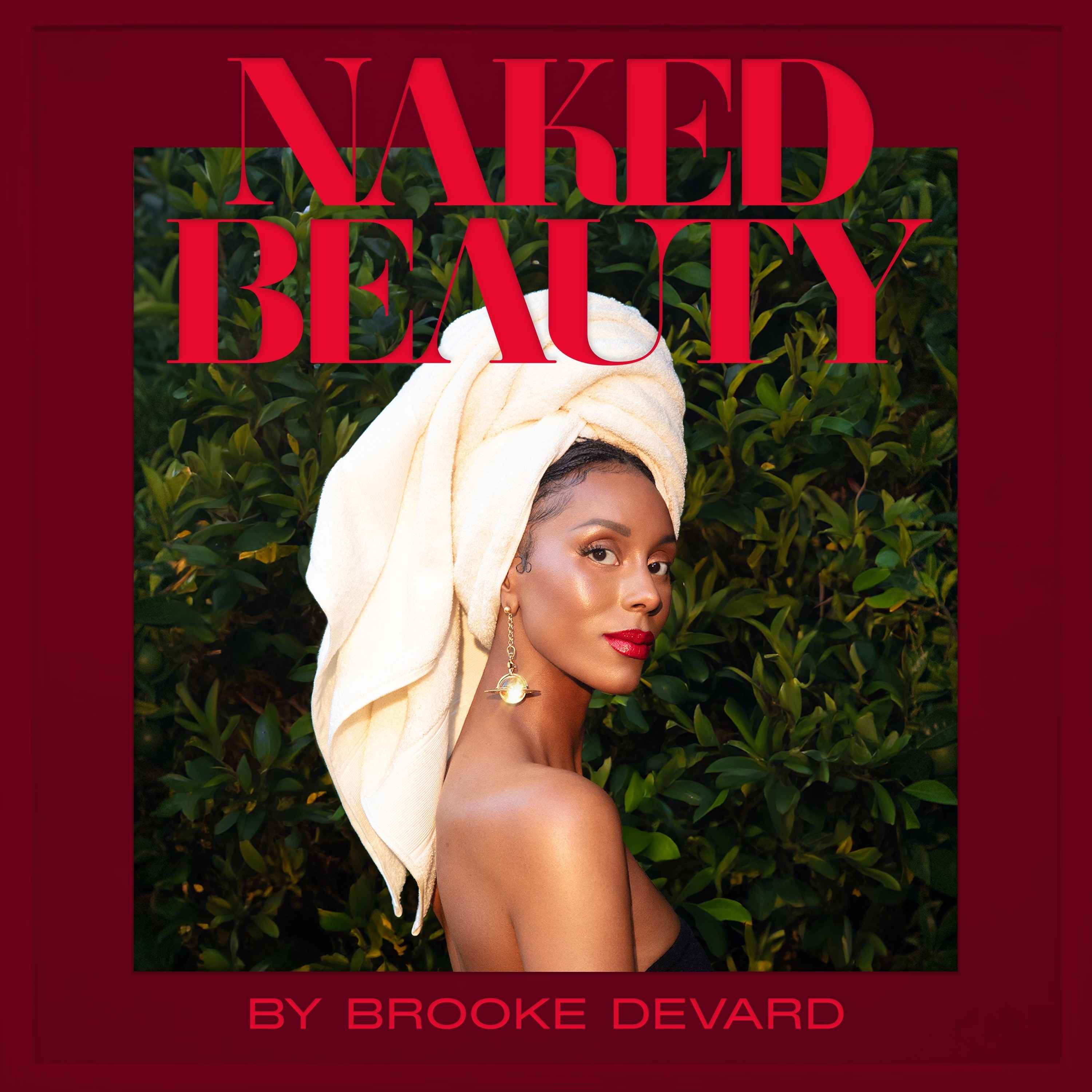
While he was steaming, I was dreaming in the Beamer, just beaming. Can't believe that I called my men cheating. Hello, hello, this is Brooke Devard and you're listening to the Naked Beauty Podcast. And if you're watching Naked Beauty today, you are watching the Naked Beauty Podcast. I'm always so excited when I can be here in studio with one of my incredible guests. And today you are in for a real treat. Noor Tayara is the co founder and CEO of Aurora Makeup, a clean beauty brand, transforming the industry's idea of what clean luxury and 100% recyclable products can look like. For 13 years, Noor worked at L', Oreal, rising the ranks and trying to change the industry from within. I know how that can be. Trying to make change from within, it's. It's hard. But Noor's time at the major beauty conglomerate revealed the depths of waste and over consumption caused by beauty production. Instead of becoming indifferent or overwhelmed by his findings, Noor saw an opportunity for innovation and change. He pitched a plastic free brand to the CEO, but was rejected because executives believed there was no place for a disruptive plastic free brand in the portfolio. During a four month mental health break in Mexico City, Noor realized he would have to build the brand he wanted to see. And the city that had always reinvigorated him would be the inspiration. Noor built AORA while rebuilding his life post divorce, post Covid and post l'. Oreal. The Noor. Welcome to Naked Beauty.
- [01:29]
B
Thank you so much. I'm very happy to be here. And what an intro. You got it perfectly well.
- [01:36]
A
I'm also excited to talk to you because you were just like a man of the world. Like, you've lived in so many incredible places. You've experienced beauty culture in so many places. We were going through it in the hallway. What are all of the places you've lived for the listeners?
- [01:48]
B
Beirut, Lebanon. Montreal, Canada. Paris, France. New York in the US and Mexico City in Mexico.
- [01:57]
A
Mexico City, which is like one of my dream destinations. Okay. Out of all of those different cities, which city would you say has like the best beauty culture?
- [02:06]
B
I would say Beirut, Lebanon. It might not be the metropole of beauty like the rest, but if it comes to culture and how to take care of yourself, it is. It's somewhere where men's beauty was not like a trend or a forecast for 2025. We grew up and you go to your groomer and the barber. For me, beauty in Lebanon is kind of what we're doing here is a culture that's figured out that beauty is a conversation, is a place, is a moment to catch up, is something that connects people together. And it's been figured out very intrinsically by people every day.
- [02:47]
A
The salons are just part of the culture there. I always say that what Anthony Bourdain did for food, someone needs to do for Beau. And I'm like, I need to have a beauty travel show where I go all over the world and, like, investigate beauty culture. But I saw this incredible. It was a CNN special that Christiane Amanpour did about women in Beirut. And they were like, the standard for beauty in Beirut is just higher than anywhere else in the world. Lebanese women are always impeccably put together. Your hair is done, your face is on. None of this, like, put on sweatpants, messy bun, run out the door. Like, that's not a thing. You show up and you come correct everywhere you go.
- [03:20]
B
You show up beautifully, I think.
- [03:23]
A
Is that how the women in your family were growing up?
- [03:26]
B
Yes, definitely. I mean, I have pictures of my. I have pictures of my mom, of my sister, of aunts. But also in general, as a. As a country, it is, I think, as a country already aesthetics are super important. You see it with Lebanese cuisine when you show up and how it's presented on the table. You'll see it in architecture and then in beauty. Yeah, like, most women until not long ago would only wash their hair at the salon. You don't wash your hair at home.
- [03:58]
A
The dream. The dream. And it's similar in Turkey because when I. So there are all of these hair salons and you see, they get really busy in the mornings before work because women wake up and before they go to the office, they go to get their hair blown out 100%.
- [04:11]
B
Like, I remember being in New York maybe 10 years ago, and there was blow bar or something, and like, they came out with open early 8am before work. And I'm like, innovation. What?
- [04:24]
A
Really? We've been doing this, of course, and everyone gets their nails done. It's just like, it's ingrained into the culture. But it sounds like men also appreciate grooming completely.
- [04:34]
B
I mean, it's. It's also. I mean, the Middle east is the original culture of beards. Like, before it became a Williamsburg hipster thing. It was. It was us. So you go and get your beard done, you fix. You get your eyebrows done, you get your. Over here done with. What do you like with the thread. You get your haircut a lot. But also it's a place where you connect.
- [05:01]
A
Yes, yes. I love that. And that's similar to black culture where the salon is this very safe space where you convene and you have conversation and you build community. So I love that we have that in common. What did you learn about self expression and beauty growing up? Did you know that you wanted to have a career, career in beauty? Did you know that was even an option?
- [05:19]
B
I. No. First of all, I definitely did not think it's an option.
- [05:24]
A
Yeah.
- [05:25]
B
And I also think because I. Because I figured out quite early on in my teenage years that I was gay, it became even less of an option. I think my. I was like, no, no, you can't like this stereotype. What are you going to become a makeup artist or. I had that stereotype in my head that was kind of like for a couple of years, probably internalized homophobia of thinking, definitely shun that out as far as possible for a second.
- [05:52]
A
Did you feel comfortable sharing with your parents and your immediate family? Like, when did you kind of come out to your immediate family?
- [05:58]
B
I came out to my family. Okay. So I. To my family. I came out when I was 20. I was in Montreal by then. When I was in Beirut, I actually got pretty quickly very okay with being gay because there was a full underground scene in Beirut. Like full.
- [06:16]
A
Yeah, huge.
- [06:17]
B
Yeah, I was, I. And I was a super computer geek. I was so good at math, at programming. And there was a channel called Gay Lebanon on mirc, which is like dos, which is pre everything we know right now.
- [06:32]
A
And I'm obsessed with this story.
- [06:33]
B
I became 15, 16, an operator of the channel. So I was like kicking 40 year olds out for like not respecting the rules.
- [06:42]
A
Amazing.
- [06:43]
B
And it was pretty hilarious. There's like five of us. So I started going out and seeing those guys and there was one that was in the military. It was a really cool group. And I. It's what I love as well about being queer is because of being hidden in the beginning, you find a community that you could have never found.
- [07:04]
A
Yes.
- [07:05]
B
People of different ages, looks, walks of life, rich, poor, and it gets you so rich. So I would go out. So I started becoming very involved and I would go out and I would party. So I had like this full raging gay life. Honestly, when I was a teenager in
- [07:22]
A
Beirut, underneath the surface.
- [07:24]
B
Underneath the surface in a very underground way, but like so fun, the best. And then suddenly, like of course told a couple of girlfriends that that's happening and they were super supportive. And then the minute I landed in Montreal when I was 18, it was like, this is your moment. And I. And it wasn't even about coming out anymore. Like, I was just like, this is it, you're gay. Everyone's gonna know it. Immediately. I ran for student council my first week in the like, most homosexual way possible. And it was fantastic.
- [07:58]
A
And you were immediately embraced?
- [07:59]
B
Immediately, yes.
- [08:01]
A
So when did beauty as a career or interest kind of come into your life?
- [08:08]
B
I, I think in university, definitely. I definitely. Beauty as an interest came into my life very early on. But as a career in university, I needed a bit of money. I was on school, I was on a scholarship, so. But I wanted a bit more. And I loved clothes and fashion and all of that. So I started taking summer jobs in guerrilla marketing. So I was like the ing guy that was giving people a dollar on the streets. You know, they had like that commercial at some point. Okay, I was in the axe guy. So you'd go to movie theaters and find me like wearing a bathrobe, lying on a bed with my armpit out. I was a sun silk guy on the street asking you, are you pink, blue or purple? To give you a sample. And they were really good paying jobs. But then at the same time I got to realize how, how fun marketing was in that. Meanwhile, I was an electrical and computer engineer. I'm like, I'd rather do this.
- [09:08]
A
It's interesting. I think we have a lot of parallels in that. I was also very early Internet. I mean even this podcast, it started 10 years ago, like, but no one like podcasting wasn't even like a thing then. I was always blogging and like coding my own sites and stuff. By the time I got into corporate, I was always on the digital marketing side because that was like the early, you know, they were just starting to figure out that digital marketing was important. I was on the first social media teams at a lot of brands like Ralph Lauren, where it was like very new. Like what we're going to like shoot things on iPhone and post it out to people and. But when you are forward thinking, sometimes in a large corporation, it's hard to push innovation. There's a lot of resistance towards innovation because it's like they want to innovate. The idea of innovation sounds sexy, but to convince people to take the risks and to do things differently can be hard.
- [09:55]
B
Of course. I mean, I think the thing about corporations as well, they need data.
- [10:03]
A
Yes.
- [10:03]
B
They often tell you they need the data or they need to see a smaller competitor do it well. And in a way that smaller competitor, there's a big chance. They started with instinct.
- [10:16]
A
Yes.
- [10:17]
B
And by the way instinct doesn't necessarily mean someone has a dream or a premonition at night. I'm sure your instinct on digital or starting a podcast. I think you know how a lot of people say that, like, luck is preparation, meeting opportunities, and instinct is very much something like that as well. It's about having a trained eye or brain to start seeing signals out there. Doesn't mean you're a genius. Doesn't mean profit.
- [10:45]
A
I always say pattern. Yeah. Pattern recognition.
- [10:48]
B
It's seeing patterns, seeing where things are going. It's having an eye. It's the same in fashion. Like, it's not instinct. It's people are seeing where things are going.
- [10:56]
A
Yes. So being at a big company like l' Oreal and being this person that's so about innovation, did it feel like that was sometimes at odds with the corporate agenda? What was your first role there? Like, how did you. Because 13 years is a long time to be at a single company.
- [11:11]
B
Okay. So I didn't. Honestly. I also started at l' Oreal by pure coincidence.
- [11:16]
A
Okay.
- [11:18]
B
So I was in Montreal, and I had just finished electrical engineering, like, with a master's and all, and about to go work in either consulting or Bombardier, like aeronautics or something like that. And then I decided, you know what? I actually want to go do a master's in business. And I did the gmat. I was in Montreal and didn't know where to go. And I got a really crazy good grade. Like insane, like, 0.001 percentile. And when that happens, they send your grades to schools, and then suddenly you're like, you get not bid on, kind of. And then this school in Paris called Paris sent me to New York to interview. So I also got to go to New York for the first time.
- [12:07]
A
Fabulous.
- [12:08]
B
And I interviewed to get into this school, and then I got a scholarship to go to that school, and I went to Paris. I'm like, you know what? This is it. Go to Paris. Get to Paris. My first marketing class was sponsored by l' Oreal as the brand storm. You know, it's their big competition every year. They choose a topic, and people from around the world have to join this competition from schools.
- [12:31]
A
That's cool.
- [12:32]
B
And we. My group won for. I don't remember anymore. It was like, for Paris or France, something. And when you won, you got an internship. So I went immediately straight into it, straight to it, into the internship. And by the time the internship finished, l' Oreal proposed to me a program called apprenticeship. Really, where you work and study at the same time. I never really had to go back to school that much. It was that covered kind of my degree. And I got my degree by also working at l' Oreal at the same time.
- [13:05]
A
Oh, amazing. Amazing. So you do this apprenticeship and then you just start and you're like, in it.
- [13:10]
B
In it.
- [13:11]
A
From the Paris office.
- [13:12]
B
From the Paris office.
- [13:13]
A
And then you work your way up.
- [13:14]
B
The best Paris office. It was the one on Rue St. Honore.
- [13:17]
A
That's like, incredible.
- [13:19]
B
In, like, right? The best.
- [13:21]
A
Was there a cafeteria in the office?
- [13:22]
B
There's a cafeteria with good food. With spectacular food.
- [13:25]
A
Because I remember when I worked at Instagram, I visited the Instagram Paris office and like, they were like, oh, we'll just like, sit on the roof first of all. View of the Eiffel Tower. And they were like, this is our cafeteria.
- [13:34]
B
Those offices are the. Oh, my God, the Meta offices in Paris.
- [13:37]
A
Incredible.
- [13:37]
B
Used to live there.
- [13:38]
A
Beyond incredible.
- [13:39]
B
You can bring friends and family.
- [13:41]
A
I was like, can I live here?
- [13:42]
B
You can juice your own fruits yourself.
- [13:45]
A
Unbelievable. I was like, is there Rose served with this, like, beautiful lunch, probably food so seriously.
- [13:52]
B
And takes a lunch break so seriously. You are frowned upon if you bring up, like, work too much.
- [13:57]
A
Oh, my gosh.
- [13:58]
B
Don't miss lunch break.
- [13:59]
A
Go for it.
- [14:00]
B
It's amazing. It cost, like, €4 because it's 80% subsidized by the company.
- [14:07]
A
Yes. It's a beautiful thing. And then you think about in America when we bring our, like, sad salad plastic bowls to our desk and eat it with.
- [14:14]
B
I know, I don't know. Your $27 sweet green salad.
- [14:19]
A
Right. As you're answering emails, like, not even giving your brain time to go offline for a little bit in the middle of the day. It's not good.
- [14:26]
B
Or appreciating the food.
- [14:27]
A
Or appreciating the food. Or appreciating the food. It's so funny. When I hear you talk about things being plastic free, I think of my husband immediately, because he is so. I mean, our household has, like, a strict no plastic policy. And he will see me. Like, we get takeout, you know, and he immediately puts it on the proper plates and takes out the proper silverware. And I'm like, oh, it's just fine. And he's like, what are you doing? Respect the food. Respect the meal time. All of this stuff needs to be plated properly and enjoyed properly.
- [14:57]
B
I cannot agree more.
- [14:59]
A
Yeah.
- [14:59]
B
First of all, on the food aspect of things, I'm exactly like him. Yes, it is. Plating is something very important.
- [15:06]
A
Yes.
- [15:06]
B
And I often say, like, We. You were talking about wine. I wouldn't drink a nice cup of wine in a plastic cup. That is not a good experience.
- [15:15]
A
Absolutely.
- [15:16]
B
Neither a good experience for the wine or for you.
- [15:20]
A
Yes.
- [15:21]
B
I don't want to have a nice meal with a plastic knife and fork on a plastic plate.
- [15:27]
A
Yes.
- [15:27]
B
I often don't want to wear a plastic T shirt.
- [15:30]
A
Right.
- [15:30]
B
And I think there's a lot of things like that. There's something about quality and about appreciation and about taking the time. That extra two, three minutes of plating the food will make you enjoy it a bit more.
- [15:44]
A
I know. See, I'm like, I can eat standing up, like with a paper towel. And he's like, please. Like, this is not civilized. But he's right. When I do it the right way, I do enjoy it so much more.
- [15:56]
B
Plating takeout food is a real. It's a pleasure. And I probably, like, is a fan club somewhere for plating takeout food really?
- [16:05]
A
Well, yes, yes. But there is such a sensorial benefit to taking plastic out of your life. You know, I think about the metal straws that I have, but I don't think about it as much when I think about beauty products. But when I think about all of these incredible products that you've created with aora, I think that we need to get into what sustainability really means, because there's a lot of buzzwords. There's a lot of confusion in the marketplace. There's a lot of greenwashing. So I thought for my listeners, I could do something where I kind give you like the. The word and you tell me if it's a buzzword or if it's actually buzzworthy.
- [16:38]
B
Oh, love it. Let's do it.
- [16:39]
A
Okay, so buzzword or buzzworthy?
- [16:41]
B
Buzzword or buzzword.
- [16:42]
A
Buzzword just means it's surface level. This is greenwashing. It kind of means nothing. Buzzworthy means there's actually something here that people need to learn more. Okay, first one.
- [16:50]
B
Clean used to be buzzworthy. Now buzzword.
- [16:54]
A
I agree, I agree. Sustainable.
- [16:57]
B
Buzzword.
- [16:58]
A
Buzzword. Okay. Why do you think sustainable is a buzzword?
- [17:00]
B
Because, I mean, first of all, it's a big word that encompasses so much stuff. And unfortunately it's been. I forgot what the word is.
- [17:10]
A
Co. Opted.
- [17:11]
B
Co opted. Yes, exactly. It's been co opted. It feels like a revolution that was co opted by the people in power.
- [17:19]
A
That's so real. Natural ingredients, definitely buzzwords.
- [17:24]
B
Yeah, definitely buzzword. 80% of every natural ingredient in beauty probably will give you a rash, a reaction, or it's toxic on Your skin. So why are we still mentioning it that way?
- [17:35]
A
I know, I know. And I really learned that when I was developing my fragrance, Naked Beauty. Learning about these synthetic compounds because I, you know, in your head you think, oh, synthetic, that's automatically a bad thing. And it's like, no, actually sometimes it's more sustainable to do synthetic sandalwood than like leaching the earth of like, its natural resources.
- [17:53]
B
Same like food. Like, try just eating something exactly like it is.
- [17:57]
A
Yes, yes. So true. Organic.
- [18:01]
B
I find it a bit of a buzzword.
- [18:03]
A
Okay.
- [18:04]
B
I find it a bit of a buzzword just because first of all, the regulations are not as out there as they used to be. So there is. So I think it's starting to be slapped in a lot of places. A lot of people, especially in beauty, are putting the word organic on like one ingredient that they would add. And number three, I think if you. For me, organic needs to be looked at from a respect of the soil.
- [18:31]
A
Yes.
- [18:31]
B
Much more than it's better for you. Because it's not necessarily better for you. It's not worse for you. But I think if we look at it from that point of view, that's exactly what it does. Really? Well. It's about respect of the soil. It's about a better yield of agriculture. It has so many amazing climate and sustainability benefits.
- [18:56]
A
So if someone's using organic farming practices, it can be a good signal that they're doing the whole thing well.
- [19:03]
B
Exactly. And it could be a great signal as well for flavor, for food, because at the end of the day, consumers really want flavor. People are buying an organic strawberry because it's tastes better and red and sugary and doesn't have a hole in the middle of it and it tastes better. Not because necessarily it's organic.
- [19:23]
A
Yes. Cruelty free
- [19:26]
B
buzzword.
- [19:27]
A
Okay, Cruelty free is confusing. It's very confusing. What does cruelty free mean? That they're not testing it on animals.
- [19:37]
B
Yes. Okay, so there's cruelty free and then you have vegan. So cruelty free doesn't necessarily mean that you might not have an animal byproduct in your formula.
- [19:47]
A
Yes.
- [19:47]
B
By the way, all animal byproducts are not in necessarily bad.
- [19:50]
A
Right. Like beeswax.
- [19:51]
B
Exactly.
- [19:52]
A
Is fine.
- [19:53]
B
So cruelty free. The reason I say it's a buzzword, just because I think similar to what you were saying about politics or revolution, it's like almost like the Epstein files. It's like you kind of distract people with something else. There's so much happening that is wrong in beauty, except that there's an army of people online who will go on post and be like, are you cruelty free, though? I'm like, yes, by the way, because most brands are cruelty free right now because regulations have really evolved. So that's where for me, we need to move on as well as consumers. I think there's so much worse happening in our industry sometimes on ingredients, on practices, on child labor, and a lot of things on where are micas coming from? On deforestation, on plastic. The one thing that has really gone very far is actually cruelty free and animal welfare and how we're testing except some very specific products in China. So when I see 10 comments on A post being like, yeah, but are you cruelty free? I'm like, no, we drank the Kool Aid and we're distracting ourselves. The real problem.
- [21:01]
A
Yes. So if you are buying a product at your local Sephora Ulta Beauty in the US it is more than likely cruelty free.
- [21:10]
B
More, More. More than likely.
- [21:11]
A
It's kind of not even something you have to worry about. Okay, okay. Plant derived.
- [21:16]
B
Same buzzword.
- [21:17]
A
It's just a buzzword. What does plant derived even really mean?
- [21:21]
B
It means that at some point in the process of fabrication of an ingredient, it is plant derived. It doesn't mean. By the way, it still looks that way. Right now, it's percentages that are very low. I did that for a while in my previous job where we were talking about plan derived biodegradable. And then you get to the point where you realize it's like so much math that gets you to be able to say these words that they don't mean much in the end. And the thing about plan derived is that again, what does it matter if it's become. It becomes a synthetic, by the way, in the end, of course, yeah, it
- [21:59]
A
goes through this process and it becomes synthetic anyway. So, yeah, it's. You know, I actually don't fault consumers for being so confused about all of this stuff because think about how deeply embedded into beauty you and I are. And it's like, even for us, I mean, it's probably more confusing for me than it is for you. You're truly an expert in this. But, like, it's almost confusing intentionally. And so consumers are sort of like, lost. It's like, what can I trust? What can I. What are simple things that if you know nothing like. So for me, someone who's an amateur on this, I can tell if something's packaged in a package. In a package, in a package, and it has all this plastic, I'm like, okay, I know this isn't Good. And it' single use thing. That's enough for me to know. Okay, this company does not care about sustainability at all. What are the clues that a brand is not sustainably minded because we can't rely on the marketing jargon.
- [22:45]
B
I mean, I would say the easiest thing for me is black plastic.
- [22:49]
A
Okay. If you see black plastic, that's a bad sign.
- [22:52]
B
It's the worst sign.
- [22:53]
A
Okay, why is black plastic a bad sign?
- [22:56]
B
It is absolutely not recyclable.
- [22:59]
A
Okay. So if something has black plastic, it cannot be recycled.
- [23:02]
B
It cannot be recycled.
- [23:03]
A
Why do brands use black plastic?
- [23:05]
B
Because it's because we have established as an industry that it's the chicest and most elegant thing.
- [23:11]
A
Wow. Is white plastic recyclable?
- [23:14]
B
Yes, depending what White plastic. But black plastic already, like, there's layers of recycling, but already it's like, it's like a bouncer. You know what I mean? Saying you're not coming in because you're black plastic. Like that's the first thing. We don't care how big you are, how small you are. If you're mono material, multi material, you're black plastic. Out of here. That's the first thing. Black plastic comes from electronic waste a lot of the times.
- [23:41]
A
Okay.
- [23:41]
B
Black plastic cannot be read or seen by optical scanning. Now there's carbon black. That is better. But it's going to take years until that trickles. If it even trickles. And even if it means that people who get your plastic from your home to the recycling facility might not even know that it's the good black plastic. So it might not even get there. So I say stay away from black plastic. It's all of these. And it's also. Recycling is an industry. You need to be able to sell what you recycle. Black plastic is taking a black T shirt, putting it in a white laundry load. It comes out gray. No one is going to want the gray pellets.
- [24:22]
A
Interesting. Okay, I never knew that. What are other cues or signs that a company is not sustainable over packaging?
- [24:29]
B
Like over packaging that is like a thief. Packaging, it's called in French, where it's
- [24:37]
A
like you have the bottle that's this big and there's like this much product.
- [24:41]
B
And I'm like, I would say just
- [24:43]
A
read the ML, read the ML, not the size of the bottle, read the
- [24:47]
B
ML and see what am I doing here? Yeah, I think is. That's something that definitely does help.
- [24:55]
A
It felt like there was a moment maybe five, six years ago where like there was this kind of energy around refillable Products that you could go and you could buy the refills, and you just buy it once. But it never really seemed to catch on. I know there are still some brands that.
- [25:08]
B
And it won't catch on.
- [25:09]
A
Okay, and why do you think it won't catch on?
- [25:12]
B
Because we. We don't need most of beauty. No one needs that much. We buy it because we want to. We buy it because of passion. We buy it because of impulse. You stand on a shelf or you see something, you're like, I want this. Refilling needs so much pre thinking and preparation for us to assume that that's going to happen for a category that is really about feeling better and getting something, because it really excites you. So I think refill will happen in laundry detergent, in olive oil, in the kitchen, in a lot of things where you prepare yourself.
- [25:55]
A
Sure. I subscribe diapers to diaper wipes. I have.
- [26:00]
B
It's a commodity.
- [26:01]
A
Yes. But even products that I buy over and over and over again, I have never in my life said, like, let me subscribe, because I'm gonna know what mood I'm gonna be in. Maybe this is the month.
- [26:09]
B
Beauty.
- [26:10]
A
Yes.
- [26:10]
B
It's a mood. You change colors, you change things. That's number one. Number two, honestly, a lot of formulas are simple in beauty. What makes it is also the packaging you buy it in. And I think taking away from a consumer, until we get to the point where a new product is $30 and the refill is only 5, you might. But right now, people are selling, like, refill at 23 when the real one is at 30. And you're like, for 7 extra, I'm gonna get the nice bag, the nice box, and I'm gonna open myself a fresh new product at home.
- [26:41]
A
Yes, yes. No, I mean, it makes sense. So your brand being plastic free, what does that mean for the consumer, and what does that mean for you in the development of the products?
- [26:52]
B
Okay, let's start with the consumer. It's a bit easier. It means that absolutely everything on our brand is. It's more than just plastic free. I think plastic free was a way for us to get to something bigger, which is being 100% recyclable. Yes. So, for example, our eyeshadow palette here, I'm wearing.
- [27:13]
A
I'm like, close up on the eyes. I'm wearing that beautiful rich orange color.
- [27:18]
B
I love.
- [27:19]
A
It's so pretty. And I paired it with your lip.
- [27:22]
B
You put a bit of this.
- [27:23]
A
No, A little bit of the gold on top. I'm like, I'm Gonna hold it by my face so people watching can see. So this palette, but also the packaging. Gorgeous. And a beautiful nod to Mexican architecture.
- [27:37]
B
Exactly. That palette is a pyramid that is both ancient and futuristic. When we started thinking about the design, we did an extreme amount of research with a lot of artists and local designers, kind of very anthropological research. And we got to some concepts. One of them was neon archaeology, and the other one was future mythology. I'm obsessed with mythology. And the idea was getting to a piece in the end that you didn't know if it's. An archaeologist is unearthing this pyramid, and we don't know if it's from the past or aliens just put it there.
- [28:13]
A
Yes.
- [28:14]
B
And I love that aspect about it. And the gold gives it that. That shade of gold is not any gold. It is the same gold in a piece of 10 peso coin fresh from the bank. It's the most Mexican gold.
- [28:25]
A
Love that.
- [28:26]
B
Because that's the most used Mexican color of gold.
- [28:29]
A
Love that.
- [28:29]
B
So it has all of these hints,
- [28:31]
A
and I feel like I need to back up to talk about your falling in love with Mexico, because, you know, we talked about your roots being in Lebanon, but you were burnt out. You went to Mexico City, and what happened, you just felt this spark. You felt alive. You felt like.
- [28:47]
B
So I've been going to Mexico for a long, long, long time.
- [28:50]
A
Okay.
- [28:51]
B
So. Because I'm also Lebanese, so we have family in Mexico. It's also because I. Early on in my life, I watched a movie, called it Mama Tambien.
- [29:01]
A
Oh, of course.
- [29:02]
B
And that beach.
- [29:03]
A
Yeah.
- [29:04]
B
So I asked, where is. Does that beat exist? Where is it? And I was told, but there's no right answer where that beach is. It's like where you want it to be, really. But the idea. A lot of people would tell you it's a beach in Oaxaca, and it's this beautiful, very ephemeral, be yourself. Queer place that I started going to a lot. So I would go almost every year since like 13 years now and then. And when my life was not crumbling, but when I was asking myself big questions about life, that's where I went. When I took the break from my job, I went to that beach. And I just. It got. It rebuilt my confidence, my ideas, my calm, more friends. It was the most beautiful thing ever. And one day on that beach, within the end of maybe, like five months, I was there, I met Rodrigo, who is my business partner now, and we met at the beach, and he asked me what I wanted to do in life. And I told him and he's like, I also want to do a brand and I would love to do that with you.
- [30:12]
A
Wow.
- [30:13]
B
And within 48 hours, we were on a plane to Mexico City and we started.
- [30:17]
A
That's amazing. I think that there are so many professionals that have this like dream. It sounds like a fantasy. It's like you're in the corporate grind, you're working every day, but like in the back of your mind you're like, I want to do something more. I wanted something more important. And this like fantasy of like, I'm going to leave my job, I'm going to go to another country and I'm just going to like build something fantastic that's meaningful to me. And you did it.
- [30:38]
B
I mean, sounds scary.
- [30:39]
A
Yes, but you did it.
- [30:40]
B
But I did it. Yes. And I love it. And I think it's. It might have. I can't take credit for the whole thing, but I mean, because serendipity also happened, I think. But that's also my motto in life. I mean, put yourself out there, put yourself in situations, talk to a lot of people, be nice to strangers, and you never know what comes out of it.
- [31:02]
A
You never know. But it's great that you've had this, you know, long experience, a decade plus working at the largest beauty conglomerate to see all of the mistakes and all of the things that were going wrong and all of the waste and, and
- [31:15]
B
to learn a lot of things.
- [31:16]
A
And to learn. Yeah. Supply chain marketing. I mean there's, there's so much. I always say that working at a company, it's like you're getting paid to learn 100% and you have to use that to your benefit.
- [31:26]
B
And there's brilliant people working everywhere. It's just you get, you soak so much knowledge.
- [31:32]
A
Yeah. So you decide that it's going to be plastic free from the beginning. Why was it important for it to be plastic free?
- [31:39]
B
I mean, there was one point. I think it was important to make a signal.
- [31:43]
A
Yes.
- [31:43]
B
Of change. I'm a big believer in, like, look, throughout my career I had worked on incremental innovation and incremental innovation is a risk averse way of doing things because you can gain plus 20, lose 10. You know what I mean? So same, like everything, it's the same concepts in the stock market and a lot of things. It's just. And I believe in disruptive innovation because I actually think some of us need to do it. Yeah, you do need to stretch the ceiling. Like, I often talk about plants. Like plants will only grow incrementally unless you give them the space. If you give them two floors ceiling, they will grow. Two floors.
- [32:30]
A
Yes.
- [32:30]
B
But if your ceilings is only one floor, your plant will actually know and stop growing.
- [32:35]
A
Yes.
- [32:36]
B
No plant starts doing this on your ceiling. You know. And it's the same with innovation. And I think some people in the industry and people do it in many different ways in sustainability, in ingredients and inclusion, feel people need to stretch. And I think it's the people who come and stretch. It doesn't mean you're going to become the biggest company. It doesn't mean you're going to win everyone in the market. But you will wake up the market to go. You stretch the room and then there's space for everyone to go in different directions. I'm not expecting the whole industry. The whole industry cannot go. There isn't enough aluminum in the world either in circulation or to be mined. That will allow the whole industry to switch. But I think it's working. I'm here and we're talking about this and we're talking about plastic and we're talking about black plastic and people might switch from black to white or to color or to smaller or to less thief packaging. I love this because we went plastic free because we went so extreme.
- [33:36]
A
Yes. It will push others. It will push others. And you know these aluminum tubes. You mentioned that you went to school with Charlotte Palermino, another friend of the pod co founder of Dew. There is it. Their instant angel is also in a aluminum tube. And then I recently just got like the squeezer that like makes sure that you get like every ounce of product.
- [33:56]
B
Their new. Amazing.
- [33:58]
A
Yes. It's like a device that like you turn the key.
- [34:02]
B
The way they did it. Honestly so good and the way they went to the inventor of it and worked with the right company to give you the best quality product. I am forever impressed by Charlotte and Joyce. Everything they do.
- [34:14]
A
I know. Are you guys all in a group chat together?
- [34:16]
B
Almost.
- [34:17]
A
Yeah.
- [34:17]
B
I mean we're in different chats together. Seeing Joyce next week.
- [34:20]
A
Yes.
- [34:21]
B
I adore them. They are. I think there's a new. I had the big imposter syndrome to be a founder because I left the US a while back and I was in Mexico and then I was so away from everything and you just see things in shiny mirrors online. But there's the amount of generosity help everyone shares contacts. It's pretty amazing. A lot of what young and new and. Not young. Young in the. In the. In the. In young in what? In the companies. The companies are young and. But there's so much sharing that is happening. That is beautiful.
- [35:01]
A
Well, now I'm itching to reveal our naked beauty exclusive because by the time this comes out, you will have had some news that that's going to be shared publicly as of July 9th. Drumroll, please. Over to you.
- [35:13]
B
Oh, my God. How do I do this? Well, okay, so we are. Aura Mexico is launching on sephora.com Yay. Which is huge. It is honestly, is so much more than a beauty brand launching at a retailer. It is a Mexican beauty brand with bilingual packaging launching at the biggest retailer in the US In a US Market where almost a quarter of consumers speak Spanish. And that's only people who actually admit it and are not afraid to say that they speak Spanish because they might get deported. So admit it. We have taken a choice on the brand not to put French, which everyone does, because it makes it easier to go to Canada to put Spanish. And that's going to be@sephora.com We're a brand that is 100% plastic free. Going to the. Not the biggest, because by volume, Sephora is not the biggest, but the most industry leading. Like, it's prestigious and it. It tells you where the industry is going. When Sephora took a bet on hair care, haircare became really big. When Sephora took a bet on scalp, scalp became big. Sephora takes a bet on fragrance. Fragrance is big. And now for me, and I'm always going to tell myself that we're tiny and they went for us for all the reasons, but they're taking a bet on plastic free. And they're showing the world that sustainability can be mainstream, can be premium, can be no compromise. It's a long announcement, but that's my announcement.
- [36:43]
A
No, it's so beautiful and I'm so excited for you and for people listening, I'm like, if you only buy one thing, I know what my. So I do love your primer. Your primer is gorgeous. But I do really think this eyeshadow palette and I. So I am a bit of a connoisseur of eyeshadow palettes because I have a lot of them and I don't find myself using them because some of them are just so metallic and so shiny and it's just like a bit much for day to day. What I love about this is there is such beautiful, rich color, but it's not overloaded with, like, glitters and like that holographic effect. So it feels very wearable. Like, I feel like I can like, wear this to a casual dinner with friends but still get that like color. How much does this retail for?
- [37:24]
B
$65.
- [37:25]
A
65. And it's so gorgeous.
- [37:26]
B
It's gorgeous. You can also open it and then you've got this little case that could be either a mixing medium, you can actually mix if you want to add some liquid, or you can put other things in it.
- [37:39]
A
I'm like, this can be my clutch for the night.
- [37:41]
B
It's 100% tin. It's tin. This is a can of soup.
- [37:45]
A
Yes.
- [37:45]
B
It's thin. It's the same material as your can of beans or soup, literally. And I think this is what's beautiful about metal, the nobility of the material. And to your point about the colors. Yeah, there's some metallics, there's some satin, there's some mattes. It's actually extremely mixable. Colors blend together. We've done. We have a video coming out around Sephora as well, where you chose that you can get more than a hundred colors just by mixing in between these.
- [38:10]
A
Oh, I love that.
- [38:11]
B
Yes. It looks to a lot of people like, oh, my God, that's so bright. There's so much color. It's so another for me as it's a Swiss knife of pallets. You can do so many things with it. But also, we're here as a brand, and me, by the way, as an individual to encourage everyone to go for more color.
- [38:31]
A
Yeah, you're here in your beautiful lime green.
- [38:33]
B
I love color. I think the world needs a lot more color. We live in a very scary world right now. And color is proven to make people happier.
- [38:44]
A
Yes.
- [38:44]
B
Color is flowers, colors is birds. Thinks of all fruits, thinks of all of these things. None of these make people frown.
- [38:52]
A
Yes, absolutely.
- [38:53]
B
And it's a lot of the color in it.
- [38:55]
A
Yes. And I mean, you live full time in Mexico City, so Mexico City is one of these, like, dream destinations that I have in my mind where I know I'll go one day. Let's do it. It's at the top of my must visit list and I need everything to be perfect when I go. But it's. It seems from the images I see in the videos I see, it seems like it's so rich and vibrant and there's so much community and the shopping is incredible and the food is incredible. So I have a very tough question for you, but I know our listeners will be itching to hear the answer.
- [39:23]
B
Okay, let's see.
- [39:24]
A
I have a long weekend. I'm going to Mexico City for the first time.
- [39:27]
B
Okay.
- [39:28]
A
I'm a beauty lover. I'm a food lover. I want to have a fabulous time. What are the three things that I absolutely must do before leaving Mexico City?
- [39:36]
B
Food wise, I'm assuming you're going to go to the very famous one so that get it done. I would send you to the San Angel Inn and it's in the south of the city. It's an old convent that is now a restaurant. The food's really good, but it's the experience. You're inside of this amazing courtyard. There's music, the service is amazing. They have the best margaritas that come in real silver, individual. And then you serve it.
- [40:07]
A
Amazing.
- [40:08]
B
You the Caesar salad on the spot. Just a beautiful, beautiful experience where a lot of families go. And it's in San angel, so it's close to Frida and Diego studio, so you can do a bunch of stuff.
- [40:19]
A
Okay.
- [40:19]
B
I won't say I don't want to use my two other, my two other genie cards. Okay. Number two, I. I need a. I
- [40:29]
A
need a place to go for someone who loves beauty.
- [40:31]
B
Okay. Then I would go to the Shinu X I N U perfume boutique that is on Marseilla, the street is called. And it's perfect because that street with the corner of it, which is Havre, is where all the cool new brands and shops are. So you're going to get a bunch done in like less than two hours. Over there, it's all the boutiques and they're next to each other. It's not la, you're not driving anywhere. It's one right next to the other,
- [40:59]
A
as cities should be.
- [41:00]
B
And Chino is gorgeous. You walk through a door and you're in a long hallway of a garden and you get to this thing away from the whole city and they're beautiful perfumes.
- [41:10]
A
And it's all different perfumers or is it just their own? Oh, wow.
- [41:14]
B
Beautiful. It's the most beautiful, honestly expression of fragrance I've ever seen in retail.
- [41:21]
A
I'm booking my flight.
- [41:22]
B
It is gorgeous. And number three, what do you want number three about?
- [41:26]
A
Surprise me.
- [41:27]
B
Okay.
- [41:28]
A
Because now I've. Now I've had my food and I've bought my fragrance. So anything after this, I would say
- [41:33]
B
number three, get on the bike.
- [41:35]
A
Oh, and bike around the city.
- [41:37]
B
Okay. Number three, get on a bike and bike around.
- [41:40]
A
Yes, it's.
- [41:42]
B
It's actually the best way to go around Mexico City because traffic is very intense. But for being one of the most populated cities in the world, it's very human size. You go everywhere on bikes. You will jump from parks to museums to stop wherever you want. Get on a Bike. That's nice.
- [42:01]
A
Okay. I love that. I'm so excited. I'm so excited to go. Bad Bunny. Heard of him, listeners? Have you heard of him? You got to have your products as part of his iconic super bowl performance. First of all, how did it happen? How did you find out? Take me through the whole thing.
- [42:17]
B
Oh, my God. I. Look, this is. So far. It's the biggest, I think, gift and privilege I've ever gotten in my kid.
- [42:27]
A
I mean, is there a better celebrity that could have used your brand? I mean, there isn't.
- [42:33]
B
No. No. Honestly, there isn't. And there isn't a better moment. I get asked about this a lot, and it was a very special. This was not about celebrity. This is not about earned media value. It was also. So how do you get to be a part of something so unique? A moment that will forever have a before and after. Most of us forget how bloody and dark the world had gotten right before the Super Bowl. It was the height of everything. People were on the streets, People were getting killed. I still are, by the way. But it had gotten very dark and scary.
- [43:11]
A
Yes.
- [43:11]
B
And what. What Bad Bunny did was give extreme representation, but extreme hope.
- [43:20]
A
Yes.
- [43:20]
B
Suddenly something broke, because I think he broke the fear of. He did whatever he wanted.
- [43:29]
A
Yes. All in Spanish.
- [43:30]
B
He did it in a way that made people everywhere feel seen. It wasn't just about Spanish speaking countries.
- [43:36]
A
Yes.
- [43:37]
B
People in India, us, in the Arab world, we fall asleep on a plastic chair at a wedding as a child. And a lot of that happened. It was actually about the underdogs. It was about being overall brown. And by brown, I meant just not purely white. It wasn't. It was about so many things. And then to have been able to be part of that joy in the craziest way. It's honestly the. Someone dropped in our DM in my DMs, and I'm really bad at messaging. Then dropped in the brand's DMs, to which they told me. And I'm like, I've seen that name. Let's check what this is about. Is this really true? And it was the agent of the main head makeup artist saying that it's a choice of production to support not only Latinx brands, but also brands who stand for values, for change. Wow. It's just like, imagine reading that. That.
- [44:39]
A
And it's also. It's so deep because it's like the level of intention that everyone in your camp has to have. Right. Like people like Bad Bunny don't happen by accident. It's not like this manufactured thing. It's like every single person around him is like, we are going to be intentional about the makeup brands used on the dance.
- [44:56]
B
Like insane.
- [44:58]
A
Incredible.
- [44:59]
B
Honestly. And then we had almost no time to get products out there and we did. And then the rest is history, literally. Because. Because I remember watching and we didn't know exactly how everything is going to go. The first 10 seconds I had a mini freak out because all you could see was people dressed in. In green bushes. And I'm like, is this what we did the makeup for? Yeah. And then everything started. I cried so much. In the end, I literally just cried. We were having a watch party and I just sat there just in tears because have I'll forever be able to say I was part of this. And that is so magical because he is magical.
- [45:39]
A
He is. And I also love that he as a man. And it's so interesting. I feel like I'm feeling like, less and less safer trusting around, like, male celebrities, just like, as we learn new horrors every day. He seems like such a safe man to me. And I think it's because he embraces his feminine side in a way that we just. It stands out because it's so rare. The toxic masculinity has just like overrun everything. So that when you do see a man who does lean into his feminine side, it feels. I don't know, it's so refreshing.
- [46:07]
B
I think so too. And I. Not always, to be honest, because I think there's a lot of people that are leaning into their feminine side, which sometimes feels a bit performative.
- [46:18]
A
I can think of someone in particular.
- [46:20]
B
Me too. Right.
- [46:20]
A
Is he British?
- [46:21]
B
Yes.
- [46:21]
A
Yeah. Okay.
- [46:22]
B
Yes.
- [46:23]
A
Yeah. We don't even have to say more. I love that we both went there in our minds. Yes.
- [46:28]
B
And it's happening. But at the same time, when it happens really well, for me, I think why it's so important that Bad Bunny's doing it, it's also because he comes and represents a very machismo culture. So I think he's taken a much bigger risk, by the way, by doing it than many other artists. Many.
- [46:51]
A
Because.
- [46:52]
B
Because he's the first of generations of, whether it's reggaeton or any other Latin music, to not be. Look at how long it took for Ricky Martin to come out and things like. So Bad Bunny is taking a bigger risk. So you kind of owe him that appreciation as well. And I also think he's done it in a very just fun. And actually it does feel authentic. It feels like he's choosing what he's Wearing. That's what I love about. You can see when someone is extremely comfortable or dressed by a stylist.
- [47:23]
A
Yes, yes. A hundred. I always say that. I always say that. And it's also making me think about what you're saying about this kind of like this new crop of brand founders that are coming into Sephora. I think about, you know, Juskin. I think about Sophie Pavitt. I think about Tower 28. Tower 28. Are they Sephora or they're Sephora? Yes, they're at Sephora. You know, the way that I hear, like, you and your kind of founder peers talk, it is about upending the old structures that have been there, thinking about how can we do things differently. A lot of you have been on the other side, so you have the knowledge to say, like, it doesn't have to be done this way.
- [47:57]
B
So.
- [47:57]
A
I don't know. I have. I have a lot of hope for the future of the beauty industry.
- [48:00]
B
Yeah, me too. Me too. And I think it's. But also, it's. It's. You're playing a part of it. I think founders have always have. Have had a lot of us, by the way, people like that. I'm. I'm a big believer in humanity. Yes. Okay. That most people want to do the right thing if they're able to.
- [48:16]
A
Yes.
- [48:16]
B
And do think the right things, just don't have enough places to express them. And I think. I think we started this by saying that 10 years ago, podcasts were tiny, and now they're a big thing. But that is helping all of us. Suddenly I get to express myself and my brand much more than this packaging can do on its own on a shelf. And that is important. I think it's the industry around us. We can do videos, we can express ourselves. We can say, we can write. We can write more on all kind of channels. We can drop in someone's DMs. We can say an opinion loud enough that we won't be in danger for saying it. And I think all of that for everything that's going wrong in the world, there's a lot more spaces for expression and activism than ever has been.
- [49:02]
A
Yes. Well, I love hopefulness, and I love. I love giving people reasons to be optimistic. Are there any new changes that have been made in, like, the way that beauty products are produced or the way ingredients are sourced that can just give people that they. That signal, like, change is coming?
- [49:17]
B
Yes, yes, yes, There has been a lot.
- [49:19]
A
Educate me, because this. This is not a side of the beauty world that I follow closely.
- [49:22]
B
There has been a lot. I think, number one, there's the EPR regulations.
- [49:27]
A
Don't even. Don't even know what that stands for. Educate me.
- [49:30]
B
So EPR regulations is Environmental protection Reporting.
- [49:35]
A
Reporting. Okay.
- [49:37]
B
It's a new regulation. California is big. Not all states have done it. It really means that as a brand, when you reach a certain threshold. I'm not great at it because we don't have to do it yet, but I'm going to try to explain it. When you reach a certain threshold of sales, you're responsible of your trash. So you have to pay a tax on how recyclable or recycled your product is.
- [49:57]
A
Oh, that's incredible.
- [49:58]
B
For now, everyone is not seeing how big of a bill this is going to be. Like, every tax or new rule is going to take some years. It just started now. This was the first deadline, I think, think some weeks ago.
- [50:13]
A
Oh, wow.
- [50:14]
B
And you had to report.
- [50:15]
A
Okay.
- [50:15]
B
And then you had to. So you're going to have to pay fees. Of course. It's going to take a while because before they're extremely put together. So I think that is super exciting because I think the first way to solve a problem is to even acknowledge the problem and see how big it is. It's going to force a lot of companies to understand their footprint.
- [50:36]
A
Yes, absolutely.
- [50:38]
B
So maybe they'll do something about it. Maybe they'll decide to pay and just keep going, but at some point it's going to catch up. That's number one. That is great. Number two, there is a bit more awareness. People are talking about the topic a bit more of recycling.
- [50:51]
A
Yes.
- [50:53]
B
And then there's also new technologies. Hopefully for recycling, carbon black is actually moving in a good direction.
- [51:01]
A
You also brought up Micah earlier, which I feel like I have been recently educated to the horrors of mica and how bad it is. But could you explain for people listening?
- [51:12]
B
I mean, mica is mined and mica is mined in atrocious conditions. And just like a lot of things. And I'm even not a massive knowledgeable person about it, but I have someone who's very knowledgeable that I work with. And how does mica surround yourself with. With.
- [51:31]
A
Yes. People that know more than you always. How does mica show up in products? It's like kind of like glitter. Like what. What products have mica in it? So people are aware what to avoid
- [51:39]
B
so much or anything that anything that shines really well.
- [51:43]
A
Really? So highlighters.
- [51:45]
B
Yes, highlighters, Eyeshadows, lip.
- [51:49]
A
I assume all of your products are mica free.
- [51:52]
B
No, we're not mica free.
- [51:53]
A
Oh, you're.
- [51:54]
B
We actually use source, actually part of the Sephora program as well. We're going to be one of the few brands that is clean and planet aware and you have to go through a lot of questionnaires and it's about tracing and asking the right questions.
- [52:08]
A
Okay. So. So, because I really want to, like, differentiate. So mica on its own, not necessarily a bad thing, but it has to be ethically sourced. Mica, like a lot of things, like
- [52:18]
B
palm oil, you can get certifications that proves that you are not contributing to deforestation.
- [52:24]
A
Right.
- [52:25]
B
Did we just remove a full forest or somewhere that was multiculture. Multi permaculture, it's called. And just plant one source, which is palm, then it's an issue. If it's not, it's not. And mica, it's about checking about wages, checking about who's doing it. It's all about audits. And I think our world needs just a bit more than that. We can't. It's too innocent to think that everything will change. But we'd be surprised how bad some things are. Like, acai balls are a massive thing, but acai grows on the thinnest, tallest trees and it's children that have to go up hundreds of meters to get acai. A lot of people actually are going, are. It's ending tragically for a lot of them. But a lot of these things are children industries.
- [53:13]
A
Yes. Where children are being forced to go into the mines because they're small and I know, it's so sad.
- [53:20]
B
They can reach, like, it's. It's. Yeah.
- [53:24]
A
Can we assume that when we're, you know, shopping at your local Sephora, that the mica in those products is ethically sourced?
- [53:30]
B
No.
- [53:31]
A
No. Okay.
- [53:33]
B
No.
- [53:33]
A
Okay. Which is. Which is why I, like, come back to, like, why is it so hard for us as the consumers, like, they make it so difficult to, like, even know what's safe or what to do. It's like.
- [53:44]
B
I know.
- [53:45]
A
It's all very hard.
- [53:46]
B
Unfortunately, you can't assume that just because a lot of people are not asking the questions. But also I think the industry is going in the wrong direction in a lot of these things. Because when you think about it, probably not in big important retailers, but the rise of TikTok, shop, of Amazon, everyone says how amazing it is that we have low barriers to entry, but someone going from concept to product in four months. I'm sorry, you don't have time to check. Like, if you cannot move to a new apartment without even checking if the plumbing is okay and everything is okay, are we really expecting people are building a full brand from scratch going and that they've checked where their mica is from, Right?
- [54:32]
A
Probably not. Probably not. So in terms of what we can do or better understand, it sounds like we've got to ask more questions. But go beyond is it cruelty free or not. We need to start asking, is your mica sustainably, ethically sourced? As soon as we see black plastic, we know bad. Anything else that people can kind of just integrate into their life. To be more mindful about sustainable beauty,
- [54:57]
B
I think I'm going to repeat something many people say. Of course the most sustainable choice is to not consume or consume less. I think consuming in a more choiceful way.
- [55:08]
A
Yes.
- [55:08]
B
I think that is something quite beautiful.
- [55:10]
A
I think it's the being minimalist is like the chicest thing ever.
- [55:14]
B
When people be a minimalist while being a maximalist and so many other things. I'm a minimalist in my beauty routine, but like, look at me and it's. I think I also vote with your dollars is a great. Like, let's not necessarily tell people that they have to educate themselves so much. Feel something, you know, feel something for the brand. You kind of know what's right and wrong. So we're not going to be able to go in and read ingredients and the horror that is like yuka apps and things.
- [55:46]
A
Oh my gosh.
- [55:47]
B
Feel something.
- [55:48]
A
Yes.
- [55:48]
B
Go on the brand's website and check how they talk.
- [55:51]
A
Yes. Listen to the founder.
- [55:52]
B
Listen to the founder. But some brands are not founder led and that's okay as well. And just check how they're speaking.
- [55:59]
A
Yes.
- [55:59]
B
Are they trying to educate you? Does it look like they're lying to you? Does the product feel really good and it's okay sometimes as well? We do so many things that are bad for the planet and for yourself. If you love something, it's okay to love something. Even if it's black plastic, it's fine. You know, like I also say that we all need a little guilty pleasure somewhere and we can't try to do our best in everything because that's what failed in sustainability. When we were scaring people, we were scaring companies from communicating because they might say something wrong and get sued. We were scaring consumers about everything. This is going to make. This is bad for you and this is bad for you. The origin of clean beauty. But we made it so boring, then suddenly everyone wanted to just do beige stuff and that's boring as well. So I think it's all in balance, but trust, like, back to instinct. Back to instinct.
- [56:56]
A
Back to instinct. Trust your instincts. I can't let you go without getting some lifestyle tips from you because I just know from just us hanging out today, like, you live life to a very high standard. You were talking about your travel lamp that you bring with you when you travel and plug into different hotel rooms. What are like the little life upgrades? Like? You strike me as someone that has like a fabulous, like bath routine. Like, I feel like you've got these little upgrades that make living life that much more enjoyable.
- [57:22]
B
Okay. Not necessarily just beauty.
- [57:25]
A
No, give me the lifestyle upgrades.
- [57:27]
B
I would say as a Lebanese man. Snack.
- [57:31]
A
A snack.
- [57:32]
B
A snack at home is always. I have this like spices called zaatar. It's a Lebanese spice. Okay.
- [57:39]
A
I'm familiar.
- [57:40]
B
Honestly, always have a bowl with some za' atar and some olive oil. It doesn't go bad. Just have it there with a piece of bread. Whoever comes over, offer them a quick snack. And it takes a second. And it's so impressive, whether it's a friend, whether it's someone you just like hooked up with. Like, whoever it is, it's super impressive to have that and it's super delicious. That's one. The lamb lamp. Yes. I say, honestly, I travel a lot right now and for me color is therapy. So I have almost like a color therapy lamp. It's a couple that I get from the moma design store.
- [58:12]
A
Okay, wait, what's the. Because I'm like, I'm literally going to buy this lamp. So it's at the MoMA Design Store.
- [58:16]
B
I forgot what exactly it's called. I can send it to you. Yes, we can have it on here by the time this comes out.
- [58:21]
A
I'm post production. Yes. Insert the lamp here.
- [58:24]
B
And it's the cutest thing. It has two. It actually can separate. Great. So it's like it has a base and then the top comes as a semi globe.
- [58:32]
A
Okay.
- [58:33]
B
And it's like a bit magnetic. And then you can move it so
- [58:36]
A
it directs itself and it changes colors.
- [58:38]
B
And it changes colors and it's usbc. So you can just hold it and put it. And I show up like literally yesterday I checked in and like pump, pump, pump lamp. And then suddenly you have like little red light, orange light coming from everywhere. Great for the mood. Beauty. Honestly, I have a very, very, very, extremely simple beauty routine.
- [59:01]
A
What's the simple routine?
- [59:03]
B
Like right now it's also, I'm voting with my money and supporting people I love. They happen to also have amazing products. I'm using. Sophie gave me the best facial of my life.
- [59:14]
A
Oh, Sophie Pavitt.
- [59:15]
B
Two months ago.
- [59:16]
A
Amazing. Another friend of the podcast. She's amazing.
- [59:19]
B
And so now I'm using her cleanser. Her mandelic acid.
- [59:22]
A
Yes.
- [59:23]
B
And then I use the rest of my skincare. Is Deux.
- [59:26]
A
Perfect.
- [59:26]
B
So I use the. I'm like a shameless user of the Forever Eye mask. I put it on a plane because it does something. And also it's a great conversation starter. It gets whoever around me to talk to me.
- [59:38]
A
Yes.
- [59:38]
B
So I get to give them an aura product. So it's always something like that. And I love the duo eye mask mask and the. And the eye serum as well. And honestly. And I use sunscreen religiously. I often don't use a moisturizer. My moisturizer is my sunscreen. And I put it twice a day.
- [60:02]
A
Yes.
- [60:02]
B
And that is my only. Like, I don't know if I look young, but I'm 40 and I feel good.
- [60:09]
A
You look great.
- [60:09]
B
And sunscreen. Sunscreen everywhere. Everything.
- [60:13]
A
Yeah. And Sophie Pavitt's new sunscreen is beautiful.
- [60:16]
B
It's so good. I like hers. I like Shireen's sunscreen a lot.
- [60:20]
A
Oh, Dr. Shireen is. Oh, she's Lebanese as well.
- [60:22]
B
She's Lebanese.
- [60:23]
A
Oh, my gosh. I actually, I interviewed her for the podcast so long ago. I need to have her back. So I'm sure you guys talk a lot.
- [60:28]
B
She's Lebanese and she's fun. And honestly, it's all new for me. I'm meeting so many amazing people that are all so supportive and so fun and make great products, so you get to really use all of that.
- [60:41]
A
And I love that. I mean, what you're doing, the work is so important, but I love that you're having fun and, like, you let us into your life and it's just. It's. It's such a pleasure to meet you, to learn more from you and just to, like, hear about how passion driven this brand is.
- [60:56]
B
Thank you. It's. No, it's a real pleasure for me, honestly. You're. And I repeat it again, you're. For me, you're making us. And I think the industry a great favor because you're giving us a platform. I'm still amazed every day that we are able to be given platforms to speak about this, not to speak about how to do a winged eye, because there's a lot out there for that. But we need these conversations. And I think it's. I never take it for granted to be given the space to tell the story of the brand, of my story of being a gay Arab as well. Like all of these, I think representation works for human beings, for religions, for race, for sexual choices and for plastic free.
- [61:39]
A
Absolutely. My final question for you. When do you feel most beautiful?
- [61:45]
B
Super early in the morning, really. I wake up at dawn.
- [61:49]
A
You're one of these people.
- [61:50]
B
I'm an extreme Circassian rhythm. I don't do it. So I can be like the seven things CEOs do before 6am it's not that at all. I just become less intelligent when the sun goes down. And I think there's something about darker thoughts in the evening. I wake up in the morning.
- [62:10]
A
Do you wake up with the sun like you're one of these? No. Alarm clock people?
- [62:14]
B
I wake up before the sunrise, before the sun.
- [62:16]
A
Naturally.
- [62:17]
B
Naturally. And I wake up knowing that I've got the longest amount of hours left until sunset. And that gives me so much hope and beauty in life. And I just wake up being like, let's go, let's get it.
- [62:30]
A
Oh, my gosh. I love that. I love that. I need to. To adopt that mindset. I'm like, not a morning person.
- [62:37]
B
On sunrise. Do it for like five, six days in a row and you'll see how your body will start adapting. But walk somewhere where you see the sunrise.
- [62:45]
A
Okay.
- [62:46]
B
A beach somewhere where you're seeing the sun come up. This is a very special feeling.
- [62:51]
A
This is really ambitious. I'm gonna give myself some time, but who knows? I may text you like five years from now. Let's do it. I did it. I'm a morning person now. You've cured me. Thank you so much, Noor. This was really such a pleasure. And I. And I'm so excited for everyone listening who is not yet familiar with your products, the fact that they're going to be able to get these. Try them. Go on sephora.com as of July 9th, they will be available. So, so excited for people to get into it.
- [63:15]
B
Thank you.
- [63:16]
A
Yes. Thank you all so much for listening to today's conversation here at Naked Beauty. While he was bragging I was coming down the hill Just a dragon all his pictures and his clothes in the back Sold everything else till there was
- [63:31]
B
just nothing left and I paid all
- [63:35]
A
the bills About a month too late It's a shame we have to play
- [63:38]
B
these games Love we had just fade away away
- [63:45]
A
There goes the dreams we used to stay There goes the times we spin away There goes the love I have Today's episode of Naked Beauty is sponsored by Kohler and I never thought I would be this obsessed with the toilet, but here we are. Whenever I travel, I am always blown away by how elevated the bathroom experiences abroad are. In Tokyo, the smart toilets are truly next level. In Europe, bidets are just a part of everyday life. When I go to Turkey, the same thing. And every time I traveled I came home wondering, why aren't bathrooms like this in the us so when I was renovating my bathroom, I decided to invest in the Kohler Vail smart toilet. And honestly, it has been a complete game changer. The heated seat, hands free opening and customizable bidet functions make such a difference in your everyday routine. It's one of those luxuries that very quickly stops feeling like a luxury and just becomes something you genuinely can't imagine living without. But beyond the technology, the design itself is stunning. The veil has this beautiful curved silhouette that feels sleek and modern and incredibly intentional. It really changed the feeling of my entire bathroom and made this space feel more elevated and spa like. I love that Kohler approached this as both innovation and design because it really shows how thoughtful design can transform even the most unexpected objects, like a toilet. Now every time I step into my bathroom, I get that same feeling of luxury and innovation that that I experienced while traveling. Discover the Kohler Vail smart toilet and learn more@kohler.com and let's get back into today's episode.
- [65:26]
B
Acast powers the world's best podcasts. Here's a show that we recommend.
- [65:34]
A
Hey guys. Welcome to Giggly Squad, a place where we make fun of everything, but most importantly ourselves. I'm Paige desorbo. I'm Hannah Berner. Welcome to the Squad. Giggly and Squad Gigi Squad started on Summerhouse when we were giggling during an inappropriate time. But of course we can't be managed so we decided to start this podcast to continue giggling. We will make fun of pop culture news. We're watching fashion trends pep talks where we give advice, mental health moments and games and guests. Listen to Giggly Squad on Acast or wherever you get your podcasts.
- [66:05]
B
Acast helps creators launch, grow and monetize their podcasts everywhere. Acast.com.