Loading summary
Transcript73 lines
- [00:00]
Weatherbug Announcer
This is an iHeart podcast. Guaranteed Human no one knows what the future holds, but you deserve a weather app that can help. Weatherbug is easy to use and provides forecasts for your every need, from storm warnings to pollen levels right at your fingertips. Get the fastest local Alerts and comprehensive 10 day forecasts wherever you are. Its hyperlocal real time customizable alerts make sure the weather never takes you by surprise so you can plan every day with confidence. Download the free Weatherbug app from the App Store today and start getting accurate weather forecasts. Forecasts 24. 7
- [00:36]
Anibe/Washable Sofas Announcer
Life gets messy spills, stains, head accidents and kid chaos. But with anibe, cleaning up is easy. Our sofas are fully machine washable inside and out so you never have to stress about messes again. Made with liquid and stain resistant fabrics, that means fewer stains and more peace of mind. Designed for real life, our sofas feature changeable fabric covers allowing you to refresh your style anytime. Need flexibility? Our modular design lets you rearrange your sofa effortlessly. Perfect for cozy apartments or spacious homes. Plus they're earth friendly and built to last. That's why over 200,000 happy customers have made the switch. Upgrade your space today. Sofas start at just $699. Visit washablesofas.com now and bring home a sofa made for life. That's washablesofas.com offers are subject to change and certain restrictions may apply.
- [01:36]
iFlag Flag Football Announcer
Flag Football is exploding and iflag is leading the way as the Guinness World Record Holder. Iflag hosts premier flag football tournaments nationwide for boys, girls, high school girls and adults. From first time players to elite competitors, iflag delivers top level competition, unforgettable experiences and and a community built around the game. Ready to be part of it? Join the movement, find your tournament and learn more@iflag.org that's iflag.org support for the
- [02:06]
True Nature Meats Announcer
show comes from Public, the investing platform for those who take it seriously. On public you can build a multi asset portfolio of stocks, bonds, options, crypto and now generated assets which allow you to turn any idea into an investable index with AI. It all starts with your prompt. From renewable energy companies with high free cash flow to semiconductor suppliers growing revenue over 20 year over year. You can literally type any prompt and put the AI to work. It screens thousands of stocks, builds a one of a kind index and lets you back test it against the S&P 500. Then you can invest in a few clicks. Generated assets are like ETFs with infinite possibilities, completely customizable and based on your thesis, not someone else's. Go to public.com podcast and earn an uncapped 1% bonus when you transfer your portfolio. That's public.com podcast paid for by Public Investing Brokerage Services by Open to the Public Investing Inc. Member FINRA and SIPC Advisory Services by Public Advisors, llc. SEC Registered Advisors Generated Assets is an interactive analysis tool. Output is for informational purposes only and is not an investment recommendation or advice. Complete disclosures available at public.com disclosures.
- [03:10]
Newt Gingrich
Welcome to Newts World podcast on the iHeart podcast network. I think the most exciting development this week was Jared Isaacman, who is the head of NASA, announcing a very bold, very dramatic program that moves us way beyond where the NASA bureaucracy was in thinking about going to the moon, to Mars and beyond. Isaac Wynn is a remarkable entrepreneur. He personally paid to go into space and is the only civilian to have ever done a spacewalk. He actually went into space twice to the space station and did a spacewalk while he was there. He's really knowledgeable and he has the right bold instincts that could make an enormous difference. Essentially what NASA has now decided is that they are going to go all out with a very large, very dedicated program first to actually occupy the moon. There'd been some interim project which the bureaucrats had sold themselves on where they were going to build a station orbiting the moon, and you had to say to yourself, I mean, what's the purpose of that? It was going to take a lot of money. Equally important, it was going to take time. We are moving into a world where you're presently going to have both with the starship that Elon Musk is developing and with the work which Jeff Bezos has indicated is now going to be at Blue Origins, which is his competitor to SpaceX, he's now moving towards bigger rockets, more rapid development, and the two of them are in real competition and there are three or four other private companies that are now developing real capabilities in space. The result was Isaacman made the decision to go for broke, step past this interim step that would have taken a lot of money and diverted a lot of time and instead go straight towards developing a capacity on the moon that will include, by the way, in the very first phase, putting a nuclear power source that will give us permanent power probably at the south pole, which everybody agrees is the most desirable single place on the moon. In addition, they're going to begin launches to pre position things in Mars, that is take things you know you're going to need eventually and go ahead and start shipping them. And that of course, was one of the original reasons that Elon Musk wanted to build the starship. The starship hasn't quite completely worked yet. It's about to have its six tests and it's gotten almost perfect because remember the Elon Musk models, they all have to return to Earth and be reusable. They actually have one which I believe a Falcon 9, which I think has now been used 23 times, keeps coming back. They refuel it, they fix it, put it back up into space, which of course dramatically lowers the cost of launching things. So from my standpoint, as somebody who has been looking at space ever Since Sputnik in 1957, and as a young guy in seventh and eighth grade, read missiles and Rockets magazine and was totally enthralled with the Apollo program and getting to the moon, I see this new development by NASA as a real moment of breaking out. Now they're going to have to convince the Congress to fund it and approve it. But the fact that the President has approved it and the fact that it really shows a potential for the United States to get dramatically ahead of the Chinese and anybody else and to do it as part of the Artemis program, which has a wide range of countries. I was at a dinner in Switzerland by the European Space Agency and we had a delightful conversation, including with a woman who is an astronaut from Europe who'd spent over a year in space. And you could sense they all want to cooperate. They would like to see space controlled by freedom, not by authoritarian dictatorships. They would like to see us move as fast as we can to make space normal, someplace that people are going to be able to go and routinely develop. And I think that this particular announcement will someday be seen as a historic moment of America reaching into space, America setting up a bold program, and America saying to the world space should be free, not controlled by dictatorships. And we're going to work with all of our allies to make sure that we can have a space program that actually in the next 10 or 15 years is revolutionary in its impact and in the opportunity that it's going to create. Coming up, Michael Faulkner, who is the co chair of American Prosperity and at the American Forest Policy Institute, join me to discuss the Supreme Court's ruling on President Trump's tariffs.
- [08:23]
Weatherbug Announcer
No one knows what the future holds, but you deserve a weather app that can help. Weatherbug is easy to use and provides forecasts for your every need, from storm warnings to pollen levels right at your fingertips. Get the fastest local Alerts and comprehensive 10 day forecasts wherever you are its hyperlocal real time customizable alerts. Make sure the weather never takes you by surprise so you can plan every day with confidence. Download the free Weatherbug app from the App Store today and start Getting accurate weather forecasts 24. 7
- [08:54]
Anibe/Washable Sofas Announcer
Life gets messy spills, stains, pet accidents and kid chaos. But with anibe, cleaning up is easy. Our sofas are fully machine washable inside and out so you never have to stress about messes again. Made with liquid and stain resistant fabrics, that means fewer stains and more peace of mind. Designed for real life, our sofas feature changeable fabric covers allowing you to refresh your style anytime. Need flexibility? Our modular design lets you rearrange your sofa effortlessly. Perfect for cozy apartments or spacious homes. Plus they're earth friendly and built to last. That's why over 200,000 happy customers customers have made the switch. Upgrade your space today. Sofas start at just $699. Visit washablesofas.com now and bring home a sofa made for life. That's washablesofas.com offers are subject to change and certain restrictions may apply.
- [09:54]
iFlag Flag Football Announcer
Flag Football is exploding and iflag is leading the way as the Guinness World Record Holder, iflag hosts premier flag football tournaments. Nation for boys, girls, high school girls and adults. From first time players to elite competitors, iflag delivers top level competition, unforgettable experiences and a community built around the game. Ready to be part of it? Join the movement, find your tournament and learn more@iflag.org that's iflag.org craving bold, authentic
- [10:25]
Michael Faulkender
taste without kitchen chaos? True nature meets Hawaiian Kalua Pork delivers slow roasted tenderness with smoky tropical notes.
- [10:32]
True Nature Meats Announcer
Pre cooked perfection.
- [10:33]
Michael Faulkender
30 years supplying the finest restaurants. Chances are you've already had their pork heat in 2 minutes.
- [10:38]
True Nature Meats Announcer
Shred for plates or bowls, complaints turn
- [10:40]
Michael Faulkender
to second helpings and laughter.
- [10:42]
True Nature Meats Announcer
Real meat, real flavor.
- [10:43]
Michael Faulkender
Go to TrueNatureMeats.com code free meat for 20% off plus free New York strip
- [10:48]
True Nature Meats Announcer
Texas Smoked Brisket and Mediterranean chicken with Code free meat@truenaturemeats.com.
- [11:00]
Newt Gingrich
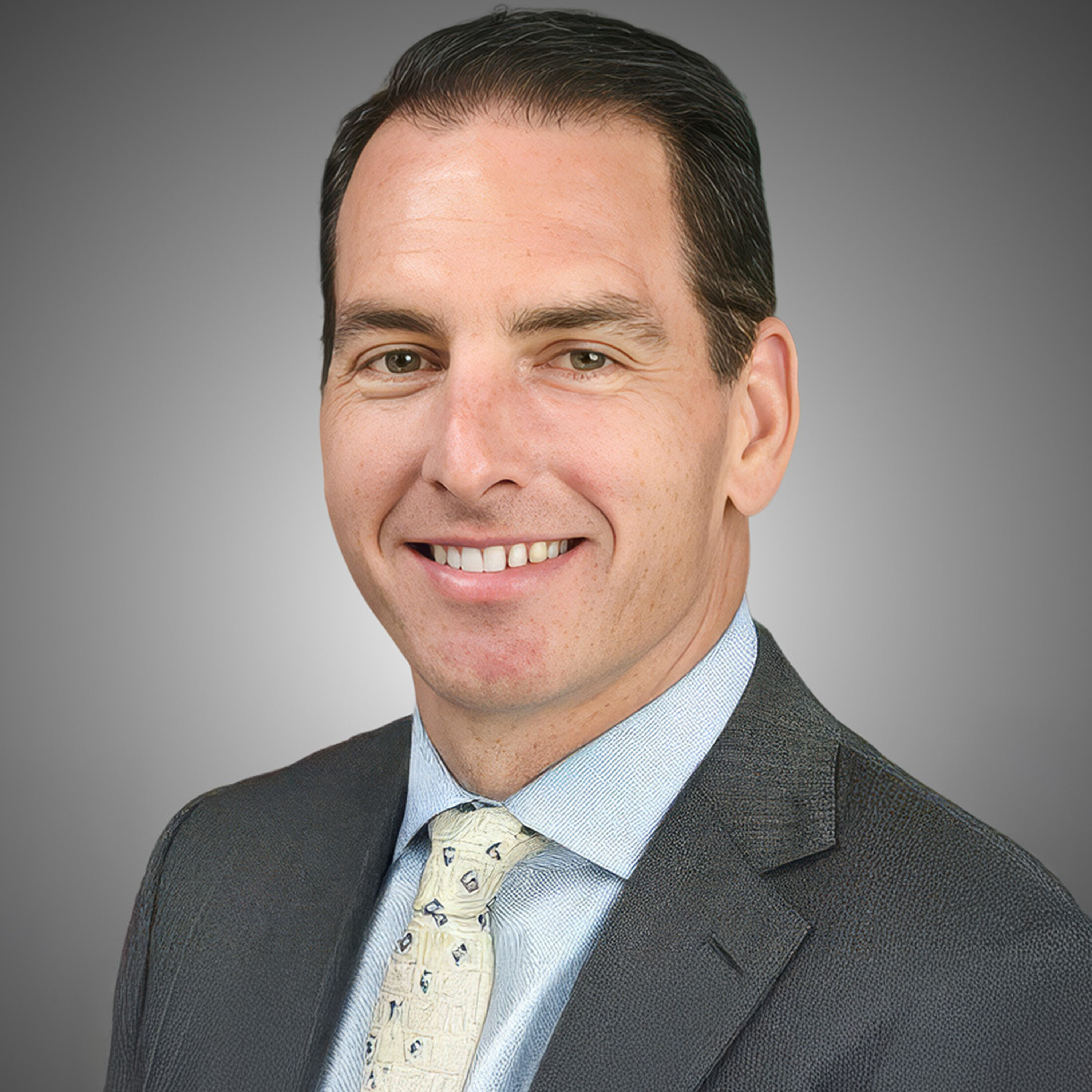
I am really pleased to welcome my guest, Michael Falkender, co Chair of American Prosperity at the America First Policy Institute and the William E. Longbreak Chair of Finance at the Smith School of Business at the University of Maryland. He served as the 16th Deputy Secretary of the U.S. treasury from March to August 2025. Michael, welcome and thank you for joining me on Newts WRLD.
- [11:29]
Michael Faulkender
It's great to be with you, Mr. Speaker.
- [11:31]
Newt Gingrich
So on February 20th, the Supreme Court of the United States ruled 6 to 3, that President Trump could not use the International Emergency Economic Powers act to impose tariffs. Why is this ruling so significant?
- [11:48]
Michael Faulkender
The ruling is significant because it reduces the ability of the President to have more flexibility in his application of tariffs, as both he and Secretary Bassent have discussed. Broadly speaking, tariffs serve three purposes. In the long run, they are meant to create a better incentive environment for manufacturing to return to the United States, which has not just economic security implications, but national security implications. Number two, they do generate revenue in the short and intermediate run. And number three, they generate leverage for the President to engage in negotiations over a variety of geopolitical issues. And so while there are a number of other authorities at the President's disposal, under different laws that Congress has passed over the years, the IEEPA authority was viewed to be the most flexible. And from a timing consideration, it allows the President to implement them immediately, whereas some of the other authorities require investigations prior to their utilization. So the Supreme Court decision does not take away the President's ability to use tariffs for achieving those things. It just creates more steps, more bureaucracy in order to utilize tariffs to achieve those important goals.
- [13:07]
Newt Gingrich
These cases were brought by small businesses, an educational toy company and a family owned wine importer. Both said that tariffs would negatively affect their business. In your judgment, how important are these kind of real world impact in shaping a case like this?
- [13:27]
Michael Faulkender
I think it's important to balance kind of the implications that the tariffs are going to have. So as I said, for importers, it is potentially going to raise their cost structure because to the extent that the foreign producer doesn't entirely absorb them, they have to be paid either by the domestic retailer or they have to be passed on to the consumer. And we know that because of a lot of the policies of the Biden administration, there has been an affordability crisis for the middle class in the United States. And so there's an enormous desire not to pass those on and exacerbate it. And so to the extent that domestic retailers bear it, that can be problematic in the short run. Again, what the President's trying to do though, is say, look, we have these vulnerabilities that foreign countries have abused their trading position. They have enacted trade barriers, they, in the form of practices, they engage in subsidies that are not allowed under the wto. They have imposed their own tariff regimes. And the United States really does, in order to maintain competition, need to push back and likewise use tariffs. Now, rather than us enacting a bunch of non tariff barriers ourselves, what they're looking to do is offset them with tariffs. And ultimately negotiate with these countries to bring down their own non tariff barriers. So what do I mean by that? For those of you that are not in kind of this international trade space, oftentimes, for instance, if you do business in China, you have to bring in a Chinese partner so that they can profit from your knowledge, from your intellectual property. They impose restrictions on activities that foreign companies can do that we don't impose on foreign companies when they come into our markets. They require the sharing of intellectual property like patent information and trade secrets that we don't require. And also they've been subsidizing those activities, activities in order to give their manufacturers advantages that other countries don't have. And the major problem on that, and we really saw it with things like magnets and critical minerals last year, we saw it with personal protective equipment during COVID is that countries like China are willing to use their provision of these goods in order to extract geopolitical concessions. So they're willing to engage to some extent in economic warfare through these subsidies and barriers. And so long term, the United States absolutely has to change the power structure of the west vis a vis China. And tariffs are a way to do it. But you know, there is an acknowledgement that in the process, some companies in some industries are going to face, you know, a higher cost structure while that transition goes on.
- [16:19]
Newt Gingrich
In that context, the President clearly was trying to profoundly change the pattern which had grown up since World War II, and felt that it was very much to the disadvantage of the United States that other countries were taking advantage of us and that they had gradually crippled a number of American industries by a variety of methods of cheating. And yet the Court came back and reasoned that Article 1, Section 8 of the Constitution vests the power to lay and collect taxes, duties, imposts and excises in Congress alone. Is this the Court saying that tariffs are essentially a Congressional power even in a situation where a President claims an economic emergency? And how far does that limitation of the Presidency go?
- [17:14]
Michael Faulkender
It is the Court saying that at least under ipa, so under the International Emergency Economic Powers act, that while it provided for regulatory relief in the case of declared economic emergencies by the President, the majority found that tariffs were not part of said regulatory relief. Now again, what the Court also said is that in other situations, Congress has delegated tariff authority to the President. So for instance, there's section 301, there's section 232. So if there are trade abuses, if there are national security issues, there are other mechanisms that the Court recognizes where Congress has delegated that authority. But there are greater limitations. There are greater bureaucratic processes that are required in those more limited instances that make it more difficult for the President to utilize this authority. So the court did not say that the President has no authority on tariffs. What the court said is that the authority is not so broad as he was asserting under ipa. It's more limited to the cases under other statutes, like section 232, like section 301 that more prescribed the delegation.
- [18:37]
Newt Gingrich
When we come back, we're going to talk about what happens to the billions of dollars that was already collected.
- [18:45]
Weatherbug Announcer
No one knows what the future holds, but you deserve a Weather App that can Help Weatherbug is easy to use and provides forecasts for your every need, from storm warnings to pollen levels right at your fingertips. Get the fastest local Alerts and comprehensive 10 day forecasts wherever you are. Its hyperlocal, real time customizable alerts. Make sure the weather never takes you by surprise so you can plan every day with confidence. Download the free Weatherbug app from the App Store today and start getting accurate weather forecasts 24. 7
- [19:16]
Anibe/Washable Sofas Announcer
Life gets messy spills, stains, pet accidents and kid chaos. But with anibe, cleaning up is easy. Our sofas are fully machine washable inside and out so you never have to stress about messes again. Made with liquid and stain resistant fabrics that means fewer stains and more peace of mind. Designed for real life, our sofas feature changeable fabric covers allowing you to refresh your style anytime. Need flexibility? Our modular design lets you rearrange your sofa effortlessly. Perfect for cozy apartments or spacious homes. Plus they're earth friendly and built to last. That's why over 200,000 happy customers have made the switch. Upgrade your space today. Sofas start at just $699. Visit washablesofas.com now and bring home a sofa made for life. That's washablesofas.com offers are subject to change and certain restrictions may apply.
- [20:16]
iFlag Flag Football Announcer
Flag Football is exploding and iflag is leading the way as the Guinness World Record Holder. Iflag hosts the premier flag football tournaments nationwide for boys, girls, high school girls and adults. From first time players to elite competitors, iflag delivers top level competition, unforgettable experiences and a community built around the game ready to be part of it. Join the movement, find your tournament and learn more@iflag.org that's iflag.org craven bold, authentic
- [20:47]
True Nature Meats Announcer
taste without kitchen chaos. True nature Meat Southern Barbecue Chicken Breast delivers juicy pre cooked chicken with classic sweet smoky sauce. Full of soul. 30 years supplying the finest restaurants Chances are you've already had their chicken heat in 2 minutes. Serve with sides or buns. Complaints Turn to second helpings. Real meat, real flavor. Go to TrueNatureMeats.com code free meat for 20% off plus free New York Strip, Texas Smoked Brisket and Mediterranean Chicken with Code free meat@trunaturemeats.com.
- [21:22]
Newt Gingrich
As you know, because you're an expert in this area in The United States vs United States Shoe Corporation back in 1998, the Supreme Court struck down the harbor maintenance tax as applied to exports, ruling it violated the Constitution's export clause. They then required the US Customs Service to refund over $700 million in what in retrospect was illegally collected taxes. And litigation over repayments from that 1998 decision continued well into the early 2000s. So now you have Justice Kavanaugh raised the possibility that the US could have to refund billions of dollars to importers. What is your sense of how realistic
- [22:10]
Michael Faulkender
that is in terms of the process? I was at treasury during COVID under Secretary Mnuchin and I saw the lengths that we were able to go to to get economic impact payments out to about 140 million households. And so when called upon under the leadership of somebody like Secretary Besant, I have full faith in the ability of treasury to work with Customs and Border Patrol to implement a refund system. I'm not saying it's going to be seamless, but if that ultimately is what is ordered by the Court, I have full confidence in the professionals at treasury and DHS to be able to put in place a system. It's not ideal. Having seen the ability of treasury to implement these kinds of one time payment systems, I know that they're going to be able to do it.
- [23:03]
Newt Gingrich
So you think they would avoid the kind of litigation nightmare where you suddenly have thousands of lawsuits?
- [23:11]
Michael Faulkender
I think that it's going to be tested in the courts as to whether or not refunds are required in all of these situations. But ultimately, if the Court finds that refunds are going to be required, I have full confidence in treasury and CBP's ability to put together such a system.
- [23:29]
Newt Gingrich
The Tax foundation estimates that there's over $160 billion that was collected into these tariffs and the Penn Wharton budget model says it could be as high as $175 billion. Do we just write the checks? How do you handle sending out that much cash?
- [23:46]
Michael Faulkender
Yeah, I mean that is exactly going to be the problem is it is going to raise the budget deficit this year by the amount of the refunds because it was unanticipated. So it's going to increase the amount of debt that treasury is going to have to raise. We're already running a 1.7, $1.8 trillion budget deficit. And so the amount of the refunds that would have to be process is going to come out of additional deficit spending. So it'll increase the work that has to be done on those debt auctions. But again, creating a payment system. Treasury processes nearly $7 trillion a year in payments. So adding another 175 billion, they'll know how to process it. It's just that, you know, it's just going to increase the deficit and it's just going to bring us that much closer to when are we going to face some kind of fiscal consequence for the out of control budget deficits that we didn't have when you were speaker.
- [24:44]
Newt Gingrich
When you think about the scale of the numbers you're describing, The treasury handles $7 trillion a year. That's staggering. I'm sort of stunned just thinking about the scale of how we have evolved and how we have grown. I gather that the courts have been pretty tough that justice had asked the Federal Circuit to hold off for 90 days about how to do this and the judges said no. So apparently they're trying to put pressure to actually maximize the speed of the refunds.
- [25:20]
Michael Faulkender
Yeah, there are a lot of things going on at treasury at the same time. We are heavy into filing season right now. So the IRS is also very busy collecting. The IRS collects more than $5 trillion a year in receipts. So again, adding to the staggering amounts that treasury oversees on a regular basis. So it's going to just add to the additional requirements that the US treasury engages in. Fortunately, there's been a lot of evolution in payments. It's fascinating to see we have largely gone away from processing by checks. Not to get too far off track, but one of the biggest problems that we have in the banking sector right now is the amount of counterfeit government checks that are being issued. And so treasury is making great strides to move to other forms of payment system. So things like direct deposits and other forms of payment. In order to increase the capacity of treasury to conduct all of these payments when we were doing checks, there's a limit on the physical ability of treasury to process checks on a weekly basis. That's why whenever treasury conducts refunds, they have to be rolled out over a number of weeks because you'd hit a capacity constraint. Whereas if we can move it to things like ACH and if we can move it to EBT cards, we can actually process them a lot more quickly. So the capacity exists because the private sector has created all these new payment mechanisms. But it's just, as you said, it's just a staggering amount of money that has to be processed.
- [26:47]
Newt Gingrich
Trump is a very persistent and resilient guy. So he immediately pivoted. And I'm sure that he and Betson had already got this through before it happened. And he immediately pivoted and invoked the 1974 Trade act, which allowed him to impose a 10% tariff, something no President had ever done before. And he's apparently looking for other mechanisms that he could argue are legal to do this. What was your reaction to invoking the 74 act and imposing the 10% tariff?
- [27:20]
Michael Faulkender
I was not surprised because ultimately the President's view is that in order to counter some of these unfair trade practices that, as you said, have been going on for decades, we need to make up for it by putting a minimum tariff rate around the country and then industry by industry and country by country, addressing some of the unfair practices that have persisted for decades. As I indicated, there was always as soon as the First District Court came out and said that utilizing IEEPA may run into constitutional issues, there was already work underway to see what other authorities could be called upon in the timeframe and process for implementing them. And so they used section 122 of the Trade act from 1974 that you reference. He originally took it to 10, then bumped it up to 15 because that's what's allowed under that provision, up to 150 days. And what that does is advise both the Commerce department and the U.S. trade Representative's office that 150 days to do the industry by industry or product by product evaluations to invoke 232 and 301 again other provisions of other trade authorities.
- [28:31]
Newt Gingrich
If countries come in and voluntarily agree to a trade deal, that's pretty much automatically okay, isn't it?
- [28:39]
Michael Faulkender
Well, what they have agreed to so far, I would describe them as term sheets. They are not full blown trade treaties that have gone into effect. Right. So the leaders have agreed to the overall parameters. Once you have those executive agreements in place, then yes, they would move away from these broader tariff authorities instead to an implementation under one of those agreements.
- [29:01]
Newt Gingrich
Does that require Senate approval or is that sort of pre approved?
- [29:05]
Michael Faulkender
You know, this is one of those murky areas because as we have seen with things as simple as just funding TSA agents, the Senate is entirely dysfunctional. And so presidents of both parties have moved towards things like executive agreements rather than taking them through tax treaties or trade treaties. Unfortunately, what that does is it means that they only endure as long as that chief executive is in office and can be undone by the next one. So ultimately it would be great if these things could run through a Congress that was actually receptive to doing its job.
- [29:40]
Newt Gingrich
In your judgment, was this ruling by the Supreme Court a major turning point for US Trade policy or just a bump in the road?
- [29:49]
Michael Faulkender
To me, it's entirely a bump in the road. When I have talked to foreign governments, when I've talked to companies, what I have told them is don't focus on the process, focus on the President's trade agenda. He is going to find authorities in order to implement his view of what the trade structure should be, which is kind of a 10% tariff on all goods and services that come in, and then incremental tariffs for countries and industries of national security or to the extent that they have abused their trade practices. He's going to then implement higher tariffs product by product or country by country. For those reasons. That will be the outcome. What trade authority he calls on and what bureaucratic process he needs to engage in that's just in the weeds.
- [30:36]
Newt Gingrich
Details Coming up I want to discuss with you housing affordability and why the median age of first time home buyers is now 40.
- [30:48]
Weatherbug Announcer
No one knows what the future holds, but you deserve a weather app that can help. Weatherbug is easy to use and provides forecasts for your every need from storm warnings to pollen levels right at your fingertips. Get the fastest local Alerts and comprehensive 10 day forecasts wherever you are. Its hyperlocal real time customizable alerts. Make sure the weather never takes you by surprise so you can plan every day with confidence. Download the free Weatherbug app from the App Store today and start Getting accurate weather forecasts 24. 7
- [31:19]
Anibe/Washable Sofas Announcer
sink into affordable luxury. Annabe is the only machine washable sofa inside and out. With simple stain resistant slipcovers and a cloud like frame duvet, everything goes right in the wash. Plus the modular design lets you change the look of your space anytime. Visit washablesofas.com to upgrade your home shop up to 60% off site wide with sofas starting at just $699 and a 30 day money back guarantee. Shop now@washablesofas.com offers are subject to change and certain restrictions may apply.
- [31:49]
iFlag Flag Football Announcer
Flag Football is exploding and iflag is leading the way as the Guinness World Record Holder. Iflag hosts premier flag football tournaments nationwide for boys girls, high school girls and adults. From first time players to elite competitors, IFLAG delivers top level competition, unforgettable experiences and a community built around the game. Ready to be part of it? Join the movement, find your tournament and learn more@iflag.org that's iflag.org Grocery prices are
- [32:20]
Anibe/Washable Sofas Announcer
skyrocketing, but true nature meets beef. Garne Asada delivers zesty flair for under $6 per person.
- [32:27]
Weatherbug Announcer
Juicy Pre cooked with honor and marinade.
- [32:29]
Anibe/Washable Sofas Announcer
Ready for tacos or plates. Eat in two minutes.
- [32:32]
Weatherbug Announcer
Vibrant restaurant level taste at home, exceptional taste, honest value.
- [32:37]
Anibe/Washable Sofas Announcer
Visit TrueNatureMeats.com code free meat for 20% off free New York Strip, Texas Smoked Brisket and Mediterranean chicken with Code free meat@truenaturemeats.com.
- [32:55]
Newt Gingrich
You're so broadly knowledgeable and the work you're doing with the America First Policy Institute has really been very important in trying to figure out how we get back to affordable prosperity. So can you sort of help us understand what's been happening with the housing market and with first time homebuyers?
- [33:18]
Michael Faulkender
Sure. The fundamental issue is that or the fact that I start with in this topic is over the term of the Biden administration, the monthly payment of the median priced house in the United States doubled. So if you think about just take the median price house across the entire country and then calculate what would be the required mortgage payment on a 30 year fixed rate mortgage that doubled in cost over the four years of Biden. Some of that is that house prices continue to go up during the Biden administration for a few reasons. I'm going to explain in a minute. The bulk of it came from the higher interest rate environment. So the interest rate on 30 year mortgages went from 3 and a half percent roughly to 6.5% and that constitutes the largest portion of it. So what do we do about each of those pieces? Well, Secretary Besant from day one has said his primary objective is to get the 10 year interest rate down. The 10 year treasury rate down? Why? Because that's the benchmark yield that mortgages are priced off of. So bringing down the 10 year interest rate on Treasuries is not just about lowering borrowing costs for the treasury, but it lowers borrowing costs for home buyers. So you've got to absolutely bring that down. How do you do it? You put in place better fiscal policies, you get our budget situation under control. And that's why Secretary Bassent has called for getting deficits down to 3% of GDP. Because once budget deficits become sustainable, that puts confidence into the bond market that the US Is going to get its fiscal house in order and keep it there. And that's going to bring down interest rates on things like mortgages. At the same time, the cost of construction has gone up and we are not building anywhere near enough houses in this country. That has been true ever since the financial crisis, but it just continues to get worse. It very much is divided state by state. So there's been some great work that's been done looking state by state at what are the costs of permitting and zoning and regulation at the state and local level. And it will not surprise you that the blue states that have imposed all sorts of requirements on home builders, green energy requirements I talk about here in Maryland, even if you live right next door to the fire department, you've got to have a sprinkler system in your house. I mean, all of that adds enormous costs to construction that have to be borne by the home buyer. You know, and then you look at the massive inflation that took place during the Biden administration and just the costs of everything have gone up. And then I would say, finally, I think a thing that's completely underappreciated. I am among the generation of kids that saw classes like wood shop and metal shop removed from our high schools. And we now don't have anywhere near enough plumbers and electricians. So the Trump administration is working on that on all dimensions. So looking at how do we encourage states and municipalities to reduce their zoning and permitting costs, how do we change the education system so that there are more apprenticeship programs that we can train plumbers and electricians, how do we decrease the cost of every part of home construction and increase the supply of homes that are available? So I think that there were some steps in both the House and the Senate bill to encourage more construction. We at afp, I think that there are improvements that could be done to the Senate bill, but it would be good for us to see a move towards creating greater supply of housing in order to bring down the cost of housing. And then like I said, you've got to bring down interest rates as well. And that's why if you look at the amount of income that you need now to pay double the mortgage payment, 26 year old households don't have it.
- [37:16]
Newt Gingrich
I had worked with Jimmy Carter on Habitat for Humanity, and when we went to San Diego for the Republican national convention in 1996, we had this great idea that we were going to build a Habitat for Humanity house as part of our commitment to helping house the poor. Well, by the time we got done the regulatory burden of San Diego county and the state of California. We had to pay more money for the regulations than we paid for the entire house in Georgia. And I think it's gotten steadily worse since then.
- [37:55]
Michael Faulkender
The report that we wrote at AFPI says that for a $400,000 house, about 94,000 of it is regulatory and permitting
- [38:04]
Newt Gingrich
costs, which is just crazy. It's part of the ongoing MAGA revolution that has to occur because we've accumulated over the years so many policies that just aren't working. And it's an enormous problem. Do you want to just for a minute, share with us how you see the America First Policy Institute contributing to the success of reforming America? I get to work with you there. I know how broad your reach is and how much you know, but I think most Americans don't realize that America First Policy Institute has really become a significant developer of reforms that we desperately need.
- [38:45]
Michael Faulkender
Absolutely. So when we were first created back in 2021, as you know, Mr. Speaker, we created the America first agenda that really was putting down on paper the policies, many of which were begun to be implemented during the first Trump term. And that helped us in the economic side realize what we called the Goldilocks economy, the coming of the golden age that the President talked about in the 2017-2019 time period, as our friend Larry Kudlow has talked about on numerous occasions, growth was really stagnant for quite a lot of the last 25 years, other than what we saw during the first three years of the Trump administration. And what we saw with the onset of the pandemic was a suspension of those activities, because obviously we had to address the pandemic. And that when the President left office the first time, it was not because the voters rejected those policies at all. It was because they were tired of the pandemic. And Biden promised something that of course, you could not fulfill. And so he unleashed 40 year inflation. And the voters ultimately returned the President to the White House in order to return us to those economic Goldilocks policies that we had. And so AFPI was created to put on paper and present to the American people and build a coalition around these ideas that first and foremost the American economy should work for the American people, that ultimately power and authority is vested with the American people, and that the government had become way too large, way too costly, and was interfering entirely too much in the lives of everyday Americans. But that when government does act, it should be for the benefit of the American people and stop empowering these unelected global Institutions that were taking entirely too much authority away from the United States and from its elected leaders. And so in the economy space, we built a program out that I termed affordable abundance that really focused our work on seven different areas in the economic space. So first and foremost, it was unleash American energy dominance. As you have seen with the war in Iran, if we were not a dominant energy supplier, we would be confronting much more difficulty as we address some of the geopolitical issues. But more than that, energy costs permeate the entire economy. Access to low cost energy and free market capitalism have done more to raise people out of poverty globally than over mankind's history than anything else. And so unleashing American energy is an important pillar of the America first strategy. Second, as I said, we've got to return power to the people in the States through deregulation. Third, we have got to bring down just the scale of government. It's grown too large and too encompassing. So slashing the inflationary federal spending. Fourth, we've got to have a tax environment that encourages growth, that encourages entrepreneurship in this country. Fifth, we have got to have sound money and sound financial institutions. So we've got to get financial institutions back to allocating capital instead of all of this DEI compliance that the Biden administration and all this climate nonsense that the Biden administration had gotten the financial markets and financial institutions to focus on. Six is just what we were talking about. We have got to have a trading environment that is reciprocal and fair and that holds countries accountable for their cheating. And then seventh, ultimately, we need a healthy America. We need a healthy workforce. It's not just that it improves just obviously the prosperity and welfare of the American people. It also saves us a lot of money if we have a health system that's about transparency, that it's about patient effectiveness, rather than bureaucracy, which is what the Affordable Care act was around. So that's really the way that I have thought about structuring the economic plan that we have built at AFPI and that we keep making progress on.
- [42:39]
Newt Gingrich
As somebody who believes in the Constitution, to what extent is all of this severely crippled by the almost absolute breakdown of the Senate as an institution?
- [42:50]
Michael Faulkender
It's enormously problematic because so many of these policies that the President has sought to implement, he has had to resort to executive action rather than getting them into law and then causing them to endure beyond his term. And so if the Senate were more functional, if we could actually get permanent legislation through, then what it means is that individuals and businesses can better do long term planning. I mean, take again the discussion that we were having on trade. We fundamentally need to change the trading system, the tariff system that we have around the world in light of just the decades of cheating that China has engaged in. And I think that there is bipartisan consensus around this. I have said many occasions that I thought that the House Select Committee on China that was overseen by Speaker Johnson in the last Congress was highly effective and as a result of the President raising the alarm on China has really built a new consensus around what we need to do on economic policy and tariff policy towards China. And and the Senate has been entirely absent. Like where is the Senate actually implementing policies that are going to say we have made a long term permanent shift in the way that we are going to approach economic policy towards China so that businesses have some consistency that even when President Trump's term ends, they know that this new policy direction is going to stay in place and not be undone by the next president that comes in. Permanence can only arise if the Senate is actually functional and passes legislation.
- [44:26]
Newt Gingrich
I think it's a growing crisis in the American system. Michael, I want to thank you for joining me today. You are so knowledgeable and your experiences are so deep. I always feel like I learned so much from you. Our listeners can follow the work you're doing at the America First Policy Institute by visiting your website at America First Policy.
- [44:54]
Weatherbug Announcer
No one knows what the future holds, but you deserve a weather app that can help. Weatherbug is easy to use and provides forecasts for your every need from storm warnings to pollen levels right at your fingertips. Get the fastest local Alerts and comprehensive 10 day forecasts wherever you are. Its hyperlocal real time customizable alerts. Make sure the weather never takes you by surprise so you can plan every day with confidence. Download the free weather bug app from the App Store today and start getting accurate weather forecasts 24.7Time for a sofa
- [45:25]
Anibe/Washable Sofas Announcer
Upgrade Introducing Ana Bay sofas where designer style meets budget friendly prices. Anime brings you the ultimate in furniture innovation with a modular design that allows you to rearrange your space effortlessly. Perfect for both small and large spaces, Anabe is the only machine washable sofa inside and out. Say goodbye to stains and messes with liquid and stain resistant fabrics that make cleaning easy liquids simply slide right off. Designed for custom comfort, our high resilience foam lets you choose between a sink in feel or a supportive memory foam blend. Plus our pet friendly stain resistant fabrics ensure your sofa stays beautiful for years. Don't compromise quality for price. Visit washablesofas.com to upgrade your living space. Today. Sofas start at just $699 with no risk returns and a 30 day money back guarantee. Get up to 60% off plus free shipping and free returns. Shop now at washablesofas.com offers are subject to change and certain restrictions may apply.
- [46:25]
iFlag Flag Football Announcer
Flag Football is exploding and iflag is leading the way as the Guinness World Record Holder. Iflag iflag hosts premier flag football tournaments nationwide for boys, girls, high school girls and adults. From first time players to elite competitors, iflag delivers top level competition, unforgettable experiences and a community built around the game. Ready to be part of it? Join the movement, find your tournament and learn more@iflag.org that's iflag.org craving bold, authentic
- [46:56]
True Nature Meats Announcer
taste without kitchen chaos True Nature Meats Southern Barbecue Chicken Breast delivers juicy pre cooked chicken with classic sweet smoky sauce. Full of soul. 30 years supplying the finest restaurants. Chances are you've already had their chicken heat in 2 minutes. Serve with sides or buns. Complaints turn to second helpings. Real meat, real flavor. Go to trunature meats.com code free meat for 20% off plus free New York strip Texas Smoked Brisket and Mediterranean Chicken with Code free meat@trunaturemeats.com.
- [47:31]
Newt Gingrich
And now I'm pleased to introduce a new segment to Newt's World where I answer listeners questions. To ask a question, please email me at newtinglish360.com Robert from Telford, Pennsylvania, asked why is no one talking about creating balanced budgets with surpluses to pay down the national debt? Is there a complete lack of political will to deal with this critical issue? Sadly, Robert, I have to say you put your finger on it. As the only speaker of the House to have authored four consecutive balanced budgets in over 100 years, I know it can be done. But I know it's very hard. And at the present time people don't seem to have a will to create this. I think we're going to drift towards a pretty big crisis and you're going to see a real change in what the national conversation is. But it has not been something President Trump has been willing to spend a lot of energy on. And it's not something which a majority of members of the House and Senate have any optimism about. There are key members who, in fact, for example, Senator Ron Johnson of Wisconsin, very dedicated to getting back to a balanced budget. Senator Rick Scott of Florida, very dedicated. But the number of members willing to do the really hard work, having done it, I can tell you it's really hard work has been sadly not enough yet to build momentum. But you asked the right question. I wish more Americans would ask it. I do believe the continued deficit year after year is going to presently create a crisis, and at some point we're going to have to have some people step in with really big ideas that get us back to a balanced budget, which is what happened in the 1990s. Thank you to my guest Michael Falkender. Newtworld is produced by Gingrich360 and iHeartMedia. Our executive producer is Garnsey Sloan. Our researcher is Rachel Peterson. Special thanks to the team at Gingrich360. If you've been enjoying Newt World, I hope you'll go to Apple Podcasts and both rate us with five stars and give us a review so others can learn what it's all about. Join me on substack@gingrich360.net I'm Newt Gingrich. This is Newt's World.
- [50:07]
Weatherbug Announcer
No one knows what the future holds, but you deserve a weather app that can help. Weatherbug is easy to use and provides forecasts for your every need from storm warnings to pollen levels right at your fingertips. Get the fastest local Alerts and comprehensive 10 day forecasts wherever you are. Its hyperlocal real time customizable alerts make sure the weather never takes you by surprise so you can plan every day with confidence. Download the free Weatherbug app from the App Store today and start getting accurate weather forecasts 24. 7
- [50:38]
Anibe/Washable Sofas Announcer
sink into affordable luxury. Annabe is the only machine washable sofa inside and out with with stain resistant slipcovers and a cloud like frame duvet. Everything goes right in the wash. Plus the modular design lets you change the look of your space anytime. Visit washablesofas.com to upgrade your home shop up to 60% off site wide with sofas starting at just $699 and a 30 day money back guarantee. Shop now@washablesofas.com offers are subject to change and certain restrictions may apply.
- [51:08]
iFlag Flag Football Announcer
Flag football is exploding and iflag is leading the way as the Guinness World Record Holder. Iflag hosts premier flag football tournaments nationwide for boys, girls, high school girls and adults. From first time players to elite competitors, iflag delivers top level competition, unforgettable experiences and a community built around the game. Ready to be part of it? Join the movement, find your tournament and learn more@iflag.org that's iflag.org
- [51:38]
Michael Faulkender
your vehicle doesn't just get you from here to there, it's a bridge to the people and places that matter most. It's how you show up for your family, your community, and everyone else that depends on you. That's why for 125 years, Firestone has been building tires with one thing in to deliver products that are as reliable as you are. Firestone, always dependable since 1900,
- [52:07]
Weatherbug Announcer
this is an iHeart podcast. Guaranteed human.