Loading summary
Transcript69 lines
- [00:00]
Bob Crawford
This is an iHeart podcast.
- [00:02]
Public Podcast Sponsor
Guaranteed Human support for the show comes from Public, the investing platform for those who take it seriously. On Public you can build a multi asset portfolio of stocks, bonds, options, crypto and now generated assets which allow you to turn any idea into an investable index with AI. It all starts with your prompt. From renewable energy companies with high free cash flow to semiconductor suppliers growing revenue over 20% year over year, you can literally type any prompt and put the AI to work. It screens thousands of stocks, builds a one of a kind index and lets you back test it against the S&P 500. Then you can invest in a few clicks. Generated assets are like ETFs with infinite possibilities, completely customizable and based on your thesis, not someone else's. Go to public.com podcast and earn an uncapped 1% bonus when you transfer your portfolio. That's public.com podcast paid for by Public Investing Brokerage Services by Open to the Public Investing Inc. Member FINRA and SIPC Advisory Services by Public Advisors llc. SEC Registered Advisor Generated Assets is an interactive analysis tool. Output is for informational purposes only and is not an investment recommendation or advice. Complete disclosures available at public.com kids pets life.
- [01:06]
Anabe Sofa Sponsor
Your sofa sees it all. But with a washable sofa, stains don't stand a chance. All of our sofa collections come with fully machine washable covers and cushions making cleanup effortless. Liquid and stain resistant fabrics provide extra protection against everyday messes. Plus with modular designs you can rearrange your sofa however you like. Perfect for growing families and changing spaces. Starting at just $699, it's time to upgrade to a stress free mess proof sofa. Visit washablesofas.com today and save offers are subject to change and certain restrictions may
- [01:35]
iFlag Football Sponsor
App Flag football is exploding and iflag is leading the way as the Guinness World Record Holder. Iflag hosts premier flag football tournaments nationwide for boys, girls, high school girls and adults. From first time players to elite competitors, iflag delivers top level competition, unforgettable experiences and a community built around the game. Ready to be part of it? Join the movement, find your tournament and learn more@iflag.org that's iflag.org.
- [02:10]
Newt Gingrich
Welcome to Newts World Podcast on the iHeart Podcast Network. When I think about John Adams and John Quincy Adams, one of the most amazing families in the founding period of America and I think about all that they saw, the dream they had for America, the fact that they both dedicated their lives as did John's wife Abigail, who's probably the most famous woman in the period of the founding of the country. Martha Washington, of course, was extraordinarily famous because she was George's wife. But Abigail Adams was a real intellectual. She was really involved. She had strong feelings and strong thoughts, and she raised John Quincy Adams. In fact, it's amazing that he and she. He was 11 years old, and he was in Boston at the key moment at the Battle of Bunker Hill. So you have this sort of amazing family. But I thought to myself, as we were talking about John Quincy Adams and his really remarkable career, probably we would not have gotten. May not have gotten the Smithsonian Institution approved. James smithson had left $500,000 to the US to create a national museum. But at the time, there was a lot of political pressure. First of all, he was British. Second, there were a large number of populist members who thought, why do we want to tackle a museum? And once we accept this money, how much more is it going to cost us to maintain it? It was a pretty controversial moment. And John Quincy Adams, the only president to go back and serve in the House after he lost his reelection campaign. Adams stood up and gradually, carefully negotiated and got the Smithsonian approved. That's one of his many contributions. I thought to myself, you know, both Adams understood an immense amount about legislative bodies. They had both served. In the case of John Quincy Adams, he served 40 years in the House. It's really quite a remarkable experience. In the case of his father, he was in the Continental Congress. He was, of course, vice president under Washington. Then he was president. So he understood the process, what they were trying to do. I think both of them would be appalled at how the Senate has collapsed as an institution. I mean, there's no other way to describe it. We're caught up in a moment in time when you have people in the Senate who would rather hurt you than share profit. So if you said to them, if we work together, we can get something done, their first reaction is, no, I don't want to get anything done if you're going to be part of it. And the result is the Senate. I think I'm echoing here a comment that I saw Senator Ron Johnson, who's one of the most thoughtful, committed members of the Senate from Wisconsin, and Ron, who had been a very successful businessman who ran because he truly was worried about the country. Ron said the Senate is now a broken institution. And I think that's an important idea that the Senate, because of the way it's wrapped itself up in its rules, can't get anything done. Now, the American system was not designed to get nothing done. The American system actually was written by very practical, competent people, all of whom had played major roles in business, in war, in legislation, all of whom had helped write state constitutions before they wrote the national constitution, and all of whom understood that you had this delicate balance. Government had to be effective enough to protect the United States from Great Britain and France and Spain and other countries that might try to take us apart. But at the same time, you had to protect the American people from their own government. You couldn't have a government so strong that it could become a dictatorship. And so 250 years ago they came up with this amazing document, the Constitution. They set out to create a better future and to do it in a way that it could go on for generations. Not just once, but again and again. And of course we survived a civil war with the Constitution intact, with Congress playing a much bigger role than most people realize. We survived World War I, World War II, the Cold War, and I don't remember any period, except just before the Civil War where the Senate was as dysfunctional, as incapable of acting and as incapable of getting things done as it is right now. And I think frankly the members of the Senate and maybe the average American need to go back and learn from John Adams and learn from John Quincy Adams and then learn from Jefferson, Franklin, Washington, Madison. The people who really did know how to create self government, the people who really did believe that this was an extraordinary breakthrough in everyday people having rights that come from God and the people who believed that you had to develop a government capable of solving problems while preserving freedom and that that had to be a government capable of being effective. I think if the Senate were to take a month and go hiding, remember 55 days in Philadelphia led to the Constitution. Maybe the Senate needs to go hide, be honest, Kick out the staff, kick out the news media, kick out the lobbyists and talk through what would an effective functioning Senator be and therefore how do we have to change the rules so we can actually do our share of governing the greatest, freest country in the world? Something has to give. We cannot continue with the level of dysfunction that we're currently seeing. Coming up, I'm going to talk with Bob Crawford of the Avett Brothers. He's going to tell us how a Grammy nominated bassist came to write a book about John Quincy Adams.
- [08:50]
Public Podcast Sponsor
Support for the show comes from Public, the investing platform for those who take it seriously. On public, you can build a multi asset portfolio of stocks, bonds, options, crypto and now generated assets which allow you to turn any idea into an investable index with AI. It all starts with your prompt. From renewable energy companies with high free cash flow to semiconductor suppliers growing revenue over 20% year over year, you can literally type any prompt and put the AI to work. It screens thousands of stocks, builds a one of a kind index and lets you back test it against the S&P 500. Then you can invest in a few clicks. Generated assets are like ETFs with infinite possibilities, completely customizable and based on your thesis, not someone else's. Go to public.com podcast and earn an uncapped 1% bonus when you transfer your portfolio. That's public.com podcast paid for by Public Investing Brokerage Services by Open to the Public Investing Inc. Member FINRA and SIPC Advisory Services by Public Advisors llc. SEC Registered Advisor. Generated Assets is an interactive analysis tool. Output is for informational purposes only and is not an investment recommendation or advice. Complete disclosures available at public.com disclosures tired
- [09:51]
Anabe Sofa Sponsor
of spills and stains on your sofa? Wash away your worries with Anabe. Anibe is the only designer sofa that's machine washable inside and out. Starting at just $699 plus. Anabe sofas are pet friendly stain resistant and feature changeable slipcovers and modular pieces. Get up to 60% off site wide with a 30 day money back guarantee. Visit washablesofas.com to get yours. Now that's washablesofas.com offers are subject to change and certain restrictions may apply Flag
- [10:22]
iFlag Football Sponsor
Football is Exploding and iflag is leading the way as the Guinness World Record Holder. Iflag hosts premier flag football tournaments nationwide for boys, girls, high school girls and adults. From first time players to elite competitors, iflag delivers top level competition, unforgettable experiences and a community built around the game. Ready to be part of it? Join the movement, find your tournament and learn more@iflag.org that's iflag.org hi, I'm Cindy
- [10:52]
Cindy Crawford
Crawford and I'm the founder of Meaningful Beauty. Well I don't know about you but like I never liked being told oh wow you look so good for your A. Like why even bother saying that? Why don't you just say you look great at any age, Every age. That's what Meaningful Beauty is all about. We create products that make you feel confident in your skin at the age you are now. Meaningful Beauty. Beautiful skin at every age. Learn more@meaningfulbeauty.com.
- [11:32]
Newt Gingrich
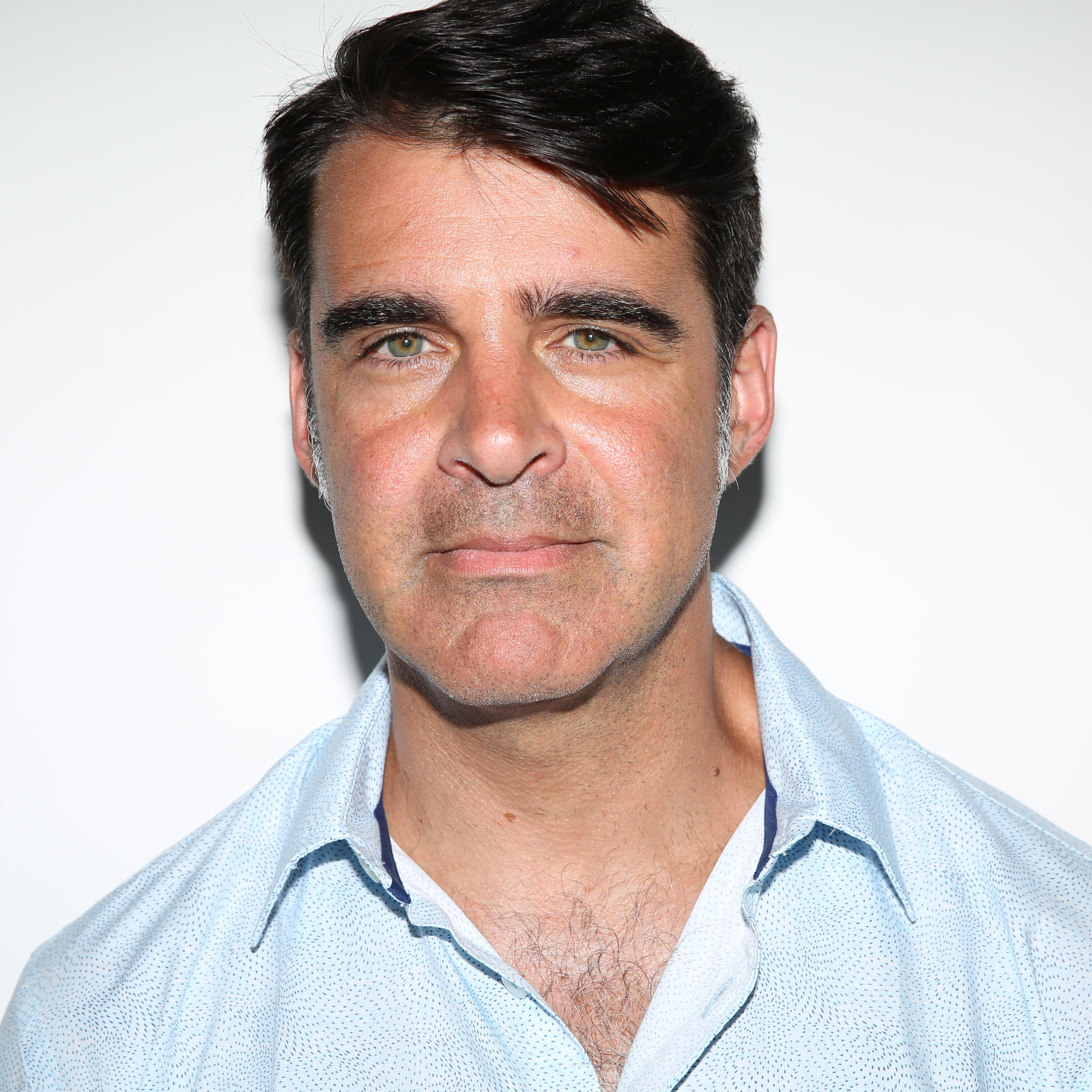
I am pleased to welcome my guest Bob Crawford. He is best known as the Grammy nominated bassist of the folk rock band the Avett Brothers, the creator of the I Heart Curiosity podcast series, Founding John Quincy's America. And he's joining me to discuss his new book, America's Founding John Quincy from president to political maverick. Bob, welcome and thank you for joining me on Newts World.
- [12:01]
Bob Crawford
It's a pleasure to be here with you. Thank you.
- [12:04]
Newt Gingrich
You've really had quite a career. You're not exactly, I say this as a historian. You're not exactly a typical historian.
- [12:10]
Bob Crawford
Neither are you.
- [12:11]
Newt Gingrich
That's true. I have none of your musical talents. You've spent time studying history on the road. How did that lifestyle shape the way you see American history?
- [12:24]
Bob Crawford
I think when you're on the road, you are out there and you are. I interviewed Bob Weir a few years ago before he just recently passed away, the Grateful Dead. But he was talking about how you take the pulse of wherever you are just by traveling. And you probably know this just by traveling and going into coffee shops or bookstores or just kind of sitting on a bench, you kind of get a pulse for what's going on in the town and the history of the town. You know, what's happened there, Newt? We were in a town. God, I wish I could remember the name, but it's a border town between Arkansas and Texas, and we played a venue there outside. It was like 100 million degrees out last summer. And I walked around the town, and there's a plaque in the center of the town, town square, talking about a gunfight that happened. You know, there's a. Like a map of the town square and like, little stars where each of these events that led to this crazy gunfight. And so when you travel around, you have the opportunity to take in the history of where you are and at the same time get a sense for what people are feeling. You know, in that moment, you apparently
- [13:35]
Newt Gingrich
found history on the road. Interesting enough that in 2020, you actually earned a master's degree in history from Arizona State. Was it different studying history, having been out there learning it?
- [13:47]
Bob Crawford
Yeah, because I've been doing this history podcast since 2016 called the Road to Now. And my co host is a historian. He got his PhD in Russian history. He was Fulbright Scholar over in Russia for a time. And we would debate the academy, right? We would have all these great historians that write these great academic history books on our podcast. And I would say to Ben, my co host, it's like they're just talking to the academy. They write these papers. They spend a decade to write a great paper that we should all be reading. But it's so dense and it's in such a format that the only people who are reading it are already in the academy. And the people who need to be reading it, their work that they put so much time into and is so valuable is the American public. And so when I went into the academy, when I studied like the science of doing history, it was a way of becoming sensitive to that. It allowed me to understand why that is. Right. Why do historians typically write the way they do? And you only understand that by going through the paces and being trained as a historian.
- [15:12]
Newt Gingrich
When you think about it on the musical side, you had to be a popularizer to be successful. People had to have an ability to access your music. To what extent has that understanding of the audience shaped how you communicate history?
- [15:30]
Bob Crawford
Right. You gotta take it to the people. Like when we started our band, there was three of us in a van, upright bass, banjo, guitar, vocals. And we got in that van and we just would go play for people. Sports bar, wine bar, street corner, didn't matter. Punk club, punk rock club. And that's the way I look at history. That was the whole point of the road to now is taking our love for history and giving it to the people. And that's the point of this book I wrote. I tried to write it in a way while I pitched it Newt, as a beach read to a publisher. I said, this is a history beach read. It's not a 750 page historical cradle to grave. No, this is a story of something that happened in history. John quincy Adams from 1820 to 1848. And I'm going to do it in 350 pages or less. And that is a way, and I think the language I use to write it is a way of bringing people in, bringing people into the story. You got to tell the story in a way that people are going to understand and be entertained.
- [16:39]
Newt Gingrich
You said that history is driven by people and people haven't changed since 1776. What do you mean by that?
- [16:47]
Bob Crawford
Like here you and I are, thousands of miles away from each other and it's like we're in the same room. So technology has advanced in ways that we can't quantify. But the human heart, a person's ability to do irreparable harm to another person or their ability to be redeeming and do good for another person, like that aspect of humanity has not changed one little bit. The people that were in Congress and lived in 1820s, 1830s, 1840s, are exact same people who are in Congress in 2026. History doesn't repeat. Like people say, those who don't learn from the past are doomed to repeat it. Maybe. People say history repeats. Yeah. In some ways Mark Twain is attributed with saying history doesn't repeat. It rhymes, sure, but why? Because people. It's not a history thing. It's not like the same things happen over and over again. Things are always a little different. You know that. But the people who are making the decisions and who are doing the things or reacting to the things are virtually the same as far as their heart and their souls as the people that have come before.
- [18:07]
Newt Gingrich
You chose somebody who I think is one of the most amazingly complex and unique people in American political history. And John Quincy Adams. Why did you pick the son and not the father?
- [18:24]
Bob Crawford
We try to measure our historical figures by like the greatness of the highest achievement they obtained. And so like he, he was president, so therefore we should judge him on his presidency, right? Wrong. What makes John Quincy Adams, I think every bit as fascinating as his father and every bit as worthy of study and research is that he is our greatest public servant. He's our greatest public servant. He lived a life in three acts. He was an incredible diplomat. He was America's first real diplomat, maybe the greatest Secretary of state in the history of the United States. He has a failed one term presidency. He comes into office amid a great cloud of controversy. He leaves office feeling rejected by the American people. But then he has this third act. He goes into Congress like no other president did before or since. I know there's an asterisk for Andrew Johnson for going back in the Senate for a few months before he passed away. Adams is in Congress for 17 years and it's in Congress bringing the wealth of experience of a being John Adams's son, being an eyewitness to the battle of Bunker Hill, being in Paris with his father during the Revolution, being a diplomat appointed first by George Washington, negotiating the treaty of again negotiating the treaty that brings Florida into the Union. Being a president, he brings all of that into Congress. All that experience and wisdom. And what does he do in Congress? He defies his party. He defies the pro slavery Southerners in Congress and he becomes a defender of freedom of speech. That's not the whole story, Newt. I could go on from there. But that is why he is worthy of this book and many others.
- [20:27]
Newt Gingrich
From my perspective, it is John Quincy Adams who actually paves the way for Congress to accept the grant from James Smithson.
- [20:37]
Bob Crawford
He does. And I didn't even cover that in the book because I was trying to be Very focused on Adams and the slavery issue. That's a great example of something that I don't even talk about in this book. You can't fit at all. You can't fit at all.
- [20:56]
Newt Gingrich
In that context. Didn't he also end up playing a significant role in the trial involving the slaves who had rebelled and taken over a ship?
- [21:08]
Bob Crawford
Absolutely. So in 1839, the Anti Slavery movement is at a low point. There is a financial crisis. The nation's been hit with several recessions, maybe even depressions. Between 1836 and 1839, the Anti Slavery movement was being funded, almost solely funded, by these two brothers, these two mercantileists from New York, the Tappan brothers, Arthur and Lewis. We could think of them as the Koch brothers today or George Soros, however you want to do it. But the economy crashes, the movement runs out of money. The movement is also splintered and fighting against itself. And here there's a slave ship is mutinied, really out off of the coast of Cuba. It drifts and we can go into as much detail or as little detail as you want for this, but ultimately it makes its way off the coast of Long Island. It is a scene. And boarded by an American Navy crew or a Coast Guard cutter, if you will. And they find that these captives from what is today Sierra Leone, these enslaved people mutinied and took over the ship. And so they are brought on the shore at the United States. And there is a debate like who owns the ship? Is it Spain? Is it the enslavers? Is it the guy, Lieutenant Thomas Gedney, who found and boarded the ship? Who salvage rights? What do we do with the captives and what do we do with the property? With the booty, if you will. This becomes like trial of the century. Reporters love this story. The American people are eating it up. Figure drawers are on board, drawing pictures of these captured men and making them out to be like Greek warriors. And so this is a trial that captures the nation's attention. It works its way all the way up to the Supreme Court. And the anti slavery, the abolitionist society says, man, we need to bring in a big gun. We need a ringer to try this case before the Supreme Court to defend these men. And they approach Adams and Adams accepts. And Adams wins the trial. He wins the trial and he wins these men's freedom. And he argues points of due process for them. And he also, during his closing argument, and it's an eight hour closing argument spread across two sessions of the Supreme Court. And in his closing argument, he points to a copy of The Declaration of Independence on a pillar in the courtroom, which I guess is the old Senate back then. And he says, if this document is true, these men are free. And he wins. He wins the case and he wins their freedom. And let me tell you what I think, like looking at the scope of his life. When he loses reelection in 1828 to Andrew Jackson, he feels again rejected by the American people who he served his whole life. Up to that point, he'd served the American people. He felt he was personally rejected by them. And then a couple months later, his oldest son commits suicide. When he wins, 10 years later, whatever it is, when he wins that case before the Supreme Court, I feel like that is his redemption. That is his moment where not only he's redeemed personally inside of his soul, but the American people begin to look at him as a folk hero. In the north, of course, and that's when he makes a victory lap.
- [24:48]
Newt Gingrich
After that, you argue that Adams had almost prophetic precision about where the country was heading. From your perspective, what did he get right about America's future?
- [25:00]
Bob Crawford
Well, I mean, terrifyingly so. Right. So in 1820, while the nation is debating what will be the Missouri Compromise. So Newt, you're really aware of this, but for your listeners, from the time the Constitution is ratified in 1789 until the debate over Missouri's territorial status coming into statehood, the issue of slavery as a national issue had kind of been on the back burner. The three fist compromise is like a band aid and it kind of covers the issue up. But when Missouri's on the verge of becoming a state, it's kind of assumed it's going to be a slave state. But there's this congressman from New York, a one term congressman from New York named James Talmadge, and he puts these amendments on the Missouri statehood bill in the House, essentially saying, yeah, Missouri can come in as a state, but everybody that lives there is going to need to free all their slaves. And that bill passes and then Congress adjourns for a year and the debate moves to the nation, to town halls, to state legislatures, to newspapers, north and south, the old wound of slavery is opened up. And so Adams is watching as this debate's playing out and it's getting bitter. So he confesses to his diary. He says the only way that slavery is going to end in this country is going to be through a civil servile war. He writes that many different times in this time period in his diary. And it is just when you look at what happens 40 years later, you can only say that he was prophetic and I think he had such a good understanding of human nature. I think he understood human nature because he was an expert in the classical literature and Greek philosophy and Roman literature and poetry. And he was just so intellectually astute. He knew the Bible better than anybody else. I mean, I think he translated the Psalms at one point, but I think it's his understanding of government and of human nature that allowed him to see the future.
- [27:20]
Newt Gingrich
When we come back, we're going to discuss how Adams became President and his one term presidency and pursue this whole notion of his kind of remarkable insights into America. John Quincy Adams served his country for 60 years as diplomat, Secretary of State, President and then as a Congressman fighting slavery on the House floor into his 80s. He was born a British subject, watched the Battle of Bunker Hill with his mother, and served in Congress alongside Abraham Lincoln. Bob Crawford's book captures that extraordinary story, but something is missing. A permanent place in the National Mall to honor John Quincy, his father John Adams, Abigail Adams and their family. The Adams Memorial foundation is working to change that. But we can't do it without you. Please make a gift today@theadamsmemorial.org every dollar helps us honor a founding family and inspire our nation. Some legacies are too important to forget.
- [28:28]
Public Podcast Sponsor
Support for the show comes from Public, the investing platform for those who take it seriously. On Public you can build a multi asset portfolio of stocks, bonds, options, crypto and now generated assets which allow you to turn any idea into an investable index. With AI. It all starts with your prompt. From renewable energy companies with high free cash flow to semiconductor suppliers growing revenue over 20% year over year year. You can literally type any prompt and put the AI to work. It screens thousands of stocks, builds a one of a kind index and lets you back test it against the S&P 500. Then you can invest in a few clicks. Generated assets are like ETFs with infinite possibilities, completely customizable and based on your thesis, not someone else's. Go to public.com podcast and earn an uncapped 1% bonus when you transfer your portfolio. That's public.com podcast paid for by Public Investing Broken Corporate Services by Open to the Public Investing Inc. Member FINRA and SIPC Advisory Services by Public Advisors llc. SEC Registered Advisor Generated Assets is an interactive analysis tool. Output is for informational purposes only and is not an investment recommendation or advice. Complete disclosures available at public.com disclosures tired
- [29:30]
Anabe Sofa Sponsor
of spills and stains on your sofa? Wash away your worries with Annabe Annabe is the only machine washable sofa inside and out where designer quality meets budget friendly prices. That's right, sofas start at just $699. Enjoy a no risk experience with pet friendly stain resistant and changeable slipcovers made with performance fabric. Experience cloud like comfort with high resilience foam that's hypoallergenic and never needs fluffing. The sturdy steel frame ensures longevity and the modular pieces can be rearranged anytime. Shop washablesofas.com for up to 60% off site wide backed by a 30 day satisfaction guarantee. If you're not absolutely in love, send it back for a full refund. No return, shipping or restocking fees. Every penny back Upgrade now@washablesofas.com Offers are subject to change and certain restrictions may apply.
- [30:30]
iFlag Football Sponsor
Flag Football is exploding and iflag is leading the way as the Guinness World Record Holder. Iflag hosts premiere for iflag football tournaments nationwide for boys, girls, high school girls and adults. From first time players to elite competitors, iflag delivers top level competition, unforgettable experiences and a community built around the game. Ready to be part of it? Join the movement, find your tournament and learn more@iflag.org that's iflag.org Now I'd like
- [31:00]
Cindy Crawford
to introduce you to Meaningful Beauty, the famed skincare brand created by iconic supermodel Cindy Crawford. It's her secret to absolutely gorgeous skin. Meaningful Beauty makes powerful and effective skin care simple and it's loved by millions of women. It's formulated for all ages and all skin tones and types and it's designed to work as a complete skin care system leaving your skin feeling soft, smooth and nourished. I recommend starting with Cindy's full regimen which contains all five of her best selling products including the Amazing Youth Activating Melon Serum. This next generation serum serum has the power of Melon Leaf Stem cell technology. It's melon leaf stem cells encapsulated for freshness and released onto the skin to support a visible reduction in the appearance of wrinkles. With thousands of glowing five star reviews, why not give it a try? Subscribe today and you can get the Amazing Meaningful Beauty system for just $49.95. That includes our introductory five piece system, free gifts, free shipping and a 60 day money back guarantee. All that available available@meaningfulbeauty.com.
- [32:06]
Newt Gingrich
How different were elections back then in terms of campaigning, messaging, voter engagement compared to today?
- [32:14]
Bob Crawford
Well, there was no Contract with America back then. You didn't campaign. Let's take 1824 as an example, it was respectful that you stayed in your own corner and you let your people do the arguing for you. Right? You had newspapers. We talk about fair and balanced and we talk about polarized media. Everybody in the 1820s, 30s, 40s, 50s, it was all polarized media. It was all biased. If you were a candidate, your party or friends of yours had newspapers whose job it was to promote why you should be president or congressman or senator and why the other guy should not. And this is where it starts to get dirty. 1824, 1828. So you didn't so much campaign for the presidency, but you stood for the presidency. And in Adams case, he was Monroe's Secretary of State. And that position of Secretary of State in this time in American history was the position from which you are most likely to ascend to the presidency.
- [33:31]
Newt Gingrich
I've always been fascinated by this because of the way it worked out. So walk us through just for a minute. You have a remarkable election with a very strange outcome.
- [33:42]
Bob Crawford
I think it is the oddest, most remarkable election in our history. And there's a couple others probably in the 1870s and 80s we could talk about as well. But 1824, Monroe is finishing up his second term as president and his presidency's defined by this phrase the era of good feelings. The old two party system was gone. The Federalist party was no more. There was only the Democratic Republicans and that was the party of Monroe and it became the party of John Quincy Adams. And so when the election of 1824 comes up, who's going to run for president? Well, most of Monroe's cabinet is. Who's going to run for president? They're going to run against you. So of course, John Quincy Adams, he was the Secretary of State. He was probably the establishment, probably the most favored candidate if you were looking a couple years out. Then you had William Crawford, who was the Secretary of the Treasury. He viewed himself as part of the old Jeffersonian line, used the spoils of his office to gain political power. The treasury secretary had a lot of patronage to give out and Crawford used that to his benefit. And I write in the book that Crawford was the heel of the Cabinet. Adams in his diary says that Crawford is a worm from the inside, preying on the innards of the administration. No love lost between those guys. And then for a minute, the Secretary of War, John C. Calhoun from South Carolina, he's running, but he quickly realizes that the fields getting a little crowded and he might just want to stand for vice presidency. And the reason why that southerner, John C. Calhoun gets out of the race is because of Andrew Jackson. And Jackson kind of comes from out of nowhere. He is the, I guess the hero of the Battle of New Orleans. He's our nation's most beloved military general since Washington. And he is representing himself as a common man for the common man. He is the outsider. He is the populist candidate in this race. And then Newt, the Speaker of the House, Henry Clay, he's from Kentucky. He wants to be the first president from the west, very ambitious. And he hates Jackson. Clay hates Jackson because Jackson's from Tennessee and they have a long, bitter relationship. And those two men hate each other. So you really have four candidates. So when the votes are counted, no one wins a majority, but Jackson wins the popular vote, and he wins a plurality of the electoral votes. But Based on the 12th Amendment, the vote goes to the House of Representatives. And the top three vote getters in the Electoral College stand for an election in the House where each state delegation gets one vote. And so it's Andrew Jackson, John Quincy Adams, and William H. Crawford. Clay cannot be president, but he can be kingmaker. And so his friends from Kentucky begin to visit John Quincy Adams and have conversations. And Adams will write kind of vaguely in his diary about this. He says, they came and we talked about discussed men and things and events. And then at one point, as actually a dinner celebrating Lafayette. Lafayette made a trip back to the United States. The Lafayette tour of 1824 was the biggest tour up until Taylor Swift, it was. Lafayette's 1824 tour was the biggest tour in the country. And they're at this big dinner. And actually all the candidates for president are at this dinner, but Clay and Adams are sitting next to each other, and they say, we're going to talk. And so they talk. Who knows what they really said to each other. The day of the vote comes. It's February 9, 1825, a very cold and snowy day. Vote takes place in the House. The votes of Kentucky, which initially go for Jackson in the first round when the people voted. Right now, the votes of Kentucky go for Adams. They are faithless electors. And Adams wins 13 votes outright. And he wins the presidency. Immediately cries from the Jackson camp, corrupt bargain, stolen election. What does Adams do a few days later? He elevates Henry Clay to be his Secretary of State, which is seen as the stepping stone to the presidency. And this Newt dooms the Adams presidency, as Steve Bannon would say, kills it in its crib. Adams never achieves anything of substance. He is a minority president. He doesn't even hand out patronage to his own supporters because he believes it's beneath the office to do so. And so he's really a man without a party. And Jackson and Jackson's men are just building their case for 1828, where Jackson will defeat Adams handily.
- [39:17]
Newt Gingrich
The Jackson people were relentless and ruthless.
- [39:20]
Bob Crawford
In Adams's first annual message to Congress, what we would think of today as the State of the Union, he's Linghao's agenda. And he wants federally funded roads, bridges, canals. He wants infrastructure. He wants a naval academy, he wants a national university, which was Washington's dream. And he wants the government to pay for it. And he knows people don't want to spend their money on this, especially in 1824. So Adams says to the Congress, we cannot allow ourselves to be palsied by the will of our constituents. He's basically saying, hey, Congressman, doesn't matter what your constituents want. I know best. And this is what we should do because it's good for us, it's good for the country. Well, that goes over like Adams called half the country a basket of deplorables. And Jackson immediately jumps on it. Like a week later, he writes in a letter to someone that we should be palsied by the will of our K. Like they just pound that. They just pound it over Adams's head for four years. And it kills him.
- [40:28]
Newt Gingrich
Part of it, of course, because he is a very sophisticated guy.
- [40:31]
Bob Crawford
Adams proposes an observatory, lighthouses in the sky.
- [40:36]
Newt Gingrich
The Jackson people go all across the west saying, do you notice how you can look at the sky for free? Well, Adams wants to charge you. It's a great campaign in 1828.
- [40:47]
Bob Crawford
I was reading one newspaper doing this research and it's a Jackson paper and they're going to. Yeah, Adams, he's so smart. But do we need a professor? We don't need a professor in the White House. We need a military man. We need Jackson, the man of the people.
- [41:03]
Newt Gingrich
Anyway, it was probably in some ways the first great populist campaign. When we come back, I want to talk to you a little bit more about Adams in his congressional years, but also the remarkable thing he did just in keeping a diary, which has turned out to be invaluable. So we'll pick that up when we come back.
- [41:24]
Public Podcast Sponsor
Support for the show comes from public, the investing platform for those who take it seriously. On public, you can build a multi asset portfolio of stocks, bonds, options, crypto and now generated assets which allow you to turn any idea into an investable index. With AI, it all starts with your prompt from renewable energy companies with high free cash flow to semiconductor suppliers growing revenue over 2020% year over year. You can literally type any prompt and put the AI to work. It screens thousands of stocks, builds a one of a kind index and lets you back test it against the S&P 500. Then you can invest in a few clicks. Generated assets are like ETFs with infinite possibilities, completely customizable and based on your thesis, not someone else's. Go to public.com podcast and earn an uncapped 1% bonus when you transfer your portfolio. That's public.com podcast paid for by Public Investing Brokerage Services by Open to the Public Investing Inc. Member FINRA and SIPC Advisory Services by Public Advisors llc. SEC Registered Advisor Generated Assets is an interactive analysis tool. Output is for informational purposes only and is not an investment recommendation or advice. Complete disclosure is available at public.com Disclosures
- [42:25]
Anabe Sofa Sponsor
sink into affordable luxury Annabe is the only machine washable sofa inside and out with stain resistant slipcovers and a cloud like frame duvet. Everything goes right in the wash. Plus the modular design lets you change the look of your space anytime. Visit washablesofas.com to upgrade your home shop up to 60% off site wide with sofas starting at just $699 and a 30 day money back guarantee. Shop now@washablesofas.com offers are subject to change and certain restrictions may apply Flag Football
- [42:56]
iFlag Football Sponsor
is Exploding and iflag is leading the way as the Guinness World Record Holder. Iflag hosts premier flag football tournaments nationwide for boys, girls, high school girls and adults. From first time players to elite competitors, iflag delivers top level competition, unforgettable experiences and a community built around the game. Ready to be part of it? Join the movement, find your tournament and learn more@iflag.org that's iflag.org hi, I'm Cindy
- [43:26]
Cindy Crawford
Crawford and I'm the founder of Meaningful Beauty. Well I don't know about you but like I never liked being told oh wow, you look so good for your age. Like why even bother saying that? Why don't you just say you look great at any age? Every age. That's what Meaningful Beauty is all about. We create products that make you feel confident in your skin at the age you are now. Meaningful Beauty. Beautiful skin at every age. Learn more@meaningful beauty.com.
- [44:06]
Newt Gingrich
I want to start with the diary because you make a point about it. As a fellow historian, I did not know it existed. I'm intrigued that he literally would every
- [44:14]
Bob Crawford
day write notes almost every Day. Yes. And if he didn't, Newt, he would go back and he would say some entries. He said, my diary was in arrears for a week. So he'd go back. He was a Puritan, Right. And he had so much guilt inside of him that if he didn't keep his diary every day, he would really be critical on himself. And so, yes, he keeps this estimated at 14,000 pages. He starts it as a teenager, and it essentially goes until his death at the age of 80. We can all read this. It's online. It's at primarysourcecoop.org, primarysourcecoop.org Massachusetts Historical Society set this up. It's a database. So you can read his diary. You could put in the day, the year, you could put in Henry Clay. And all of the entries with Henry Clay come up. I just want to let everybody know that it's available for all of us.
- [45:12]
Newt Gingrich
That which is, again, part of the modern world. It's amazing now how much information can be made available. But I'm curious. Here's this guy who's sort of a perfect elitist. I mean, as you pointed out earlier, he goes to Europe at 11 years of age. He's hanging out. He's fluent in many foreign languages. He has a remarkable diplomatic career. How did he convince the people of Massachusetts to keep him in Congress?
- [45:42]
Bob Crawford
Well, he was a former president, and I think he had a lot of respect even amongst his people, didn't agree with him. I think he brought the gravity of the presidency. Everywhere he went after his presidency, it did get tighter. There are years there where they redistrict. And at one point, Newt, and you may be able to talk about this better than I. The Congress contracts at one point, doesn't it? It shrinks a little in the 1840 around there. He starts out as the representative for the Plymouth District, and then the lines get redrawn. And there is a point where he narrowly wins reelection for the most part. He was in Adams, he was in Massachusetts. And the name, like, often does, carries
- [46:25]
Newt Gingrich
you through as part of that, talk a little bit about the whole gag rule fight.
- [46:30]
Bob Crawford
Okay, so the First Amendment. We can petition our government for a redress of grievances. Well, these days, if I want to talk to my congressman, I will go online and email them. I might stop by their local office. I might call. I can go to Congress people's house and go to their office there. Back in the 1830s, you literally sent a petition to your congressman and they read it. There was Time set aside in the House calendar. And congressman got up and read the petitions from their constituents. So congressman may stand up and say, Mr. Crawford from Orange County, North Carolina, petitions the Congress for remittance of his father's Revolutionary War pension. Or as Adams represented, one day there was a petition from sailmakers who were asking for relief from the tariff so they can make money on their sales again. And so what happens in the 1830s is anti slavery activists begin to send anti slavery petitions to Congress as a way to have their voices heard and really as a way to put pressure on Congress. Right. The doings of Congress are reported in the newspaper. So if you have an issue you want to make, hey, about like ending slavery in the District of Columbia, you know, you send a petition to your congressman, they're going to stand up and read it, and a newspaper may publish that. So what begins to happen over the course of that decade, the 1830s, is these petitions begin to show up at the Capitol by the wagon load. And all the congressmen don't read them, but there's a handful that do. And Adams is probably the most well known of them. And so the very first time he stands up to speak in Congress in 1831, he's a freshman congressman, he says, I've got 15 petitions here from constituents all of the same character. I don't agree with what they're asking for, but let me read one as representative and let their voices be heard. So over time, you have the Denmark Vesey enslaved uprising in Charleston, South Carolina, 1831, you have the Nat Turner uprising. So you have two things happening at once. You have these anti slavery activists in the north making noise and there are petitions being read in the House. And at the same time, you have these slave uprisings going on. And it leads southerners in Congress to get kind of nervous and paranoid and they feel like, man, the protest of these abolitionists in the north, it's making its way to the south to the enslaved population. And it's showing the enslaved population that they have allies and they have allies in Congress. We need to stop it. We need to stop it now. So the House passes a rule called the gag rule, and essentially you cannot mention slavery on the floor of the House. These anti slavery petitions, they are immediately tabled like they don't exist. Like Adams says, they go to the vault of the Capulets, gone forever. And so for John Quincy Adams, he abhors slavery. He thinks it's wrong as a practice. But he also respects the Constitution and the three fist compromise that is made in the Constitution. And he doesn't believe that the federal government has any way to interfere with slavery in the states where it exists. But when you take away a citizen's right to petition the government, you're messing with the first amendment. He says, if you mess with the first amendment, write the petition. Next will be freedom of religion, the right to peaceably assemble, freedom of the press, freedom of speech. Adams becomes a first Amendment warrior in the Congress to defend these people's freedom of speech. People thought the abolitionists, they were crazy. They were a radical religious minority, many of them women. And so everybody thought they were crazy. Northerners thought they were crazy. Adams thought their tactics were foolish. But he begins to defend their right to free speech and their right to petition. And that pulls him into the movement in some ways.
- [51:05]
Newt Gingrich
One of the most remarkable things is he dies in the Congress.
- [51:10]
Bob Crawford
He dies in the Congress. As Sean Wilhellin said, he died with his boots on. He is 80 years old and he was against the war in Mexico. And the war is now just about concluded. And there is, I guess, a pro forma vote in the House, like to commend the generals from the Mexican war. And Adams yells out no to reject it. And he's getting up to make a speech and somebody notices. He puts his hand on his desk and he's shaking and he falls over. He probably had a stroke. Immediately there's commotion in the House. People yell out, Mr. Adams is dying. They bring a couch over and they place him on a couch, a couch that's still at the Capitol today. I'm sure you know about this, Newt. And they take him into the speaker's chamber, which I guess today is the women's powder room. They're off the old statuary hall. And he lays there in and out of consciousness for about two days. He utters his last words, which were, this is the end of earth, I am composed. Which are the greatest dying words of any human being ever. If I can remember them at the time, I'll say them as well. And he passes away there in the House.
- [52:30]
Newt Gingrich
It's a truly remarkable story. You've done a great job of bringing somebody alive who really is, I think, sadly underestimated and understudied. But there's something else you're doing I want to have you talk about for a minute. Your daughter Hallie is a three time cancer survivor. And you and your wife Melanie have created the Press on Fund, an organization that seeks to find less toxic treatments for cancer. Talk about what you're doing and why?
- [52:59]
Bob Crawford
The Press On Fund is managed by three families who have been tragically impacted by pediatric cancer, and we were actually the third family that was invited to be a part of it. Our whole thing is we're trying to find less toxic treatments and cures for pediatric cancer. We have a medical advisory board. Our goal is to kind of think outside the box. But there's politics in everything, Newt, and there's politics in getting funding for cancer treatments. And so we're just trying to give voice to some of these treatments that are promising but may not have the support inside the system that they deserve. We've funded studies at St. Jude and in Augusta, Georgia. There's a great pediatric hospital. They're doing a lot of great immunotherapy work for pediatric brain tumors. And so we're just part of the battle.
- [53:54]
Newt Gingrich
I'm really delighted and I want to thank you for your patriotism and for your citizenship. I do want to mention to folks that they can donate to the Press On Fund for Cancer by going to the website pressonfund.org and Bob, I want to thank you for joining me. Your new book, America's Founding Son John Quincy Adams From President to Political Maverick is available now on Amazon and in bookstores everywhere. I'm just delighted with the work you do and I look forward to future books from you.
- [54:28]
Bob Crawford
Oh New thank you so much. This has been a great thrill for me and I've enjoyed our time together.
- [54:37]
Public Podcast Sponsor
Support for the show comes from Public, the investing platform for those who take it seriously. On Public you can build a multi asset portfolio of stocks, bonds, options, crypto and now generated assets which allow you to turn any idea into an investable index. With AI. It all starts with your prompt. From renewable energy companies with high free cash flow to semiconductor suppliers growing revenue over 20% year over year. You can literally type any prompt and put the AI to work. It screens thousands of stocks, builds a one of a kind index and lets you back test it against the S&P 500. Then you can invest in a few clicks. Generated assets are like ETFs with infinite possibilities, completely customizable and based on your thesis, not someone else's. Go to public.com podcast and earn an uncapped 1% bonus when you transfer your portfolio. That's public.com podcast paid for by Public Investing Brokerage Services by Open to the Public Investing Inc. Member FINRA and SIPC Advisory Services by Public Advisors llc. SEC Registered Advisor Generated Assets is an interactive analysis tool. Output is for informational purposes only and is not an investment recommendation or advice. Complete Disclosures available at public.comDisclosures Time for
- [55:38]
Anabe Sofa Sponsor
a Sofa Upgrade Introducing Anabe Sofas where designer style meets budget friendly prices. Anime brings you the ultimate in furniture innovation with a modular design that allows you to rearrange your space effortlessly. Perfect for both small and large spaces, Anabe is the only machine washable sofa inside and out. Say goodbye to stains and messes with liquid and stain resistant fabrics that make cleaning easy. Liquids simply slide right off. Designed for custom comfort, our high resilience foam lets you choose between a sink and feel or a supportive memory foam blend. Plus our pet friendly stain resistant fabrics ensure your sofa stays beautiful for years. Don't compromise quality for price. Visit washablesofas.com to upgrade your living space. Today sofas start at just $699 with no risk returns and a 30 day money back guarantee. Get up to 60% off plus free shipping and free returns. Shop now at washablesofas.com offers are subject to change and certain restrictions may apply.
- [56:38]
iFlag Football Sponsor
Flag Football is Exploding and iflag is leading the way as the Guinness World Record Holder. Iflag hosts premier flag football tournaments nationwide for boys, girls, high school girls and adults. From first time players to elite competitors, iflag delivers top level competition, unforgettable experiences and a community built around the game. Ready to be part of the it? Join the movement, Find your tournament and learn more@iflag.org that's iflag.org Now I'd like
- [57:08]
Cindy Crawford
to introduce you to Meaningful Beauty, the famed skincare brand created by iconic supermodel Cindy Crawford. It's her secret to absolutely gorgeous skin. Meaningful Beauty makes powerful and effective skin care simple and it's loved by millions of women. It's formulated for all ages and all skin tones and types and it's designed for to work as a complete skin care system leaving your skin feeling soft, smooth and nourished. I recommend starting with Cindy's full regimen which contains all five of her best selling products including the Amazing Youth Activating Melon Serum. This next generation serum has the power of melon leaf stem cell technology. Its melon leaf stem cells encapsulated for freshness and released onto the skin to support a visible reduction in the appearance of wrinkles. With thousands of glowing five stars our reviews, why not give it a try? Subscribe today and you can get the Amazing Meaningful beauty system for just 49.95. That includes our introductory five piece system, free gifts, free shipping and a 60 day money back guarantee. All of that available at meaningful beauty.com.
- [58:15]
Newt Gingrich
And now I'm pleased to introduce our new segment to Newt's World, where I answer listeners questions. To ask a question, please email me at newtenglish360.com Logan from Binghamton, New York, home of the Speedy Sandwich, asked china has been conducting more aggressive movements near Taiwan. Is the United States prepared if China strikes or the operation in Iran is ongoing? Well, Logan, I think it'd be fair to say that we'd be stretched very thin, but that we would still have enormous capability and that with the new Japanese prime minister having moved very aggressively to shift the Japanese defense system towards containing China, that it would be a very high risk for the Chinese Communist to try to invade Taiwan. And as you may know, the Director of National Intelligence said publicly the other day, we have no indications of China trying to move aggressively against Taiwan in 2026 or 2027. So my guess is for the moment we can afford to focus on Iran and then see what happens. Annabelle from Dallas, Texas asked, I don't understand why Democrats are so against the SAVE act that would help secure our elections by only allowing United States citizens to vote. I have to say it is to me crazy that the Democrats are opposing the requirement that you prove who you are. We do this to get on an airplane. We do this to be able to drive a car. The idea that somehow it's shocking that you have to actually have some identification that proves who you are in order to vote, I think that is a tribute to the degree to which the Democrats want to be able to steal votes. And I can't understand any other rationale for why they are so deeply determined to not let the SAVE act pass. The Senate may find a way to get it through. The opposition of the Democrats is very deep and very strong and tells you a lot about the nature of the modern Democratic Party, let me remind you. I look forward to hearing from you and you can ask a question by just emailing me at newtingrich360.com thank you to my guest Bob Crawford. Newt's World is produced by Gingrich360 and iHeartMedia. Our executive producer is Garnzi Sloan. Our researcher is Rachel Peterson. Special thanks to team at Gingrich360. If you've been enjoying Newtsworld, I hope you'll go to Apple Podcasts and both rate us with five stars and give us a review so others can learn what it's all about. Join me on substack@gingrich360.net I'm Newt Gingrich this is Newtsworld.
- [61:18]
Anabe Sofa Sponsor
Life gets messy spills, stains, head accidents and kid chaos. But with anibe, cleaning up is easy. Our sofas are fully machine washable inside and out so you never have to stress about messes again. Made with liquid and stain resistant fabrics, that means fewer stains and more peace of mind. Designed for real life, our sofas feature changeable fabric covers allowing you to refresh your style anytime. Need flexibility? Our modular design lets you rearrange your sofa effortlessly. Perfect for cozy apartments or spacious homes. Plus they're earth friendly and built to last. That's why over 200,000 happy customers have made the switch. Upgrade your space today. Sofas start at just $699. Visit washablesofas.com now and bring home a sofa made for life. That's washablesofas.com offers are subject to change and certain restrictions may apply.
- [62:17]
iFlag Football Sponsor
Flag Football is exploding and IFLAG is leading the way as the Guinness World Record Holder, iflag hosts premier flag football tournaments nationwide for boys, girls, high school girls and adults. From first time players to elite competitors, iflag delivers top level competition, unforgettable experiences and a community built around the game ready to be played part of it. Join the movement, find your tournament and learn more@iflag.org that's iflag.org this is an iHeart podcast.
- [62:50]
Cindy Crawford
Guaranteed Human.