
Podcast
NMC Audio Podcast
Hosted by Nappanee Missionary Church · EN
The weekly sermons from Nappanee Missionary Church.
32episodes
Episodes
Newest firstAll episodes

The Nets are Breaking
2w ago00:36:27Tap to summarizeDrawing from Luke 5:1-11, this message explores Jesus' call to His first disciples and what it means for believers today. Through the story of the miraculous catch of fish, we'll see how Jesus calls ordinary people into His extraordinary mission, invites His followers to work together for the gospel, and sends them into every sphere of life to reach others with the hope of Christ.
Transcribe →
Lead, Follow, Love, Repeat
3w ago00:43:55Tap to summarizeHow can something so familiar be so valuable? Without question, Psalm 23 is one of the favorite and most familiar of all the Psalms. There’s something about its imagery, relatability, and depth that causes us to come back to it time and again. What more could we possibly learn from it? What else does David hope we’ll notice? Is there another reminder God wants to share in these well-worn verses? Surely there is.
Transcribe →
God, I'm Just Grateful for You
4w ago00:30:14Tap to summarizeWe encounter another shift in verse five of the twenty-third Psalm. The LORD becomes the Host of all Hosts. He goes above and beyond in a stunning manner. Lord, you would do that for me? God, I’m just grateful for you.
Transcribe →
You are With Me
Jul 500:37:09Tap to summarizeVerse four is a total change in tone from the previous three verses. We're first introduced to green pastures, quiet waters, and paths of righteousness. Sounds nice, right? However, in striking contrast, verse four introduces us to the valley of the shadow of death. The valley is dark, daunting, and full of potential evil. We all have valley lows, but to whom will we turn to in our greatest times of trial?
Transcribe →
36 Seconds to Change Your Life
Jun 2800:29:33Tap to summarizeIt’s not uncommon for something small to affect great change. Two words can do it. “I’m sorry” can diffuse a giant disagreement, and “I do” seals a man and woman together in marriage. A five-minute wait at a “fast food” restaurant tests one’s patience. And just eight seconds makes or breaks a bull rider. David offers something in 36 seconds that can change our lives if we're willing to trust.
Transcribe →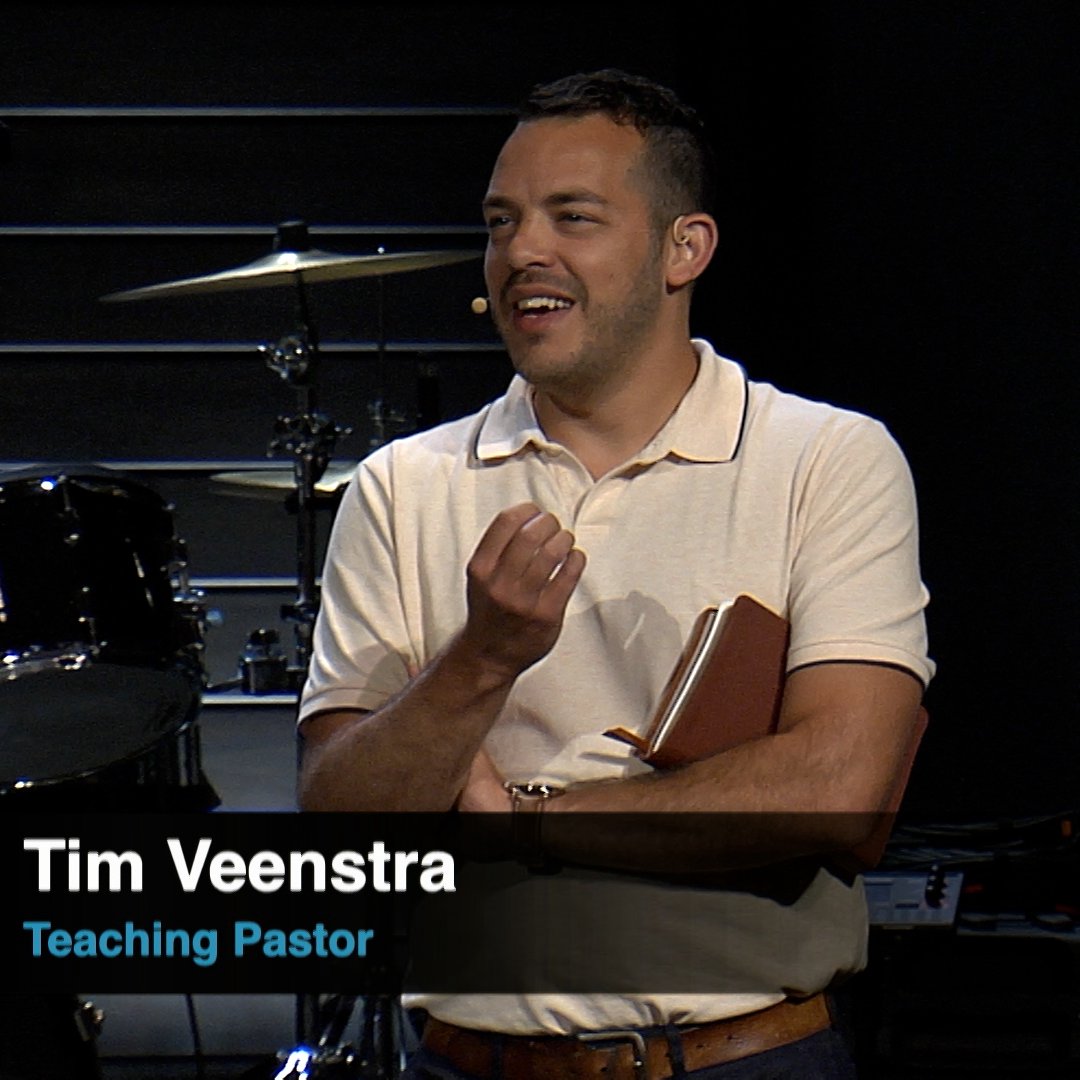
Lay Down and Be Still
Jun 1400:34:15Tap to summarizeDavid paints a picture of a Shepherd who lovingly provides what His sheep can't provide for themselves: true rest. “He makes me lie down in green pastures, He leads me beside still waters.” Sheep don't naturally rest easily. They're fearful, anxious, restless, and distracted. Yet the Good Shepherd removes fear, calms the chaos, provides, and gently leads us to peace.
Transcribe →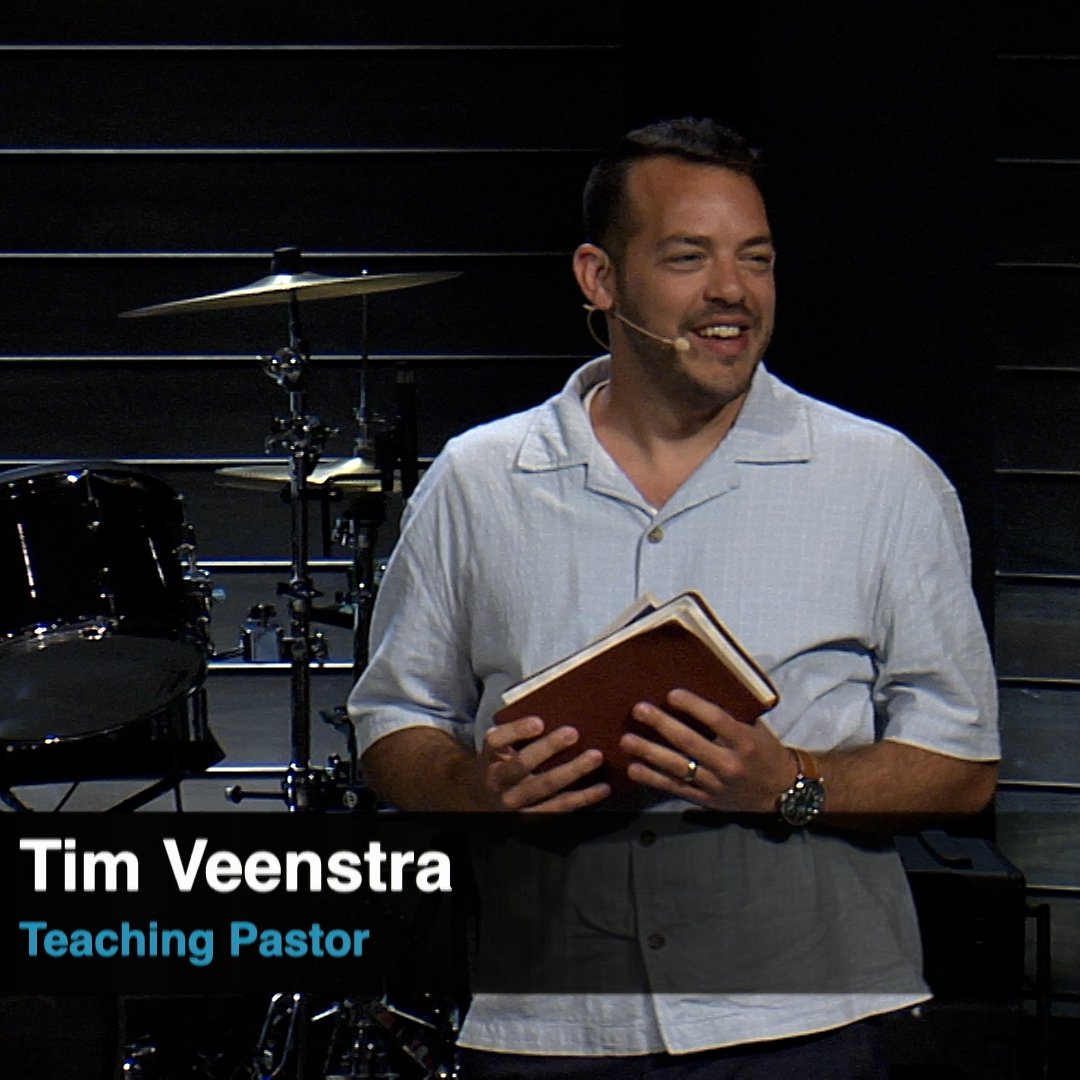
I Trust Jehovah
Jun 700:36:31Tap to summarizePsalm 23 begins with a staggering declaration: “The Lord is my shepherd.” David doesn't place his confidence in circumstances, resources, or even himself. His trust is rooted in the eternal God who feeds, leads, guards, and sustains His people. Even in crisis, trust psalms like Psalm 23 declare confidence in the faithfulness of God. The greatest comfort of Psalm 23 isn't the green pastures or still waters, but the Shepherd Himself.
Transcribe →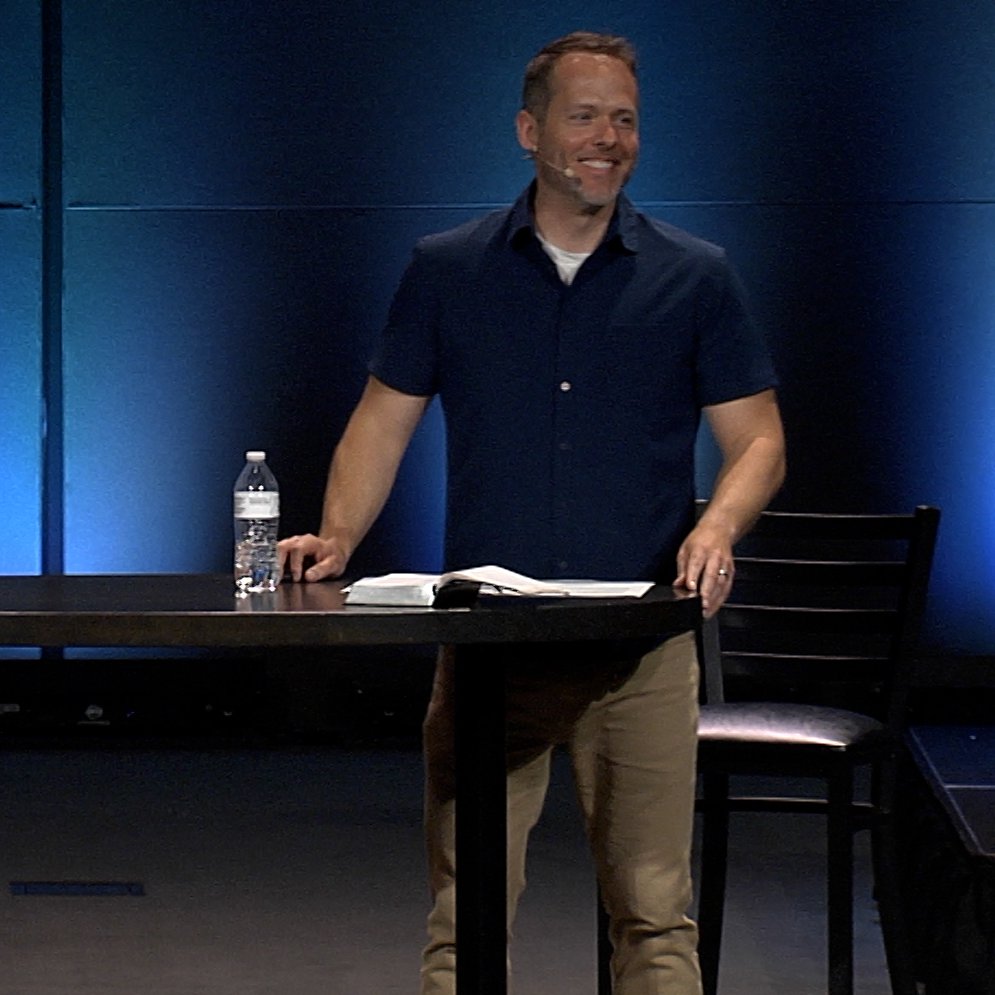
The Unfinished Story
May 3100:32:40Tap to summarizeJoseph spent 13 years in pits, prisons, and waiting rooms he never asked for. But Genesis 50:20 is the moment the whole journey comes into focus. What do you do when your life doesn't look like what you thought it would? And what if God is working in it rather than around it?
Transcribe →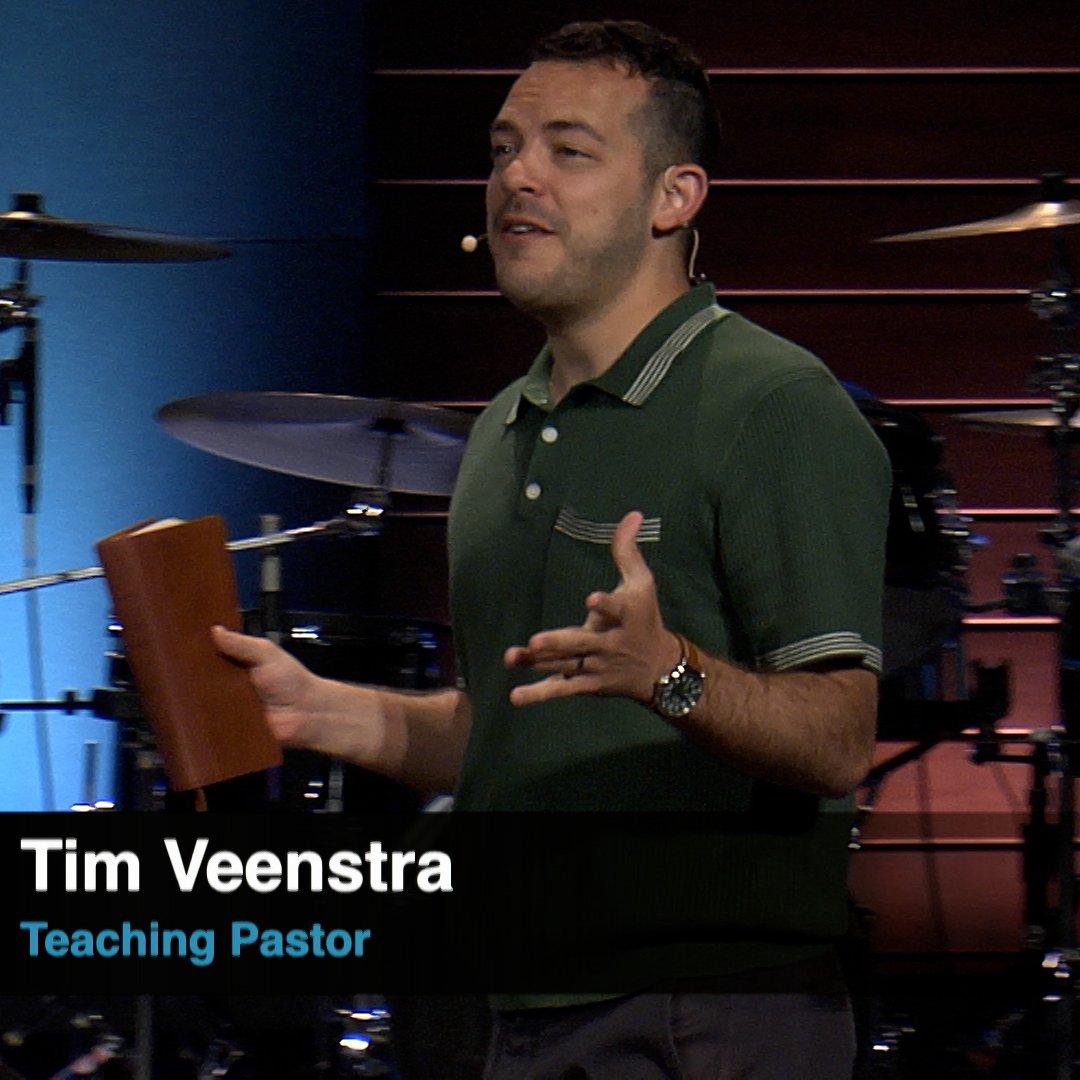
The Debt You Don’t Collect
May 2400:31:53Tap to summarizeForgiveness is one of the hardest commands in Scripture. In the story of Joseph and his brothers, guilt lingers and relationships remain complicated, but Joseph responds to God’s calling to overcome evil with good. Where we see hurt, God can still bring healing, redemption, and good.
Transcribe →
Life in the Overlap
May 1700:31:47Tap to summarizeAs Joseph's life unfolded, he learned more about himself and continued to understand God’s character and ways. As we look at the choices Joseph made, we turn to ourselves and know we have the same opportunities to decide how we'll respond to God and the obstacles we face.
Transcribe →